Sustainable housing is a way of designing, building, and living in homes that use resources more responsibly. It is not only about adding solar panels or choosing eco-friendly paint. A sustainable home should consider the full picture: materials, energy use, construction waste, long-term durability, comfort, and how well the home works for real people.
At its best, sustainable housing creates living spaces that are practical, efficient, and easier on the planet. It looks at how a home is made, how much energy it uses, how much waste it creates, and how long it can continue to perform well over time.
As housing needs change, more people are looking for options that are flexible, faster to build, and less wasteful than traditional construction. That is where modern modular homes, ADUs, tiny homes, and 3D-printed housing can play an important role.
What Sustainable Housing Means
Sustainable housing means building homes in a way that reduces environmental impact while still supporting comfort, safety, and everyday use. A sustainable home should be designed to use fewer resources during construction and operate efficiently after it is occupied.
This can include better insulation, energy-efficient systems, recycled or responsibly sourced materials, smart layouts, and construction methods that reduce waste. It can also include smaller, more efficient floor plans that make better use of space.
A home does not need to be large to be useful. In many cases, a compact, well-designed home can provide everything a person needs while using fewer materials, less energy, and less land.
Key Features of Sustainable Housing
Sustainable housing can take many forms, but most sustainable homes share a few important qualities.
Efficient Use of Materials
A sustainable home should avoid unnecessary material waste. This starts with the design. A clear, efficient layout can reduce the amount of material needed while still creating a comfortable living space.
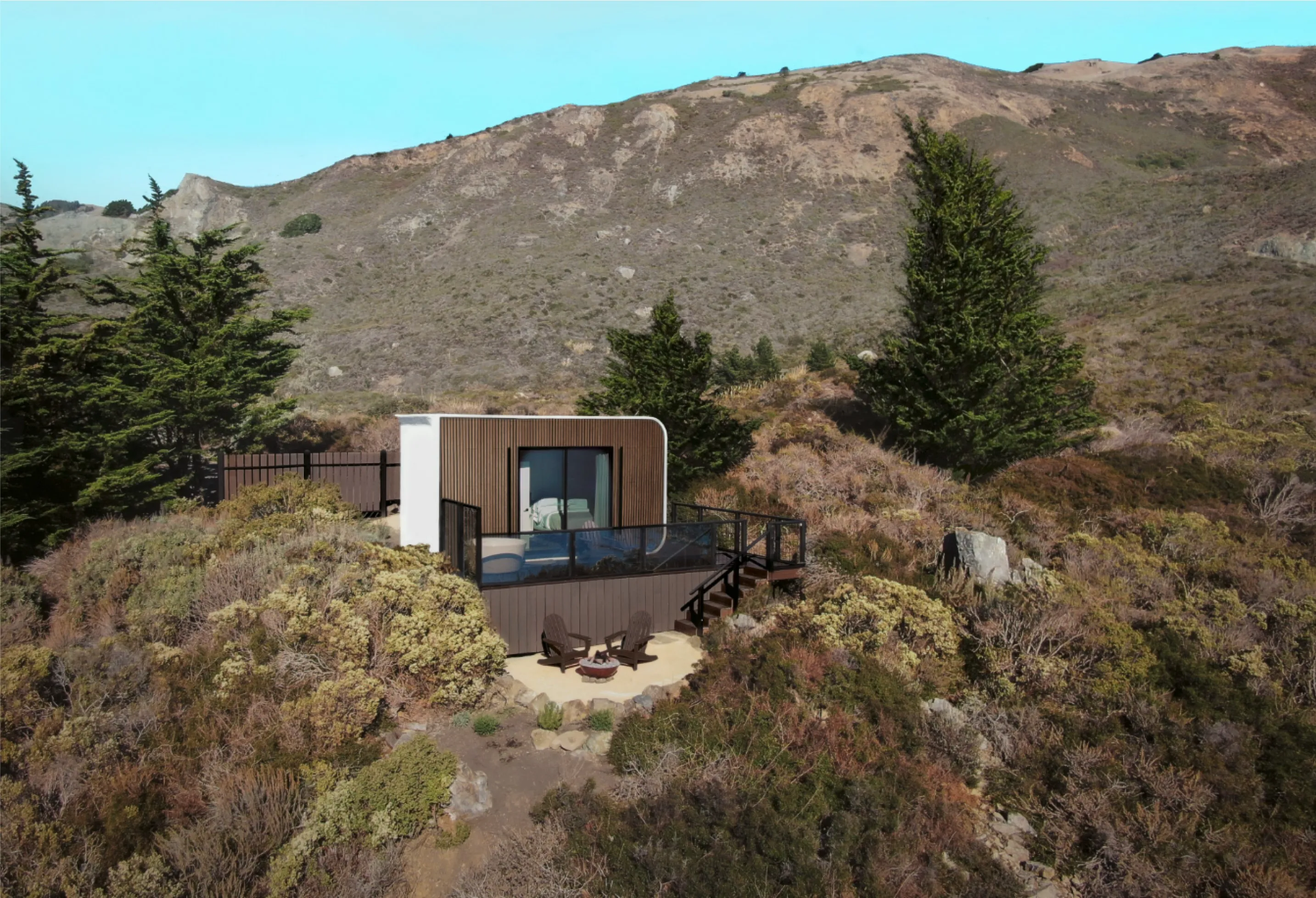
At Azure Printed Homes, we use robotically printed construction methods and recycled materials to create future-focused modular living spaces. For a 120 sq ft unit, about 100,000 plastic bottles are used in the printed material. That gives plastic waste a new purpose while supporting a more modern way to build.
Energy Efficiency
Energy efficiency is one of the most important parts of sustainable housing. A home that uses less energy for heating, cooling, and daily operation can reduce long-term costs and environmental impact.
Energy-efficient design may include:
- Better insulation to help maintain indoor comfort
- Efficient windows to reduce heat loss and heat gain
- Sealed construction to limit drafts and energy waste
- Proper ventilation to support healthy airflow
- Smart orientation to make better use of sunlight and shade
- Right-sized systems selected for the size and purpose of the home
Smaller homes often have an advantage because there is less space to heat, cool, and maintain.
Reduced Construction Waste
Traditional building often creates waste at the job site. Materials may be over-ordered, damaged by weather, cut down to size, or discarded during construction.
3D-printed construction helps create a more controlled process. At Azure, our process is built around configuring the unit, robotically printing the structure, installing finishes, delivering the home, and completing on-site installation. This approach helps simplify production and reduce unnecessary waste.
Smaller, Smarter Spaces
Sustainable housing is not always about building something completely new or experimental. Sometimes it is about using space better.
A smaller, well-planned home can support many different needs, including:
- Work: A backyard office, creative studio, or quiet workspace
- Family: A guest unit, ADU, or independent space for relatives
- Rental income: A compact living unit for short-term or long-term use
- Travel: A home on wheels for flexible living
- Hospitality: Glamping units or vacation guest spaces
- Extra housing: Added living space on an existing property
The key is thoughtful design. A compact home should feel intentional, not cramped. Storage, natural light, privacy, bathroom access, kitchen needs, and utility connections all matter.
Types of Sustainable Housing
Sustainable housing can include many different home types. The right choice depends on the property, budget, local rules, and how the space will be used.
ADUs
Accessory dwelling units, or ADUs, are smaller homes built on the same property as a main home. They can be used for family members, guests, long-term rentals, or flexible living space.
ADUs can be a sustainable option because they make better use of existing land. Instead of developing a completely new site, an ADU can add housing where utilities, access, and infrastructure may already be nearby.
At Azure, we create modular ADU-style homes designed for different needs, from compact living spaces to larger layouts. Our homes are built to help owners add usable space with a more efficient construction process.
Tiny Homes
Tiny homes focus on compact, efficient living. They are often chosen by people who want a simpler lifestyle, lower maintenance, or a smaller environmental footprint.
A tiny home can work well as a full-time residence, vacation space, rental unit, backyard home, or glamping accommodation. The best tiny homes are not just small. They are carefully planned so every square foot has a purpose.
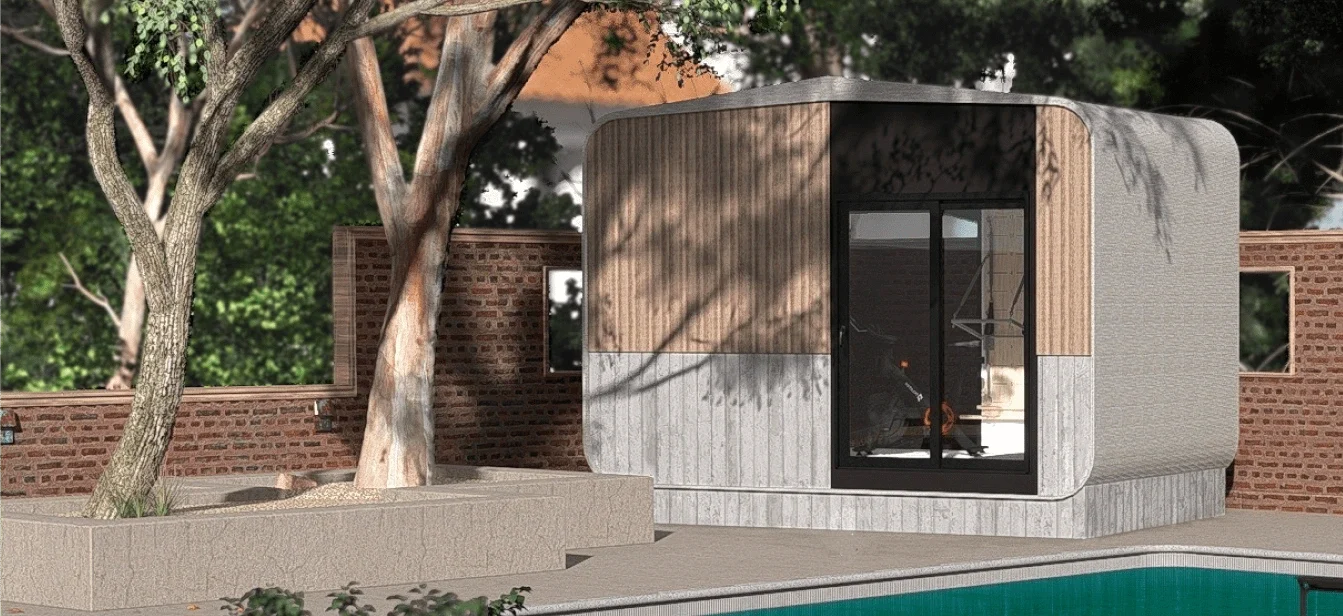
Backyard Studios
A backyard studio can be one of the most practical forms of sustainable housing or flexible space. It can serve as a home office, creative studio, wellness room, guest space, or private retreat.
Because these units are smaller, they can often use fewer materials and less energy than larger buildings. They also help property owners make better use of land they already have.
Homes on Wheels
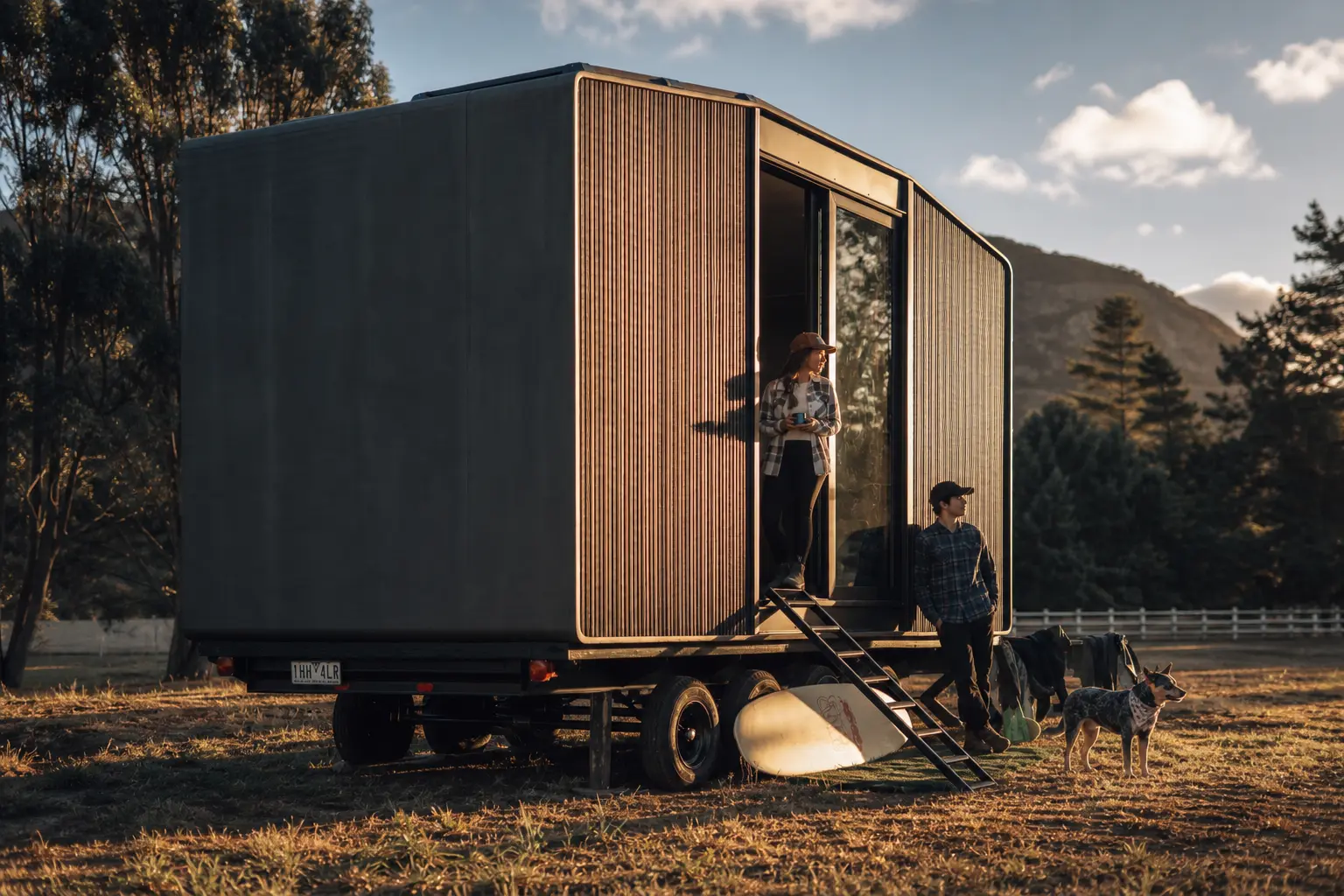
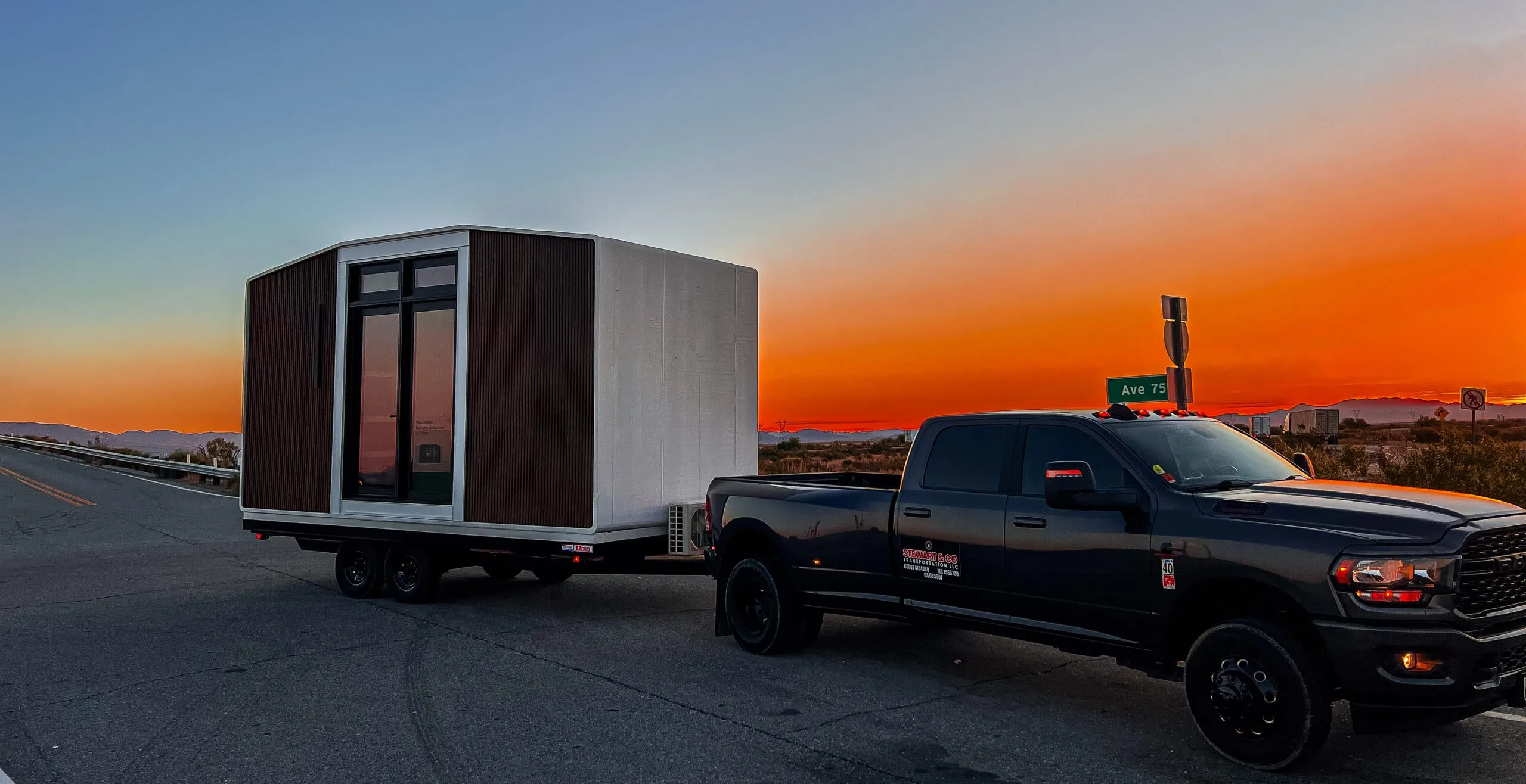
Homes on wheels offer flexibility for people who want compact living with mobility. They can support travel, temporary housing, vacation use, or hospitality projects.
Sustainability in a home on wheels depends on design, materials, durability, and efficient systems. A well-built unit should be practical enough for daily use and strong enough to handle transportation and changing environments.
Benefits and Limitations of Sustainable Housing
Sustainable housing can offer strong advantages, but it is still important to plan the project around the site, budget, and intended use. A home is not truly sustainable just because it is smaller or built with modern materials. It also needs to be comfortable, durable, efficient, and practical for everyday life.
| Benefits | Limitations |
| Sustainable homes can use resources more carefully and reduce unnecessary construction waste. | Material choices still need to match the climate, use case, and long-term performance needs of the home. |
| Efficient layouts, insulation, and properly selected systems can help reduce energy use over time. | Energy performance depends on the full design, site conditions, heating, cooling, and utility setup. |
| Smaller, smarter homes can make better use of land and reduce the need for oversized construction. | A compact space must be planned well. A studio, ADU, glamping unit, and home on wheels all need different features. |
| Modular and 3D-printed homes can create a more controlled path from production to installation. | Site preparation, permits, delivery access, drainage, and utility connections still need to be handled carefully. |
| A well-planned sustainable home can support comfort, lower maintenance, and flexible use over time. | The home must fit the real purpose. A rental unit may need more storage and durable finishes than a weekend guest space. |
The best results come from matching the home to the way it will actually be used. A backyard office may need privacy, quiet, and electrical access. A full-time ADU may need a kitchen, bathroom, storage, and stronger everyday functionality. A glamping unit may focus more on guest comfort, views, and simple maintenance.
At Azure Printed Homes, we create modular living spaces for different needs, including studios, ADU-style homes, tiny homes, homes on wheels, and glamping units. That flexibility matters because sustainable housing works best when the design, site, and long-term purpose all fit together.
How to Plan a Sustainable Housing Project
Sustainable housing starts before construction. Many of the most important decisions happen during the planning stage, long before a home is delivered or installed. A thoughtful plan can help improve efficiency, reduce unexpected costs, and ensure the space remains useful for years to come.
1. Define the Use Case
Start by identifying how the space will actually be used. A backyard office, guest suite, ADU, rental unit, glamping accommodation, and full-time residence all have different requirements.
The intended use can influence everything from the size and layout to utility needs, storage requirements, privacy considerations, and interior finishes. The clearer the purpose, the easier it becomes to choose the right housing solution.
2. Evaluate the Site
Every property is different. Site conditions can affect installation, utility connections, access, drainage, and overall project complexity.
Before selecting a home, it is important to consider factors such as terrain, available space, delivery access, local regulations, and the location of existing utilities. Proper site preparation helps support long-term performance and can simplify the installation process.
3. Understand Utility Requirements
Power, water, wastewater, heating, cooling, and internet access should be considered early in the planning process.
A compact backyard studio may require different utility connections than a full-time ADU or larger housing project. Understanding these requirements ahead of time can help avoid delays and make budgeting more accurate.
4. Plan for Long-Term Use
A sustainable housing project should work not only today but also in the future. Many homeowners find that the way they use a space changes over time.
A guest suite may later become a rental unit. A backyard office may become a wellness studio or living space for family members. Planning for flexibility can help maximize the long-term value of the investment.
5. Choose the Right Home Type
Different housing solutions are designed for different needs. Smaller studio spaces can work well for offices, creative spaces, and guest accommodations. ADUs can provide more complete living environments for long-term occupancy. Homes on wheels offer mobility, while larger modular homes can support full-time living.
At Azure Printed Homes, we create a range of future-focused modular living spaces, including Studio Series models, ADUs, tiny homes, homes on wheels, and larger residential solutions. Choosing the right model starts with understanding how the space will be used and how it fits within the property.
Where Sustainable Housing Makes the Most Sense
Sustainable housing can be applied in many different settings, but some projects benefit especially well from efficient construction methods, flexible layouts, and smaller environmental footprints.
- Backyard properties: Studios and ADUs can add useful space for work, guests, family members, or rental opportunities without requiring a major expansion of the primary home.
- Vacation properties: Compact homes can provide comfortable accommodations while reducing maintenance and resource use compared to larger vacation homes.
- Rental developments: Efficient construction methods and flexible housing options can help create additional rental inventory while making better use of available land.
- Multifamily projects: Sustainable housing can support higher-density living while focusing on efficient land use and modern construction practices.
- Glamping resorts: Smaller modular units can create unique guest experiences while minimizing site disruption and supporting sustainable tourism goals.
- Remote land: Modular homes and homes on wheels can offer practical living solutions in locations where traditional construction may be more complex.
- Flexible family housing: Sustainable homes can provide independent living spaces for relatives, adult children, aging parents, or multigenerational households.
Sustainable Housing and the Future of Modern Living
Sustainable housing is not just a trend. It is becoming a practical response to real housing challenges. People need homes that are faster to build, easier to customize, more efficient, and less wasteful.
3D-printed and modular homes are part of that shift. They offer a new way to think about construction, especially for ADUs, backyard studios, glamping spaces, tiny homes, and flexible housing projects.
The future of housing will likely include many different solutions. But the direction is clear: smarter materials, better use of space, faster production, and more responsible construction.
Final Thoughts
Sustainable housing is about building better from the start. It considers materials, waste, energy use, durability, comfort, and long-term value. A sustainable home should be useful today and responsible for the future.
At Azure Printed Homes, we believe housing can be more innovative, more efficient, and more connected to the world people actually live in. By using recycled materials, robotic 3D printing, modular design, and customizable models, we help create living spaces that are practical, future-focused, and built with sustainability in mind.
Whether the goal is a backyard studio, an ADU, a tiny home, a home on wheels, or a larger housing project, sustainable housing starts with one simple idea: build smarter.