Sustainable housing is becoming more important because the way homes are built, powered, and used affects much more than the person living inside them. A home can shape energy use, monthly costs, material waste, land use, comfort, and long-term maintenance.
For many people, sustainable housing sounds like a big environmental idea. It is, but it is also very practical. A better-built home can use space more efficiently, reduce unnecessary waste, support lower energy use, and create a healthier place to live or work.
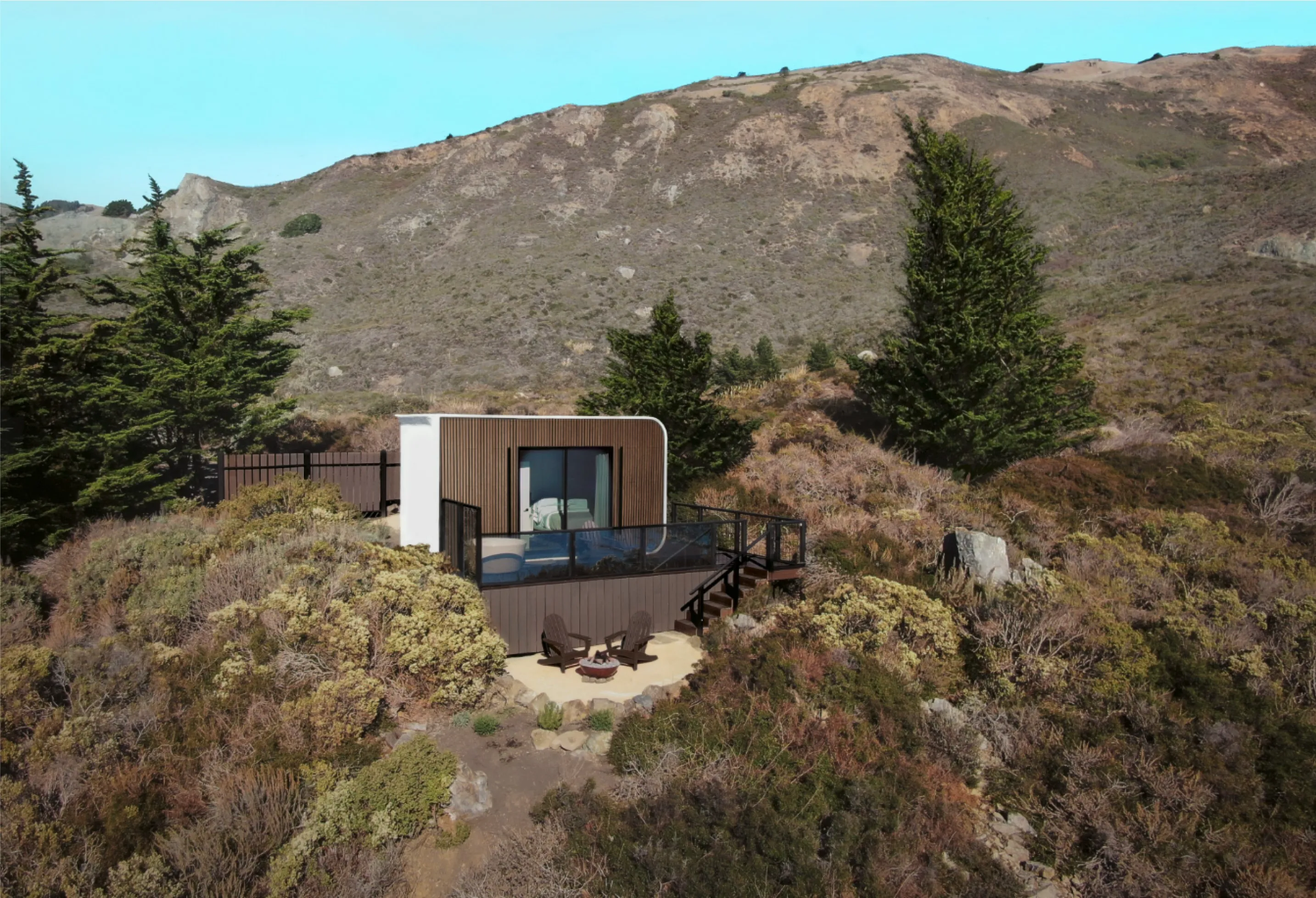
At Azure Printed Homes, we believe the future of housing should be smarter, faster, and more responsible. That is why we create robotically printed modular living spaces using recycled materials, customizable designs, and efficient production methods.
What Sustainable Housing Is
Sustainable housing means building and using homes in a way that reduces waste, supports energy efficiency, and makes better use of resources. It is not only about solar panels or recycled materials, although those can be part of it. It also includes the size of the home, how it is built, how much energy it uses, how long it lasts, and how well it fits the needs of the people using it.
A sustainable home should feel useful, comfortable, and intentional. It should not waste space. It should not require more material than necessary. It should also be designed for real life, whether that means a backyard office, guest unit, ADU, tiny home, glamping space, or full-time living space.
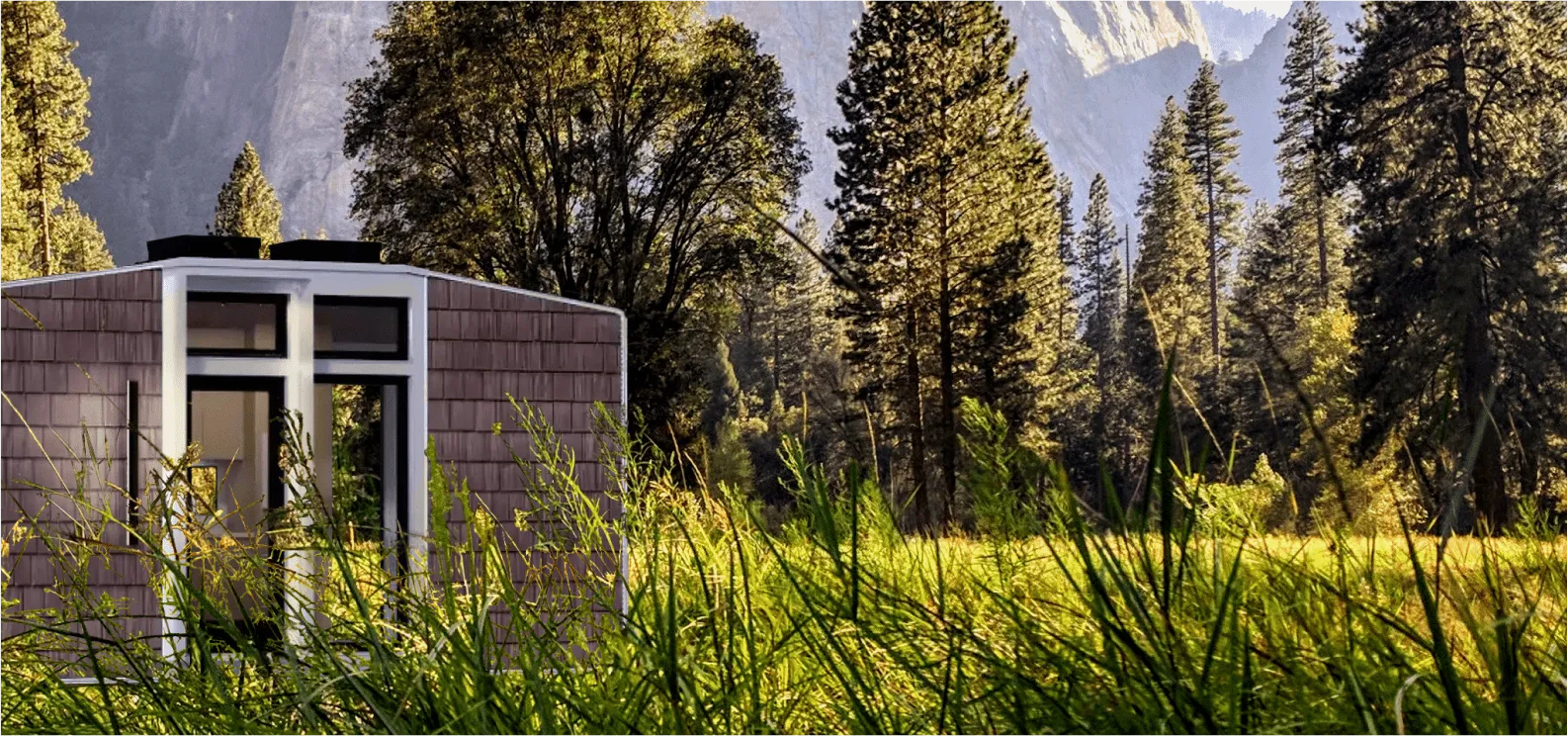
Why Sustainable Housing Matters
Housing has a direct impact on resources. Traditional construction can involve large amounts of material waste, long timelines, multiple trades, and many on-site steps. Sustainable housing looks for better ways to build without giving up comfort or function.
The goal is simple: create homes that work well while using resources more wisely.
Sustainable housing matters because it can help:
- Reduce construction waste
- Improve energy efficiency
- Lower long-term operating costs
- Support smaller and more flexible living spaces
- Make better use of existing land
- Create housing options that are faster to produce
- Encourage smarter material choices
These benefits matter for homeowners, property owners, developers, and communities.
Reducing Waste Through Smarter Construction
One of the biggest reasons sustainable housing is important is waste reduction. Building a traditional home often creates excess material from cutting, framing, packaging, mistakes, and changes during construction. Some waste is hard to avoid, but better planning and modern production can reduce it.
At Azure Printed Homes, our 3D-printed construction process uses recycled materials, including plastic waste. For a 120 sq ft unit, about 100,000 plastic bottles are used in the printed material. That gives discarded plastic a new purpose and helps turn waste into useful living space.
This is one of the clearest examples of sustainable housing in action. Instead of treating plastic waste only as a problem, we use it as part of a new way to build.
Lowering Long-Term Costs With Energy Efficiency
Energy efficiency is another major part of sustainable housing. A home that uses less energy for heating, cooling, lighting, and daily operation can reduce long-term costs and make the space more comfortable.
This matters because the true cost of a home is not only the purchase price. Owners also pay for utilities, upkeep, repairs, and upgrades over time. A more efficient home can help reduce those ongoing expenses.
Sustainable housing should consider:
- Insulation
- Heating and cooling
- Natural light
- Window placement
- Efficient appliances and fixtures
- Solar and battery options
- Smart use of space
At Azure, energy efficiency is part of how we think about modern modular living. Our homes can be designed with features that support better performance, including HVAC, solar panels, batteries, and practical layouts that make the space easier to use.
Building the Space You Need
Sustainable housing is not always about building a large eco-home. Sometimes, it starts with building only what is needed.
A compact home, studio, ADU, or home on wheels can reduce material use simply because it uses less space. When designed well, a smaller unit can still feel comfortable and complete. The key is thoughtful planning.
A smaller sustainable home can work well as a:
- Backyard office
- Guest suite
- Rental unit
- Tiny home
- Glamping unit
- Wellness space
- Creative studio
- ADU for family members
At Azure Printed Homes, we create modular spaces for many of these uses. Our Studio Series starts with compact models like N100 and A/D/C-100 starting at $24,900, while A/D/C-120 models start at $29,900. Larger ADU-style homes and homes on wheels are also available for buyers who need more space or mobility.
Supporting Flexible Living
People use homes differently than they used to. Some need a quiet office. Some need space for family. Others want a guest unit, rental space, vacation property, or glamping setup. Sustainable housing can support these changing needs without always requiring a large traditional build.
A modular unit can help property owners add useful space to land they already have. That can reduce the need for major new construction while making the property more functional.
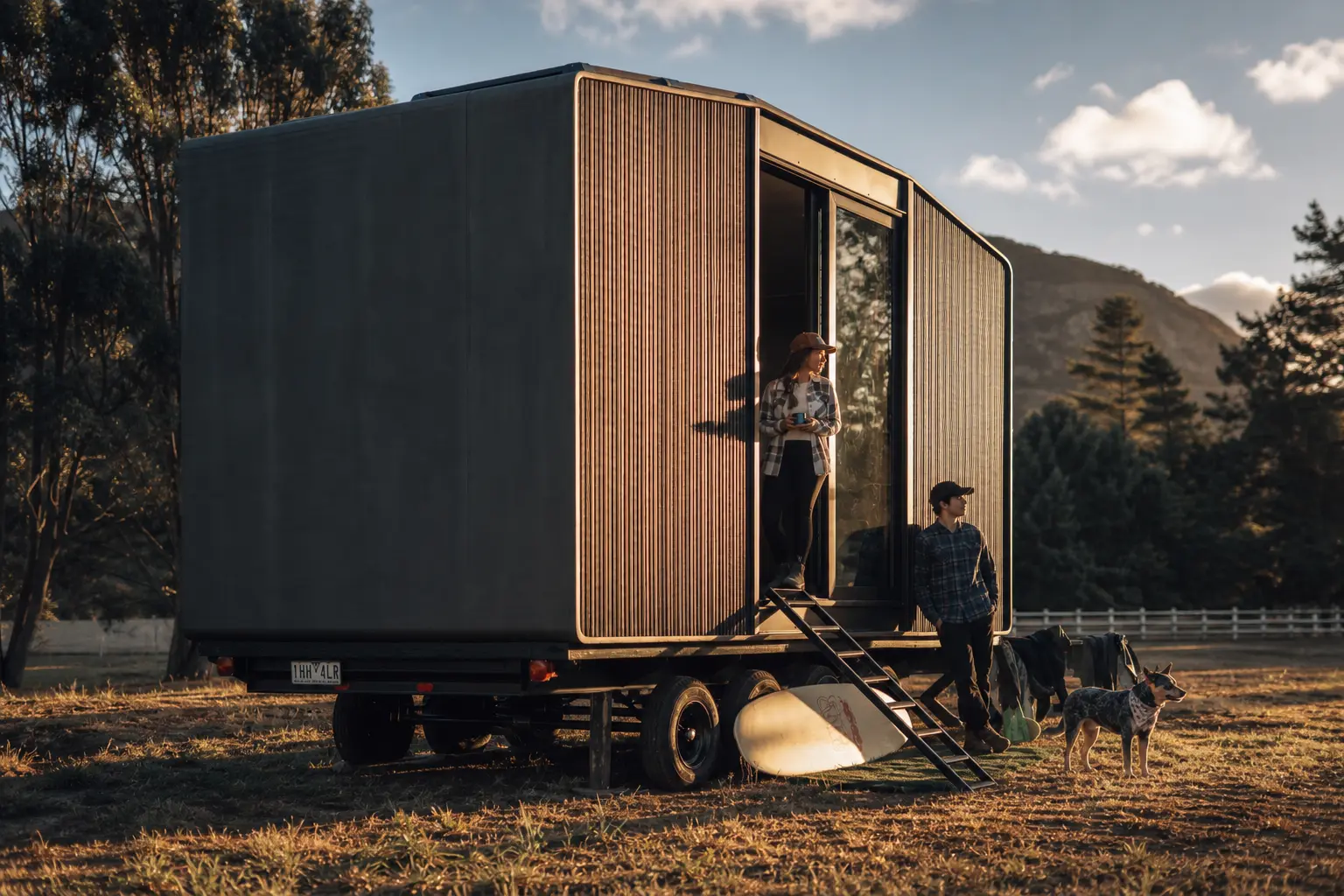
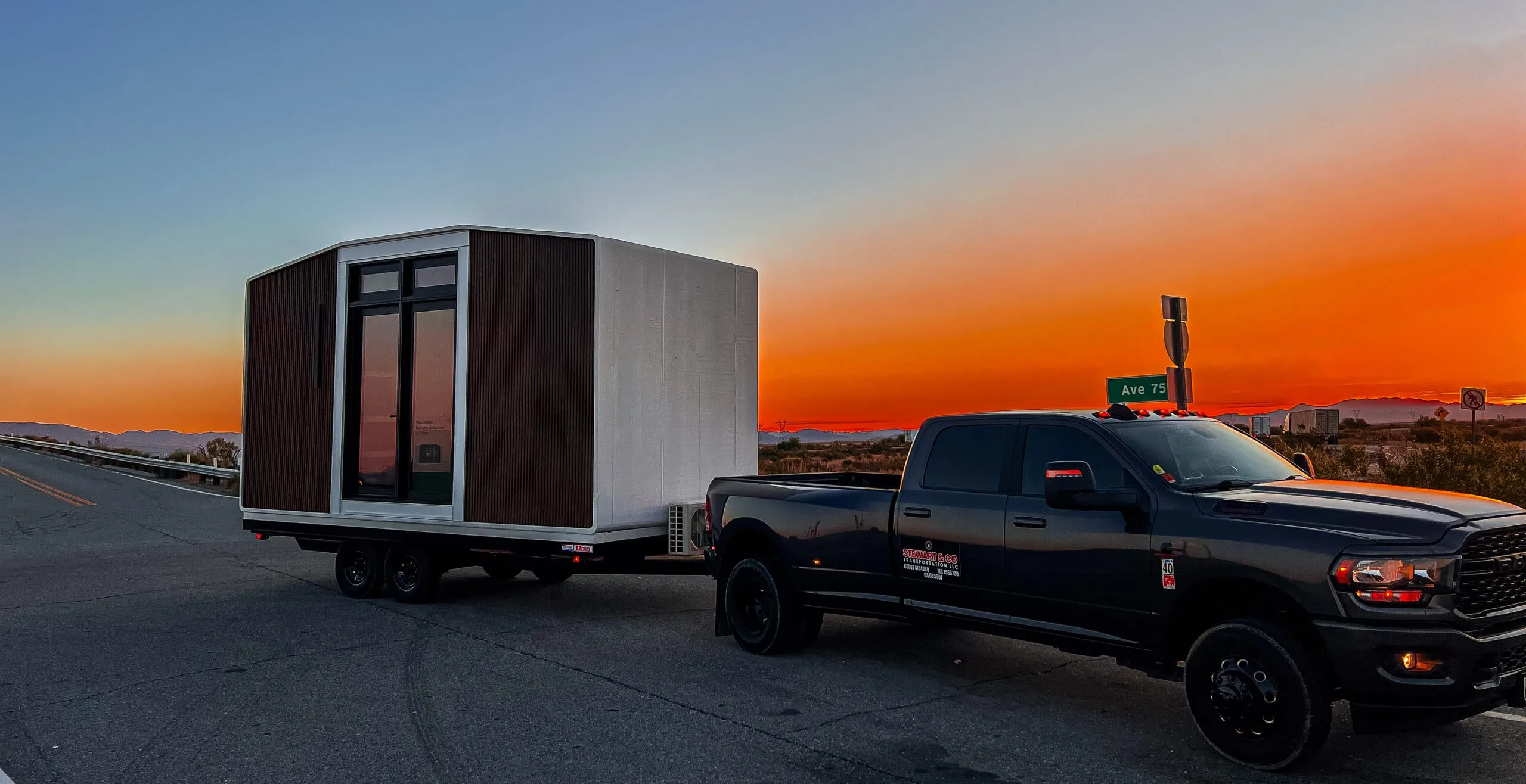
For example, a backyard studio may support remote work. A compact ADU may support family housing. A home on wheels may support travel, flexible living, or hospitality projects. Each use case is different, but the main idea is the same: build smarter, not bigger than necessary.
Speeding Up the Construction
Time is another reason sustainable housing matters. Long construction timelines can create extra costs, delays, and disruption. Weather, site access, labor scheduling, inspections, and material availability can all slow down a traditional project.
Modern modular construction can simplify part of this process because more work happens in a controlled production environment. At Azure, our process includes configuration, robotic printing, finish installation, delivery, and on-site installation.
This approach helps reduce some of the uncertainty that comes with traditional on-site construction. It also allows buyers to move from idea to usable space in a more organized way.
Better Land Using
Land is valuable. Sustainable housing can help people use it more efficiently.
A property owner may not need to build a full-size home to create meaningful new space. A compact studio, ADU, or guest unit may be enough. This can be especially useful for backyards, rural properties, glamping destinations, vacation spaces, or multi-unit projects.
Instead of thinking only in terms of large homes, sustainable housing encourages a more flexible question: what kind of space is actually needed?
That question can lead to smarter decisions. It can reduce unnecessary construction, lower costs, and create housing that fits the site better.
Keeping Comfort at the Center of Sustainable Design
A sustainable home should not feel like a compromise. People still need comfort, privacy, storage, natural light, temperature control, and a layout that works.
Good sustainable housing balances efficiency with livability. A compact home should feel intentional, not cramped. A modular unit should be practical, not temporary. A modern home should be efficient, but also welcoming.
That balance is important at Azure Printed Homes. We design future-focused modular living spaces that can be customized for different needs, whether the project is a studio, ADU, tiny home, home on wheels, or glamping unit.
Planning for Long-Term Performance
A sustainable home should work well not only on the first day, but years later. That means the design, materials, installation, and maintenance all matter.
Before starting a sustainable housing project, owners should think about:
- The main use of the space
- Site access and delivery
- Drainage and grading
- Utility connections
- Local permits and zoning
- Heating and cooling needs
- Long-term maintenance
- Privacy and outdoor space
A better plan usually leads to a better home. Sustainable housing works best when the structure, site, and purpose all fit together.
Common Misconceptions About Sustainable Housing
As sustainable housing becomes more popular, a number of misconceptions continue to follow it. Some people assume sustainable homes are only for environmental enthusiasts, while others believe they are expensive, restrictive, or uncomfortable. In reality, modern sustainable housing can take many different forms and support a wide range of lifestyles.
Sustainable Housing Is Not Just About Solar Panels
Solar power is often associated with sustainable housing, but sustainability involves much more than renewable energy. It includes how a home is designed, the materials used during construction, energy efficiency, waste reduction, durability, and how well the space supports everyday living.
A sustainable housing project may include:
- Efficient layouts that reduce wasted space
- Responsible material choices
- Better insulation and climate control
- Reduced construction waste
- Durable materials and finishes
- Smart planning for long-term use
A thoughtfully designed home can be more sustainable even without solar panels. Efficient layouts, quality insulation, responsible material choices, and reduced construction waste can all contribute to a more sustainable project.
Sustainable Homes Do Not Have to Be Large
Many people picture sustainable housing as a large custom home filled with advanced technology. In reality, smaller spaces are often one of the most practical examples of sustainable design.
Studios, ADUs, guest spaces, tiny homes, and homes on wheels can reduce material use while still providing comfortable and functional living space. Building only the space that is actually needed is often one of the most effective ways to improve sustainability.
Sustainability and Comfort Can Work Together
Some people worry that sustainable housing requires sacrificing comfort. Modern sustainable homes are designed to support both efficiency and livability.
Comfort can still include:
- Natural light
- Climate control
- Privacy
- Storage
- Practical layouts
- Modern finishes
- Indoor-outdoor connection
The goal is not simply to use fewer resources. It is to create a space that works well for the people who use it every day.
Modern Sustainable Housing Can Be Highly Customizable
Another common misconception is that sustainable homes follow a single design style. Today’s modular and 3D-printed housing solutions offer a wide range of options.
At Azure Printed Homes, we create customizable living spaces that can serve as studios, ADUs, guest suites, rental units, glamping accommodations, homes on wheels, and more. Sustainable housing can be tailored to different properties, lifestyles, and long-term goals without forcing every project into the same design.
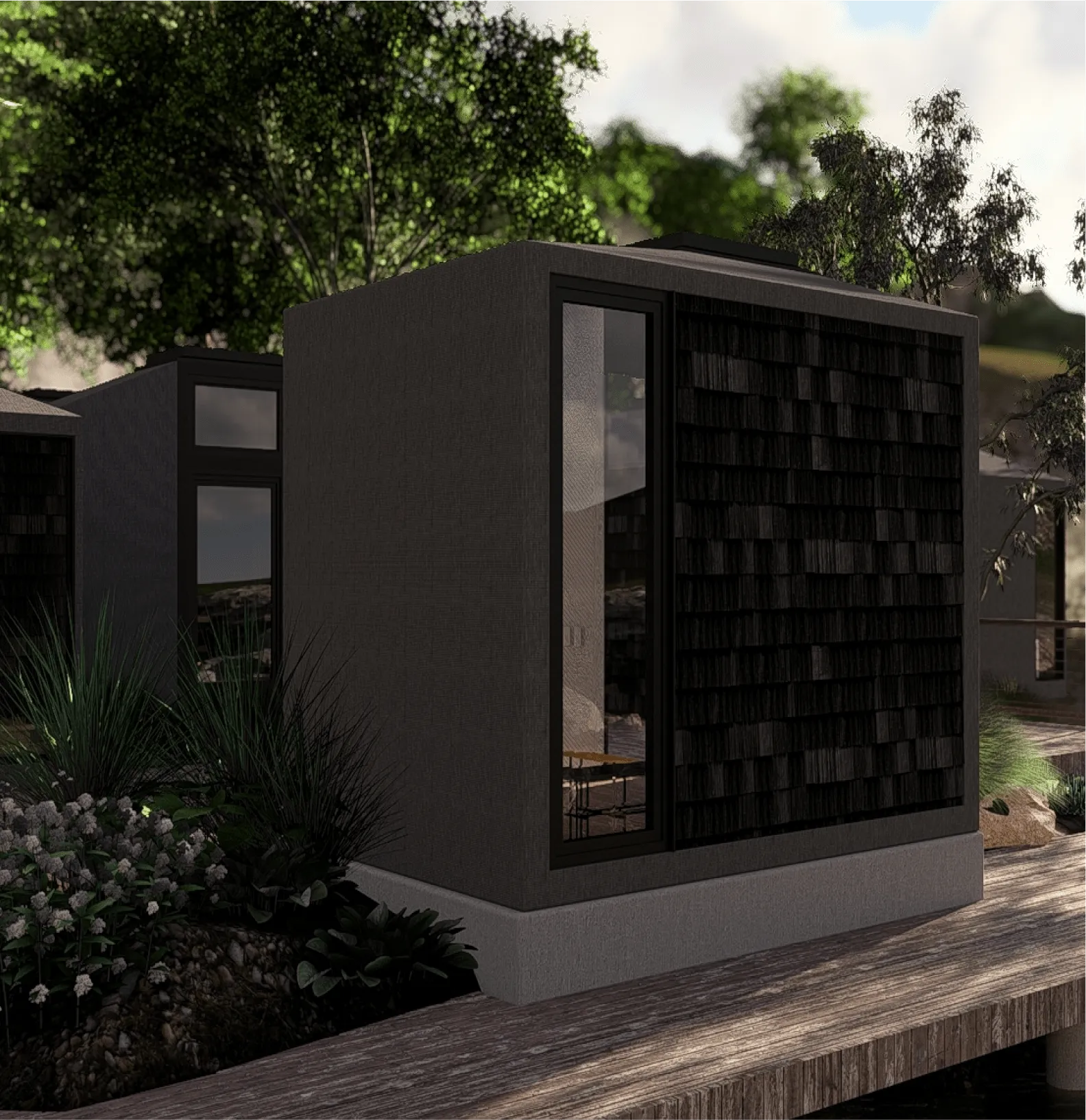
What to Consider Prior Starting a Sustainable Housing Project
The success of a sustainable housing project often depends on planning. Before selecting a model or reviewing prices, it helps to understand how the space will be used and how it will fit into the property.
A clear plan can help avoid unnecessary costs, improve long-term performance, and ensure the finished space supports its intended purpose. Important factors to consider include:
- Intended use: A backyard office, guest suite, rental unit, ADU, glamping accommodation, and full-time residence all have different requirements. The use case will influence the size, layout, utilities, amenities, and overall design.
- Site conditions: Every property is different. Access for delivery, grading, drainage, available space, privacy, sun exposure, and foundation requirements can all affect the installation process.
- Utilities: Electricity, water, wastewater, heating, cooling, and internet access should be considered early because they can affect placement, installation costs, and long-term functionality.
- Local regulations: Permits, zoning requirements, setback rules, utility regulations, and local building requirements may vary by location. Understanding these factors early can help avoid delays.
- Budget: The total cost may include more than the structure itself. Site preparation, utility connections, permits, transportation, installation, landscaping, and furnishings can all influence the final investment.
- Long-term goals: A space that serves one purpose today may serve another purpose later. A studio may become a guest suite, a guest suite may become a rental unit, and an ADU may support family housing in the future.
Sustainable housing is most effective when it is planned with the future in mind. Considering these details early can help create a more flexible, efficient, and valuable long-term solution.
Conclusion
Sustainable housing is important because homes affect how people use energy, materials, land, money, and space. A better home is not just one that looks modern. It should be efficient, practical, durable, and designed with a clear purpose.
As housing needs continue to change, sustainable options will become even more valuable. Compact homes, modular units, 3D-printed construction, recycled materials, and energy-conscious design all point toward a smarter way to build.
At Azure Printed Homes, we see sustainable housing as more than a trend. It is a better way to create living spaces that are useful today and more responsible for the future.