Tiny homes are often pictured with wheels, a hitch, and a view of the open road. That version exists, and for some people, it makes perfect sense. But not every tiny home is built to move.
Some tiny homes are chassis-based and designed for mobility. Others are placed on a property as backyard studios, guest spaces, ADUs, or small permanent homes. The right option depends on how the space will be used, where it will sit, and what the local rules allow.
At Azure Printed Homes, we build different types of compact living spaces because “tiny home” does not mean one single thing. A home on wheels, a 120 sq ft studio, and a full ADU with a kitchen, bathroom, and bedroom can all be small. But they do not work the same way.
So, are all tiny homes on wheels? No. And that answer matters more than it may seem at first.
The Simple Answer: No, Not All Tiny Homes Are on Wheels
A tiny home is generally a small living space, but the term is used in a lot of different ways. That is where confusion starts.
Some people use “tiny home” to mean a movable home on a trailer or chassis. Others use it to describe a small backyard dwelling, a studio, an ADU, a cabin, a park model-style unit, or a compact prefab home. All of those can be small. Not all of them are mobile.
The wheels are only one part of the story. The more important question is what the structure is designed to do.
Is it meant to move? Is it meant to stay in one place? Will someone live in it full time? Will it have a kitchen and bathroom? Will it sit in a backyard, a tiny home community, a park setting, or on private land? Will it need water, sewer, electrical, foundation work, or local inspections?
Those details matter more than the label.
Why People Assume Tiny Homes Have Wheels
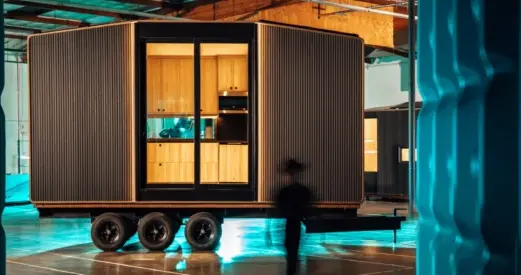
The tiny home movement became popular partly because of homes on wheels. They photographed well, moved easily in videos, and gave people a clear image of freedom. A small home, fewer things, lower costs, and the ability to move when life changes. It is easy to see why that version caught on.
A home on wheels can be a good fit for people who want mobility or a flexible placement option. It can also work for certain parks, communities, vacation properties, or land setups where that type of unit is allowed.
But the wheeled version is not the only version. In many cases, people are not really trying to travel with a tiny home. They want a quiet office, a guest space, a rental unit where allowed, a place for family, or a more affordable way to add usable space to land they already own.
For those goals, wheels may not be the best feature. Sometimes a permanent or semi-permanent setup makes more sense.
Tiny Homes on Wheels: Built for Mobility and Flexibility
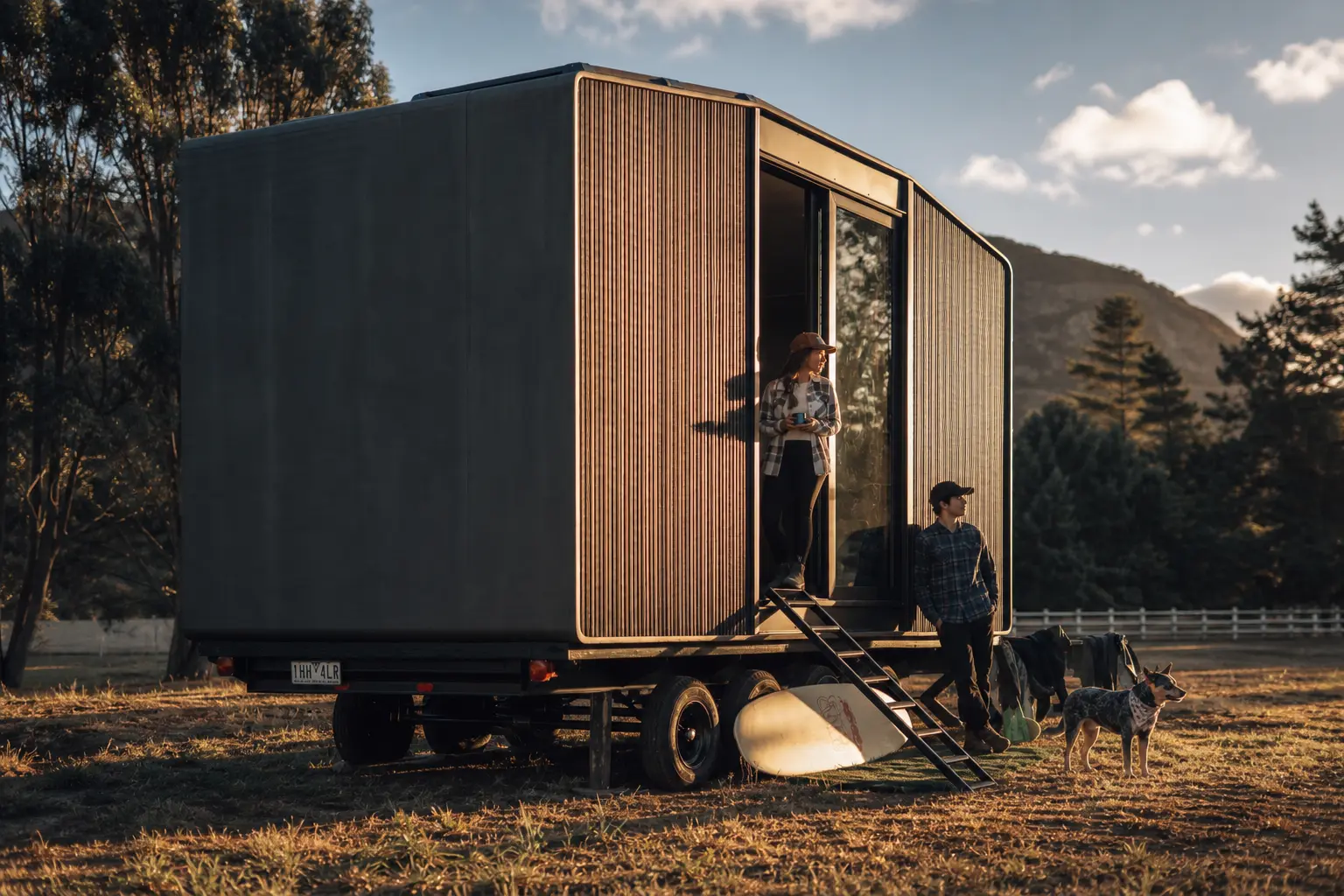
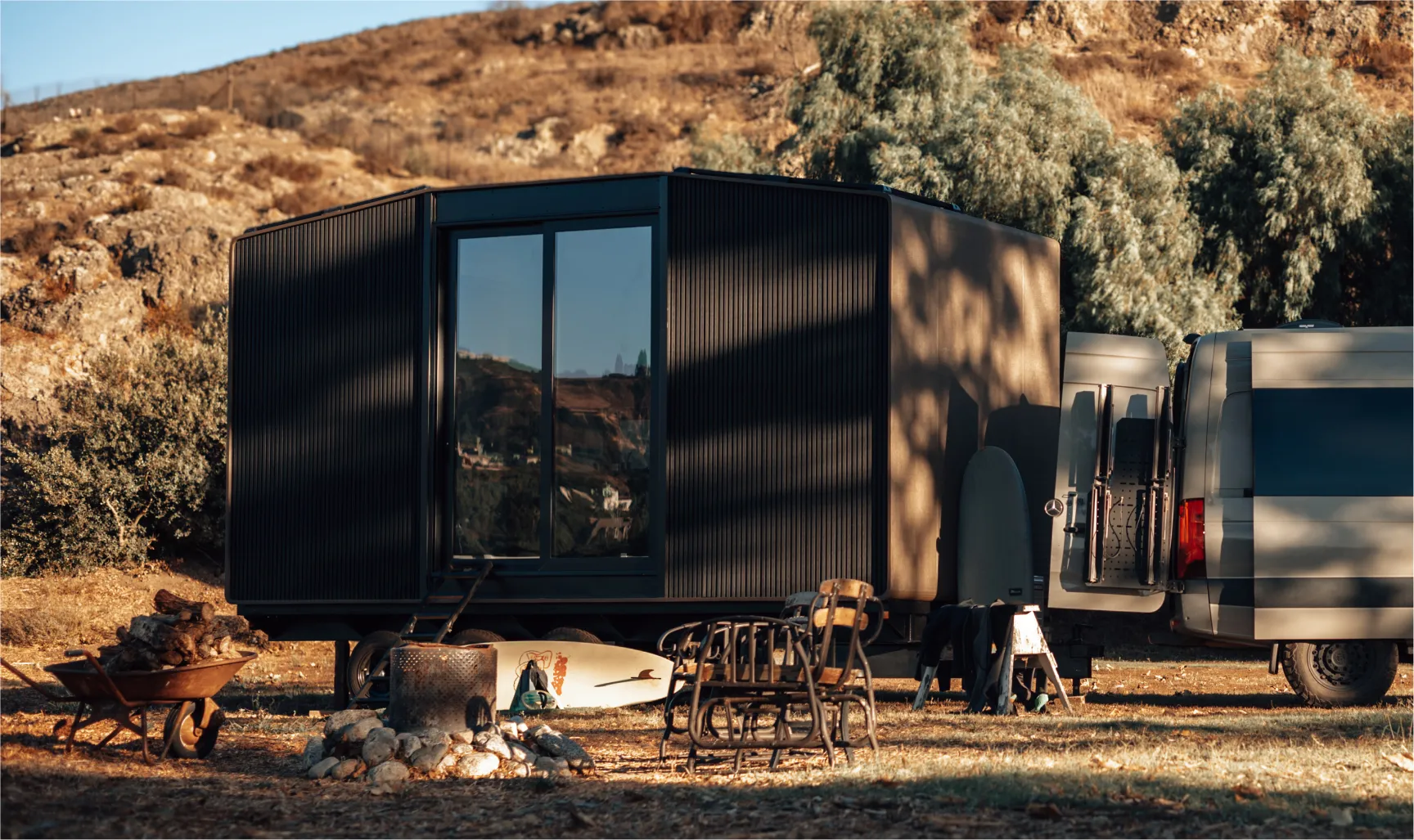
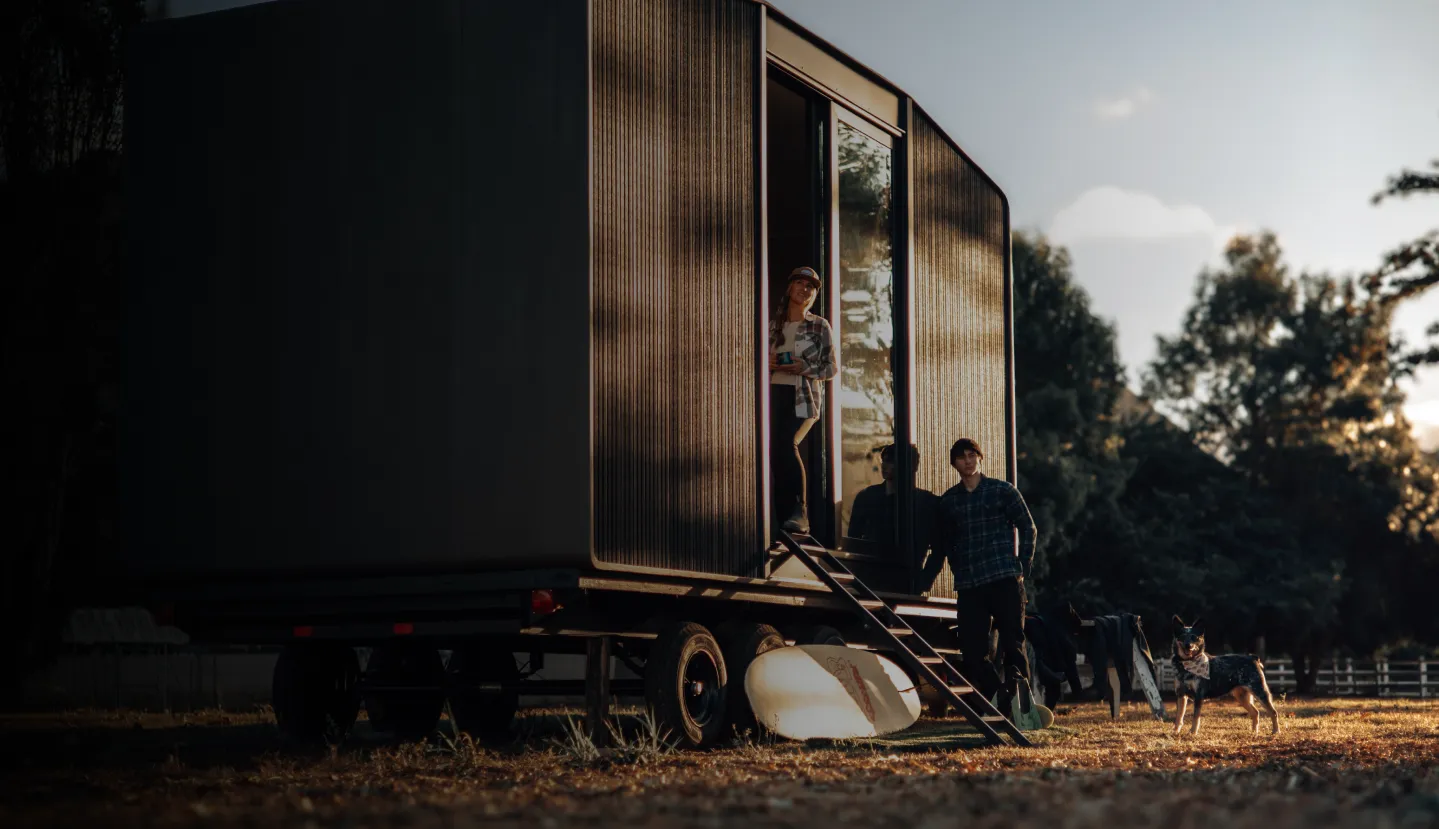
A tiny home on wheels is built on a chassis. That does not mean it can be placed anywhere without review, but it does mean the unit is designed differently from a foundation-based structure.
Our X Series Homes on Wheels are in this category. They are built for people who want a compact space with more mobility than a traditional ADU-style unit.
The X Series includes:
- X_180: 180 sq ft, 9′ x 20′, studio-style layout with kitchen and bathroom
- X_270: 270 sq ft, 9′ x 30′, 1 bedroom, kitchen, and bathroom
- X_360: 360 sq ft, 9′ x 40′, 2 bedrooms, kitchen, and bathroom
These models are small, but they are not empty shells. They are designed to bring basic home comforts into a compact format. The X_180 is more like a studio-on-the-move. The X_270 gives more room for a separate sleeping area. The X_360 is the largest of the group and adds more layout flexibility.
This kind of tiny home can be useful when the project calls for movement, park-style placement, or a more flexible living setup. But buyers should not confuse mobility with permission. A home on wheels still needs a legal and practical place to sit.
Wheels Do Not Mean “Place It Anywhere”
This is one of the biggest misunderstandings around tiny homes.
A wheeled tiny home may be movable, but that does not mean every city, county, HOA, park, or private property will allow it. Local rules can decide whether a wheeled unit can be used as a dwelling, parked long term, connected to utilities, rented out, or placed behind a main house.
That is why the first question should not be, “Can this home move?” It should be, “Where can this home legally and safely be used?”
A wheeled tiny home may need review around:
- Zoning
- Long-term parking or placement
- Utility hookups
- Fire access
- Setbacks
- Drainage
- Occupancy rules
- Park model or RV-style classification
- HOA or community restrictions
That list may sound less exciting than choosing a layout, but it is what keeps the project realistic. A well-built tiny home still needs the right setting.
Not Every Tiny Home Is a Home on Wheels
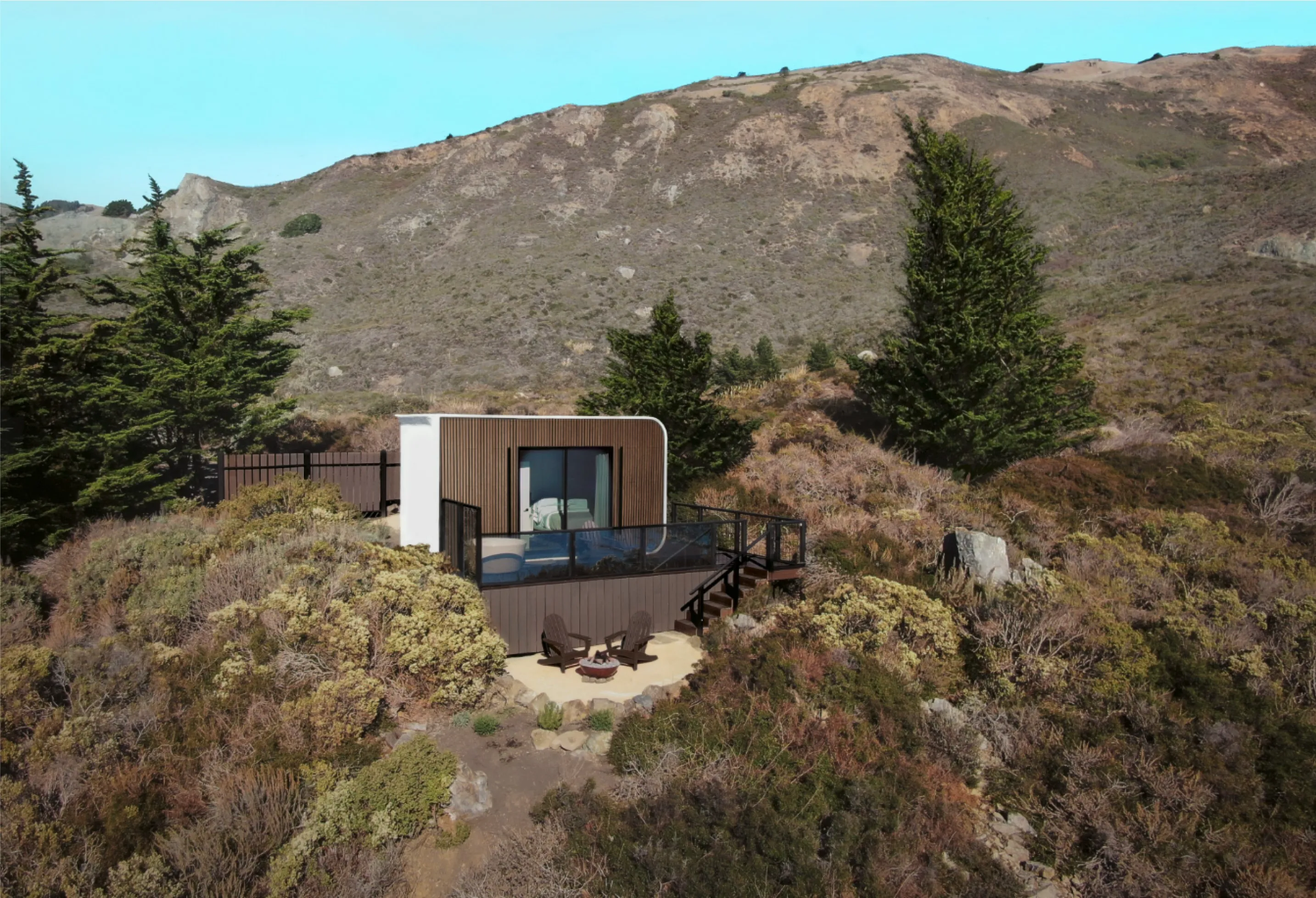
Some tiny spaces are not built to move. They are designed to sit near the main house and give the property one more useful room. Others are larger and planned as real living spaces with kitchens, bathrooms, bedrooms, and utility connections.
That is why it helps to separate backyard studios from ADU-style tiny homes. They may both be compact, but they serve different purposes.
Backyard Studios
Our Studio Series fits homeowners who need extra space without creating a full residential unit. These models include the N_100 at 100 sq ft, plus the D_120 and A_120 at 120 sq ft.
They do not include kitchens, bedrooms, or bathrooms. That is intentional. They are made for flexible everyday uses, such as a home office, creative room, workout space, hobby area, quiet retreat, or extra room near the main house.
For someone who says they want a tiny home but really means, “I need a separate space in the backyard,” a studio may be the cleaner choice. Not every project needs plumbing, a sleeping area, or wheels.
ADU-Style Tiny Homes
ADU-style tiny homes are different. They are still compact, but they are built for more complete living uses. Our Homes & ADUs models include the 360, 540, A_720, and 900 sq ft layouts, with kitchens, bathrooms, bedrooms, and utility connection planning.
These units can work for family space, guest housing, rental potential where allowed, or a more permanent backyard living setup. Because they function more like real homes, they also need more planning around permits, utilities, foundation, delivery, drainage, and long-term use.
This is where the word “tiny” can be a little misleading. A 720 sq ft or 900 sq ft ADU-style unit may be small compared with a traditional house, but it is still a real living space. It should be planned that way.
Tiny Home, ADU, Studio, or Home on Wheels?
A lot of people use these terms loosely. That is understandable, but it can create problems when it is time to plan the project.
A tiny home is a broad idea. An ADU is a legal and planning category. A studio is usually an accessory space without full residential features. A home on wheels is a chassis-based unit. Those differences affect almost everything.
Here is a simple way to think about it.
- A tiny home on wheels is usually best when mobility or flexible placement is part of the goal.
- A backyard studio is usually best when the goal is extra space, not full-time living.
- An ADU-style unit is usually best when the goal is a more complete residential setup with kitchen, bathroom, utility connections, and longer-term use.
- A small permanent home may be best when the project is planned as a code-compliant dwelling on its own site.
The right choice depends less on the name and more on the actual use.
Start With How You Want to Use the Space
Before choosing wheels, square footage, or a model, it helps to answer one simple question: what is this space supposed to do?
That question sounds basic, but it clears up a lot.
If the goal is a backyard office, a Studio Series model may make more sense than a full home. If the goal is travel or flexible placement, the X Series may be the better category. If the goal is housing for a parent, adult child, guest, caregiver, or rental use where allowed, a Homes & ADUs model may be the more realistic fit.
A tiny home should match the use case, not just the aesthetic.
Questions worth asking early include:
- Will someone sleep there regularly?
- Does it need a kitchen?
- Does it need a bathroom?
- Will it connect to water and sewer?
- Will it stay in one place?
- Will it move later?
- Is rental use part of the plan?
- Does the local authority allow that use?
- Is the site easy to access for delivery and setup?
- How much privacy is needed from the main home?
The answers can point toward the right category before anyone gets too attached to a floor plan.
Utilities Change the Decision
Utilities are a major reason not all tiny homes are the same.
A small backyard studio may only need electrical service. That can keep the project simpler, although local rules still matter. A full living unit with a kitchen and bathroom needs more planning. Water, sewer, plumbing, electrical, drainage, and sometimes HVAC all become part of the conversation.
For our units, the general difference is simple. Smaller studio models under 120 sq ft are wired for electrical only. Larger residential-style units are designed with electricity, water, and sewer connections.
That changes the cost, timeline, and site planning. It also changes how the space can be used.
A 120 sq ft studio can be a great backyard office, but it should not be forced into the role of a full living unit. A 540 sq ft ADU-style unit can support more daily living needs, but it asks more from the property. Neither option is better in every situation. They just solve different problems.
Permits and Local Rules Matter More Than the Wheels
People often focus on whether a tiny home has wheels because it feels like the main difference. In real projects, the local rules may matter more.
Some areas may allow certain small accessory structures with fewer requirements. Some may review larger units as ADUs or dwellings. Some may have specific rules for homes on wheels, park models, or RV-style units. Some may have HOA limits, fire access rules, lot coverage limits, setback requirements, or restrictions on rental use.
That is why the planning path should start with classification.
A few things can affect approval:
- Size of the unit
- Whether it has wheels
- Whether it has a kitchen or bathroom
- Whether it is used for sleeping
- Whether it connects to utilities
- Whether it is used short term or long term
- Where it sits on the property
- Local zoning and property type
- Fire, drainage, and access conditions
This is not meant to make tiny homes sound complicated. It is just the practical side of building something that people may actually use every day.
Site Conditions Can Make or Break the Plan
The site is easy to ignore at the beginning because the home itself is more interesting. But the land has a strong opinion.
A tiny home may be small, but it still needs a place to land. Delivery access matters. Drainage matters. Slope matters. Utility distance matters. Privacy matters. The relationship to the main house matters.
A flat, open yard with clear access is different from a tight lot with fences, trees, grade changes, or a long utility run. A home on wheels still needs stable placement. A backyard studio still needs a sensible location. An ADU-style unit still needs a foundation or support plan and utility hookups.
This is why a tiny home project should never be judged only by the starting price. The home is one part of the project. The property is the other part.
Cost Is Not Just About Size
It is tempting to assume that smaller always means cheaper and easier. Sometimes it does. Not always.
A 100 sq ft studio will usually be simpler than a 900 sq ft ADU-style home. But cost is not only about square footage. It is also about what the unit includes and what the site needs.
A tiny home with a kitchen, bathroom, plumbing, and sewer connection is a different project from a backyard office. A home on wheels may avoid some traditional building elements, but it still needs approved placement and safe utility planning where hookups are used. A larger ADU-style unit may cost more upfront, but it may create more practical long-term value for housing or rental use where allowed.
The useful question is not, “What is the cheapest tiny home?” It is, “What is the right amount of home for the use?”
Choosing too small can become expensive in its own way. A space that does not fit real life often gets replaced, modified, or underused.
When Wheels Make Sense, and When They Do Not
A tiny home on wheels can be a good choice when mobility is part of the plan. It may work well for travel, park-style living, flexible land use, or a site that allows chassis-based placement. Our X Series fits this kind of project because it brings kitchen, bathroom, and sleeping features into a compact home on wheels.
But wheels are not always the better answer. If the space will stay on one property, a non-wheeled option may make more sense. A Studio Series unit can be a cleaner fit for a backyard office, creative room, or quiet extra space. A Homes & ADUs model may be better for family housing, guest space, or rental potential where allowed.
The real question is not whether the home has wheels. It is whether the structure fits the land, the rules, the utilities, and the way the space will be used.
Common Mistakes to Avoid
The first mistake is assuming every tiny home is movable. Many are not, and many should not be. A backyard ADU-style unit is usually not trying to be a travel trailer. It is trying to become a useful part of a property.
The second mistake is assuming wheels remove the need for rules. A home on wheels may still face zoning limits, placement rules, utility requirements, and community restrictions.
The third mistake is choosing by square footage alone. A 120 sq ft studio and a 180 sq ft home on wheels are close in size, but they do very different things. One is extra space. The other includes more living features.
The fourth mistake is ignoring the site. Delivery path, slope, drainage, setbacks, and utility access can affect the project just as much as the model itself.
The fifth mistake is planning for a rental before checking whether rental use is allowed. A tiny home can be a smart income idea in the right place, but the rules have to support it.
A Simple Planning Checklist
Before choosing a tiny home, it helps to walk through the decision in order.
Start here:
- Decide how the space will be used
- Choose the right category: studio, home on wheels, ADU-style unit, or small dwelling
- Check local rules before making assumptions
- Confirm whether the unit needs water, sewer, electrical, or only power
- Review the site for access, drainage, slope, and placement
- Think about privacy, parking, and daily use
- Build a budget that includes more than the model price
- Ask whether the space will still make sense in five years
That last question is underrated. A good tiny home should not only feel exciting at the beginning. It should still make sense after the novelty wears off.
Conclusion: Wheels Are Only One Option
Not all tiny homes are on wheels. Some are built for movement. Some are built for backyards. Some are built as more complete ADU-style living spaces. The right choice depends on how the space will be used, where it will sit, what utilities it needs, and what local rules allow.
A home on wheels can be a smart fit when mobility is part of the plan. A backyard studio can be the better answer when the goal is simple extra space. A Homes & ADUs model can make more sense when the project needs a real kitchen, bathroom, bedroom, and longer-term residential use.
At Azure Printed Homes, we build across these categories because tiny living is not one-size-fits-all. The best choice is not always the smallest unit or the one with the most flexible label. It is the one that works on the land, fits the use, and feels right for the way people will actually live in it.