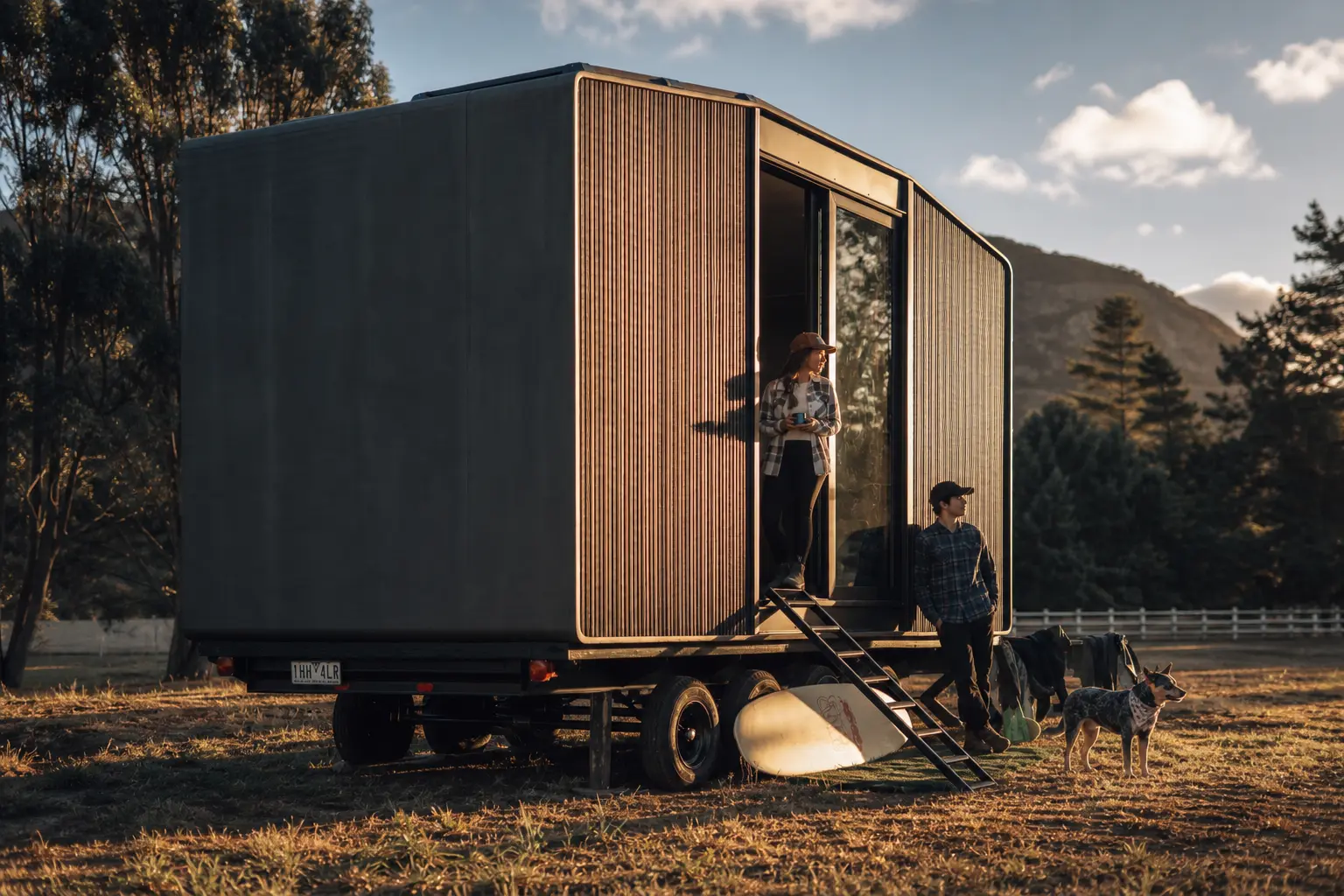
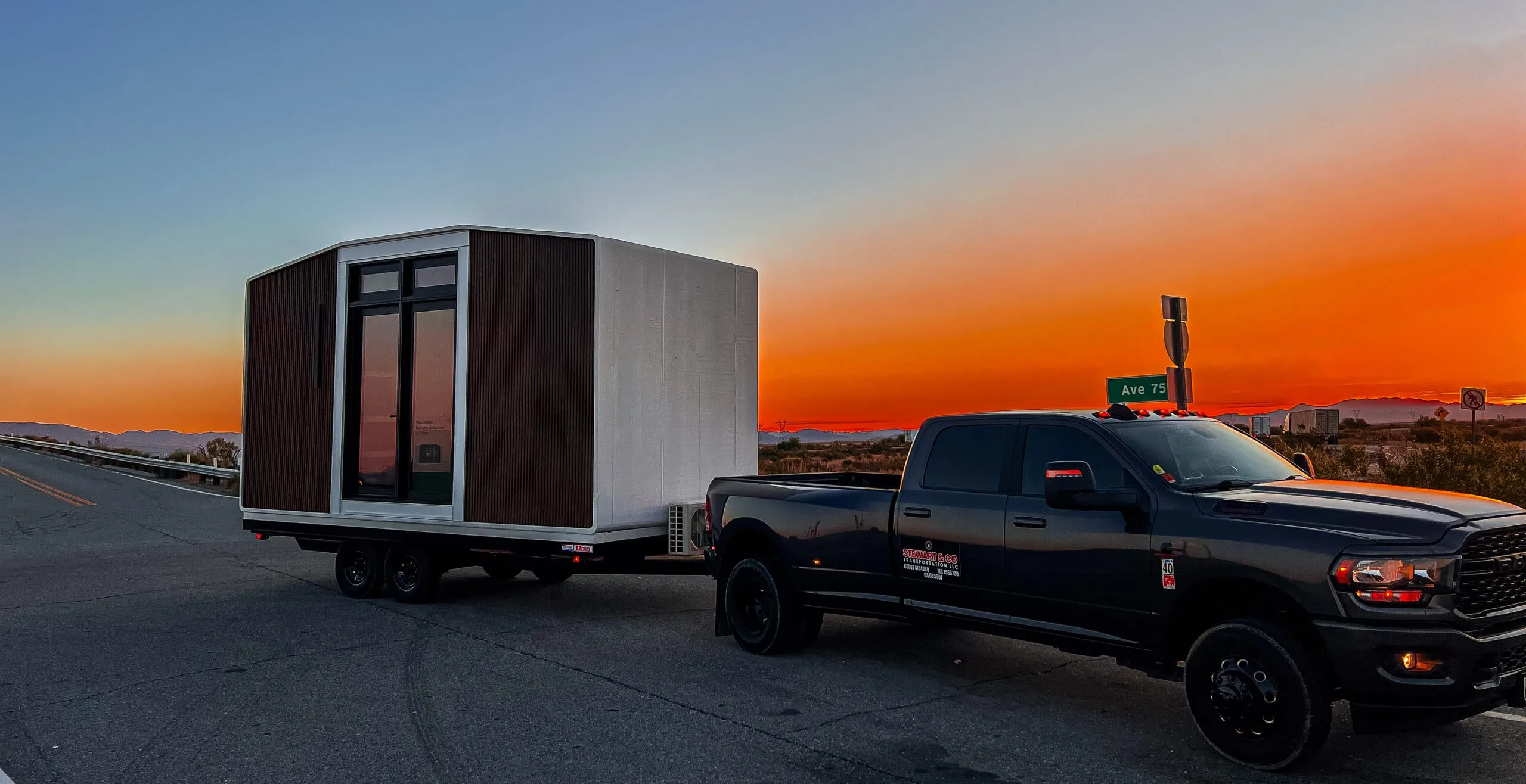
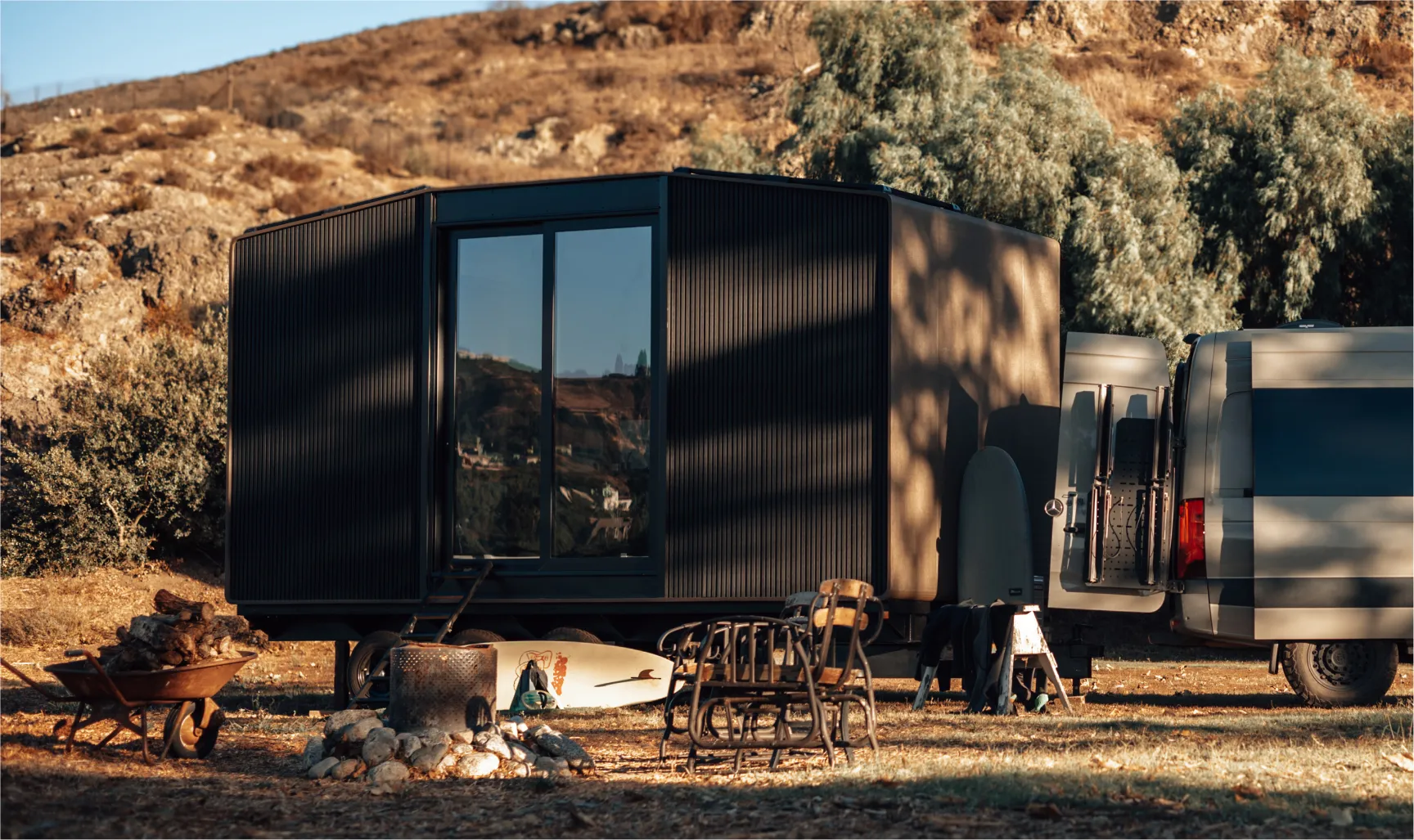
Tiny homes on wheels sound simple at first. Choose the model, find the land, bring home with you, and get going. That is the appeal. A smaller space can still have a kitchen, bathroom, storage, a real bed, and enough comfort for daily use.
But the legal side is not always that simple.
The better question is not only “What states allow tiny homes on wheels?” It is also “Where can this specific home be placed, how can it be used, and what does the local authority call it?”
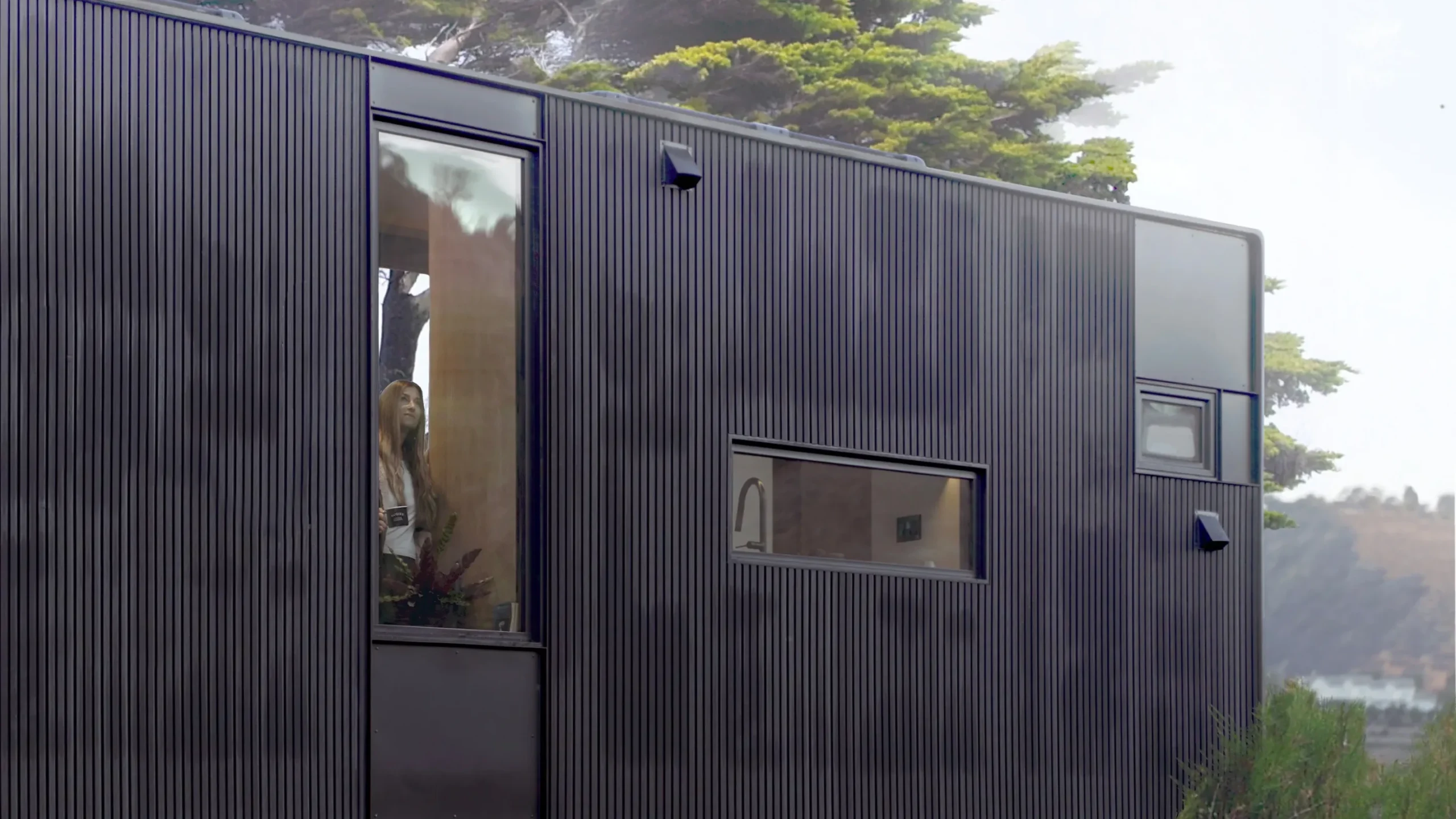
At Azure Printed Homes, we design our X Series homes on wheels for people who want mobility without giving up everyday comfort. But even a well-planned chassis-based home still needs the right placement path.
A tiny home on wheels may be allowed in one county and restricted in the next one over. It may be fine in an RV park, a tiny home community, a resort setting, or a property with the right zoning. It may not be allowed as a full-time residence on a standard residential lot. In some places, it may be reviewed as an RV. In others, it may fall under park model rules, ADU rules, temporary housing rules, or local tiny home ordinances.
That is why we start with the local rules before the floor plan. Our X Series homes on wheels are designed for mobility and comfort, but placement still has to make sense on the land and under the local code.
The Short Answer: Some States Are More Open, But No State Is One Simple Yes
Many states have places where tiny homes on wheels can be used legally. That does not mean every backyard, rural lot, city parcel, campground, or rental property is open to them.
States that often come up in tiny home conversations include California, Oregon, Maine, Colorado, Florida, Arizona, and Texas. They each have some legal path for small homes, tiny homes, ADUs, park models, RV-style units, or local tiny home communities. But the path is not the same in each state.
A state can be “tiny home friendly” and still leave most placement decisions to cities and counties. That is where people get tripped up. They read that a state allows tiny homes, then assume they can place a home on wheels anywhere they own land. Usually, it does not work that way.
The local zoning office, building department, planning department, HOA, utility provider, and sometimes fire authority may all have a say.
Why Tiny Homes on Wheels Are Different From Tiny Homes on Foundations
Tiny homes on wheels sit in a more complicated category because they look like housing, but they are not always reviewed like a standard house.
A foundation-based tiny home is usually handled as a building. It may need to meet residential building code, zoning rules, foundation requirements, energy rules, utility rules, inspections, and occupancy approval.
A tiny home on wheels may be handled as:
- A recreational vehicle
- A park model RV
- A movable tiny home
- A temporary dwelling
- A unit in an RV park or campground
- A tiny home community unit
- An ADU where local rules specifically allow that path
That classification matters more than the size alone.
For example, our X Series homes are chassis-based. The X_180 is a compact studio-style home on wheels. The X_270 adds a separate bedroom in 270 sq ft. The X_360 is the largest X Series model, with two bedrooms in a 9′ x 40′ footprint. These models are made for people who want a smaller home with more flexibility, but they still need a legal place to go.
The wheels are part of the appeal. They are also part of the review.
States Where Tiny Homes on Wheels May Be Easier to Place
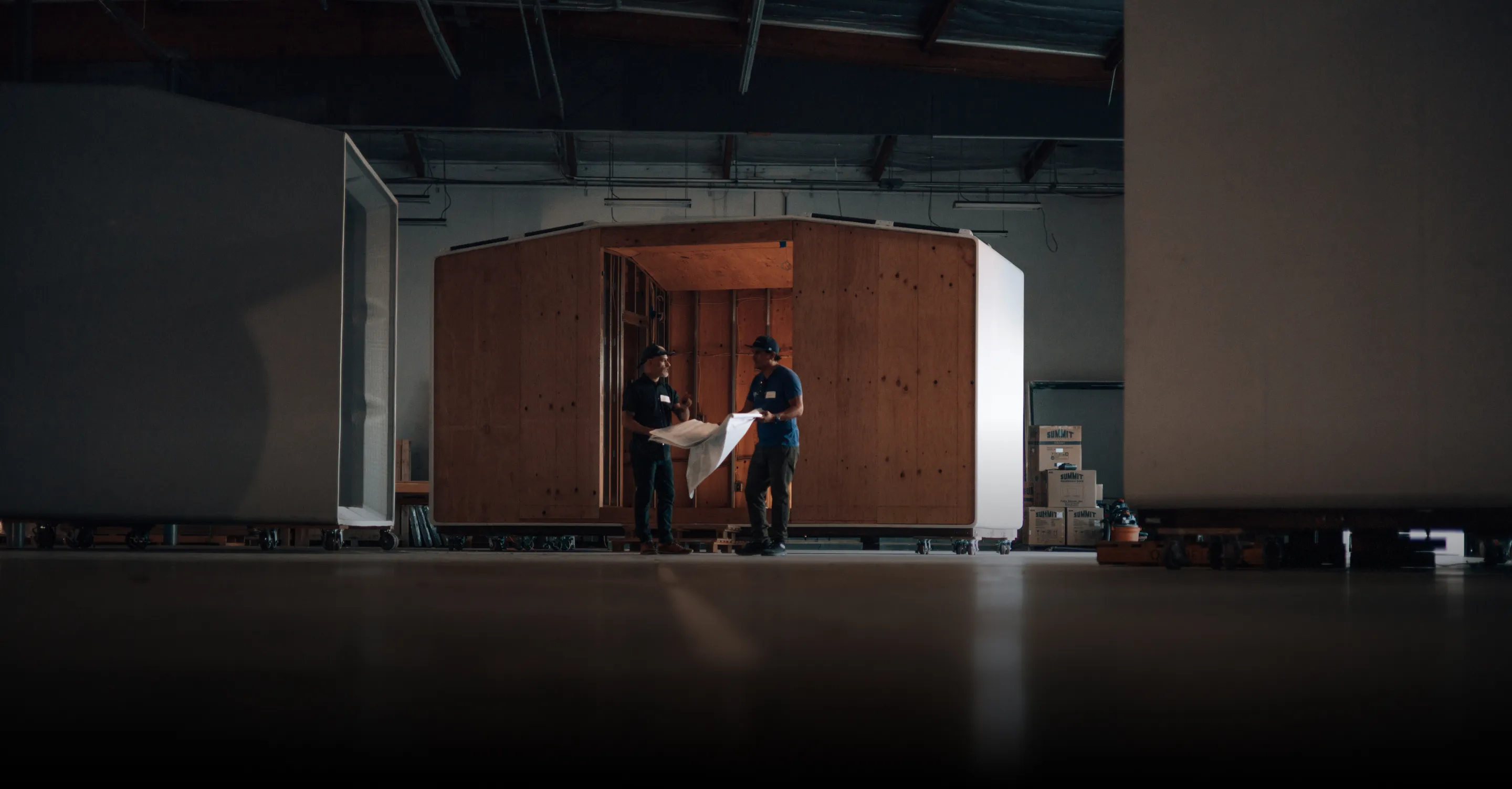
The states below are useful starting points, not blanket approvals. In each one, the local rulebook still matters.
California
California is one of the most active states for small-space housing, especially when it comes to ADUs and factory-built housing. But tiny homes on wheels are not allowed everywhere just because the state has made room for more housing.
In California, the category matters. A tiny home may be reviewed as a code-compliant dwelling, factory-built housing, ADU, park model, RV-style unit, backyard accessory structure, or another classification.
Some California cities and counties have created clearer paths for movable tiny homes, especially as ADUs or accessory housing where local ordinances allow it. But other areas may limit homes on wheels to RV parks, campgrounds, temporary use, or special zoning.
For buyers in California, this is the key point: do not assume that “tiny home legal” means “tiny home on wheels allowed for full-time backyard living.” Those are different questions.
Oregon
Oregon is often part of the tiny home conversation because some local governments have created more specific rules for occupied tiny homes on wheels and RV-style living. Portland is one of the better-known examples, with local guidance for occupied RVs and tiny houses on wheels.
That does not make the whole state a free-for-all. A tiny home on wheels in Oregon may still need to fit local zoning, parking, sanitation, utility, safety, and occupancy rules. Registration can also depend on whether the unit is considered a camper, travel trailer, or park model RV.
Oregon can be a promising state to research, especially if the goal is a city or community that already knows how to handle homes on wheels. But the local review still comes first.
Maine
Maine has one of the clearer statewide tiny home frameworks. Its law recognizes tiny homes and requires municipalities to allow tiny homes on individual house lots where single-family dwellings are allowed, or as accessory structures, subject to applicable land use requirements.
That is important because it gives tiny homes a stronger legal footing than in many states. Still, it does not erase local requirements. A property still needs to meet zoning, setbacks, utilities, sanitation, road access, and other site rules.
Maine may be one of the better states for buyers who want a clearer statewide starting point. Even there, the next call is still to the local code office.
Colorado
Colorado has been working through tiny home rules at the state level, especially around factory-built tiny homes and state certification. That helps create more structure, but it does not mean every mobile tiny home can be placed on any residential parcel.
Some Colorado counties make a sharp distinction between tiny homes built for long-term occupancy and mobile tiny homes or RV-style units. In some places, mobile tiny homes may be allowed only in RV park zoning or similar districts.
Colorado is a good example of why the word “allowed” can be misleading. A state may have a path for tiny homes, while a specific county may still say a mobile tiny home is not allowed in a residential zone.
Florida
Florida has building code provisions for tiny houses, especially homes on foundations. That can make the state more workable for small permanent dwellings. Tiny homes on wheels are a different story.
A home on wheels may be reviewed more like an RV or park model, depending on its design and local rules. That means RV parks, tiny home communities, resorts, and properly zoned land may be more realistic than simply placing a unit in a backyard.
Florida can work for some tiny home projects, but buyers need to separate foundation-based tiny homes from tiny homes on wheels before making plans.
Arizona
Arizona has many rural areas, RV communities, and counties where tiny home options may be possible. Some counties have clearer processes for small homes or off-site construction. Others may treat park models and homes on wheels as RV-style units with limits on full-time living.
Arizona is often attractive because land can feel more open and flexible. But open land is not the same as legal placement. Water, septic, power, access roads, zoning, floodplain rules, and county standards still matter.
A tiny home on wheels may make sense in Arizona when the site already supports that kind of use or when the unit is going into a community built for it.
Texas
Texas has a lot of land, and some areas are more flexible than others. That is one reason tiny home communities and rural small-home projects show up there. But Texas does not give one simple statewide answer for tiny homes on wheels.
Cities can be strict. Some places may allow tiny homes only if they are permanent structures, while homes on wheels may be limited to campground-style or special-use settings. Other areas may be more open, especially outside dense city zoning.
Texas can be worth exploring, but the local details matter from the beginning. County rules, city rules, utility access, septic rules, deed restrictions, and subdivision rules can all change the answer.
What to Check Before You Choose a State
It is tempting to start with the map. A better way is to start with the use.
A tiny home on wheels for a seasonal RV park stay is not the same project as a full-time home on private land. A glamping setup is not the same as a backyard ADU. A unit for flexible travel is not the same as a long-term rental.
Before choosing a state or property, check:
- Whether the home can be used full-time or only seasonally
- Whether it is classified as an RV, park model, movable tiny home, or dwelling
- Whether the local zoning allows that classification
- Whether the site allows water, sewer, septic, and electrical hookups
- Whether the home can be rented, used by family, or occupied by the owner
- Whether a permit, inspection, or registration is required
- Whether there are HOA, deed, or community restrictions
- Whether delivery access works for the size of the unit
That may feel like a lot, but it is much easier to solve early than after the home is already built.
How Local Zoning Changes the Answer
Zoning decides how land can be used. That is why two properties in the same state can have totally different answers.
One parcel may allow RV park use. Another may allow one single-family home only. Another may allow ADUs but not movable homes. Another may allow temporary occupancy during construction or disaster recovery, but not long-term living in a wheeled unit.
The most important zoning questions are simple:
- Can the property have this type of unit?
- Can someone live in it?
- Can it stay there long term?
- Can it connect to utilities?
- Can it be rented?
Those five answers matter more than any broad state list. If even one of them is “no,” the project may need a different property, a different model, or a different legal path.
RV Parks, Tiny Home Communities, and Private Land
For tiny homes on wheels, legal placement often falls into three buckets.
RV Parks and Campgrounds
This can be the cleanest path in some areas because the land is already set up for wheeled units, utility hookups, and short-term or seasonal stays. The challenge is that not every RV park accepts tiny homes on wheels, and not every park allows long-term living.
Some parks also require specific certifications, size limits, skirting, tie-downs, insurance, or exterior standards.
Tiny Home Communities
Tiny home communities can be a good fit when they are planned around small homes from the start. They may already have pads, utilities, common areas, parking, and community rules.
This can remove some guesswork, but it does not remove the need to read the rules. Lot rent, ownership structure, rental restrictions, pet rules, maintenance, and resale options all matter.
Private Land
Private land sounds like the most flexible option, but it can be the hardest to approve. Owning land does not automatically mean a home on wheels can be placed there and used as a dwelling.
Private land usually brings more questions around zoning, septic, water, electrical service, road access, fire access, setbacks, and whether the tiny home counts as a residence.
Utilities and Site Work Still Matter
A tiny home on wheels can feel more flexible than a permanent build, but it is not disconnected from the land.
If the home has a kitchen and bathroom, the site needs a real utility plan. That may include water, sewer or septic, electrical service, drainage, and safe access. In some places, propane, solar, tanks, or off-grid systems may be part of the conversation, but those choices still need to follow local rules.
Site work can include:
- Grading
- Drainage
- Pad or foundation preparation
- Utility trenching
- Electrical connection
- Water and sewer or septic planning
- Delivery path review
- Anchoring or tie-down requirements
- Skirting or exterior finish requirements
This is where tiny home planning becomes very practical. The home may be built off-site, but the land still has to be ready.
Common Mistakes Buyers Make
The first mistake is assuming that wheels make the home easier to approve. Sometimes they do. Sometimes they make approval harder because the local code sees the unit as an RV instead of a dwelling.
The second mistake is relying on a state-level answer. A state may be more open to tiny homes, but the county or city can still limit where a wheeled unit can be occupied.
The third mistake is buying land before checking the use. Cheap land is not always usable land. A parcel can look perfect online and still have no legal path for residential occupancy, utility connections, or year-round access.
The fourth mistake is choosing the smallest model only because it costs less. Smaller can be smart, but it still has to fit the real use. A weekend retreat, full-time home, guest unit, rental unit, and travel-focused home do not all need the same layout.
A Simple Planning Path
Before ordering a tiny home on wheels, we would start here.
- First, define the use. Will it be full-time housing, part-time living, family space, park-style living, glamping, travel, or rental use where allowed?
- Second, confirm the classification. Ask the local authority whether the unit would be reviewed as an RV, park model, movable tiny home, ADU, accessory structure, or dwelling.
- Third, check the property. Look at zoning, setbacks, utilities, access, drainage, fire rules, parking, and HOA limits.
- Fourth, match the model to the site. The home should fit the legal path, not just the wish list.
- Fifth, build the budget around the full project. The model price matters, but so do delivery, site prep, hookups, permits, insurance, and long-term use.
So, What States Allow Tiny Homes on Wheels?
The honest answer is that many states have some places where tiny homes on wheels may be allowed. California, Oregon, Maine, Colorado, Florida, Arizona, and Texas are all worth researching, but none should be treated as a simple statewide yes.
Maine may offer one of the clearer statewide tiny home paths. Oregon and California have local examples where movable tiny homes are handled more directly. Colorado has state-level tiny home certification pieces, but county zoning still matters. Florida has a clearer building code path for tiny houses on foundations, while wheeled units usually need a separate look. Arizona and Texas can offer more flexible land and community options in some areas, but local rules still decide the project.
Conclusion
Tiny homes on wheels can be a smart option for people who want mobility, smaller living, and more flexibility. But the legal question is not solved by the state name alone.
A home on wheels needs a real place to go. That place has to allow the unit, support the utilities, fit the zoning, and match the way the home will be used. The same X Series home that works well in one tiny home community may not be allowed on a nearby residential lot.
At Azure Printed Homes, we build our X Series for people who want compact living with real comfort, not a space that only looks good in photos. Still, the project has to start with the land, the rules, and the intended use.
That is why local rules come first. Once the placement path is clear, the rest of the project becomes easier to plan. The right tiny home on wheels is not just the one that looks good on the road. It is the one that fits the land, follows the rules, and gives people a space they can actually use.