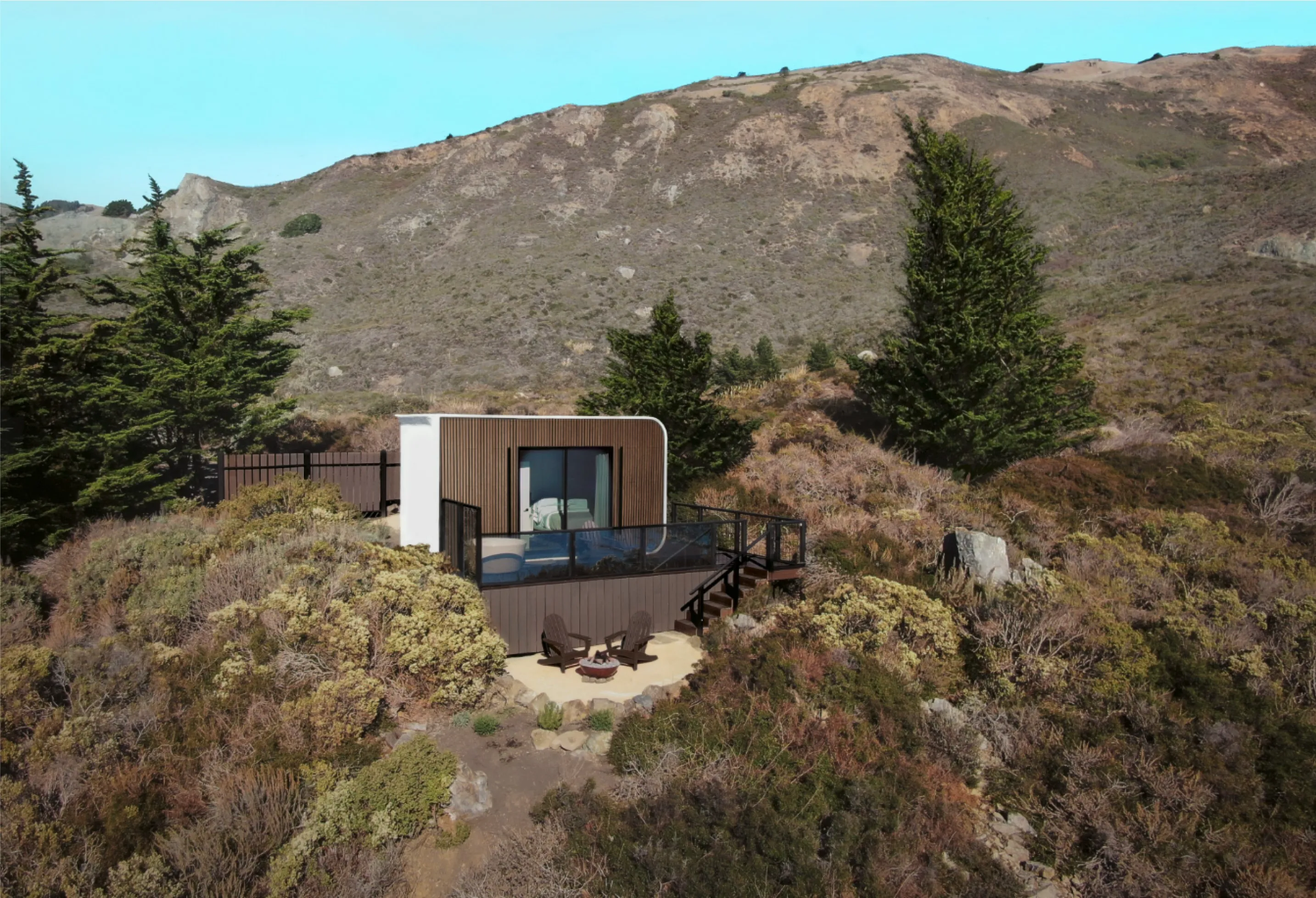
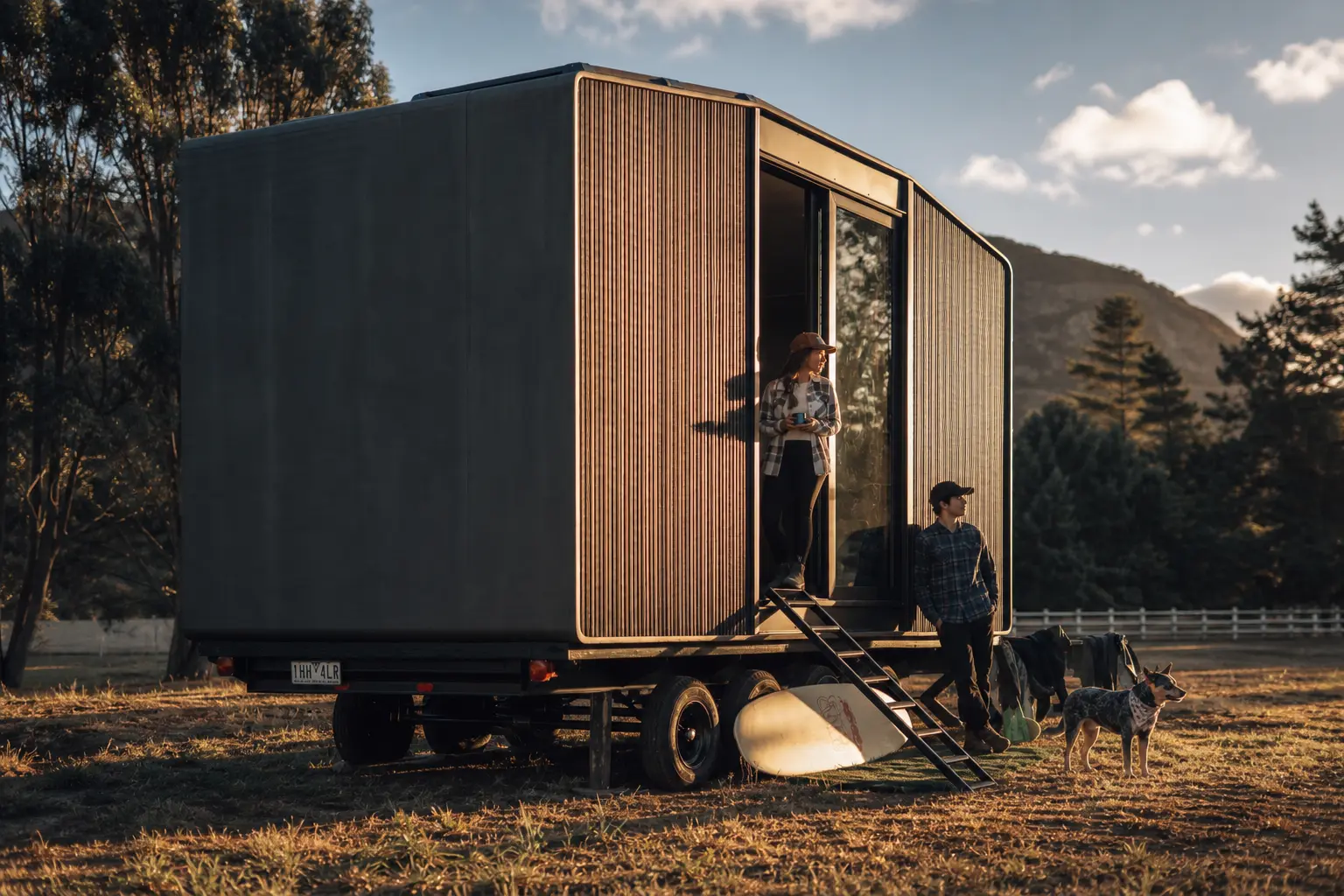
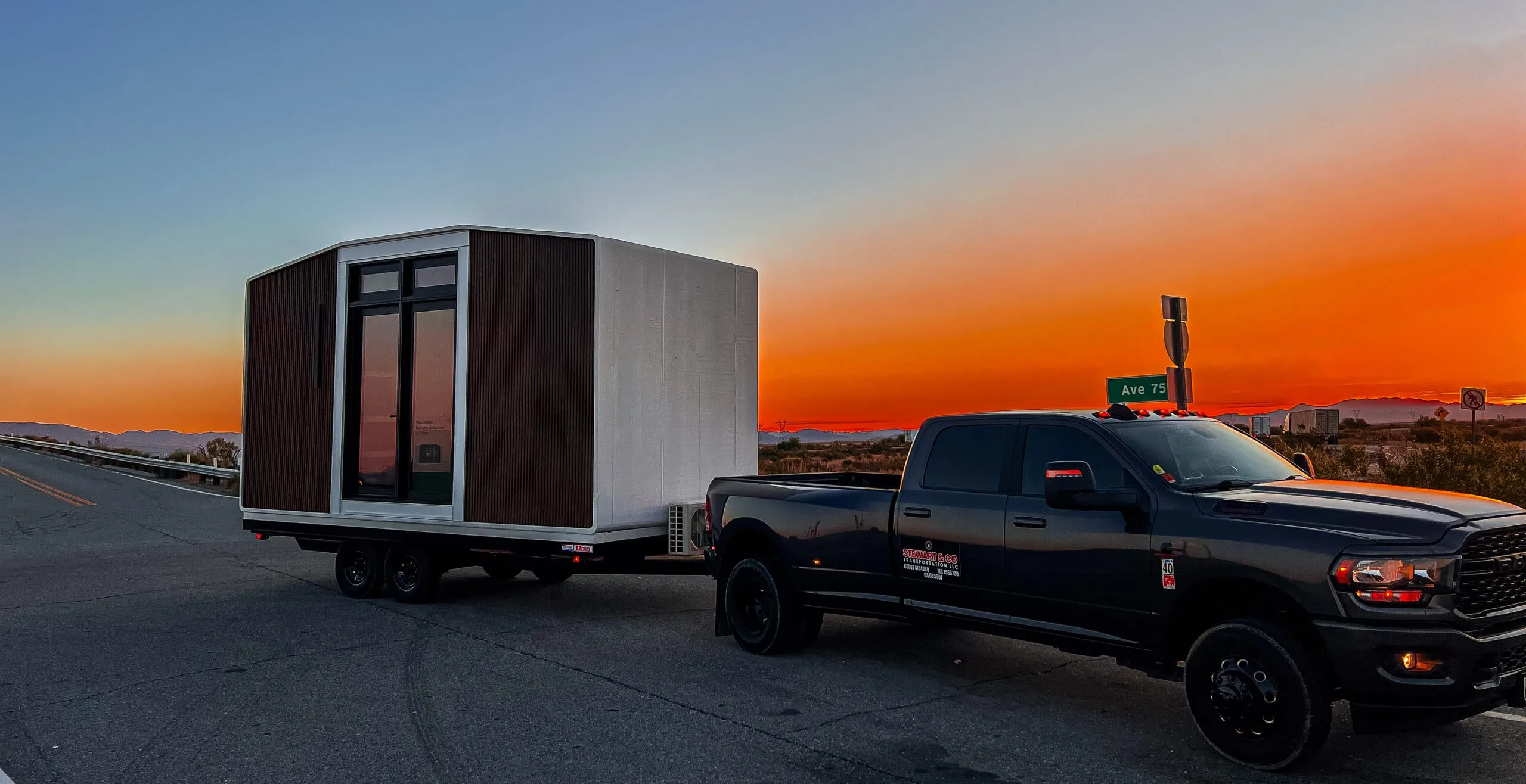
Building the smaller home first can sound like the most practical move. You start with an ADU, use the land sooner, and save the larger home project for later. For some owners, that feels easier than taking on the full build all at once.
The tricky part is the word “ADU.” An accessory dwelling unit is usually connected to a primary home in legal terms, not just in design. That means a city or county may not allow a standalone ADU on an empty lot unless there is already a main house or a clearly approved plan for one.
At Azure Printed Homes, we work with modular ADUs and compact living spaces that are made to be faster, cleaner, and more predictable than traditional backyard construction. But the permit path still starts with the property, not the product. Before choosing a model, it helps to know what the local authority will actually allow.
The Short Answer
In many cases, the main house comes first. An ADU is usually approved as a secondary home on the same lot as a primary residence.
If the lot is vacant, the first structure may need to be permitted as the primary home instead of an ADU. That does not always mean the idea is impossible. It just means the project may need a different approval path.
A small home, factory-built dwelling, temporary dwelling, or phased residential plan may be a better fit depending on the location. The same structure can follow different rules depending on how it is classified.
Why the “Accessory” Part Matters
People often use “ADU” to mean any small second home, but building departments are more specific. An ADU is usually accessory to a larger primary residence. If there is no main house yet, the question becomes simple: accessory to what?
That is why an ADU-first plan can get complicated.
What Local Offices May Review
A local building department may look at:
- Whether the lot already has a primary dwelling
- Whether the first structure can be used as a legal residence
- How the future main house will fit on the property
- Setbacks, lot coverage, and access
- Water, sewer, electrical, and drainage plans
- Fire access and safety requirements
- Whether the unit can receive a certificate of occupancy
These are not small details. They decide whether the structure can be built, connected, lived in, insured, financed, or used as planned.
Building on a Vacant Lot
A vacant lot is where the ADU-first idea usually runs into the most questions. If there is no existing home, many jurisdictions will not approve a detached unit as an ADU. They may require the first dwelling to be the primary home.
That can still work for some owners. The first home does not always need to be large. In some areas, a compact code-compliant home may be allowed as the main residence. Later, if the owner builds a larger home, the smaller unit may be converted or reclassified if local rules allow it.
This needs to be confirmed before the project starts. It is much easier to plan the correct permit path early than to fix the classification later.
When the ADU Is Part of a Larger Plan
Some properties may have a better path if the ADU and main house are planned together. A phased plan gives the city or county a clearer view of the final property layout.
The goal is to show that the first structure will not block the future main house, utilities, driveway, drainage, or required access.
A good phased plan usually includes:
- The future main house location
- The ADU or smaller home location
- Driveway and parking layout
- Utility routes for both structures
- Drainage and grading
- Fire access
- Outdoor space and privacy
- Construction access for the second phase
This is where early planning matters. A unit may fit nicely today, then become a problem later if it sits where the main house, driveway, or sewer line needs to go.
ADU or Small Primary Home?
This is one of the most important distinctions.
A small primary home is the main residence on the lot. An ADU is a secondary residence. The structure may look similar, but the approval path can be very different.
For example, a 360 sq ft unit may work as an ADU behind an existing home. On a vacant lot, that same size may need to be reviewed as the primary dwelling, if allowed. That could bring different requirements for utilities, occupancy, energy standards, fees, and inspections.
Small does not mean rule-free. A smaller home still needs to be legal, safe, connected properly, and placed correctly on the site.
Matching the Model to the Property Plan
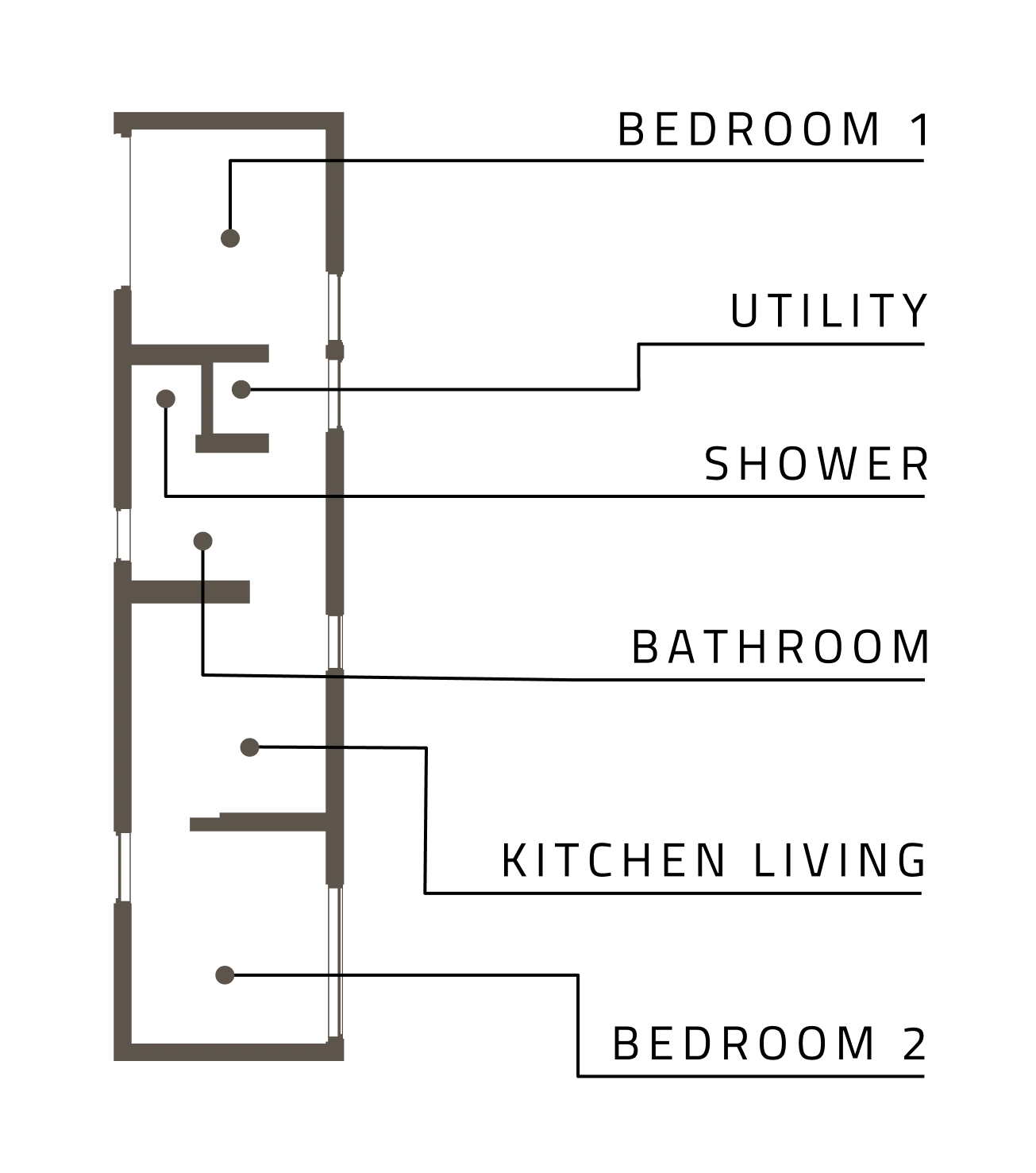
Our Homes & ADUs models are built for real living uses, not just extra square footage. They include kitchens, bathrooms, bedrooms, and utility connection planning, which makes them a better fit for family space, guest housing, rental potential where allowed, or a longer-term residential setup.
The right model depends on the property and the approval path. On a lot with an existing main house, one of these units may fit into an ADU plan. On a vacant lot, the same unit may need to be reviewed differently. It could be treated as the first home, part of a phased project, or another permitted housing type.
| Azure Model | Size | Layout | Common Planning Fit |
| A-360 | 360 sq ft | Kitchen, 1 bedroom, 1 bathroom | Compact living space, guest unit, smaller ADU plan where allowed |
| A-540 | 540 sq ft | Kitchen, 1 bedroom, 1 bathroom | More comfortable one-bedroom setup for family, guests, or rental potential where allowed |
| A-720 | 720 sq ft | 1-bedroom or 2-junior-bedroom option, kitchen, 1 bathroom | Flexible layout for longer stays, family use, or a more complete ADU plan |
| A-900 | 900 sq ft | Kitchen, 2 bedrooms, 1.5 bathrooms | Larger residential-style unit for families, multi-person use, or a phased property plan |
That is why the first question is not only “Which model fits the yard?” It is “What is this structure allowed to be on this property?” A 360 sq ft unit and a 900 sq ft unit can both make sense, but the right choice depends on local rules, utilities, access, and how the future main house will be planned.
Utilities Need to Be Planned Early
Utilities can quietly decide whether the build order makes sense.
A full residential unit needs water, sewer or septic, electricity, drainage, and safe access. If the main house will be built later, the utility plan should account for both phases from the start.
Otherwise, the first phase can create expensive rework. A sewer line may end up in the future main house footprint. Electrical service may be sized only for the smaller unit. A driveway may work for the ADU but not for the larger home later.
Before building the smaller unit first, it helps to ask:
- Will the utility connections be permanent or temporary?
- Can the same utility plan support the future main house?
- Is the electrical service sized for the full property plan?
- Will sewer or septic capacity be enough?
- Will drainage still work after the main house is built?
- Can future construction happen without moving the first unit?
These questions are not exciting, but they can save a lot of money. A smart utility plan keeps the first build from getting in the way of the second one.
Placement Should Protect the Future Main House
The first structure should not be placed only where it is easiest to deliver. It should be placed where it still makes sense after the main house is built.
That means thinking beyond the immediate use.
A strong site plan should consider:
- Setbacks from property lines
- Privacy between both homes
- Sunlight and window placement
- Outdoor space
- Driveway and parking
- Delivery access
- Fire access
- Utility corridors
- Drainage flow
- Space for future construction
The best location is not always the most obvious one. A good ADU-first layout should make the whole property work better, not just solve the first phase.
Can You Live in the ADU While Building the Main House?
Some owners want to live in the smaller unit while the main house is being built. It can be a practical idea. It may reduce rent costs, keep the owner close to the project, and make use of the land sooner.
The question is whether local rules allow it.
The unit may need a certificate of occupancy before anyone can live in it. The city or county may also need to approve the structure as a legal dwelling, temporary residence, or first primary home. In some places, living in an ADU before the main house is complete may not be allowed.
This should be confirmed before ordering, financing, or scheduling the project. A unit can be physically ready and still not be approved for occupancy.
Permits Are Part of the Plan
Permits are not just paperwork. They decide what can be built, where it can go, and how it can be used.
Why Review Can Be More Detailed
For an ADU-first project, the city or county may look at more than the first structure. They may want to understand the future main house too, especially if the final property will include both homes.
That means the site plan, utility plan, access, and long-term use all need to make sense before work starts.
Common Permits and Approvals
Depending on the property, approvals may include a building permit, foundation review, grading and drainage review, electrical and plumbing permits, mechanical or HVAC permits, sewer or septic approval, fire access review, and final occupancy inspection.
The exact list depends on the city, county, property type, and unit classification. The important part is to confirm the path early, before the project is designed around the wrong assumption.
Financing, Insurance, and Taxes
An ADU-first plan can also affect financing. Lenders may look at a vacant lot with a small first dwelling differently than a standard home with a permitted ADU. They may want to know how the structure is classified, whether it can be occupied, and how the future main house will be funded.
Insurance needs the same attention. A small primary home, an ADU, a temporary dwelling, and a structure under construction may all need different coverage.
Taxes may also change after the first dwelling is added, and again when the main house is built. None of this means the project is a bad idea. It just means the full plan should be reviewed before work begins.
When Building Small First Can Make Sense
Building the smaller home first can make sense when the property and local rules support it. It may be useful for owners who want to start using land sooner, build in phases, or create a temporary living setup during a larger project.
The better projects usually include:
- A legal path for the first structure
- A clear future main house location
- Utility planning for both phases
- Enough space for access, setbacks, and drainage
- A realistic budget beyond the model price
- A clear plan for how the smaller unit will be used later
The key is to plan the final version of the property from day one.
When the Main House Should Come First
Sometimes the simpler path is to build the main house first. If the local authority will not allow an ADU before the primary home, or if the first unit would complicate future construction, the standard order may save time and stress.
Once the main house exists, the ADU can often be reviewed as a true secondary unit. That may make permitting, financing, insurance, and resale easier to understand.
There is no single right answer for every property. The right order is the one that works legally, practically, and financially for the site.
Common Mistakes to Avoid
Most ADU-first problems come from assuming the unit can be approved just because it fits on the land.
Common mistakes include:
- Assuming a vacant lot can have an ADU
- Choosing the ADU location before planning the main house
- Ignoring utility routes
- Forgetting about drainage and grading
- Planning to live in the unit before occupancy is approved
- Treating the model price as the full project budget
- Using “ADU” as a general word instead of a legal category
These mistakes are avoidable when the property is reviewed early.
Final Thoughts
You may be able to build a smaller dwelling before the main house, but it may not be approved as an ADU in the usual sense. In many places, an ADU needs a primary home to be accessory to. If the lot is vacant, the first structure may need to be permitted as the primary residence or included in a phased plan.
At Azure Printed Homes, we start with what works for the property, the plan, and the people who will use the space. A 360 sq ft unit, a 720 sq ft layout, or a 900 sq ft home can all serve different goals, but the model is only one part of the answer. The property, permits, utilities, access, and future main house plan matter just as much.
Building small first can be a smart move when the rules allow it. It can also become complicated if the project starts with the wrong assumption. The best place to begin is with the site, the local approval path, and the long-term plan for the property.