Modular homes can be a practical way to build faster, reduce some on-site construction work, and create a more predictable housing project. But they are not problem-free. Like any type of home construction, modular building has limitations, planning requirements, and costs that buyers should understand before starting.
Many problems with modular homes come from expectations. Some buyers assume that a modular home is always cheaper, always faster, or easier to place anywhere. In reality, the home itself is only one part of the project. Land, permits, utilities, transportation, foundation work, inspections, and local rules can all affect the final timeline and budget.
At Azure Printed Homes, we build modular homes, ADUs, studios, homes on wheels, office pods, glamping units, and other factory-built spaces using 3D printing technology and recycled plastic materials. Our goal is to make the process more efficient, but we also know that buyers need clear information before choosing any modular housing option.
Common Problems With Modular Homes
Modular homes can simplify parts of the building process, but they do not remove every challenge. Many problems happen because buyers focus on the home itself and underestimate the property, permits, delivery route, financing, and final setup. A modular home may be built in a factory, but it still has to become a finished, approved, usable structure on a specific piece of land.
The most important thing to understand is that modular construction is not separate from local rules or site conditions. A well-built unit can still face delays if the property is difficult to access, the permits are unclear, or the budget does not include the full project scope.
Permitting and Approval
Permitting is one of the most common issues with modular homes. A factory-built home still has to meet local building codes, zoning rules, utility requirements, and inspection steps. Some cities and counties have clear approval paths for modular homes and ADUs, while others may require more review.
This can become more complicated when the project involves a backyard unit, a rental use, a compact home, or a structure on wheels. Local rules may decide whether the unit can be used as a residence, guest space, office, rental, or accessory structure. They may also affect setbacks, foundation requirements, parking, utility connections, and occupancy.
Before choosing a model, buyers should confirm:
- Whether the property allows the structure they want
- How the unit will be classified
- What permits are required before installation
- Whether a permanent foundation is needed
- What inspections are required before use
The earlier these details are checked, the easier it is to avoid delays later.
Site Preparation
A modular home does not arrive on an empty lot and become ready without preparation. The land may need grading, foundation work, utility trenching, drainage planning, driveway access, crane access, or other improvements before installation. These steps can change the project timeline and total cost.
This is where many buyers underestimate the budget. A flat lot with easy access is very different from a sloped site, a narrow backyard, a rural property, or land with limited utility access. Even a small unit may still need electrical work, plumbing connections, sewer or septic planning, inspections, and a suitable foundation or support system.
Common site preparation needs may include:
- Foundation or support system preparation
- Electrical, water, sewer, or septic connections
- Grading, drainage, or access improvements
- Space for delivery and installation equipment
At Azure, we manufacture units through a controlled prefab process, but the final project still depends on the site. Planning the land, access, utilities, and installation conditions is just as important as choosing the model.
Delivery and Access
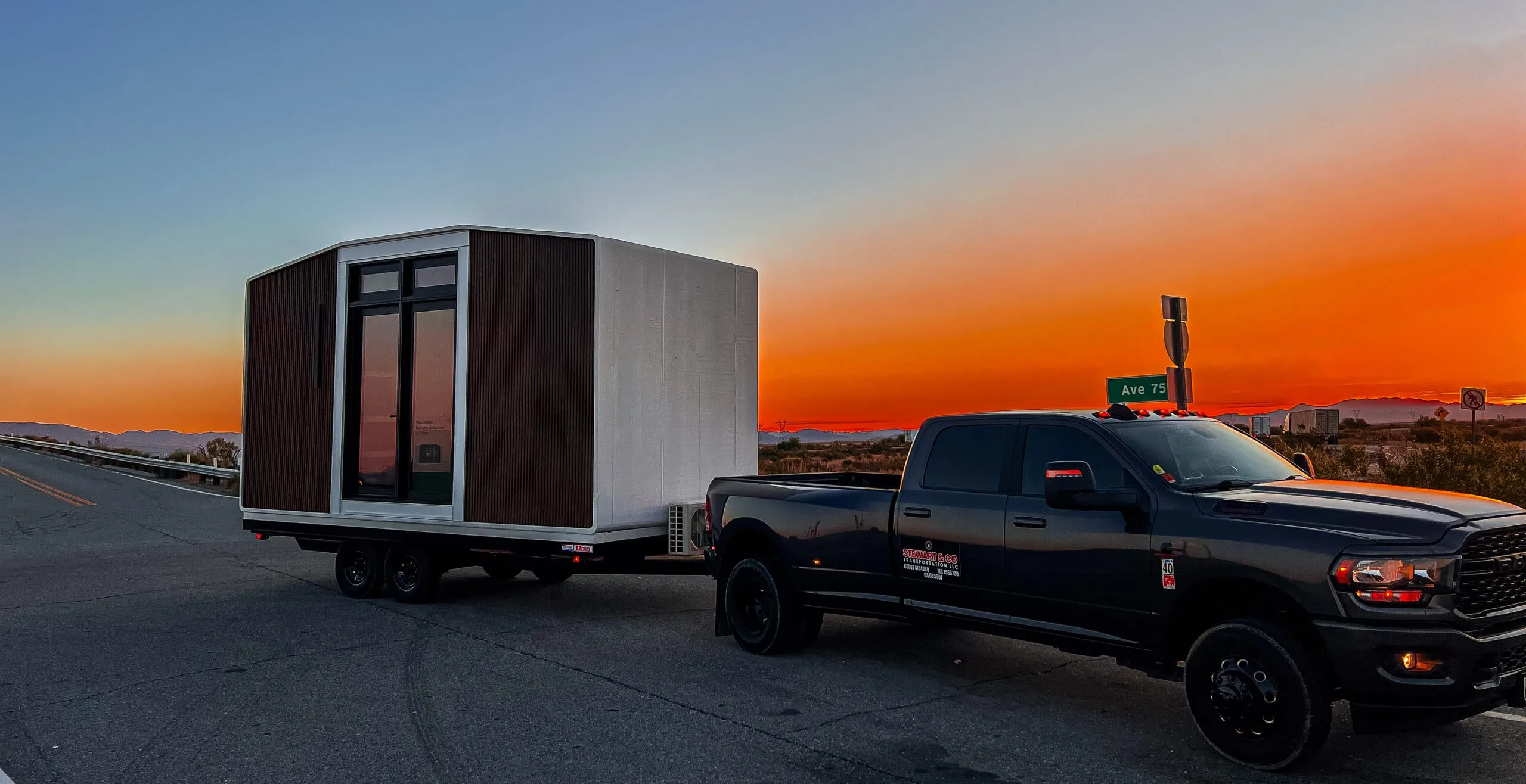
Modular homes are built off-site and then transported to the final location. This can reduce the amount of construction happening on the property, but it creates another important requirement: the route and site access must work.
Delivery can be affected by road width, overhead wires, tree branches, tight turns, gates, slopes, fences, local transportation rules, and equipment access. A unit may be ready to install, but the property still has to allow safe movement and placement.
This is especially important for backyard studios, ADUs, and homes placed behind an existing house. If the delivery path is narrow or blocked, the project may need extra coordination before installation can happen.
Design and Customization
Modular homes can offer flexible layouts and modern finishes, but they are not unlimited. Because they are built through a controlled production process, the size, shape, structure, transportation requirements, and manufacturing method can influence what is possible.
This does not mean modular homes have to look plain. Modern modular units can include kitchens, bathrooms, bedrooms, large windows, finished interiors, and different layouts. The limitation is that buyers may not have the same level of open-ended customization as they would with a fully custom site-built home.
At Azure, we offer different product categories for different needs:
- Studio Series for compact backyard spaces
- Homes & ADUs for residential use
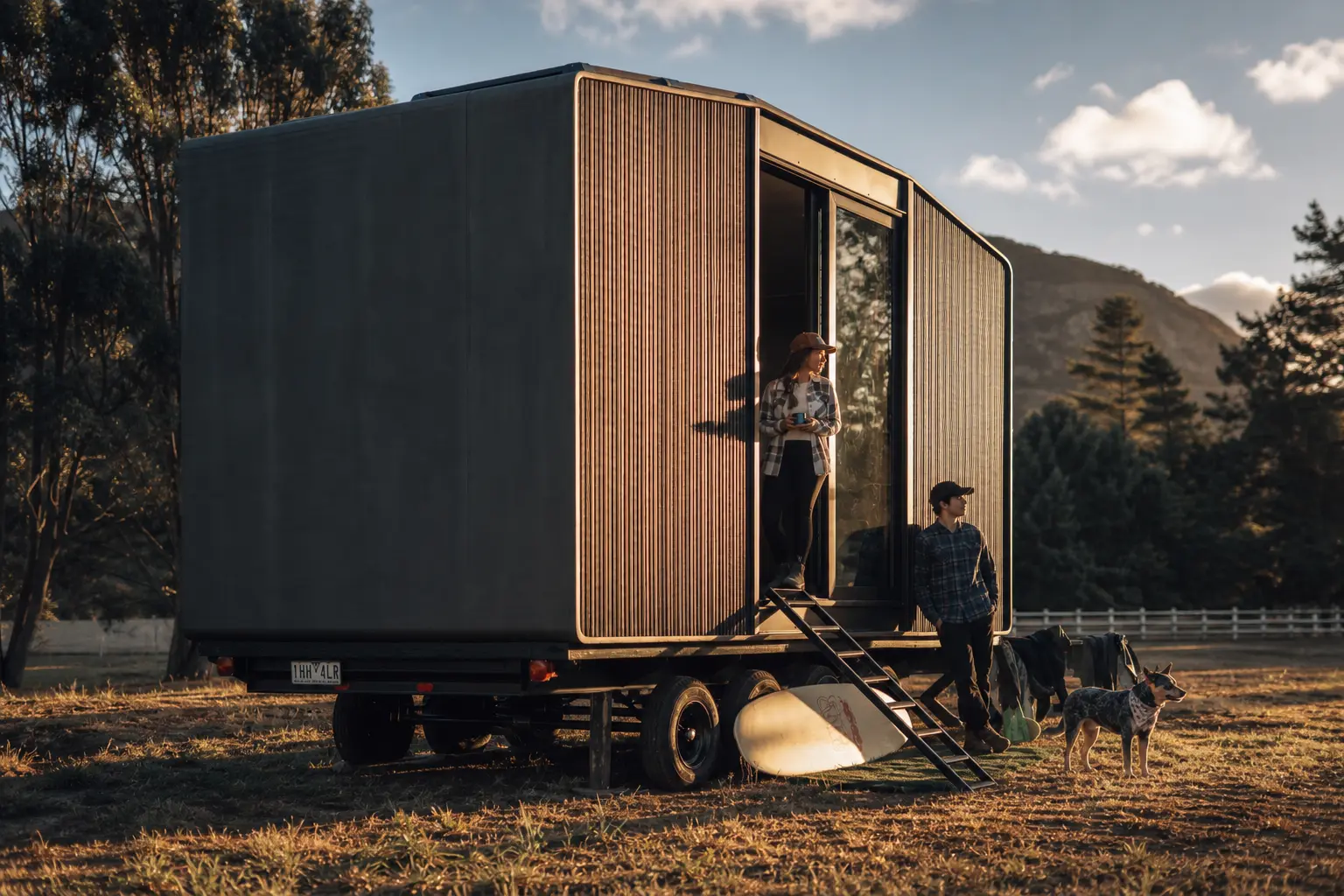
- X Series homes on wheels for flexible living and mobility
- Office pods and glamping units for specialized space needs
Choosing the right category from the beginning helps avoid design mismatches later.
Financing and Appraisal
Financing can require extra attention with modular homes. Some lenders understand modular construction well, while others may ask more questions about the structure, foundation, classification, appraisal, and intended use.
A modular home on a permanent foundation may be treated differently from a home on wheels, backyard studio, or non-residential structure. This can affect loan options, insurance, resale value, and long-term classification. Buyers should clarify whether the project is being financed as a primary residence, ADU, investment property, backyard structure, or mobile-style unit.
The clearer the classification, the easier it is to avoid delays. It also helps buyers understand how the home may be viewed by lenders, insurers, appraisers, and future buyers.
Budget and Extra Costs
A modular home’s listed price usually refers to the unit itself, not every possible project expense. Buyers may still need to budget for permits, site preparation, foundation, utility connections, delivery, installation, upgrades, inspections, and local fees.
This does not mean modular homes are not cost-effective. It means buyers should compare total project cost, not just the starting price. A lower starting price can still become a larger project if the site is difficult, utilities need upgrades, or local approvals take longer than expected.
Our starting prices include compact models such as A/D/C-100 and N100 at $24,900, A/D/C-120 at $29,900, A-180 at $49,900, A-360 at $89,900, A-540 at $134,900, A-720 at $174,900, and A-900 at $219,900. Our X Series homes on wheels start at $69,900 for X180, $84,900 for X270, and $109,900 for X360. These prices help buyers understand the model range, but the complete project budget should also include the site and approval process.
Use and Classification
A modular home may be suitable for many uses, but local rules decide what is allowed. A small unit might be allowed as a backyard office but not as a rental home. A home on wheels may be allowed in one setting but restricted in another. An ADU may be allowed only if it meets specific size, parking, setback, or occupancy rules.
This is one of the biggest reasons buyers should avoid choosing a modular home based only on appearance or price. The structure has to match the property, the intended use, and the local rules.
For example, someone who wants a private work studio may need a different product than someone who wants a full residential ADU with a kitchen and bathroom. Someone who wants mobility may need a chassis-based unit rather than a permanent structure.
Installation and Timeline
Modular homes reduce the amount of work done on-site, but they do not remove the need for coordination. Delivery timing, site readiness, utility work, inspection scheduling, and final setup all have to line up.
Delays can happen if the site is not ready when the unit is complete. A foundation issue, utility delay, permit delay, access problem, or inspection delay can affect the final move-in date.
At Azure, our process includes configuration, printing, finish installation, delivery, and on-site installation. We manufacture units in Los Angeles, CA and Denver, CO, and depending on the project and location, backyard studios can usually be delivered in about 30-60 days, while ADUs and homes usually take about 90-120 days. Those timelines work best when planning steps are handled early.
Resale and Documentation
Modular homes can hold value, but resale depends on the same factors that affect other homes: location, condition, layout, permits, foundation, market demand, and how the home is classified. A permitted modular ADU on a suitable property may be viewed differently from an unpermitted backyard structure or a movable unit with limited placement options.
Documentation matters. Permits, installation records, utility approvals, product details, and inspection documents can make the home easier to understand later. These records may also help future buyers, lenders, insurers, and appraisers evaluate the structure more clearly.
Important records to keep include:
- Building and zoning permits
- Installation and utility approvals
- Inspection documents
- Model details and product specifications
A modular home is easier to support long term when the paperwork matches the way the structure is used.

When Modular Homes Are Suitable and When They Are Not
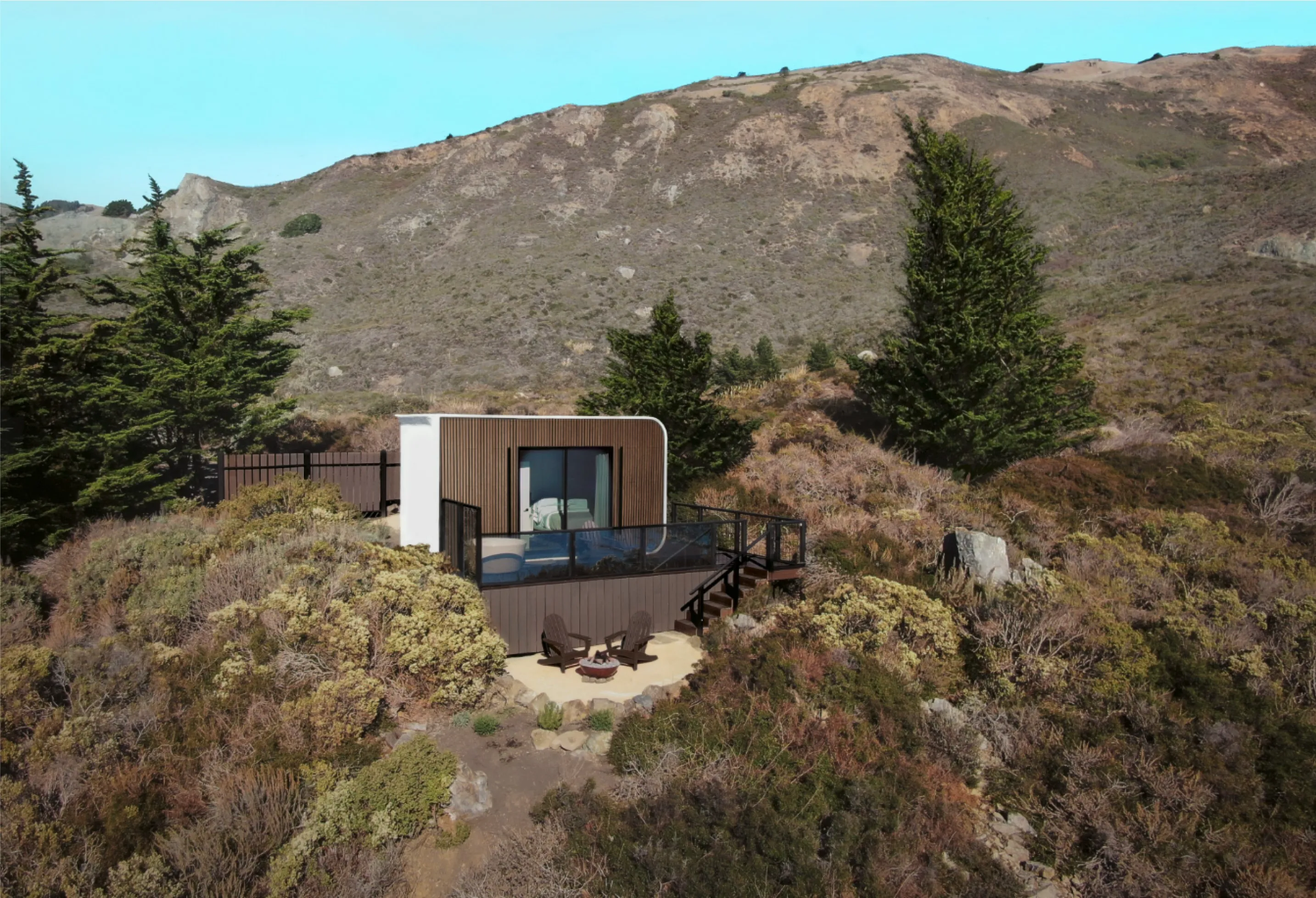
Modular homes can work well when the property, local rules, budget, and intended use all support the project. They are often a good fit for accessible lots, backyard ADUs, compact studios, guest spaces, rental units where allowed, office pods, glamping units, and homes on wheels for flexible living.
They can also make sense when buyers want a more controlled building process and less on-site construction time. At Azure, we build modular homes, ADUs, studios, homes on wheels, office pods, and glamping units, so the right choice depends on whether the buyer needs a permanent residence, a backyard structure, a mobile unit, or a specialized space.
Modular homes are usually suitable when:
- The property allows the intended structure and use
- The site has clear access for delivery and installation
- Utilities can be connected without major complications
- The buyer understands the full project budget beyond the model price
- Local permitting rules are clear before the project begins
However, modular homes are not always the right fit. They may be harder to use on steep lots, very narrow properties, restricted sites, or land with unclear zoning. They may also create challenges when the buyer wants a highly custom architectural design, unusual dimensions, or a structure that local rules do not allow.
A modular home may not be suitable when the site cannot be accessed safely, the delivery route is blocked, utilities are too difficult to connect, or the project depends on approvals that are uncertain. In these cases, buyers should solve the property and permitting questions before choosing a model.
Before moving forward, buyers should confirm what the property allows, how the structure will be classified, what site work is needed, whether delivery is possible, and what approvals are required before use. These checks can prevent many of the most common modular home problems.
How Better Planning Reduces Modular Home Problems
Most modular home issues are easier to manage when they are addressed early. The best approach is to start with the property and intended use, then choose the unit type that fits those conditions.
At Azure Printed Homes, we design and build several types of factory-built spaces because not every buyer needs the same solution. A backyard studio, compact ADU, larger home, office pod, glamping unit, and home on wheels each serve a different purpose. We use 3D printing technology and more than 60% recycled print material to create durable prefab structures with less waste.
For many buyers, the advantage of modular construction is not that it removes every challenge. The advantage is that much of the building process can become more controlled, repeatable, and efficient when the project is planned correctly.
Final Thoughts
The main problems with modular homes usually involve permits, site work, delivery, financing, design limits, local rules, and total project costs. These issues do not make modular homes a bad choice, but they do mean buyers need to plan carefully.
A modular home works best when the model, site, budget, timeline, and local requirements all match. When those pieces are clear, modular construction can offer a practical path to new living space, rental potential, backyard workspace, guest housing, or flexible compact living.
At Azure Printed Homes, we see modular construction as a way to build smarter, reduce waste, and create useful spaces for modern living. The key is choosing the right structure for the right property, with realistic expectations from the beginning.