Building a modular home is different from building a traditional site-built house, but the goal is the same: creating a safe, functional, comfortable living space. The main difference is where much of the construction happens. Instead of building the entire structure on the property from the ground up, modular homes are produced in a controlled factory environment and then delivered to the site for installation.
This approach can make the construction process more efficient, reduce some on-site disruption, and help buyers understand the project in clearer stages. Still, building a modular home is not as simple as choosing a unit and placing it anywhere. Land, zoning, permits, foundation work, utilities, delivery access, inspections, and local rules all matter.
At Azure Printed Homes, we build modular homes, ADUs, studios, homes on wheels, tiny homes, office pods, glamping units, and other factory-built spaces using 3D printing technology and recycled plastic materials. Our process is designed to make modular construction more efficient while giving buyers practical options for different property types and living needs.
What Is a Modular Home?
A modular home is a structure that is built in sections or as a complete unit away from the final property site. After production, it is transported to the location and installed on a prepared site. Depending on the model, use, and local requirements, the home may be placed on a permanent foundation, utility-connected pad, chassis, or another approved setup.
Modular homes can be used as primary residences, backyard ADUs, guest houses, studios, tiny homes, rental units, offices, or flexible living spaces. Some are compact and simple, while others include bedrooms, bathrooms, kitchens, living areas, and finished interiors.
The key idea is that much of the work happens before the home reaches the property. This can help reduce weather delays, improve production consistency, and simplify parts of the building process.
The Main Steps in Building a Modular Home
Building a modular home is easier to understand when the process is divided into clear stages. The home itself may be produced in a factory, but the full project also includes planning, approvals, site preparation, delivery, installation, and final setup. Each step affects the next one, so it is important to think about the property, budget, timeline, and intended use before production begins.
Below is a practical overview of how modular homes are typically built, from the first planning decisions to the final details after installation.
Step 1: Decide What Type of Modular Home You Need
The first step is understanding the purpose of the home. A small backyard studio has different requirements than a full-time residence. A home on wheels is different from a permanent ADU. A glamping unit, office pod, or tiny home may also follow different rules depending on location and intended use.
Common modular home types include:
- Studios: Compact spaces for work, guests, hobbies, wellness, or backyard use.
- ADUs: Accessory dwelling units that can support guest housing, rental use, or additional family space.
- Tiny homes: Smaller living units designed for efficient use of space.
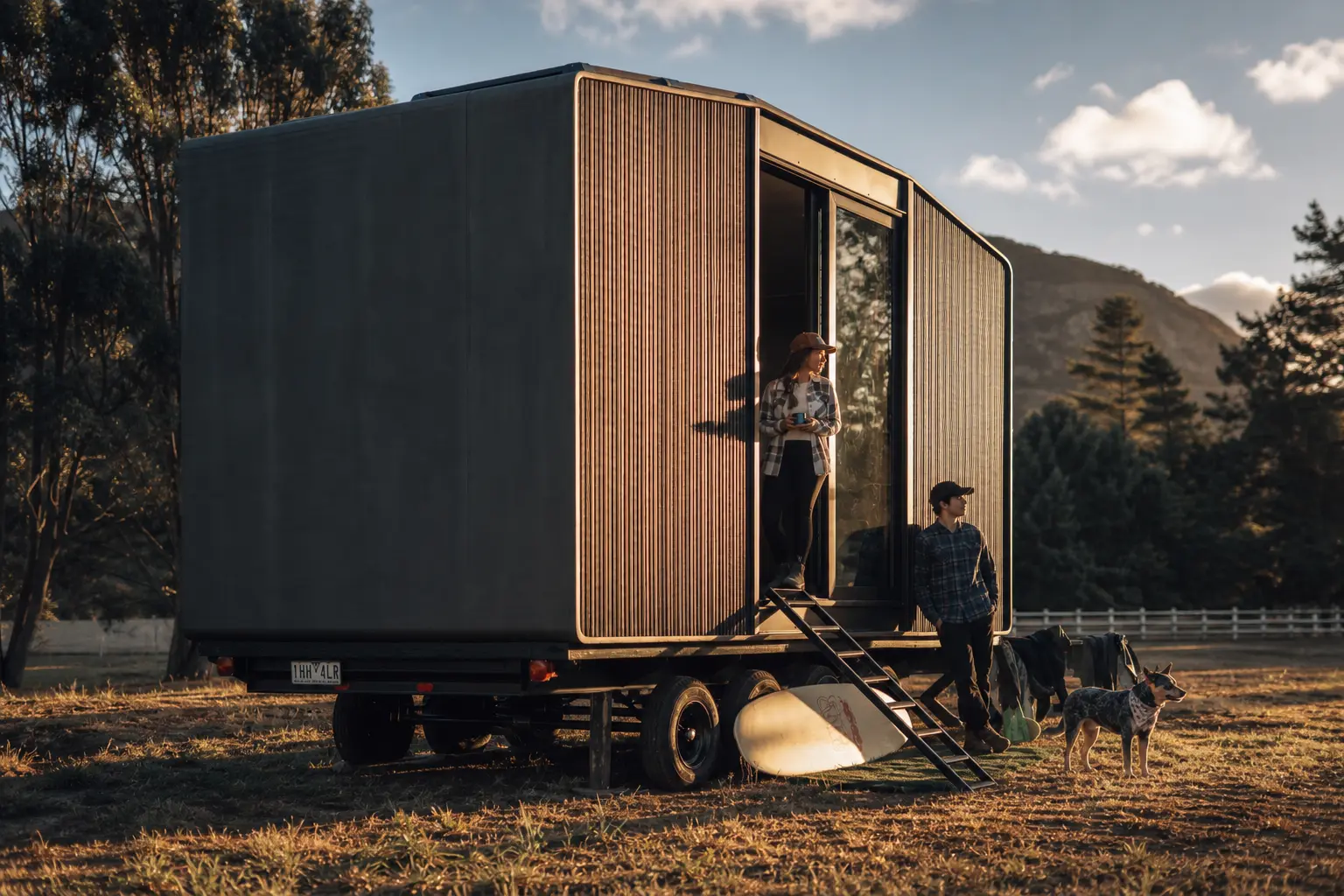
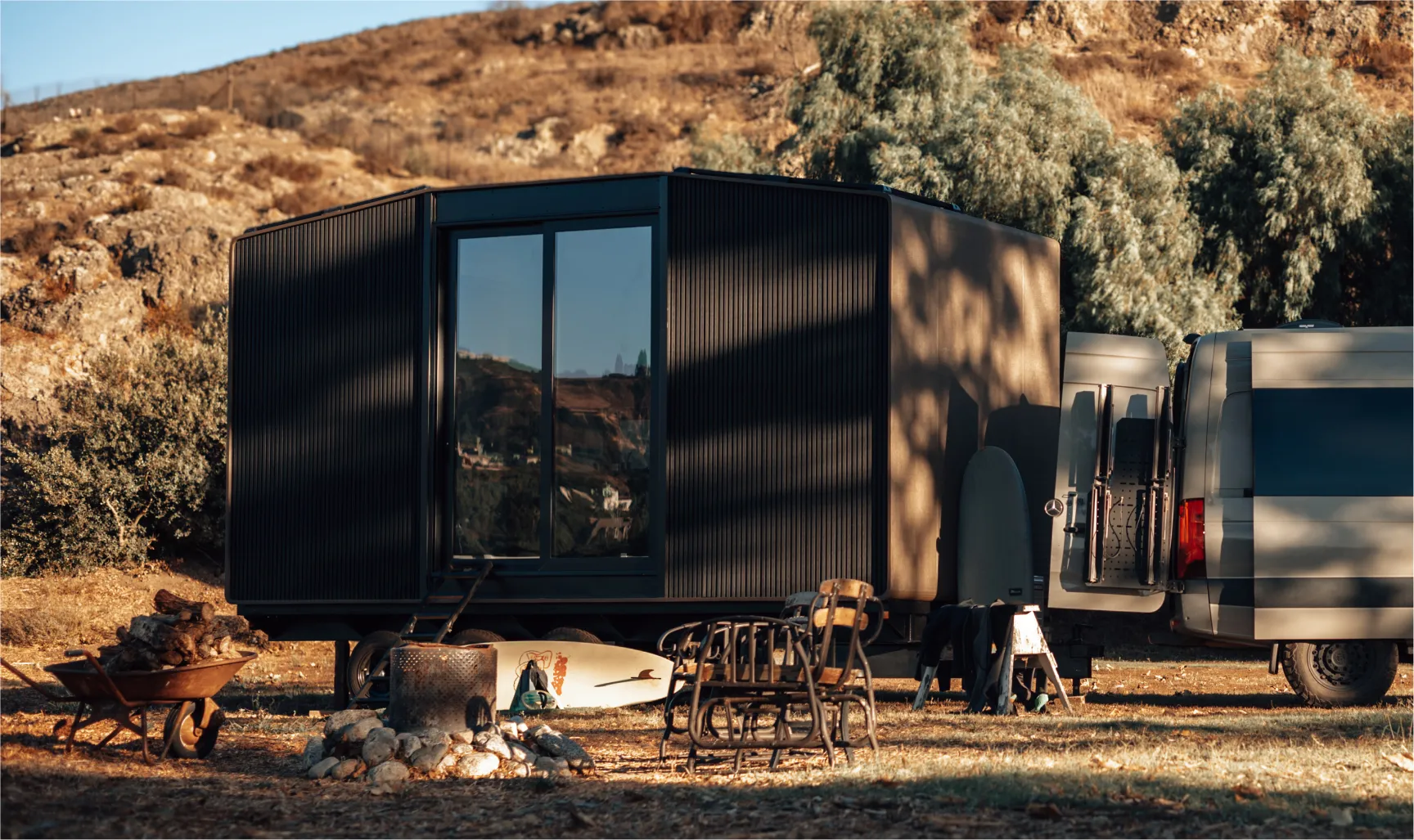
- Homes on wheels: Chassis-based units designed for mobility and flexible placement.
- Larger modular homes: Homes with more square footage, bedrooms, bathrooms, and full residential layouts.
- Glamping units: Compact structures for hospitality, outdoor stays, and recreational properties.
- Office pods: Separate workspaces for residential or commercial use.
At Azure Printed Homes, we offer different model categories so buyers can choose based on size, use case, and property conditions. Our updated pricing includes compact units such as A/D/C-100 and N100 at $24,900, A/D/C-120 at $29,900, homes and ADUs ranging from A-180 at $49,900 to A-900 at $219,900, and homes on wheels such as X180 at $69,900, X270 at $84,900, and X360 at $109,900.
Step 2: Check Zoning and Local Rules
Before building or ordering a modular home, buyers need to confirm what is allowed on the property. Local rules can affect the size, height, use, foundation type, setbacks, parking, utility connections, and whether the unit can be used as a full-time dwelling.
Some properties allow ADUs. Others may only allow accessory structures. Some areas have restrictions on tiny homes, mobile units, or structures on wheels. A modular home that works in one city may require a different approval process in another.
Important questions to ask include:
- Is this type of structure allowed on the property?
- Can it be used as a residence?
- Is a permanent foundation required?
- What permits are needed?
- Are there size or setback limits?
- Can utilities be connected?
- Are there HOA rules or design restrictions?
- How will the home be classified?
This step is important because modular construction still has to fit local building and land-use rules. Factory-built does not mean permit-free.
Step 3: Choose a Model and Layout
Once the property requirements are clearer, the next step is choosing a model and layout. The right choice depends on the size of the lot, how the home will be used, how many people it needs to support, and what features are necessary.
A compact studio may only need one open room. A tiny home may need a bathroom, kitchenette, storage, and sleeping area. A larger modular home may need separate bedrooms, full kitchen space, bathrooms, living areas, and more privacy.
At Azure Printed Homes, we design units for different uses, from small backyard spaces to larger ADUs and modular homes. Our 3D printing process allows us to create modern forms, efficient layouts, and durable structures while using recycled plastic materials. Depending on the model, units can include finished interiors, bathrooms, kitchens, HVAC options, solar options, batteries, and other features.
Step 4: Plan the Full Project Budget
The price of the modular home itself is only one part of the total project cost. Buyers should also plan for site work, permitting, foundation or pad preparation, delivery, crane or equipment needs, utility connections, inspections, and any required upgrades.
A realistic modular home budget may include:
- Base unit price
- Design or customization costs
- Permit fees
- Site preparation
- Foundation or pad work
- Utility trenching and connections
- Delivery and transportation
- Crane or installation equipment
- Inspection fees
- Landscaping or access improvements
- Optional upgrades and finishes
This is why two buyers can choose similar modular homes but end up with different total costs. A flat, accessible lot with existing utilities may be much simpler than a steep property with limited access and no utility connections.
Step 5: Prepare the Site
While the modular home is being produced, the property usually needs to be prepared. Site preparation can include clearing space, grading, building a foundation or pad, preparing utility connections, and making sure delivery vehicles can safely reach the location.
For a permanent modular home or ADU, foundation requirements may be more involved. For a studio, tiny home, or other compact structure, the setup may be different depending on local rules and the intended use.
Site access is especially important. Modular homes must be delivered by truck, and some projects may require cranes or other equipment. Narrow roads, low wires, steep driveways, trees, fences, or tight turns can affect delivery planning.
Step 6: Build the Modular Home in a Factory
Factory production is one of the main differences between modular and traditional construction. Instead of building everything outdoors on the property, much of the structure is produced in a controlled environment. This can reduce delays caused by weather and allow the builder to work through a more repeatable process.
At Azure Printed Homes, we use robotic 3D printing technology to create modular structures from recycled plastic materials. We focus on reducing waste and improving production efficiency while creating finished spaces for residential, commercial, hospitality, and community uses.
The factory stage may include the printed shell, structural work, insulation, windows, doors, interior finishing, fixtures, and system preparation depending on the selected model and scope.
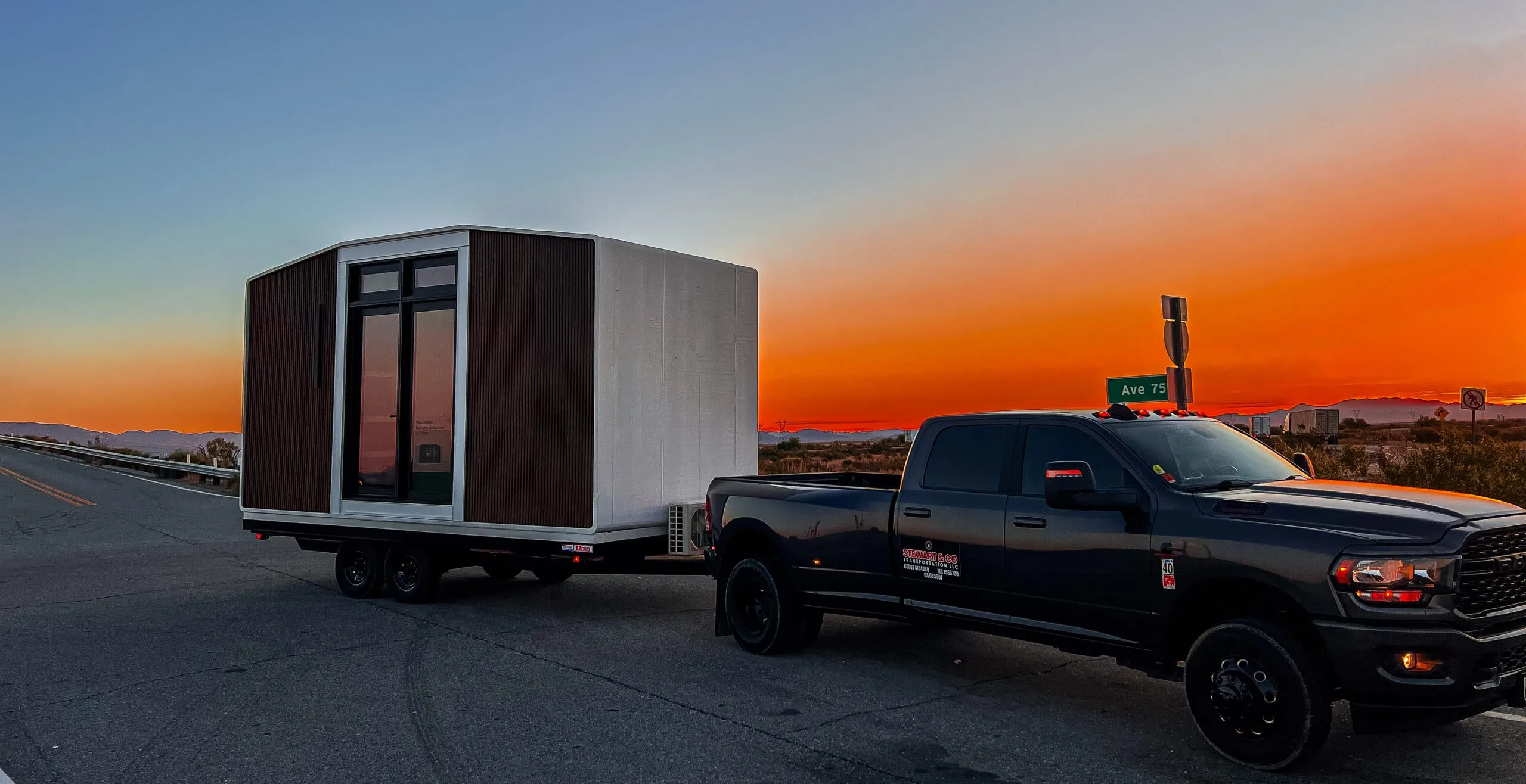
Step 7: Deliver the Home to the Property
After production is complete, the modular home is transported to the property. Delivery planning depends on the size of the unit, distance, route conditions, road access, and installation method.
Smaller units may be simpler to move, while larger homes may require more detailed logistics. Some projects may need special permits, escort vehicles, or crane coordination. The delivery team also needs enough space on-site to unload and position the unit safely.
This is one reason buyers should think about delivery access early in the process, not after the home is already built.
Step 8: Install and Connect the Home
Once the unit arrives, it is placed in its final location. This may involve setting it on a foundation, pad, supports, or chassis-approved location depending on the home type. After placement, the home may need utility connections, anchoring, sealing, inspections, and final setup.
Utility connections can include:
- Electrical service
- Water connection
- Sewer or septic connection
- HVAC setup
- Solar or battery systems if included
- Internet or low-voltage connections if needed
Final inspections may be required before the home can be used. Requirements vary by location and by how the structure is classified.
Step 9: Complete Interior and Exterior Details
Some modular homes arrive mostly finished, while others may require additional work after installation. Final details can include steps, decks, skirting, landscaping, utility covers, exterior connections, appliance setup, and final interior adjustments.
This stage is also when buyers confirm that all selected features are working properly. Doors, windows, plumbing fixtures, electrical systems, heating and cooling, appliances, and ventilation should be checked before regular use begins.
How Long Does It Take to Build a Modular Home?
The timeline depends on the model, site conditions, permitting, customization, delivery route, and local inspections. Factory production can be much faster than traditional on-site construction, but the overall timeline still depends on the full project scope.
A smaller studio or compact unit may move through production and setup faster than a larger home with multiple rooms and more site requirements. Permitting can also affect the schedule, especially for ADUs or full-time residential units.
The best way to think about the timeline is in stages: planning, approvals, production, site preparation, delivery, installation, connections, and final inspection.
Benefits of Building a Modular Home
Modular homes can be useful for buyers who want a clearer construction process and a more efficient way to create usable space. They can work well for homeowners, property owners, developers, hospitality projects, and communities that need flexible housing solutions.
Some benefits include:
- Faster production compared with many traditional builds
- Less on-site construction activity
- Controlled factory environment
- More predictable production stages
- Flexible use cases
- Compact and efficient layouts
- Potentially less material waste
- Options for ADUs, studios, tiny homes, and larger residences
At Azure Printed Homes, we combine modular construction with 3D printing and recycled plastic materials. This allows us to build modern factory-made spaces while reducing construction waste and offering models for different needs, from backyard studios to homes on wheels and larger modular homes.
When Modular Homes May Not Be the Right Fit
Modular homes are useful in many situations, but they are not the right answer for every property. A difficult lot, unclear zoning rules, limited road access, utility problems, or strict design requirements can make a project more complicated.
Modular homes may be less suitable when:
- The property does not allow the intended structure.
- Delivery access is too limited.
- The site requires major grading or utility work.
- Local rules require extensive custom approvals.
- The buyer wants a fully custom site-built design.
- The project budget does not account for site work and installation.
A successful modular home project starts with realistic planning. The home itself matters, but the site matters just as much.
Building Modular Homes With Azure Printed Homes
At Azure Printed Homes, we build modular homes and spaces for different residential, commercial, hospitality, and community uses. Our product range includes studios, ADUs, tiny homes, homes on wheels, glamping units, office pods, and larger modular homes.
We use 3D printing technology and recycled plastic materials to create factory-built structures with a focus on efficient production and reduced waste. Our models are designed to be delivered and installed with a clearer process than many traditional construction projects, while still requiring proper site planning, approvals, and setup.
For buyers who need a compact backyard space, models such as A/D/C-100, A/D/C-120, and N100 can support smaller-use cases. For larger residential needs, models such as A-360, A-540, A-720, and A-900 offer more space. For mobility, the X Series includes X180, X270, and X360 homes on wheels.
Conclusion
Building a modular home starts with choosing the right type of structure, but the full process includes much more than the home itself. Buyers need to review zoning, permits, site access, foundation needs, utilities, delivery logistics, installation, and final inspections.
Modular construction can make the building process more efficient and organized, especially when the property is suitable and the project is planned carefully. It can support many uses, from backyard studios and ADUs to tiny homes, homes on wheels, glamping units, and full modular residences.
At Azure Printed Homes, we build factory-made spaces using 3D printing technology and recycled plastic materials, with models designed for different property needs and living situations. A modular home can be a practical way to create new space, but the best results come from matching the right model to the right site and planning every stage before production begins.