The way a home is built can influence many parts of the buying process, including how it is financed. Modular homes are typically treated more like traditional site-built homes because they are constructed according to local building codes and permanently installed on a foundation. Manufactured homes follow federal HUD construction standards and may have different financing requirements depending on how they are installed and classified.
For buyers exploring modern modular housing, the financing process also depends on the type of unit, intended use, location, and site requirements. We at Azure Printed Homes create modular living spaces ranging from compact studios to full residential homes and ADUs, so each project can involve different planning considerations depending on how the structure will be used.
How Modular and Manufactured Homes Differ Before Financing
Before comparing financing options, buyers need to understand what separates modular homes from manufactured homes. Both types of homes are produced away from the final property location. Factory construction allows many parts of the building process to happen in a controlled environment, which can improve consistency and reduce some of the delays associated with weather conditions.
The main difference is the construction standard and how the home becomes part of the property.
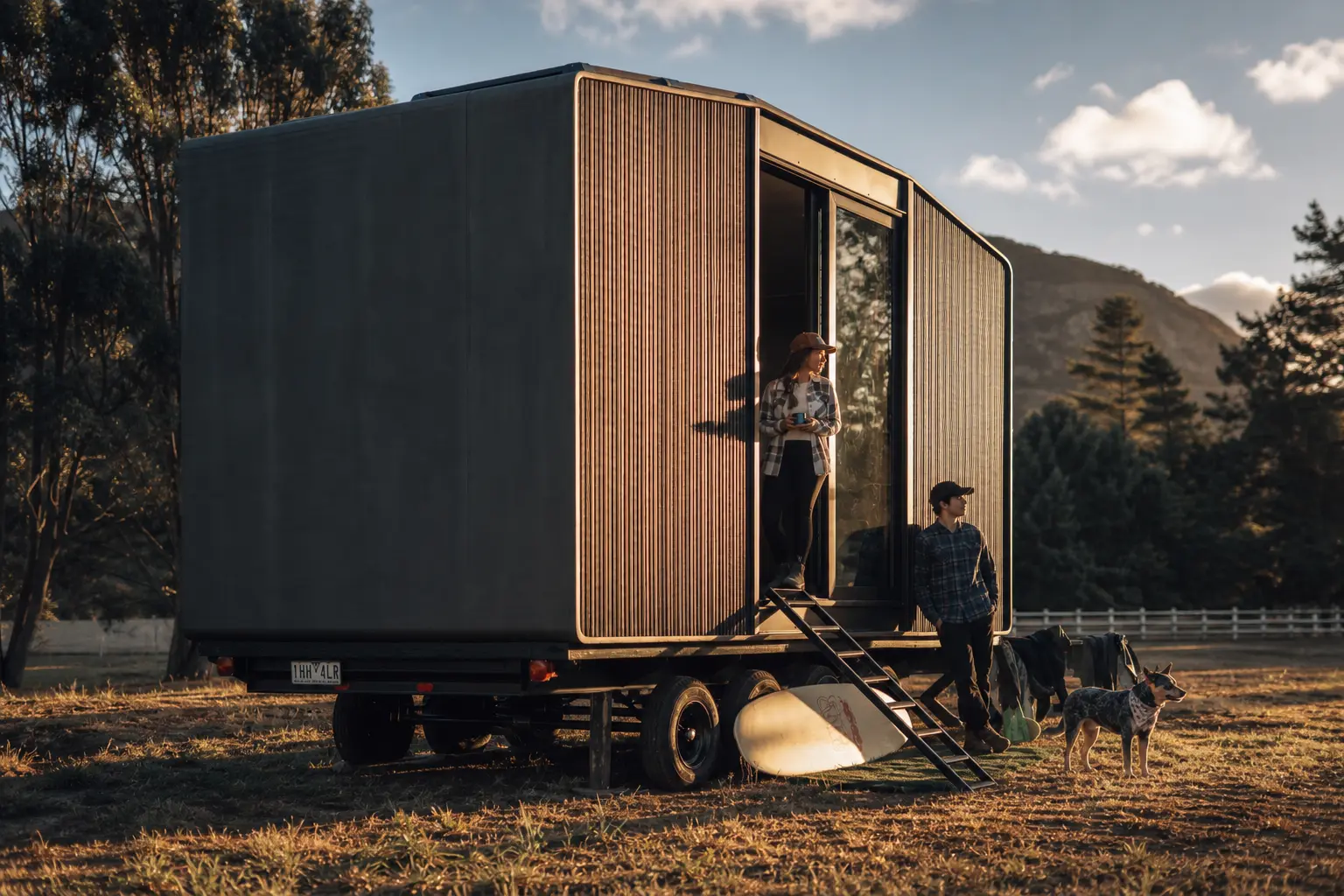
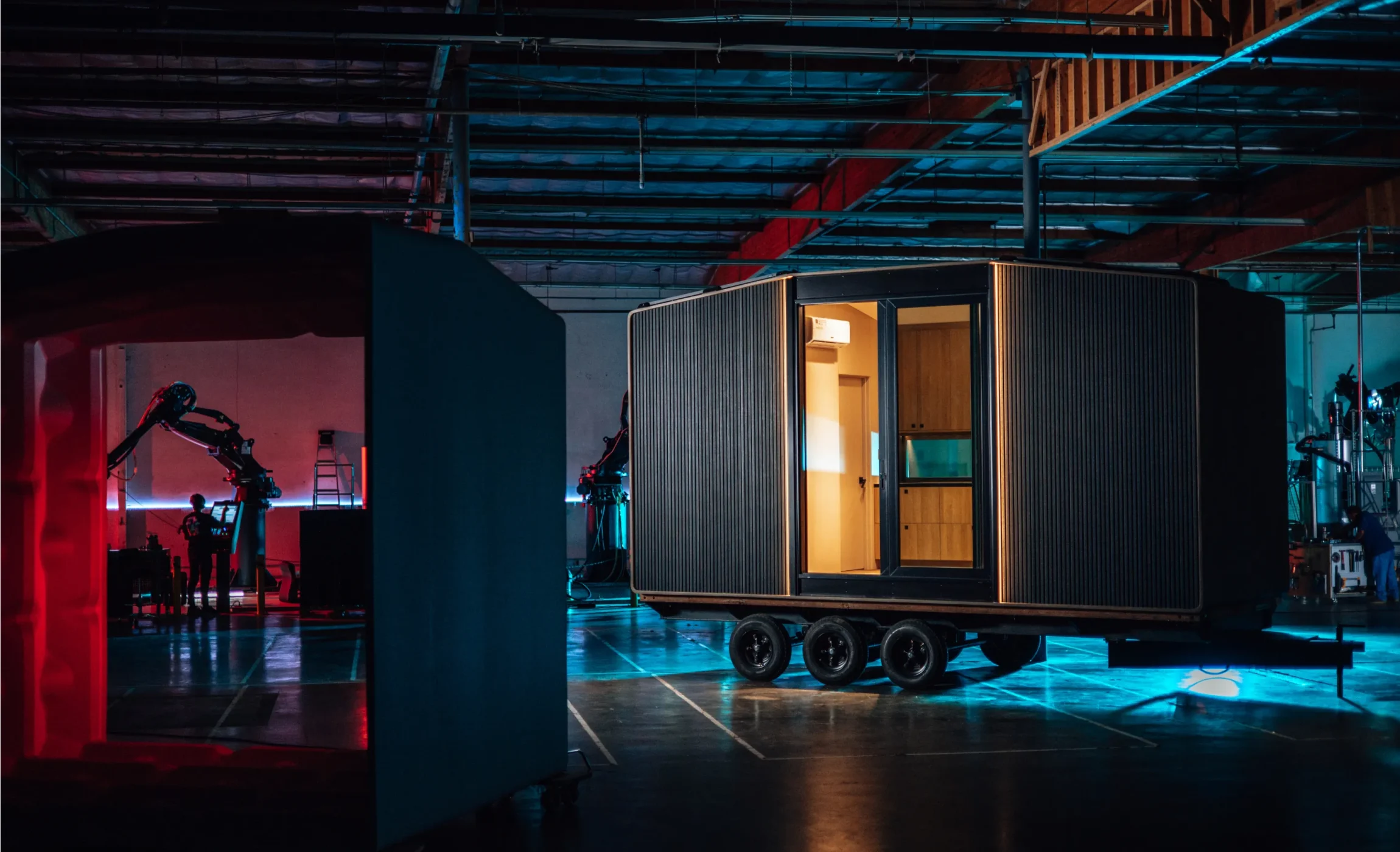
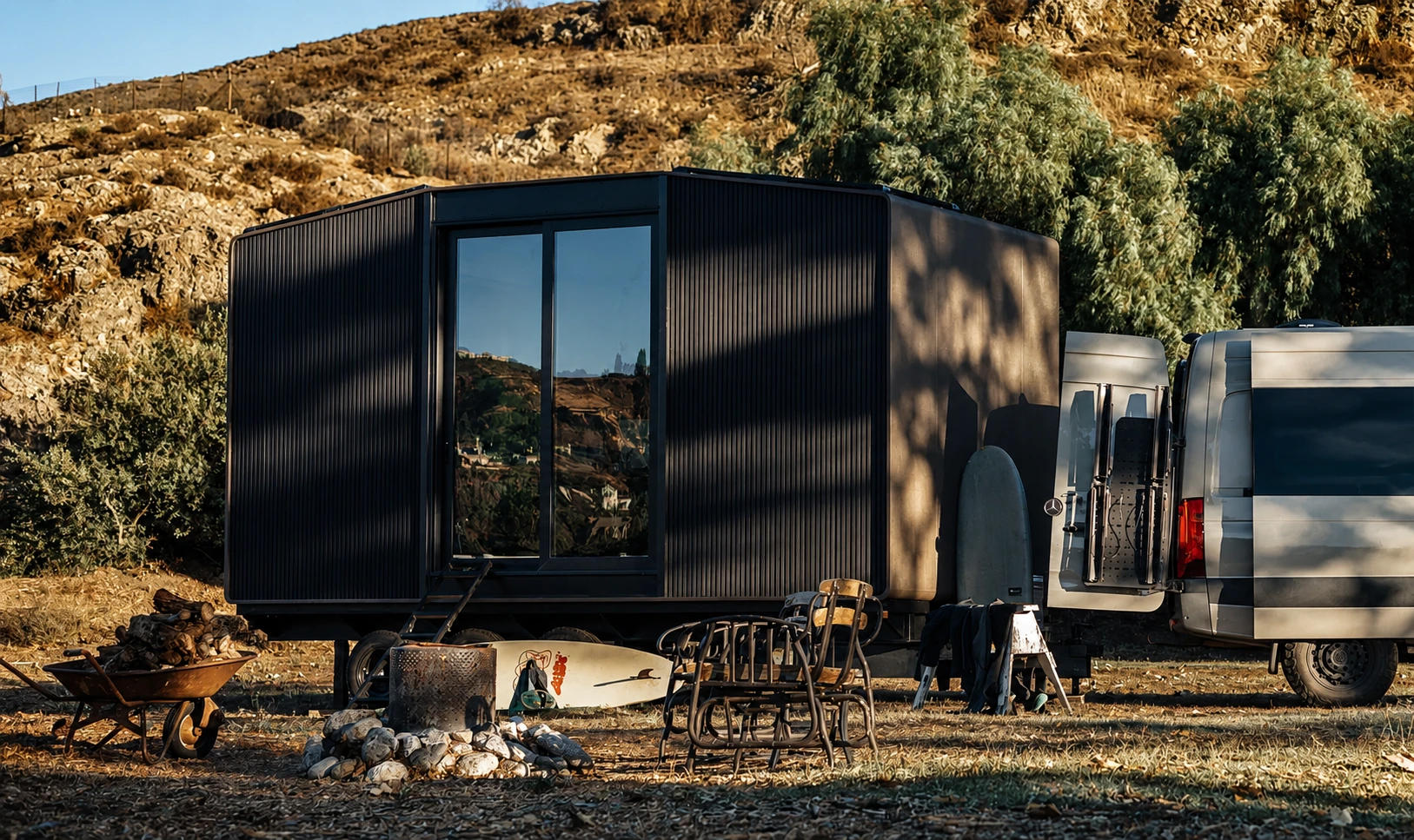
Modular homes are built in sections and follow the same local, county, or state building codes as site-built homes. After production, the sections are transported to the property and permanently installed on a foundation. We provide modular living spaces using robotic 3D printing technology and recycled materials. Our homes are manufactured in a controlled setting before being delivered and installed on-site, with options ranging from compact studio models to larger ADUs designed for residential use.
Manufactured homes are built according to the federal HUD Code. They are constructed on a permanent chassis and transported to the property for installation. Depending on the situation, they may be placed on different foundation systems and can have different financing classifications.
These differences are important because lenders usually look at the home type, installation method, and property status when determining available loan options.
Financing Differences Between Modular and Manufactured Homes
Although modular and manufactured homes are both built in a factory environment, the financing process can be different because lenders consider how each type of home is constructed, installed, and classified.
Financing a Modular Home: How the Process Usually Works
Modular home financing is often structured similarly to financing a newly constructed traditional home. Because modular homes are built according to local building codes and permanently attached to the property, many buyers use construction-to-permanent financing.
This type of loan provides funds throughout the building process and may convert into a standard mortgage once construction is complete. Instead of receiving the full loan amount at one time, funds are usually released in stages as the project reaches specific milestones.
These stages may include:
- Land preparation
- Foundation completion
- Home delivery
- Installation
- Final inspections
- Completion of construction
The lender may require inspections before each payment stage to confirm that the work follows approved plans and meets construction requirements.
For modular projects, buyers should consider more than the cost of the home itself. Expenses related to land preparation, permits, utilities, foundation work, delivery, and installation can all affect the total project budget. We complete our modular homes in a factory environment with electrical systems, mechanical systems, plumbing, and standard finishes included, while site-related costs depend on the specific property and project requirements.
Financing a Manufactured Home: What Can Affect Loan Options
Manufactured home financing can work differently because these homes are built according to federal HUD standards rather than local residential building codes.
Several factors may influence available financing options, including:
- Whether the buyer owns the land
- Whether the home is permanently attached to the property
- How the home is titled
- The foundation system
- Local requirements
A manufactured home installed permanently on owned land may have different financing possibilities compared with a unit that is treated as personal property.
Because construction type and installation method can influence the lending process, buyers should understand these details before selecting a home. Knowing how a property will be classified can help make the financing process more predictable and help buyers choose a housing option that fits their long-term plans.
Why Construction Type Matters for Lenders
Lenders evaluate homes based on risk, value, and how the property is classified.
A modular home that becomes a permanent part of real estate is generally evaluated similarly to a traditional home. The construction process, building codes, and final installation all contribute to how the property is viewed.
Manufactured homes require additional consideration because their classification is connected to HUD standards and their installation method. This distinction does not mean one option is always better than the other. Instead, it means buyers should choose a housing type based on their goals and understand how that choice affects financing before starting the project.
Financing Considerations for Different Modular Home Types
Modern modular construction includes different types of housing, and the financing process can depend on how the unit will be used and installed. A full residential home, an accessory dwelling unit, and a smaller modular space may have different project requirements, which can affect budgeting, site preparation, and the overall financing approach.
We create modular structures for a range of applications, including homes, ADUs, and studios. Each category is designed for different needs, so buyers should consider the intended use of the unit before planning their financing.
For example, larger modular homes and ADUs that are permanently installed on a foundation may involve considerations similar to a traditional residential construction project, including site preparation, permits, utilities, and installation requirements. Our models, such as the A-360, A-540, A-720, and A-900, are designed for residential living and additional housing needs.
Smaller modular units may require a different approach depending on their purpose and location. Our studio models can be used for flexible spaces such as offices, guest areas, or additional living areas.
Understanding the type of modular structure before applying for financing helps buyers create a more realistic budget and consider all parts of the project, from the home itself to delivery, installation, and site requirements.
What Costs Should Buyers Consider Beyond the Home Price?
One of the most common mistakes when planning a modular home project is focusing only on the purchase price of the structure. The complete project budget may include several additional expenses.
Site Preparation
The property needs to be prepared before installation. Depending on the location, this may include grading, utility connections, foundation preparation, and other site work.
We complete our units in a factory environment, including electrical systems, mechanical systems, plumbing, and standard finishes. However, site-related expenses such as foundation work, permits, and preparation are handled separately because they depend on the specific property.
Delivery and Installation
Transportation and installation are also important financial considerations. A modular home must be delivered from the factory to the property and installed according to project requirements. Delivery costs can vary based on distance, location, and the type of unit being transported.
For our projects, delivery and installation planning are part of the overall project coordination process. We work with buyers to understand the site conditions and requirements before the unit arrives.
Optional Upgrades and Customization
Customization can also affect the final budget. Modular homes can often be adjusted to meet specific needs, including layout preferences, finishes, and additional features.
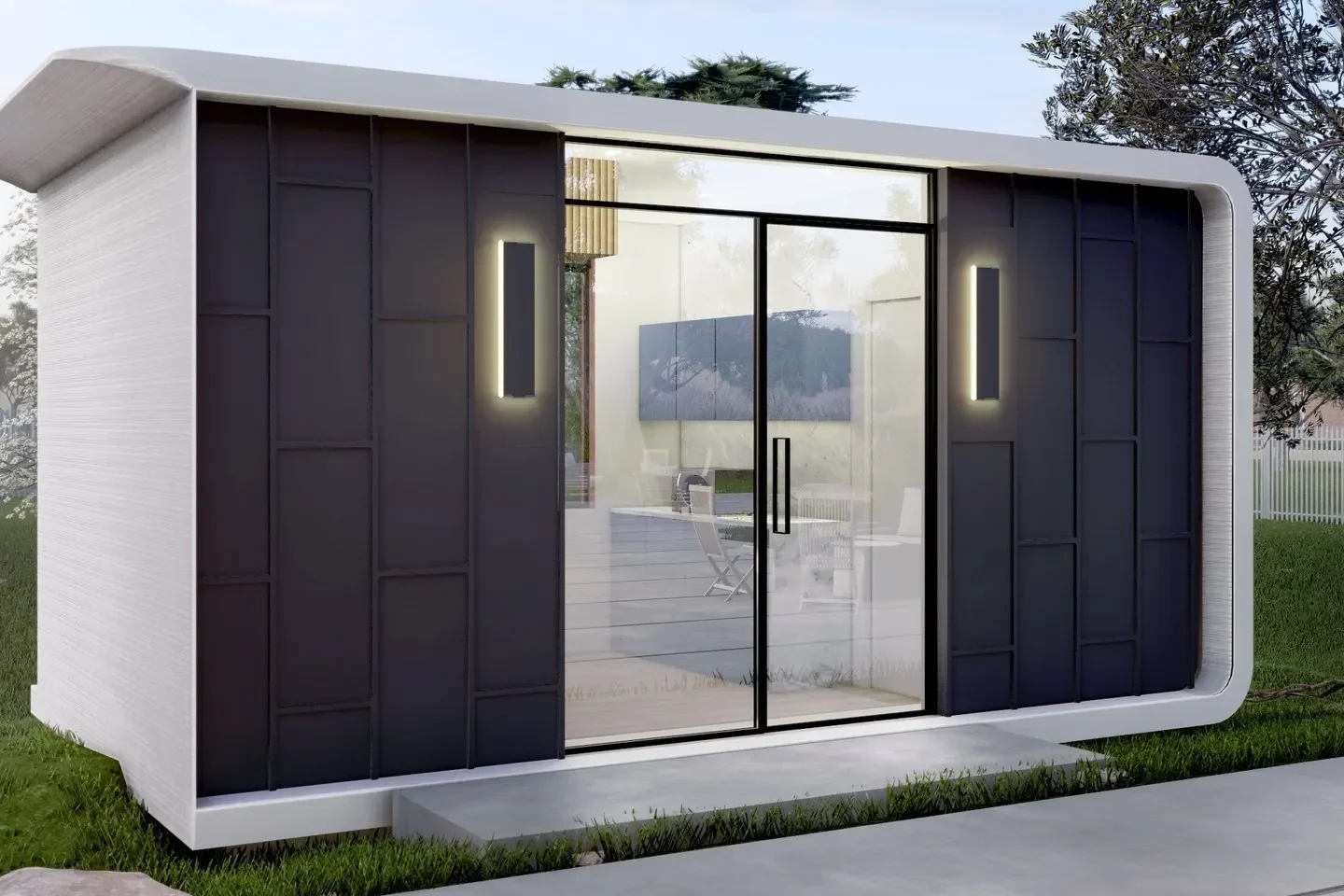
We provide customizable modular designs and offer options such as different finishes and project-specific modifications. Larger custom projects may require additional planning depending on the design requirements.
Preparing for the Financing Process
Regardless of whether a buyer chooses a modular or manufactured home, preparation can make the financing process easier. Before applying for financing, buyers should consider the following steps.
Understand the Property Requirements
The first step is confirming what type of home is allowed on the property. Local zoning rules, building codes, and permit requirements can affect what can be installed and what approvals are needed.
Create a Complete Project Budget
A realistic budget should include:
- Home cost
- Land costs if applicable
- Site preparation
- Foundation work
- Utilities
- Permits
- Delivery
- Installation
- Optional upgrades
Discuss Financing Early
Speaking with lenders before construction begins helps buyers understand available options and required documentation. Modular construction involves multiple stages, so having a clear financing plan can help avoid delays during the process.
Choosing the Right Financing Approach for Your Home Type
The best financing approach depends on the type of home, how it will be installed, the property requirements, and the buyer’s long-term plans. While modular and manufactured homes are both built in a factory environment, their construction standards and installation methods can influence how lenders evaluate them.
| Home Type | Financing Considerations | May Be a Better Fit For |
| Modular homes | Often financed similarly to traditional new construction because they follow local building codes and are permanently installed on a foundation. Buyers may use construction-to-permanent loans that transition into a mortgage after completion. | Buyers looking for a permanent residence, ADU, or residential structure with a financing process closer to site-built homes. |
| Manufactured homes | Financing can depend on factors such as land ownership, foundation type, title classification, and whether the home is permanently attached to the property. | Buyers looking for factory-built housing that follows HUD standards and fits their specific property situation. |
When planning a modular home project, buyers should consider how the intended use of the space affects the overall budget and financing process. A permanent residence may involve different requirements than a backyard studio or a mobile unit, especially when it comes to permits, site preparation, and installation.
We at Azure Printed Homes work with different modular applications, from additional living spaces to full residential solutions, helping buyers explore options that match their property and project goals. Understanding these differences early can make it easier to estimate costs, prepare documentation, and choose a financing approach that fits the specific project.
Final Thoughts
Financing is one of the most important parts of choosing between modular and manufactured homes. While both options use factory construction, their differences in building standards, installation methods, and property classification can affect the buying process.
Understanding these differences helps buyers ask better questions, prepare realistic budgets, and choose a housing option that fits their long-term plans.
Whether the goal is a full residence, an ADU, or a smaller modular space, careful planning around financing, site requirements, and construction details can make the process more predictable and manageable.