Housing affordability has become an important topic for individuals, families, developers, and communities looking for ways to create more accessible living options. While the terms income-restricted housing and affordable housing are often used together, they do not mean exactly the same thing.
Both concepts focus on making housing costs more manageable, but they approach the goal differently. Affordable housing describes a broader category of homes designed to remain financially accessible, while income-restricted housing includes specific eligibility requirements based on household income.
Understanding the difference helps renters, homeowners, developers, and organizations better evaluate available housing options and determine which solutions may fit their needs.
Affordable Housing Explained
Affordable housing refers to homes designed so that residents can manage housing costs without creating financial strain. A commonly used guideline considers housing affordable when households spend no more than 30% of their gross income on housing expenses, including rent or mortgage payments and basic utilities.
Affordable housing is a broad term that can include different types of housing programs, rental options, ownership opportunities, and development projects. It is not limited to one income group or one type of property.
Affordable housing may serve:
- Low-income households
- Moderate-income households
- Workforce households
- Seniors
- Families
- Individuals who struggle with rising housing costs
The goal is to provide stable housing options that remain financially realistic for people who may have difficulty accessing traditional market-rate homes.
Affordable housing does not necessarily mean smaller, lower-quality, or temporary housing. Many affordable housing projects focus on creating durable homes with efficient designs, practical layouts, and long-term value.
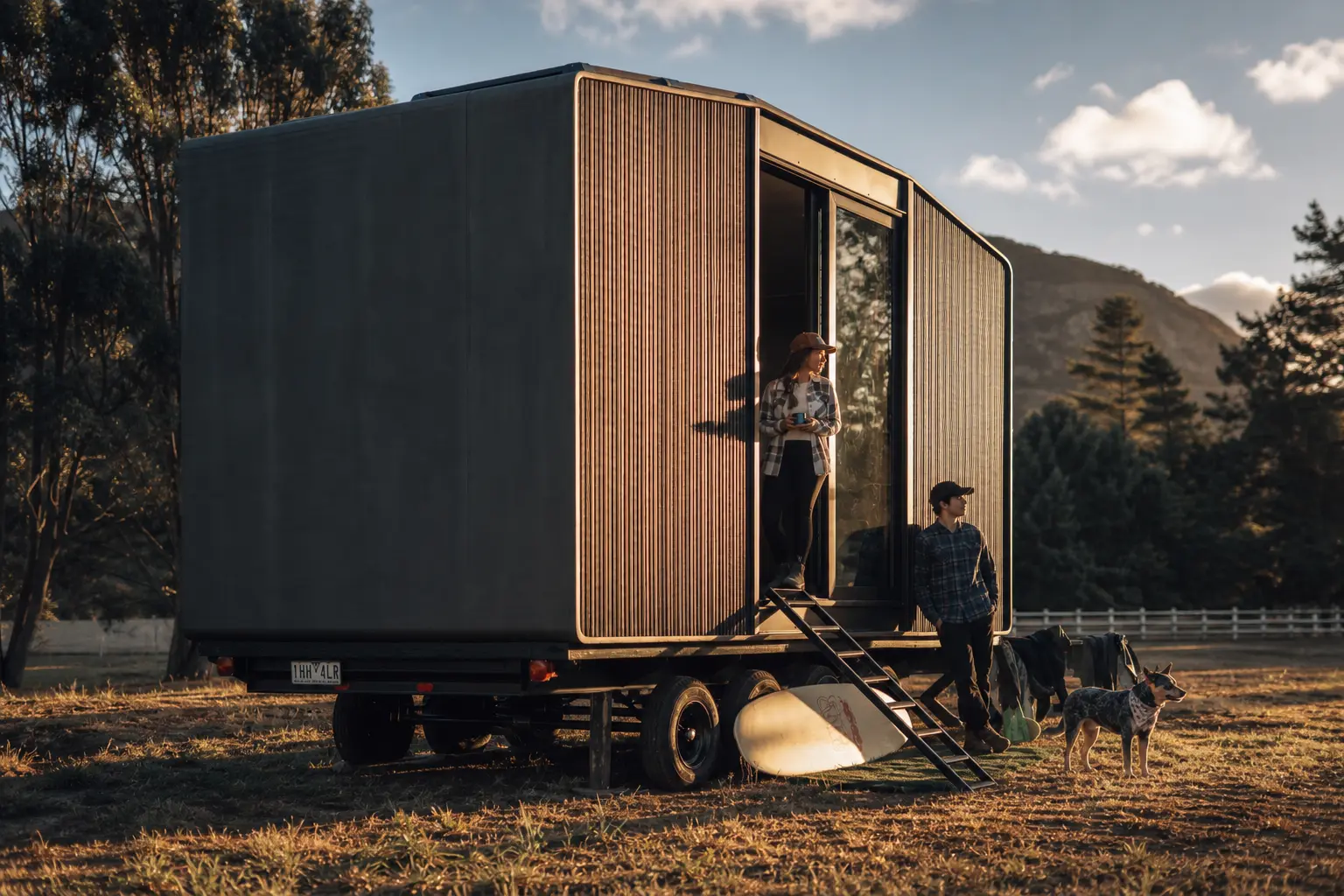
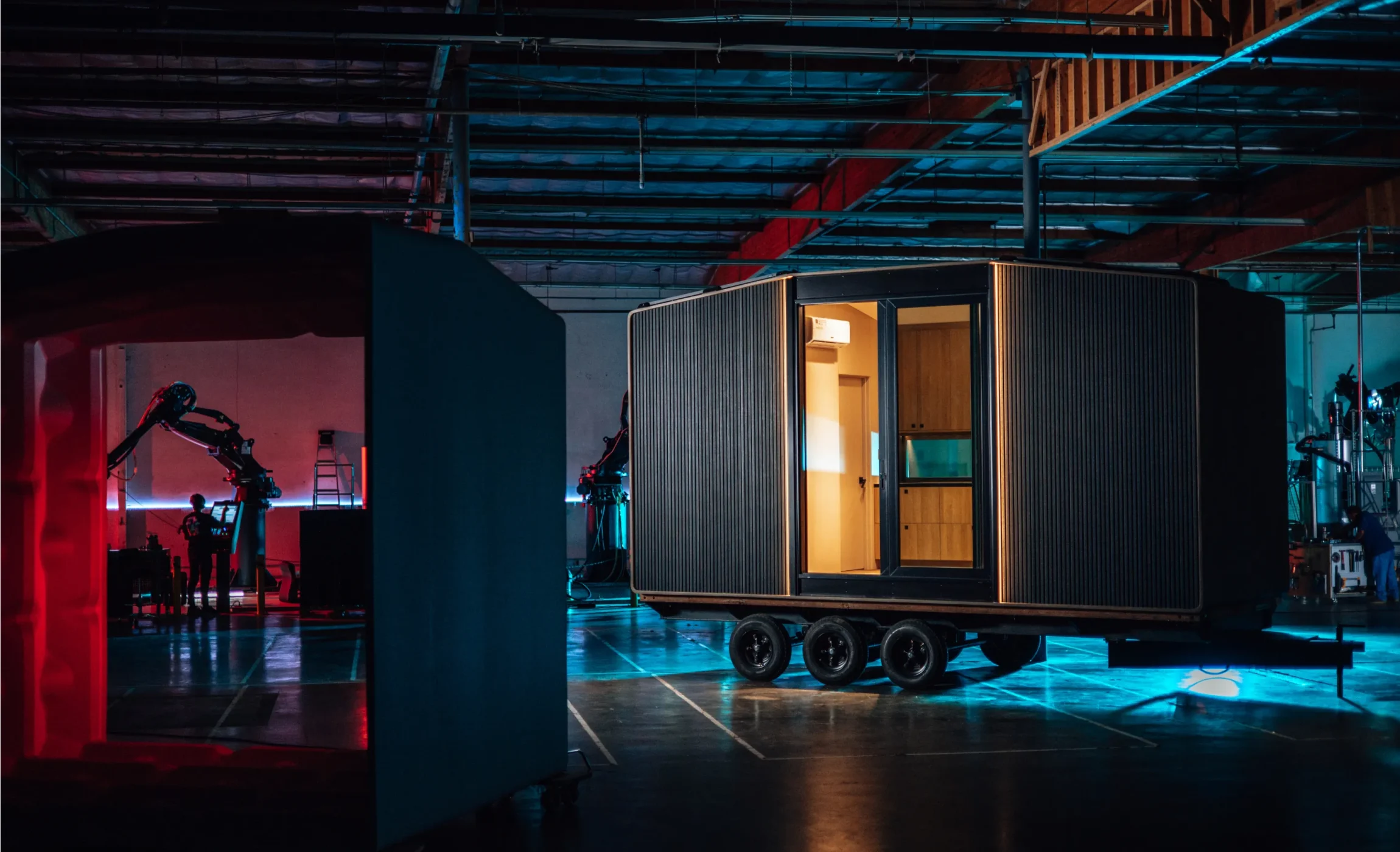
Modern construction approaches can also contribute to affordable housing goals by improving efficiency during production. At Azure Printed Homes, we manufacture modular structures in a controlled factory environment, helping simplify parts of the construction process while creating customizable spaces for different applications.
Exploring Income-Restricted Housing
Income-restricted housing is a specific type of affordable housing where eligibility depends on household income limits. Unlike general affordable housing, income-restricted housing requires applicants to meet certain qualifications before they can rent or purchase a home. These requirements are usually based on factors such as:
- Household income
- Household size
- Location
- Local income limits
Many income-restricted housing programs use Area Median Income (AMI) as a measurement tool. AMI varies depending on the region and household size, meaning income limits can be different from one community to another.
Income-restricted housing is often created through programs that reserve homes or apartments for households within specific income ranges. These programs are designed to help people who may not be able to afford typical market-rate housing in their area.
How Income Restrictions Are Determined
Income restrictions are generally based on Area Median Income, which represents the median income level for a specific area.
Common income categories include:
Extremely Low-Income Housing
Extremely low-income housing is generally designed for households earning at or below 30% of the Area Median Income (AMI). These programs typically support individuals and families with the greatest gap between their income and local housing costs. Because these households often face significant affordability challenges, this type of housing may rely on additional assistance or specialized programs to keep housing costs manageable.
Very Low-Income Housing
Very low-income housing commonly serves households earning approximately 30% to 50% of AMI. These programs are intended for residents who may have regular income but still cannot afford typical market-rate housing in their area. Eligibility requirements and available support can vary depending on local housing programs and community needs.
Low-Income Housing
Low-income housing generally includes households earning around 50% to 80% of AMI. This category often serves working individuals and families whose income is above the limits for deeper affordability programs but remains below what is needed for comfortable access to market-rate housing. Many affordable housing initiatives are designed around this income range.
Moderate-Income Housing
Moderate-income housing may include households earning above traditional low-income limits, sometimes up to 120% of AMI, depending on local housing conditions and program goals. These options often support workforce households, including people who earn too much to qualify for certain assistance programs but still face challenges affording homes in expensive markets.
Because income limits are based on location, household size, and local economic conditions, the same income level may qualify in one area but not another. Higher-cost regions typically have higher AMI limits, while areas with lower housing costs may have lower thresholds. Checking local requirements is important when determining eligibility for any income-based housing program.
Key Differences Between Affordable and Income-Restricted Housing
The main difference comes down to eligibility.
| Affordable Housing | Income-Restricted Housing |
| Broad term for housing that remains financially accessible | Specific housing with income eligibility requirements |
| Can include rental and ownership options | Usually requires residents to meet income limits |
| May serve different income levels | Designed for households within specific income categories |
| Can include privately developed housing solutions | Often connected to housing programs or affordability requirements |
Income-restricted housing is a type of affordable housing, but not all affordable housing is income-restricted.
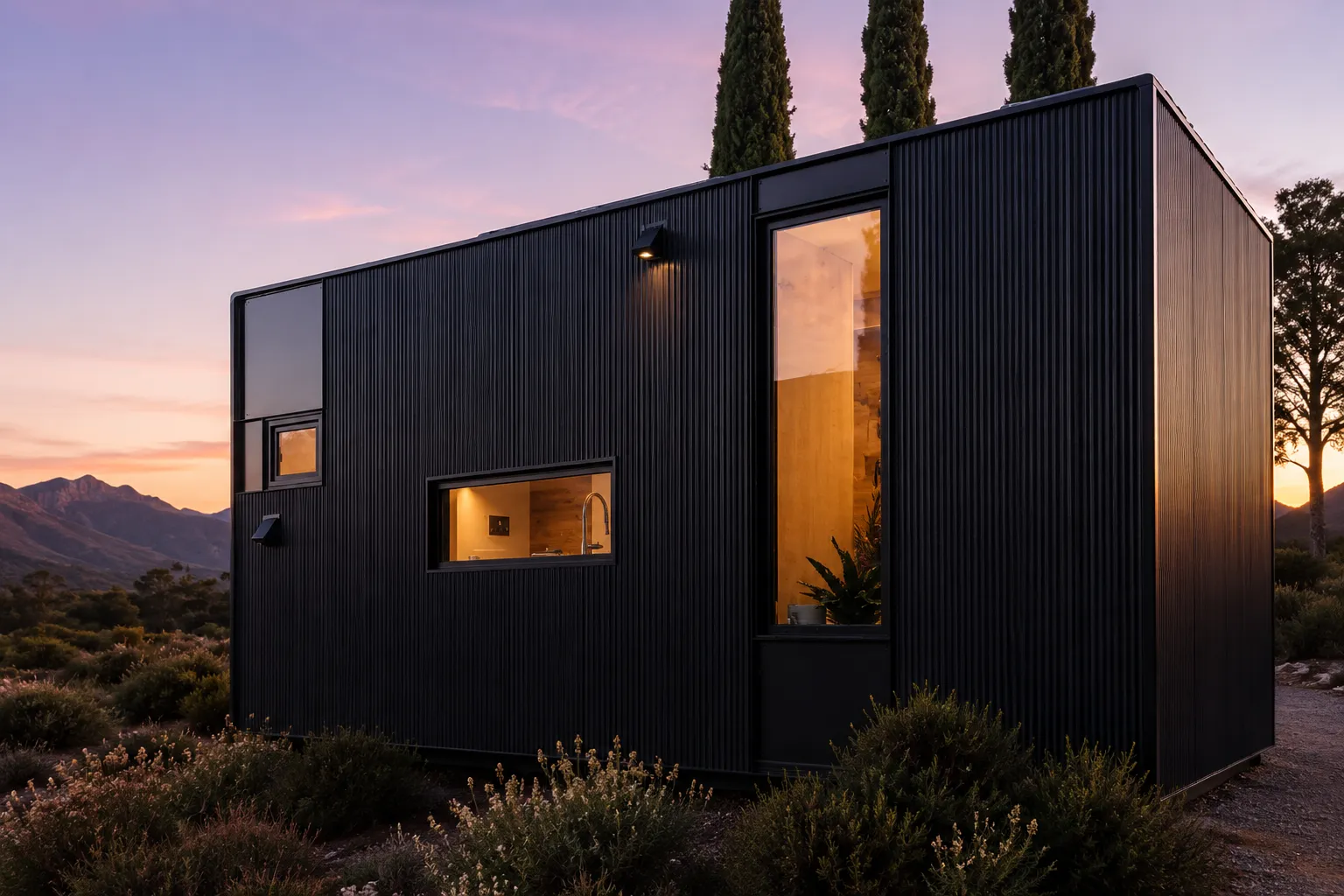
For example, a developer may create smaller, efficiently designed homes that are more affordable because of their construction method, size, or features. These homes may help expand housing options without necessarily being part of an income-based housing program.
Beyond Housing Programs: The Importance of Efficient Construction Methods
Affordable housing depends on more than income requirements and housing programs. While income-restricted initiatives help connect eligible households with housing opportunities, communities also need practical ways to increase the overall supply of available homes.
Creating more accessible housing often requires balancing several factors, including construction costs, available land, development timelines, and the ability to create homes that remain functional and durable over time. As housing demand continues to grow, efficient construction methods are becoming an important part of the conversation.
Modular construction offers one approach to creating additional housing options by moving much of the building process into a controlled manufacturing environment. Instead of completing every construction stage directly on-site, modular homes are produced in sections or units that can be prepared before delivery and installation.
We use robotic 3D printing technology, recycled materials, and modular construction to create flexible living spaces for different residential needs. Our approach focuses on combining efficient manufacturing with customizable designs to create homes, ADUs, and studio spaces that can be adapted for different projects
This approach can help create a more organized building process while supporting different types of housing projects. Modular construction is not the same as income-restricted housing and does not automatically determine whether a home meets affordability requirements. However, it can help developers, property owners, and communities explore additional ways to expand housing availability.
Benefits of Modular Housing for More Flexible Housing Solutions
Modular housing can provide several advantages when communities and developers are looking for ways to create additional living spaces more efficiently.
Modular construction can offer several advantages, including a more organized manufacturing process, reduced dependence on fully on-site building, more predictable production timelines, flexible designs for different property types, factory-controlled quality, and efficient use of materials. These factors can help create a more streamlined approach to developing additional housing options.
Because much of the construction happens in a controlled environment, modular housing can help simplify certain parts of the building process. This can be especially useful for projects that require additional housing units, compact living spaces, or adaptable designs.
At Azure, we combine these benefits with robotic printing technology and sustainable material options to create modular structures designed around different housing goals.
Our modular approach includes:
- Factory-controlled construction: We manufacture our units in a controlled environment where key construction steps can be completed before delivery. This helps create a more streamlined process from production to installation.
- Completed interior systems: Our homes and ADUs are delivered with completed systems, including electrical, plumbing, and interior finishes, helping simplify the final installation process.
- Customizable designs: We create different layouts, sizes, and configurations to support various residential applications. This allows projects to be adapted based on space requirements and intended use.
- Recycled material options: We use recycled plastic materials in our 3D printing process. More than 60% of our print material comes from recycled plastic, and approximately 100,000 plastic bottles are recycled to create 120 square feet of our printed homes.
- Different housing scales: Our models include compact studio units as well as larger homes and ADU options, giving projects flexibility based on their goals.
Together, these features allow us to create modular homes that combine efficient production, flexible design, and sustainable construction practices for a variety of housing needs.
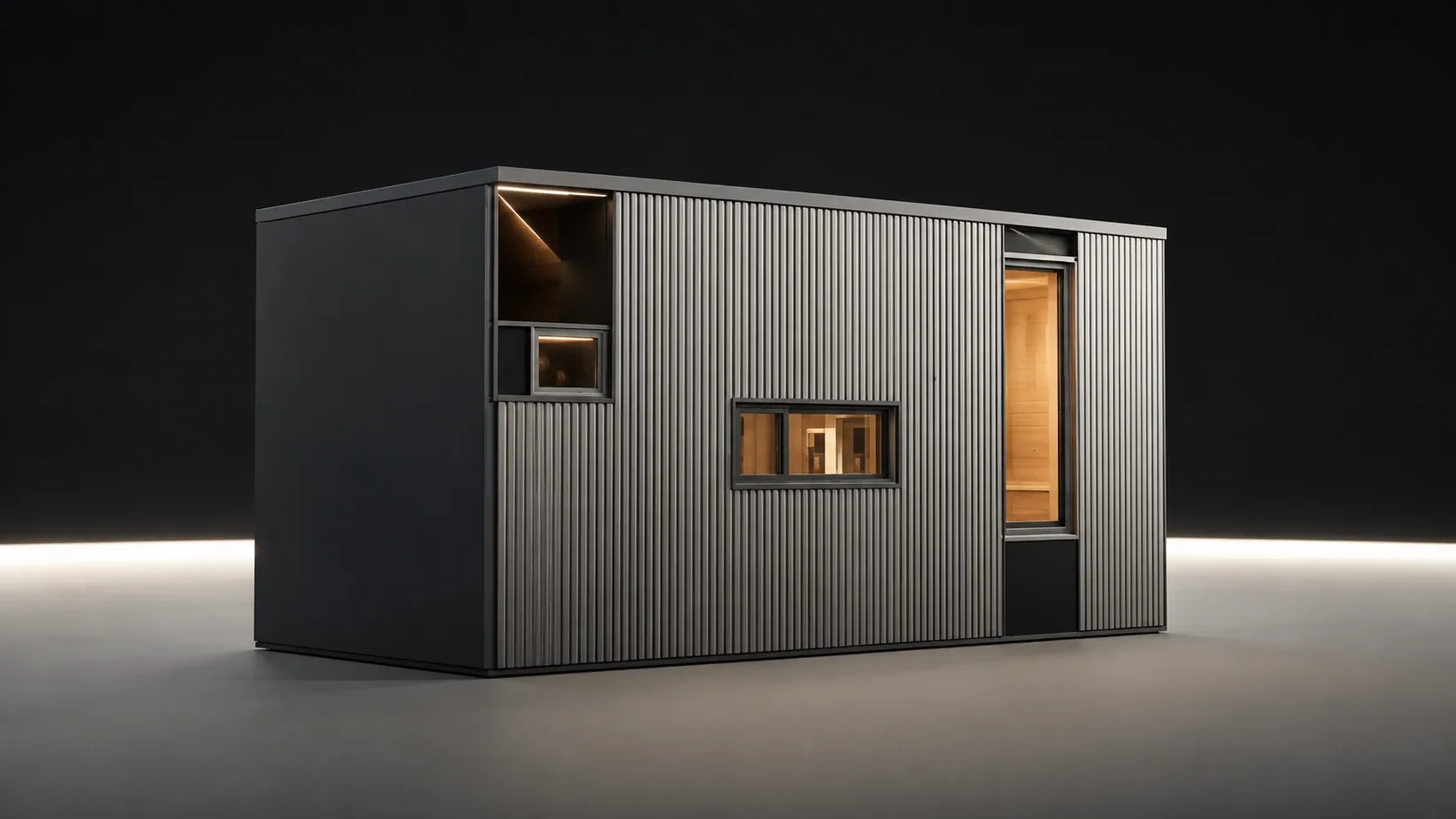
Modular Housing Options for Different Residential Needs
One of the advantages of modular construction is that it can support a wide range of housing applications. The right solution depends on the purpose of the project, available space, and the type of living environment needed. Modular units can be used for additional housing on existing properties, independent residential spaces, backyard living solutions, guest accommodations, rental opportunities, and larger housing projects. This flexibility allows different modular models to serve different purposes, from compact spaces to full residential homes.
Studio Units for Compact Living Spaces
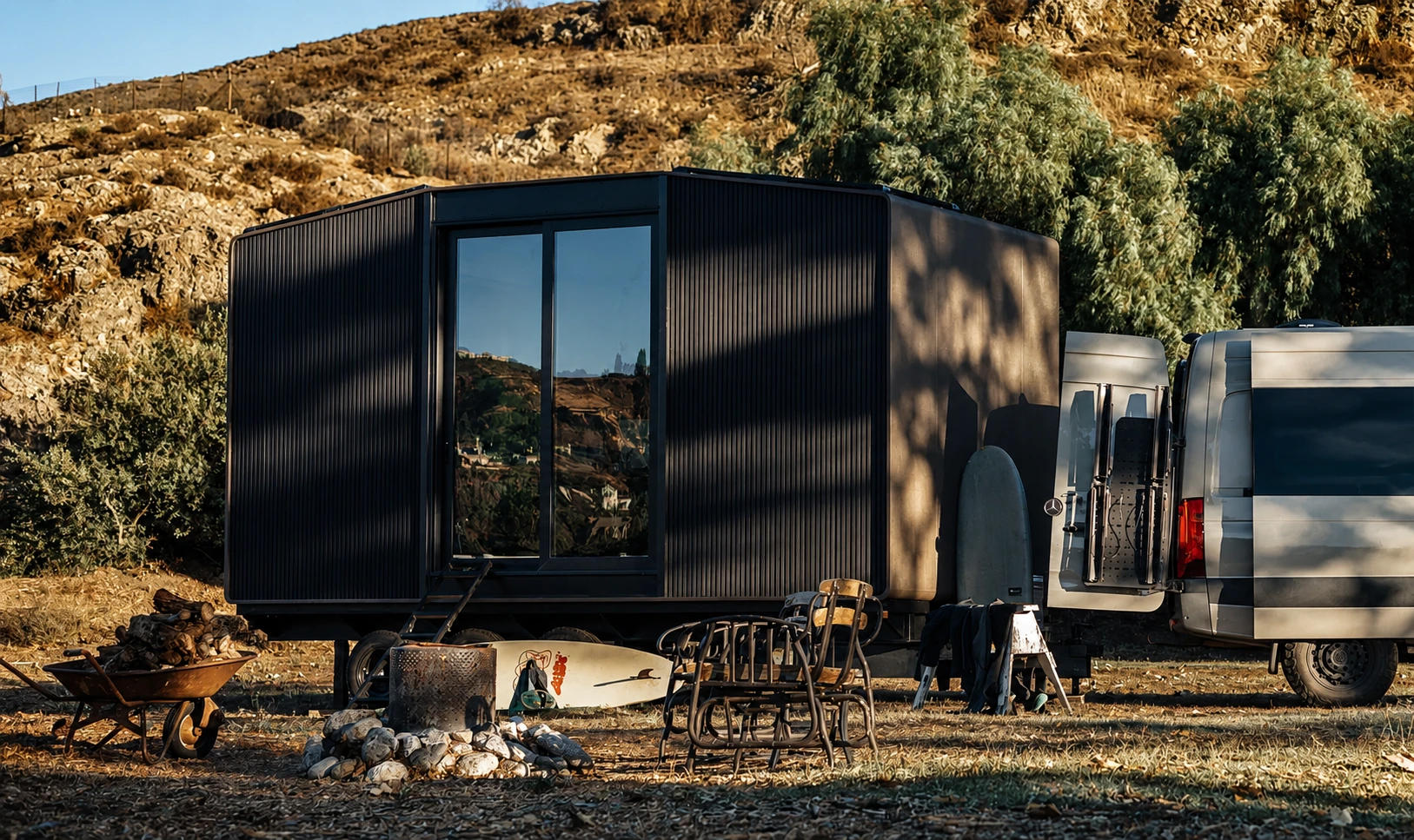
Smaller modular units can provide practical solutions when space is limited or when a project requires a separate living area with a smaller footprint. These spaces can be used as backyard studios, home offices, guest spaces, or compact living arrangements.
We offer studio models designed for projects that require efficient and flexible spaces. Our compact options include models such as the N-100, A-120, D-120, and D-180, providing different sizes and configurations depending on the intended use.
ADUs for Additional Housing Opportunities
Accessory dwelling units are one of the most common applications for modular construction because they allow property owners to add independent living space without building an entirely separate home. ADUs can support additional family housing, guest accommodations, rental opportunities, and flexible living arrangements.
We create ADU solutions designed for different property needs. Our models range from smaller units to larger ADU-style homes, allowing homeowners and developers to explore different layouts and sizes based on their goals.
Larger Modular Homes for Independent Living
For projects that require more space, modular homes can provide a complete residential solution with larger layouts and additional features. These homes can be suitable for individuals or families who need more living space, long-term residential use, or properties requiring a standalone home solution.
At Azure Printed Homes, our larger models, including options from the A Series, are designed to provide more spacious living environments while maintaining the benefits of modular construction. By combining customizable designs with a streamlined manufacturing process, we create homes that can adapt to different residential requirements.
How to Choose the Right Housing Approach
Choosing between different housing solutions depends on the goals of the project, local requirements, available space, and the type of residents the housing is intended to serve.
Income-restricted housing may be the right option when:
- Residents need housing connected to specific income qualifications
- A project is supported by affordability programs
- Eligibility requirements are a central part of the housing model
Broader affordable housing solutions may be considered when:
- The goal is to create more accessible homes
- A project focuses on reducing housing costs
- Flexible construction approaches can support additional housing supply
For projects considering modular construction, important factors include:
- Property size and site conditions
- Required home size and layout
- Local regulations
- Intended use of the space
- Long-term housing goals
Our process includes project assessment, design development, factory production, delivery, and on-site installation to create a more structured path from concept to completed living space.
Final Takeaway
The need for more accessible housing continues to grow as communities face rising housing costs, limited availability, and changing residential needs. Income-restricted programs play an important role by helping qualifying households access housing opportunities, while broader affordable housing strategies help expand options for different groups.
Addressing housing challenges requires multiple approaches. Financial programs, thoughtful planning, efficient construction methods, and adaptable designs all contribute to creating more housing choices.
At Azure Printed Homes, we focus on combining robotic 3D printing technology, recycled materials, and modular design to create flexible housing solutions. By offering different models, from compact studios to larger homes and ADUs, we help provide options that can adapt to different residential needs.
As housing continues to evolve, innovative construction methods can become part of a larger effort to create more practical, efficient, and adaptable living spaces.