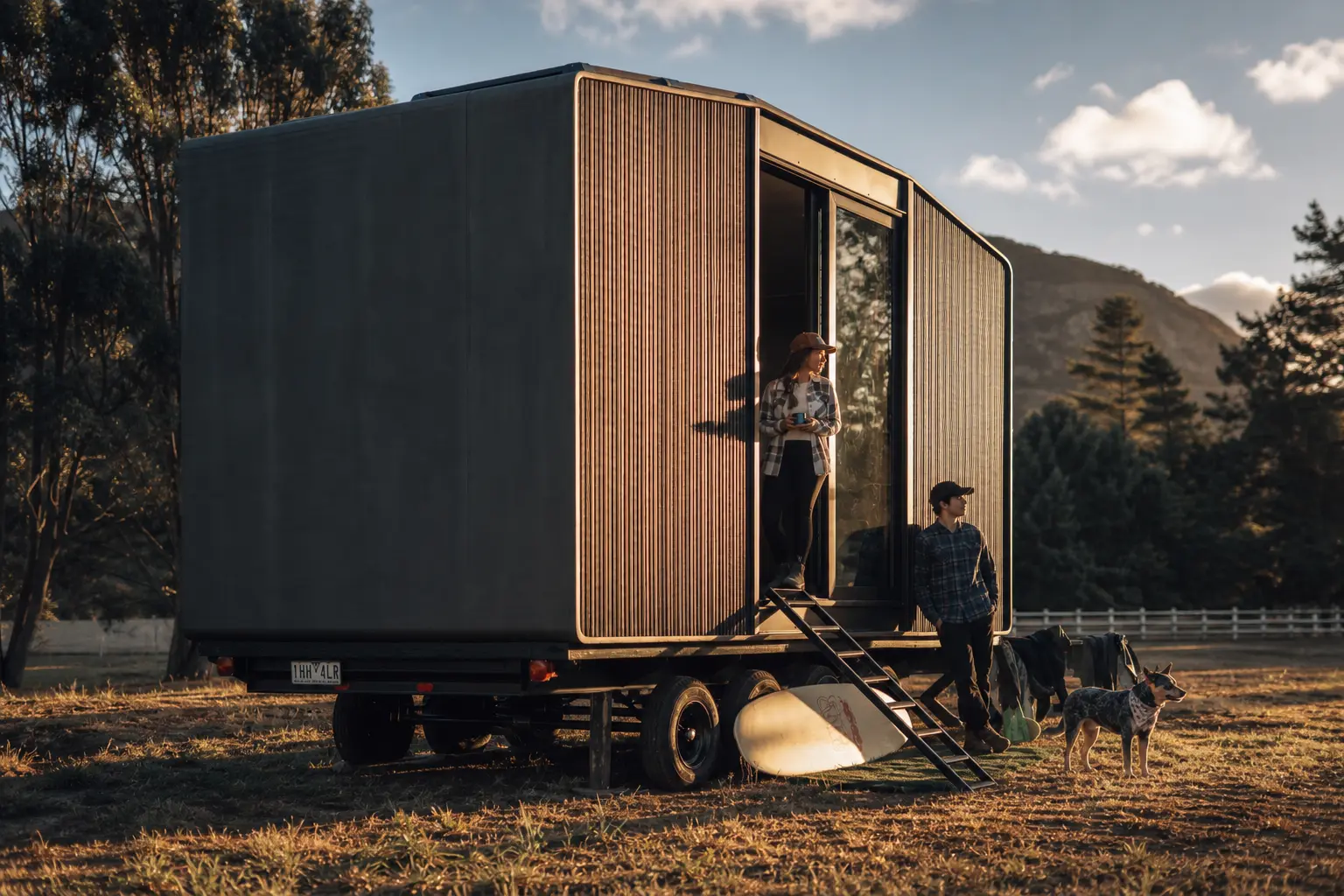
Modular homes are changing the way people approach modern housing. From faster production and flexible designs to site preparation and installation considerations, every modular project has important factors to evaluate.
As a company that designs and builds modular living spaces, we at Azure Printed Homes understand both the advantages and challenges that come with this type of construction. In this guide, we will explain the main pros and cons of modular homes to help buyers understand what to expect before choosing this construction method.
How Modular Homes Are Built
Traditional homes are usually constructed almost entirely on the property, with different contractors completing each stage of the process. Modular homes follow a different path. Much of the construction takes place inside a factory, where modules are produced according to a specific design before being delivered and assembled.
The typical modular construction process includes:
- Designing the home based on the buyer’s requirements
- Manufacturing structural components in a controlled environment
- Installing interior systems and finishes
- Transporting the completed modules
- Connecting and preparing the home on-site
One of the biggest differences is the level of control during production. Since the structure is created indoors, manufacturers can organize materials, equipment, and labor more efficiently without depending as heavily on weather conditions.
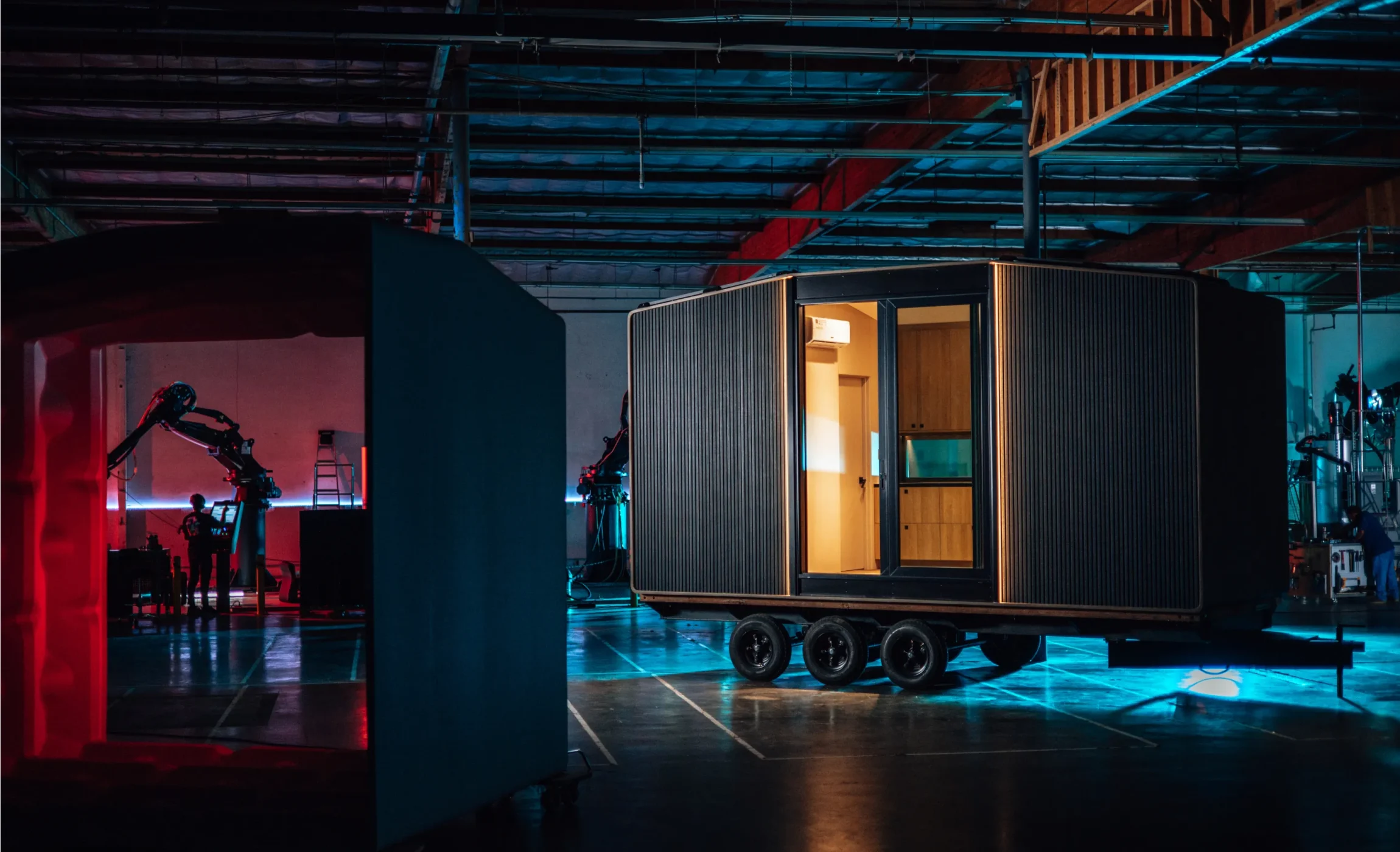
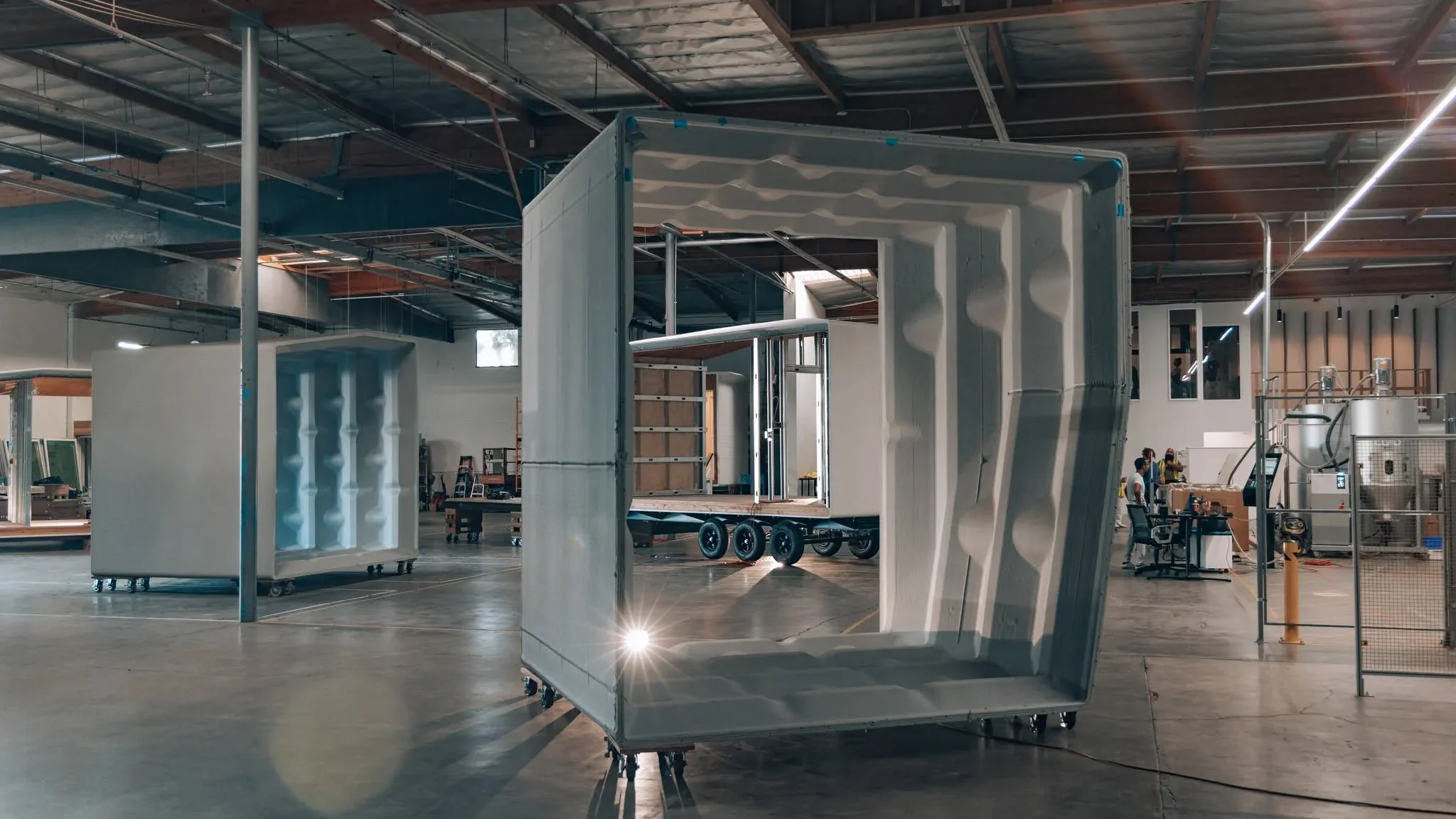
We use a different type of modular construction approach by combining robotic 3D printing technology with factory-based manufacturing. Instead of producing traditional modules, we create 3D-printed structures using recycled materials and complete the units with systems such as electrical, plumbing, and interior finishes before delivery. This allows us to create a more streamlined process from initial configuration to final installation.
Pros of Modular Homes
Modular construction offers several advantages that make it an appealing option for homeowners, developers, and property owners looking for a more efficient way to create living spaces. From faster construction timelines and controlled factory production to flexible designs and modern materials, modular homes can provide practical solutions for different housing needs.
Faster Construction Process
One of the most recognized advantages of modular homes is the potential for faster construction. Since production happens in a controlled environment, several stages can move forward more efficiently compared with traditional building methods.
Weather delays are one of the common challenges in on-site construction. Rain, extreme temperatures, and changing conditions can affect schedules. Factory production reduces many of these interruptions because the majority of the work takes place indoors.
The exact timeline depends on the size and complexity of the project, but modular construction can significantly reduce the time needed to create a finished living space. This is especially important for projects where owners need an additional living area, a rental unit, or a complete home within a more predictable timeframe.
At Azure Printed Homes, we have developed our process around this idea of efficiency. After customers configure their unit and select their preferred design details, we use robotic technology to print the structure, complete electrical and plumbing systems, install interior finishes, and prepare the unit for delivery. Our robotic printing process can take approximately one day, while finishing, delivery, and installation timelines depend on the specific project.
By completing much of the work before the home reaches the property, modular construction creates a more organized path from initial design to final installation.
Factory-Controlled Manufacturing
Another advantage of modular homes is the controlled environment where they are produced. A factory setting allows construction teams to follow organized procedures, maintain consistent working conditions, and complete different stages with greater coordination.
Materials can be stored properly, production steps can be repeated more efficiently, and quality checks can happen throughout the process. While this does not mean every modular home is automatically the same or better, factory production provides a different level of control compared with construction that takes place entirely outdoors.
Some of the key benefits of factory-controlled manufacturing include:
- Better protection of materials from changing weather conditions during production
- More organized workflows with clearly defined construction stages
- Improved coordination between different manufacturing steps
- Consistent quality checks throughout the building process
- More predictable production conditions compared with fully on-site construction
This controlled approach is one of the reasons we use factory-based manufacturing at Azure Printed Homes. By combining digital design with robotic 3D printing, we create modular structures with precision while reducing some of the challenges associated with traditional construction methods.
Our production process allows us to create different types of living spaces, from compact studios and backyard units to larger homes and ADUs, while maintaining a structured manufacturing workflow.
More Efficient Material Use
Construction waste is an important consideration for many buyers. Traditional building sites can generate leftover materials due to cutting, changes during construction, and storage limitations.
Factory production helps manufacturers plan material use more carefully. Digital design and controlled manufacturing allow materials to be measured and managed before construction begins, which can reduce unnecessary waste during the building process.
Material selection also affects the final performance of a modular home, including durability, insulation, maintenance needs, and environmental impact. At Azure Printed Homes, we use recycled plastic materials as part of our 3D-printing process. For every 120 square feet of our sustainable 3D-printed homes, approximately 100,000 recycled plastic bottles are used, and more than 60% of our print material comes from recycled plastic.
For projects that require different material characteristics, we also use light gauge steel construction. This option is suitable for larger homes, ADUs, and projects located in high fire hazard severity zones where different building considerations may apply.
Energy Efficiency Opportunities
Energy efficiency is another reason some buyers consider modular construction. A well-designed modular home can include insulation, efficient systems, and layouts that help improve comfort while reducing energy consumption.
However, energy performance depends on more than just the construction method. Factors such as climate, building materials, windows, heating systems, and insulation quality all influence how efficiently a home operates.
Because modular homes are manufactured in a controlled environment, certain systems can be integrated during production instead of being added later. This creates a more organized approach to including insulation and other efficiency-focused features.
We design our modular living spaces with insulated floors, ceilings, and walls to support comfortable year-round living. Our units are completed with important systems and finishes before arriving at the installation site, helping simplify the final stages of the project.
Flexible Uses and Different Housing Options
One of the biggest advantages of modular homes is their ability to serve different purposes. A small modular unit can become a backyard office, guest space, studio, or additional living area, while larger models can provide independent homes or rental opportunities.
This flexibility makes modular construction useful for:
- Additional housing
- Rental opportunities
- Guest accommodations
- Backyard living spaces
- Residential developments
- Compact homes
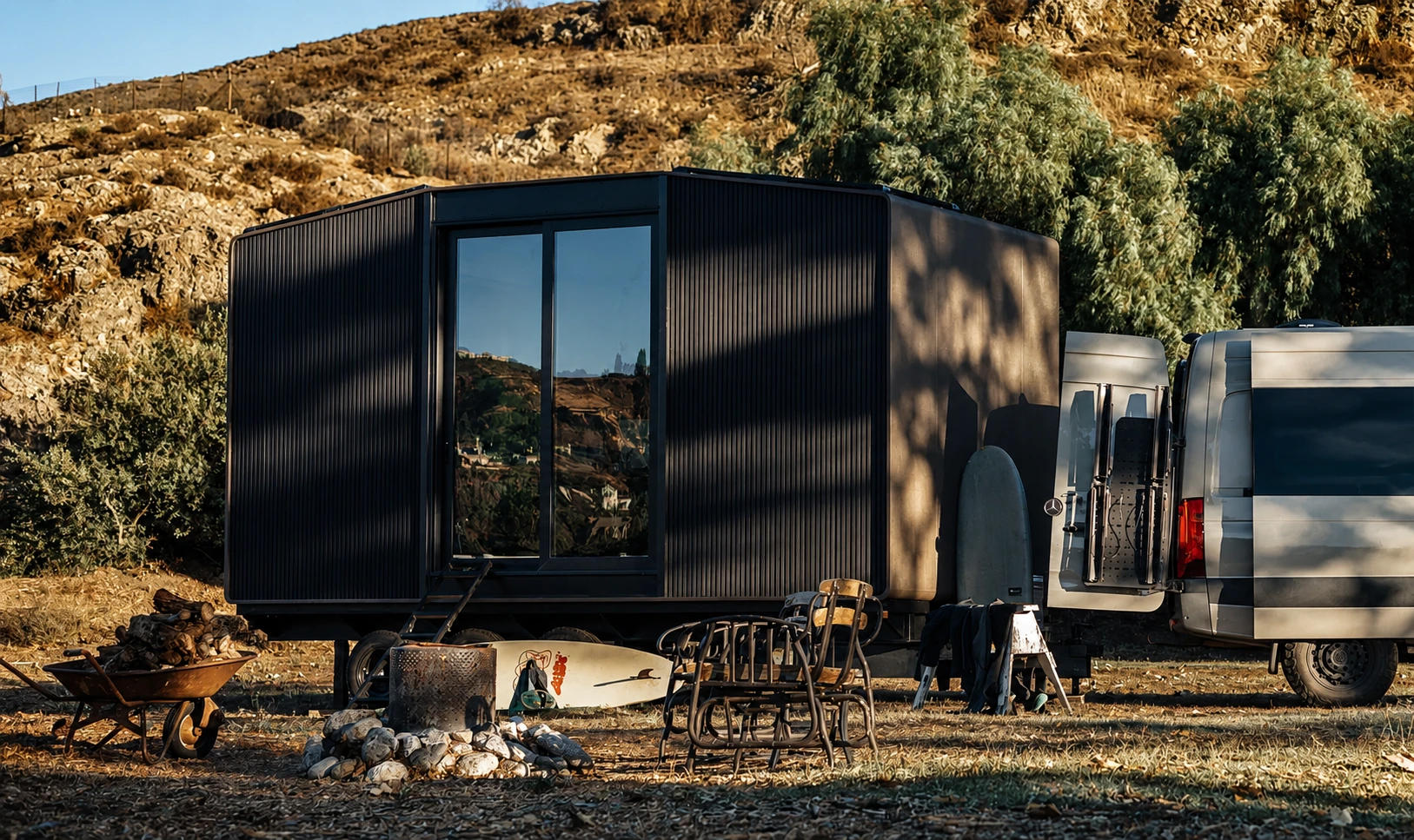
Different projects require different types of spaces, which is why we at Azure Printed Homes create several categories of modular solutions. Our studio series is designed for smaller spaces, while our homes and ADUs collection provides larger residential options. For buyers who need mobility, our homes on wheels models offer another approach to modular living.
Better Customization Possibilities
A common concern about modular homes is that they may have limited customization compared with traditional construction. While some modular systems rely on fixed designs, modern manufacturing allows buyers to personalize many aspects of their living space.
Customization may include:
- Interior finishes
- Exterior appearance
- Layout adjustments
- Additional features
- Material selections
The level of customization depends on the manufacturer, model, and project requirements. Some buyers may need a simple studio, while others may require a larger structure designed around specific property conditions.
We combine the efficiency of factory production with customizable design options. Customers can select finishes, adjust certain design elements, and create units that better match their intended use. For suitable projects, we can also support larger customization requests such as elevators and balconies.
This balance between efficient manufacturing and personalized design is one of the reasons modular construction continues to expand into different types of housing projects.
Cons of Modular Homes
While modular homes offer many advantages, there are also important factors buyers should consider before starting a project. Understanding these potential challenges helps create more realistic expectations around planning, installation, costs, and customization.
Site Preparation Is Still Required
Although modular homes simplify certain parts of construction, they still require careful planning before installation. The property must be suitable for the selected home and prepared according to project requirements.
Important considerations include foundation requirements, local regulations, permits, utility connections, and site accessibility. A factory-built home does not eliminate the need for planning. The location of the property can influence transportation, installation, and overall project costs.
Because every property has different conditions, we begin the process at Azure Printed Homes with site assessment and project planning. We review the intended location, evaluate project requirements, and coordinate the necessary steps before production and installation begin.
Transportation Can Add Complexity
Because modular homes are produced away from the final property, transportation is an important part of the project.
Delivery considerations include:
- Distance from the manufacturing facility
- Size of the structure
- Road access
- Equipment needed for installation
A property that is difficult to access may require additional planning before delivery.
When we plan a project at Azure Printed Homes, delivery is considered based on the specific unit and location. We coordinate transportation and installation so the structure can be placed and connected properly once it arrives at the site.
Financing May Be Different
Financing a modular home can sometimes involve different considerations compared with traditional homes. Requirements may depend on whether the structure is permanently installed, local regulations, and lender policies.
Before purchasing, buyers should consider the complete project cost, including:
- Home price
- Foundation work
- Site preparation
- Delivery
- Installation
- Utility connections
Understanding these costs early helps buyers create a more realistic budget. Like any construction project, modular homes require planning beyond the initial purchase price to understand the full investment.
Some Designs May Have Limitations
Modular construction provides flexibility, but there are still practical limits. Since modules are created using planned manufacturing processes, some highly unusual designs may require additional engineering or planning.
Traditional construction may provide more freedom for completely custom architectural projects where every element is built individually on-site.
At Azure Printed Homes, we combine efficient production with customizable design options. We offer established models while also working on projects that require additional design considerations. The available options depend on the selected model, the property, and the goals of each project.
Material Choice Affects Performance
Not all modular homes are built using the same materials or methods. Construction materials influence durability, insulation, maintenance requirements, and long-term performance.
Buyers should look beyond the term “modular home” and understand how a specific structure is designed and manufactured.
When creating modular living spaces at Azure Printed Homes, we use different material solutions depending on project needs. Our recycled plastic 3D-printed structures are designed for applications such as studios and homes on wheels, while our light gauge steel option provides another solution for larger residential projects and specific site requirements.
Are Modular Homes a Good Investment?
Whether a modular home is the right choice depends on the buyer’s goals, property conditions, and preferred way of living. These homes can provide practical solutions for many projects, but the best fit depends on what a buyer expects from the construction process, design, and long-term use.
| Modular homes may be a good option for buyers who value | Buyers may need to consider other options if they need |
| Faster construction timelines and a more organized building process | Completely unique architectural designs with no standard limitations |
| Factory-controlled production with a structured manufacturing approach | Highly complex projects that require extensive on-site customization |
| Modern construction technology and innovative building methods | Challenging property locations with difficult installation conditions |
| Flexible housing options for different uses, including studios, ADUs, and additional living spaces | Traditional construction methods with more freedom for individual modifications |
| Efficient material use and controlled production processes | A building approach where every element is created directly on-site |
The modular housing industry continues to evolve, with new technologies making these homes more adaptable and efficient. Modern manufacturing methods allow modular solutions to serve a wider range of purposes, from compact living spaces to larger residential projects.
Final Thoughts
Modular homes offer a different way to approach residential construction. Their main advantages include faster production, controlled manufacturing, flexible applications, and opportunities for more efficient material use.
However, buyers should also consider potential challenges such as site preparation, transportation, financing, and design limitations before making a decision.
For those looking for modern housing alternatives, modular construction provides a way to create functional spaces using advanced manufacturing methods. Through robotic 3D printing, recycled materials, and customizable designs, we at Azure Printed Homes continue to develop modular living solutions designed for changing housing needs.