Building a home is one of the biggest investments most people will ever make. Long before selecting finishes or choosing a floor plan, there is another important decision to make: how the home will actually be built.
Modular homes and site built homes can look nearly identical once completed, but the path to getting there is very different. Construction timelines, project coordination, quality control, costs, and even the building experience can vary depending on the method you choose.
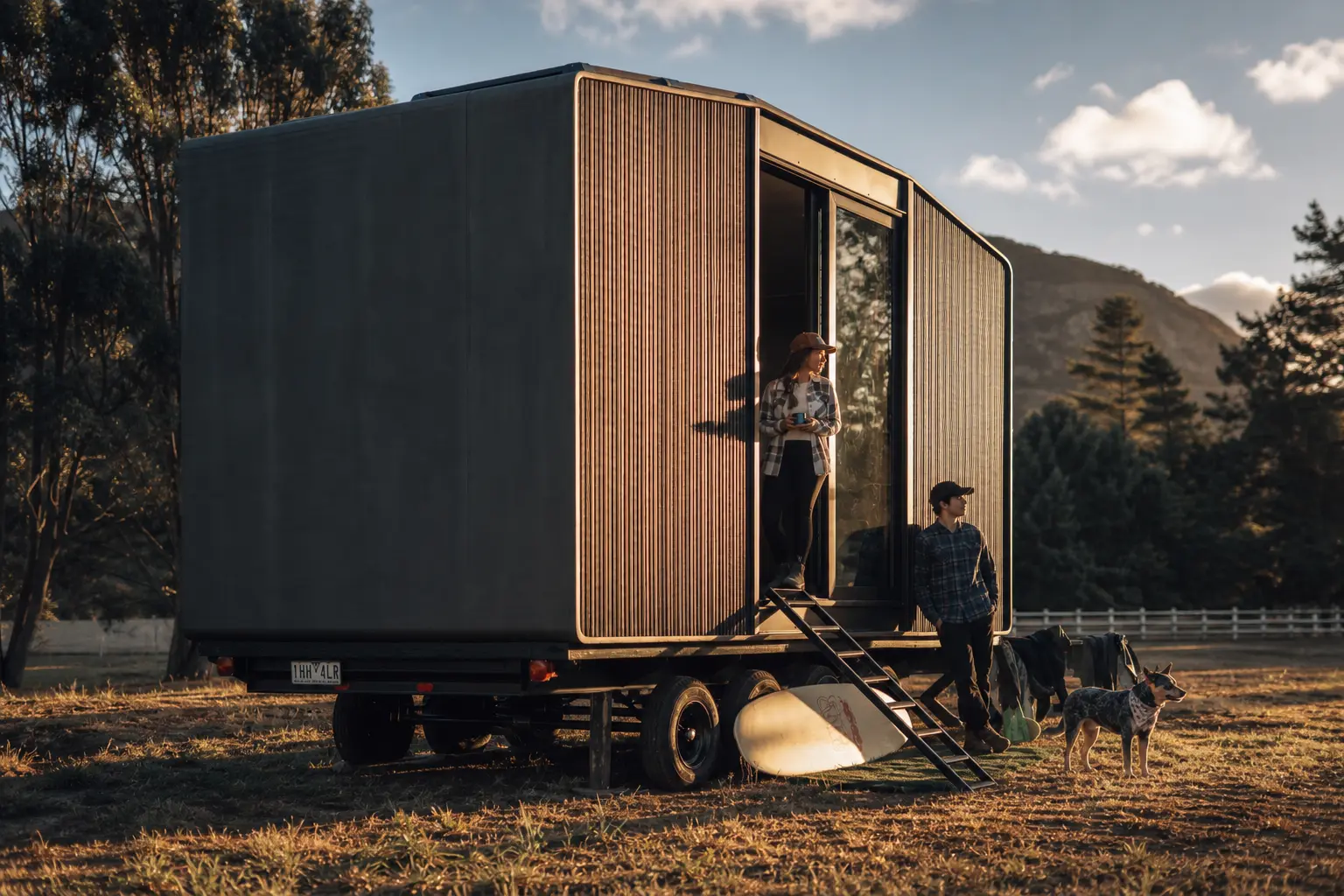
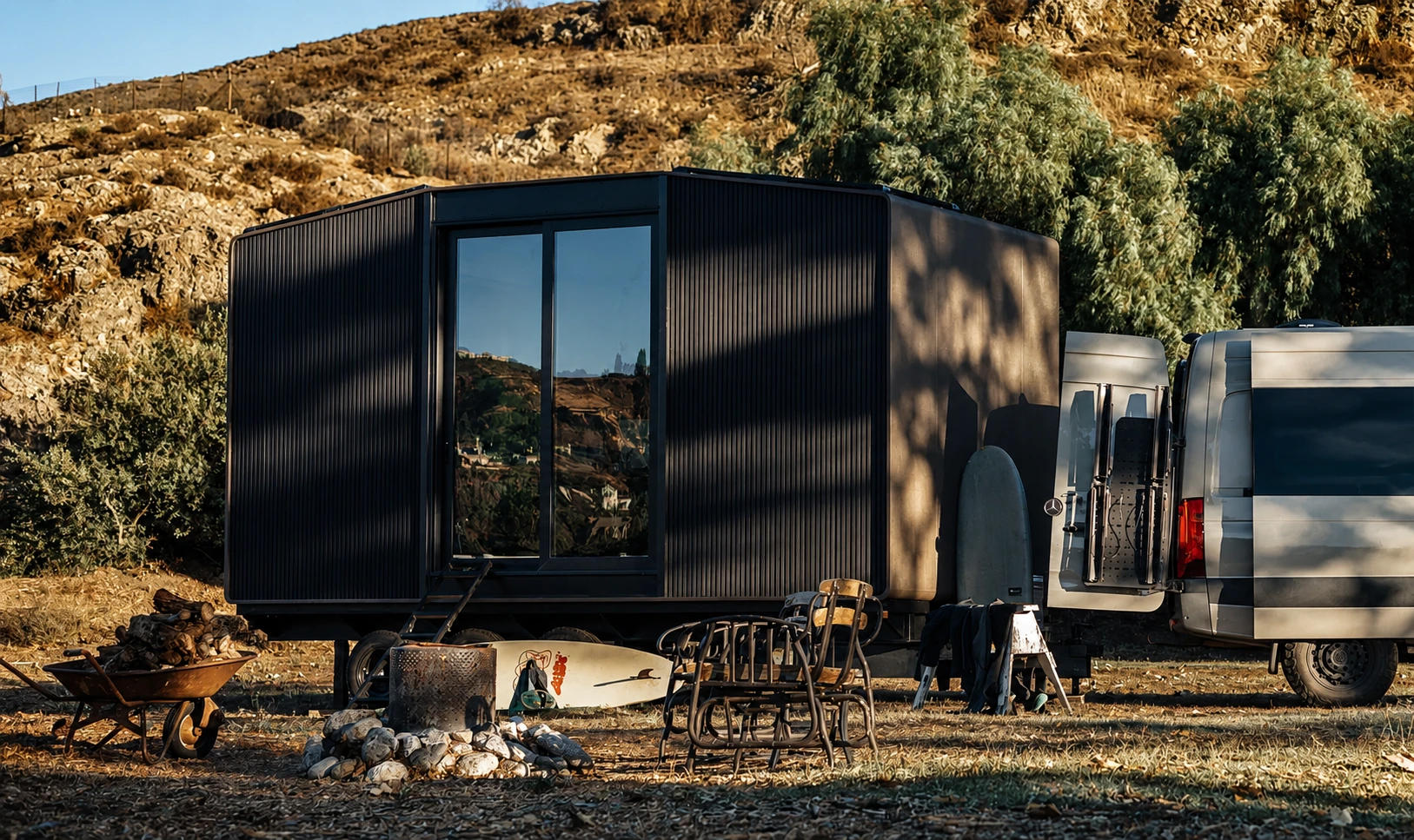
At Azure Printed Homes, we approach every project with the full building journey in mind. From robotically manufacturing modular homes, ADUs, homes on wheels, and studios to coordinating delivery and installation, we focus on making construction more efficient while giving buyers the flexibility to create a home that fits their needs.
The Core Difference Between Modular and Site Built Homes
The biggest difference between modular and site built homes is simple: one is built mostly indoors, and the other is built mostly on the property.
With a site built home, materials arrive at the lot and the work happens there in stages. Framing, roofing, mechanical systems, finishes, and inspections all depend on site conditions, trade schedules, weather, and material deliveries.
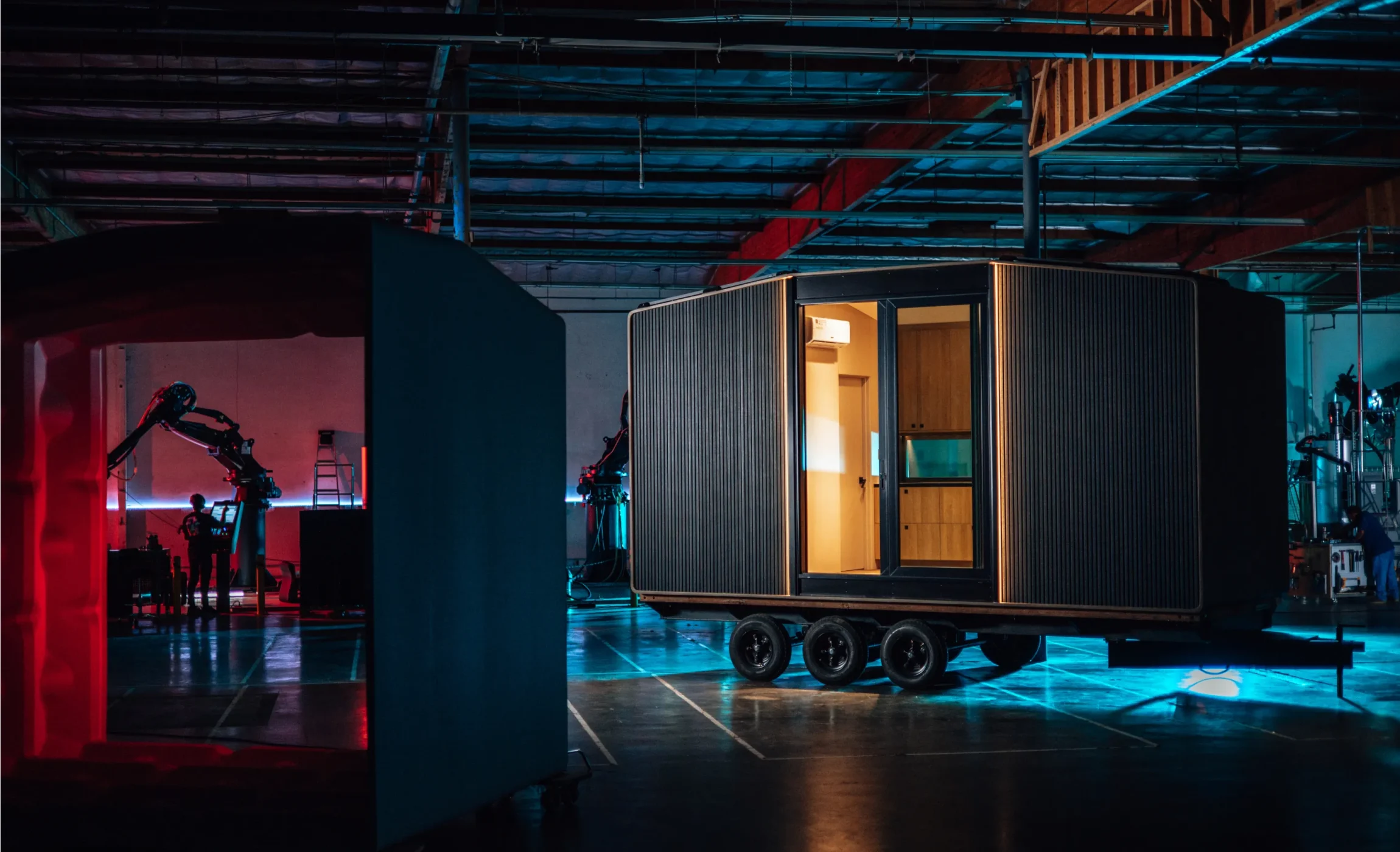
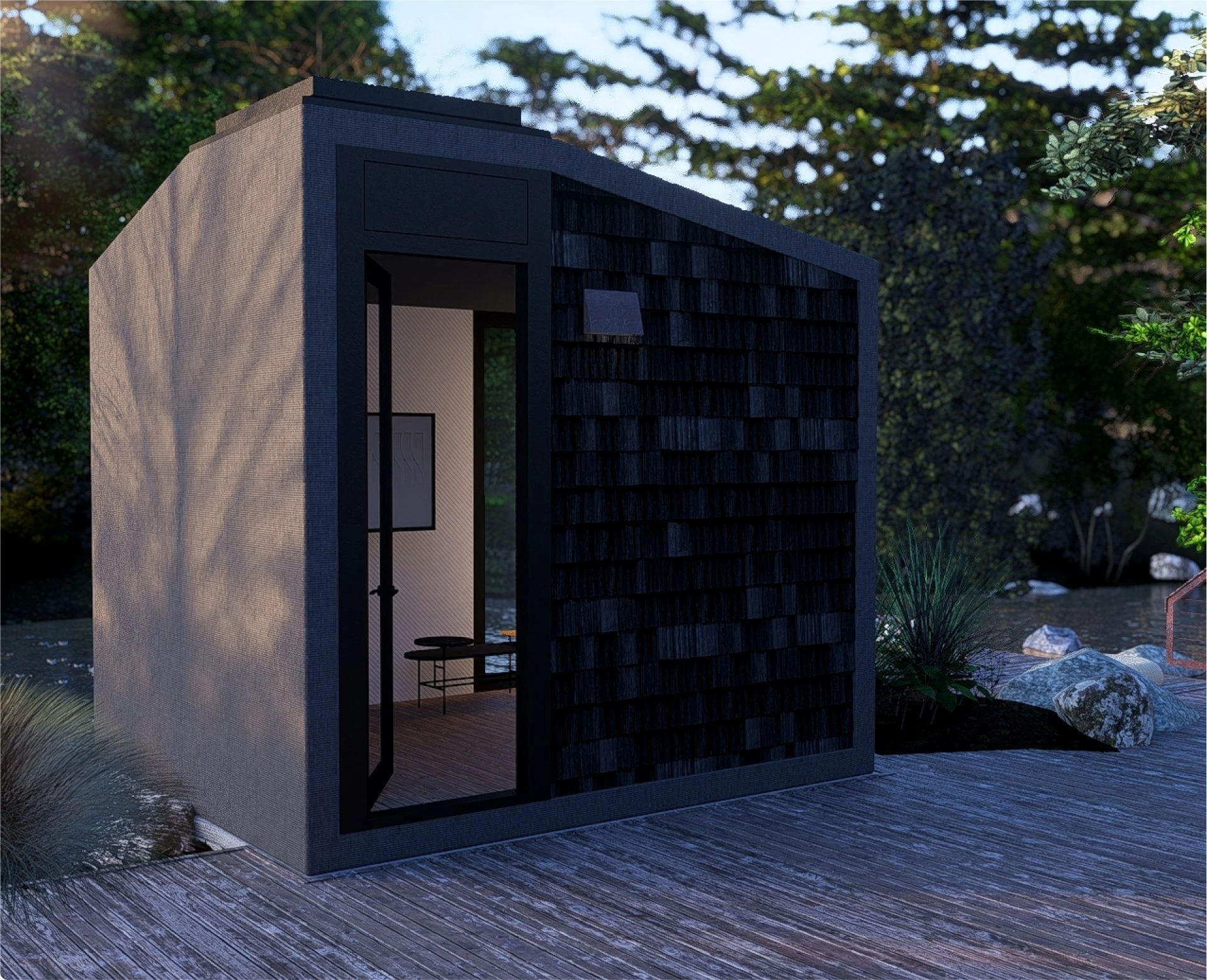
Modular construction moves much of that work into a controlled production setting. That is the approach we use at Azure Printed Homes. We manufacture modular homes, ADUs, studios, and homes on wheels off-site, then deliver them to the property for installation and utility connections.
The finished result can still function as a permanent residential home when it is installed correctly and built to the required codes. The real difference is the path it takes to get there.
| Modular Homes | Site Built Homes |
| Built mostly off-site | Built mostly on-site |
| Manufactured in completed sections | Constructed step by step on the property |
| Less exposed to weather during production | More exposed to weather delays |
| More controlled production process | More dependent on job-site conditions |
| Shorter installation phase | Longer on-site construction process |
How Modular and Site Built Homes Compare
The biggest differences between modular and site built homes happen long before move-in. From timelines and costs to customization and quality control, each building method follows a different process.
Timeline
Modular construction changes the schedule because the home does not have to wait for every part of the job site to be ready before progress can begin. The structure is built off-site, and in many cases, site preparation can move forward at the same time.
At Azure Printed Homes, we use that overlap to make the process more predictable. We configure the project, manufacture the home in a controlled setting, complete key systems and finishes, then coordinate delivery and installation once the site is ready.
That can help reduce delays connected to:
- Weather interruptions
- Subcontractor scheduling gaps
- Material exposure on the job site
- Long on-site construction phases
Site built homes follow a more traditional sequence. Materials arrive at the property, crews build the home in phases, and each stage depends on the one before it. This can work well, especially for complex custom homes, but it usually means more time spent building outdoors and more chances for the schedule to shift.
Cost Control
Modular construction can make the budget easier to follow because many decisions happen before production starts. The layout, structure, systems, and finishes are organized earlier, which leaves less room for constant changes once the build is underway.
For Azure projects, we usually talk about cost as a full project picture, not just the home itself. The factory-built home or ADU is one part of the budget, but site work, foundation, permits, utility connections, delivery, installation, and upgrades all shape the final number.
Site built homes can give owners more room to make changes during construction, but that flexibility can affect the budget. A delayed trade, a weather issue, material waste, or a field adjustment can all add cost along the way.
Quality and Consistency
With modular construction, the home is built in a controlled setting instead of being exposed to job-site conditions for most of the process. Materials stay protected, work happens in a more organized sequence, and each stage can be checked before the home leaves the facility.
That controlled process is important to how we build. Robotic manufacturing helps us keep the structure consistent, while electrical, plumbing, interior finishes, and other key details can be completed before delivery. The home arrives with much of the important work already handled.
Site built homes can absolutely be well made, especially with experienced contractors. The main difference is that quality depends more on weather, trade coordination, storage conditions, and what happens on-site over time.
Customization
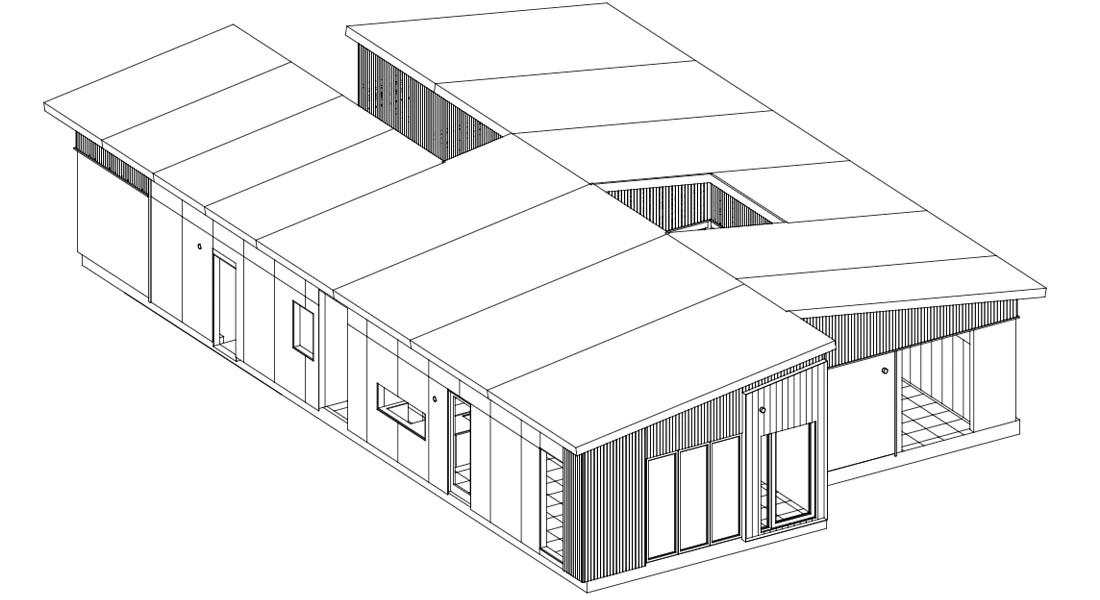
Modular homes are not limited to one-size-fits-all layouts. Many choices are made before production begins, which can actually make customization feel more organized instead of more complicated.
With Azure homes, that flexibility can show up in different ways. A buyer might choose a studio, a home on wheels, an ADU, a larger home, or a custom residential project. Depending on the model and site, customization may include:
- Layout changes
- Adjusted dimensions
- Interior finish selections
- Unit orientation
- Bedroom or bathroom changes
- Energy and comfort upgrades
Site built construction may still be the stronger fit for very unusual architectural concepts or lots that require a highly specific construction plan. It offers flexibility directly in the field, but that can come with a longer schedule and more coordination.
Sustainability and Material Efficiency
Modular construction can reduce waste because more of the work happens in a planned production setting. Materials can be measured, stored, and used more precisely than they often are on an active job site.
For us, sustainability is built into the construction method. Many Azure products use recycled plastic, with more than 60% of print material coming from recycled plastic. The process is designed to reduce print waste, and insulated floor, wall, and roof assemblies help support comfort and energy efficiency over time. For high fire hazard severity zones, light gauge steel can be used instead while keeping the same factory-built approach.
Site built construction can still use efficient materials and systems, but waste control depends heavily on the contractor, site conditions, storage, weather, and how many changes happen during the build.
Living Experience
A well-designed modular home should feel like a real home, not a temporary structure. It can include a kitchen, bathroom, insulation, windows, heating and cooling, durable finishes, and the everyday comfort people expect from residential living.
That is how we think about Azure homes, ADUs, studios, and homes on wheels. They are designed as practical living spaces, with many systems and finishes completed before delivery so the final stage can focus on placement, connections, and site coordination.
Site built homes can offer the same comfort and permanence. The difference is the path to get there. Modular construction completes more of the living space before arrival, while site built construction creates that result through a longer on-site process.
Common Misconceptions About Modular and Site Built Homes
Choosing between modular and site built construction is often harder because of outdated assumptions rather than the building methods themselves. Many buyers compare the two based on common myths instead of how each approach actually works.
“A Modular Home Isn’t a Real Home”
One of the biggest misconceptions is that a modular home is somehow less permanent than a site built home. In reality, both can become long-term residences when properly installed and built to applicable codes.
We build modular homes, ADUs, studios, and homes on wheels with the same goal as any permanent residence: creating comfortable, durable living spaces designed for everyday life. The difference is not the finished home but where much of the construction takes place.
“Site Built Homes Always Offer More Customization”
Site built construction is often associated with unlimited design freedom, but that does not mean modular homes come with only standard floor plans.
Our projects range from compact studios to larger homes and custom residential designs. Depending on the project, we can adjust layouts, dimensions, finishes, room configurations, and many other details before production begins.
Site built construction may still be the better choice for highly complex architectural designs, but today’s modular homes can be far more flexible than many buyers expect.
“Factory-Built Means Lower Quality”
People sometimes assume that building a home in a factory means sacrificing quality. In reality, factory production simply changes the construction environment.
Because we manufacture homes in a controlled setting using robotic technology, materials remain protected throughout production and the building process follows a structured workflow before delivery.
Site built homes can achieve excellent quality as well, but they rely much more on weather conditions, trade coordination, and job-site management throughout construction.
“One Building Method Is Always Better”
Neither modular nor site built construction is universally better. Each has strengths that suit different projects, budgets, timelines, and properties.
For some buyers, a factory-built process offers the predictability they’re looking for. Others may benefit from the flexibility of traditional on-site construction. The better choice depends on the project itself rather than the construction method alone.
Matching the Building Method to the Project
Neither modular nor site built construction is the right answer for every project. The better fit depends on what matters most: speed, budget control, design complexity, site conditions, or long-term use.
| Project priority | Modular homes may be the stronger fit | Site built homes may be the stronger fit |
| Faster overall completion | Yes | Sometimes |
| More predictable production schedule | Yes | Sometimes |
| Less weather exposure during construction | Yes | No |
| Factory-controlled quality checks | Yes | Sometimes |
| Clearer planning before construction begins | Yes | Sometimes |
| Highly unusual architectural design | Sometimes | Yes |
| Complex or difficult site conditions | Sometimes | Yes |
| Fewer on-site construction disruptions | Yes | No |
| Ability to make changes during the build | Limited | Yes |
| Permanent primary residence | Yes | Yes |
| Traditional on-site building process | No | Yes |
For many buyers, the decision comes down to how much control they want before construction begins versus how much flexibility they want during the build. Modular construction often works best when the goal is a more predictable, efficient process. Site built construction may make more sense when the design or property requires a highly customized on-site approach.
Questions to Ask Before Choosing a Building Method
Before choosing between modular and site built construction, buyers should think through the full project, not just the finished home.
Ask questions such as:
- How quickly do you want to move in?
- What is your full project budget, including site work and utilities?
- How much customization do you need?
- What are the access conditions on the property?
- Will the site need grading, foundation work, or utility upgrades?
- What zoning and permitting rules apply in your area?
- Do you want a more predictable production process or more flexibility during construction?
- Is the home intended as a primary residence, ADU, studio, rental unit, or temporary living space?
The answers usually point buyers toward the better fit. A compact backyard studio or ADU may benefit from a more predictable modular process, while a highly unusual custom home may call for traditional site built construction.
Conclusion
The best home is not defined by whether it is modular or site built. It is defined by how well it fits the people who will live in it and how efficiently the project comes together.
At Azure Printed Homes, we approach every project by understanding those goals first. Whether someone needs a compact backyard studio, a home on wheels, a larger ADU, or a full primary residence, we use robotic manufacturing, controlled factory production, and customizable designs to create homes that balance efficiency, durability, and design flexibility.
For many buyers, the conversation is no longer about choosing between factory-built and site-built construction. It is about finding the building process that delivers the right combination of quality, timeline, customization, and long-term value for their specific project.