Factory-built homes have become an increasingly popular alternative to traditional construction, offering shorter build times, more predictable schedules, and a wide range of housing options. Among the most common choices are modular homes and manufactured homes. Although they may look similar once installed, they differ in construction, pricing, financing, and long-term value.
For many buyers, the first question is simple: which one costs less? The answer is not always straightforward. The purchase price is only one part of the overall investment. Land, site work, customization, financing, and future resale value can all influence what you ultimately spend.
At Azure Printed Homes, we start every project with understanding the complete scope of the build, not just the home’s starting price. We build robotically printed modular homes for a wide range of projects, and we’ve seen how site work, utility connections, delivery, and design choices can all influence the overall cost.
How Modular and Manufactured Homes Differ
Although both housing types are built in a factory, the construction process and intended use are quite different.
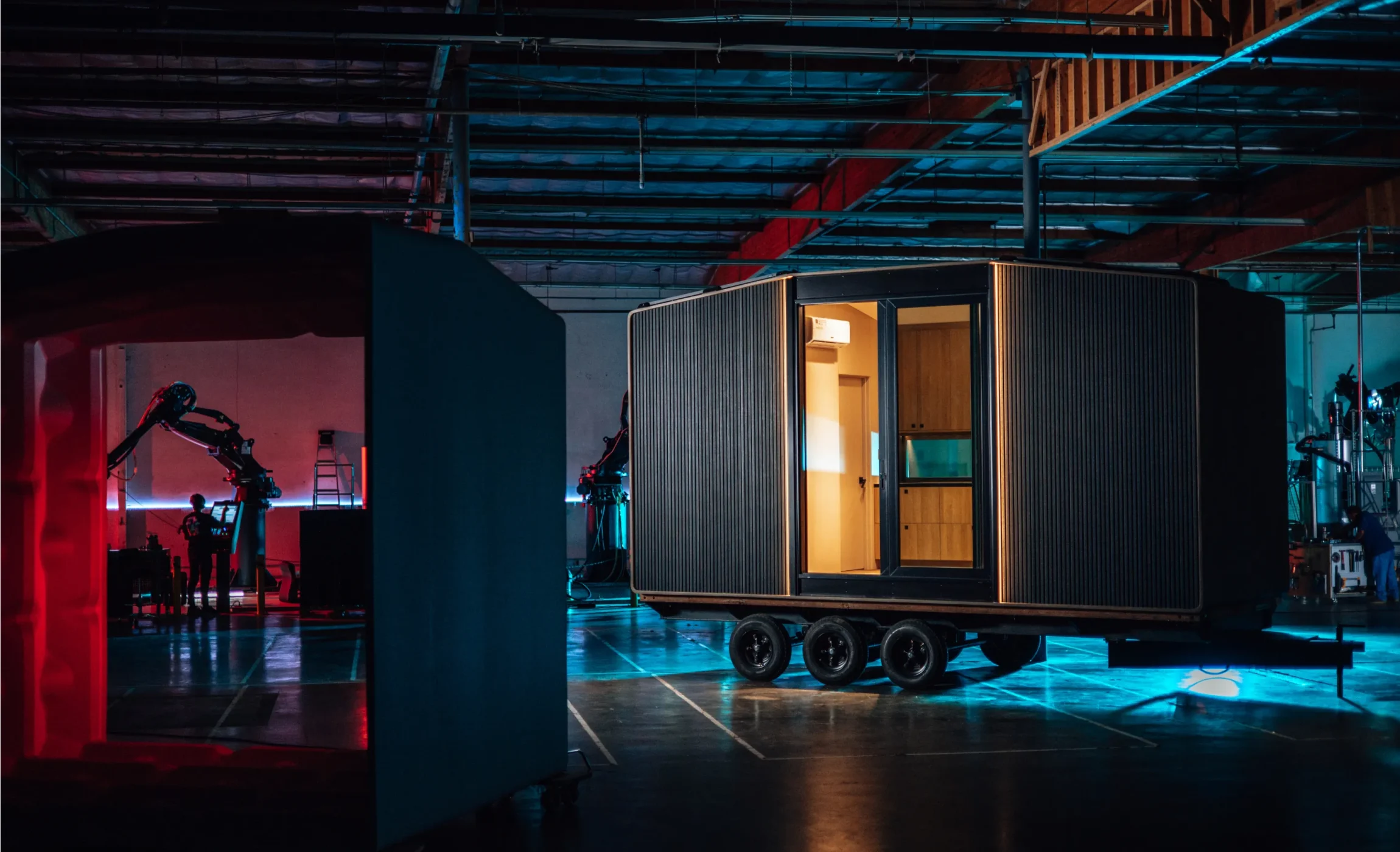
A modular home is built in sections, transported to the property, and assembled on-site. At Azure Printed Homes, we apply this approach across larger homes, ADUs, backyard studios, and some tiny home-style units, depending on the model, foundation, local code, and intended use.
A manufactured home is built as a complete unit on a permanent steel chassis and follows the federal HUD Code. Depending on the property and local regulations, it may be placed on private land or within a manufactured home community.
The difference matters because it affects more than construction. It can influence financing, zoning, customization, resale value, and how the home functions over time. For buyers comparing the two, this is often where the real price conversation begins.
Average Modular vs Manufactured Home Prices
Manufactured homes usually have a lower upfront price. National averages often place manufactured homes around $85 per square foot, with recent median listing prices around $159,900. That lower entry point is one reason they appeal to buyers who want the most affordable path to ownership.
Modular homes are typically higher in upfront cost, often averaging around $110 per square foot before land, site work, foundation, delivery, and installation. The final price depends heavily on size, layout, location, finishes, and how much site preparation is needed.
At Azure Printed Homes, we build several modular housing categories, from small backyard studios to full residential homes:
| Category | Models | Approx. size | Typical use | Starting price range |
| Backyard studios | N-100, A-120, D-120, A-180 | 100-180 sq. ft. | Office, guest space, creative room, backyard living | $24,900-$49,900 |
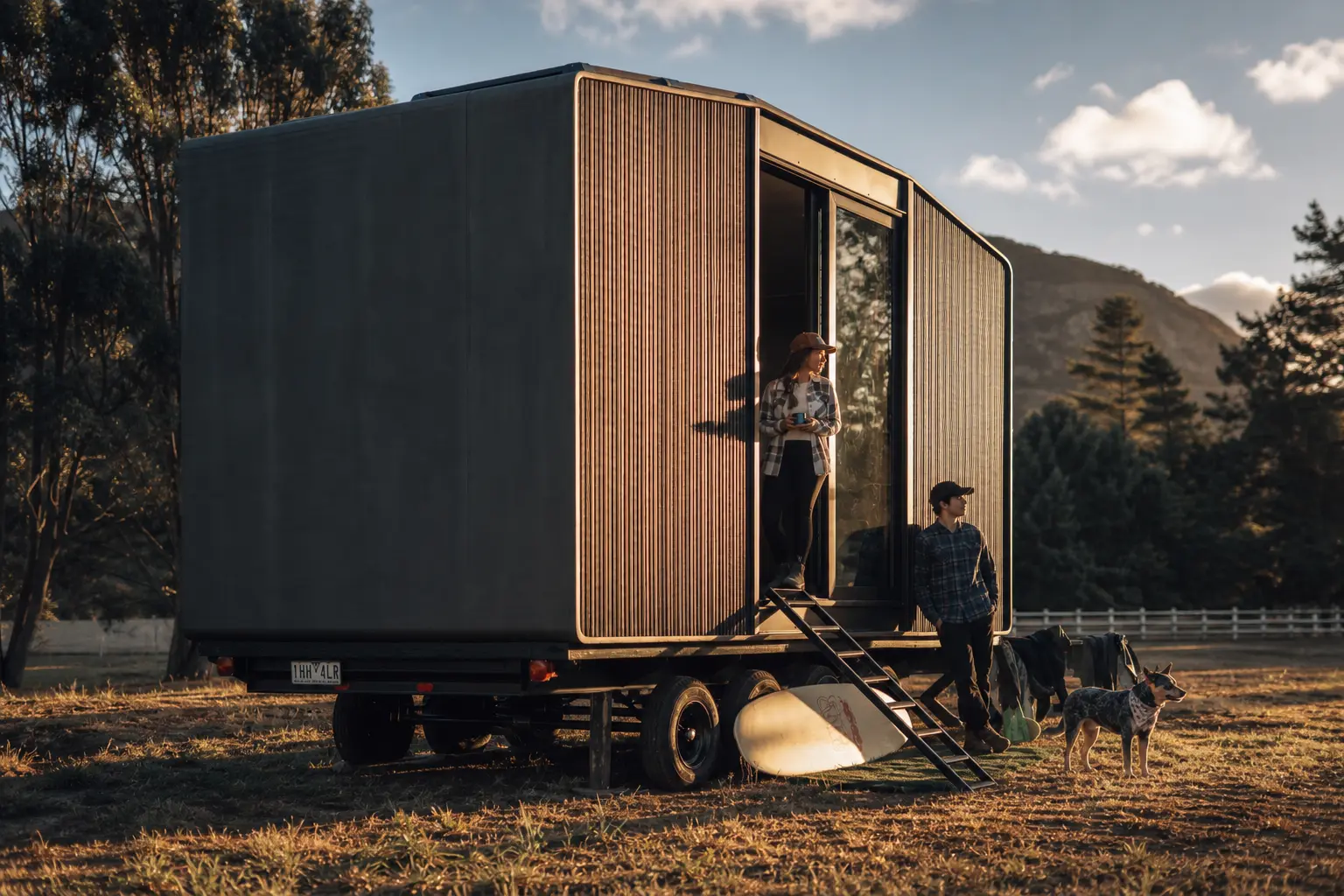
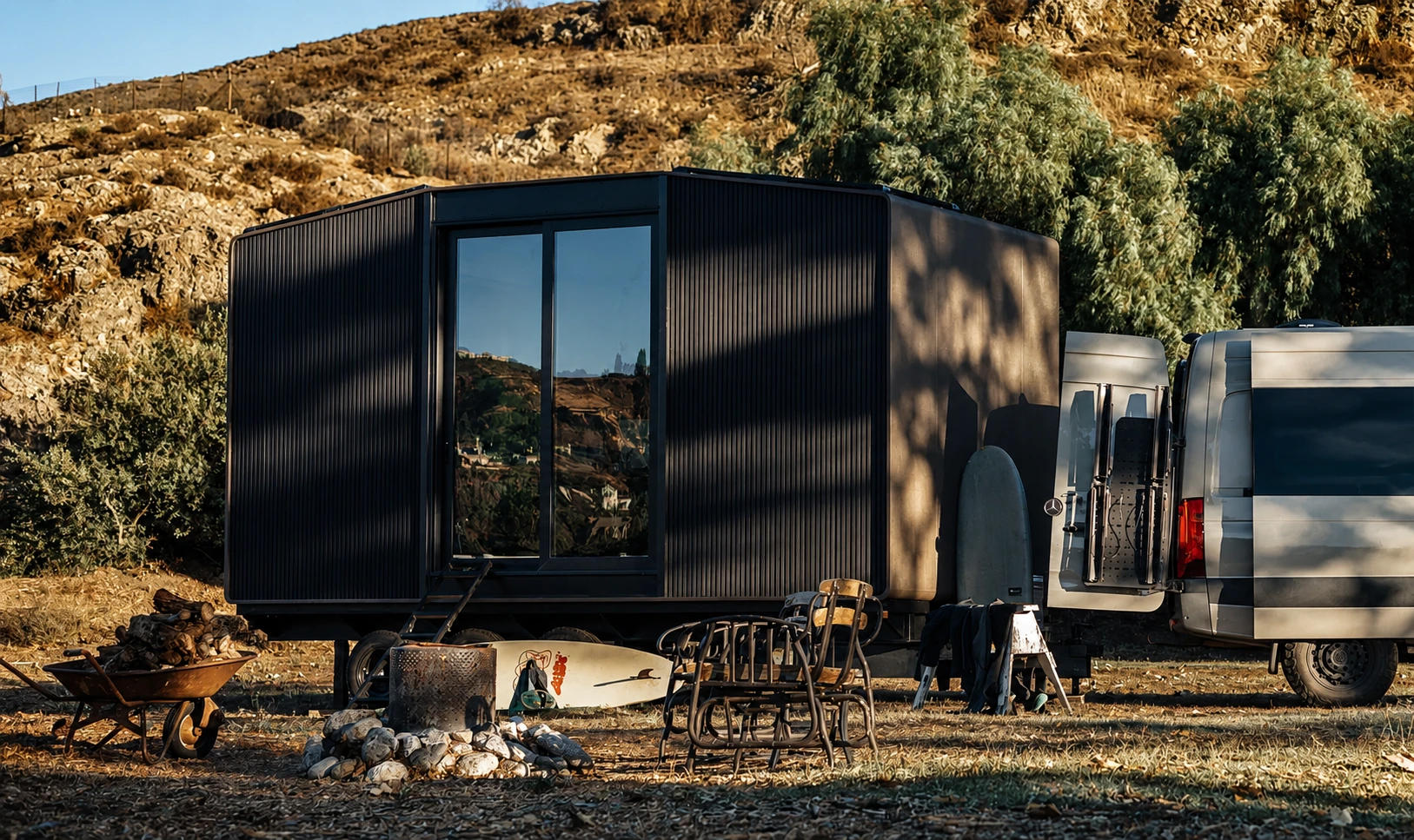
| Homes on wheels | X-180, X-270, X-360 | 180-360 sq. ft. | Compact mobile living, tiny home-style use | $69,900-$109,900 |
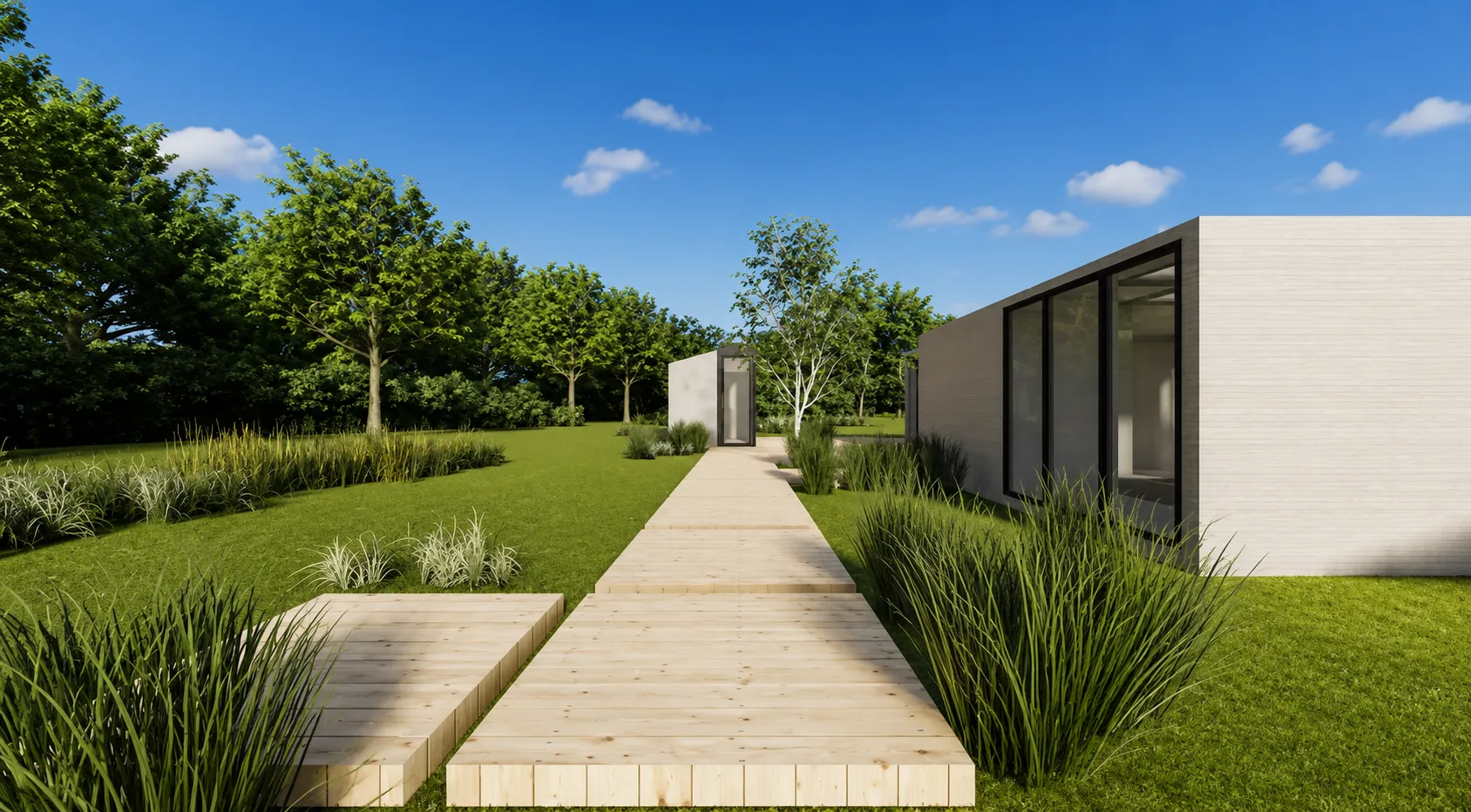
| Homes and ADUs | A-360, A-540, A-720, A-900 | 360-900 sq. ft. | ADUs, guest homes, primary residences | $89,900-$219,900 |
| Custom homes | Custom | Varies | Larger or more tailored residential projects | Around $400 per sq. ft. |
These starting prices reflect the home itself. As with nearly every construction project, buyers should also plan for site preparation, permitting, transportation, installation, and utility connections where applicable.
Understanding What’s Included in the Price
A price comparison is only useful when the packages are similar. In our Azure projects, the starting price is tied to a factory-built structure that can be personalized before production, rather than a one-size-fits-all home pulled from a fixed catalog.
Manufactured homes are often priced around a standard model package. That may include the basic structure, standard fixtures, standard finishes, and selected appliances, while upgrades increase the final cost.
Modular homes are usually more project-specific. The price can reflect the model, layout, finish level, and how the home is intended to function once installed.
Before comparing quotes, buyers should check whether the price includes:
- Standard or upgraded finishes
- Appliances and fixtures
- Layout changes
- Exterior material options
- Interior finish selections
- Energy-efficiency features
- Built-in storage or furnishings
- Design and engineering work
Greater flexibility during the design stage allows buyers to shape the home around their needs instead of selecting from a limited set of standard configurations. That often makes the overall investment easier to evaluate because the price reflects a more complete living space rather than only the basic structure.
Factors That Influence the Total Cost
The advertised price rarely tells the entire story. Several factors determine what a project will ultimately cost.
Home Size and Floor Plan
Larger homes naturally require more materials, labor, and interior finishes than smaller ones. A compact studio, a one-bedroom ADU, and a larger two-bedroom home are not priced the same because each has a different footprint, room layout, utility setup, and finish package.
This is where modular construction gives buyers more flexibility. We build options ranging from 100 sq. ft. backyard studios to 900 sq. ft. homes and ADUs, with custom homes available for larger or more specific projects. That range makes it easier to match the structure to the actual use, whether the goal is a home office, guest space, rental ADU, or primary residence.
Site Preparation
Regardless of the construction method, every project begins with preparing the property. Even with factory-built construction, the site still needs to be ready for placement, utilities, drainage, and access.
Site work may include:
- Grading
- Foundation work
- Utility connections
- Drainage improvements
- Driveway or access preparation
- Local permitting requirements
One misconception we see often is that factory-built homes remove all on-site work. They do not. The advantage is that more of the home can be completed before it arrives, which helps reduce weather delays and keeps the site phase more focused.
Transportation and Installation
Both modular and manufactured homes must be delivered from the factory to the property, so transportation should always be part of the budget. Costs can change based on distance, road access, unit size, crane needs, and how difficult the site is to reach.
For our projects, delivery is calculated separately. Studios and homes on wheels are typically delivered at $2.50 per mile, while homes and larger ADUs are typically delivered at $5.00 per mile.
Because we complete electrical, plumbing, mechanical systems, and interior finishes before delivery, installation is usually more efficient than building the entire structure on-site from the ground up.
Customization
Customization can significantly affect the total investment. Manufactured homes often come with standard layouts and selected upgrades, while modular construction usually allows more flexibility in how the space is planned.
This matters when the home has a specific purpose. A backyard studio may need more natural light. An ADU may need a practical kitchen and storage. A larger home may need another bedroom, a different orientation, or upgraded finishes. We can adjust layouts, dimensions, window placement, bedrooms, bathrooms, and finish selections depending on the model and project.
Standard models are usually more predictable in price. Custom homes or larger tailored projects may cost more.
Financing
Financing is another important part of the overall cost. Modular homes installed on permanent foundations and built to local codes are often treated more like site-built homes by lenders. Manufactured homes may require specialized financing, especially when they are not permanently attached to owned land.
Loan terms, interest rates, down payments, and whether the home is considered real property can all change the true cost over time.
For buyers considering Azure, financing can be part of the early planning process. The goal is not just to understand the starting price, but to understand how the full project fits into the monthly and long-term budget.
Long-Term Value and Ownership Costs
One of the first things we talk about with buyers is the total cost of owning the home, not just what it costs to buy it. A manufactured home may have a lower starting price, but the long-term cost can change depending on financing, land setup, lot rent, maintenance, insurance, and resale value.
Modular homes often cost more upfront, but they are usually planned as more permanent structures. That can make them a stronger fit for buyers who want an ADU, guest house, rental unit, or primary residence designed for longer-term use.
Long-term ownership costs may include:
- Monthly loan payments
- Utility bills
- Maintenance and repairs
- Insurance
- Property improvements
- Lot rent, if the home is placed on leased land
- Future resale or replacement costs
Durability, energy efficiency, and material quality should be considered from the start, not treated as upgrades after the fact. A well-built modular home can reduce maintenance concerns, support more comfortable daily living, and provide stronger value over time.
Choosing Based on Budget, Use, and Long-Term Plans
Neither modular nor manufactured housing is automatically the better choice. At Azure Printed Homes, we start this comparison with one question: what does the home need to do? A backyard studio, a home on wheels, an ADU, and a larger residence all have different cost expectations, installation needs, and long-term uses.
| Buyer Priority | Modular Home | Manufactured Home | What to Consider |
| Lowest upfront price | Usually higher | Usually lower | Manufactured homes often win on initial cost. |
| Permanent residential use | Strong fit | Depends on setup | Modular homes are often better for long-term placement. |
| Custom layout or finishes | More flexible | More limited | We can adapt many Azure models by layout, orientation, finishes, and use. |
| Owned land | Common fit | Possible | Both can work, but modular homes are often planned around permanent property use. |
| Leased land or park placement | Less common | Common | Manufactured homes are often used in manufactured home communities. |
| Financing options | Often broader | More variable | Foundation, land ownership, and classification matter. |
| Long-term value | Often stronger | Varies | Permanent installation can support stronger resale potential. |
| Fast factory-built process | Yes | Yes | Both are factory-built, but the final setup differs. |
For buyers focused mainly on the lowest entry price, a manufactured home may make more sense. For buyers who want a more permanent structure, greater design control, and a home planned around a specific property, modular construction is often the stronger fit.
Questions to Ask Before Comparing Prices
The best value is not always the home with the lowest starting price. Before comparing modular and manufactured homes, it’s worth stepping back and looking at the project as a whole.
When we help buyers choose a model, we usually start by understanding how the home will be used. A backyard studio, an ADU for family members, a home on wheels, and a primary residence each have different priorities and budgets. Once those goals are clear, it’s much easier to narrow down the right solution.
Before making a decision, consider:
- Will the home be a primary residence, an ADU, or a temporary living space?
- Will it be placed on owned land or leased land?
- How much customization do you want?
- What is your total project budget, including site work and installation?
- Do local zoning or permitting requirements affect your options?
- Are you planning to live in the home for a few years or several decades?
Answering these questions early can help you compare housing options more accurately and avoid unexpected costs later in the project.
Conclusion
Comparing modular homes vs manufactured homes prices involves much more than comparing starting prices. Construction methods, customization, financing, installation, and long-term value all contribute to the total investment.
The best choice depends on your property, budget, lifestyle, and future plans. By evaluating the entire project instead of focusing only on the initial purchase price, you’ll have a much clearer picture of which housing solution fits your goals. At Azure Printed Homes, that’s exactly how we approach every project, helping homeowners create spaces that are practical, efficient, and built to last.