Affordable housing and subsidized housing are often discussed together, but they are not the same thing. Affordable housing describes whether a home is priced within reach for the people who live there. Subsidized housing describes how that affordability is supported, usually through government funding or assistance.
That difference matters. A home can be affordable without being subsidized. A subsidized home is usually designed to be affordable, but it has specific funding, eligibility, or program requirements attached to it.
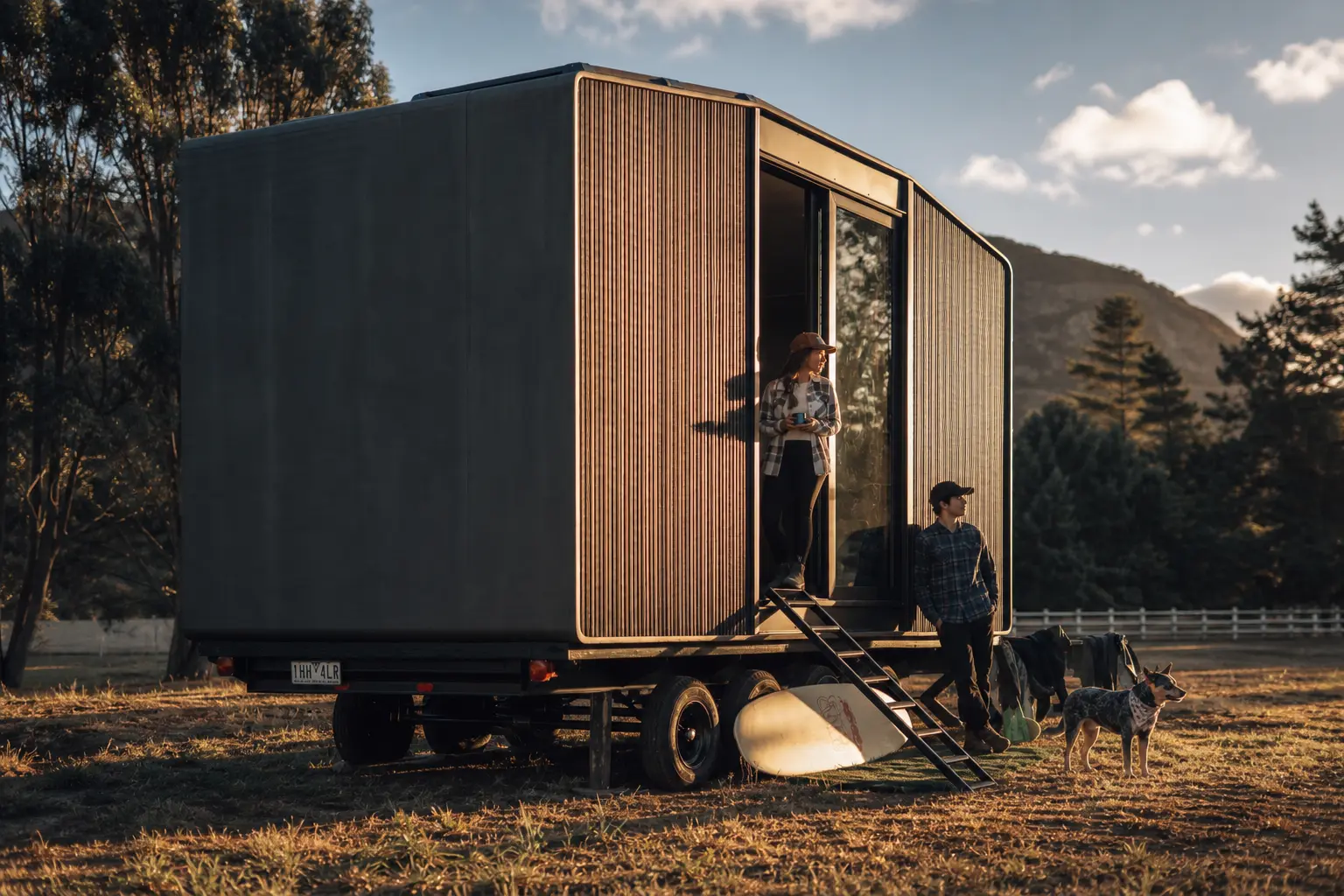
At Azure Printed Homes, we look at housing from the project goal first. A backyard ADU, a studio, a home on wheels, or a larger residential home can serve very different needs depending on where it is placed, who will live in it, and how the project is funded.
Understanding the Two Terms
Before comparing the two, it helps to separate the idea of affordability from the funding behind it. Affordable housing is about whether people can reasonably pay for a home. Subsidized housing is about whether financial support is used to make that home more affordable. Once that distinction is clear, the rest of the conversation becomes much easier to follow.
What Affordable Housing Means
Affordable housing is housing that a household can reasonably pay for while still having enough income to cover everyday expenses such as food, transportation, healthcare, childcare, and other necessities. Rather than describing a specific type of home, the term refers to the relationship between housing costs and a household’s income.
A common federal benchmark says housing is affordable when a household spends no more than about 30% of its income on housing costs, including utilities. That guideline provides a useful reference point, but it is not the whole picture. Affordability can vary depending on income, household size, local housing costs, and other monthly expenses.
At Azure, we approach affordability as the result of thoughtful planning rather than a particular construction method. A robotically printed ADU, backyard studio, larger modular home, or multifamily development can all contribute to affordable housing if the project is designed to meet the financial needs of the people who will live there.
Affordable housing can include many different housing types, including:
- Apartments
- Single-family homes
- ADUs
- Duplexes and triplexes
- Modular homes
- Tiny homes
- Workforce housing
- Larger residential communities
This is why the construction method alone does not determine whether housing is affordable.
What Subsidized Housing Means
Subsidized housing is housing made available below market rates through public financial support. That support may help pay for development, reduce rent, or help eligible residents cover housing costs.
Because subsidies are tied to public funding, subsidized housing often includes income rules, program requirements, and limited availability. In many communities, demand is much higher than the number of available subsidized homes.
Subsidies may support:
- Rental housing for lower-income households
- Income-restricted developments
- Voucher-based housing assistance
- Public or nonprofit housing programs
- Certain affordable housing developments
The subsidy is the key feature, not the construction method. A subsidized project could use apartments, townhomes, modular homes, ADUs, or another residential format. For projects that need factory-built housing, we can build studios, ADUs, homes on wheels, and larger residential homes, while the subsidy structure is handled through the project’s funding program, owner, location, and eligibility rules.
Why the Terms Overlap
Subsidized housing is usually affordable housing, but affordable housing is not always subsidized.
For example, a small ADU may offer a more attainable rental option without public funding. A modular housing project may help reduce delays and improve cost predictability. A subsidized apartment, on the other hand, may remain affordable because public assistance helps close the gap between market costs and what residents can pay.
The Main Differences
Affordable and subsidized housing often overlap, but they are different in how they are defined, funded, and planned. The simplest way to separate them is this: affordable housing is about the cost to the resident, while subsidized housing is about the financial support used to lower that cost.
Affordable Housing Is About Cost
Affordable housing answers this question: Can the resident reasonably afford to live there?
That depends on income, local housing prices, utility costs, and household needs. A home that is affordable in one city may be out of reach in another. In our work, affordability often starts with practical design. Smaller footprints, efficient layouts, factory-built construction, and faster production can help create housing options that better match real budgets and real project timelines.
Subsidized Housing Is About Support
Subsidized housing answers a different question: Is financial assistance helping make this home affordable?
That assistance may come through government programs, public funding, tax incentives, grants, or rental support. Because public resources are involved, subsidized housing usually has rules about who qualifies and how the housing is priced.
The home still has to be designed, built, delivered, and maintained. This is where construction planning becomes important. Factory-built homes can help housing providers think through production schedules, site preparation, and repeatable designs more clearly.
Affordable Housing Can Exist Without Subsidies
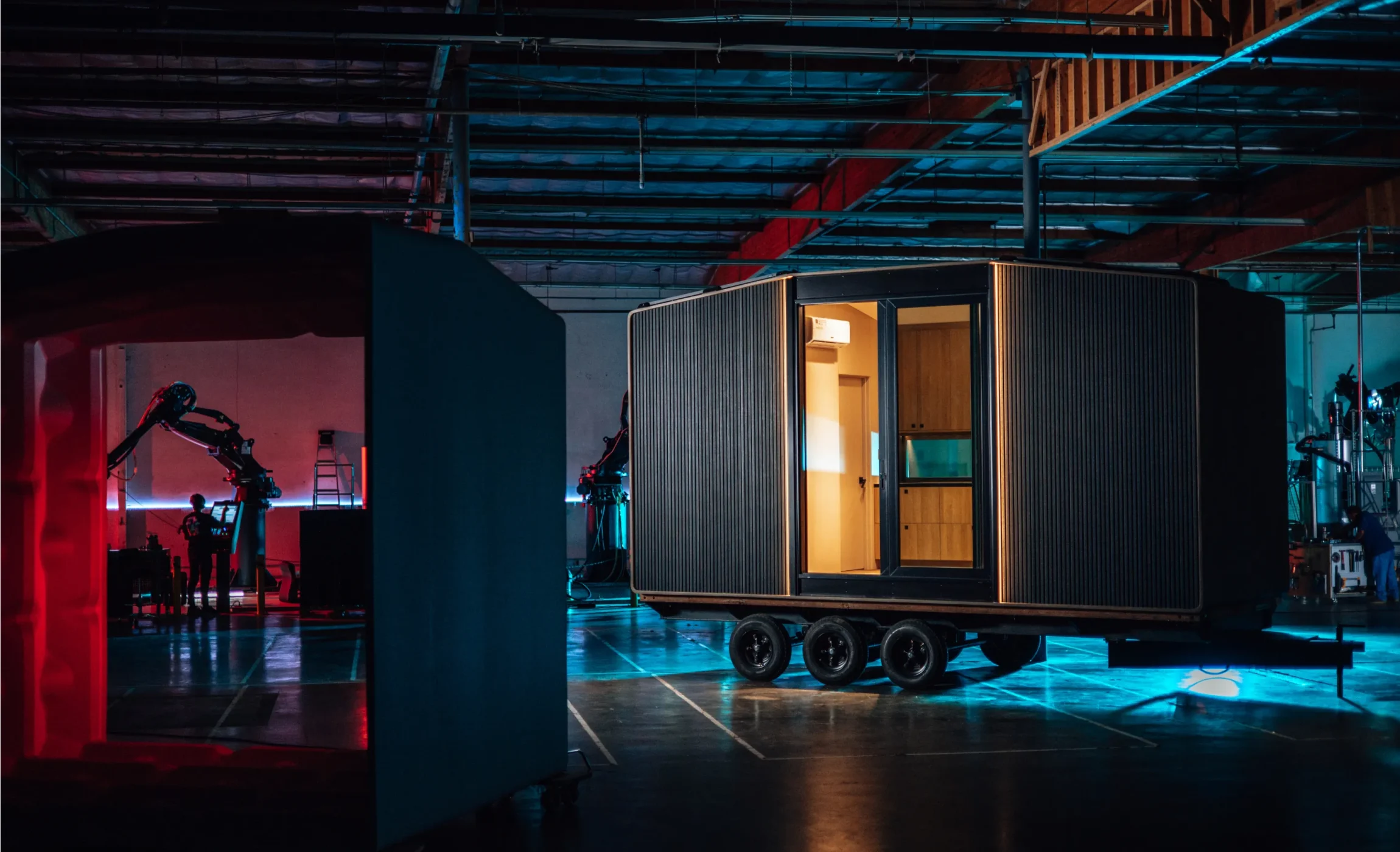
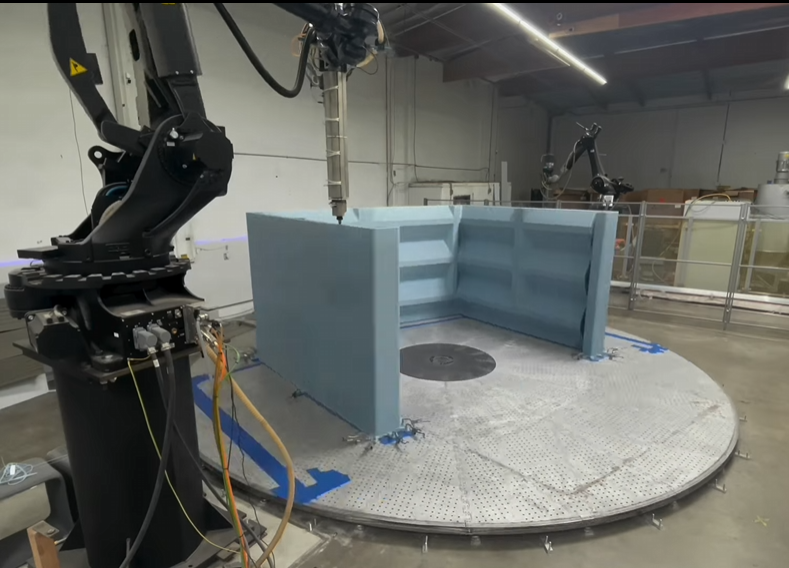
Some housing becomes more affordable because it is planned efficiently from the start. That might mean using smaller homes, adding ADUs to existing lots, building multifamily housing, or choosing a construction method that reduces delays. At Azure, we manufacture homes in a controlled factory setting using robotic production. Site work can often move forward while the unit is being built, which can help keep the process more organized than a fully site-built approach.
How These Housing Types Work in Real Projects
In real projects, the difference between affordable and subsidized housing becomes more practical. The same home may support a homeowner, developer, public agency, nonprofit, or employer in very different ways. At Azure Printed Homes, we start by asking who the housing is for, how it will be used, and what kind of timeline the project needs.
For Homeowners
For homeowners, affordability often starts with using existing property more effectively. We build backyard studios and ADUs that can create space for a family member, caregiver, guest, tenant, or private workspace without requiring a separate land purchase.
A compact studio may work well as a backyard office, guest space, or flexible extra room. A larger ADU can support long-term living with a bedroom, bathroom, and kitchen. Depending on local rules and how the unit is used, that same ADU may support family housing, rental income, or a more attainable housing option on an existing lot.
For Developers
For developers, the challenge is often repeatability. We build modular homes and ADUs that can be planned across multiple units, making them useful for projects that need consistent layouts, clearer scheduling, and faster production than fully site-built construction.
A development may become:
- Market-rate housing
- Affordable housing
- Workforce housing
- Subsidized housing
- Mixed-income housing
The category depends on funding, pricing, occupancy rules, and resident eligibility. The building method supports the project, but the housing model defines how the homes are priced and used.
For Municipalities and Nonprofits
For municipalities and nonprofit organizations, housing needs are often urgent and complex. We can support projects with factory-finished units, repeatable designs, and homes made with recycled materials for uses such as transitional housing, emergency housing, workforce housing, and community-scale residential projects.
Because our homes are produced in a factory, site preparation and construction can often move forward at the same time. That can be especially helpful for organizations trying to move from planning to delivery without stretching timelines longer than necessary.
For Employers and Workforce Housing
For employers, housing can affect hiring and retention. We can build studios, ADUs, compact homes, and larger residential units that may support workforce housing near employment centers, depending on land, zoning, and project structure.
Workforce housing may serve:
- Teachers
- Nurses
- First responders
- Hospitality workers
- Retail workers
- Service workers
- Local government employees
These projects are not always subsidized. Sometimes the goal is to create more reasonably priced homes close to jobs so workers do not have to choose between high housing costs and long commutes.
Housing Solutions for Different Needs
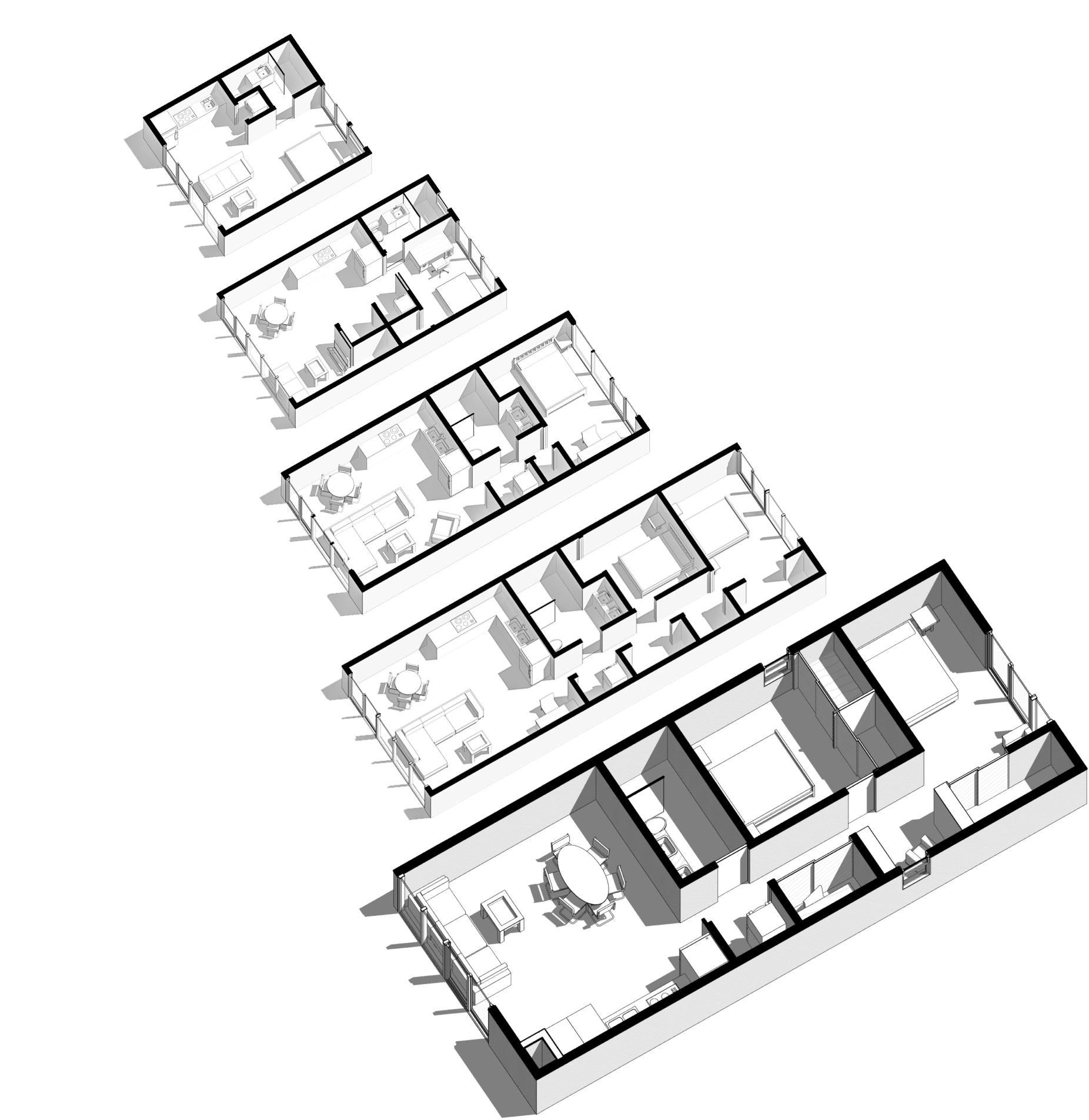
Different housing needs call for different formats. A homeowner may need a compact backyard space, while a municipality or developer may need repeatable housing that can work across multiple sites. That is why we build studios, ADUs, homes on wheels, and larger residential homes instead of relying on one fixed model.
Studios for Flexible Backyard Space
Our studio models, including the N-100 and A-120, are designed for compact use. They can work as a home office, guest room, creative space, study room, or flexible backyard unit.
These spaces are not always full residential homes, but they can make an existing property more useful. Depending on the project, we can plan finishes, interior details, and layout choices around how the space will be used.
ADUs for Complete Living Needs
For more complete residential use, we build ADU models such as the A-360, A-540, A-720, and A-900. These homes can include living space, a kitchen, bathroom, and bedroom layouts.
The A-360 works well as a compact one-bedroom option, while larger models such as the A-720 and A-900 provide more room for long-term living, family use, or rental housing. Electrical, plumbing, mechanical systems, and standard finishes are completed in the factory before delivery.
Homes on Wheels for Flexible Placement
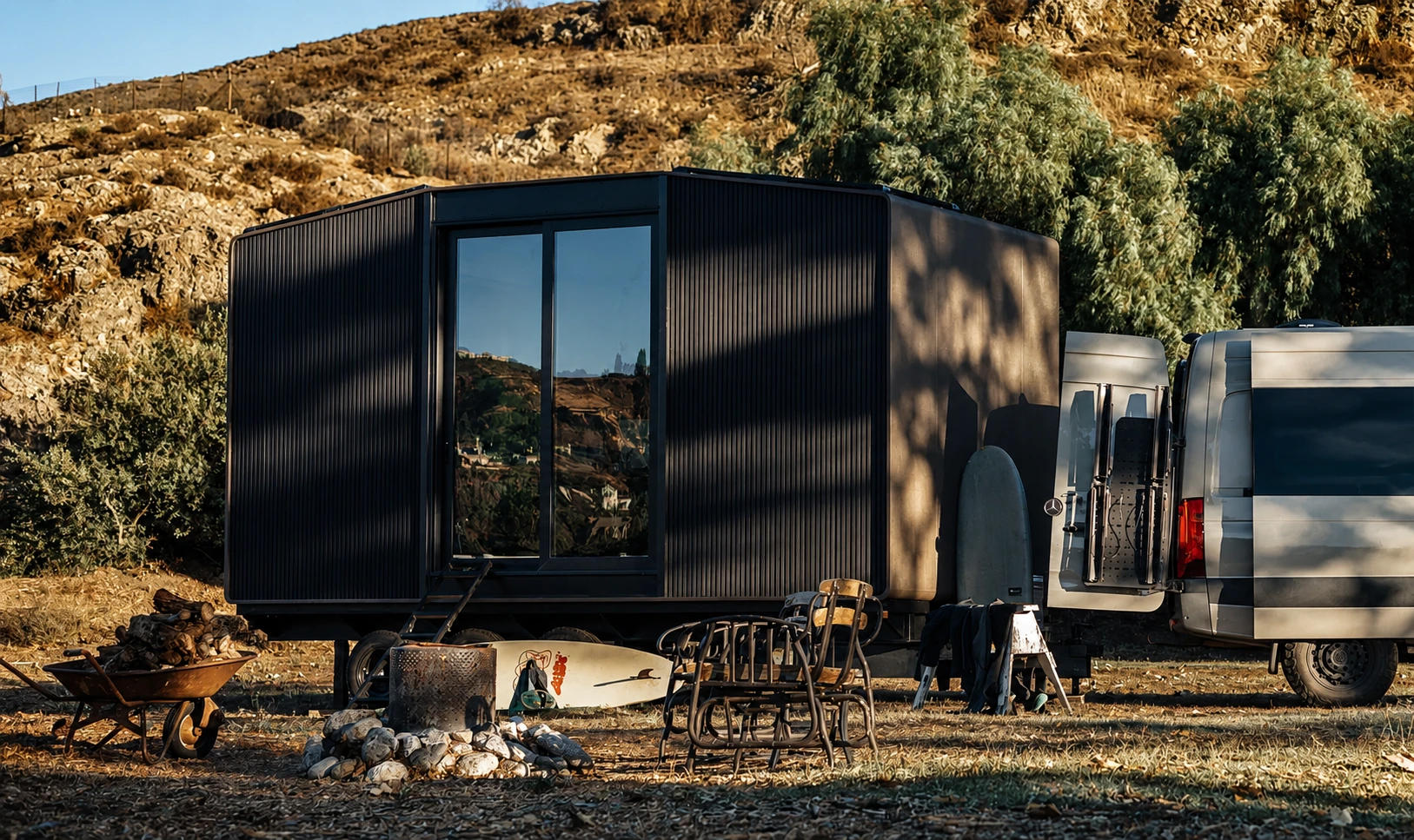
Our X Series homes on wheels, including the X-180, X-270, and X-360, are built on a chassis for projects where mobility or relocatability matters.
These models can support flexible living, temporary housing, hospitality use, or sites where a permanent foundation is not the right fit. Local rules still matter, so we look at site conditions and intended use early in the process.
Larger Homes for Long-Term Housing
For larger housing needs, we build modular homes that can support primary residences, family housing, workforce housing, and residential developments.
These homes use factory-built construction and can be planned with more traditional layouts. The housing category – market-rate, affordable, workforce-focused, or subsidized – depends on the project’s pricing, funding, and occupancy rules.
Interiors, Finishes, and Customization
We complete key systems and standard finishes in the factory, including electrical, plumbing, and mechanical work. Furniture, finish packages, layout details, and optional upgrades can be planned around how the home will be used.
That matters because a rental ADU, a family home, a guest unit, and a workforce housing project do not need the exact same interior setup. The goal is to match the model and finish level to the real use of the space.
Choosing the Right Housing Strategy
The right approach depends on the project, not the label. Before deciding whether housing should be affordable, subsidized, workforce-focused, or market-rate, it helps to clarify a few basics:
- Residents: Who will live in the homes?
- Income range: What household income does the project need to serve?
- Funding: Is public funding or subsidy support involved?
- Zoning: What local rules affect size, placement, and use?
- Timeline: Is the need temporary, long-term, or permanent?
- Delivery: How quickly does the housing need to be ready?
- Use: Will the homes be rented, sold, or operated by an organization?
These answers shape the project long before construction begins. Once the housing goal is clear, the building format becomes easier to choose. For some projects, that may mean an ADU or compact home. For others, it may mean a larger residential model, a multifamily approach, or a subsidized development with specific funding and eligibility rules.
Final Takeaway
Affordable housing describes cost. Subsidized housing describes financial support. The two often overlap, but they should not be treated as the same thing.
For communities, developers, organizations, and homeowners, the goal is to match the housing model to the need. At Azure Printed Homes, we build for that range of needs with robotically printed studios, modular ADUs, homes on wheels, and larger residential homes. The goal is simple: help housing projects move from concept to usable space with a clearer process, fewer site delays, and more practical options for different budgets and uses.