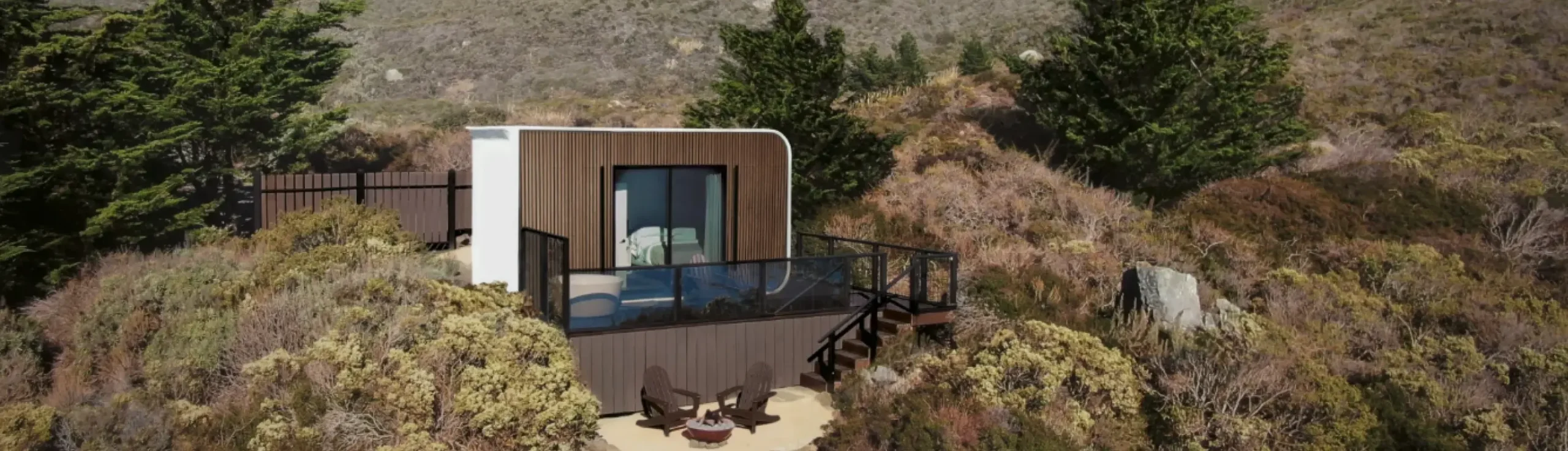
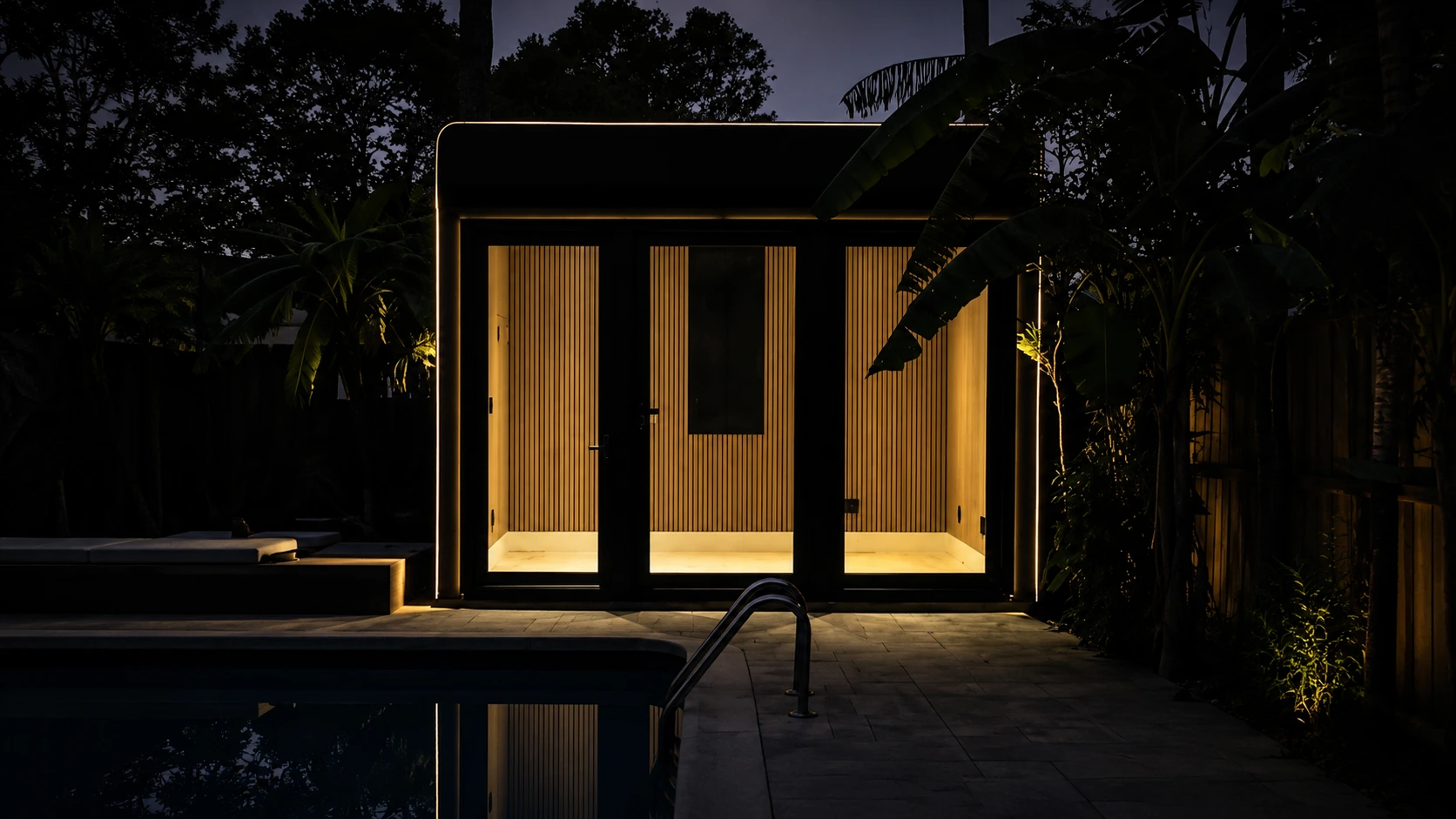
Park model homes can depreciate over time, but the amount is not the same for every unit. Some lose value faster, especially when they are treated like movable recreational units. Others hold value better when they are well-built, properly maintained, placed in a desirable location, and supported by the right utilities, permits, and site improvements.
In simple terms, a park model home may depreciate more like a vehicle or RV if it is placed in a temporary-use setting. But when the unit is part of a strong vacation rental property, glamping site, RV community, or permitted small-home setup, the full project can still create long-term value.
At Azure Printed Homes, we build future-focused modular living spaces using robotic 3D printing, recycled plastic materials, and customizable designs. Our homes, studios, ADUs, and homes on wheels are designed for people comparing compact housing options and looking for smarter ways to build, host, rent, or expand their property.
Do Park Model Homes Actually Depreciate?
Yes, park model homes usually depreciate as physical structures. Like many factory-built units, they can lose value because of age, wear, design changes, transport history, and market demand.
That said, depreciation is not always simple. The structure itself may lose value, while the property, site setup, rental income, or land improvements may add value. This is why buyers should look beyond the unit price alone.
A park model home placed on rented land may have a different resale path than one placed on private land with approved utilities and a strong use case. The same unit can perform very differently depending on where it is installed and how it is used.
Park Model Home Depreciation Speed
There is no universal depreciation rate for park model homes. A common expectation is that the steepest value drop may happen in the first few years, especially if the unit is purchased new and then resold as used.
After that, depreciation may slow down if the home is maintained well. Poor maintenance, water damage, outdated finishes, weak demand, or unclear placement rules can make depreciation worse.
The actual value depends on several things:
- Build quality
- Age and condition
- Location
- Local demand
- Site improvements
- Utility connections
- Foundation or support system
- Interior layout
- Exterior condition
- Whether the unit can be moved or resold easily
A clean, modern, well-kept unit in a strong location may hold value better than a neglected unit in a market with limited buyer interest.
Park Model Home Depreciation vs. Property Value
One of the biggest mistakes buyers make is looking only at the structure. A park model home may depreciate, but the full property setup can still become more valuable.
For example, a unit used as part of a short-term rental, glamping site, guest space, or vacation property may help generate income. In that case, the value is not only based on resale price. It is also based on how useful the unit is.
Here is what to look for.
Rental Income Potential
A park model home used for rentals may offset part of its depreciation through income. This depends on occupancy, nightly or monthly pricing, local demand, operating costs, maintenance, and how often the unit is available for guests. In a strong location, the home may lose some resale value over time but still support a useful return through rental activity.
Site Quality and Land Value
The site can have a major effect on the overall value of the project. Land, utility access, parking, views, landscaping, outdoor space, and nearby demand can all make a compact home more attractive. A well-prepared site may help the unit feel more complete and functional, while a weak or difficult site can limit resale interest.
Reuse and Relocation Flexibility
A park model home may hold value better when it can serve more than one purpose. Some units can be reused as guest housing, rental space, staff housing, vacation lodging, or part of a small hospitality project. If the unit is easier to move, update, or repurpose, the owner has more options later instead of relying on one resale path.
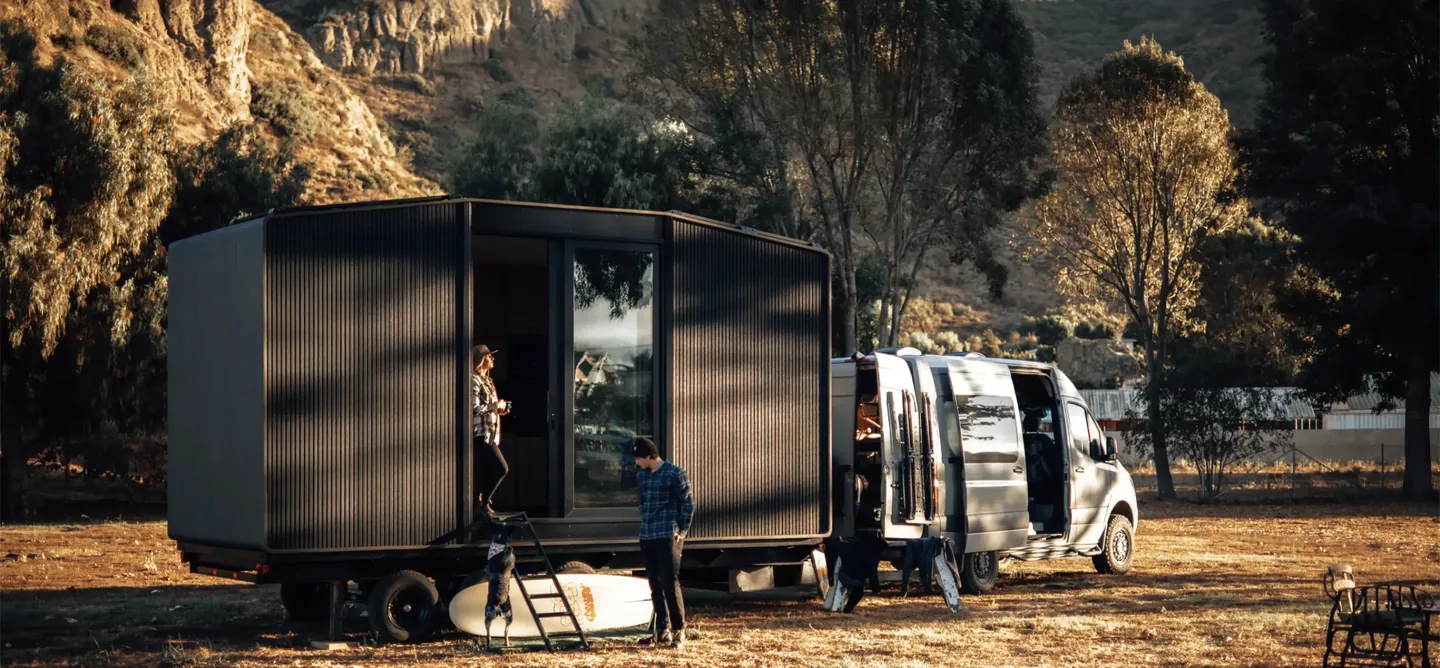
Main Factors That Affect Park Model Home Value
Park model home depreciation depends on more than age alone. The condition of the unit, the quality of the site, local demand, utility access, and long-term usability can all affect how much value the home keeps or loses over time.
What Makes a Park Model Home Lose Value Faster
Park model homes may depreciate faster when they are not planned well from the beginning. The unit itself is important, but the surrounding decisions matter just as much.
Poor Maintenance
Water leaks, damaged siding, worn flooring, broken fixtures, and neglected HVAC systems can reduce resale value. Regular maintenance helps keep the unit usable, comfortable, and easier to sell.
Weak Location
A park model home in a low-demand area may be harder to resell or rent. Location affects personal use, rental demand, guest appeal, and future buyer interest.
Limited Utility Access
A unit without reliable power, water, sewer, or septic access may be less attractive to buyers. Many buyers want a home that is already functional or easy to make move-in ready.
Outdated Design
Older layouts, dark interiors, inefficient storage, and dated finishes can reduce resale appeal. Compact homes need smart layouts because every square foot has to work.
Unclear Permits or Classification
Local rules can affect how the home is used, moved, financed, insured, or resold. Buyers should understand zoning, placement rules, and permit requirements before purchasing.
What Helps a Park Model Home Hold Its Value
A park model home may hold value better when it is practical, well-built, and placed with a clear purpose. Buyers are often looking for something that feels ready, useful, and easy to understand.
Strong Build Quality
Durable materials, clean fabrication, good insulation, and reliable systems can help a unit age better. A home that still feels solid after years of use is usually easier to resell.
Useful Floor Plan
A compact home needs to work well. Sleeping space, bathroom access, storage, kitchen function, and natural light all matter. A simple, efficient layout can stay relevant longer.
Energy Efficiency
Energy-efficient features can make a smaller home more comfortable and less expensive to operate. This can be especially important for rental properties, guest housing, and full-time use.
Flexible Use
A unit that can serve as a guest house, vacation rental, backyard space, office, or compact living unit may appeal to more buyers. Flexibility can support resale value because future owners have more ways to use the space.
Good Site Planning
A well-prepared site can make the home feel permanent, comfortable, and functional. Access, drainage, utility connections, outdoor space, and parking can all affect long-term value.
Comparing Park Model Homes With Other Compact Housing Options
Park model home buyers are often looking for compact space, faster installation, flexible use, and a smarter way to plan small living. Park model homes can be useful in the right setting, but they are only one part of the small-space housing market. Depending on the property, budget, and long-term plan, another compact housing option may be a better fit.
At Azure Printed Homes, we create 3D-printed modular spaces using recycled plastic materials. Our product range includes studios, ADUs, homes on wheels, glamping units, office pods, and compact residential spaces. These options are not all the same as park model homes, but they are useful to compare when thinking about depreciation, resale value, placement, and long-term use.
Studio Units
Studio units can work well for backyard workspaces, guest rooms, creative rooms, wellness spaces, or flexible personal use. They are usually smaller and simpler than a park model home, which may make them a practical choice when the buyer does not need a full living layout.
Our Studio Series includes compact models such as A/D/C-100, A/D/C-120, and N100. Pricing starts at $24,900 for A/D/C-100 and N100 models, and at $29,900 for A/D/C-120 models.
Homes on Wheels
Homes on wheels are useful for buyers who want a chassis-based unit with more mobility. They may appeal to people comparing tiny homes, travel-friendly living spaces, glamping units, or flexible placement options.
Our X Series homes on wheels include models such as X180, X270, and X360. Pricing starts at $69,900 for X180, at $84,900 for X270, and at $109,900 for X360.
ADUs and Modular Homes
ADUs can work well when the buyer wants additional living space on a property, such as family housing, guest housing, or rental use where allowed. They often require more planning around permits, utilities, site access, and installation.
For larger modular living spaces, our models include A-180, A-360, A-540, A-720, and A-900. Pricing starts at $49,900 for A-180, at $89,900 for A-360, at $134,900 for A-540, at $174,900 for A-720, and at $219,900 for A-900. These homes can support more permanent living needs and may offer more layout flexibility for residential or project-based use.
How to Reduce Depreciation Risk
No buyer can fully avoid depreciation, but smart planning can reduce the risk. A few practical steps can help the home stay useful, easier to maintain, and more appealing over time:
- Choose the right unit for the use: A weekend retreat, rental unit, full-time residence, office pod, and guest space all need different layouts. The better the unit fits the use, the more likely it is to stay practical over time.
- Keep the design simple and durable: Trendy finishes can age quickly. Practical layouts, durable surfaces, efficient storage, and easy maintenance usually hold up better.
- Plan the site before buying: Site work can affect both cost and long-term value. Buyers should look at access, grading, drainage, utilities, foundation needs, delivery routes, and local approvals.
- Maintain the unit consistently: Small problems can become expensive if ignored. Routine checks for moisture, seals, fixtures, HVAC, plumbing, and exterior wear can help protect value.
- Think about resale from the start: A unit with broad appeal may be easier to sell later. Neutral finishes, functional layouts, and flexible use can help future buyers see more possibilities.
Conclusion
Park model homes usually depreciate, but that does not tell the whole story. A unit may lose value as a structure while still serving a useful role as guest housing, rental space, vacation lodging, or part of a larger property plan.
The real question is not only how much a park model home depreciates. It is whether the home fits the site, budget, local rules, and long-term use.
For buyers comparing compact housing options, Azure Printed Homes offers 3D-printed modular studios, ADUs, homes on wheels, glamping units, and residential spaces made with recycled plastic materials. We build for people who want faster, smarter, future-focused spaces without starting from a blank page.