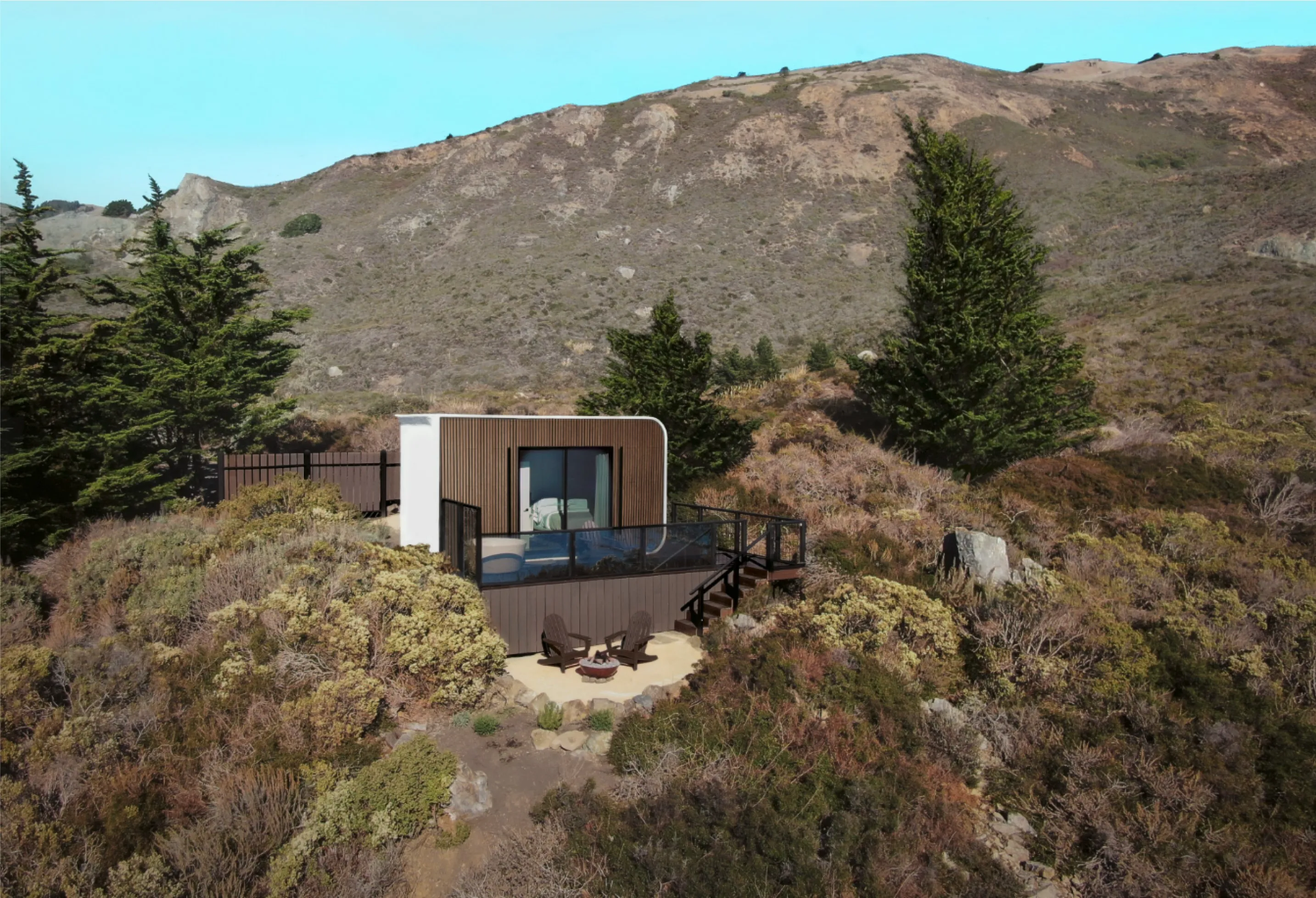
An ADU home is a smaller second home built on the same property as a main house. ADU stands for accessory dwelling unit, which sounds a little stiff, but the idea is simple enough. It is extra living space on land you already have.
An ADU might be a backyard home, guest house, in-law suite, granny flat, modular unit, or small detached home. Some are designed for full-time living. Others work better as studios, offices, or flexible backyard spaces. The right version depends on the property, the local rules, and what the homeowner actually needs the space to do.
At Azure Printed Homes, we think about ADUs as more than small structures. A well-planned ADU can give a parent privacy, help an adult child stay close, support rental income where allowed, or create a quiet place to work without leaving home.
At a time when housing is expensive, construction can feel slow, and families need more flexible options, ADUs make a lot of sense. They let a property do more without asking the homeowner to move, buy more land, or start over somewhere else.
An ADU Is Not Just Extra Space
A real ADU is more than a spare room with its own door. It is meant to function as a separate dwelling, even though it sits on the same property as the main home.
A full ADU usually includes the basics someone needs for daily life: a sleeping area, bathroom, kitchen or kitchenette, living space, private entrance, utilities, and heating and cooling. Local rules decide the exact requirements, so the details can change from one city to another. But the purpose stays the same. An ADU should feel like a small home, not an afterthought.
That independence is what makes it useful. A guest can stay without taking over the house. A parent can live close without feeling like they have moved into a spare bedroom. A renter can have privacy. A homeowner can create a separate work or living space without buying another property.
Small footprint, big job. That is the ADU in plain English.
Why Homeowners Are Looking at Backyards Differently
For a long time, many backyards were treated as leftover space. Useful sometimes, ignored often. Maybe there was a patio, a shed, a patch of grass, or a corner no one really used.
Now homeowners are looking at that same land with a more practical question: could this solve something?
For many families, the answer is yes.
Housing costs are high. Renovations can be disruptive. Moving can mean leaving a neighborhood, school, family routine, or community that already works. At the same time, more people need flexible living arrangements. Parents may need to be closer to adult children. Adult children may need a more affordable place to live. Remote workers may need quiet space away from the main house.
An ADU sits right in the middle of those needs. It can create more usable space without changing the whole property.
That is why we see ADUs as such a practical part of modern housing. They are not about building something huge. They are about making the property work harder in a way that still feels manageable.
A Small Studio and a Full ADU Are Not the Same Decision
Not every small backyard structure is a full ADU. This is one of the most important points to understand early.
A compact studio can be incredibly useful, but it may not qualify as a full dwelling unit. A true ADU usually needs residential features such as a bathroom, kitchen, utilities, and permits. Both types of spaces can be valuable, but they solve different problems.
Studio Spaces
Our Studio Series models are designed for focused backyard use. These spaces can work well as home offices, creative rooms, hobby spaces, quiet retreats, fitness rooms, or flexible extra space.
A 100 or 120 sq ft studio can make daily life better without becoming a full second home. It may be simpler to place, easier to maintain, and more focused than a larger residential unit.
Homes & ADUs
Our larger Homes & ADUs are better suited for full-time or long-term residential use. These units can include a kitchen, bathroom, bedroom, living area, and utility connections.
This makes them a stronger fit for family housing, guest stays, rental potential where allowed, or a more permanent backyard living setup.
Homes on Wheels
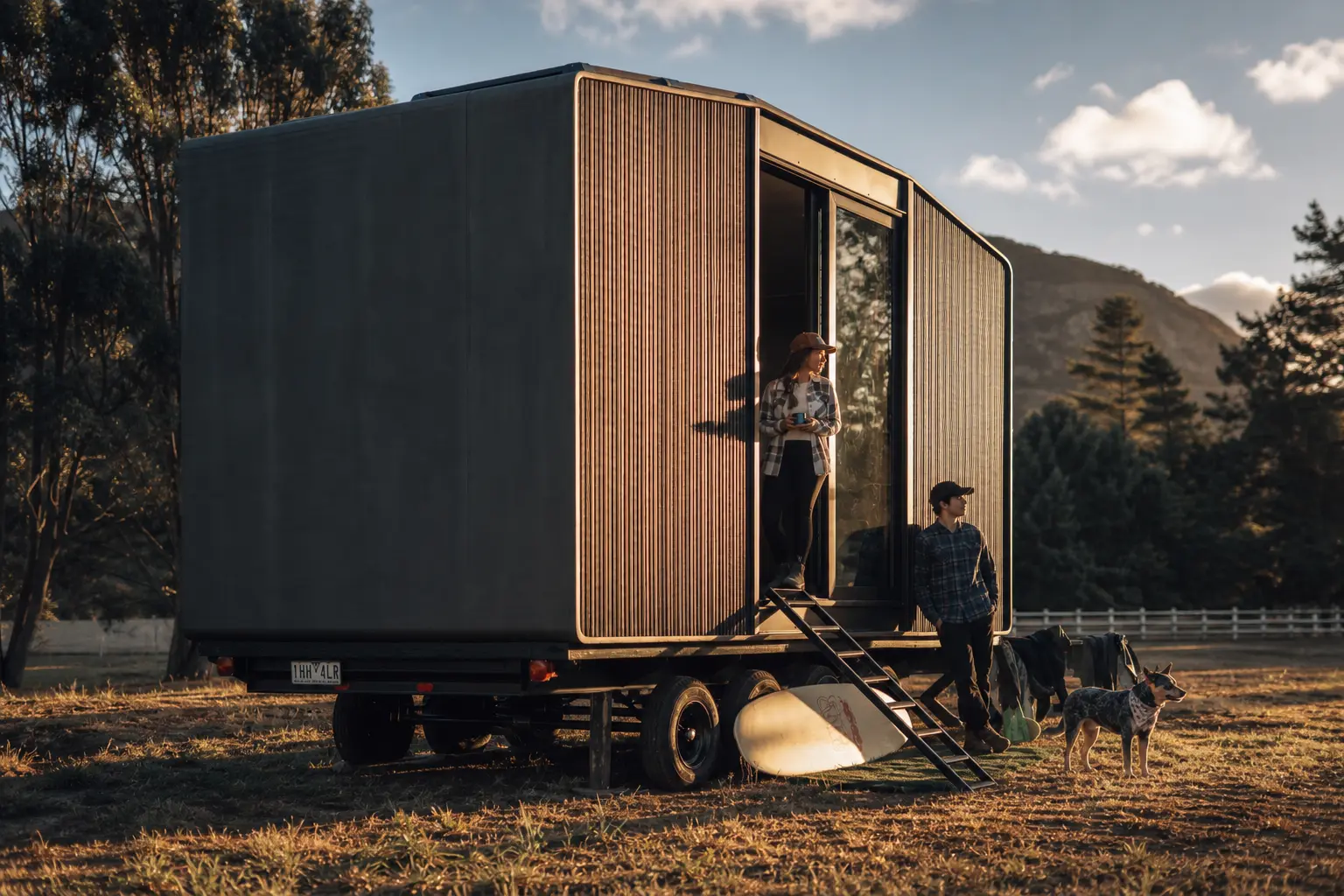
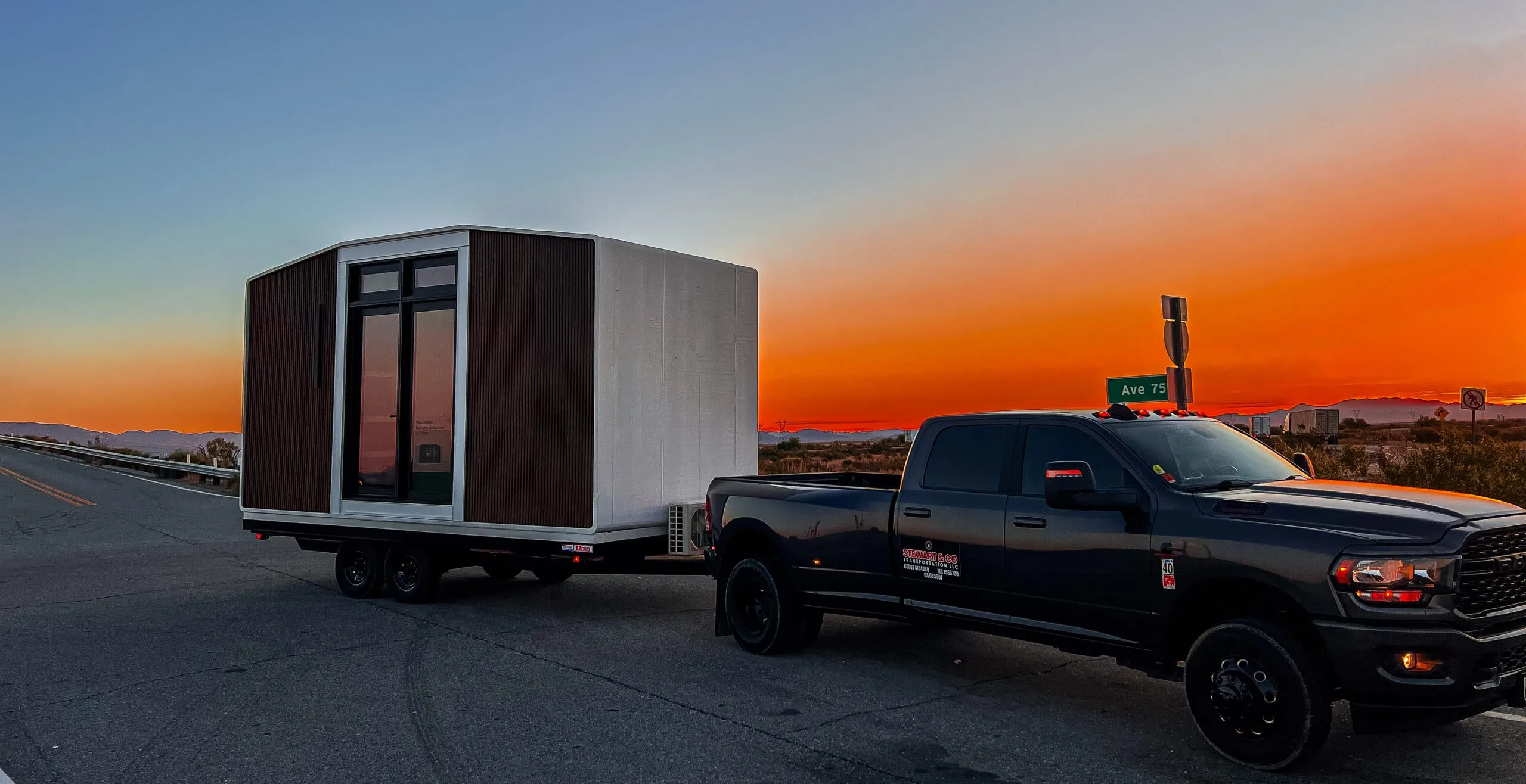
Homes on wheels offer another kind of flexibility. Our X Series models are chassis-based and range from compact studio-style layouts to larger options with bedrooms, bathrooms, kitchens, and laundry features.
They can be useful for people who want mobility and comfort in a smaller footprint. Still, whether a home on wheels can be used like an ADU depends on local rules, placement, and permitted use.
The big point is this: size alone does not decide what the space can do. The use case does.
Size Matters, But Use Matters More
A 120 sq ft studio and a 900 sq ft ADU are not just different sizes. They are different kinds of projects.
A compact 100 to 120 sq ft unit can be perfect for a backyard office, art room, music room, wellness space, or quiet place to step away from the main house. It adds real value, but it is usually not designed to support full-time independent living.
A 360 sq ft unit starts to feel more residential. With the right layout, it can support compact living. A 540 sq ft ADU gives more comfort for one person or a couple. A 720 sq ft model can support more flexible bedroom options. A 900 sq ft ADU begins to feel like a small home in a fuller sense.
We build across that range because homeowners do not all need the same thing. Some people need a small backyard studio. Some need a complete ADU for family or guests. Some want a mobile option that can bring the comforts of home with them.
The best size is not always the biggest one. It is the one that matches the person who will use it.
Starting Costs Matter, But They Are Not the Full Project Cost
Price is usually one of the first things homeowners want to know. That makes sense. No one wants to plan around an ADU before knowing whether the budget is realistic.
At Azure Printed Homes, our ADU-style models generally sit in the $89,900-$219,900 planning range, depending on size, layout, and current model pricing. For ADU planning, it is clearest to focus on the larger Homes & ADUs models rather than compact studio units or homes on wheels.
| ADU Model | Size | Planning Price |
| A-360 | 360 sq ft | $89,900 |
| A-540 | 540 sq ft | $134,900 |
| A-720 | 720 sq ft | $174,900 |
| A-900 | 900 sq ft | $219,900 |
These prices give homeowners a useful starting point, but they are not the full project cost. The model price is one part of the puzzle. Delivery, installation, site preparation, foundation, utility connections, permits, HVAC, solar, batteries, access work, and finishes can all affect the final number.
That does not make the project out of reach. It just means ADU planning works better when the numbers are realistic from the start. A clear budget should look at the unit, the land, and the setup around it.
Local Rules and Site Work Shape the Project
The unit itself gets most of the attention, but the property around it can decide how simple or complicated the project becomes.
A flat lot with good access is different from a sloped yard with tight side clearance. A property with easy utility connections is different from one where water, sewer, and electrical work need upgrades. A backyard with good drainage is different from one where water collects after every storm.
Before choosing a model, homeowners should check what the property can actually support.
Important questions include:
- Are detached ADUs allowed on the property?
- What is the maximum unit size?
- How far must the unit sit from property lines?
- Is parking required?
- Can the unit be rented?
- Are short-term rentals allowed?
- What permits are needed?
- Does the property have enough utility capacity?
- Can the unit be delivered and installed safely?
- Are there fire, flood, hillside, coastal, or wildfire rules?
This is not the most exciting part of the process, but it protects the project. A beautiful ADU plan does not help much if the property cannot legally or physically support it.
We approach ADU planning with the land and the structure in mind. The home has to be well built, but it also has to be well placed.
Utilities Turn a Small Structure Into a Real Home
Utilities are one of the clearest lines between a simple backyard space and a true ADU.
A studio used as an office may only need electrical service. A full ADU needs more. Water, sewer, electrical, HVAC, and sometimes solar or battery systems all need to be planned properly.
The Use Case Decides the Setup
This is where the intended use matters again. A compact work studio without plumbing is a very different project from a unit with a bathroom, kitchen, shower, laundry, and daily residential use.
Good utility planning protects the home and the people using it. Poor utility work can create problems later, especially around moisture, electrical reliability, drainage, service access, and comfort.
The Hidden Systems Matter Every Day
It is tempting to focus only on floor plans and finishes. We get it. Those are the parts people can see and imagine using right away.
But the less visible systems are what make the ADU usable every day. A beautiful small home still needs to drain properly, heat and cool properly, and connect safely to the property.
Modular and 3D-Printed ADUs Change the Build Experience
Traditional construction has a reputation for delays, mess, and too many moving parts. Weather changes. Labor schedules shift. Materials arrive late. One trade waits on another. The backyard becomes a job site for longer than anyone hoped.
We take a different approach.
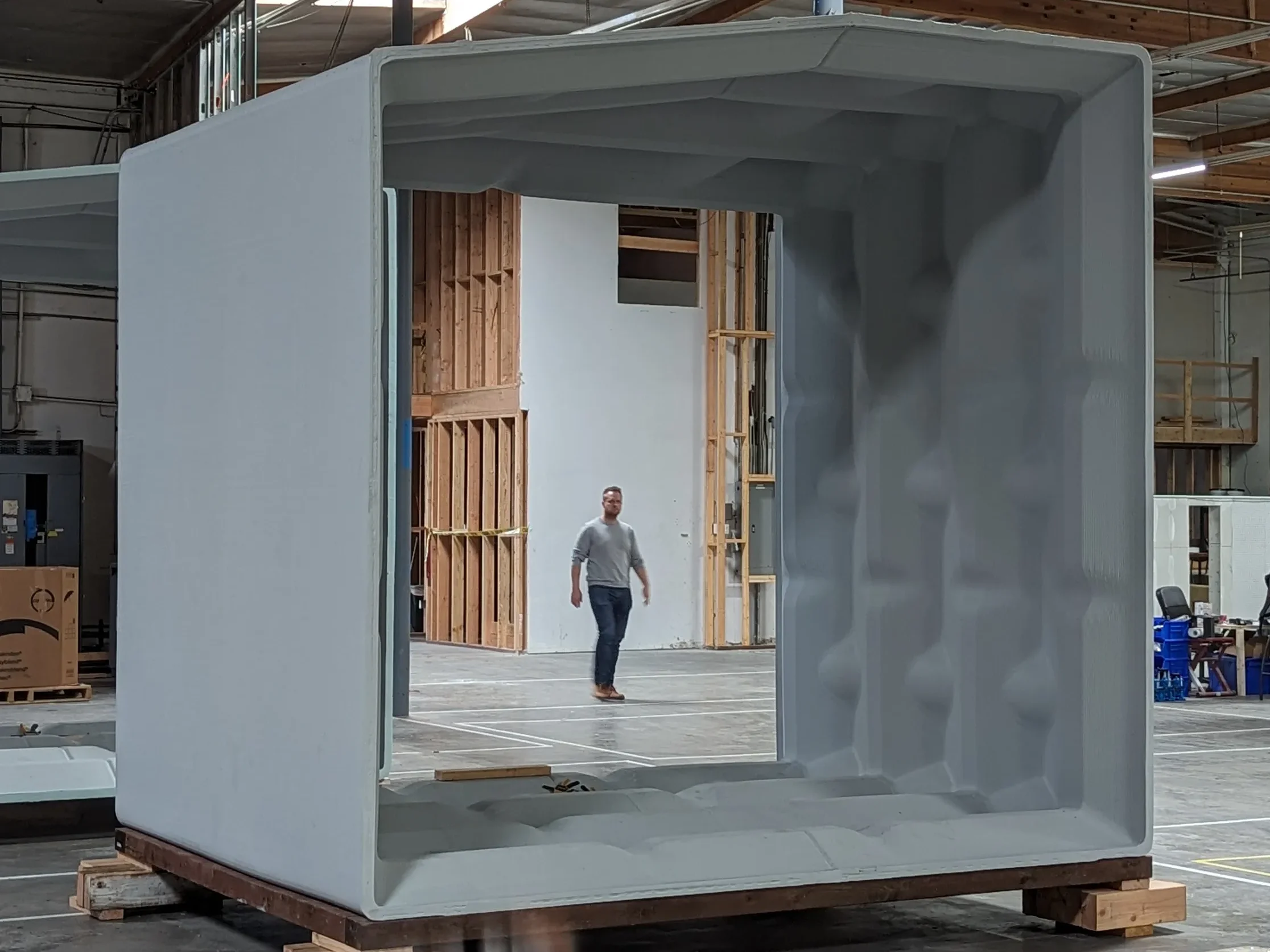
Our 3D-printed prefab homes are produced through advanced robotics, automation, and precision manufacturing. Much of the work happens in a controlled environment, which helps make quality more consistent and timelines easier to plan. Site work can often happen while the unit is being produced, which helps reduce the overall project timeline.
The goal is not to make construction feel flashy. The goal is to make it smarter, faster, and less wasteful.
For homeowners, that can make the whole idea feel more manageable. They still need permits, site prep, and installation, but they are not starting from a blank patch of dirt with every decision happening on-site.
A more controlled manufacturing process can help remove some of the old guesswork from backyard building.
Sustainability Is More Than a Nice Bonus
Sustainability is not only about what a home is made from. It is also about how much space it uses, how much waste it creates, how long it lasts, and how well it performs.
ADUs can make sense from a sustainability point of view because they use land that already exists. They add housing without requiring a completely new property. They are smaller than traditional homes, which often means fewer materials and lower energy needs.
At Azure Printed Homes, sustainability is part of the way we think about building. We use recycled materials in our 3D-printed structures and focus on reducing the waste that often comes with conventional construction.
A smaller home still needs to be durable, comfortable, and properly installed. Sustainability should never mean flimsy. The better version is a space that uses materials thoughtfully, performs well, and stays useful for years.
That is the kind of sustainability people can actually live with.
Rental Income Can Work When the Numbers Are Real
ADUs can be attractive for rental income, but the numbers need to be grounded.
A backyard unit may look like an easy income stream at first. In some cases, it can be. But rental success depends on local rules, demand, privacy, layout, total project cost, and ongoing expenses.
A Rental ADU Needs the Right Setup
A full residential ADU with a kitchen, bathroom, and private entrance usually has stronger rental potential than a basic studio. But it also costs more and needs more site planning.
A smaller unit may be easier to build, but it may not work for the type of rental the homeowner has in mind. This is why we always come back to the use case first. The space should match the plan, not the other way around.
Monthly Rent Is Only Part of the Math
Rental planning should include more than expected monthly rent. Homeowners should also think about insurance, utilities, maintenance, property taxes, vacancy, repairs, cleaning, management, and legal requirements.
An ADU can be a smart investment when the budget, use, and location all line up. It can become a problem when the plan starts with “we will rent it out somehow” and skips the details.
Family Use Is Often the Strongest Reason to Build
For many homeowners, the strongest reason to build an ADU has nothing to do with rental income. It is family.
An ADU can let people stay close while still giving everyone space. That balance is hard to find. A parent can live near their children without moving into the main house. An adult child can have independence without being priced out. Guests can stay comfortably. A caregiver can be nearby when needed.
This is where an ADU feels less like a real estate product and more like a practical life tool.
The design should match the person who will use it. A unit for an older parent may need easy access, safe bathroom features, good lighting, and a simple layout. A unit for an adult child may need a workspace, storage, and more privacy. A guest unit may need comfort and flexibility without going too large.
When an ADU is planned around real family needs, it can change how the whole property works.
Good Design Keeps a Small Home From Feeling Small
Small spaces need better design, not less design.
A poorly planned ADU can feel cramped even if it has enough square footage on paper. A well-planned ADU can feel calm, open, and easy to use even when it is compact.
The difference usually comes down to layout, light, storage, and flow. Where does the bed go? Can someone cook without bumping into everything? Is there enough storage for daily life? Does the bathroom feel comfortable? Is there privacy from the main house? Does the entrance feel natural?
Good ADU design pays attention to everyday details:
- Natural light
- Smart storage
- Durable surfaces
- Comfortable insulation
- Good airflow
- Clear separation from the main home
- Easy maintenance
- A layout that fits the actual use
- Exterior design that belongs on the property
The goal is not just to make a small structure. The goal is to make a small home that feels right.
Final Thoughts: A Small Home Can Change How a Property Works
An ADU home is a secondary living space built on the same property as a main house. It can be compact or roomy, simple or fully residential, fixed in the backyard or designed with more flexible placement in mind.
What makes an ADU powerful is not just its size. It is what it allows the property to do.
It can create room for family. It can support rental income where allowed. It can give someone a quiet workspace. It can turn unused land into something useful. It can help a homeowner adapt without moving.
At Azure Printed Homes, we build 3D-printed modular living spaces because we believe construction can be faster, smarter, and more sustainable than the old way of doing things. An ADU should not have to mean months of mess and uncertainty. It should feel like a practical path to more space, more comfort, and more possibility.
A good ADU is small, but it is not minor. It can become the place where a parent feels independent, a guest feels comfortable, a renter feels at home, or a homeowner finally gets the space they needed.
That is the real promise of an ADU. It gives a property room to change.