When people compare modular homes and traditional houses, conversations often start with cost or construction timelines. Durability, however, is just as important. A home is expected to withstand changing weather, everyday use, and decades of occupancy while remaining safe, comfortable, and structurally sound.
One of the biggest misconceptions is that modular homes are somehow less durable because they are built in a factory. In reality, the location where a home is built tells only part of the story. Long-term performance depends on engineering, materials, manufacturing quality, installation, and ongoing maintenance.
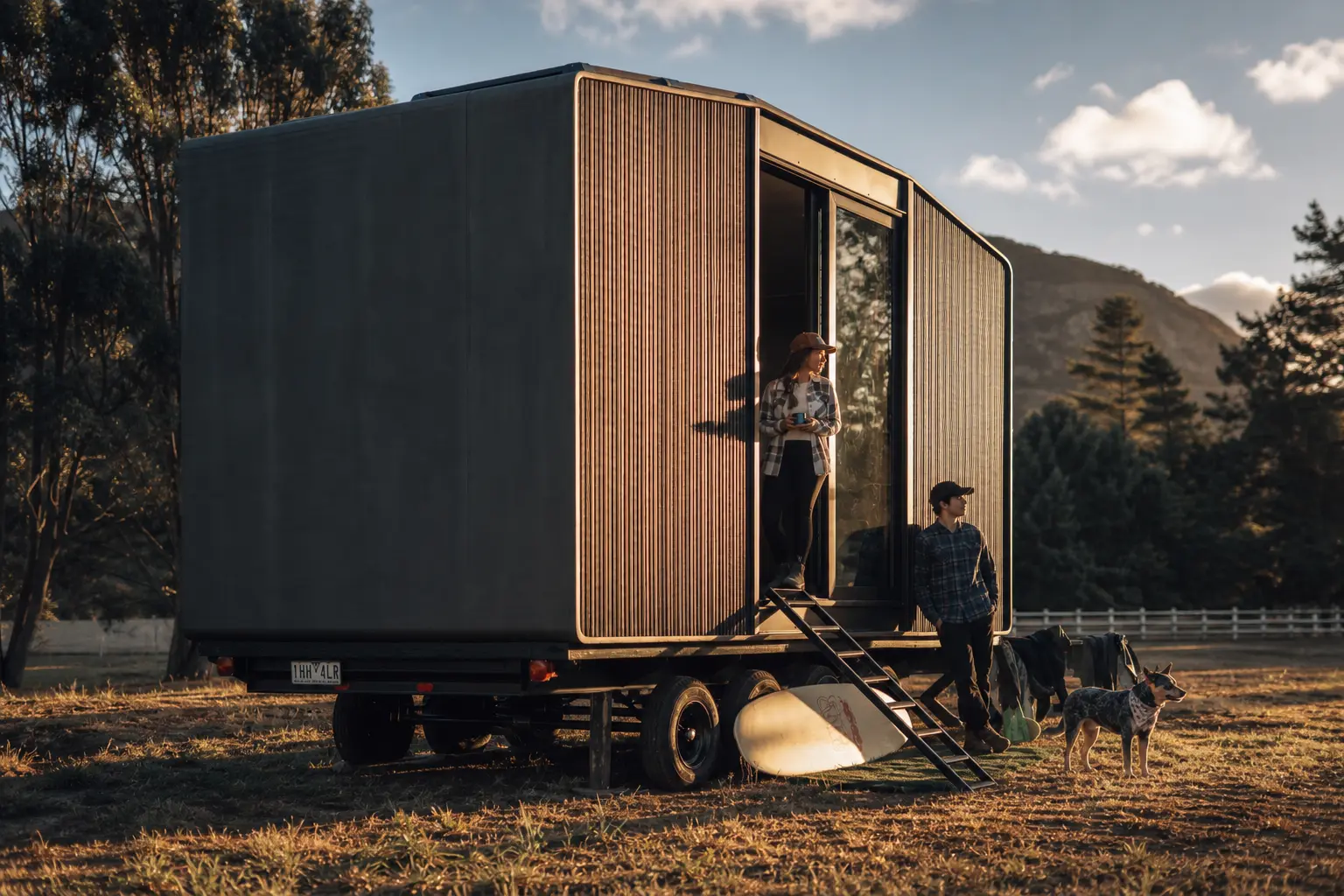
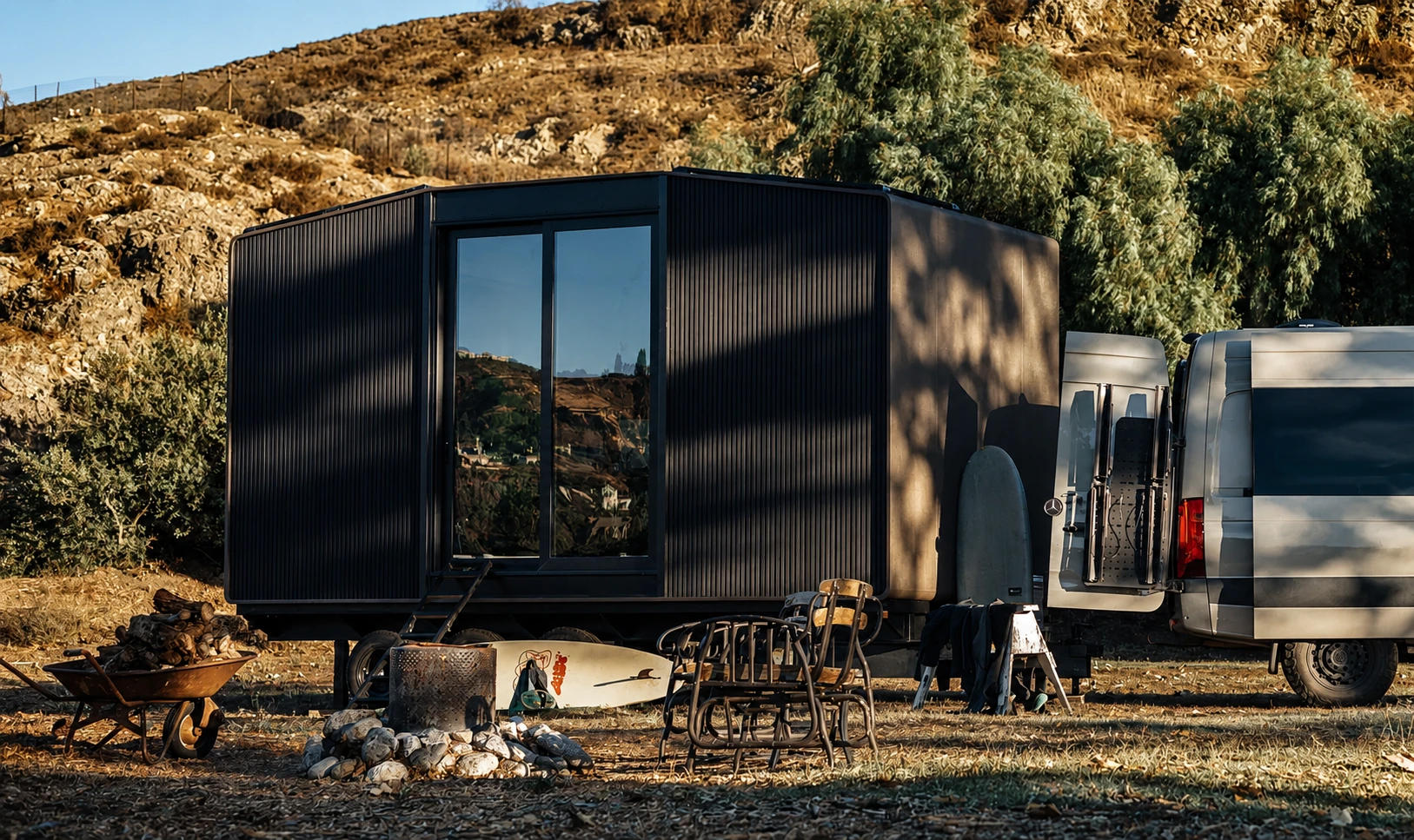
At Azure Printed Homes, we design and manufacture robotically printed modular homes, ADUs, studios, and larger residential communities using advanced manufacturing and recycled materials. Every project is approached with long-term performance in mind, combining precision production with thoughtful design and careful planning from concept through installation. By bringing together durability, energy efficiency, and sustainable construction, we create homes built to serve people and communities for years to come.
Modular Home vs Traditional Home Durability by the Numbers
Durability is often easier to understand when looking at measurable factors rather than assumptions. While every home is different, several figures help illustrate how modern modular and traditional homes compare.
| Factor | Modular Homes | Traditional Homes |
| Expected lifespan | Often 50+ years with proper maintenance | Often 50+ years with proper maintenance |
| Construction environment | Factory-controlled | Entirely on-site |
| Weather exposure during construction | Minimal | Continuous throughout construction |
| Building code compliance | Must meet applicable local and state residential codes | Must meet applicable local and state residential codes |
| Construction consistency | High due to standardized manufacturing | Depends on site conditions and workmanship |
| Typical construction timeline | Often measured in months | Frequently takes many months to more than a year |
These figures highlight an important point. Modern modular homes are not designed as temporary structures. They are permanent residences built to residential standards, with durability determined by engineering, materials, installation quality, and maintenance rather than the construction method alone.
What Determines How Durable a Home Really Is?
The way a home is built certainly matters, but durability begins much earlier than construction. Several factors work together to determine how well a home performs over decades.
Structural engineering forms the foundation of durability. A well-designed structure distributes loads correctly, resists movement, and performs reliably under changing environmental conditions. Whether a home is modular or site-built, engineering has a direct impact on long-term stability.
Building materials also play a significant role. Framing systems, insulation, exterior finishes, roofing materials, windows, and moisture barriers all contribute to how well a home withstands daily wear and seasonal weather.
Construction quality is equally important. Small inconsistencies during framing, sealing, insulation, or finishing can affect performance years later. This is one reason controlled manufacturing environments have become increasingly attractive for residential construction.
Site preparation and foundation work should never be overlooked. Even the strongest home relies on proper grading, drainage, and a suitable foundation to prevent settling, moisture problems, and structural movement.
Finally, regular maintenance helps preserve any home. Roof inspections, sealant replacement, exterior upkeep, and mechanical servicing all contribute to extending a home’s useful life.
Rather than asking whether modular or traditional homes are inherently stronger, it is more useful to ask how each construction method addresses these factors.
How Modular Homes Are Built for Long-Term Performance
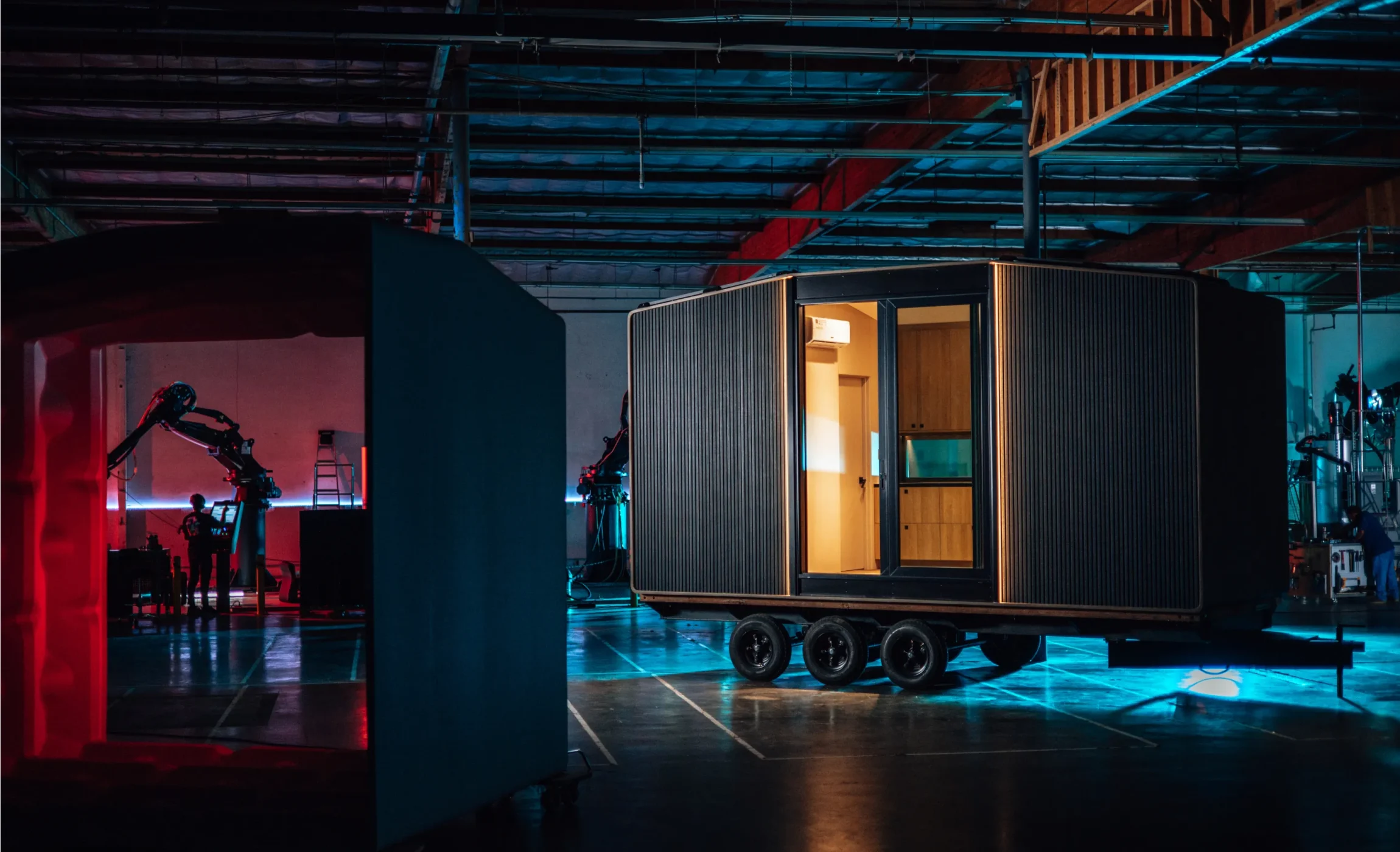
Modern modular homes have come a long way over the past several decades. Today’s factory-built homes are designed to meet the same residential building standards as site-built homes while benefiting from a manufacturing process that offers greater consistency and control. Rather than relying on changing jobsite conditions, much of the work is completed in a controlled production environment where materials, equipment, and quality inspections remain consistent throughout the build.
Factory-Controlled Construction
One of the biggest advantages of modular construction is the level of consistency it brings to every project. Because the structure is built indoors, framing materials and other components are protected from rain, snow, prolonged humidity, and other weather conditions that can interrupt or complicate on-site construction.
We manufacture our homes in a controlled environment where every stage follows a planned production process. As each module moves through manufacturing, structural components, electrical systems, plumbing, insulation, and interior finishes can be inspected before the next stage begins. At the same time, site preparation can move forward independently, helping reduce delays while maintaining quality throughout the project.
A controlled manufacturing environment also supports greater precision. Measurements remain consistent, components fit together accurately, and repeatable production methods help reduce the small variations that naturally occur during outdoor construction.
Materials Matter
The materials used to build a home have just as much influence on durability as the construction method itself. Strong structural systems, quality insulation, moisture protection, and carefully selected exterior finishes all contribute to how well a home performs over the years.
When planning a project, some of the most important material considerations include:
- Structural system: Providing the strength and stability needed for long-term performance.
- Insulation: Helping regulate indoor temperatures throughout the year while reducing demand on heating and cooling systems.
- Moisture management: Protecting the building envelope by minimizing opportunities for water intrusion.
- Material suitability: Selecting materials that match the local climate, building requirements, and intended use of the home.
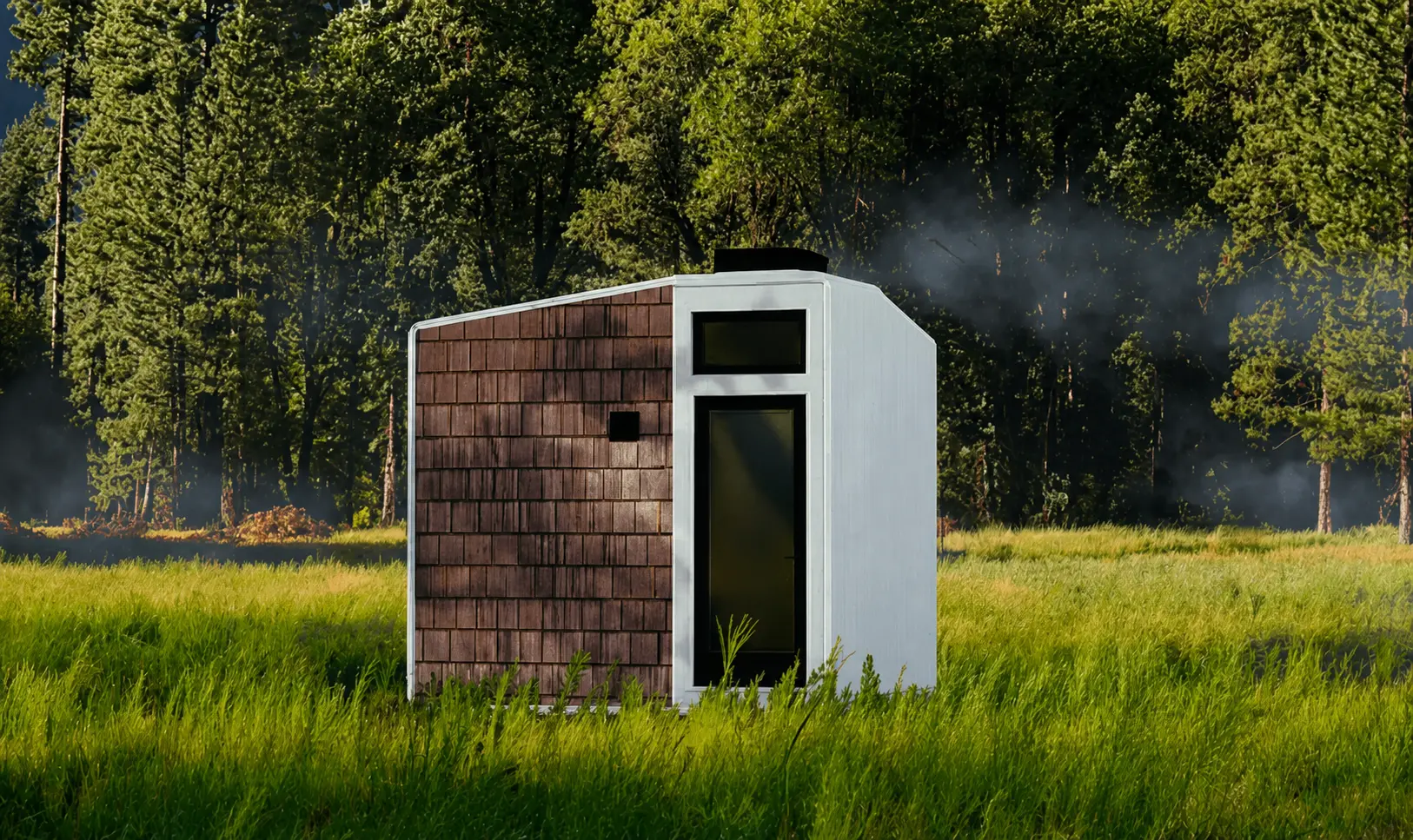
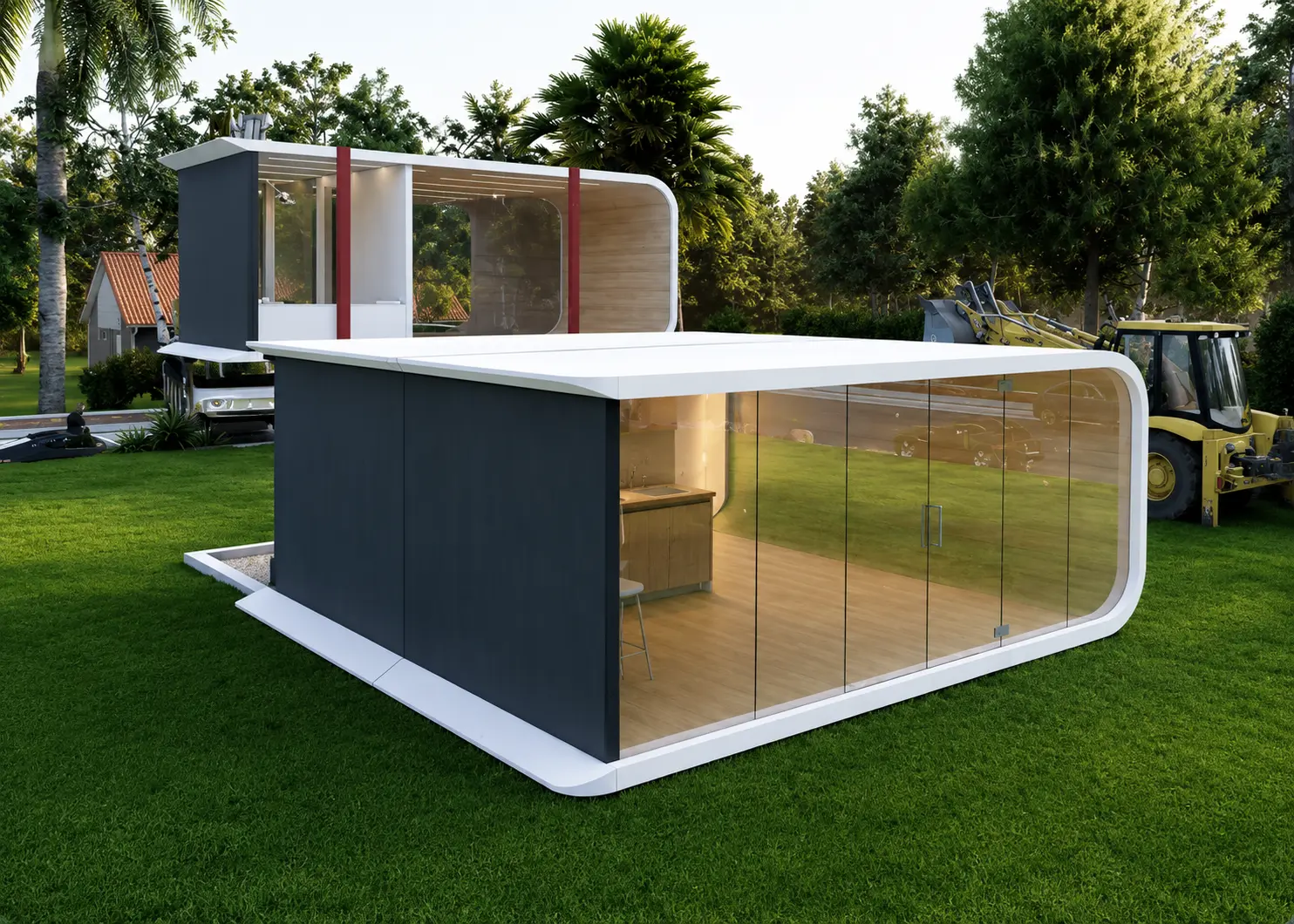
We manufacture our homes using robotic 3D printing with recycled materials and also offer light-gauge steel construction for projects in areas with higher fire exposure or where steel framing is preferred. Rather than applying the same solution to every project, we select materials based on the site, local requirements, and the goals of the homeowner or development.
Our wall, roof, and floor assemblies are designed as single-piece components, reducing the number of joints where water could potentially enter when combined with proper installation and site preparation. Material selection can also influence resistance to termites, fire, and seismic activity.
Because every location presents different environmental conditions, we begin by understanding the site before moving into design, manufacturing, and installation. Taking those factors into account early helps us create homes that are built not only for efficient construction, but for reliable long-term performance as well.
How Traditional Homes Achieve Durability
Traditional construction has produced durable homes for generations. Many houses built decades ago remain structurally sound today because they were designed well, constructed carefully, and properly maintained.
Proven Construction Methods
Traditional construction offers flexibility in choosing framing systems, exterior materials, roofing products, insulation, and architectural details. Builders can adapt construction methods to different climates, local preferences, and specialized designs.
Experienced contractors can produce homes that perform exceptionally well over many decades when materials are installed correctly and protected throughout construction.
Factors That Can Affect Quality
Building entirely on-site also introduces variables that can influence durability. Weather may interrupt construction, leaving framing materials exposed longer than planned. Moisture can become a concern if materials remain uncovered before the building envelope is completed.
Construction quality may also vary between crews or subcontractors. While many builders maintain excellent standards, projects involving numerous teams across several months naturally introduce more opportunities for inconsistency.
Site conditions themselves present additional challenges. Uneven terrain, difficult access, changing weather, and scheduling delays all affect the construction process.
None of these factors automatically reduce durability, but they illustrate why construction quality depends on careful project management from beginning to end.
Comparing Durability Across Key Factors
Although modular and traditional homes can both provide decades of reliable performance, they approach durability differently.
| Factor | Modular Homes | Traditional Homes |
| Structural strength | Engineered to meet residential codes | Engineered to meet residential codes |
| Construction consistency | Factory-controlled manufacturing | Depends on on-site workmanship |
| Moisture exposure during construction | Minimal | Greater potential exposure |
| Fire performance | Depends on materials selected | Depends on materials selected |
| Earthquake performance | Engineered for transportation and installation, then local requirements | Engineered for local requirements |
| Pest resistance | Material-dependent | Material-dependent |
| Long-term maintenance | Similar overall | Similar overall |
For most homeowners, the differences are less about which construction method is stronger and more about how consistently each home is built and how well it is maintained over time.
Weather, Moisture, and Environmental Resistance
Every home is exposed to environmental conditions throughout its lifetime. Rain, snow, humidity, temperature swings, strong winds, and regional hazards such as wildfires or earthquakes all influence how well a home performs over the years. While modular and traditional homes face the same conditions after installation, durability often comes down to the way the home is engineered, the materials that are selected, and the quality of construction.
When we design a project, environmental conditions are one of the first things we consider. A home built in a coastal area may require different materials than one located in a dry climate or a region with elevated wildfire risk. Depending on the project, we manufacture our homes using recycled polymer materials or light-gauge steel so the construction method aligns with local requirements rather than relying on a one-size-fits-all approach.
Some of the biggest environmental factors that influence durability include:
- Moisture: Proper drainage, flashing, roofing, and sealing help prevent water intrusion that can damage framing, insulation, and finishes.
- Fire exposure: Material selection becomes especially important in areas with higher wildfire risk.
- Seismic activity: Homes should be engineered to satisfy local structural requirements in earthquake-prone regions.
- Regional climate: Coastal salt air, heavy snowfall, high humidity, and extreme heat all affect long-term material performance.
No matter how a home is built, matching its design and materials to the local environment is one of the most effective ways to improve long-term durability.
Which Home Requires More Maintenance?
Many buyers assume modular homes automatically require less maintenance than traditional homes, but the reality is more balanced. Roofing, exterior finishes, windows, plumbing, HVAC systems, and drainage all require regular inspection and upkeep regardless of how a home is built.
Because we manufacture our homes in a controlled environment, structural components, insulated walls, floors, and roof assemblies are completed with a consistent level of precision before they arrive on-site. Our single-piece wall, roof, and floor assemblies also reduce the number of joints where moisture could potentially enter, helping support long-term durability and simplifying maintenance over time.
Whether a home is modular or traditionally built, homeowners should inspect the roof after severe weather, keep exterior finishes in good condition, check window and door seals periodically, service plumbing and HVAC systems, and ensure gutters and drainage systems remain clear so water can flow away from the home properly. These routine tasks help protect the building envelope and reduce the likelihood of more significant repairs later on.
In practice, maintenance requirements are influenced far more by material quality, proper installation, local climate, and regular homeowner care than by whether construction took place in a factory or entirely on-site.
Choosing the Right Home for Long-Term Value
Durability is only one part of choosing a construction method, but it influences many aspects of ownership, including maintenance, operating costs, and future flexibility.
For some projects, modular construction offers clear advantages through controlled manufacturing, predictable schedules, and consistent quality. Traditional construction may still be the better fit for highly specialized architectural designs or sites with unique construction requirements.
Before moving into manufacturing, we begin by understanding the property, local requirements, and the goals behind the project. That early planning helps determine the most suitable design, materials, and construction approach, whether the project is a backyard ADU, a primary residence, or a larger residential development.
When comparing construction methods, it helps to evaluate several factors together rather than focusing on durability alone:
- Property conditions and site access
- Local zoning and permitting requirements
- Construction timeline
- Design flexibility
- Long-term maintenance expectations
- Future plans for the home
Looking at the full picture usually leads to a more informed decision and a home that’s better suited to both the property and the people who will use it for years to come.
Conclusion
Both modular and traditional homes are capable of providing decades of dependable performance. Neither construction method automatically determines how long a home will last.
Instead, durability is shaped by engineering, material selection, construction quality, foundation design, installation, climate, and ongoing maintenance. At Azure Printed Homes, we see those factors come together every day as we design and manufacture robotically printed modular homes, ADUs, and larger residential communities. Our approach begins with understanding the site and selecting the right materials before moving into precision manufacturing, helping create homes built for lasting performance as well as efficient construction.
Modern modular construction has shown that factory manufacturing can deliver consistency, precision, and reliable long-term performance without sacrificing longevity. For homeowners comparing today’s housing options, the most important question is not where a home is built, but how well it is designed, manufactured, installed, and maintained throughout its lifetime.