When businesses need flexible accommodation solutions, corporate housing and corporate leasing are two common options. While they may seem similar, they serve different purposes and involve different agreements.
Corporate housing provides furnished living spaces for employees, professionals, and families who need temporary accommodation, while corporate leasing allows a company to rent and manage a property for business-related needs. Choosing the right approach depends on factors such as the length of stay, level of flexibility, property requirements, and how much control a business needs over the space.
Corporate Housing and Corporate Leasing Explained
Corporate housing and corporate leasing are often used interchangeably, but they describe different ways businesses arrange accommodation and property use. The main difference comes down to whether a company needs a ready-to-use living space or a formal agreement to access and manage a property.
Corporate Housing: Furnished Accommodation for Temporary Needs
Corporate housing provides fully furnished living spaces for people who need a place to stay for an extended period. It is commonly used for employee relocations, temporary work assignments, consulting projects, and transitional living situations.
Unlike traditional short-term rentals or hotels, corporate housing is designed to feel more like a home. Residents typically have access to:
- Fully furnished living spaces
- Kitchen facilities
- Bedroom and bathroom areas
- Utilities
- Internet access
- Household essentials
- Workspace options for remote or hybrid work
The main benefit is convenience. Employees can move into a ready-to-use space without arranging furniture, utilities, or everyday household items. This makes corporate housing a practical option when the length of a stay is temporary or still uncertain.
Corporate Leasing: A Different Approach to Property Rental
Corporate leasing refers to a situation where a company signs a lease agreement and becomes responsible for a property. Instead of an individual renting the space, the business manages the agreement and uses the property for its operational needs.
Corporate leases can apply to different types of properties, including:
- Residential properties used for employee housing
- Office spaces
- Commercial buildings
- Specialized business facilities
For employee accommodation, a company may lease a property and assign different employees, executives, or contractors to use it over time. The company remains responsible for the lease terms, including payments and agreed property obligations.
Because corporate leasing involves a business relationship rather than an individual rental arrangement, agreements often include more detailed terms related to maintenance, occupancy, insurance, modifications, and renewals.
The Difference Between Approaches
Although these concepts can overlap, they focus on different parts of the process. Corporate housing is primarily about providing a comfortable place for someone to live during a temporary period. Corporate leasing is about the agreement that gives a company control over a property.
A company may use corporate leasing to secure a property that functions as corporate housing, but the two terms describe different aspects of the arrangement.
| Feature | Corporate Housing | Corporate Leasing |
| Main purpose | Providing temporary furnished accommodation | Securing a property through a business lease |
| Primary users | Employees, professionals, relocating families | Companies and organizations |
| Agreement type | Housing arrangement | Lease agreement |
| Typical length | Weeks or months | Depends on lease terms |
| Property type | Furnished residential spaces | Residential or commercial properties |
| Main priority | Comfort and convenience | Control and contractual structure |
Beyond Rentals: Building Dedicated Corporate Spaces
Corporate housing and corporate leasing can be effective solutions when businesses need flexible accommodation without investing in new construction. They allow companies to provide employees with comfortable places to stay during relocations, temporary assignments, and extended projects.
However, these options are generally built around existing properties. Businesses have to work within available layouts, locations, and housing standards rather than creating spaces specifically designed for their needs.
For companies, developers, and organizations looking at long-term housing strategies, the focus can shift from finding available accommodation to creating dedicated living spaces. Purpose-built housing can provide more control over design, functionality, and how the space supports its intended users.
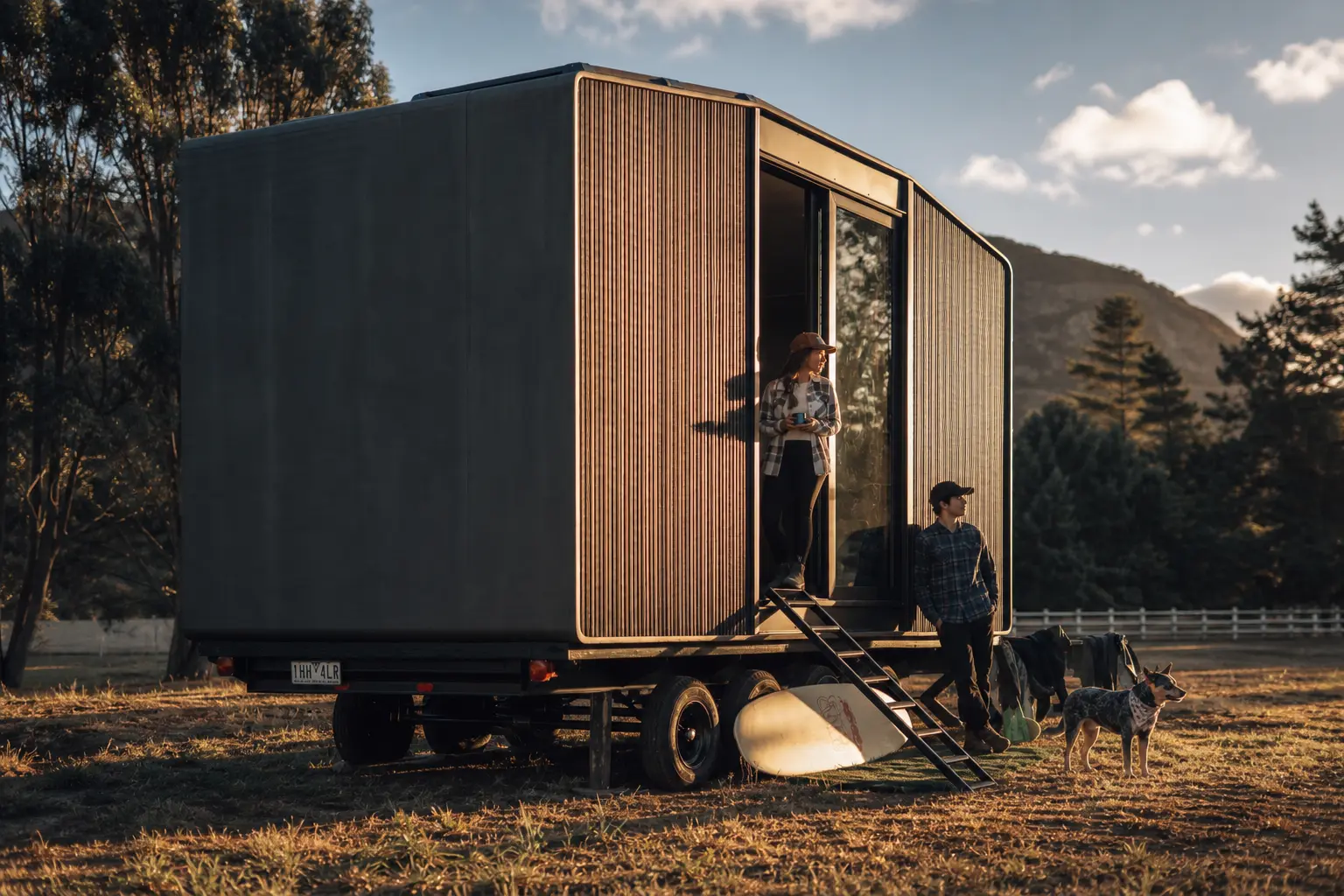
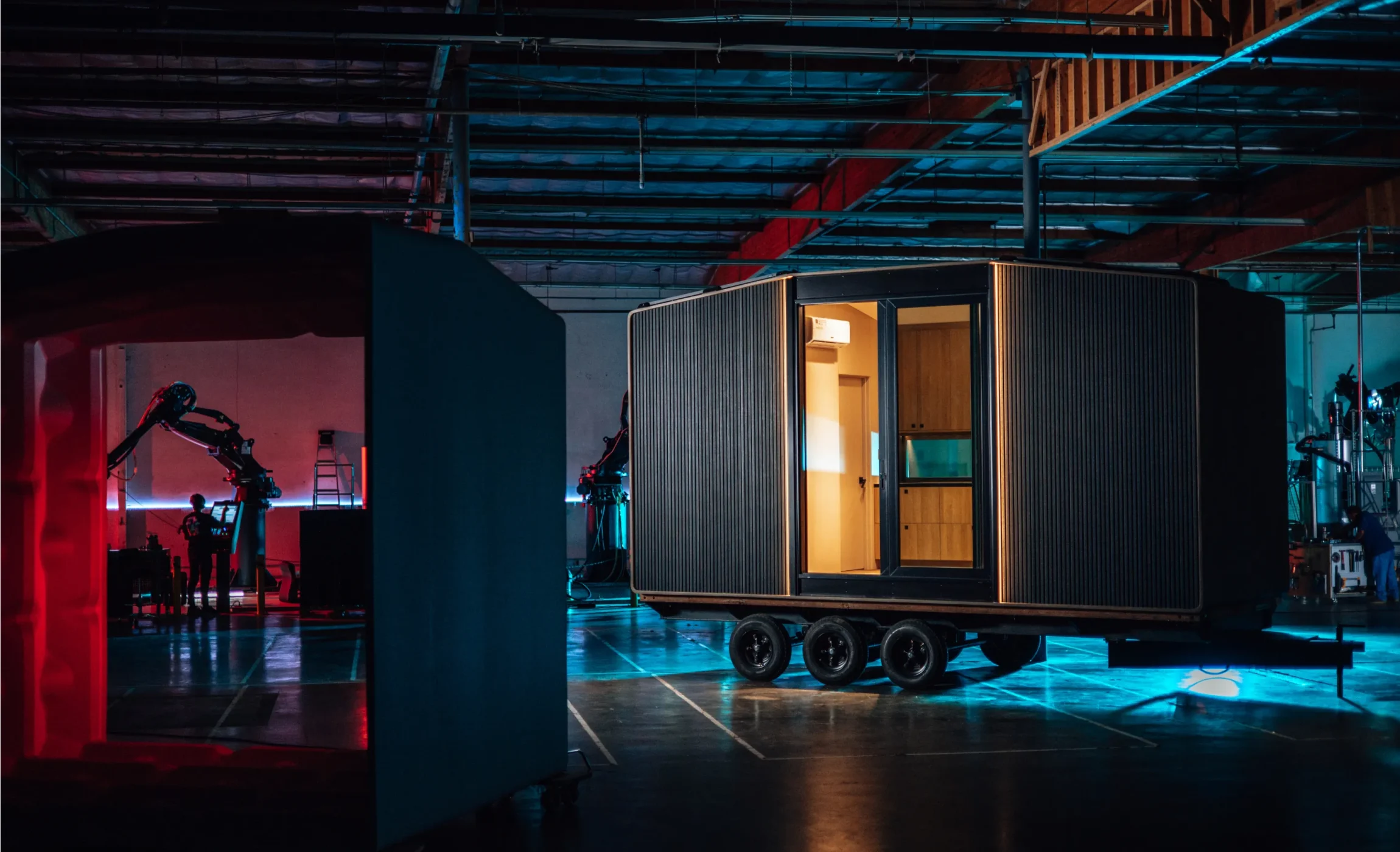
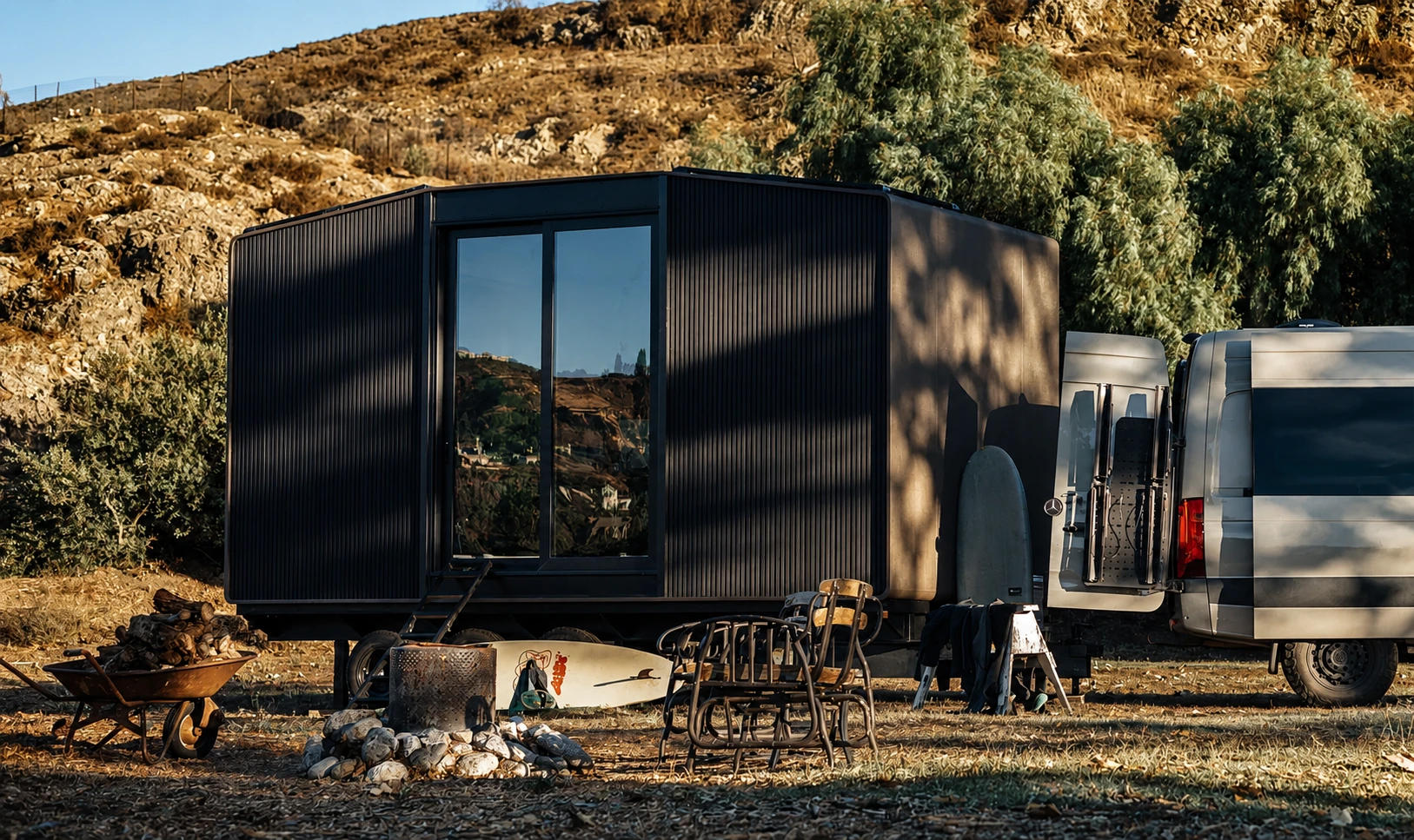
Modular construction offers another approach to developing these environments by combining efficient manufacturing with customizable designs. At Azure Printed Homes, we create robotically 3D-printed modular living spaces designed for residential, hospitality, and development applications. We combine recycled materials, automated manufacturing, and customizable designs to help businesses and developers create housing solutions that are planned around long-term use.
This approach gives organizations more control over the final space, from how units are designed to how they fit into a larger project. Instead of depending only on available rental inventory, businesses can develop accommodations that align with their operational needs and future plans.
Corporate Housing, Leasing, or Modular Housing: Which Fits?
Choosing the right housing approach depends on whether a business needs immediate access to accommodation or a long-term solution designed around specific requirements. Corporate housing, corporate leasing, and modular housing can all support different goals, but they work in very different ways.
Corporate Housing for Flexible Short-Term Needs
Corporate housing is often the most suitable option when businesses need ready-to-use living spaces without a long planning process. It works well for employee relocations, temporary assignments, and projects where the length of stay may change over time.
The main advantage is flexibility. Employees can move into furnished spaces with essential amenities already available, allowing companies to provide accommodation quickly without managing property development.
However, corporate housing depends on existing inventory. The available properties, layouts, locations, and features are usually determined by what is already on the market.
Corporate Leasing for Greater Property Control
Corporate leasing gives businesses a more structured relationship with a property owner. Instead of arranging individual stays, a company becomes responsible for the lease agreement and can use the property for employee accommodation or other business needs.
This approach can be useful for organizations that need more consistency and longer agreements. However, companies still need to adapt to existing buildings and may have limited opportunities to customize the space according to their requirements.
Modular Housing for Purpose-Built Living Spaces
Modular housing takes a different approach by focusing on creating new spaces rather than using existing properties. It can be considered when businesses, developers, or organizations need housing designed for a specific purpose.
Purpose-built modular housing can give businesses and developers more control over how spaces are planned, delivered, and used over time. Instead of adjusting existing properties to fit changing requirements, organizations can consider solutions designed around their operational goals from the beginning.
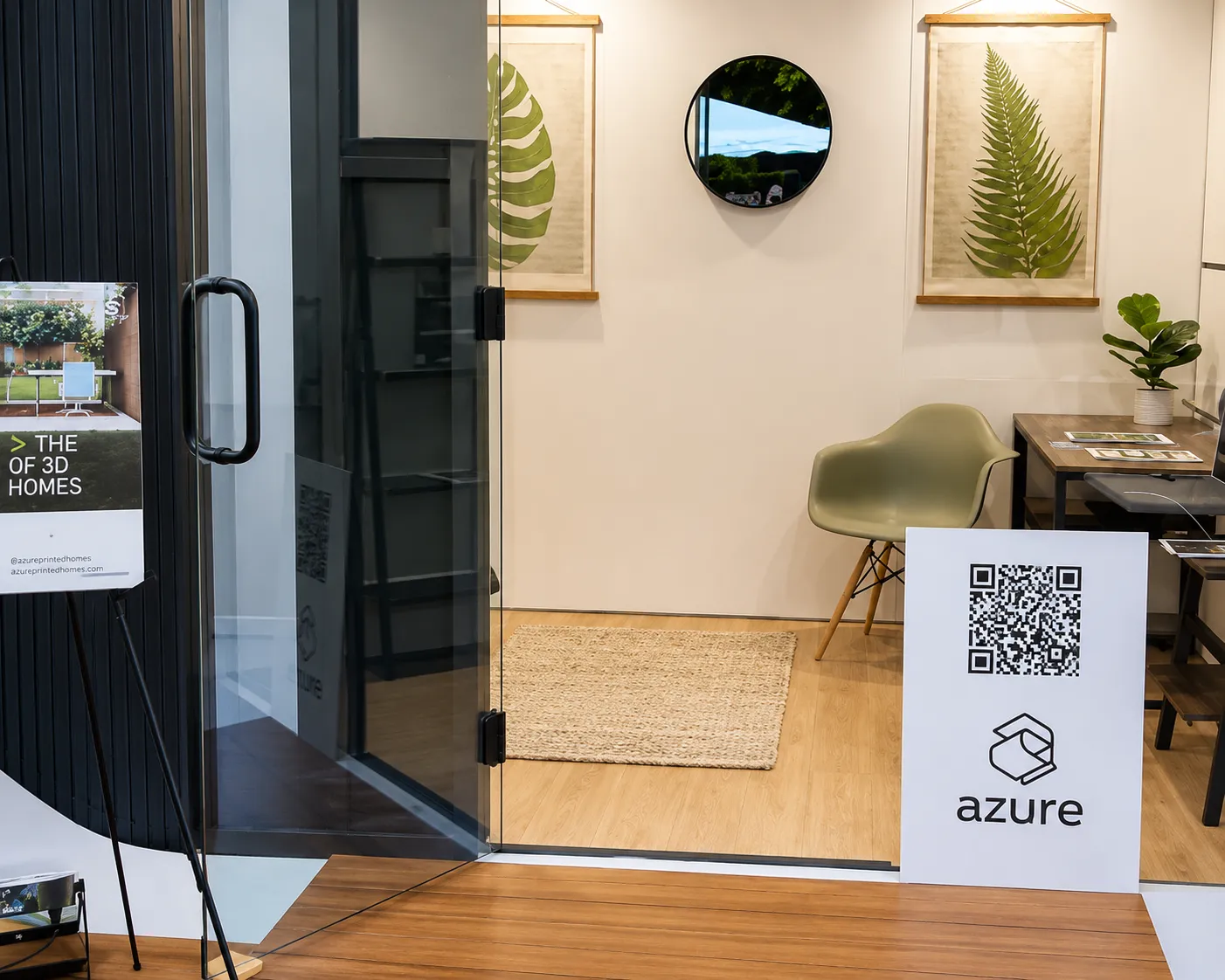
At Azure, we focus on creating flexible living spaces that can support different project strategies, from individual units to larger developments. Our approach allows businesses to plan accommodation with long-term use in mind while maintaining flexibility in design and implementation.
For businesses exploring long-term housing solutions, modular construction can provide an opportunity to develop dedicated spaces instead of relying only on available rental options. The right choice depends on whether the priority is immediate accommodation, control over an existing property, or creating a purpose-built housing solution.
Benefits of Modular Housing for Long-Term Accommodations
For businesses and developers considering long-term housing solutions, modular construction offers a way to create dedicated spaces with more control over design, production, and future use. Compared with relying only on available rental properties, modular housing can provide greater flexibility, more predictable planning, and the ability to create spaces that match specific project requirements.
This approach can be especially useful for corporate accommodation projects that need consistent layouts, efficient construction, and housing solutions that can support long-term demand. The advantages of modular construction depend on the specific provider, materials, and project goals.
We combine robotic 3D-printing technology, recycled materials, and modular construction to create future-focused living spaces. Key benefits of our approach include:
- Customizable designs: We offer both pre-designed models and custom solutions that can be adapted through our architecture, design, and modularization process to match different project requirements.
- Faster production process: Our robotic manufacturing technology allows the printing stage to be completed efficiently, while finishing, delivery, and installation are coordinated as part of the overall process.
- Material options for different applications: We offer both recycled plastic and light gauge steel construction options, allowing projects to consider different requirements, including locations where fire resistance is an important factor.
- Energy efficiency and durability: Our homes are designed with features such as insulation, double-pane windows, and construction methods that support comfort, efficiency, and long-term performance.
- Reduced material waste: Our recycled plastic construction uses materials that help reduce waste compared with some traditional building approaches. More than 60% of print material comes from recycled plastic sources.
- Support throughout the project process: We guide projects from configuration and design through approvals, manufacturing, delivery, and installation to help create a complete modular housing solution.
For organizations planning corporate housing projects, these benefits can make modular construction a practical option when the goal is to create dedicated living spaces designed around long-term needs.
Modular Living Options for Corporate and Development Projects
Corporate housing projects can require very different types of spaces depending on the number of occupants, length of stay, and intended use. A small team of employees may need compact private units, while larger developments may require residential spaces with full living features and scalable layouts.
Modular construction allows businesses and developers to consider different housing formats instead of relying on a single type of accommodation. The right option depends on whether the priority is efficient use of space, long-term residential living, or a fully customized project.
Compact Spaces for Flexible Accommodation
Smaller modular units can be a practical option when a project requires efficient use of space while still providing a dedicated private environment. These spaces can support uses such as employee accommodations, guest units, workspaces, or additional living areas.
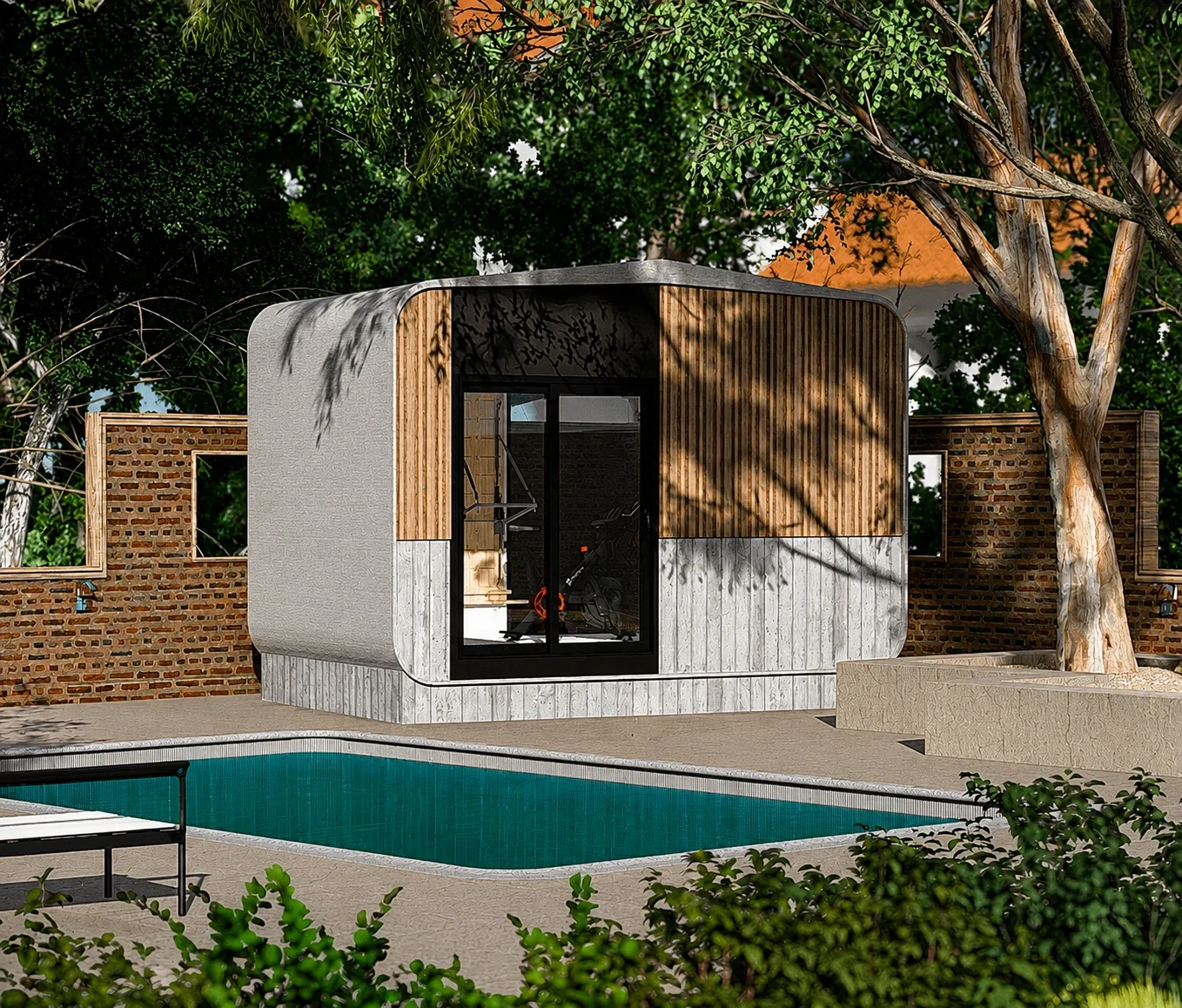
Our studios are designed for compact modular applications. Models such as the N-100 and A/D/C-120 provide standalone spaces for projects where a smaller footprint is preferred while maintaining a dedicated and functional environment.
Residential Units for Long-Term Living
For corporate housing projects that require a more complete residential experience, larger modular units can provide additional functionality. Spaces with bedrooms, bathrooms, and kitchens are better suited for longer stays where occupants need a home-like environment rather than temporary accommodation.
Our homes and ADUs collection includes residential models designed for different space requirements. Options range from more compact layouts to larger units that can support expanded living arrangements for employees, guests, or residential projects.
Custom Modular Solutions for Larger Projects
Some corporate housing and development projects require layouts that do not fit standard models. Custom modular solutions allow businesses and developers to plan spaces around specific site conditions, project goals, and long-term requirements.
We offer custom solutions that can be developed for unique projects through our architecture, design, and modularization process. This approach allows larger-scale developments and specialized housing concepts to be planned with more flexibility from the beginning.
Understanding the Cost of Modular Housing Projects
The cost of a modular housing project depends on more than the unit itself. Businesses and developers need to consider the full scope of the project, including the selected layout, customization, delivery, site preparation, permits, and utility connections.
Unlike rental arrangements, where costs are usually calculated around occupancy and monthly payments, modular housing involves creating a long-term physical asset. The overall investment depends on how the space will be used, the level of customization required, and the conditions of the installation site.
At Azure Printed Homes, we offer modular living solutions across different categories to support a variety of project goals. From compact standalone spaces to larger residential units, each option provides a different approach depending on the required size, functionality, and application.
| Category | Starting Price | Typical Applications |
| Studios and compact spaces | From $24,900 | Small standalone units, guest spaces, offices, and flexible additional living areas |
| Homes & ADUs | From $49,900 | Residential living, accessory dwelling units, employee housing, and long-term accommodation projects |
| Custom solutions | Approx. $400/sq ft | Larger projects, unique layouts, and developments requiring tailored designs |
The final project cost depends on factors such as customization, transportation, site requirements, and installation needs. Considering these elements early helps organizations better understand the full scope of a modular housing investment.
Final Thoughts
Corporate housing and corporate leasing provide valuable solutions for businesses that need flexible accommodation arrangements. They can help companies support employees during relocations, temporary assignments, and changing operational needs.
However, organizations looking for long-term housing strategies may need to consider more than access to existing properties. Creating dedicated living spaces can provide greater control over design, functionality, and future use.
Modular construction offers another way to approach corporate accommodation by combining efficient manufacturing with customizable designs. We create robotically 3D-printed modular living spaces using recycled materials and modern production methods to support a range of residential, hospitality, and development projects.
For businesses and developers planning beyond temporary accommodation, purpose-built modular housing can provide a flexible approach to creating spaces designed for the way people live and work today.