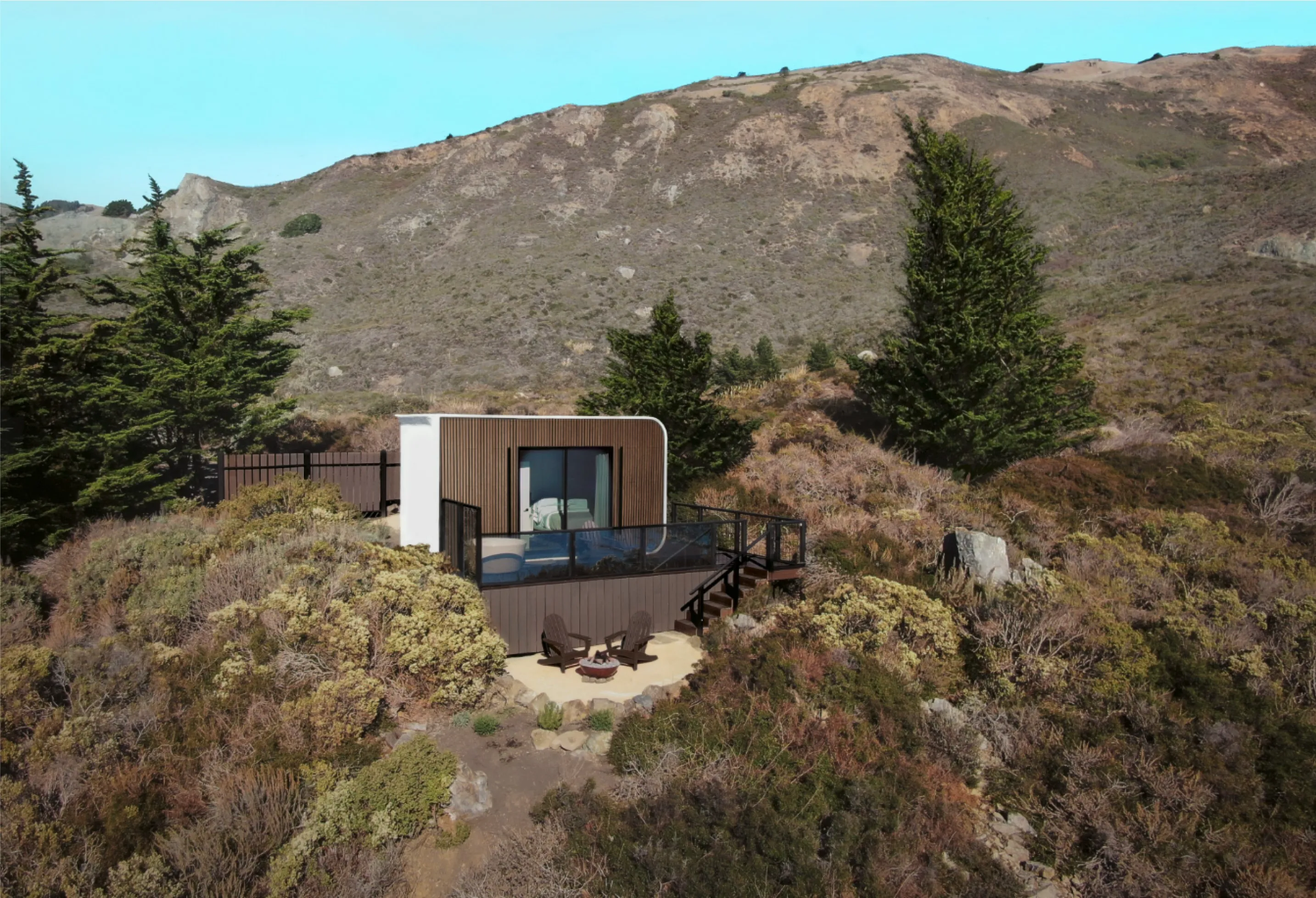
Yes, an ADU can sometimes be used as a primary residence, but the real answer depends on where the property is, how the ADU is permitted, and what local housing rules allow.
For some people, an ADU is a place for family, guests, or rental income. For others, it can become the main home on the property. That may mean a smaller space, lower upkeep, and a simpler way to live on land that already exists.
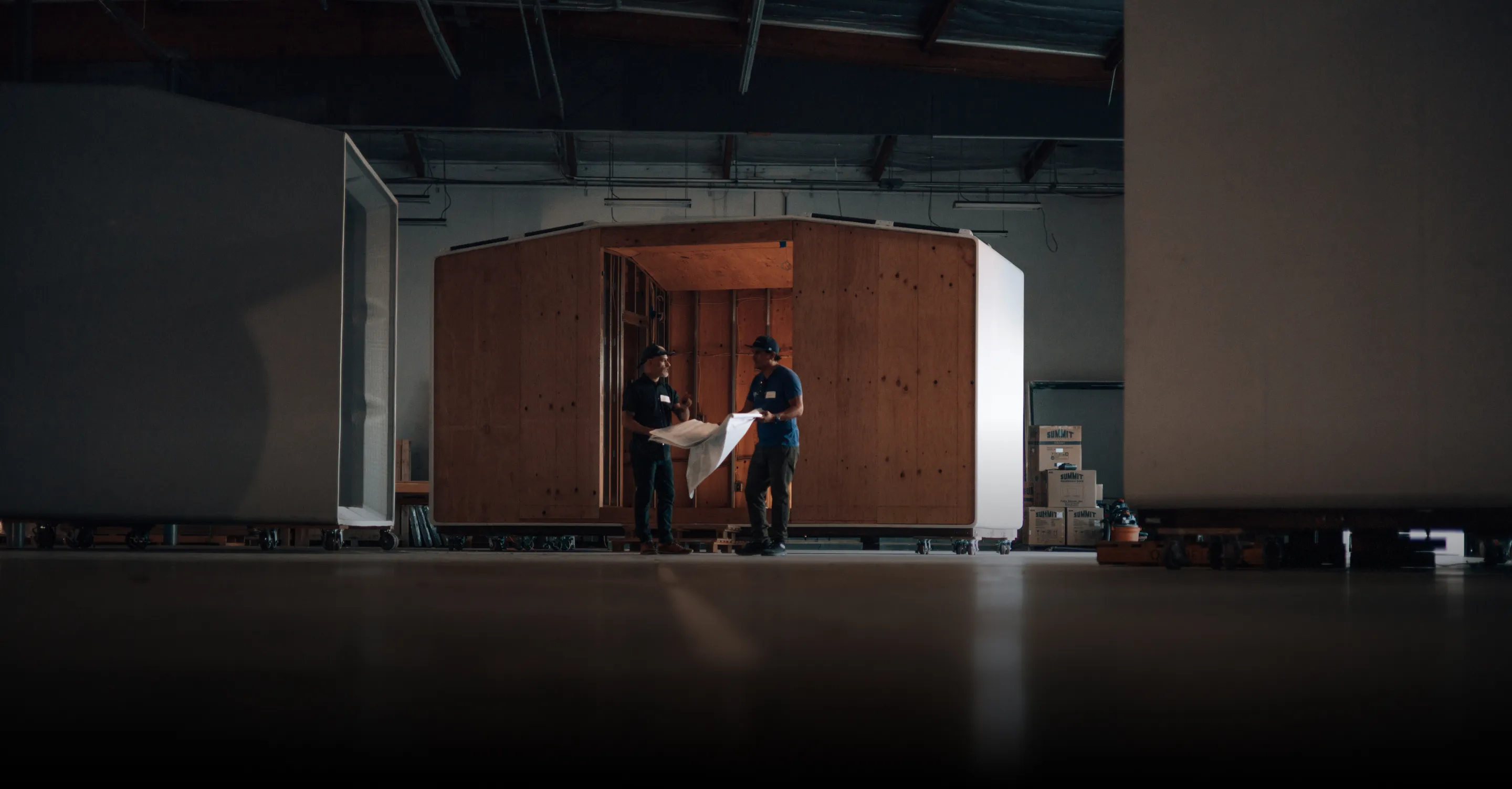
At Azure Printed Homes, we build 3D-printed modular homes with that kind of flexibility in mind. Our homes are designed to make small-space living feel practical, not like a compromise. Still, before treating an ADU as your main residence, it is important to understand the local rules, the utility setup, and what makes the space truly livable day to day.
The Simple Answer
An ADU can usually be someone’s primary residence if it is legally permitted as a dwelling and local rules allow full-time occupancy.
That does not always mean the ADU becomes the main dwelling on the property. In many cases, the original house is still considered the primary dwelling, while the ADU remains the accessory dwelling unit. But the person living inside the ADU may still use it as their main home.
So the better question is not only “Can an ADU be a primary residence?” It is also “Can this specific ADU, on this specific property, be used the way we want to use it?”
That answer comes from the permit, the local zoning rules, and the actual setup of the unit.
Primary Residence vs. Primary Dwelling
These two phrases sound similar, but they are not always the same.
A primary residence usually means the place where a person lives most of the time. It may be the address used for mail, taxes, ID records, insurance, and other personal matters.
A primary dwelling usually means the main house on a lot. An ADU is normally considered accessory to that main home, even if someone lives in the ADU every day.
That distinction matters. A homeowner may be able to live in the ADU full time, but the ADU may still be legally classified as the secondary unit on the property.
Local Rules Come First
ADU rules are not identical everywhere. State laws may support ADU development, but cities, counties, HOAs, coastal zones, fire zones, and local building departments can still affect the project.
Before planning an ADU as a primary residence, homeowners should check:
- Whether ADUs are allowed on the property
- Whether full-time residential use is permitted
- Whether the ADU can be rented
- Whether short-term rentals are restricted
- Whether owner occupancy rules apply
- Whether separate utility connections are needed
- Whether the unit can receive its own address
- Whether HOA or neighborhood rules apply
This is not the most exciting part of the process, but it is one of the most important. A well-designed ADU still needs to fit the property legally.
When an ADU Can Work as a Primary Residence
An ADU is more likely to work as a primary residence when it is planned as complete housing from the beginning.
That usually means it has:
- A bathroom
- A kitchen or kitchenette
- Sleeping space
- Heating and cooling
- Electrical service
- Water and sewer connections
- Safe entry and exit
- Enough privacy from the main house
- A layout that supports daily routines
A primary residence has to handle normal life. Someone needs to cook, shower, sleep, work, relax, do laundry, store belongings, and move through the space comfortably. Small homes can do this well, but only when the layout and utility plan are realistic.
This is why a true ADU is different from a simple backyard studio. A studio can be useful for work, hobbies, or quiet extra space, but that does not automatically make it a legal home.

When an ADU Is Not the Right Fit for Full-Time Living
Not every small structure should be treated as a primary residence.
A compact backyard studio without plumbing, kitchen space, or residential approval is not the same as an ADU. It may be great as an office, creative room, wellness space, or guest-style retreat, but it should not be used as a full-time home unless it is legally approved for that purpose.
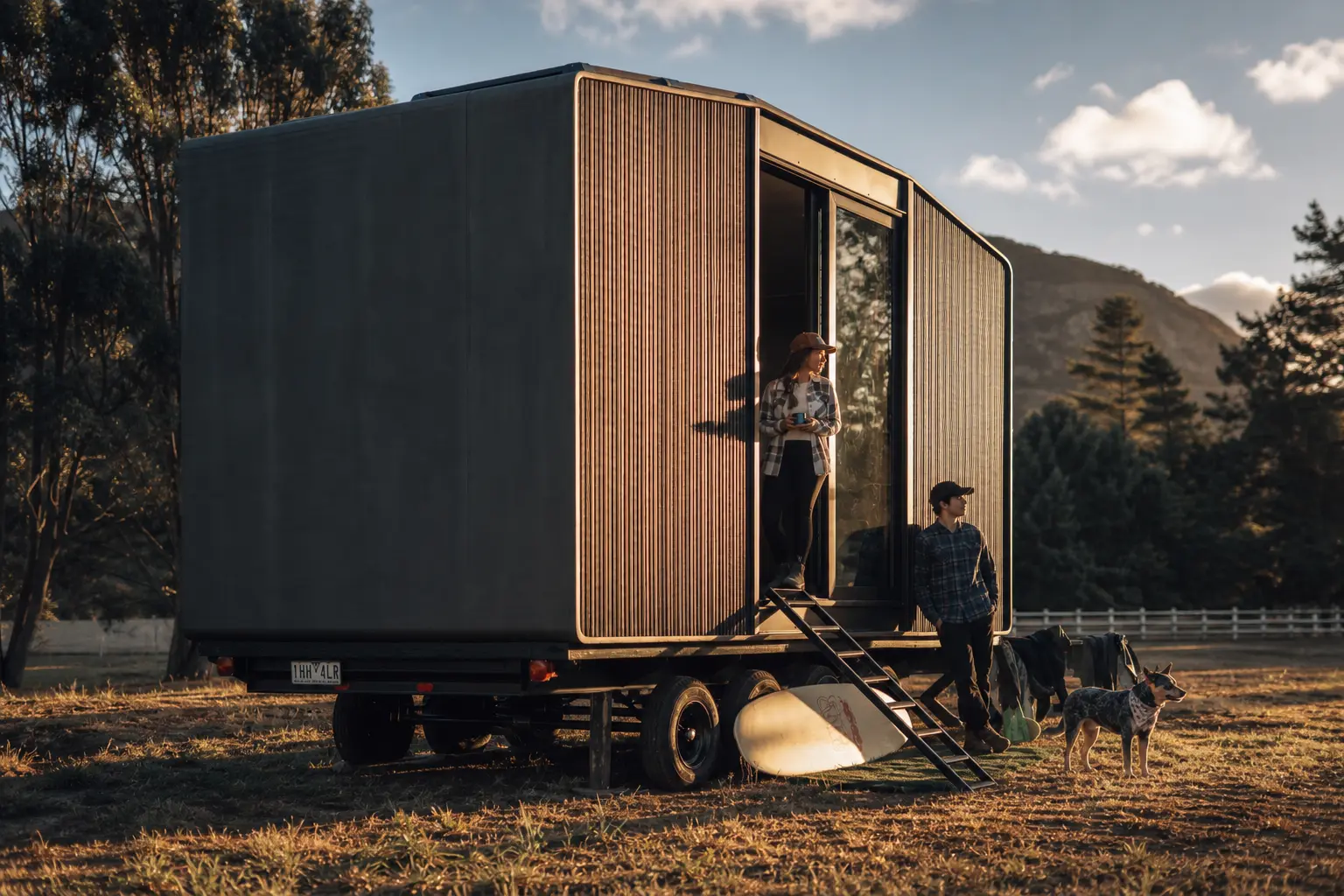
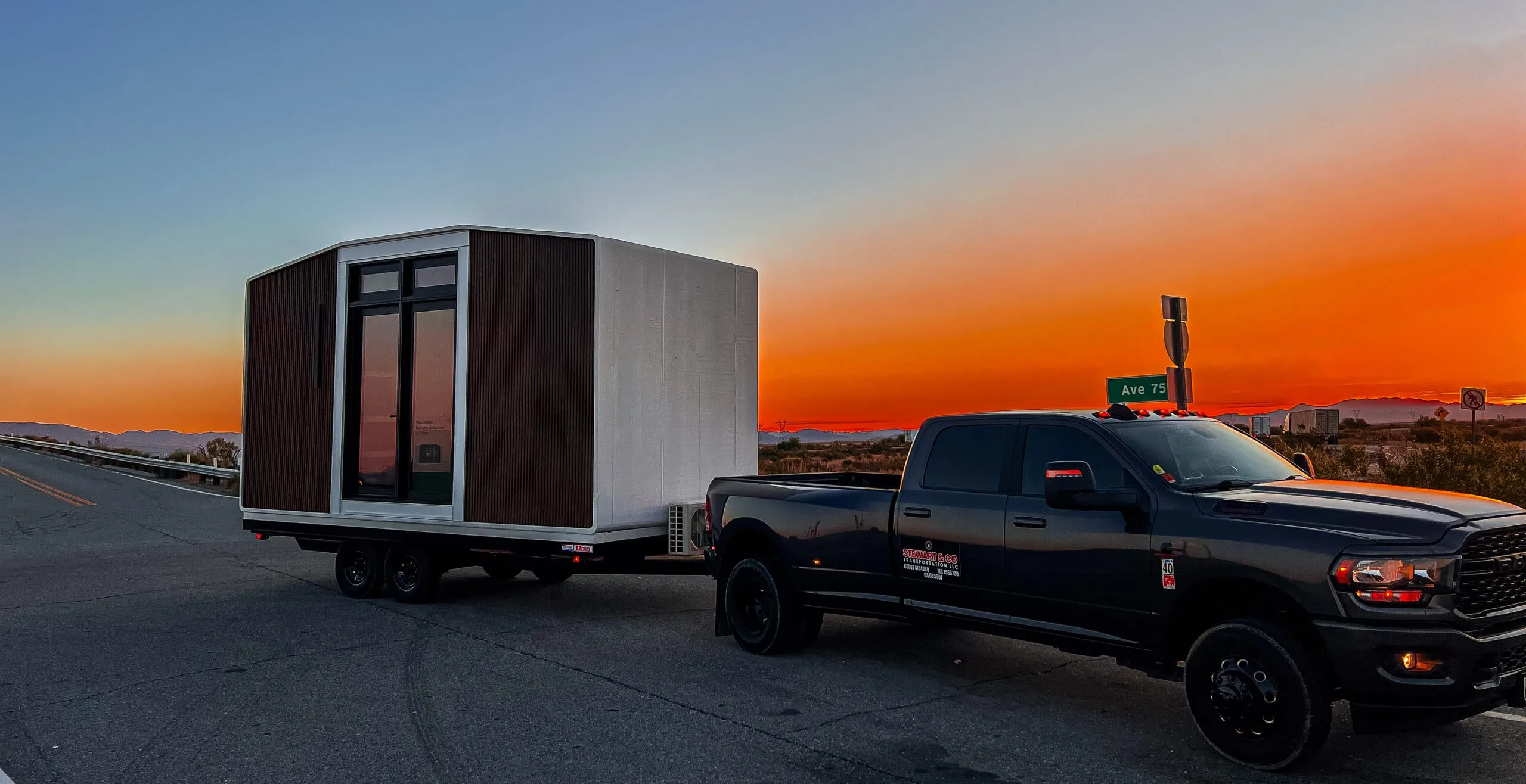
Homes on wheels can also be misunderstood. A unit on wheels may have living features, but placement rules matter. A movable home still needs a legal place to sit. Some properties and communities allow this kind of setup. Others do not.
The safest path is to start with the intended use. If the goal is full-time living, the structure needs to be planned, permitted, and connected like a real home.
Can the Homeowner Live in the ADU?
In many places, yes. A homeowner may be able to live in the ADU and use it as their primary residence.
Some homeowners consider this when they want to downsize but stay on the same property. Others may want to rent out the larger main house, create more privacy, or make better use of the land they already own.
This can be a practical setup, but it should be checked carefully. Mortgage terms, insurance, rental rules, taxes, and utility billing can all be affected.
For example, if the main house and ADU share utilities, the homeowner needs a clear way to handle monthly costs. If the main house is rented, the insurance policy may need to change. If local rules limit rental terms, that also needs to be understood before making plans.
The idea can work well, but it needs more than a good floor plan.
Can an ADU Be the Only Home on a Property?
Usually, no.
An ADU is normally accessory to a primary dwelling. That means there is usually a main home already on the lot, or one being built as part of the larger project.
A small home can be a primary dwelling if it is permitted that way. But that is different from being permitted as an ADU.
This is an important difference for homeowners who are thinking about building small. The question is not only how big the home is. The legal category matters just as much.
Utilities and Site Work Matter
Utilities are a major part of the answer.
A residential ADU usually needs electricity, water, sewer or septic service, plumbing, heating and cooling, and proper drainage. Some units may share utility systems with the main home. Others may use separate connections.
There is no single right setup for every property. The best option depends on the site, the budget, local requirements, and how the ADU will be used.
Site work matters too. A backyard may look open, but that does not mean it is ready for an ADU. Access, slope, soil, drainage, trees, fences, existing utilities, and delivery space can all affect the project.
Before using an ADU as a primary residence, homeowners should look at:
- Where the unit will sit
- How it will connect to utilities
- Whether the site needs grading
- How water will drain away from the structure
- How residents will enter and exit
- Whether emergency access is clear
- Whether the foundation plan works
- Whether the main house keeps enough privacy
The ADU and the land have to work together.
Not Every Small Space Is Built for the Same Purpose
At Azure Printed Homes, each model is built with a different purpose in mind. Some are made for extra backyard space, while others are better suited for full-time living.
Studio Series
Our Studio Series is best for extra usable space. These compact units can work well as backyard offices, creative rooms, hobby spaces, wellness rooms, or quiet retreats.
They can make a property more useful, but they are not the same as a full ADU for everyday living.
X Series Homes on Wheels
Our X Series Homes on Wheels offer more flexibility and may include kitchen, bathroom, and sleeping layouts depending on the model.
The key question is placement. A home on wheels can be practical in the right setting, but local rules decide where and how it can be used.
Homes & ADUs
Our Homes & ADUs category is the more natural fit for long-term residential use. These models are designed for more complete living arrangements, such as family housing, guest housing, rental use where allowed, or a more permanent backyard home setup.
For homeowners asking whether an ADU can be a primary residence, this is usually the category that makes the most sense to explore.
Can an ADU Have Its Own Address?
Sometimes an ADU can have its own address, but it depends on the local jurisdiction.
A separate address can help with mail, deliveries, emergency services, rental agreements, and personal records. Some cities assign a unit number. Others allow a separate address. Some handle it during or after the permitting process.
If someone plans to use the ADU as their primary residence, this question is worth asking early. It may seem like a small detail, but it can affect everyday life.
Taxes, Insurance, and Financing
An ADU may be allowed for full-time living, but the financial side still needs its own review. This is especially true if the ADU will be rented, used by the homeowner as a primary residence, or added to a property with an existing mortgage.
Mortgage Terms
If there is a mortgage on the property, it is worth checking whether the planned ADU use affects the loan terms. Some lenders may have rules around rental use, owner occupancy, or changes to the property.
Insurance Coverage
A standard homeowners policy may not be enough once an ADU is used as full-time housing. If the ADU will be rented, landlord coverage may also be needed. The safest step is to explain the intended use clearly to the insurance provider before anyone moves in.
Property Taxes
Adding an ADU can affect the property’s assessed value. The exact impact depends on the location, the type of project, and how the local assessor treats the improvement.
Rental Income
If the ADU will be rented, the income may need to be reported. Local rental rules, lease terms, and utility arrangements should also be reviewed before the unit is occupied.
Appraisal and Resale Value
A permitted ADU can change how a property is viewed by buyers and appraisers. That can be helpful, but the long-term value depends on the quality of the unit, the permits, the layout, and local demand.
Utility Billing
If the ADU shares utilities with the main house, the homeowner needs a clear way to handle monthly costs. Separate meters may make billing easier, but they can also add cost and require local approval.
This does not mean the project is complicated in a bad way. It just means the ADU should be treated like a real housing decision, not just a backyard upgrade.
Good Reasons to Use an ADU as a Primary Residence
An ADU can make sense as a primary residence in many real-life situations.
It may work well for:
- A homeowner who wants to downsize
- A parent or relative who wants nearby independence
- An adult child who needs separate living space
- A caregiver who needs to stay close
- A long-term tenant where rentals are allowed
- A couple that wants less space to maintain
- A homeowner who wants to live smaller and use the main home differently
The strongest ADU projects usually start with a clear purpose. The ADU solves a real need, and the property can support that use.
Questions to Ask Before Moving Forward
Before planning an ADU as a primary residence, ask:
- Is the unit legally permitted as a dwelling?
- Does local zoning allow full-time occupancy?
- Are rental rules or owner-occupancy rules involved?
- Will the ADU have the right utilities?
- Can the site support the unit?
- Will the ADU have enough privacy?
- Can it receive mail or a separate address?
- How will insurance be handled?
- How will utility bills be managed?
- Will the space still make sense years from now?
Clear answers make the whole project easier to plan.
Final Thoughts
An ADU can often be used as a primary residence, but only when the legal approval, site conditions, utility setup, and design all support that use.
The ADU may still be considered accessory to the main home, but the person living there can use it as their main place to live if the rules allow it. That difference is important.
For us, the best ADU projects are practical from the beginning. The unit fits the property. The layout fits daily life. The permits match the intended use. The utilities are planned early. Nothing is forced.
That is when an ADU becomes more than extra space. It becomes a real home.