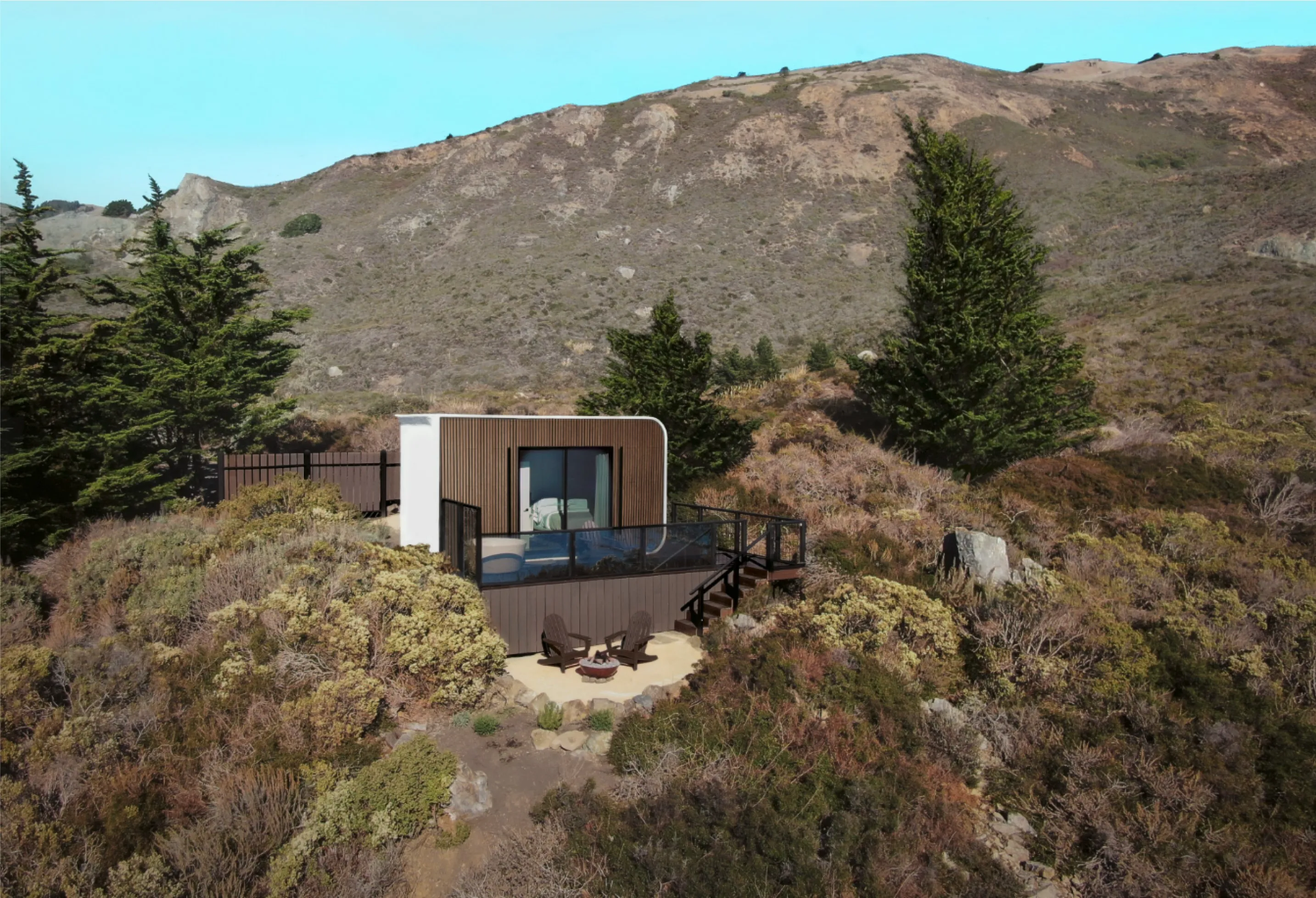
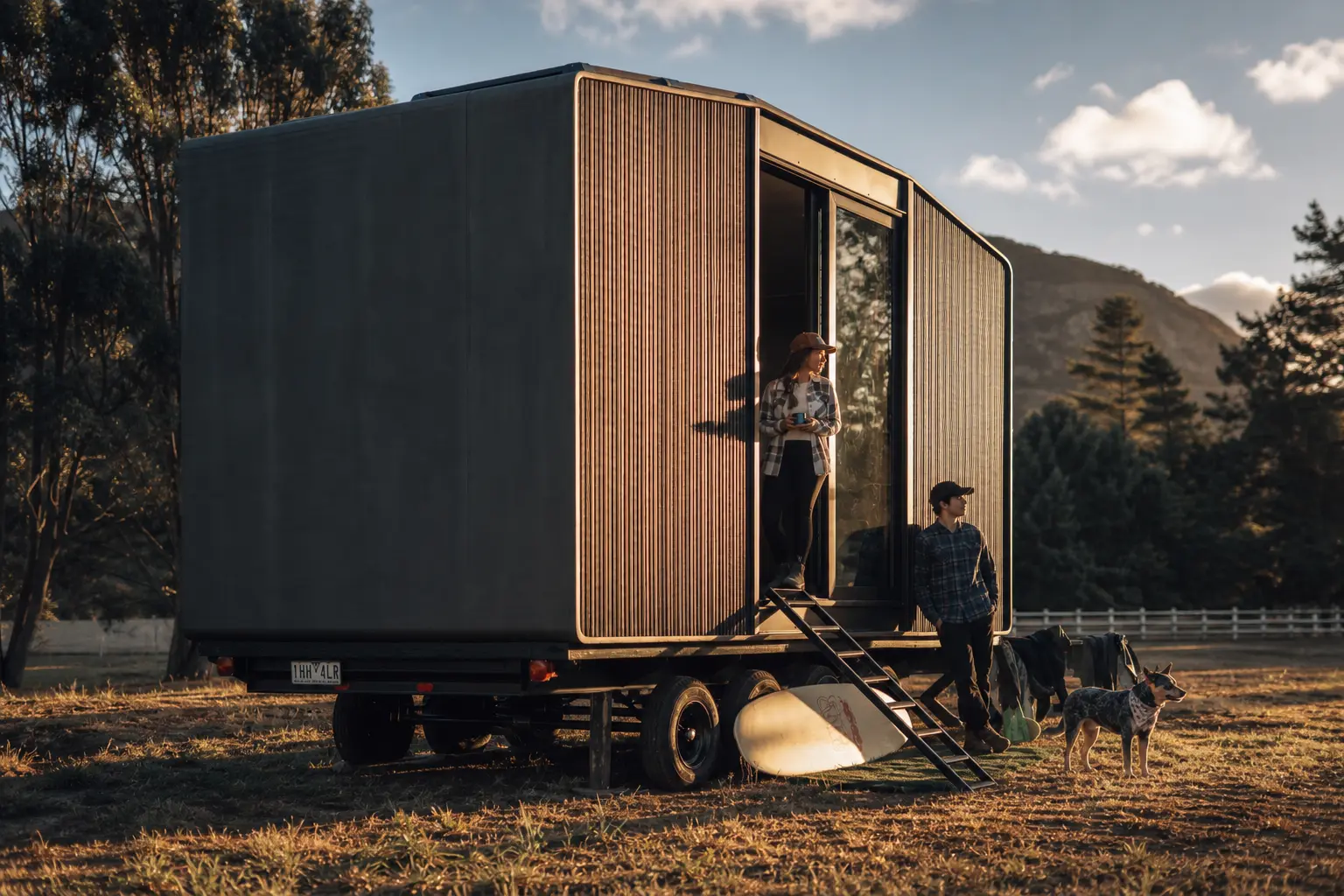
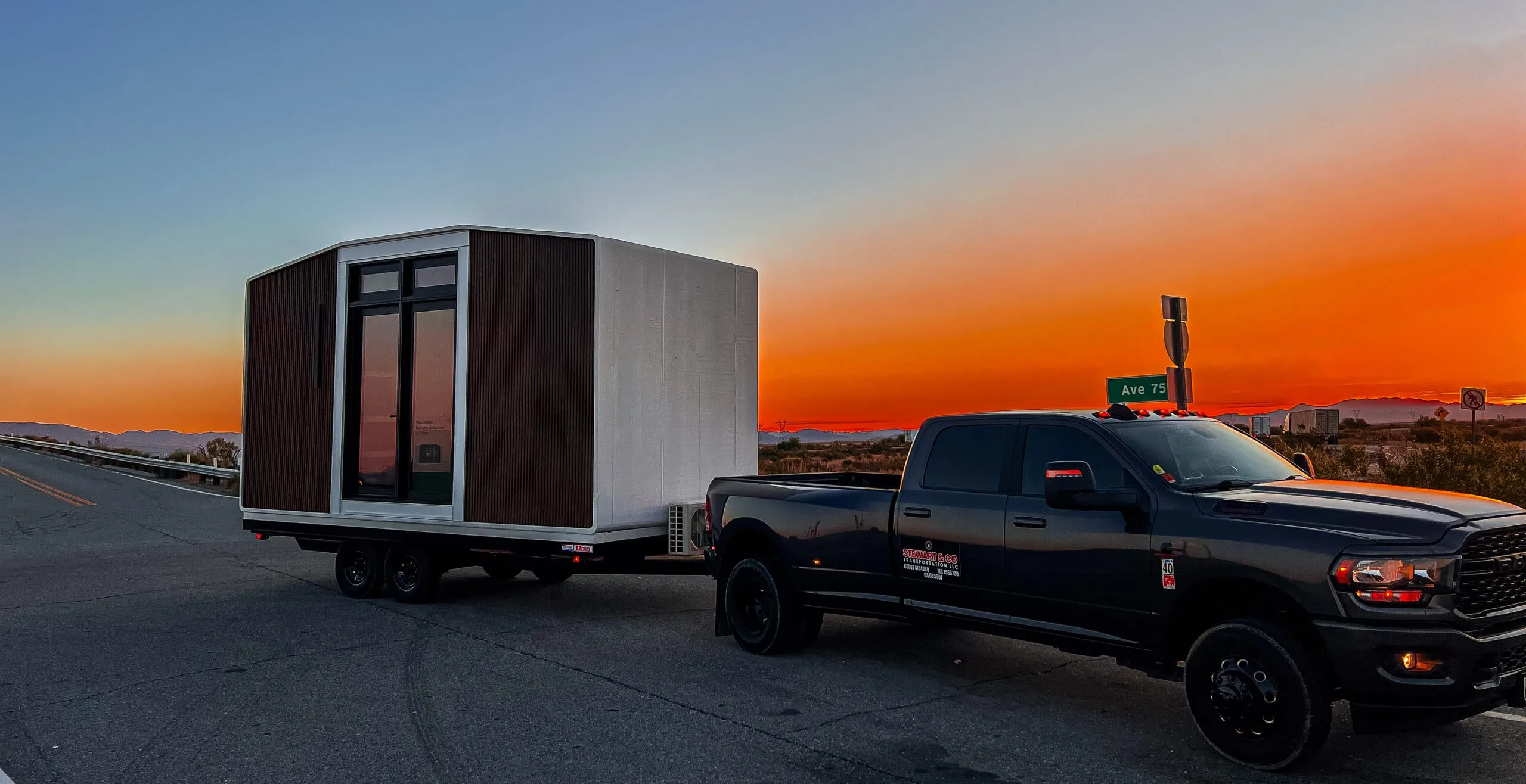
San Diego is a great place to think seriously about an ADU. The weather is good, housing is expensive, and many homeowners already have land that could do more than sit there as unused backyard space.
Still, once people get interested, the same question comes up fast: how much does it cost to build an ADU in San Diego?
At Azure Printed Homes, we think the better way to answer that question is to separate the home from the whole project. The ADU model is one part of the budget. The property around it is the other part. Site conditions, permits, foundation, utilities, access, delivery, installation, and any extra work needed to make the unit ready to use can all affect the final number.
We know that answer is not as clean as a single price. But it is the honest one. ADUs are real homes, even when they are small. A compact backyard unit and a larger two-bedroom ADU are not the same project. A flat lot with easy access is not the same as a sloped lot with a long utility run. San Diego also has local rules, coastal areas, older homes, hillsides, and tight lots, so the site can make a big difference.
This guide breaks down the cost in a practical way, so you can understand what you are really paying for before you get too far into planning.
Why One San Diego ADU Can Cost More Than Another
Two homeowners can choose the same ADU model and still end up with different project totals. That can be frustrating at first, but it makes sense once you look at the property.
An ADU is not just a product. It is a small home that has to work with the land around it.
Some of the biggest cost drivers include:
- Lot slope
- Backyard access
- Distance from the street
- Utility connection distance
- Electrical panel capacity
- Sewer or septic conditions
- Water service location
- Foundation needs
- Drainage work
- Fire access
- Coastal or hillside review
- Local fees and inspections
- Design changes after planning starts
A wide, flat lot with a clear path to the backyard is usually easier to work with. A narrow lot with limited access, retaining walls, old utility lines, or drainage problems will need more planning.
This is why we do not like vague promises around ADU pricing. A low number can sound great online, but it does not help if it leaves out the work that actually makes the ADU livable.
The Model Price Is Only the Starting Line
The model price is the easiest number to understand, because you can see what you are choosing. A 360 sq ft ADU costs less than a 900 sq ft ADU because it is smaller, simpler, and has fewer rooms.
But the model price is not the same as the move-in-ready price.
A complete ADU project may include:
- Design coordination
- Permit drawings and submittals
- Engineering as needed
- City review
- Site preparation
- Foundation work
- Utility trenching and connections
- Delivery planning
- Crane or equipment access if needed
- Installation
- Final inspections
- Exterior touch-up or site restoration
Some properties need only basic site work. Others need more. That is why the first real step is not picking the biggest model that fits the budget on paper. It is understanding what the site will require.
The ADU itself matters. The land matters just as much.
Start With the ADU Model, Then Price the Site
A good ADU budget has two parts.
First, there is the cost of the unit itself. This is the clearest starting point because it is tied to the model, size, layout, and finishes.
Second, there is the cost of everything required around the unit. This is where San Diego projects can vary. Site work, permits, foundation, utility connections, drainage, delivery access, installation, and inspections all affect the final number.
At Azure Printed Homes, our Homes & ADUs line currently includes these starting prices:
| Azure ADU Model | Size | Layout | Starting Price |
| A-360 | 360 sq ft | Kitchen, 1 bedroom, 1 bathroom | $89,900 |
| A-540 | 540 sq ft | Kitchen, 1 bedroom, 1 bathroom | $134,900 |
| A-720 | 720 sq ft | 1-bedroom or 2 junior bedroom option, 1 bathroom | $174,900 |
| A-900 | 900 sq ft | Kitchen, 2 bedrooms, 1.5 bathrooms | $219,900 |
These prices are useful for early planning. They help you compare sizes and think about what kind of ADU actually fits your life.
But they should not be treated as the total project cost. A finished ADU in San Diego needs more than the structure. It needs to be permitted, placed, connected, inspected, and made usable on your specific property.
That is where the real planning begins.
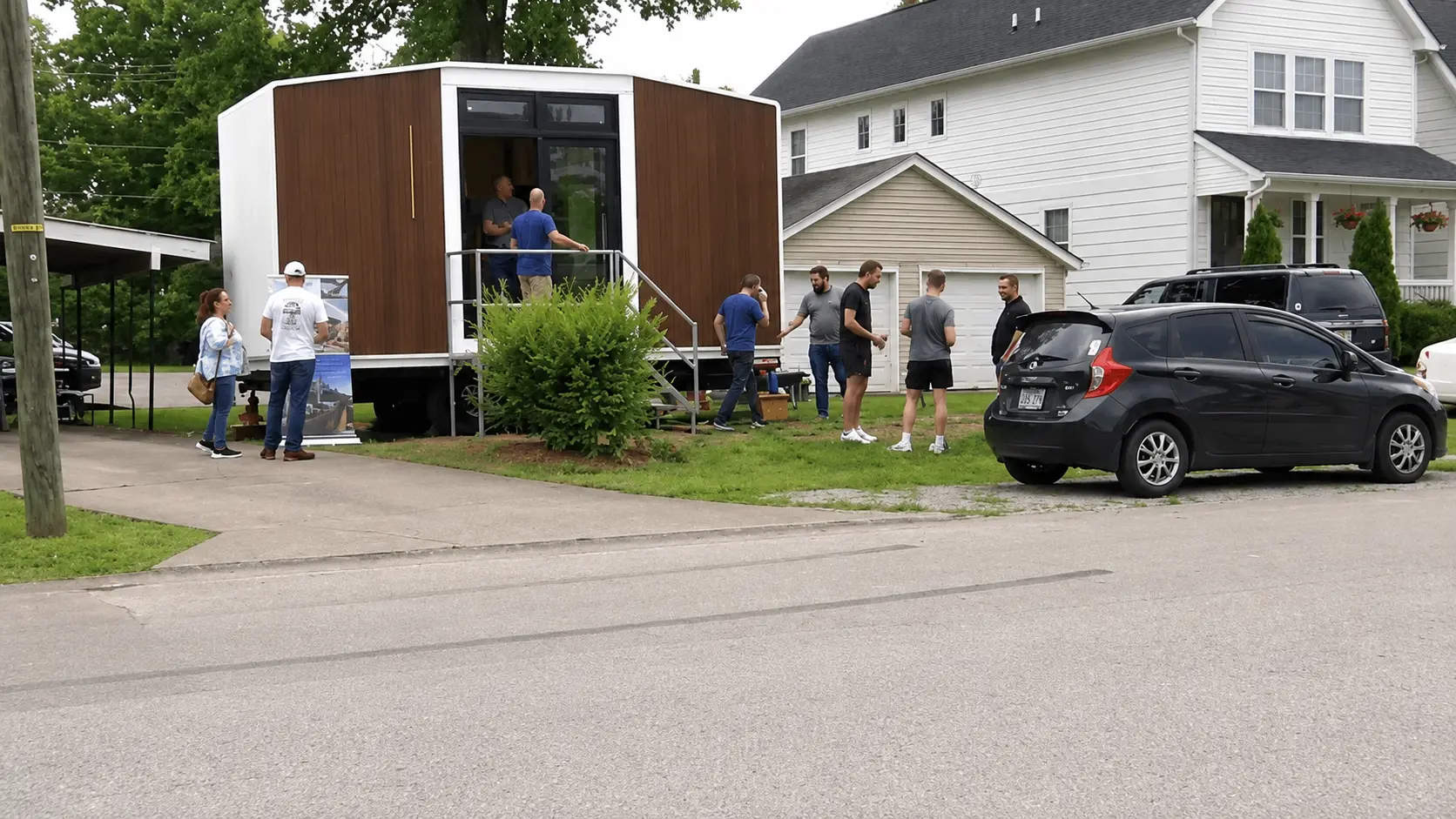
San Diego Permits Are Part of the Budget
In San Diego, an ADU needs to go through the local building permit process. That means homeowners should plan for permit review, required drawings, documentation, inspections, and any property-specific requirements.
This does not mean the project has to be scary. It just means permits should be treated as part of the plan, not as an afterthought.
What the City Will Care About
San Diego’s review process is not only about the ADU model itself. The city will also look at how the unit fits on the property, how it connects to the site, and whether it meets the rules for safe residential use.
Placement, Size, and Setbacks
One of the first questions is where the ADU will sit on the lot. Setbacks from property lines, the overall unit size, height, and access around the structure can all affect the review. A design that works on one property may need changes on another if the lot is smaller, tighter, or shaped differently.
Utilities, Drainage, and Safety
The city may also review utility connections, fire safety, stormwater and drainage, energy requirements, foundation details, and anchoring. These items are not always the parts homeowners think about first, but they are what make the ADU safe, usable, and ready for everyday living.
Access and Special Site Conditions
Construction and delivery access matter too. The project has to be practical to install, not just nice to look at on paper. Some San Diego properties may also need extra review because they are near the coast, on a slope, or in a more constrained site condition.
San Diego properties can be very different from one neighborhood to another. A standard inland lot may not face the same review issues as a property near the coast or in a hillside area.
That is why early permit review is worth the time. It can prevent expensive surprises later.
Utilities Can Change the Number Quickly
Utilities are one of the biggest differences between a backyard room and a true ADU.
A full ADU needs water, sewer, power, and heating and cooling. It may also need upgrades depending on the existing home and the planned use of the unit.
A short utility run is easier. A long trench across the property costs more. An electrical panel with enough capacity is easier. A panel that needs upgrading adds cost. A sewer line in the right place is easier. A complicated sewer connection can change the budget.
This is not the exciting part of ADU planning, but it is one of the most important parts.
Common Utility Questions
Before the budget is realistic, homeowners should ask:
- Where will the ADU connect to water?
- Where will the sewer line connect?
- Does the electrical panel need an upgrade?
- How far is the ADU from existing utility connections?
- Will trenching affect patios, landscaping, concrete, or hardscape?
- Does the property need drainage improvements?
- Are solar or battery systems part of the plan?
A good floor plan can make an ADU attractive. Good utility planning makes it usable every day.
Site Work Is Where Budgets Get Real
Site work is the part many homeowners underestimate. It is also the part that varies the most.
A clean, level backyard with easy access is one thing. A narrow side yard, sloped lot, mature trees, low overhead wires, retaining walls, or tight turning space is another.
Site work may include clearing the area, preparing the foundation location, improving drainage, grading, protecting existing landscaping, removing old structures, or creating access for delivery and installation.
San Diego has plenty of properties where the backyard looks simple until someone starts asking practical questions. Can the unit get back there? Is there enough room to maneuver? Where will the equipment go? Will anything need to be removed first?
These are not small details. They can affect cost, timeline, and model choice.
Foundation and Drainage Should Not Be Rushed
An ADU needs to sit properly. That sounds obvious, but foundation and drainage planning can decide whether the project works well for years.
The foundation has to match the unit, the soil conditions, local requirements, and the installation method. Drainage has to move water away from the structure instead of letting it collect underneath or around it.
In a dry-looking yard, drainage might not feel urgent. Then the first heavy rain comes, and suddenly it matters a lot.
For San Diego homeowners, foundation and drainage should be priced early. A stronger plan at the beginning is usually better than fixing water or settling problems later.
Choosing the Right Azure ADU Size
The best ADU size is not always the biggest one. It is the one that matches the use case, budget, property, and local rules.
Our Homes & ADUs models are designed for people who need real living space, not just a backyard office. They include kitchens, bathrooms, sleeping space, and layouts that can support family housing, guest use, or rental potential where allowed.
A-360: Compact and Practical
The 360 sq ft model is our smallest Homes & ADUs option. It can work well for a compact living setup, guest space, or a smaller rental unit where local rules allow it.
It is a good fit when the goal is to add a complete unit without taking over the entire yard. The smaller footprint can also help on tighter lots, though the site still needs to support utilities, access, and placement.
A-540: More Breathing Room
The 540 sq ft model gives a little more comfort while staying efficient. For one person, a couple, or a family member who needs privacy, this size can feel more livable than a very compact ADU.
It can be a good middle option for homeowners who want a real one-bedroom layout without jumping to a larger footprint.
A-720: Flexible Bedroom Planning
The 720 sq ft model gives homeowners more flexibility. The one-bedroom option can create a roomier feel, while the two junior bedroom option may work better for certain family or guest needs.
This size starts to feel less like a tiny unit and more like a small home.
A-900: The Largest ADU Option
The 900 sq ft model is our largest Homes & ADUs layout, with 2 bedrooms and 1.5 bathrooms. It is a stronger fit for modern families, long-term guests, or homeowners who want more room for future flexibility.
The larger size can be more comfortable, but it also means the site, budget, and local review need to support the bigger plan.
A Cheaper ADU Is Not Always the Better ADU
It is easy to shop by the lowest starting price. We understand why. ADUs are a big decision, and everyone wants to keep costs under control.
But the cheapest option is not always the best value.
A smaller ADU may save money upfront, but it may not work for the person who will live there. A unit that feels too tight can limit rental appeal, family comfort, storage, and long-term usefulness. On the other hand, choosing a larger model than the property or budget can support may create stress before the project even starts.
The better question is: what does this ADU need to do?
If it is for an older parent, comfort, access, bathroom layout, and daily ease matter. If it is for rental potential, privacy, durability, and a complete living setup matter. If it is for an adult child, storage, work space, and separation from the main house may matter more than extra square footage.
The right ADU is the one that fits real life, not just the one that looks good in a price table.
How Our Building Approach Helps With Cost Predictability
Traditional backyard construction can be messy. Work happens outside for a long time. Weather matters. Labor schedules shift. Materials arrive at different times. One delay can push another trade out by weeks.
We take a different path.
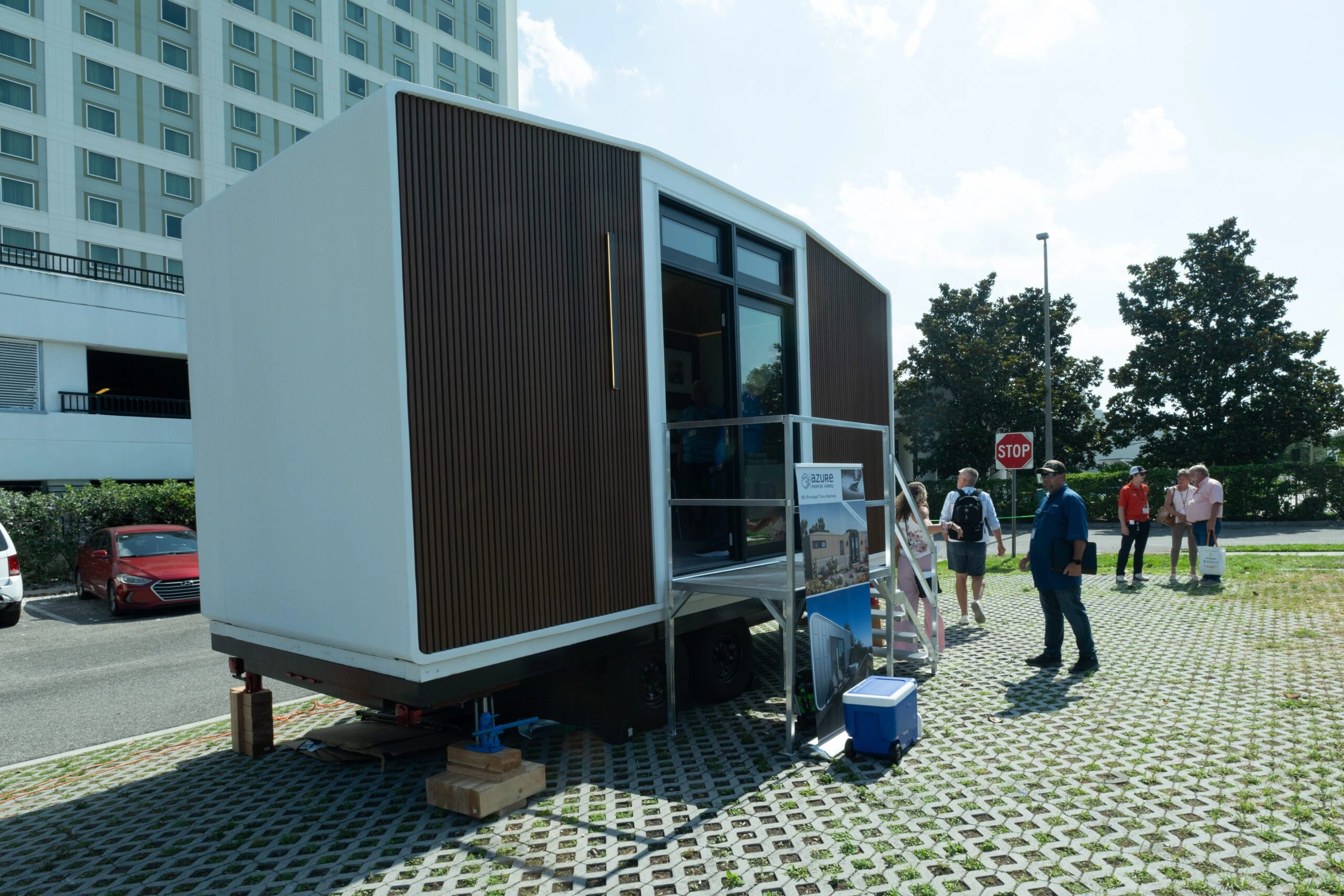
At Azure Printed Homes, we use robotic 3D printing and off-site fabrication to create modular living spaces with recycled plastic. The largest of our ADU models can be printed in just one day, and the process is designed to reduce the uncertainty that often comes with conventional construction.
That does not remove the need for permits or site work. A San Diego ADU still has to be approved, delivered, installed, connected, and inspected. But a more controlled production process can help homeowners avoid some of the open-ended mess that comes with building everything from scratch in the backyard.
We see that as one of the biggest advantages of prefab and printed construction. It does not make planning disappear. It makes the planning easier to understand.
The Value Is Not Only in the Price
Cost matters, but an ADU should also make sense as a long-term use of the property.
At Azure Printed Homes, sustainability is part of that value. Our homes use recycled plastic in the printing process, with the equivalent of about 100,000 plastic bottles used for every 120 sq ft. It is a simple way to picture how material choices can reduce waste while still creating a durable living space.
Rental Value Needs Real Math
Many San Diego homeowners look at ADUs for rental potential. That can work well where local rules allow it, but the plan should include more than expected rent.
The budget should also account for utilities, insurance, maintenance, vacancy, repairs, property tax changes, rental rules, and long-term wear. A rental ADU works best when the space is practical first and financially attractive second.
Family Use Can Be the Clearest Reason
Not every ADU is about rental income. Many homeowners build one for a parent, adult child, guest, caregiver, or changing family needs.
That kind of value is harder to measure, but it often makes the decision clearer. When you know who will use the ADU and how they will live in it, the size, layout, and budget choices become easier.
A Simple Budget Checklist Before You Start
Before choosing a model, it helps to slow down and check the basics. This can save time, money, and a lot of back-and-forth later.
Use this early checklist:
- What is the main use: family, rental, guest space, or long-term living?
- Which model size fits that use?
- Does the property have enough room for the unit?
- Is backyard access clear enough for delivery and installation?
- How far are water, sewer, and power connections?
- Will the electrical panel need an upgrade?
- Does the lot need grading or drainage work?
- Is the property in a coastal, hillside, fire, or special review area?
- What permits and inspections will be required?
- Is the budget based on the full project, not just the model price?
These questions are not meant to slow the project down. They are meant to make the project more realistic from the beginning.
So, How Much Should You Budget?
For an Azure ADU in San Diego, the unit itself currently starts at $89,900 for the 360 sq ft model and goes up to $219,900 for the 900 sq ft model.
The full project budget will be higher once you include site-specific work. That may include permits, foundation, utilities, delivery, installation, inspections, and any upgrades needed on the property.
A homeowner with a simple lot may have a more straightforward budget. A homeowner with a sloped yard, difficult access, long utility runs, or coastal review may need to plan for more.
That is the real answer. The ADU price starts with the model, but the final cost is shaped by the site.
If someone gives one all-in number for every San Diego backyard, it is worth slowing down. ADUs are too property-specific for that.
Final Thoughts
Building an ADU in San Diego can be a smart way to add living space without leaving the property you already have. It can support family, create rental potential where allowed, or make the home more flexible as life changes.
The key is to budget the right way.
Start with the model price. Then look at the land, permits, foundation, utilities, delivery, and installation. That is how a rough idea turns into a real plan.
At Azure Printed Homes, we build 3D-printed modular homes to make adding an ADU feel more practical, more predictable, and less wasteful than traditional construction. Homeowners should still have a clear view of the full project before moving forward. A strong ADU budget is not built around the lowest starting price. It is built around the full picture – the home, the site, the permits, the utilities, and the work needed to bring everything together.
In San Diego, that full picture starts with the model, but it ends with the property.