Modular homes can be safe, permanent structures when they are built to the right code, installed correctly, and anchored to a proper foundation. But no regular home should be treated as tornado-proof. That includes modular homes, site-built homes, ADUs, and most residential structures.
A tornado is not just “high wind.” It can bring extreme uplift, pressure changes, flying debris, roof damage, broken windows, and structural loads that ordinary homes are not always designed to resist. So the honest answer is: a well-built modular home can be as safe as a comparable code-compliant home, but tornado safety still depends on the foundation, anchoring, local wind requirements, design details, site conditions, and whether there is a real storm shelter or safe room nearby.
Since we build 3D-printed prefab spaces, ADUs, homes, and modular-style building systems, we at Azure Printed Homes do not look at storm safety as a marketing claim. It has to come back to the structure, the site, the code path, and how people will actually shelter when warnings happen.
Modular Does Not Mean Weak
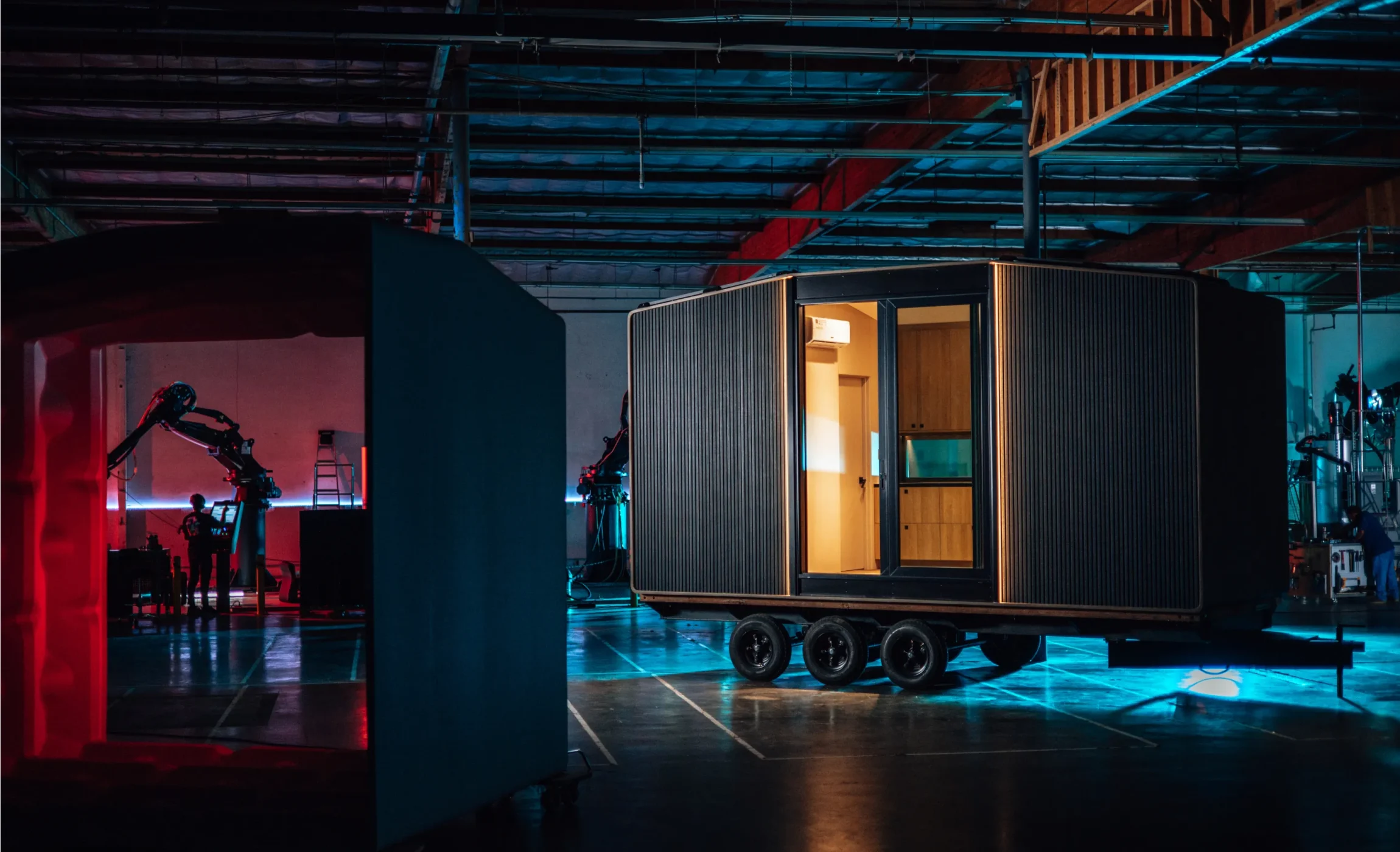
A modular home is built off-site in sections or components, then assembled on the property. That does not make it temporary or automatically less safe. HUD describes modular homes as factory-built homes made from individual sections that are assembled on-site, and factory-built homes such as modular homes generally follow local building codes rather than the federal HUD Code used for manufactured homes.
That distinction matters. Modular homes are often confused with manufactured or mobile homes, but they are not the same category. A modular home installed on a permanent foundation and reviewed under local building code should be judged by its design, construction quality, foundation, anchoring, and approvals.
The word “modular” only explains how the home is produced. It does not, by itself, tell you how well the home will perform in severe weather.
What “Safe” Means during a Tornado
When people ask whether modular homes are safe in a tornado, they often mean two different things.
The first question is whether the home is structurally reliable. That depends on code compliance, engineering, foundation, connections, materials, and installation. A modular home can be strong and durable when those details are handled properly.
The second question is whether the home is the safest place to shelter during a tornado. That is a different standard. FEMA says properly designed and constructed safe rooms provide the highest level of protection from tornadoes and other extreme windstorms.
So a modular home can be a good home and still not be a tornado shelter. Those are two separate ideas.
For regular residential sheltering, Ready.gov recommends going to a safe room, basement, or small interior windowless room on the lowest level of a sturdy building when a tornado threatens.
The Main Things That Affect Tornado Safety
Tornado performance is not decided by one feature. It is usually a chain of details working together.
Foundation And Anchoring
The foundation is one of the most important parts of severe-weather performance. A strong structure still needs to be properly supported and attached to the ground.
For our units, a slab is not always necessary, but a perimeter concrete or CMU foundation is advisable. We also advise bolting each unit down to the foundation with hold-down bolts, similar to traditional structures. More specific foundation designs may be needed when the site is not a standard flat lot with good, compacted soil.
That kind of planning matters in high-wind regions. The home, foundation, anchors, and soil conditions all need to work together.
Roof, Wall, And Connection Details
Tornado winds can pull upward, push sideways, and send debris into the structure. Roof-to-wall connections, wall strength, openings, module connections, and fastening details all matter.
A modular home should not only look finished after assembly. The parts need to be properly connected, sealed, anchored, and inspected. In tornado-prone regions, buyers should ask how the home is designed for local wind loads and what code requirements apply.
Windows And Flying Debris
Many tornado injuries happen because of debris. Windows, doors, garage-style openings, and exterior walls can become weak points in severe wind events.
This is why sheltering guidance usually points people away from windows and toward interior spaces. The National Weather Service says that if there is no basement, people should go to an inside room without windows on the lowest floor, such as a hallway, bathroom, or closet.
Even in a well-built home, the best shelter location is usually not next to exterior walls or large glass areas.
Site Conditions
The land can affect safety too. A home on a properly prepared foundation with good drainage, stable soil, and clear anchoring is in a better position than a home placed without enough site planning.
This is true for modular homes, prefab homes, ADUs, and site-built homes. The structure and site should be planned together, especially in areas that see severe storms.
Modular Homes vs Mobile Homes in Tornadoes
This is one place where the wording really matters.
A modular home on a permanent foundation is not the same as a mobile or manufactured home. The National Weather Service has warned that mobile and manufactured homes are much more dangerous places to be during tornadoes, with research showing residents are 15-20 times more likely to be killed compared with residents in permanent homes.
That does not mean a permanent modular home is automatically safe in every tornado. It means it should not be grouped casually with mobile homes just because both can involve factory production.
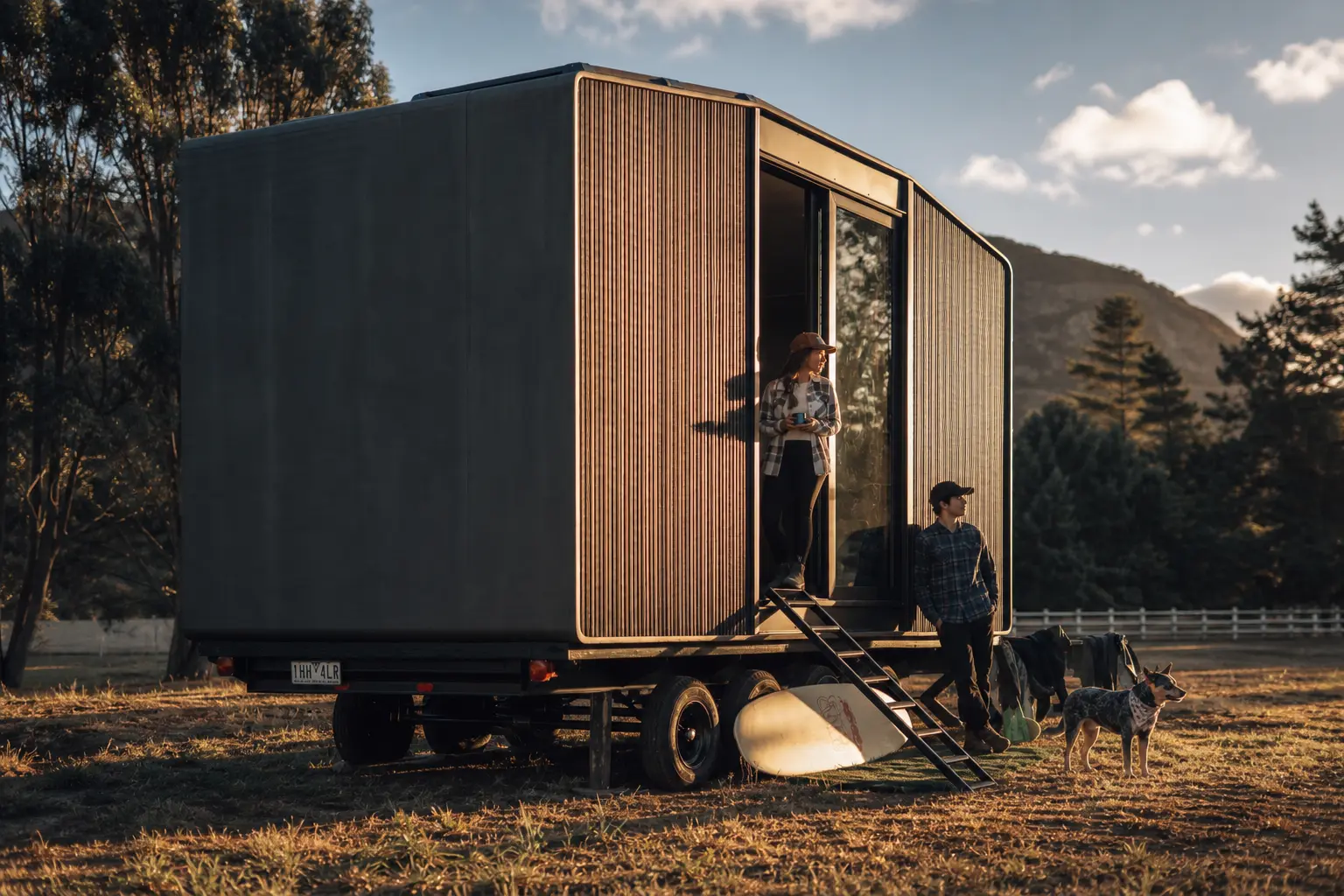
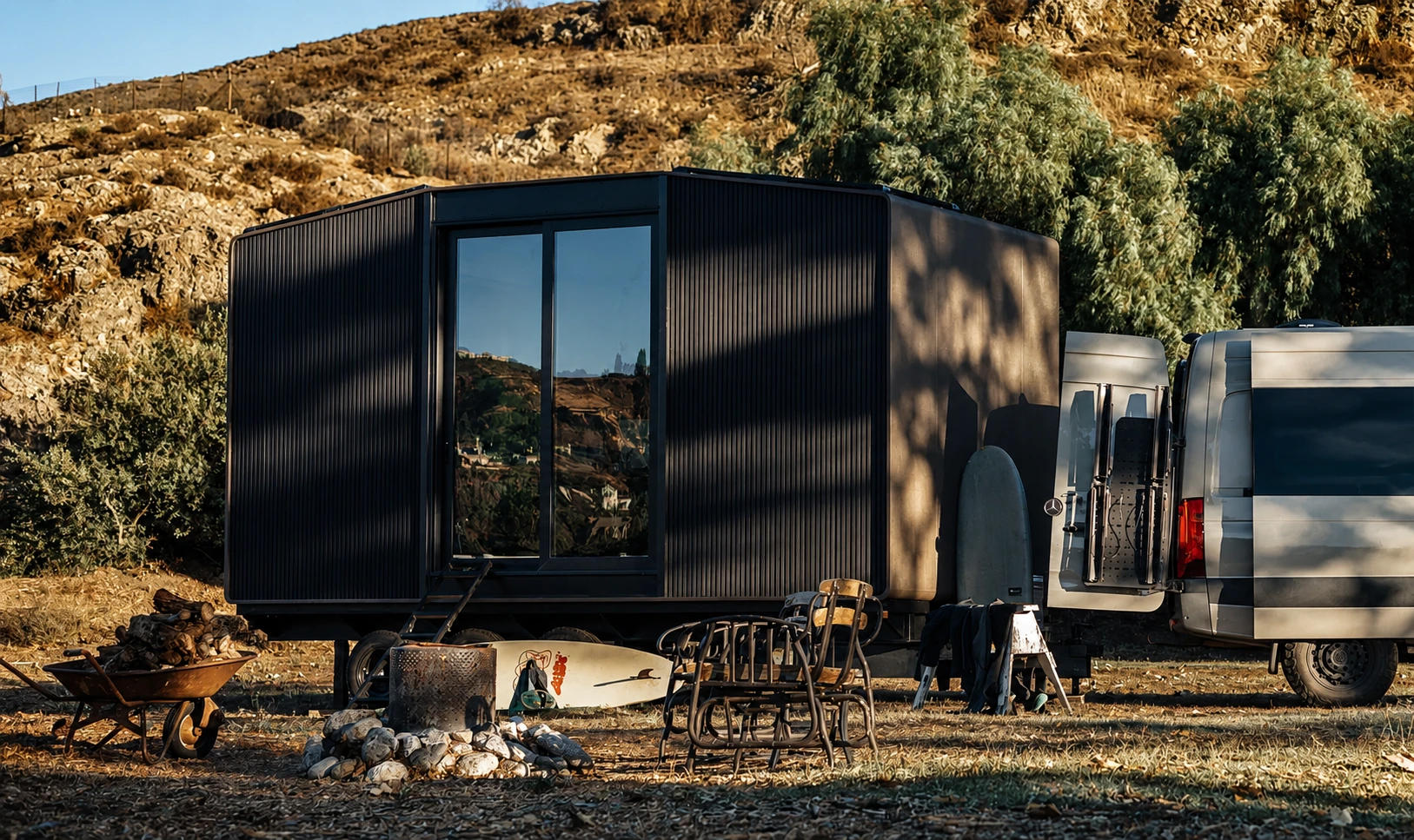
For our own product categories, this distinction matters too. A larger home or ADU on a foundation follows a different planning path from a chassis-based home on wheels. Homes on wheels need a separate placement and safety review, especially in storm-prone areas.
Safe Rooms And Storm Shelters Still Matter
For tornado safety, the strongest answer is often not “make the whole home stronger.” It is “have a proper shelter plan.”
FEMA safe room guidance is built around near-absolute protection from extreme wind and windborne debris when the safe room is properly designed and constructed. FEMA’s safe room resources also reference ICC 500, the standard used for storm shelter design and construction.
That does not mean every modular home automatically includes a safe room. It means buyers in tornado-prone regions should think about sheltering early. Depending on the site and local requirements, that may mean:
- A basement: Often one of the best shelter options when available.
- A dedicated safe room: Designed specifically for tornado and extreme wind protection.
- A nearby storm shelter: Useful when the home itself does not include a protected space.
- An interior shelter location: A small, windowless room on the lowest level when no better option exists.
A safe room or storm shelter is a life-safety feature, not just a home upgrade.
How Our Materials Fit the Safety Conversation
For our 3D-printed prefab units, durability starts with the shell and material system. More than 60% of our print material comes from recycled plastic, and our units are designed for long-term wear, extreme temperature, seismic activity, water resistance, insulation, and pest resistance.
That matters for general durability, but tornado safety still needs its own review. A home can be durable in normal weather and still need proper engineering, anchoring, site planning, and shelter strategy for extreme wind events.
For larger building systems, we use digitally prefabricated light-gauge steel framing, high-performance Structural Insulated Panels, and optional 3D-printed recycled composite facades. Those systems support a more coordinated building envelope and structural approach, but the final severe-weather strategy still depends on the project, code path, location, engineering, and local approval.
Questions to Ask before Building in a Tornado-Prone Area
A modular home buyer in a tornado-prone region should ask more than “Is it strong?” That question is too broad.
Better questions include:
- What code does the home follow?
- How is the home anchored?
- What foundation is planned?
- Where will people shelter?
- What happens with homes on wheels?
- Are local permits and inspections aligned?
These are not just technical questions. They affect how the home performs and how people use it during severe weather.
What to Do during a Tornado Warning
This part is not about the brand of home. It is about basic safety.
If a tornado warning is issued, the safest move is to shelter quickly. Ready.gov recommends going to a safe room, basement, or small interior windowless room on the lowest level of a sturdy building
Additionally:
- Avoid windows.
- Stay away from exterior rooms.
- Do not wait to see the tornado before moving to shelter.
- In a home without a basement or safe room, choose the most protected interior space available on the lowest level.
A modular home can be built well, but the shelter plan still matters.
Conclusion
Modular homes can be safe, permanent homes when they are built to the right code, installed on a proper foundation, anchored correctly, and matched to the site. They should not be confused with mobile homes or treated as less safe simply because they are built off-site.
But tornado safety has a higher bar than everyday durability. No regular home should be assumed to be tornado-proof. In tornado-prone areas, the stronger plan is to combine good construction with proper foundation design, anchoring, local code review, and a clear shelter strategy.
For us, the practical answer is simple: build the home well, prepare the site correctly, and plan the safe place before the storm ever shows up.