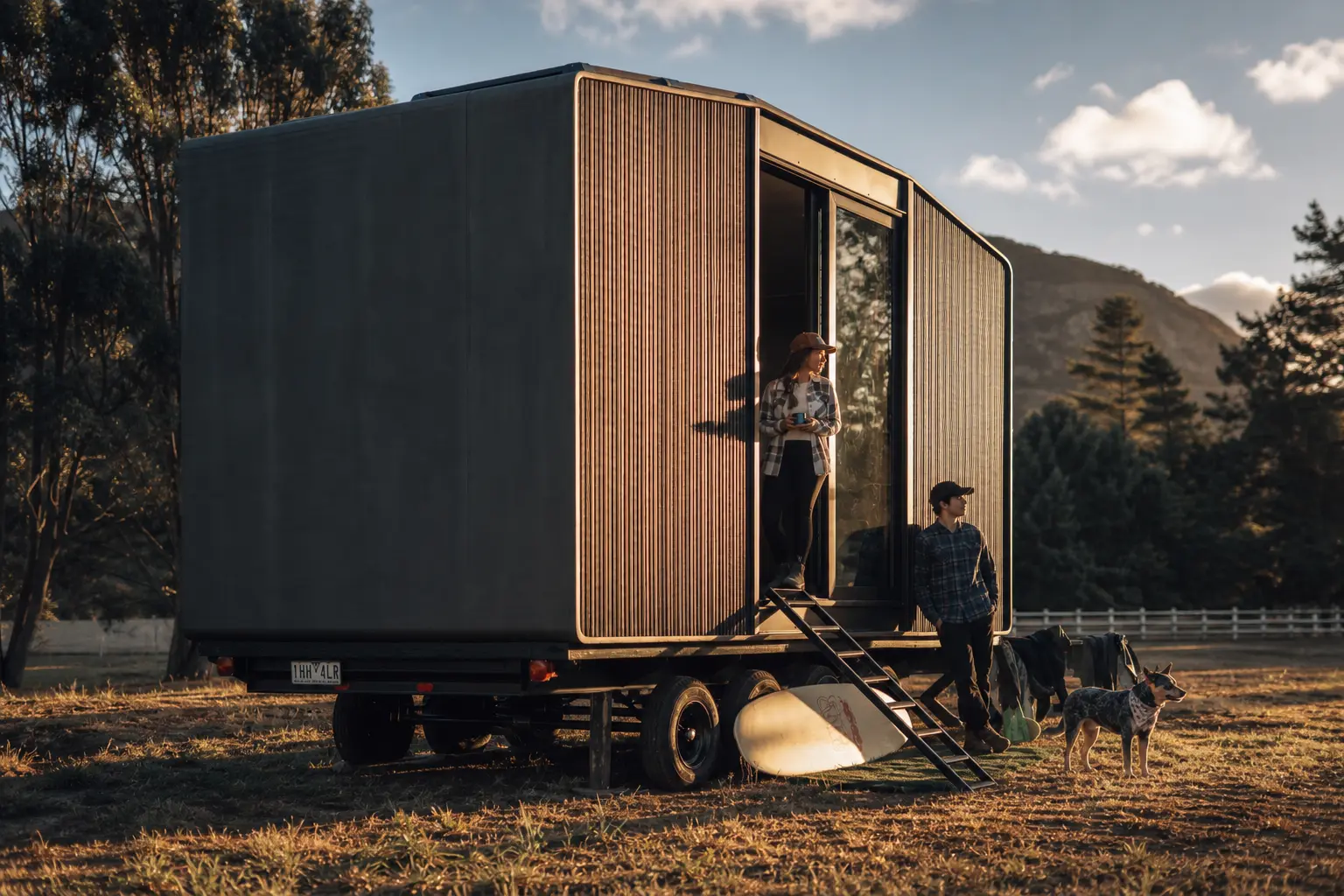
Two of the most common financing options are FHA loans and conventional loans. Both can be used to finance eligible modular homes, but they follow different qualification guidelines, insurance requirements, and borrowing limits.
At Azure Printed Homes, we’ve worked with homeowners planning everything from compact backyard studios and ADUs to full-size primary residences. Since our modular homes are built to residential building standards rather than HUD manufactured housing standards, buyers can often explore financing options that are commonly available for site-built homes, subject to lender requirements and project eligibility.
This guide explains the differences between FHA and conventional loans for modular homes, how each works, and what to consider before deciding which option may fit your project.
Why Modular Home Classification Matters
Before comparing loan programs, it’s important to understand that financing depends on how a home is classified.
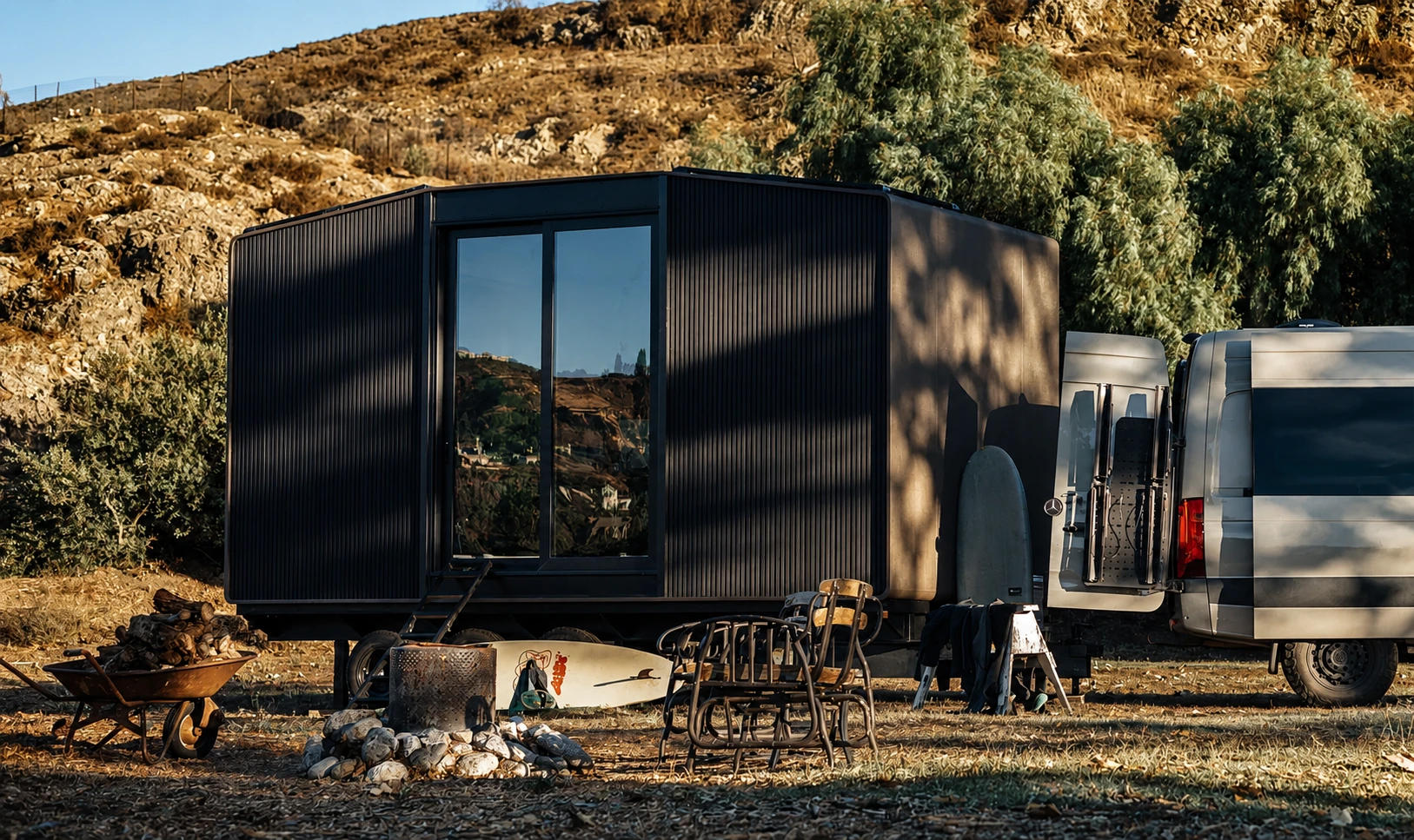
Modular homes are factory-built, but they are not the same as manufactured homes. A modular home is constructed in sections inside a controlled factory, transported to the building site, and permanently installed on a foundation. Once completed, it must meet applicable state and local building codes.
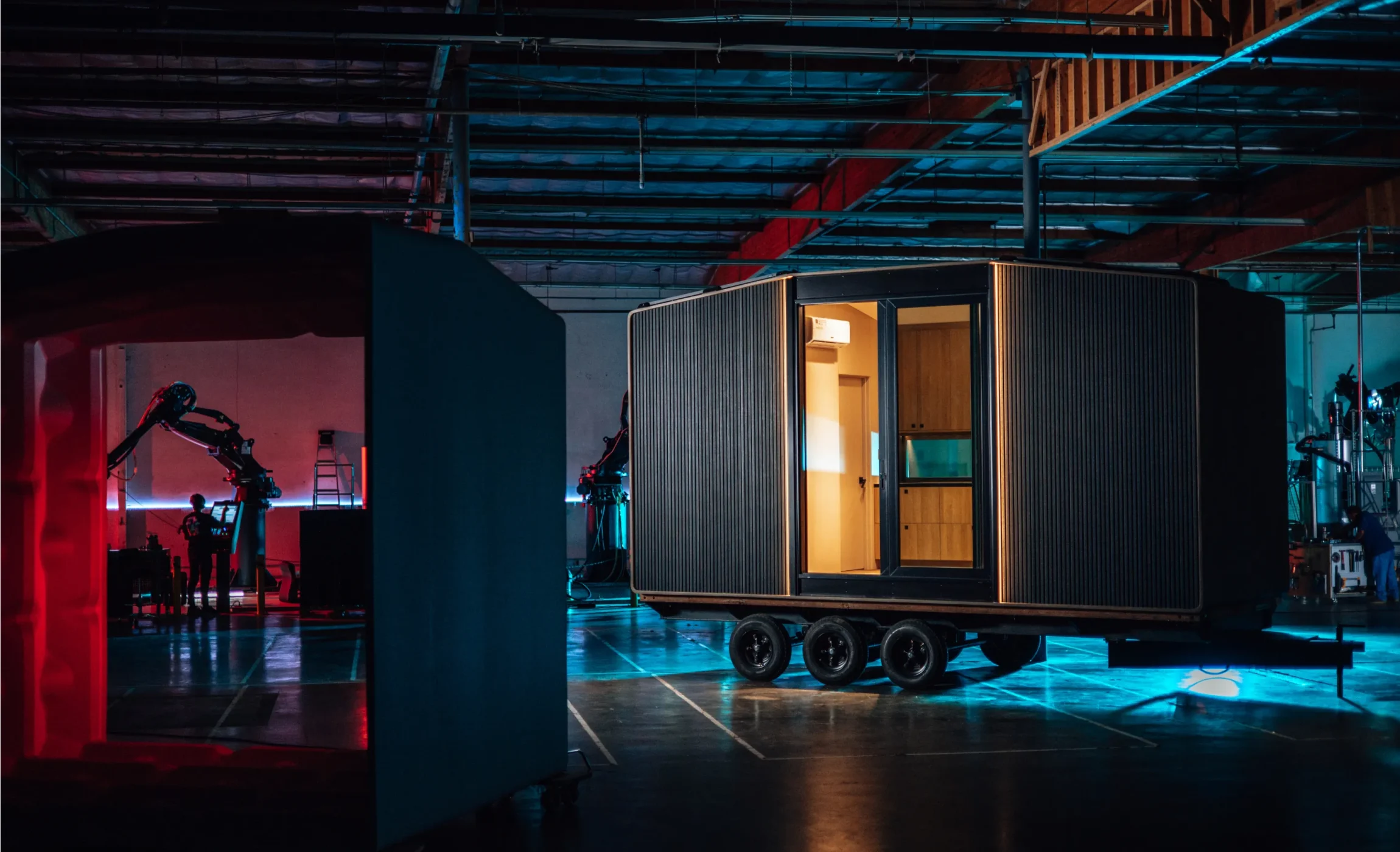
We manufacture modular studios, ADUs, homes on wheels, and larger residential homes using advanced robotic manufacturing. Because every project begins with the intended use of the home, we help buyers understand early whether they’re planning a primary residence, an accessory dwelling unit, or another type of project that may influence financing and permitting.
That distinction matters because many lenders treat eligible modular homes similarly to traditional site-built homes. As a result, buyers may qualify for financing programs such as FHA or conventional mortgages, provided both the borrower and the property meet lender and program requirements.
Understanding FHA and Conventional Loans
FHA loans are mortgages insured by the Federal Housing Administration. Because the government provides insurance to approved lenders, FHA financing generally offers more flexibility for borrowers who may not meet stricter conventional lending requirements.
FHA loans are often considered by buyers who:
- Have a limited credit history
- Have a smaller down payment available
- Need more flexibility with debt-to-income ratios
- Are purchasing their primary residence
Although qualification standards are generally more flexible, FHA loans require mortgage insurance regardless of the down payment amount, which can increase the total cost of the loan over time.
Conventional loans are not backed by the federal government. Instead, they follow guidelines established by the conventional mortgage market and individual lenders.
Because lenders assume more risk, conventional loans generally place greater emphasis on credit history, income stability, debt-to-income ratio, and overall financial profile. For borrowers with strong credit, conventional financing may offer lower long-term borrowing costs and greater flexibility after closing.
Conventional loans can often be used for:
- Primary residences
- Second homes
- Investment properties, when eligible
This flexibility makes them attractive for buyers planning future real estate investments.
Can You Use FHA or Conventional Loans for Modular Homes?
Yes, eligible modular homes can often be financed with either FHA or conventional loans, as long as the borrower, property, foundation, appraisal, and lender requirements are met. The key is that modular homes are generally treated more like site-built homes than manufactured homes when they are built to applicable residential building codes and permanently installed.
FHA vs Conventional Loans for Modular Homes
While both loan types can finance eligible modular homes, there are several important differences.
| Feature | FHA Loan | Conventional Loan |
| Government backing | Yes | No |
| Credit requirements | Generally more flexible | Usually stricter |
| Down payment | Often lower | Varies by program |
| Mortgage insurance | Required regardless of down payment | Usually required only below 20% down |
| Mortgage insurance removal | Often requires refinancing or specific program conditions | Can generally be removed after sufficient equity is reached |
| Debt-to-income flexibility | Usually higher | Usually lower |
| Property eligibility | Primary residences | Primary, second, and eligible investment homes |
The best choice depends on your financial situation rather than one loan always being better than the other.
Credit, Down Payment, and Mortgage Insurance
When comparing FHA and conventional loans for a modular home, it helps to look at credit, down payment, and mortgage insurance together. These three factors often shape both the approval process and the long-term cost of the loan.
Credit Profile
FHA loans are generally more flexible for buyers whose credit is still improving. That can make them useful for first-time buyers or borrowers who may not meet stricter conventional guidelines yet.
We often see financing questions come up early because buyers want to understand whether their modular home plans match their budget before moving into design, permitting, and site preparation.
Conventional loans usually place more weight on stronger credit. Buyers with established credit histories may qualify for better rates, lower monthly payments, and lower total borrowing costs over time.
Down Payment
FHA financing is known for allowing a relatively low down payment for qualified borrowers. Conventional loans can sometimes offer low down payment options too, although some programs require more money upfront.
For modular homes, the down payment is only one part of the project budget. Our homes and ADUs include factory-installed finishes, electrical, mechanical, and plumbing systems, but buyers should still plan for items such as site preparation, foundation work, permits, delivery, and installation.
A lower down payment may help at the start, but the full project cost matters just as much.
Mortgage Insurance
Mortgage insurance is where FHA and conventional loans can feel very different. FHA loans require mortgage insurance regardless of the down payment. This usually includes an upfront premium and ongoing annual mortgage insurance paid through monthly payments.
Conventional loans usually require private mortgage insurance only when the borrower puts down less than 20%. In many cases, that insurance can be removed once enough home equity has been built.
For buyers planning to stay in the home long term, this difference can have a real impact. A loan that feels easier upfront may cost more over time, while a loan that requires stronger credit or more money down may offer better long-term savings.
Property Requirements and Financing Eligibility
Qualifying for an FHA or conventional loan depends on more than your financial profile. The home itself must satisfy the lender’s requirements, and the way you plan to use the property can influence which financing options are available.
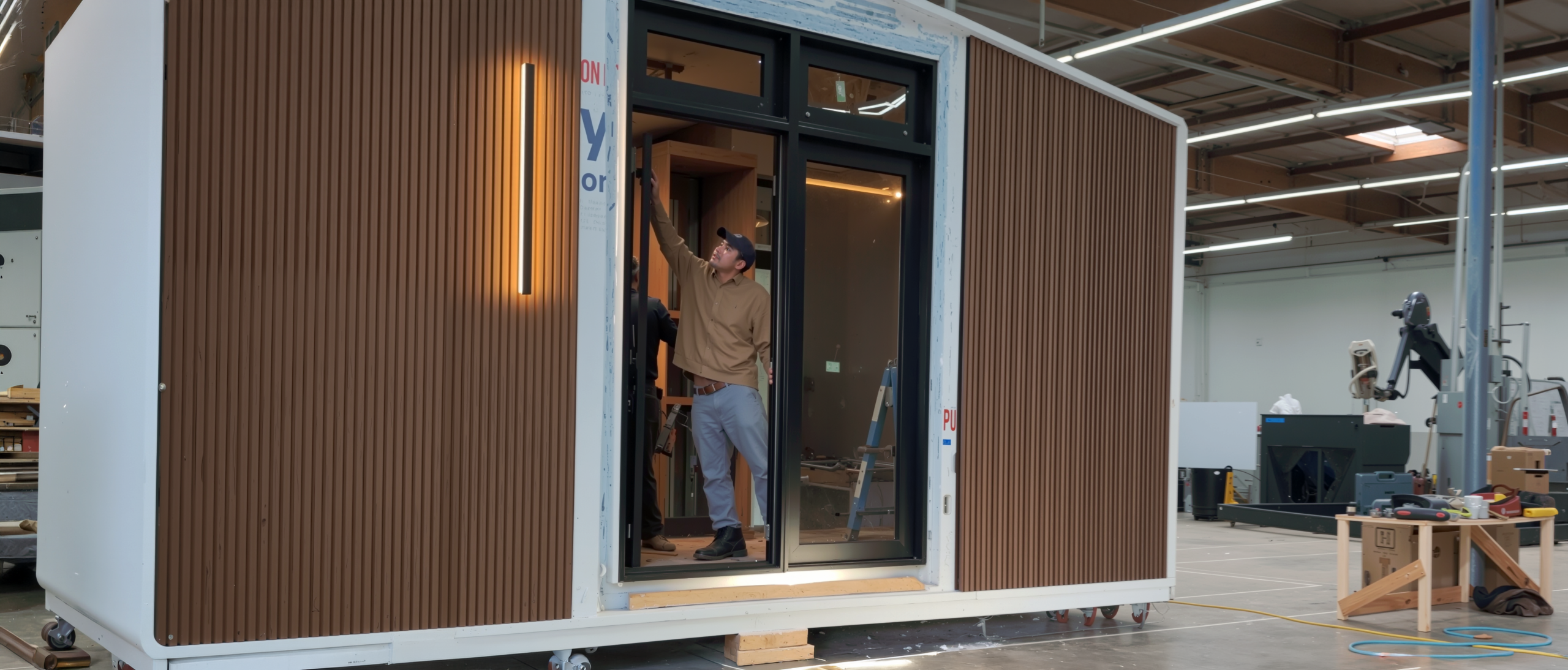
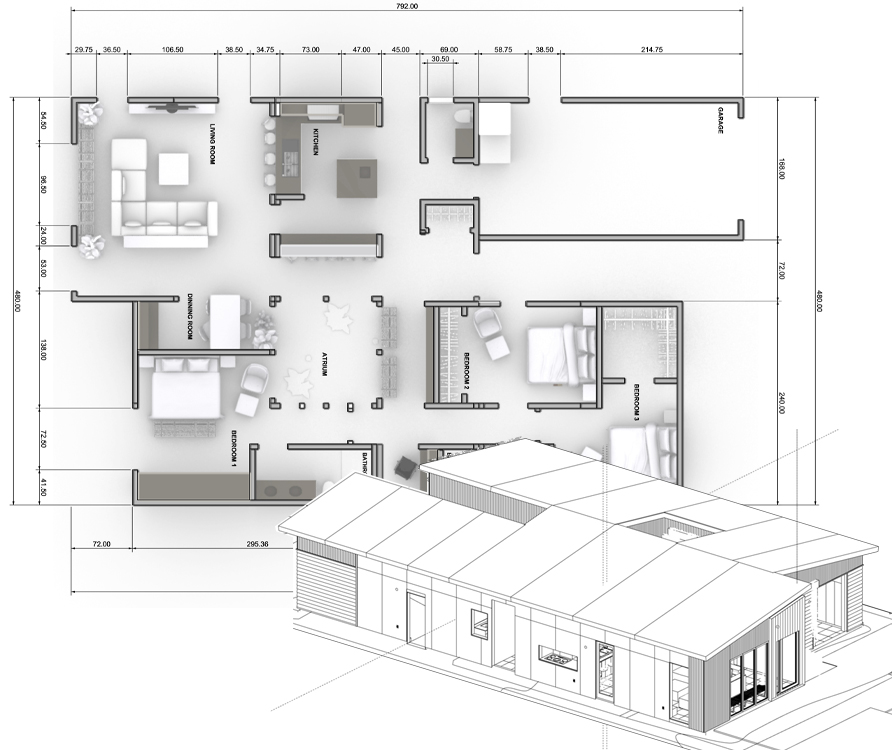
We manufacture our modular homes in a controlled factory environment, completing structural work, electrical, plumbing, mechanical systems, insulation, and interior finishes before delivery. By moving much of the construction off-site, we maintain consistent quality while reducing the amount of work that needs to be completed after the home arrives.
When comparing FHA and conventional financing, consider these important differences:
- Property standards: FHA appraisals check value, safety, and habitability. Conventional appraisals focus more on value and major issues.
- Home condition: FHA financing can be harder for homes needing major repairs. Conventional loans may allow more flexibility.
- Occupancy: FHA is usually for primary residences. Conventional loans may allow primary homes, second homes, or investment properties.
- Long-term plans: The right loan should match how you plan to use the property.
Choosing the right loan starts with matching the property, its condition, and its intended use to the financing program that supports the project best.
Loan Limits and Planning the Right Financing Strategy
Every mortgage program establishes maximum borrowing amounts, known as loan limits. These limits are updated periodically and vary based on local housing costs, county, and the specific loan program. In many parts of the country, conventional loans offer higher borrowing limits than FHA loans, although both programs provide higher limits in designated high-cost housing markets.
For buyers considering larger modular homes or custom residential projects, loan limits are an important part of the planning process. We often recommend discussing financing early, before construction begins, because the home’s size, intended use, foundation design, and overall project scope can all influence financing options alongside the loan amount itself.
Choosing between FHA and conventional financing is rarely about finding one loan that is universally better. Instead, it involves balancing your credit profile, available savings, monthly budget, long-term ownership plans, and the type of modular home you intend to build. Reviewing these factors together with your lender before selecting a home can help create a financing strategy that supports both your immediate purchase and your long-term investment.
FHA vs Conventional Loans for Different Modular Home Projects
The best financing option often depends on how the modular home will be used. A compact backyard space, an ADU, and a full-time residence can all fall under the modular category, but lenders may look at each project differently.
Studios and Backyard Spaces
Studios are usually smaller spaces designed to support the main home rather than replace it. They may be used as offices, creative studios, guest rooms, fitness spaces, or quiet retreats.
For these projects, financing can depend on whether the studio is treated as a property improvement, an accessory structure, or part of a larger home project. In our Studio Series, models include compact layouts such as N-100, A-120, D-120, and D-180, which are designed for buyers who want usable space without building a full residence.
Because these spaces are not always financed like primary homes, buyers should confirm how their lender views the project before choosing between FHA, conventional, or another financing option.
ADUs
ADUs are often used to create independent living space on a property that already has a main home. They can work well for family housing, guest accommodations, long-term rental use, or flexible extra space.
In our Homes and ADUs lineup, we offer several residential models designed for different living needs, including:
- A-360: A compact one-bedroom home with a full kitchen, bathroom, and open living area.
- A-540: A larger one-bedroom layout with additional living space for everyday comfort.
- A-720: Available in one- or two-bedroom configurations, providing greater flexibility for individuals, couples, or small families.
- A-900: A spacious two-bedroom home with one and a half bathrooms, designed for buyers who need more room for full-time living.
For ADU projects, the right loan may depend on occupancy, local zoning, rental plans, and how the lender classifies the unit. FHA financing may be more limited if the project is not the borrower’s primary residence, while conventional financing may offer more flexibility depending on the property and borrower profile.
Larger and Custom Modular Homes
Larger modular homes usually require more planning because the total project budget is higher. Loan limits, down payment size, appraisal requirements, and long-term ownership costs all become more important.
For larger projects, we can work with buyers on custom modular homes, including expanded layouts and more complex residential needs. These projects may involve more detailed design, site planning, permitting, and financing conversations before production begins.
Conventional financing may be a better fit for some higher-value modular home projects, especially when the borrower has strong credit and wants more flexibility. FHA may still be worth comparing when the home will be used as a primary residence and the project fits within program limits.
Choosing the Right Loan for Different Buyers
The right financing option often depends on your overall financial picture rather than the home itself.
| Priority | FHA loan may fit better | Conventional loan may fit better |
| Lower down payment | Often | Sometimes |
| More flexible credit guidelines | Often | Less often |
| Higher debt-to-income flexibility | Often | Less often |
| Lower long-term mortgage insurance cost | Less often | Often |
| Ability to remove mortgage insurance later | Limited | Often |
| Eligible second home or investment property | No | Often |
| Strong credit profile | Sometimes | Often |
No single loan works best for everyone. The most suitable option depends on balancing upfront affordability with long-term ownership costs.
Questions to Ask Before Applying
Before applying for financing, take time to evaluate the complete project, not just the loan itself. Modular home financing works best when the home, property, budget, and timeline are all considered together.
Consider questions such as:
- Will the home be your primary residence, an ADU, or another type of property?
- How much can you comfortably use for a down payment?
- How strong is your current credit profile?
- What monthly payment fits your budget after insurance, taxes, and utilities?
- How long do you expect to own the home?
- Will mortgage insurance significantly affect your long-term costs?
- What site work, utility connections, and permits are needed before installation?
- Does the property meet local zoning and building requirements?
- Will the lender require specific documentation for the modular home, foundation, or appraisal?
Answering these questions early can make the financing process easier and help buyers choose a modular home plan that fits both their property and their budget.
Final Thoughts
Choosing between an FHA and a conventional loan isn’t about finding one option that is always better. The right choice depends on your credit profile, available savings, and how you plan to use your modular home. Taking the time to compare qualification requirements, mortgage insurance, and overall ownership costs can help you make a more informed decision.
At Azure Printed Homes, financing is an important part of the conversation from the very beginning. Whether you’re planning a backyard studio, an ADU, or a larger modular residence, we help you understand the complete project, from design and manufacturing to delivery and installation.
Combining robotically printed modular construction with early planning allows homeowners to move forward with greater confidence and a clearer understanding of both the building process and their financing options.