Finding temporary housing isn’t always as straightforward as booking the first available property. The right solution depends on why you need the space, how long you’ll be staying, and whether you’re looking for accommodation for yourself or planning housing for employees, contractors, or larger project teams.
For many people, platforms like Vrbo provide a convenient way to rent a furnished home for a few days or weeks. But for businesses, developers, municipalities, and public organizations with ongoing housing needs, the conversation often extends beyond short-term rentals. Understanding the role each option plays makes it easier to choose a solution that fits both current and future requirements.
Understanding Your Temporary Housing Options
Temporary housing comes in many forms, but not every option is designed for the same purpose. While Vrbo and corporate housing both provide furnished accommodations, they serve different audiences and solve different challenges. Understanding those differences is the first step toward choosing the right approach.
What Is Vrbo?
Vrbo is an online marketplace where property owners rent out entire homes to travelers. Listings range from apartments and cottages to large family homes, giving guests more privacy and space than a traditional hotel room.
The platform is primarily designed for leisure travel, making it a popular choice for vacations, weekend getaways, family gatherings, and seasonal trips. Although some travelers book longer stays, most reservations are relatively short and focus on providing a comfortable place to stay while exploring a destination.
Because each property is managed by its owner, pricing, amenities, cancellation policies, and house rules vary from one listing to another.
What Is Corporate Housing?
Corporate housing is designed for people who need a temporary home rather than simply a place to stay. These fully furnished properties are commonly used by relocating employees, traveling healthcare professionals, consultants, construction teams, government personnel, and others whose work requires them to live away from home for an extended period.
Unlike vacation rentals, corporate housing is intended to support everyday living. Residents often spend weeks or months in the property, so features like practical kitchens, dedicated workspaces, reliable internet, and comfortable living areas become far more important than vacation-oriented amenities.
Vrbo vs Corporate Housing: Side-by-Side Comparison
Although both options offer furnished accommodations, they’re built around different priorities. The table below highlights the main differences at a glance.
| Feature | Vrbo | Corporate Housing |
| Primary purpose | Vacation and leisure travel | Business and extended temporary housing |
| Typical stay | Several nights to a few weeks | Usually one month or longer |
| Typical guests | Families, couples, groups | Employees, consultants, relocating professionals |
| Furnished | Yes | Yes |
| Utilities | Often included | Usually included |
| Workspace | Depends on the property | Commonly available |
| Kitchen | Yes | Yes |
| Pricing | Mostly nightly | Usually monthly or extended-stay pricing |
| Best for | Holidays and short trips | Relocation and work-related stays |
Looking Beyond Traditional Rentals
Renting a furnished home works well in many situations. If someone needs accommodation for a short project, a temporary assignment, or a relocation lasting a few weeks, both Vrbo and traditional corporate housing can be practical solutions. They allow people to move in quickly without making a long-term commitment.
The situation changes when temporary housing becomes an ongoing part of business operations. Developers, construction companies, manufacturers, municipalities, government agencies, and other organizations often need housing not just for one employee, but for rotating crews, contractors, or entire project teams. In those cases, relying entirely on rental properties can become increasingly expensive and difficult to manage over time.
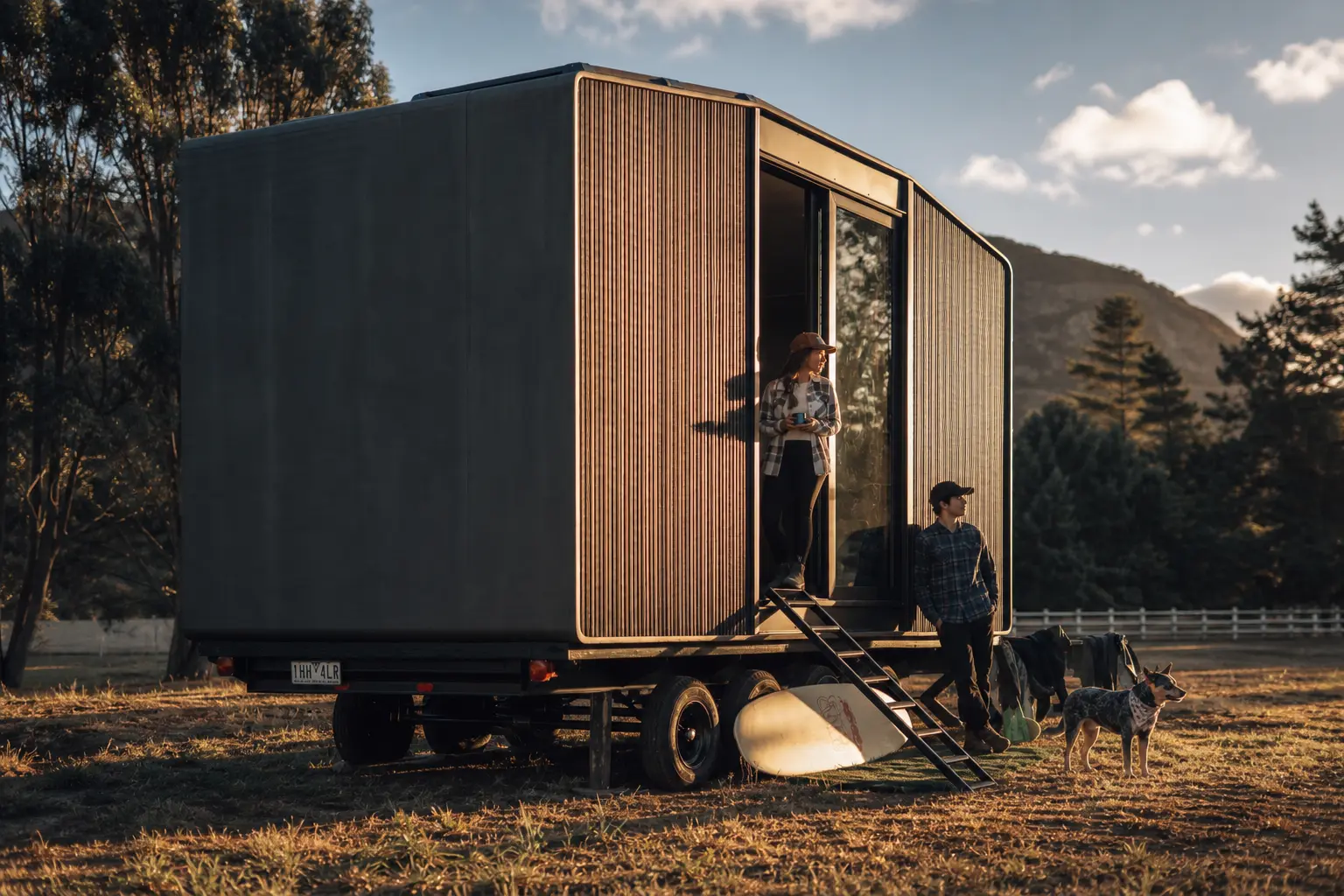
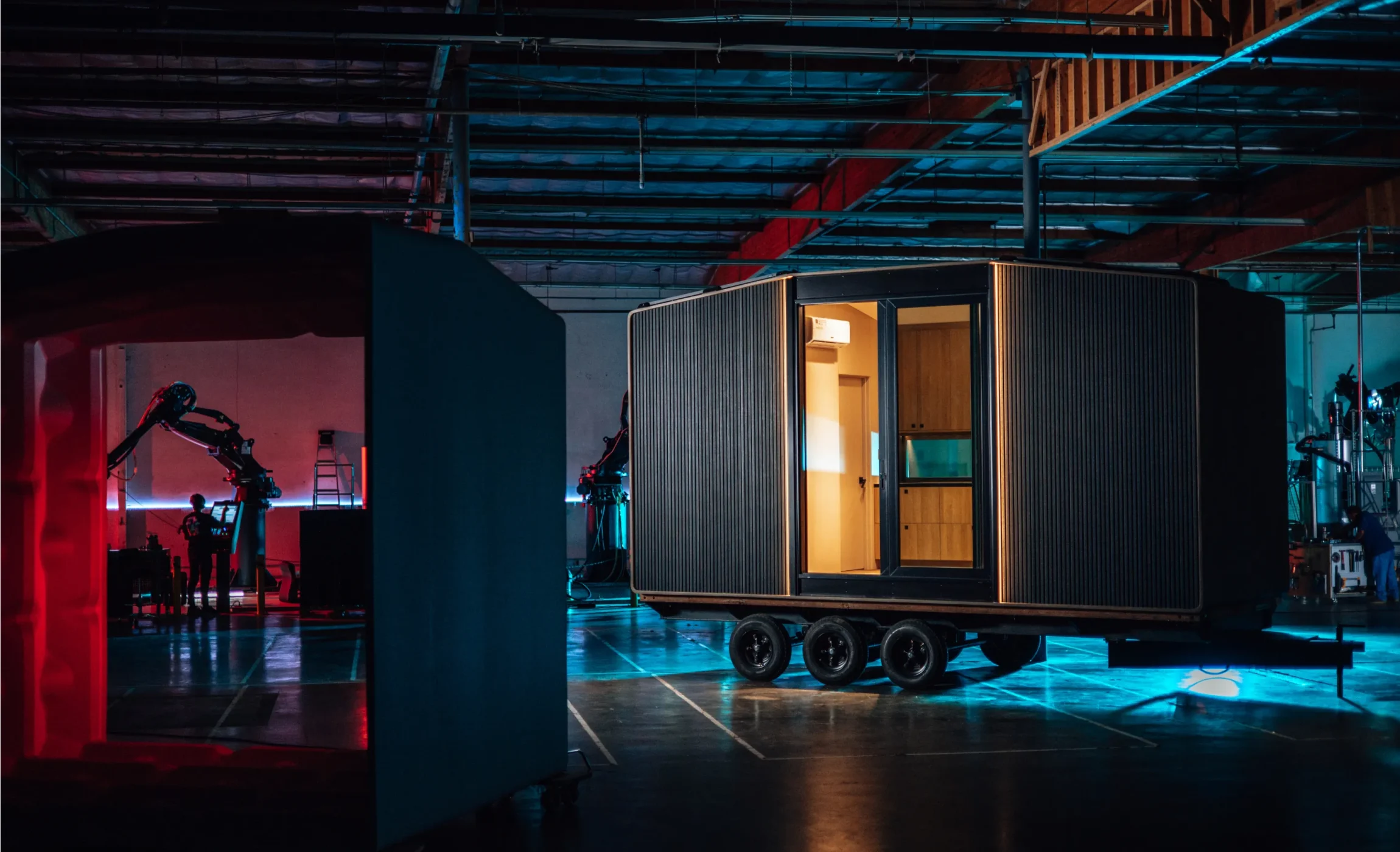
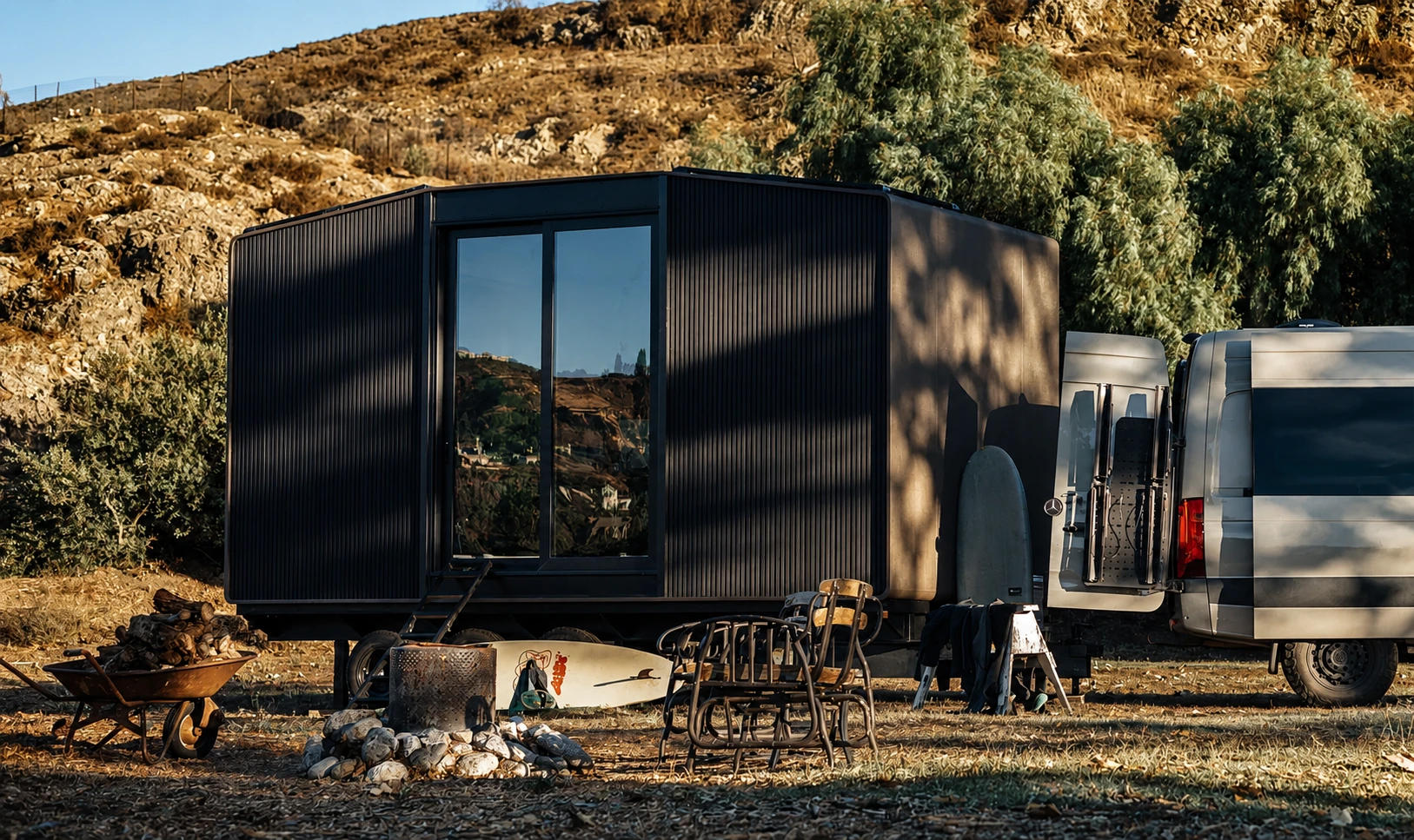
At Azure Printed Homes, we work with organizations planning exactly these types of projects. Our robotically printed modular homes, ADUs, and studios help create workforce housing, employee accommodations, government housing, temporary communities, and larger residential developments that can grow alongside changing project requirements.
When Investing in Corporate Housing Makes Sense
Owning housing isn’t the right solution for every organization. However, companies and public organizations that regularly provide accommodation often reach a point where investing in their own housing becomes more practical than continuously renting properties.
That approach can make sense when housing is needed for:
- Long-term workforce projects
- Employee relocation programs
- Rotational or seasonal workforces
- Government and municipal initiatives
- Large infrastructure or construction projects
- Disaster recovery and emergency response
Instead of searching for available rentals every time a new project begins, organizations can build housing capacity that remains available whenever it’s needed.
Benefits of Developing Your Own Housing
Renting furnished accommodation works well for occasional business travel or temporary assignments. The situation changes when housing becomes an ongoing part of a project rather than a one-time expense. Companies, developers, municipalities, and public organizations often need homes for employees, contractors, rotating crews, or entire teams over months or even years.
At Azure Printed Homes, we create robotically printed modular homes that help organizations build long-term housing capacity instead of relying entirely on rentals. Every project starts with different goals, so we design homes that can support workforce housing, corporate accommodations, government initiatives, temporary communities, and larger residential developments.
Purpose-built corporate housing offers several advantages:
- Lower long-term housing costs: Instead of continuously renting accommodations for different projects, organizations can invest in homes that remain available whenever they’re needed.
- Greater control over quality and living conditions: We customize layouts, finishes, and configurations to match the people who will actually live in the homes and the way the space will be used.
- Faster project expansion: As housing requirements grow, additional modular homes can be added without starting the planning process from scratch.
- Flexible use over time: The same homes can support workforce housing today, employee relocations tomorrow, and long-term residential projects in the future.
- Modern comfort and energy efficiency: Our homes are designed for everyday living with practical layouts, durable materials, and energy-efficient construction.
- A long-term housing asset: Instead of treating accommodation as an ongoing operating expense, organizations create housing that continues supporting future projects and communities.
Housing Solutions for Corporate and Workforce Projects
Before planning a workforce or corporate housing project, it’s important to choose the type of housing that best matches the people who will live there and the goals of the development. We offer several modular housing solutions that can be adapted to different project sizes, site conditions, and residential needs.
Studios
Our Studio Series provides compact living spaces for individual employees, consultants, healthcare professionals, and other residents who need comfortable accommodation during extended assignments. We designed these homes to make everyday living simple, with efficient layouts that maximize usable space while keeping a small footprint.
Accessory Dwelling Units (ADUs)
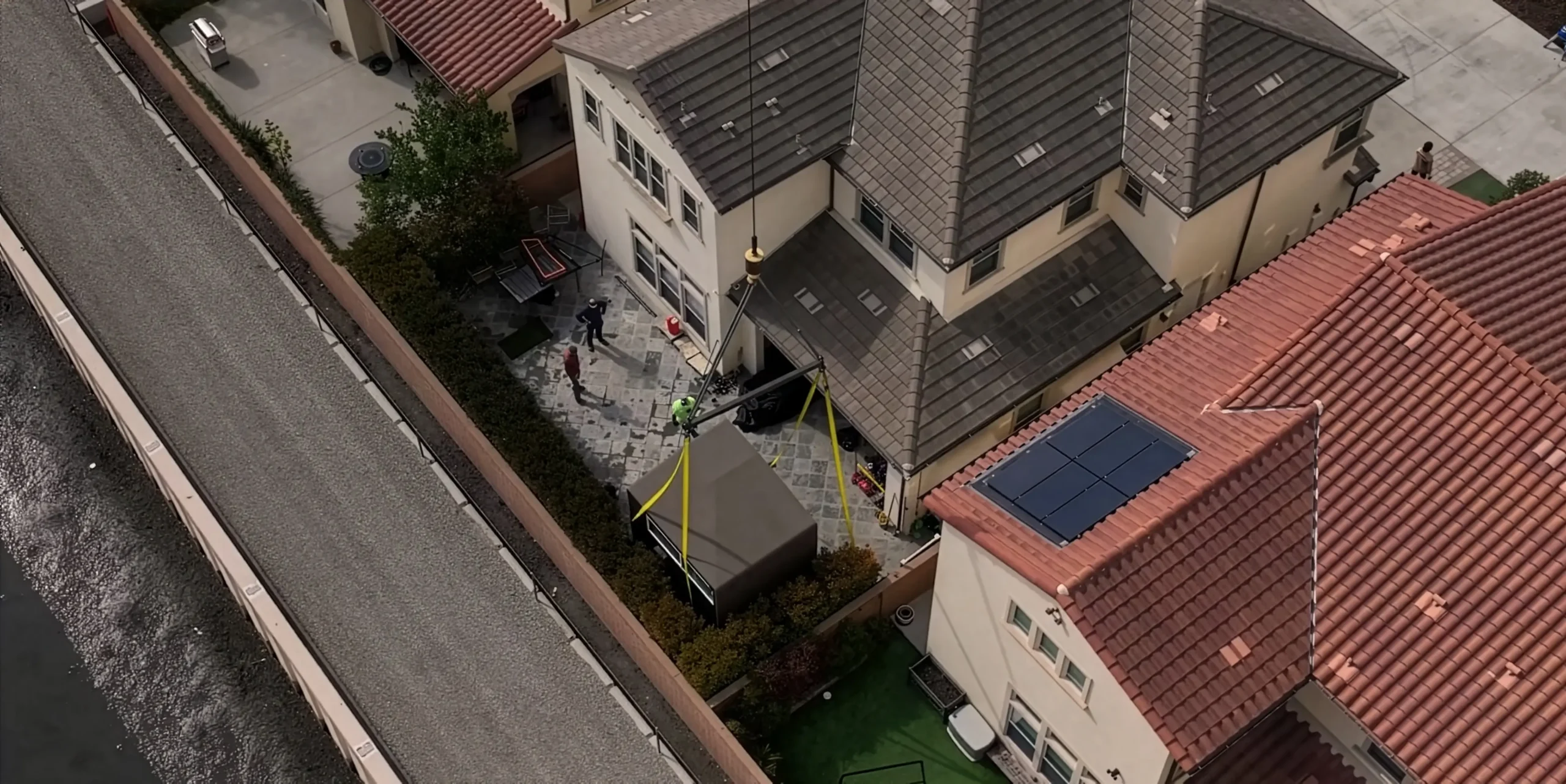
Our ADUs create independent residential spaces that can expand existing properties or increase housing capacity within larger developments. They can support employee housing, workforce accommodation, municipal projects, and community developments where additional living space is needed without building an entirely new neighborhood.
Larger Residential Developments
Some projects require much more than individual homes. We also help plan larger modular housing developments that combine studios, ADUs, and residential homes into complete communities designed around workforce, corporate, municipal, or government housing needs. Every development is planned to support the people who will live there today while remaining flexible enough for future growth.
Which Housing Solution Fits Your Needs?
There’s no single answer that works for every situation. The best choice depends on who needs the accommodation, how long it will be used, and whether the requirement is occasional or ongoing.
| If you need… | Recommended solution | Why it fits |
| A vacation or weekend getaway | Vrbo | Designed for leisure travel and short stays |
| Temporary accommodation during a relocation or work assignment | Corporate housing | Provides a furnished home with the comforts needed for everyday living |
| Housing for employees across multiple projects | Modular corporate housing | Offers greater long-term value and easier management than repeated rentals |
| Workforce accommodation for construction, manufacturing, or energy projects | Modular housing communities | Can be expanded as project requirements grow |
| Housing for government or municipal initiatives | Modular homes and ADUs | Suitable for scalable residential and community housing developments |
| Temporary housing for disaster recovery or emergency response | Modular housing | Can be deployed to support changing community needs |
Before choosing a solution, it’s worth thinking beyond the immediate project. A rental may be the right fit today, but if housing will be needed repeatedly over the coming years, investing in dedicated accommodations can provide greater flexibility, consistency, and long-term value.
Final Thoughts
Vrbo and corporate housing both have an important place in today’s housing market. One is designed primarily for vacations and shorter stays, while the other supports people who need a temporary home during work assignments, relocations, or other extended situations.
At Azure Printed Homes, we combine robotic 3D printing with modular construction to create homes for workforce housing, residential developments, government projects, and employee accommodations. Every project is designed around its intended use, allowing us to deliver practical, energy-efficient living spaces that can adapt to different housing needs.
Choosing the right housing solution starts with understanding how the space will actually be used. Considering the length of stay, the number of residents, future growth, and long-term objectives can help ensure today’s decision continues to support tomorrow’s needs.