Housing affordability has become one of the biggest challenges facing communities around the world. As governments, developers, and private organizations work to increase housing supply, two terms appear repeatedly: social housing and affordable housing. Although they are often used interchangeably, they describe different housing models with different goals, funding structures, and target residents.
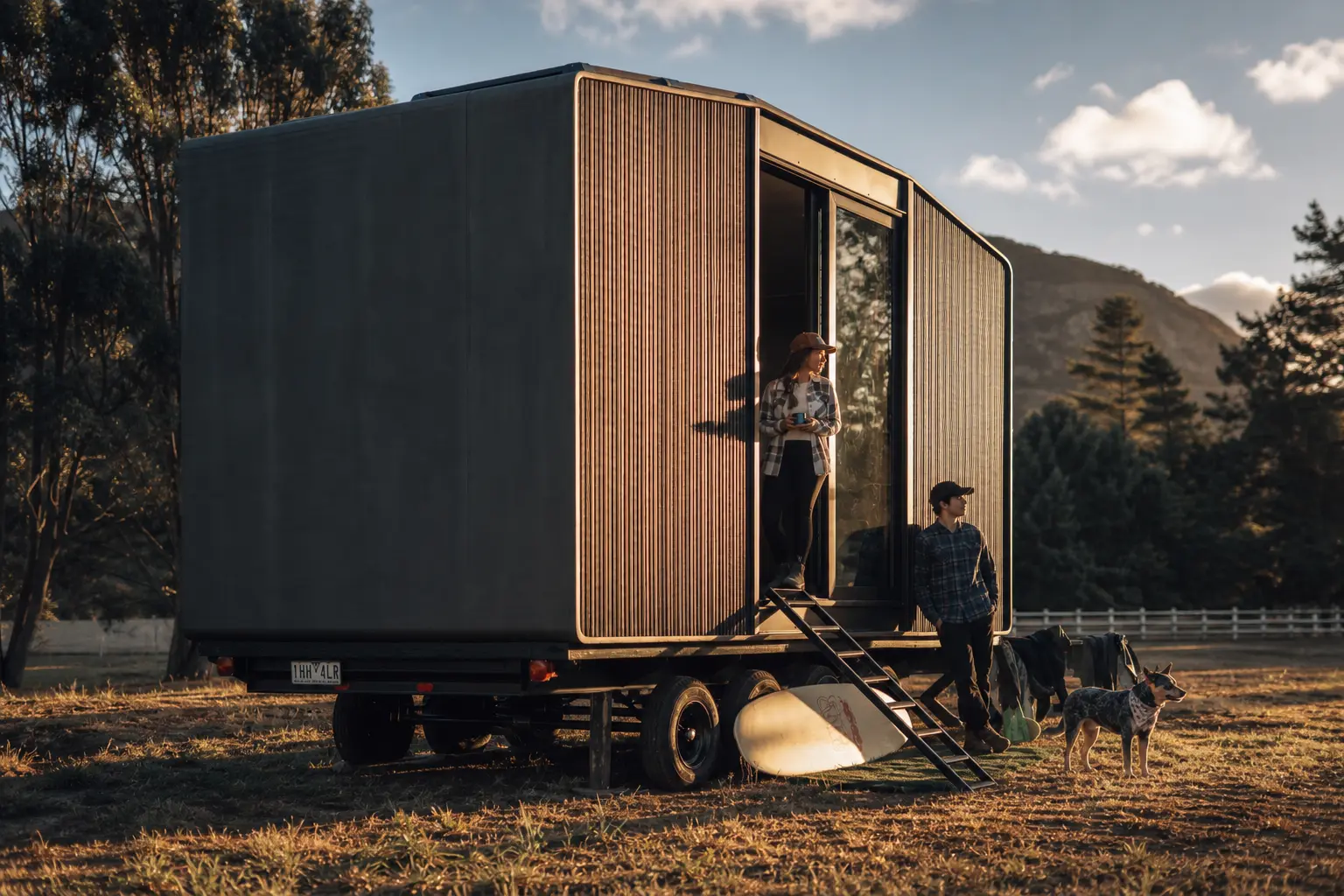
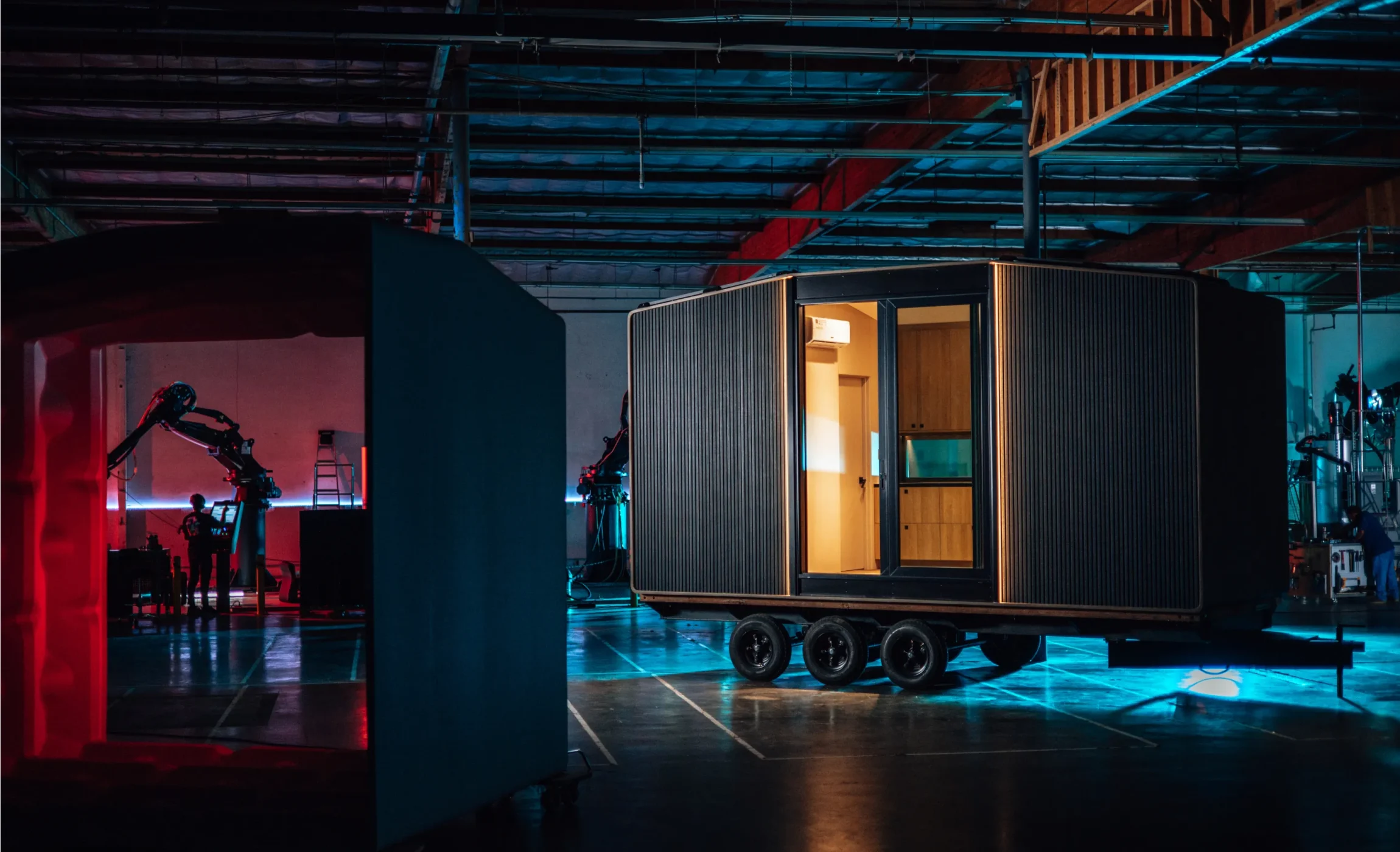
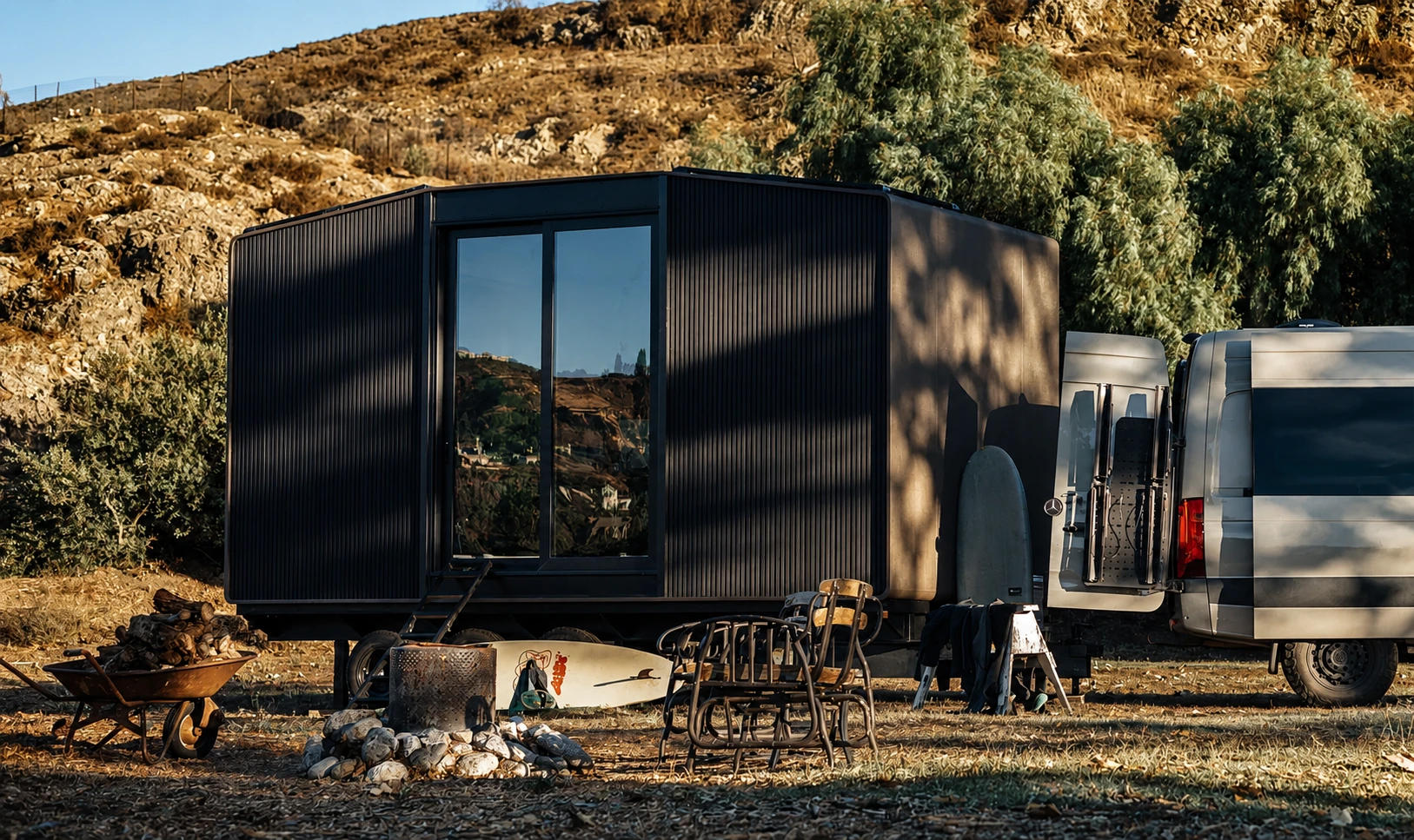
At Azure Printed Homes, we look at this conversation through the practical side of housing delivery. We design and manufacture robotically printed modular homes, ADUs, studios, and homes on wheels for projects that need flexible, scalable living spaces. Understanding the difference between social housing and affordable housing helps clarify what kind of housing is needed, who it should serve, and how it can be built more efficiently.
Understanding the Two Housing Models
At a glance, both social housing and affordable housing focus on making homes more accessible. The key difference lies in who they are designed to serve and how they are delivered.
What Social Housing Is
Social housing is housing intended primarily for individuals and families with the greatest housing needs. It is commonly developed, owned, or managed by governments, housing authorities, or nonprofit organizations with the goal of providing stable, long-term accommodation rather than generating market returns.
Eligibility often depends on factors such as household income, family size, disability status, age, or other local requirements. Rent may be regulated, and residents often benefit from tenant protections designed to support long-term housing stability.
Because social housing focuses on serving vulnerable populations, projects typically prioritize accessibility, long-term affordability, and ongoing management over maximizing financial returns.
What Affordable Housing Means
Affordable housing covers a much broader category of homes that are priced below typical market costs for the people they are intended to serve. Unlike social housing, it is not limited to the lowest-income households and can support moderate-income families, essential workers, first-time buyers, and renters.
At Azure Printed Homes, we design and manufacture robotically printed modular homes, ADUs, studios, and homes on wheels that can support many affordable housing initiatives. We build much of each home inside a controlled factory environment, where electrical, plumbing, mechanical systems, and interior finishes are completed before delivery. That approach helps move more of the construction process off-site while creating housing solutions that can serve a wide variety of residential projects.
Affordable housing can include:
- Workforce housing
- Rental communities
- Entry-level homeownership
- Mixed-income developments
- Backyard ADUs
- Modular housing neighborhoods
Affordable housing projects may be developed through government initiatives, nonprofit organizations, private developers, or public-private partnerships. Financing can involve grants, incentives, tax programs, private investment, or a combination of funding sources.
Social Housing vs Affordable Housing: Side-by-Side Comparison
While social housing and affordable housing share the common goal of improving access to homes, they differ in several important ways. The intended residents, funding sources, ownership structures, and long-term objectives all influence how each model is planned and managed. Understanding these differences makes it easier to evaluate which approach is better suited to a particular project or community.
| Feature | Social Housing | Affordable Housing |
| Primary purpose | Support households with the greatest housing needs | Expand access to reasonably priced housing |
| Typical residents | Low-income or vulnerable households | Low-, moderate-, and sometimes middle-income households |
| Ownership | Usually government or nonprofit | Public, private, nonprofit, or mixed |
| Funding | Public funding and nonprofit support | Public funding, private investment, incentives, grants, and partnerships |
| Income restrictions | Usually required | Often broader or project-specific |
| Main objective | Long-term housing stability | Increased housing accessibility and supply |
Although these categories provide a useful overview, real-world housing developments do not always fit neatly into one model. Many communities combine elements of both approaches, using different funding sources and housing types to address a wider range of local housing needs.
What These Differences Mean for Planning a Housing Project
The difference between social housing and affordable housing becomes clearer once a project moves from concept to planning. At Azure Printed Homes, we usually start by looking at the practical side first: who the homes are for, how quickly they need to be delivered, what site conditions look like, and which type of housing makes the most sense – studios, ADUs, larger modular homes, or homes on wheels.
These early decisions affect several parts of the project:
- Resident needs: Social housing usually focuses on people with the greatest need, such as households facing homelessness. Affordable housing often serves a broader group, including essential workers and moderate-income households.
- Funding structure: Social housing may rely more heavily on public funding, nonprofit support, or long-term subsidies. Affordable housing can involve a wider mix of grants, incentives, public-private partnerships, or buyer financing.
- Ownership and management: Social housing is often managed by government agencies, housing authorities, or nonprofit organizations. Affordable housing may be owned or managed by public, private, nonprofit, or mixed entities.
- Eligibility rules: Social housing usually includes stricter income qualifications and resident selection criteria. Affordable housing may still have income limits, but the rules are often broader or tied to the specific project.
- Long-term affordability: Social housing must often remain deeply affordable for many years, sometimes with rent controls or tenant protections. Affordable housing also needs price stability, but the structure may depend on financing, ownership model, or local program requirements.
- Construction approach: The building method can shape the timeline, budget, and long-term performance of the project. For us, this is where modular construction can be useful because much of the work happens in a controlled factory setting before delivery.
In real projects, the label matters less than the plan behind it. A strong housing strategy should match the residents, funding, site, timeline, and long-term management model instead of treating social housing and affordable housing as interchangeable terms.
Different Housing Types Can Support Different Housing Goals
Not every housing project requires the same type of home. The best solution often depends on who the residents are, how long they will stay, available land, local regulations, and the overall goals of the development. Modern affordable housing projects frequently combine multiple housing types instead of relying on a single building format.
Backyard Studios
Compact studio units can provide independent living space without requiring large-scale residential development. They may be used for workforce housing, caregiver accommodation, guest housing, or small rental opportunities where local regulations allow.
At Azure Printed Homes, our studio series demonstrates how factory-built units can create functional living spaces while minimizing on-site construction. Because they are manufactured before delivery, they can be installed more efficiently than many traditional building methods.
Accessory Dwelling Units (ADUs)
ADUs are becoming an increasingly common way to expand housing supply within existing neighborhoods. They allow homeowners and developers to add additional residential units without building entirely new communities, helping make better use of available land.
We design several modular ADUs that can serve as long-term residences, rental units, family housing, or workforce accommodation. Their factory-built construction helps simplify the building process while providing complete living spaces.
Modular Homes
Larger modular homes are well suited for developments that require permanent housing while maintaining consistent quality across multiple units. They can support affordable housing communities, mixed-income neighborhoods, or residential developments that need flexible floor plans.
Our modular homes are manufactured with electrical, plumbing, mechanical systems, and interior finishes completed before delivery, allowing much of the construction process to take place in a controlled factory environment.
Homes on Wheels
Some housing projects require greater flexibility than permanent construction can provide. Homes on wheels may be suitable for temporary workforce housing, seasonal accommodation, remote projects, or transitional living where local regulations permit.
Rather than serving as a replacement for permanent housing, these homes can complement broader housing strategies by providing additional capacity when communities or organizations need adaptable living spaces.
Common Misconceptions About Social and Affordable Housing
Because the terms are frequently used together, it is easy to assume they mean the same thing. In reality, social housing and affordable housing have different objectives, funding structures, and target residents. Understanding these distinctions helps create more informed discussions and better housing strategies.
Affordable Housing Is Not Just for Low-Income Households
Many people assume affordable housing is only intended for the lowest-income residents. In practice, many developments are designed for moderate-income households, essential workers, first-time buyers, and families who earn too much to qualify for social housing but still struggle with rising housing costs.
Social Housing and Affordable Housing Are Not Interchangeable
Although both aim to improve housing access, they solve different challenges. Social housing focuses on supporting households with the greatest housing needs, while affordable housing is intended to expand the supply of homes that remain within reach for a broader range of residents.
Affordable Housing Does Not Mean Lower Quality
Affordability is often associated with reduced quality, but that does not have to be the case. Well-designed affordable housing can offer durable construction, energy-efficient features, and comfortable living spaces while remaining cost-conscious.
We believe modern construction methods can help support that balance. Our robotically printed modular homes, ADUs, studios, and homes on wheels are designed with insulated assemblies and manufactured in a controlled factory environment, demonstrating that efficient housing delivery and long-term performance can go hand in hand.
One Housing Model Cannot Meet Every Community’s Needs
Communities rarely benefit from relying on a single housing solution. A combination of social housing, affordable housing, workforce housing, ADUs, modular homes, and other residential options often creates a more balanced housing strategy that can respond to changing community needs over time.
Choosing the Right Approach for a Community
Every community has different housing pressures. Some need deeply subsidized homes for vulnerable residents, while others need more attainable options for workers, families, or first-time buyers. In many cases, the strongest strategy is not choosing one model over the other, but understanding where each one works best.
| Community need | Better aligned with social housing | Better aligned with affordable housing |
| Deep income support | Strong fit | Limited fit |
| Housing for vulnerable households | Strong fit | Sometimes |
| Workforce housing | Sometimes | Strong fit |
| Mixed-income neighborhoods | Sometimes | Strong fit |
| Entry-level homeownership | Rarely | Strong fit |
| Emergency or transitional housing | Strong fit | Sometimes |
| Public-private development | Sometimes | Strong fit |
| Long-term rent stability | Strong fit | Depends on program structure |
| Expanding overall housing supply | Sometimes | Strong fit |
A balanced housing strategy may include both. Social housing can provide targeted support for residents with the greatest need, while affordable housing can expand options for households that earn too much to qualify for assistance but still struggle with local housing costs.
Factors to Consider When Planning a Housing Project
Choosing between social housing and affordable housing is rarely the first decision in a successful project. Before selecting a housing model, it helps to understand the broader goals of the development and the needs of the people it is intended to serve.
Some of the most important factors to evaluate include:
- The households the project is designed to support
- Available funding sources and long-term financial goals
- Whether the homes will be rented, owned, or a combination of both
- Local zoning, permitting, and land-use requirements
- The desired project timeline
- Site conditions and available infrastructure
- Long-term maintenance and property management plans
Looking at these factors together helps create housing projects that are practical to build, financially sustainable, and better suited to the communities they serve.
Final Thoughts
Social housing and affordable housing both play important roles in expanding access to homes, but they are designed to meet different needs. One focuses on providing long-term support for households facing the greatest housing challenges, while the other works to increase the supply of homes that remain attainable for a broader range of residents.
At Azure Printed Homes, we support a variety of housing projects with robotically printed modular homes, ADUs, studios, and homes on wheels that can be adapted to different community needs. By offering multiple housing types and manufacturing much of the construction in a controlled factory environment, we help provide flexible solutions for organizations and developers exploring new ways to expand housing supply.
Understanding the differences between these housing models allows developers, policymakers, property owners, and community organizations to make more informed decisions and create housing strategies that are both practical today and sustainable for the future.