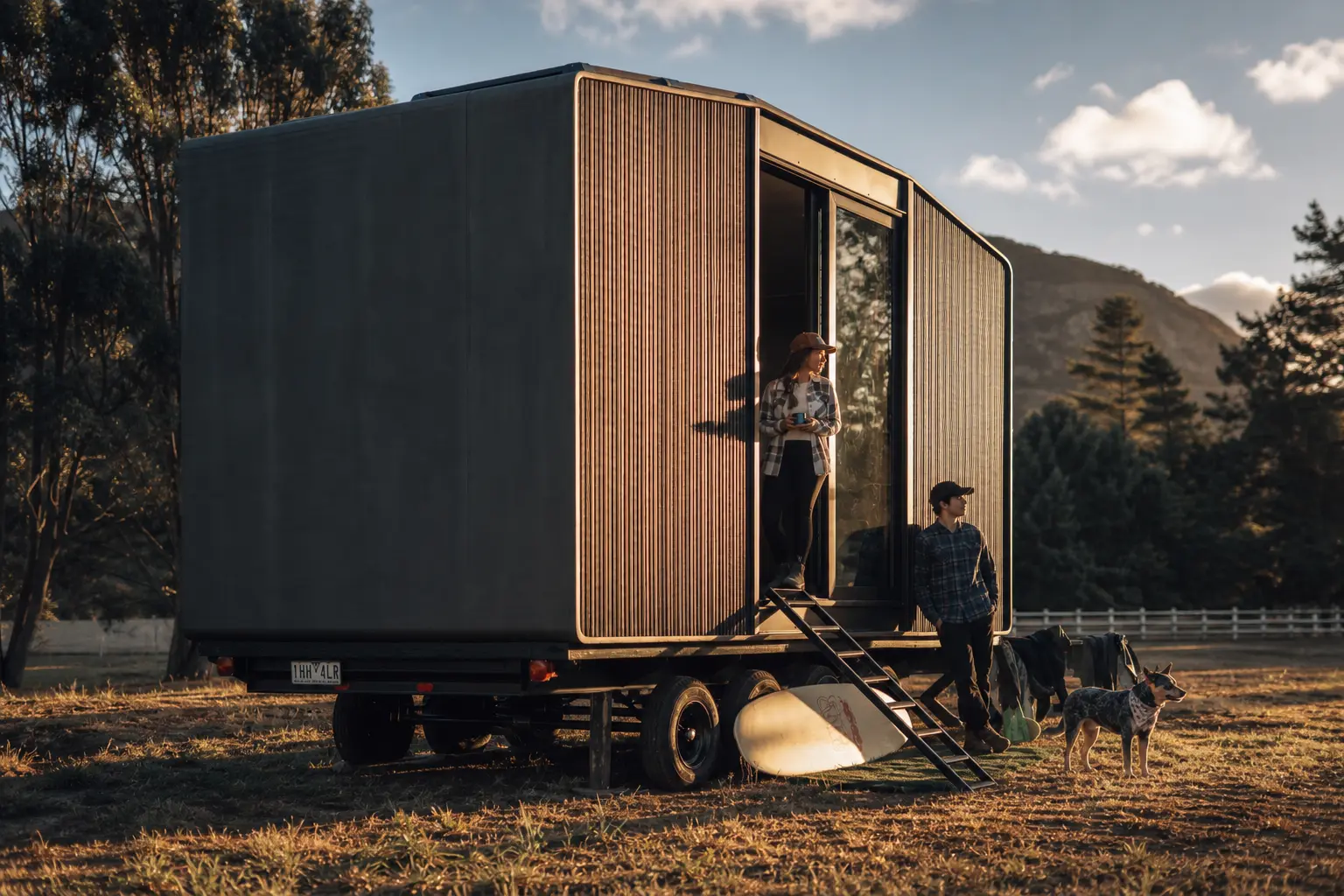
Can you use a VA loan for both modular and manufactured homes? The short answer is yes. The longer answer is that these homes are built differently, follow different building standards, and may go through different financing and approval processes.
At Azure Printed Homes, we’ve worked with homeowners, developers, municipalities, and organizations planning everything from backyard studios and ADUs to larger residential communities. One thing we’ve learned is that financing conversations should begin long before construction starts. Understanding how a home is classified can influence permitting, foundation design, lender requirements, and even the overall project timeline.
This guide explains the differences between modular and manufactured homes, how VA financing works for each, and what buyers should know before choosing the right home.
Modular vs Manufactured Homes: Exploring the Difference
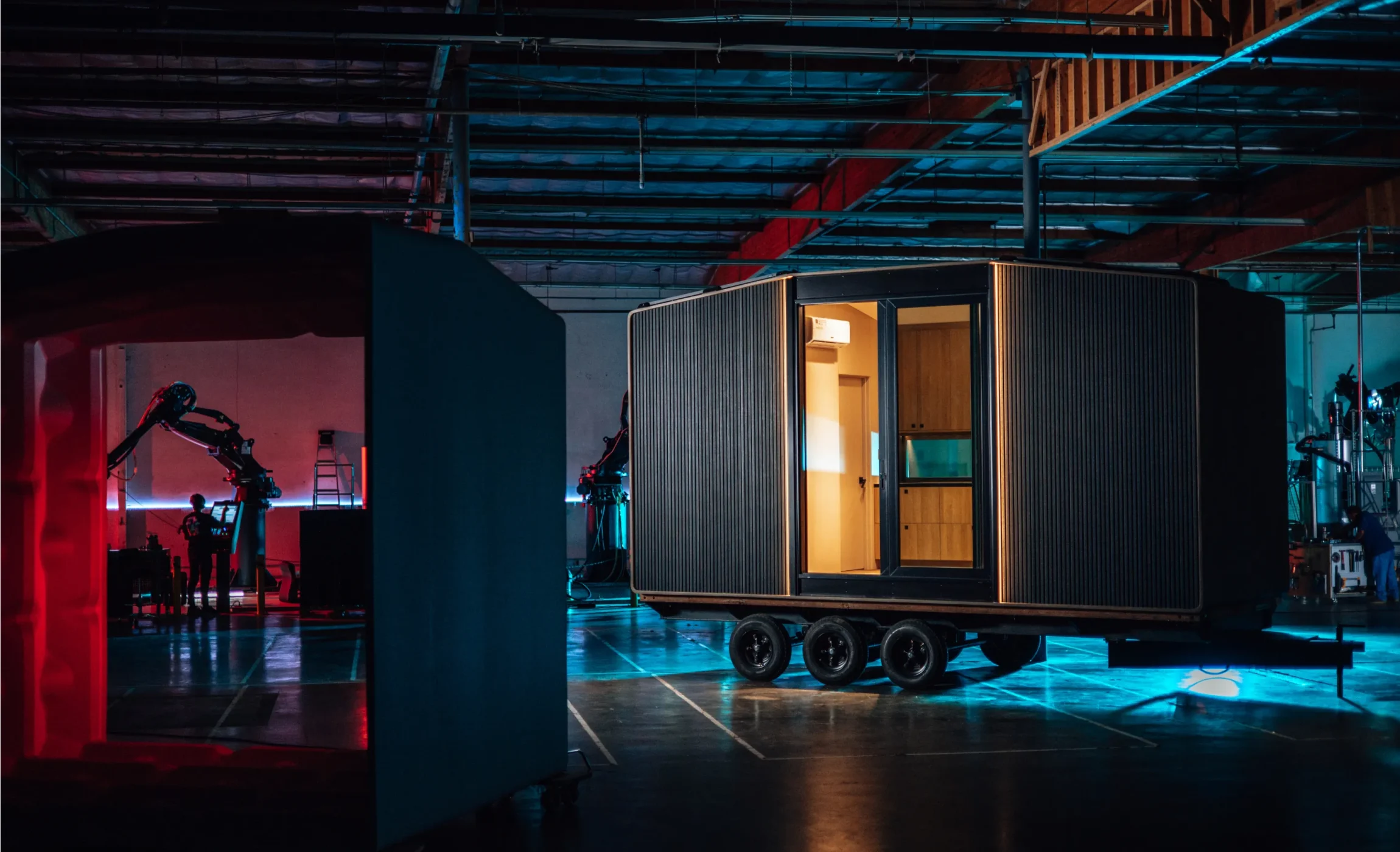
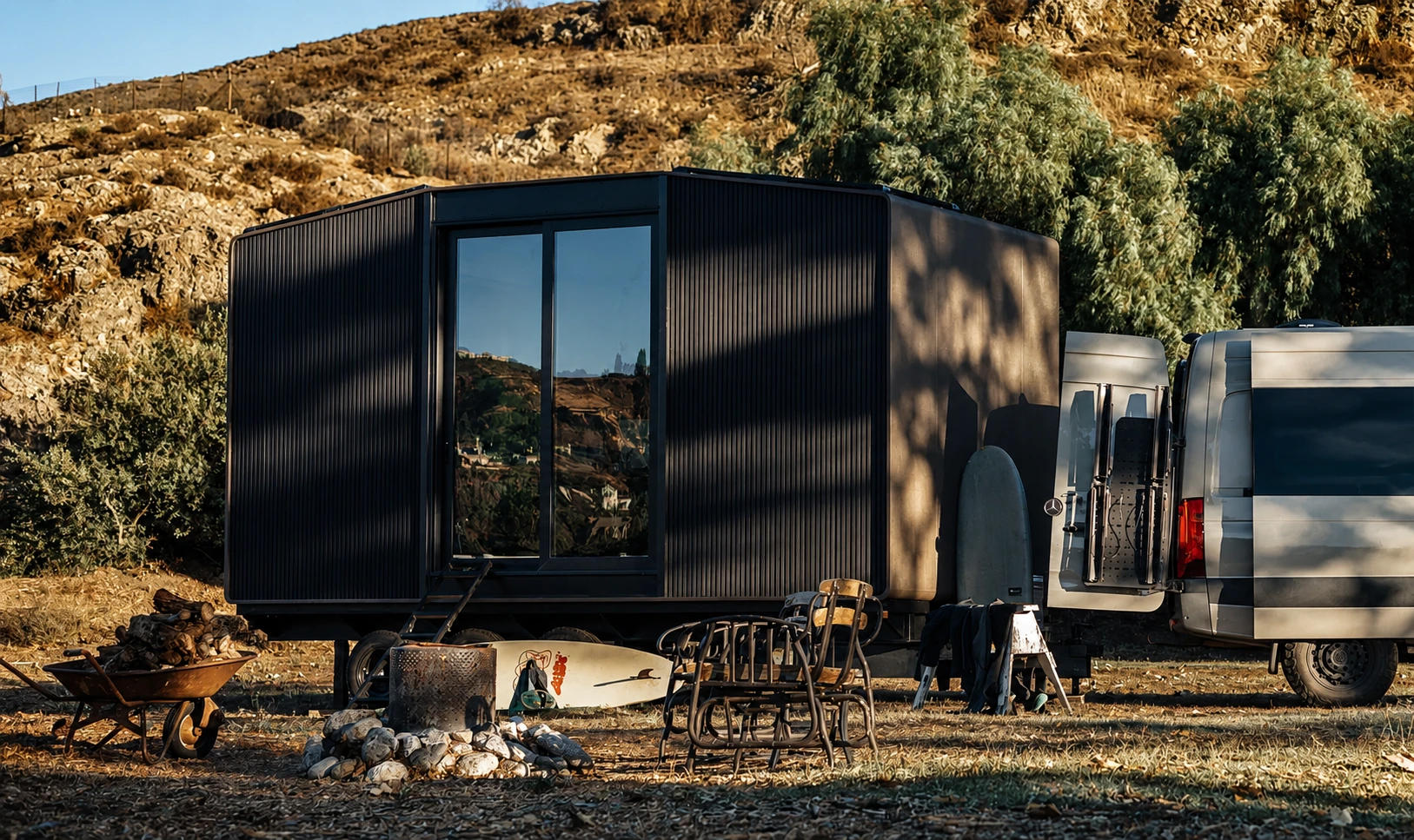
Although modular and manufactured homes are both factory-built, they are not the same product. Manufactured homes are built entirely in a factory on a permanent chassis and must comply with federal standards established by the U.S. Department of Housing and Urban Development (HUD). Once completed, they’re transported to the property where they’re installed.
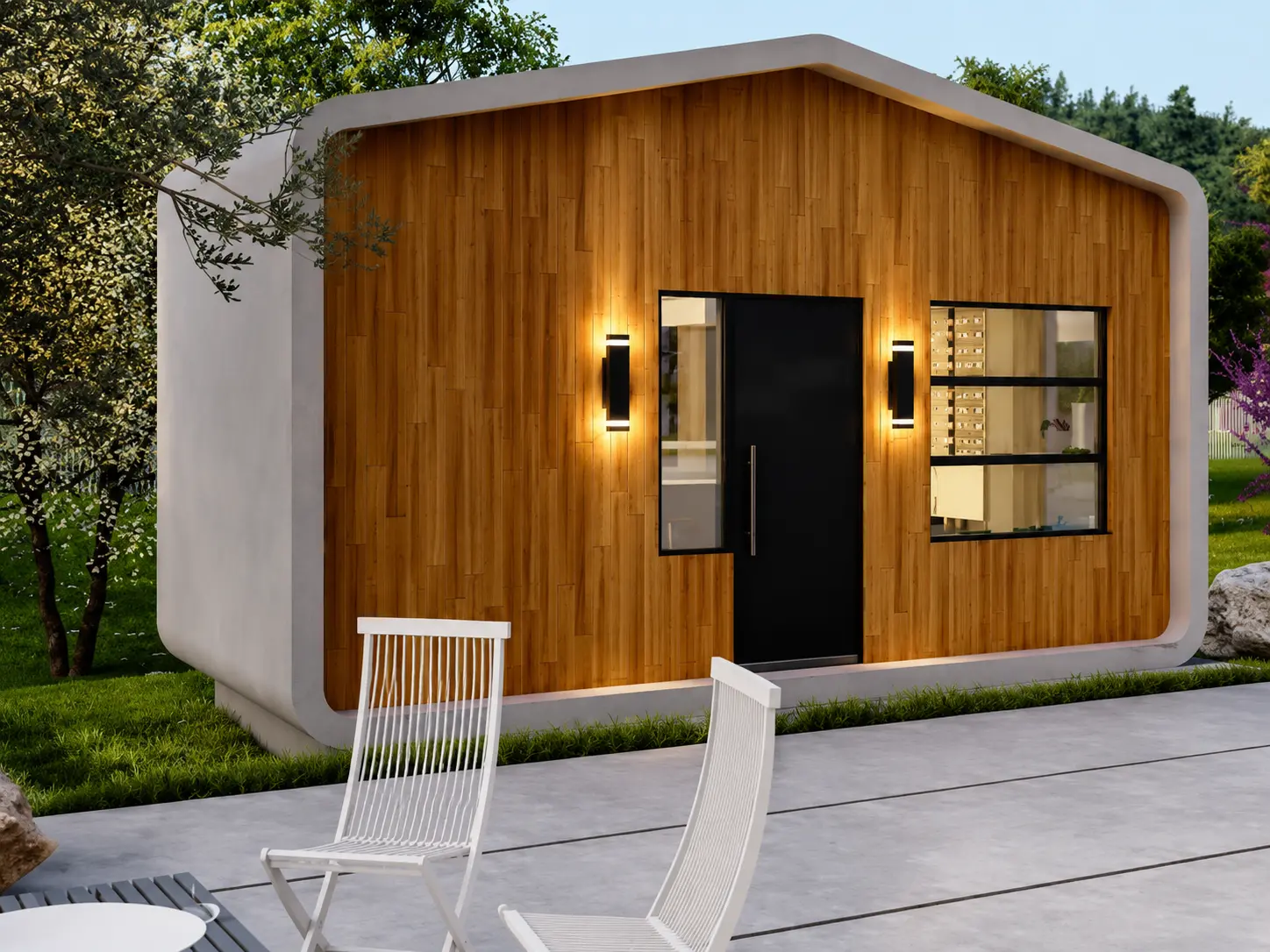
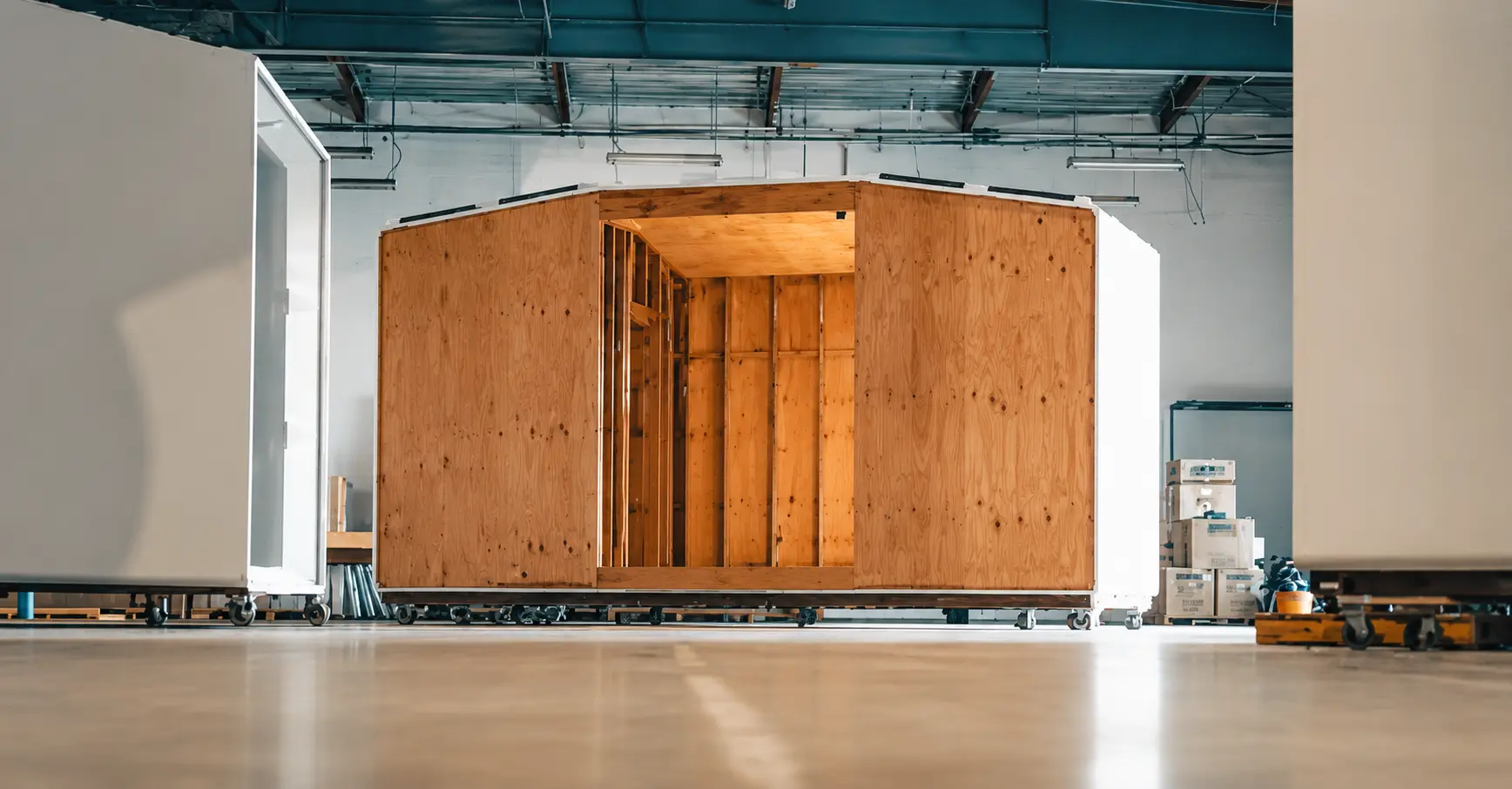
Modular homes also begin in a factory, but they’re built in sections before being transported to the building site and assembled on a permanent foundation. Rather than following HUD standards, modular homes must comply with the same local or state building codes that apply to traditional site-built homes.
When we design modular homes and ADUs, we start every project with those requirements in mind. Manufacturing is only one part of the process. Site planning, local building codes, utility connections, and foundation design all work together to create a home intended for permanent residential living.
That distinction affects far more than construction. It also influences financing, inspections, appraisals, permitting, insurance, and long-term ownership.
Can You Use a VA Loan for Both?
Yes. Eligible veterans may use a VA loan to purchase either a manufactured or modular home, provided both the borrower and the property satisfy VA requirements and the lender’s guidelines.
The financing process, however, isn’t always identical.
Existing modular homes are generally financed much like traditional houses because they’re considered permanent real estate after installation. Manufactured homes can also qualify, but lenders often have additional requirements related to age, installation, foundation type, and property classification.
Every lender has its own underwriting policies, which is why it’s important to confirm eligibility before choosing a specific home.
We’ve found that discussing financing at the beginning of a project often prevents delays later. Whether someone is planning a permanent residence, an ADU for family members, or a larger residential development, understanding lender requirements early helps shape the rest of the project.
VA Loan Requirements for Manufactured vs Modular Homes
Although both manufactured and modular homes can qualify for VA financing, they follow different building standards and lending requirements. Understanding those differences early can make the buying process much smoother and help you choose a home that aligns with your financing goals.
Manufactured Homes
Manufactured homes must meet several important requirements before they qualify for a VA loan. In most cases, the home must:
- Be permanently attached to an approved foundation.
- Meet HUD construction standards.
- Be classified as real property under state law.
- Meet local zoning requirements.
- Satisfy the VA’s Minimum Property Requirements.
- Include the required HUD certification label and interior data plate.
Some lenders may also require the home to remain at its original installation site. Manufactured homes that have been moved after their initial placement are often more difficult to finance.
These requirements show why the home’s classification matters from the beginning. Two factory-built homes may look almost identical, yet follow completely different lending guidelines because they were built under different construction standards.
Modular Homes
Modular homes generally move through a more familiar mortgage process because they’re built to local residential building codes rather than federal HUD standards. After installation, they’re typically treated much like traditional site-built homes.
Most modular homes financed with a VA loan should:
- Be permanently installed on a foundation.
- Meet all applicable local and state building codes.
- Receive required inspections.
- Become part of the real property.
- Meet VA appraisal requirements and Minimum Property Requirements.
Before manufacturing begins, we work through foundation requirements, site conditions, local building codes, and utility connections because those decisions affect everything that comes afterward. By the time the home leaves our factory, it’s already been designed around the property where it will be installed, not treated as a one-size-fits-all product.
Because they’re built and installed as permanent residences, modular homes are often an attractive option for veterans planning to stay in their home for years to come.
Factors That Can Affect VA Loan Approval
Getting approved for a VA loan isn’t only about meeting the lender’s financial requirements. The property itself has to qualify as well. That’s why it’s important to think beyond the home and consider everything that comes with placing it on a piece of land. From our experience, many financing questions can be answered much earlier when the site, the home, and the lender’s requirements are considered together instead of separately.
Permanent Foundation
One of the first things lenders look at is how the home will be installed. Both modular homes and manufactured homes financed with a VA loan generally need to be placed on a permanent foundation. This helps establish the home as a long-term residence rather than a temporary structure.
Foundation planning is something we discuss early in every project because it influences much more than installation. It can affect engineering, site preparation, inspections, utility connections, and the overall construction schedule. Working through those details before manufacturing begins often helps avoid delays once the home is ready for delivery.
Property Classification
How a home is legally classified can make a significant difference during the financing process.
In many cases, a home must be recognized as real property rather than personal property to qualify for a traditional VA mortgage. While that may sound like a technical detail, it often determines which loan programs are available and how the lender evaluates the property.
This is another reason it’s helpful to have financing discussions early. Two factory-built homes may appear very similar, but their legal classification can lead to very different lending requirements.
Local Regulations
No two jurisdictions handle residential construction exactly the same way. Zoning ordinances, building codes, setback requirements, utility connections, and permitting procedures can all vary depending on where the home will be installed.
Whether someone is planning a backyard ADU, a primary residence, or a larger housing development, we always begin by understanding the local requirements before production starts. Every project is designed around its future location because it’s much easier to address local regulations during planning than after the home has already been manufactured.
Property Condition
Like any home purchased with a VA loan, the property must meet the VA’s Minimum Property Requirements. During the appraisal process, the home is evaluated to confirm that it’s safe, structurally sound, and suitable for everyday living.
For buyers, this means thinking beyond finishes and floor plans. The overall quality of the home, the installation, and the condition of the property all contribute to a successful appraisal and financing process. Taking the time to plan each part of the project carefully can help everything move forward with fewer unexpected issues.
Choosing Between Two Options for a VA Loan
There’s no universal answer to which type of home is better. The right choice depends on your property, your long-term plans, and how you expect to use your VA loan.
Before deciding between a modular and manufactured home, ask yourself a few practical questions:
- Will this be your primary residence? Modular homes are often a natural fit for buyers planning a permanent home because they’re built to local residential building codes and are typically financed much like traditional houses.
- Do you already own the land? If you do, it’s worth checking local zoning requirements and speaking with your lender early, as both can influence the type of home that makes the most sense.
- Are you building a new home or adding living space? A modular ADU or backyard studio may offer more flexibility if you’re expanding an existing property rather than starting from scratch.
- Are you planning a larger project? Factory-built construction is increasingly being used for workforce housing, supportive housing, and government-led residential developments where consistent quality and predictable timelines are important.
- Have you discussed financing before choosing a home? Lender requirements can affect everything from the foundation to how the home is classified, so understanding those details early can prevent changes later in the process.
We have these conversations every day, and one thing is consistently true: buyers who look at financing, site preparation, and the home itself as one project usually have a smoother experience than those who treat them as separate decisions.
The purchase price is only one part of the equation. Taking time to consider financing requirements, local regulations, installation, and your long-term plans will help you choose the type of home that best fits your property and your goals.
Planning Your Property Before Construction Begins
It’s easy to get excited about choosing a floor plan, but financing often depends on decisions that happen much earlier. Before a lender approves the loan, there may be questions about the property, the foundation, local regulations, or even whether the home will be classified as real estate.
That’s why we like to look at the project as a whole instead of treating each step separately. Before manufacturing begins, we work through the details that affect both construction and financing so there are fewer surprises once production is underway.
| What to Plan | Why It Matters |
| Land and site conditions | The property’s layout, grading, and access can influence foundation design, delivery, and installation. |
| Foundation | Both modular homes and qualifying manufactured homes financed with VA loans generally require a permanent foundation that meets local and lender requirements. |
| Property classification | Whether the home is considered real property can affect the financing options available and the overall loan process. |
| Local permits and zoning | Every city and county has its own rules for setbacks, utility connections, and residential construction. Understanding those requirements early helps avoid unnecessary delays. |
| Utility connections | Planning for water, sewer, electricity, and other services before manufacturing begins makes installation more efficient once the home arrives. |
| Delivery and installation | Access to the property, site preparation, and installation logistics should be coordinated well before the home leaves the factory. |
Looking at these pieces together makes it much easier to keep the project moving. While the scale may change, the planning process is remarkably similar: solve the important questions first, then move into production with a clear plan.
Final Thoughts
Choosing between a modular and manufactured home isn’t simply a financing decision. It also affects permitting, site preparation, construction, and how the home will fit your needs for years to come. Understanding those differences before you begin can make the entire process more predictable and help you avoid unexpected setbacks along the way.
At Azure, we’ve had the opportunity to work on projects ranging from backyard ADUs and permanent homes to workforce housing, multifamily developments, and government-supported housing initiatives. One thing they all have in common is that the best outcomes start with good planning. When the home, the property, and the financing strategy are considered together from the beginning, it’s much easier to move through design, manufacturing, delivery, and installation with confidence.
Whether you’re building your first home or planning a larger housing project, taking the time to understand your options today will help you make decisions that continue to pay off long after the home is complete.