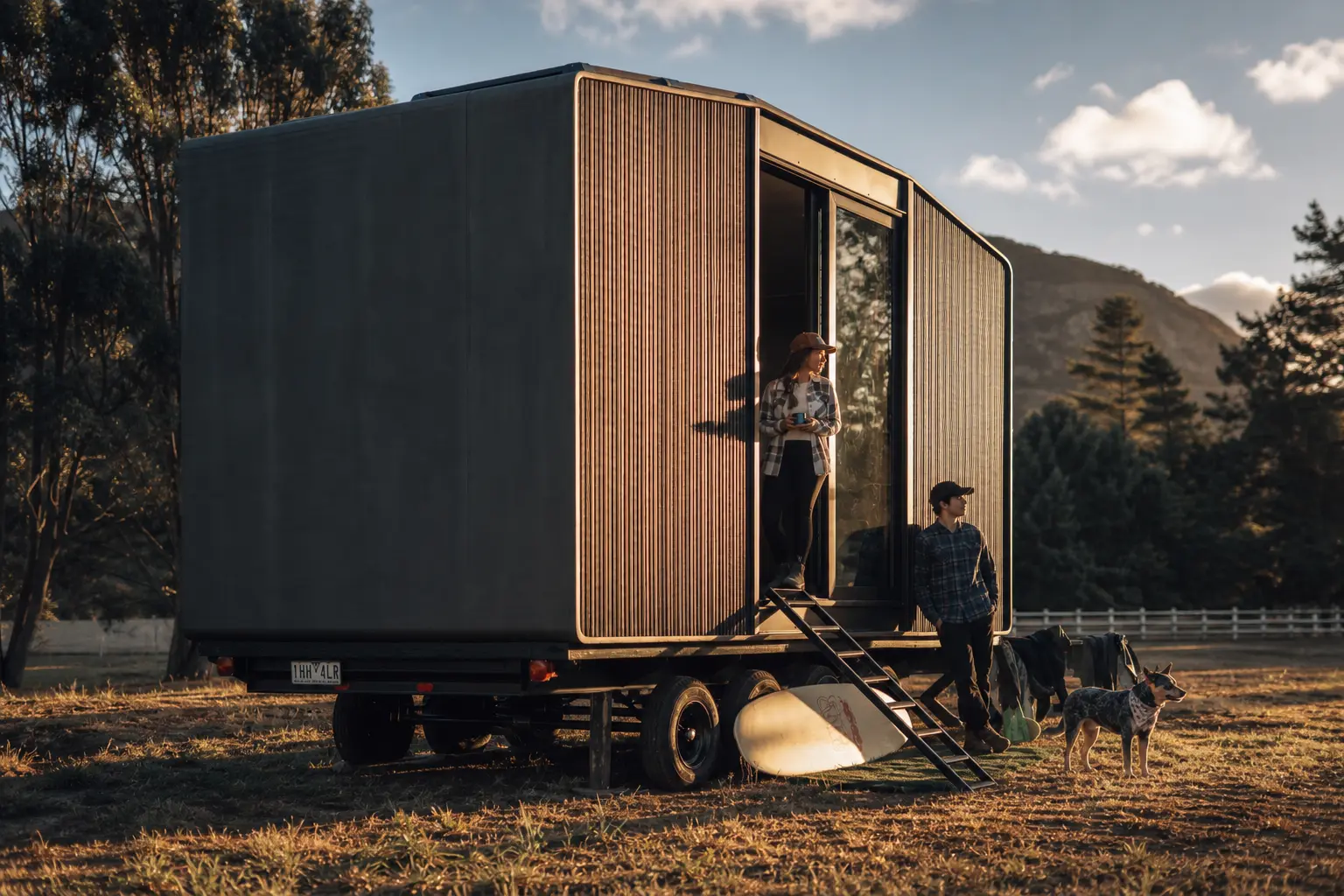
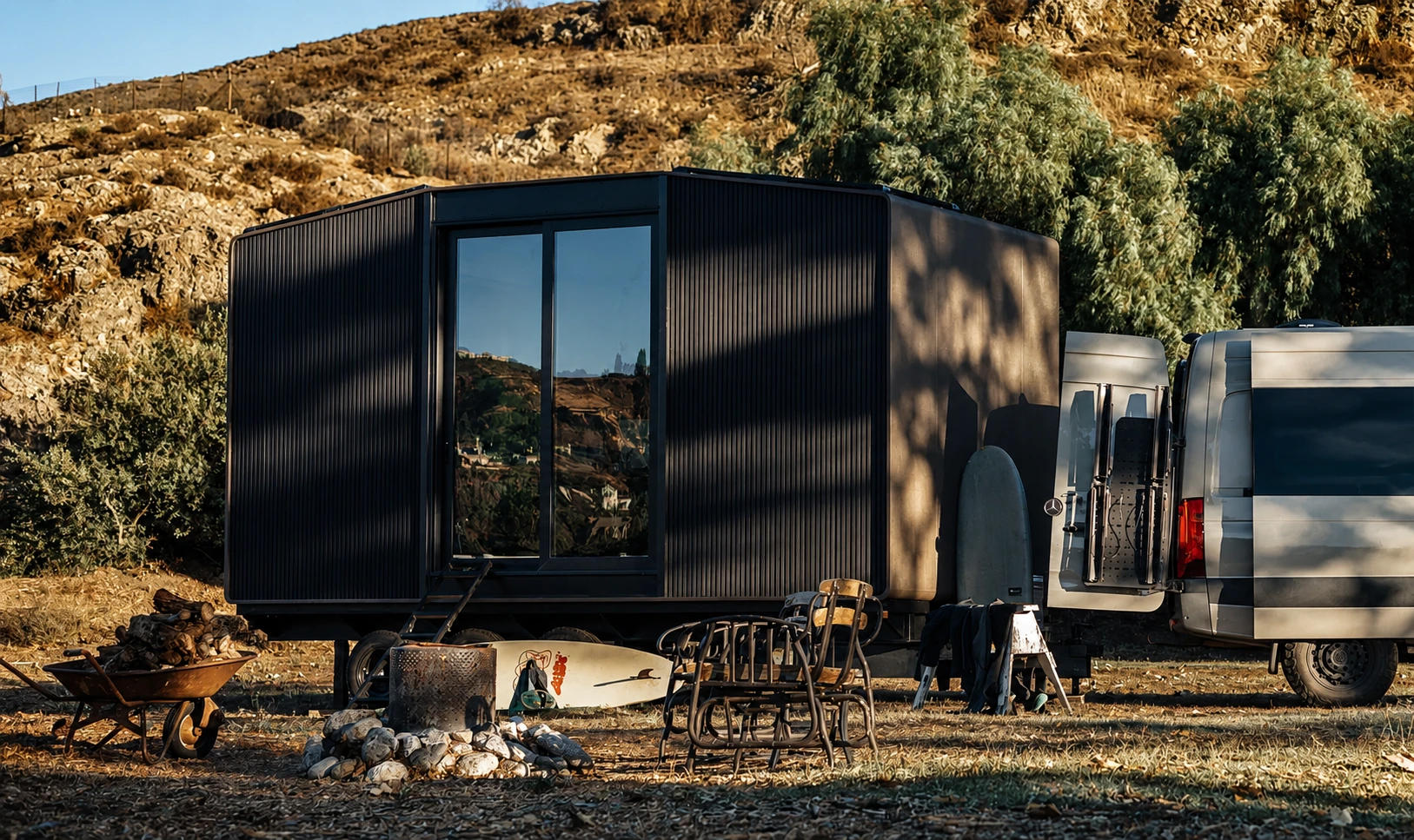
Factory-built housing has moved far beyond the old idea of a home arriving as one standard box. Today, buyers can choose homes that are designed with real layouts, modern finishes, better efficiency, and a faster path from planning to move-in.
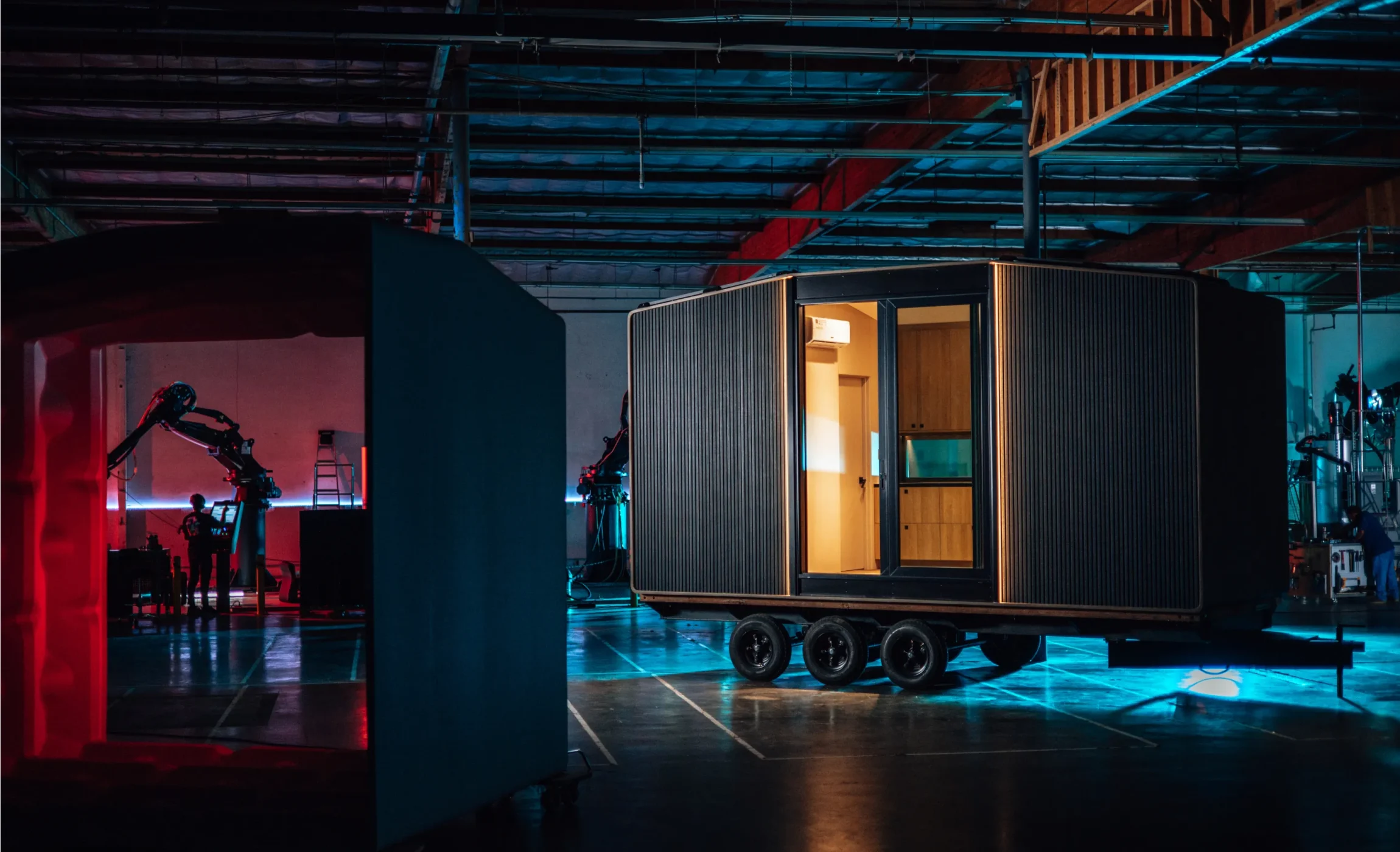
At Azure Printed Homes, that is the idea behind our homes. We use robotic printing, recycled materials, and factory-built construction to create ADUs, studios, homes on wheels, and larger residential spaces with a more predictable process.
The confusing part is the terminology. This guide clears up the difference between modular homes and mobile homes, so buyers can understand what each option offers and which one makes more sense for their property, budget, and long-term plans.
Understanding the Two Home Types First
Before comparing cost, value, financing, or long-term use, it helps to start with the basics. Modular homes and mobile or manufactured homes may both involve factory construction, but they are not built, installed, or regulated the same way.
What a Modular Home Is
A modular home is built in sections inside a factory and transported to the building site after construction. Once delivered, the modules are placed on a permanent foundation and connected to create a complete home.
Although much of the construction happens indoors, the finished home is intended to function like any other permanent residence. It follows local and state building codes, connects to utilities, and becomes part of the property.
Modern modular construction combines factory precision with architectural flexibility. Floor plans, exterior finishes, interior layouts, and optional features can often be customized before production begins.
At Azure, we apply this approach across our residential product line, from compact backyard ADUs to full-size homes. Our factory process allows electrical, plumbing, mechanical systems, insulation, and interior finishes to be completed before delivery, reducing the amount of work required on-site.
What a Mobile or Manufactured Home Is
The term mobile home technically refers to factory-built homes constructed before the HUD Manufactured Home Construction and Safety Standards took effect in 1976. These homes were designed to be transported as complete units and often remained on their original steel chassis.
Modern homes in this category are officially called manufactured homes. They are built in a factory under federal HUD standards, transported to the site, and installed according to applicable rules. Many buyers still call them mobile homes, even when they are referring to newer manufactured homes.
Unlike modular homes, manufactured homes are regulated under federal HUD standards rather than the same local and state building codes used for modular or site-built homes.
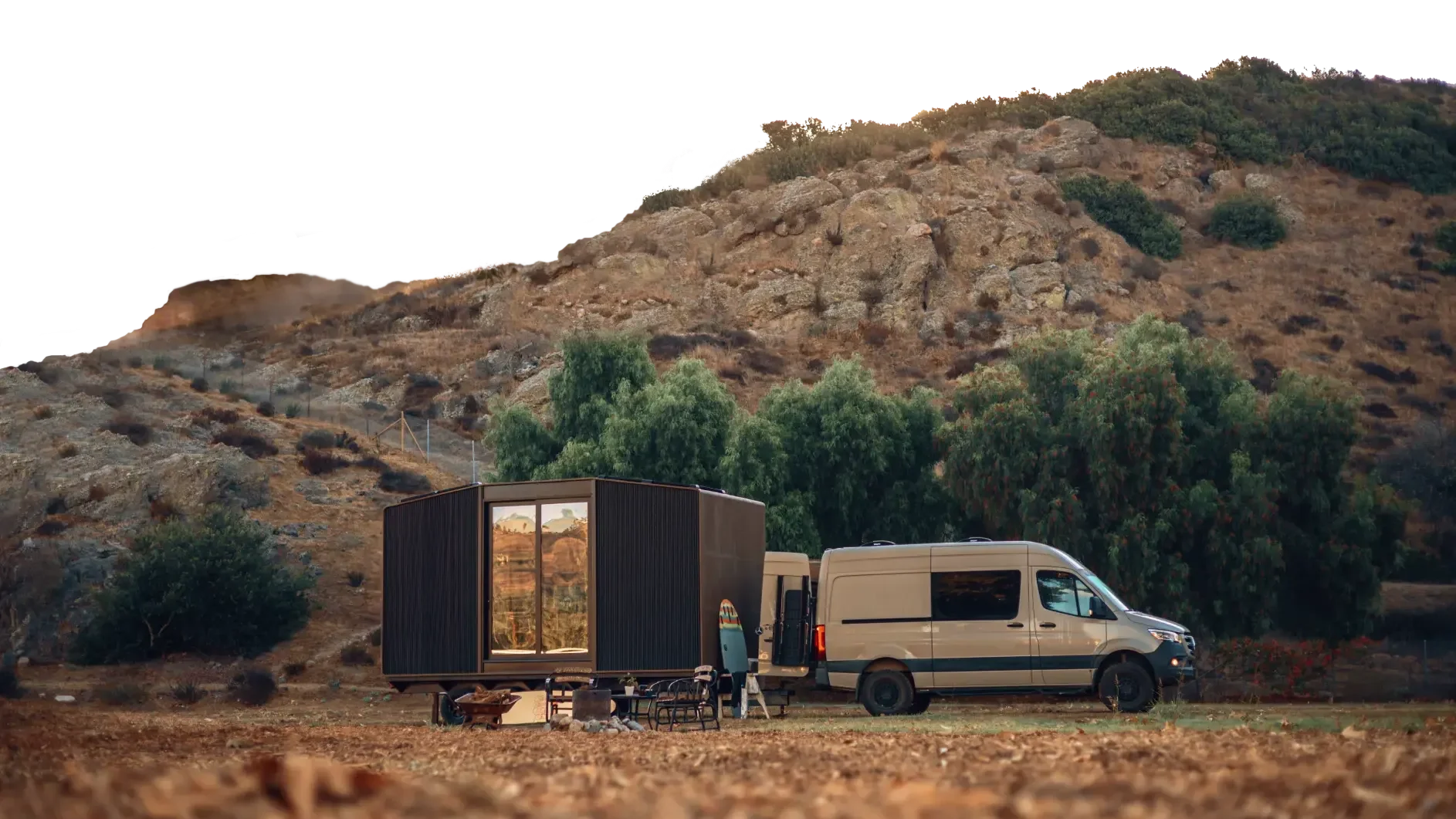
Modular Homes vs Mobile Homes at a Glance
Here is the simple way to look at it: both are factory-built, but they are not treated the same once they leave the factory. The differences affect where the home can be placed, how it is financed, how permanent it is, and how much flexibility a buyer has during planning.
| Feature | Modular Home | Mobile or Manufactured Home |
| Building code | Local and state building codes | Federal HUD standards for manufactured homes |
| Foundation | Permanent foundation | Often installed on a chassis, with setup depending on site and local rules |
| Construction | Factory-built modules assembled on-site | Factory-built as transportable units |
| Design flexibility | Higher flexibility | More standardized |
| Property classification | Typically becomes part of the real estate | May be real property or personal property depending on installation |
| Financing | Often closer to traditional home financing | Financing options can vary more |
| Long-term use | Permanent residence, ADU, vacation home, rental property | Permanent, semi-permanent, seasonal, or community-based housing |
What Really Separates Modular Homes From Mobile Homes
Once the basic definitions are clear, the next step is looking at how each option works in real life. Construction method, design flexibility, long-term value, energy performance, financing, and installation all affect the final decision.
Construction Method
The biggest difference is how the finished home becomes part of the property. Modular homes are manufactured as individual sections that are transported separately and assembled on-site. Because the modules are installed on permanent foundations, the finished structure functions much like a conventional house.
Factory construction offers several advantages:
- Better quality control in a controlled environment
- Less exposure to weather during construction
- Consistent manufacturing processes
- Shorter on-site installation time
- Reduced construction waste
At Azure, we combine robotic manufacturing with modular construction to produce homes using recycled materials while completing much of the electrical, plumbing, and interior finishing work before delivery. Once the modules arrive, installation and utility connections can often be completed in a matter of days rather than months.
Mobile or manufactured homes follow a different process. They are built as transportable units and delivered to the site more directly. The final setup depends on the home, the land, the installation method, and local requirements.
Design Flexibility
Today’s buyers expect more than a standard floor plan. One advantage of modular construction is the ability to personalize the home before production starts. Depending on the project, owners may choose different layouts, finishes, window placements, exterior materials, and optional upgrades.
Larger modular homes can often accommodate additional bedrooms, multiple bathrooms, open-concept living spaces, covered patios, solar-ready features, and site-specific orientation.
Manufactured homes can offer layout and finish choices too, but they are usually more standardized than modular homes. This can make them practical for buyers who want a simpler selection process, but less ideal for projects that need a site-specific design.
At Azure, we support both standard models and customized projects. Our homes can be adapted to suit individual properties, while larger projects may include multiple stories, balconies, or other architectural modifications when appropriate.
Long-Term Value
Long-term value depends on more than the purchase price. Buyers often compare factors such as expected lifespan, maintenance requirements, energy efficiency, financing options, resale value, and insurance considerations.
Modular homes are permanently installed and built to local and state building codes. Because they become part of the property, they are often viewed similarly to traditional homes, which can benefit long-term ownership and resale.
Mobile or manufactured homes can provide an affordable housing solution, but long-term value depends on the home’s age, condition, location, installation, and whether the buyer owns the land. Financing and resale can differ depending on whether the home is classified as real property or personal property.
Construction quality plays an important role regardless of the home type. Factory-built modular homes benefit from controlled manufacturing conditions, helping reduce weather-related delays and improve consistency throughout the build.
At Azure, we design our homes with insulated walls, floors, and ceilings, durable materials, and factory-installed systems that support comfortable year-round living while reducing the amount of work required after delivery.
Energy Efficiency and Sustainability
Energy efficiency has become one of the biggest priorities for homeowners, but the level of efficiency often depends on when and how a home was built.
Modern modular homes are typically designed with current building codes in mind. Factory construction allows insulation, windows, and building systems to be installed under controlled conditions, helping improve overall performance and reduce energy loss.
Older mobile homes may not offer the same level of insulation or energy efficiency. Newer manufactured homes are usually more efficient than earlier generations, but performance still depends on the model, materials, HVAC system, and installation quality.
Many modern modular homes can include:
- High-performance insulation
- Double-pane windows
- Energy-efficient lighting
- Optional solar upgrades
- Tight building envelopes that reduce air leakage
At Azure, we go a step further by using recycled plastic in many of our robotically printed homes. More than 60% of our print material comes from recycled plastic, giving waste materials a second life while supporting a more resource-efficient construction process. For projects in high fire hazard severity zones, we also offer light gauge steel construction.
Financing Considerations
Financing depends on several factors, including the type of home, foundation, location, land ownership, and lender requirements. Because modular homes become permanent structures, buyers may have access to financing options that are closer to traditional residential construction.
Mobile or manufactured homes can qualify for financing as well, but the available loan options often depend on whether the home is permanently installed, whether the land is owned or leased, and whether the home is classified as real property or personal property.
Anyone planning a purchase should speak with a qualified lender to understand the financing options available for their specific project.
Installation and Project Timeline
Traditional construction projects can take many months before a home is ready for occupancy. Modular construction can shorten that timeline because site preparation and factory manufacturing can happen at the same time.
While the foundation is being prepared, the home can already be moving through production. Once delivered, installation focuses on setting the modules, connecting utilities, and completing final site work.
Mobile or manufactured homes are often delivered more directly because they are built as transportable units. However, the timeline still depends on land preparation, permits, utility connections, community rules, inspections, and local requirements.
At Azure, we follow a structured process that includes project planning, site assessment, design development, factory production, delivery, and installation. This coordinated workflow helps simplify the path from idea to move-in while keeping construction moving efficiently from start to finish.
Best Uses for Modular Homes and Mobile Homes
Both housing types can provide comfortable living spaces, but they are often chosen for different reasons. The right fit depends on how the home will be used, where it will be installed, and what matters most over the long term.
Modular Homes
Modular homes are a strong choice for buyers looking for a permanent residence or a property that can grow with changing needs. They are commonly used for:
- Primary homes
- Backyard ADUs
- Vacation homes
- Rental properties
- Guest houses
- Multifamily developments
At Azure, we build modular homes for all of these applications. Our product lineup includes compact studios, spacious ADUs, full-size homes, and homes on wheels, with customization options that help each project fit the property and its intended use.
Mobile or Manufactured Homes
Mobile or manufactured homes are often selected for:
- Manufactured home communities
- Affordable housing
- Seasonal or temporary living
- Replacement housing
- Buyers looking for a more standardized home
They can provide a practical solution when a permanent modular home is not the primary goal, particularly in locations designed specifically for manufactured housing.
Which Home Is Right for You?
There is no one-size-fits-all answer. The better choice depends on how you plan to use the home, where it will be installed, and what matters most over the long term.
| Buyer Need | Modular Home | Mobile or Manufactured Home |
| A permanent home | Strong fit because it is installed on a permanent foundation | Possible, but depends on land, setup, and local rules |
| An ADU or backyard unit | Often a practical choice for adding living space to an existing property | Usually not the first choice for ADU projects |
| More control over design | Allows more flexibility with layout, finishes, orientation, and features | Usually more limited and standardized |
| Lower upfront price | Can cost more at the start, but may offer stronger long-term value | May be more affordable upfront |
| Real estate value | Typically becomes part of the property | May be treated as personal property in some cases |
| Financing | Often closer to traditional home financing | Financing can vary more depending on classification |
| Energy performance | Easier to design around modern efficiency standards | Depends on age, model, condition, and installation |
| Placement options | Works well on private land with the right permits and foundation | Common in manufactured home communities or approved sites |
Neither option is universally better. The right choice depends on budget, property, local regulations, and long-term goals. For buyers looking for a permanent home, ADU, or customized living space, modular construction often provides greater flexibility and room to grow.
Final Thoughts
Modular homes and mobile or manufactured homes may both come from a factory, but they are not the same type of housing. The differences show up in how they are built, where they can be placed, how they are financed, and how they function over time.
For buyers who want a permanent home, ADU, or flexible living space, modular construction offers a modern path forward. It combines factory precision, design flexibility, and a more efficient building process while giving homeowners more freedom to create a space that fits their needs.
At Azure, we bring those ideas together through robotically printed homes built with recycled materials and a streamlined factory process. From compact studios and homes on wheels to full-size homes and ADUs, we help turn modern housing concepts into practical living spaces that are ready for the future.