Choosing a new home often starts with one simple question: what kind of home actually fits the project? Modular homes and manufactured homes are often mentioned together, but they are not the same. They are built differently, follow different standards, and offer different levels of flexibility once they arrive on site.
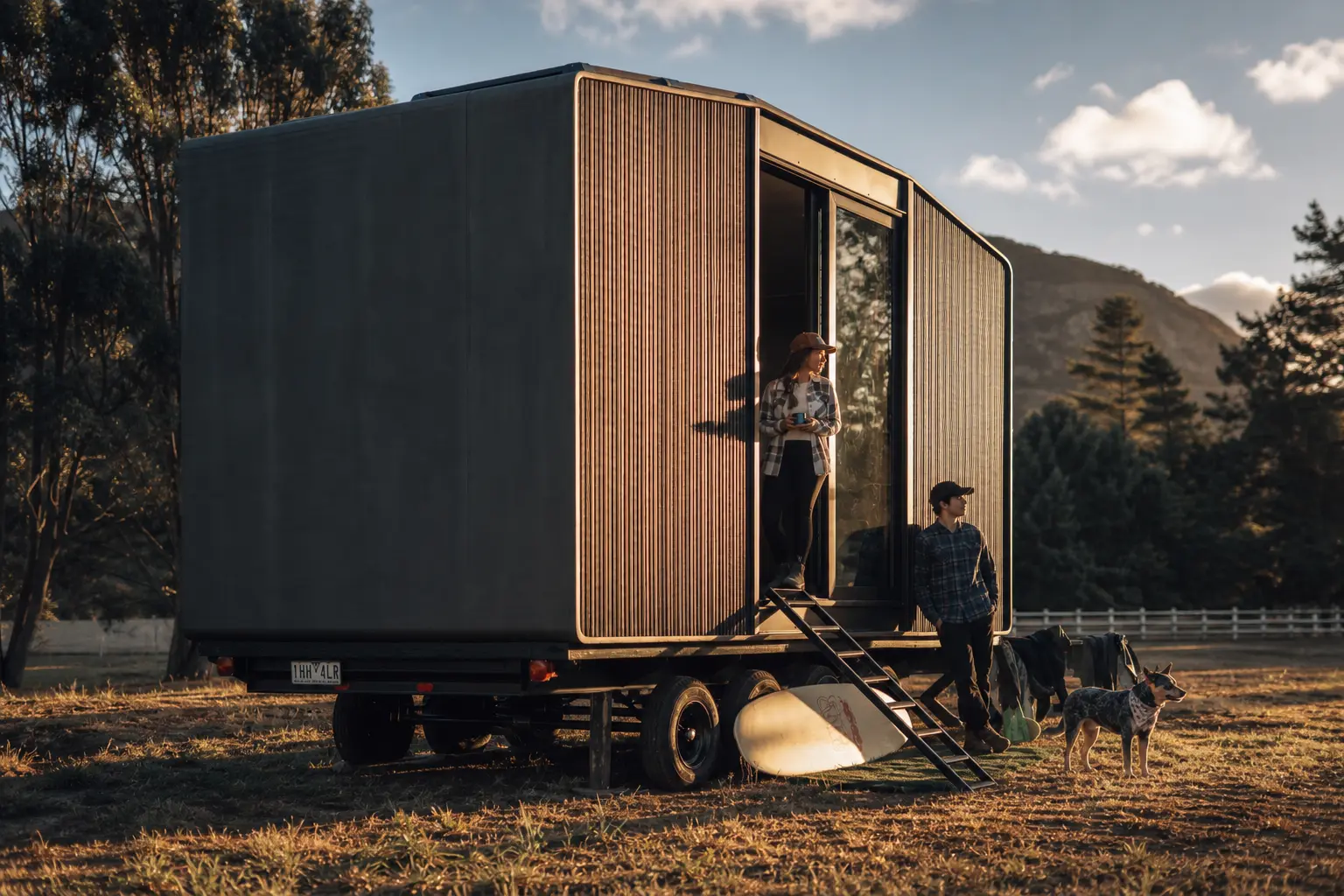
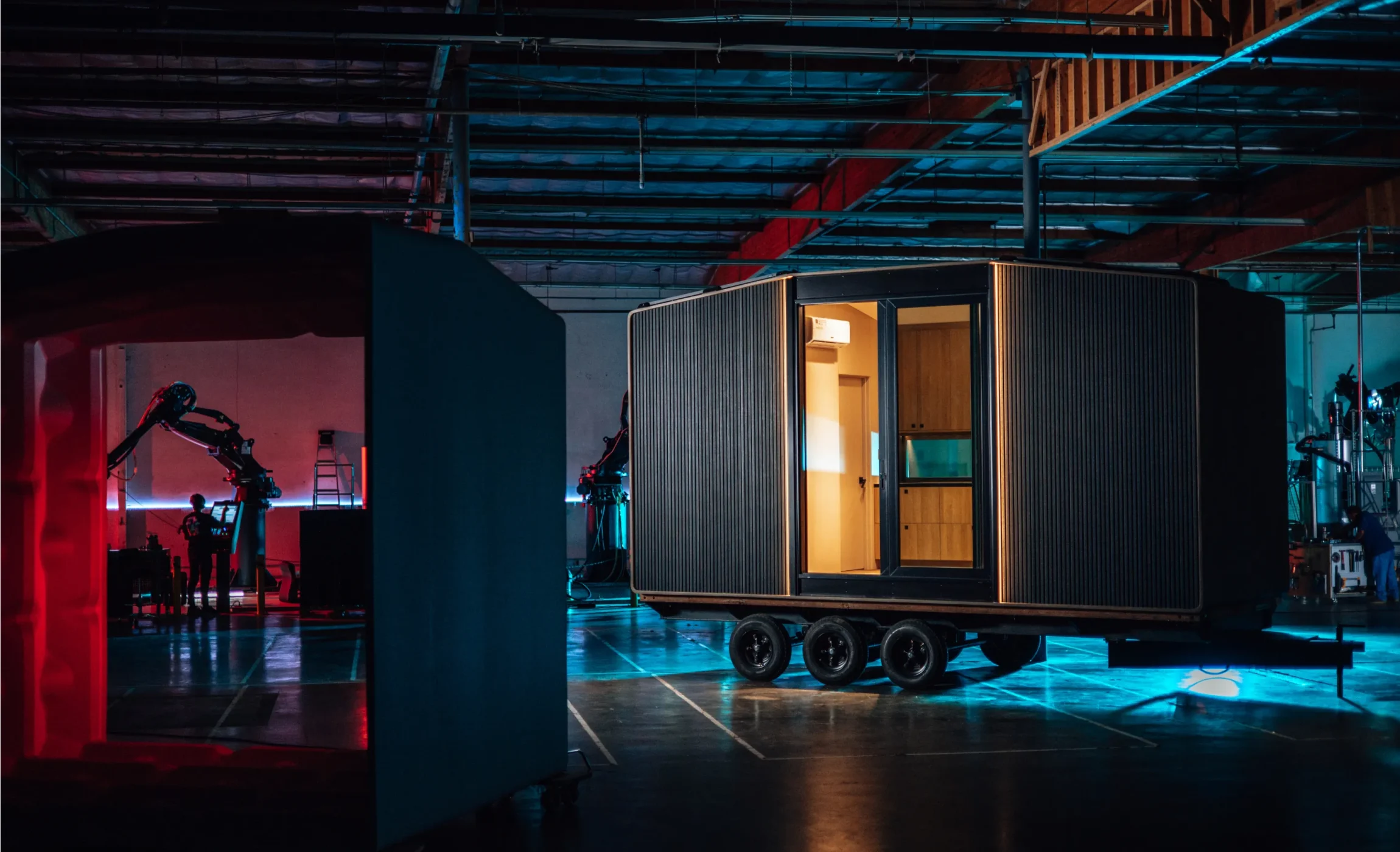
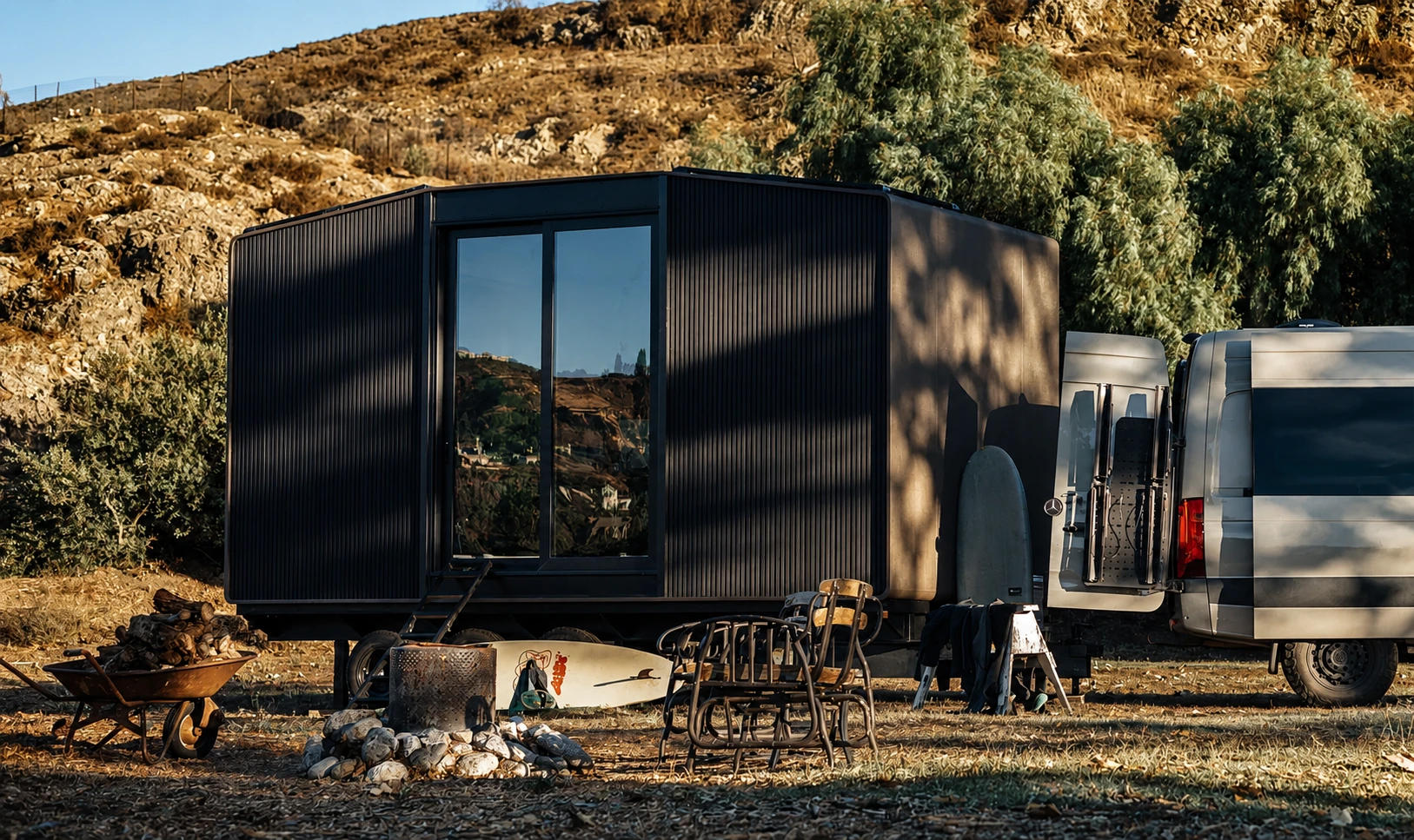
At Azure Printed Homes, we build robotically printed modular living spaces, including ADUs, homes, backyard studios, and homes on wheels. That means we spend a lot of time helping people understand what factory-built housing can and cannot do.
This guide explains the difference between modular homes and manufactured homes, where each option makes sense, and what to consider before choosing one.
What Is a Modular Home and What Is a Manufactured Home?
A modular home is built in sections inside a factory, then delivered to the property for installation. Once it arrives, the modules are placed on a foundation, connected to utilities, and finished for use.
This approach keeps much of the work inside a controlled environment. It helps reduce weather delays, improve consistency, and make the construction process easier to manage.
For us, modular construction is about building smarter before the home ever reaches the site. We fabricate homes, ADUs, and studios in our factory, where electrical, plumbing, mechanical systems, and finishes can be completed before delivery.
A manufactured home is factory-built too, but it follows a different construction standard. Manufactured homes are built under the federal HUD Code and are constructed on a permanent steel chassis.
Many manufactured homes remain on that chassis after delivery. They may be placed in manufactured home communities or on private land, depending on local rules.
Modern manufactured homes can be comfortable and efficient, but they are different from modular homes in how they are regulated, installed, financed, and customized.
The Differences Between Modular and Manufactured Homes
Both modular and manufactured homes are built in factories. That part can be confusing. The real differences show up in the details.
Building Standards
One of the biggest differences between modular and manufactured homes is the building code they follow.
Modular homes are typically built to state and local residential building codes, much like traditional site-built houses. That means they must meet local requirements for:
- Structural integrity
- Fire and life safety
- Energy efficiency
- Electrical systems
- Plumbing
- Mechanical systems
- Local inspections and approvals
Manufactured homes follow a different standard. They are built under the federal HUD Code, which establishes nationwide requirements specifically for manufactured housing. This creates a more standardized production process, but it can lead to different rules for installation and ownership.
The building code affects much more than construction. It can influence:
- Where the home can be installed
- Local zoning and permitting requirements
- Financing options
- Insurance eligibility
- Future resale considerations
For anyone comparing modular and manufactured homes, this is one of the most important distinctions. Two homes may appear similar, but the building standard behind them can shape the entire project from planning through long-term ownership.
Foundation
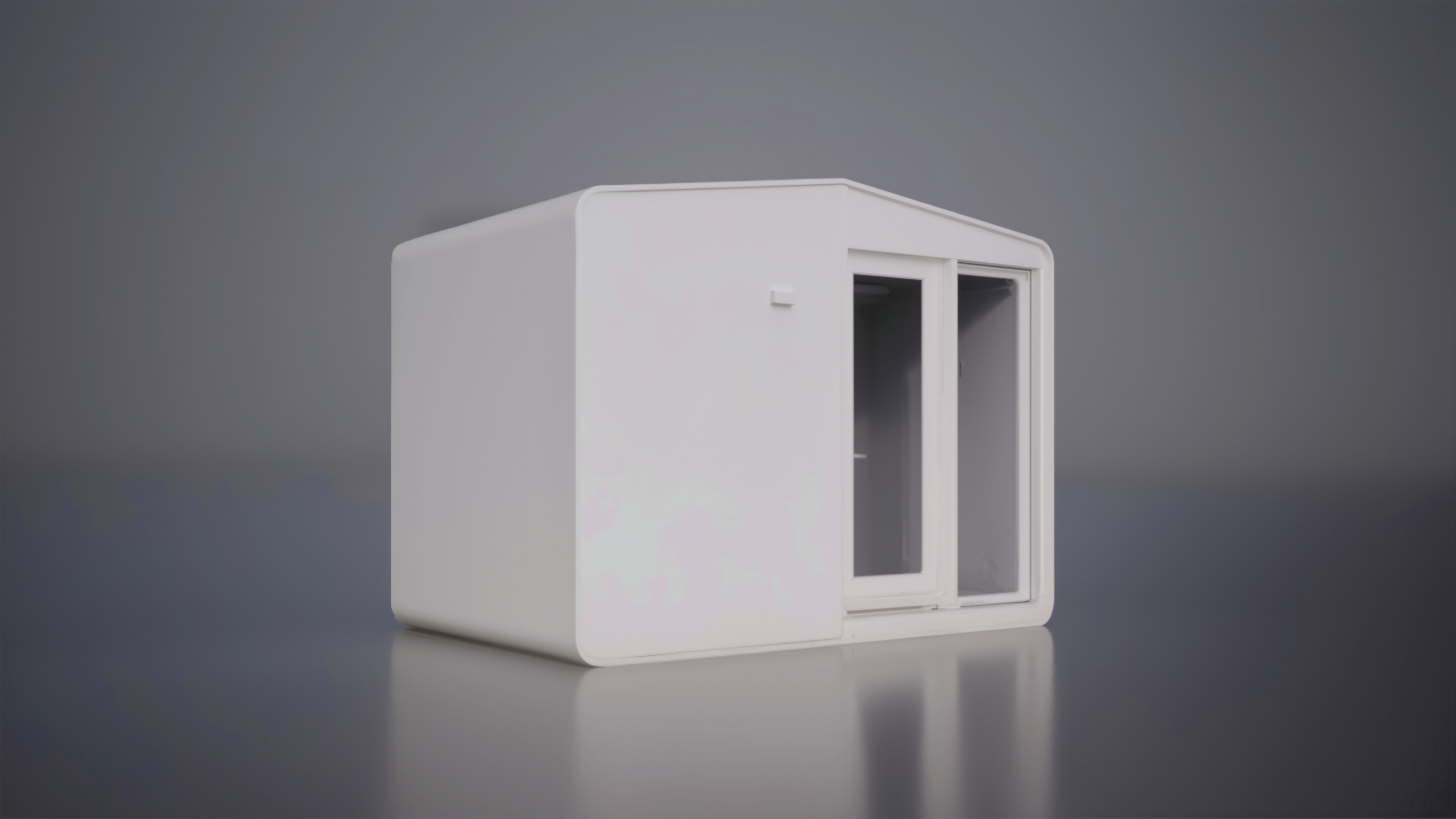
Modular homes are usually installed on permanent foundations. Once installed, they become part of the property in a way that is similar to a conventional site-built home. This can make modular construction a strong fit for ADUs, permanent residences, backyard homes, and projects where long-term property value matters.
Manufactured homes are built on a steel chassis. Even when the home is placed on a permanent site, that chassis remains part of the structure. The home still needs proper anchoring, utility connections, and site preparation, but its construction system is different from a modular home placed on a foundation.
Foundation type can affect how the home is permitted, financed, insured, and viewed by local authorities. It can also influence how permanent the structure feels once installed.
At Azure, our modular homes and ADUs are designed for site installation as real living spaces, not temporary structures. The goal is to create homes that feel settled, durable, and ready for daily use.
Design Flexibility
Modular homes usually offer more room for customization because they are designed as building modules, not as one standardized product. Homeowners may be able to choose floor plans, interior finishes, exterior materials, window placement, kitchen layouts, bedroom and bathroom configurations, and how the home sits on the property.
Manufactured homes often offer customization too, but it is usually more limited. Buyers may choose from available floor plans, colors, cabinets, flooring, and finish packages, but major structural changes can be harder because the home is built around HUD Code requirements, transportation limits, and a permanent chassis.
At Azure, customization is part of the process. Customers can choose from standard models, select finishes, request layout changes where possible, or work with us on custom projects.
Appearance
A completed modular home can look very similar to a site-built home. The exterior, roofline, windows, siding, and interior finishes can all be selected to match the project and the surrounding property.
Manufactured homes have improved a lot in appearance, but they can still be easier to recognize because of their chassis-based structure, transport dimensions, and more standardized layouts. Some models look highly residential, while others have a more traditional manufactured-home profile.
That matters because many buyers do not want a home that feels temporary. They want something efficient, comfortable, and designed for real daily use.
Construction Process
Another major difference is how the project moves from design to installation. For modular homes, the process usually includes:
- Planning and design
- Factory production
- Site preparation
- Delivery
- Installation
- Utility connections
- Final inspections
Because factory production and site preparation can happen at the same time, the overall timeline can be shorter than traditional construction.
Manufactured homes are also built mostly in a factory, then transported to the site. This can be efficient when the buyer selects a standard model, but the design stage is usually less flexible because the home must meet HUD Code and transportation requirements. Site work is still needed, including utility connections, anchoring, access preparation, local approvals, and final setup.
At Azure, our process is built around clarity. Customers configure their unit, we print and fabricate it, install finishes, deliver it, and complete on-site installation. Depending on the model and project location, a backyard studio can be ready much faster than a conventional build.
Energy Efficiency and Materials
Energy efficiency starts with the building envelope. Good insulation, quality windows, and well-built walls, roofs, and floors all help keep a home comfortable throughout the year.
Modular homes can be designed with high-performance materials and energy-efficient systems that match local code requirements. Manufactured homes can also be energy efficient, but performance depends heavily on the model, insulation package, windows, HVAC system, and manufacturer specifications.
Materials matter too. At Azure, we use recycled plastic in many of our printed models. More than 60% of the print material comes from recycled plastic, and about 100,000 plastic bottles are used for every 120 square feet of printed material. For larger homes, ADUs, and projects in high fire hazard areas, we can use light-gauge steel. It is the same cost as the recycled plastic product and is well suited for larger residential projects.
Durability and Long-Term Performance
A home should be efficient, but it should also be resilient. Modular homes can support strong long-term performance because they are:
- Built in a controlled factory setting
- Protected from weather during construction
- Installed as permanent structures
- Easier to inspect during production
- Less exposed to on-site construction mistakes
Manufactured homes share some factory-built consistency, but long-term performance can vary based on the home’s specifications, installation quality, anchoring, maintenance, and local climate. Because they are built to HUD Code and remain tied to a chassis-based system, they are treated differently from modular homes in some long-term ownership situations.
At Azure, our homes are designed with insulated floors, ceilings, and walls. We use double-pane Milgard windows as standard, and our wall, roof, and floor systems are built as singular pieces to help reduce water intrusion risk. Depending on the project and material choice, our homes can also offer strong fire and earthquake resistance.
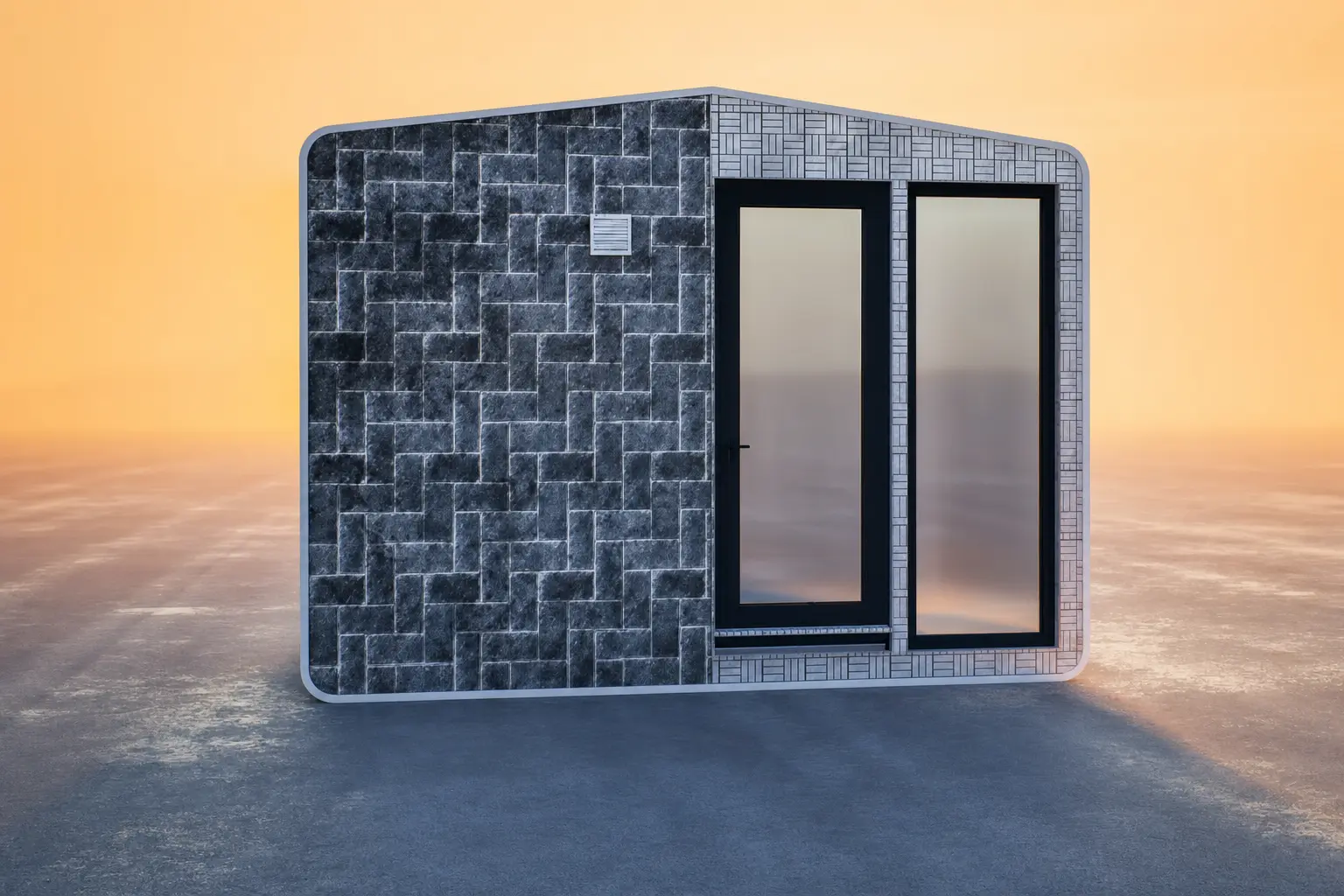
Comparing the Cost of Modular and Manufactured Homes
Both modular and manufactured homes can offer cost savings compared to traditional construction, but pricing depends on the size of the home, level of customization, site conditions, and installation requirements.
Manufactured homes often have a lower entry price because they are built from standardized designs. Modular homes typically cover a wider price range, from compact studios to larger multi-bedroom homes with more customization options.
At Azure, our modular product lineup includes everything from small backyard studios to full-size homes and homes on wheels.
| Azure home category | Starting price range |
| Studio models | $24,900-$29,900 |
| Homes on Wheels | $69,900-$109,900 |
| Modular homes & ADUs | $49,900-$219,900 |
The home itself is only part of the overall investment. Site preparation, foundations, utility connections, permits, delivery, and optional upgrades should all be considered when comparing the total cost of any factory-built home.
Which Home Is Better for an ADU?
For many homeowners, modular construction is a strong fit for an ADU because it combines permanent use with a more predictable building process.
An ADU may be used as:
- A guest house
- A rental unit
- A home office
- Housing for family members
- A backyard studio
- Extra living space
Modular ADUs are built in a factory, so much of the work happens before the unit arrives on site. That can reduce disruption in the backyard, shorten active construction time, and make the project easier to plan around. The home arrives largely complete, then final site work, placement, inspections, and utility connections bring it into use.
Manufactured homes can work in some residential settings, but ADU rules often depend on local zoning, foundation requirements, design standards, and whether the home is accepted as a permanent accessory dwelling. That is why modular construction is often the more flexible route for homeowners who want an ADU that feels connected to the property.
At Azure, ADUs are one of our core product categories. We build compact studio models, larger ADUs, and full residential units that can be configured around the property, the intended use, and local requirements.
How to Choose the Right Option
The right choice depends on the project, the property, and how the home will be used over time.
A modular home may be a better fit for someone who wants:
- A permanent residence
- A backyard ADU
- More design flexibility
- A home that becomes part of the property
- Custom layouts or finishes
- Long-term residential use
A manufactured home may fit buyers who want:
- A lower initial housing cost
- A home designed under HUD standards
- Placement in an approved manufactured home community
- A more standardized factory-built option
Before choosing, it is worth looking at local zoning rules, the property itself, utility access, permitting requirements, delivery access, foundation needs, and long-term plans. A lower starting price may look attractive, but the better option is the one that fits the site, passes local requirements, and supports how the space will actually be used.
At Azure, we help customers think through the full project, not just the model. That includes the intended use, site conditions, customization needs, delivery, installation, and the steps required to turn a factory-built unit into a finished living space.
Final Thoughts
Modular homes and manufactured homes both come from factory-built construction, but they are built for different purposes.
Manufactured homes can be a practical option for certain buyers and locations. Modular homes offer more flexibility for permanent housing, ADUs, custom layouts, and projects where design, site fit, and long-term value matter.
At Azure Printed Homes, we build modular living spaces with robotic printing, recycled materials, efficient factory production, and clear project steps. Our goal is simple: make homes, ADUs, studios, and homes on wheels faster to build, easier to customize, and more practical for the way people live now.