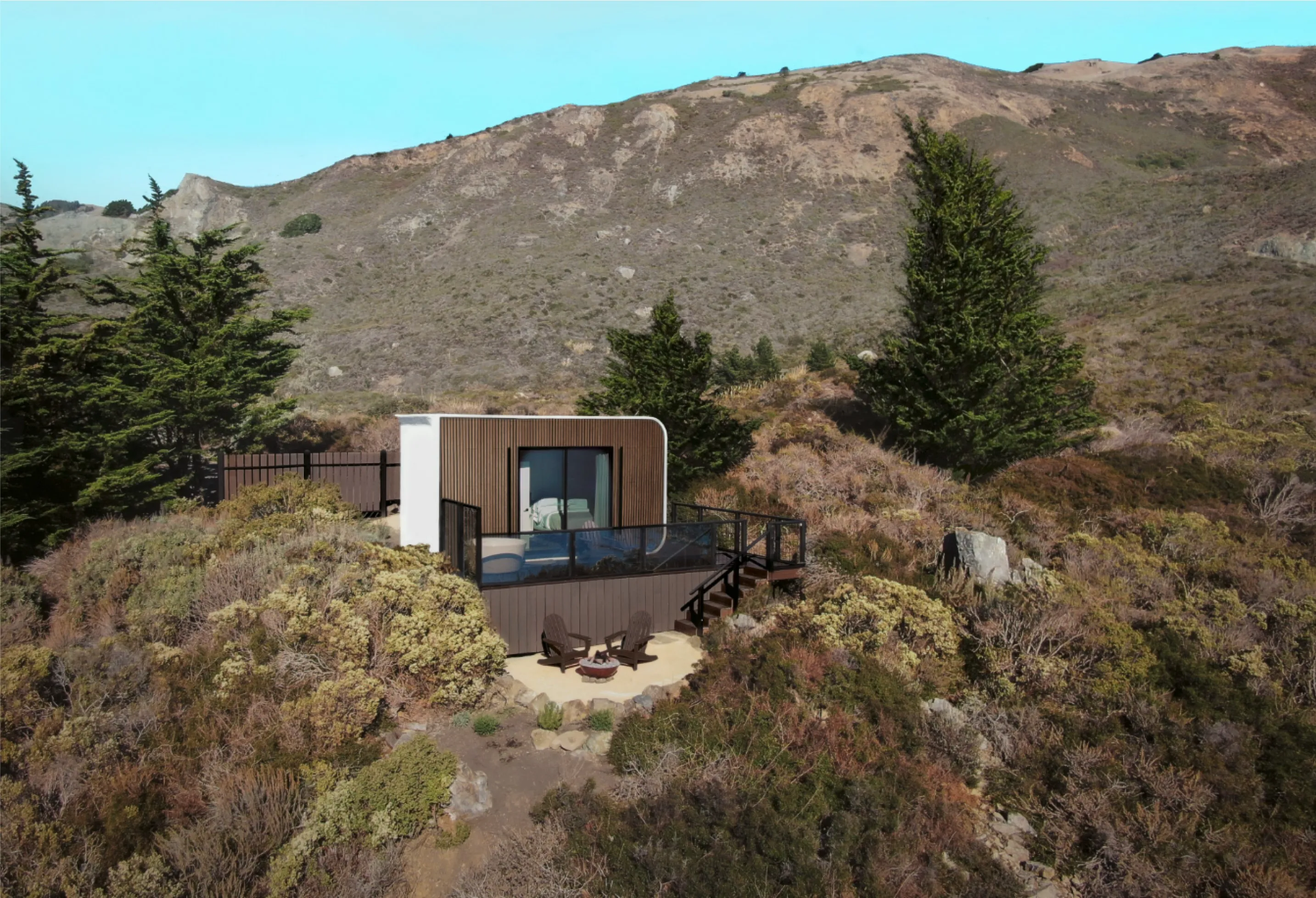
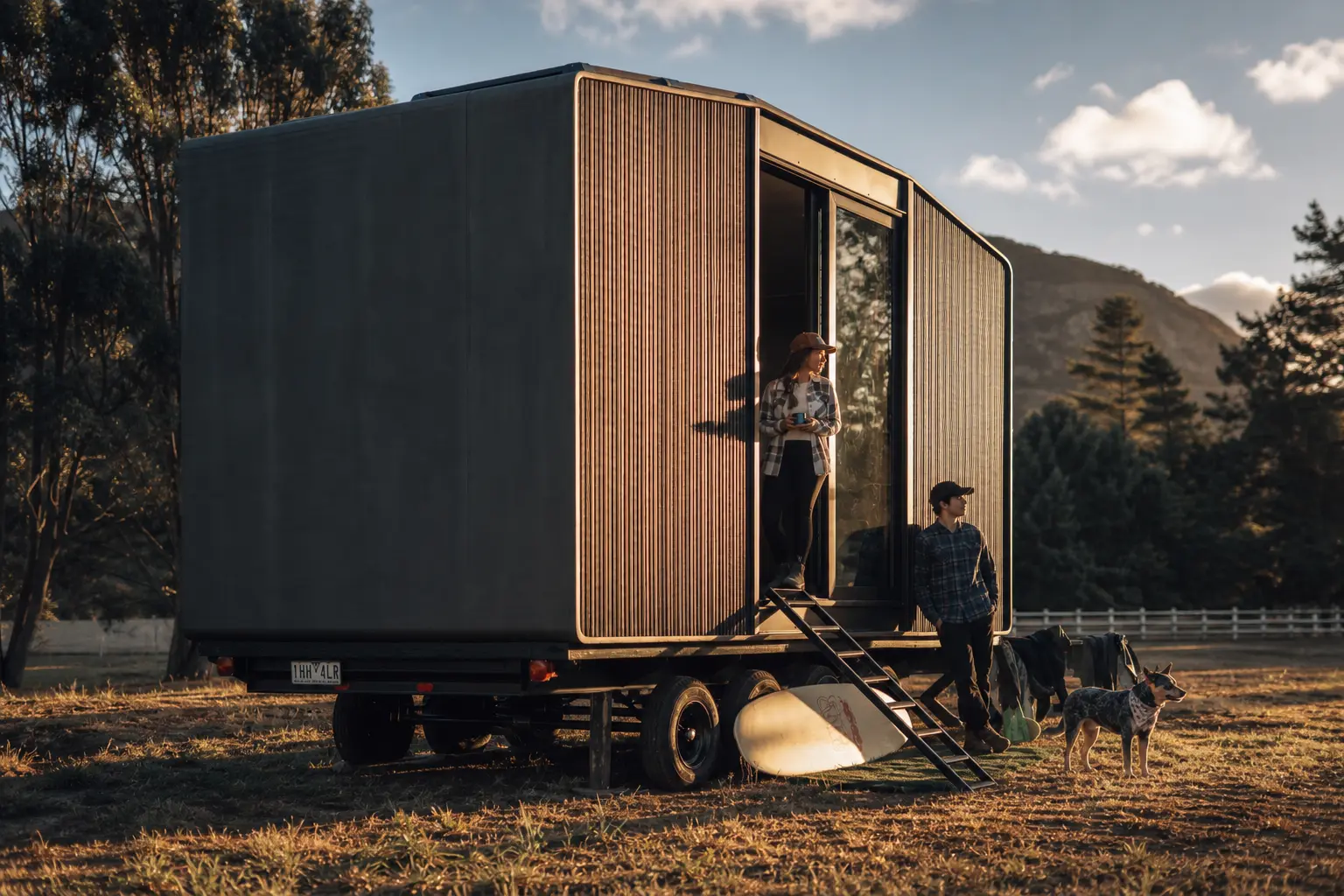
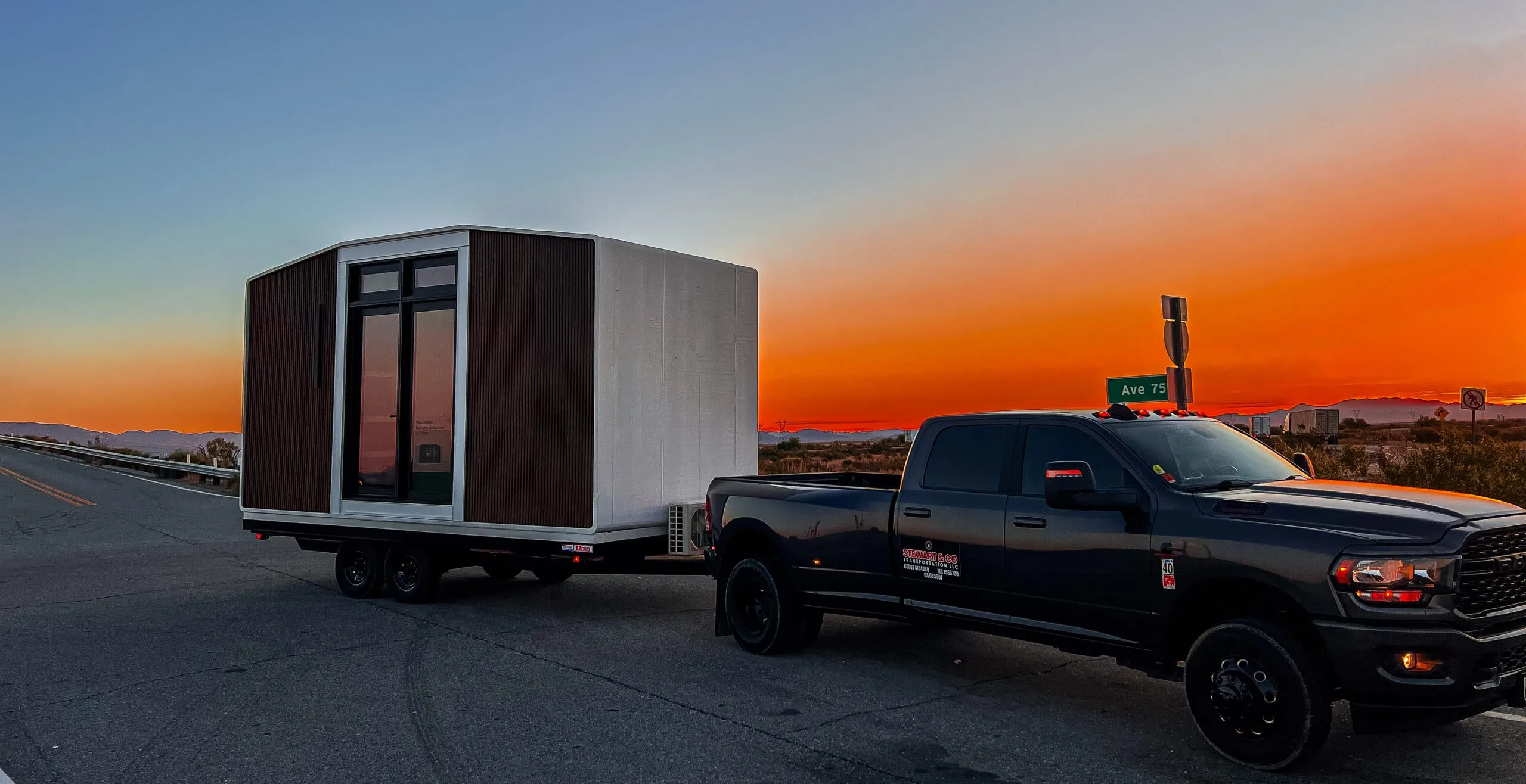
A backyard studio apartment can turn unused outdoor space into something practical, comfortable, and valuable. It can become a guest suite, rental space, private office, creative studio, or independent living area for a family member.
The key is planning the project carefully before anything gets built. A studio apartment may be compact, but it still needs to work like a real living space. That means thinking about size, layout, utilities, permits, privacy, access, comfort, and long-term use.
At Azure Printed Homes, we create future-focused modular living spaces using robotic 3D printing, recycled materials, and customizable designs. Our goal is to make backyard living smarter, faster, and more sustainable without making the process feel overwhelming.
Step-by-Step Guide to Building a Backyard Studio Apartment
Building a backyard studio apartment is easier to manage when the process is broken into clear steps. Before choosing a design or thinking about finishes, it helps to understand the full path from planning to installation.
The sections below walk through the main decisions homeowners should make before starting a backyard studio apartment project, including purpose, permits, size, location, features, budget, and long-term use.
1. Start With the Purpose of the Studio Apartment
Before choosing a model or layout, define how the backyard studio apartment will be used. This decision affects almost everything else, from square footage to interior finishes.
A studio apartment for guests may need a comfortable sleeping area, bathroom, storage, and privacy from the main home. A rental unit may require a more complete setup with a kitchenette, durable finishes, and strong year-round comfort. A backyard office may need less plumbing but better lighting, internet access, and acoustic separation.
Common uses include:
- Guest housing
- Rental income
- Home office or creative studio
- Space for aging parents
- Independent living for adult children
- Workout or wellness space
- Pool house or retreat
- Extra housing on an existing property
The best backyard studio is not always the biggest one. It is the one that fits the real purpose of the space.
2. Check Local Rules and Permit Requirements
Backyard studio apartments are usually affected by local zoning, building codes, and permit rules. These requirements can vary by city, county, and property type.
Before moving forward, property owners should check:
- Whether an accessory dwelling unit is allowed
- Minimum setback requirements
- Maximum unit size
- Height limits
- Utility connection rules
- Parking requirements
- Fire access requirements
- Foundation or site preparation rules
- Short-term or long-term rental restrictions
A simple backyard studio used as a workspace may have different requirements than a fully livable studio apartment with a bathroom and kitchen. If the unit includes sleeping, cooking, and bathing areas, it will likely need to meet ADU or residential building standards.
3. Choose the Right Size
The right size depends on how the space will be used day to day. A small studio may be enough for a home office, guest room, or flexible backyard retreat, while a larger studio apartment may make more sense for full-time living, rental use, or longer guest stays.
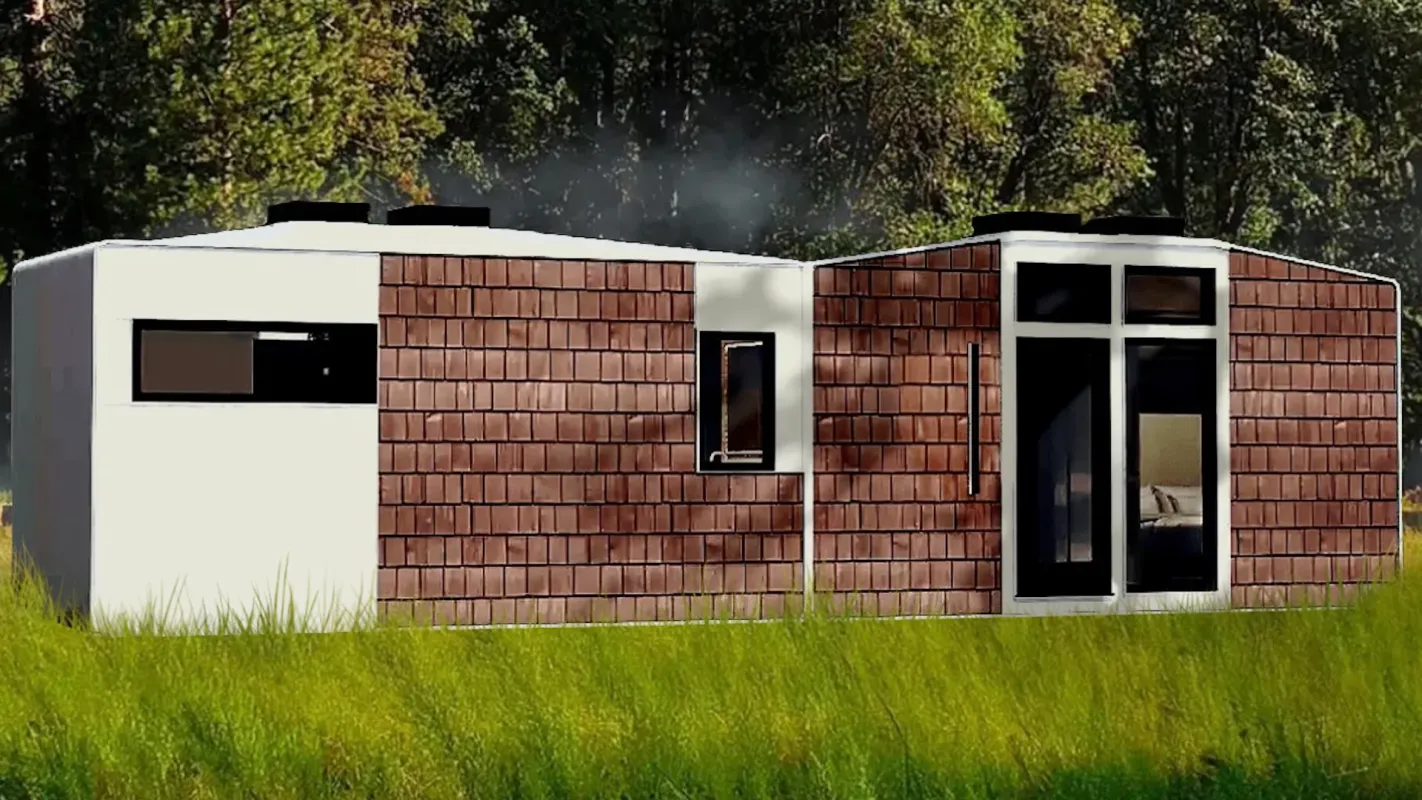
At Azure Printed Homes, compact Studio Series options are designed for efficient backyard use, while larger ADU-style models are available for homeowners who need a more complete living space. Before choosing a size, it helps to think about whether someone will sleep there, whether the unit needs a bathroom or kitchenette, how often it will be used, and whether storage or rental potential matters.
A studio apartment can feel much larger when the layout is efficient. Open floor plans, natural light, smart storage, and well-placed utilities can make a compact space feel comfortable instead of cramped.
4. Plan the Backyard Location
Where the studio apartment sits on the property matters. The best location should balance privacy, access, sunlight, drainage, and utility connections.
A good backyard location should have enough space around the unit for safe access and maintenance. It should also feel separate enough from the main house to give guests or residents a sense of independence.
Important site factors include:
- Distance from the main house
- Access from the street or driveway
- Privacy from neighbors
- Sun exposure
- Shade and heat
- Drainage
- Utility access
- Delivery access
- Outdoor seating potential
- Views from inside the unit
It also helps to think about how people will move between the main home, the studio, and the outdoor space. A simple walkway, lighting, and landscaping can make the studio feel intentional and finished.
5. Decide What Features the Studio Apartment Needs
A backyard studio apartment should be small but complete. Every feature should earn its place. Useful features may include:
Large Windows and Natural Light
Natural light can make a compact studio feel more open and comfortable. Large windows also improve the connection between the indoor space and the backyard.
Heating and Cooling
A studio apartment should be comfortable in every season. Heating and cooling are especially important if the unit will be used for living, guests, or work.
Bathroom Access
A full studio apartment often needs a bathroom. This may require plumbing, wastewater planning, and additional permits.
Kitchen or Kitchenette
A kitchenette can make the space more independent. For rental use or long-term guests, cooking space may be an important part of the layout.
Electrical and Internet Connections
Electrical outlets, lighting, and reliable internet should be planned early. This is especially important for remote work, streaming, security, and daily comfort.
Built-In Storage
Storage keeps a small space from feeling cluttered. Cabinets, wall storage, under-bed storage, and multi-use furniture can make a big difference.
Durable Finishes
Backyard studios should be easy to clean and maintain. Durable flooring, quality fixtures, and simple finishes can help the space stay useful over time.
6. Compare Traditional Construction and Modular Options
A backyard studio apartment can be built in several ways. Some homeowners choose traditional construction, while others prefer modular or factory-built options.
Traditional construction may offer a high level of customization, but it can also involve longer timelines, more on-site labor, weather delays, and multiple contractors. Modular construction can simplify the process because much of the work happens in a controlled production environment before the unit arrives on-site.
At Azure Printed Homes, our process is designed to make the path clearer. Homeowners can configure a unit, have it robotically printed with recycled materials, select finishes, and prepare for delivery and installation. The process supports customization while reducing some of the uncertainty that often comes with a traditional backyard build.
7. Understand the Basic Timeline
Every project is different, but a backyard studio apartment usually follows a few main stages:
- Planning and defining the use
- Checking zoning and permits
- Choosing the unit size and layout
- Preparing the site
- Arranging utilities
- Producing or building the unit
- Delivering the structure
- Installing and connecting services
- Completing inspections and final details
Our process is built around configuration, robotic printing, finish installation, delivery, and on-site installation. The goal is to move from idea to usable space with a more streamlined system.
8. Budget Beyond the Unit Itself
The cost of a backyard studio apartment is not only the price of the structure. Site work, permits, utility connections, delivery, installation, finishes, and landscaping can all affect the final budget.
A smart budget should include:
- Unit cost
- Design and customization
- Permit fees
- Site preparation
- Foundation or placement requirements
- Electrical connection
- Plumbing and wastewater
- Heating and cooling
- Delivery
- Installation
- Inspections
- Landscaping and walkways
- Furniture and appliances
- Contingency funds
Our Azure Printed Homes options range from compact studio spaces designed for work, creativity, and backyard use to larger ADU-style homes that can support independent living, guest accommodations, or rental income. For homeowners looking for greater flexibility, homes on wheels provide a mobile alternative that combines modern living with the ability to relocate when needed.
| Housing Type | Models | Typical Use | Azure Starting Price |
| Compact Studio Spaces | A/D/C-100, N100 | Home offices, creative studios, backyard retreats, workout rooms, and flexible multipurpose spaces | From $24,900 |
| Larger Studio Spaces | A/D/C-120 | Guest accommodations, private backyard studios, and expanded work or living space | From $29,900 |
| Entry-Level ADUs | A-180 | Compact independent living, guest suites, and small rental opportunities | From $49,900 |
| Mid-Size ADUs | A-360 | Comfortable living space for long-term guests, family members, or rental use | From $89,900 |
| Expanded ADUs | A-540 | Larger backyard homes with additional room for living, storage, and everyday activities | From $134,900 |
| Large ADUs | A-720 | Full-featured living space suitable for extended stays and multigenerational living | From $174,900 |
| Residential-Scale ADUs | A-900 | Independent housing designed for full-time living and larger household needs | From $219,900 |
| Homes on Wheels | X180, X270, X360 | Flexible housing solutions designed for mobility, travel, temporary placement, and changing lifestyle needs | From $69,900 |
9. Think About Long-Term Use
A backyard studio apartment should work today and years from now. A space that starts as an office may later become a guest suite. A guest suite may become rental housing. A family space may become a private retreat.
That is why flexibility matters. The best backyard studio apartment is designed with enough comfort, durability, and adaptability to support changing needs.
Choose a Flexible Layout
A flexible layout can help the studio apartment serve more than one purpose over time. A space that starts as a home office may later become a guest suite, rental unit, or private retreat.
Add Storage From the Beginning
Storage should be part of the original plan, not an afterthought. Built-in cabinets, wall storage, and multi-use furniture can help keep the space organized without taking up too much floor area.
Plan for Year-Round Comfort
Heating, cooling, insulation, and ventilation all matter if the studio will be used throughout the year. A comfortable space is more likely to stay useful in every season.
Use Durable Materials
Durable materials can reduce maintenance and help the studio apartment handle daily use. Flooring, fixtures, surfaces, and finishes should be chosen with long-term performance in mind.
Think About Future Utility Needs
Utility needs may change over time. Planning for electrical capacity, plumbing, internet, heating, cooling, and possible appliance use can make the space more adaptable later.
Keep Privacy in Mind
Privacy matters for both the studio and the main home. Window placement, landscaping, fencing, and the unit’s location can help create a more comfortable separation.
Make the Outdoor Area Part of the Experience
The area around the studio can make the whole space feel more complete. A walkway, small patio, outdoor lighting, seating, or landscaping can turn the backyard studio into a more inviting place to use.
A backyard studio should not feel like an afterthought. It should feel like a useful extension of the property.
10. Make Sustainability Part of the Plan
Sustainability is not only about the materials used. It is also about building the right amount of space, reducing waste, improving energy efficiency, and creating a structure that lasts.
We at Azure Printed Homes use recycled materials and robotic 3D printing to create modular living spaces with a more future-focused approach. A 120 sq ft unit can use the equivalent of 100,000 recycled plastic bottles, helping turn waste into practical living space.
Energy efficiency also matters. A smaller, well-designed studio apartment can require less energy to heat, cool, and operate than a larger traditional addition. With the right insulation, layout, systems, and placement, a backyard studio can support comfort while keeping long-term energy use in mind.
11. Prepare the Outdoor Area
The space around the studio apartment can make the unit feel more complete. Even a simple outdoor setup can improve how the space is used every day.
Consider adding:
- A walkway from the main house or driveway
- Outdoor lighting
- Privacy fencing or planting
- A small patio or deck
- Seating
- Shade
- Storage for outdoor items
- Safe access for guests or tenants
The outdoor area does not need to be complicated. It just needs to feel planned.
Final Thoughts
Building a studio apartment in your backyard starts with a simple idea: use the space you already have in a smarter way. But the best results come from careful planning.
Start with the purpose. Check the rules. Choose the right size. Plan utilities early. Think about privacy, comfort, and long-term use. Then choose a building approach that fits your property, budget, and timeline.
At Azure Printed Homes, we build modular living spaces for people who want a faster, smarter, and more sustainable way to add usable space. Whether the goal is a backyard studio, guest unit, ADU, home office, or flexible living space, the right design can turn a backyard into something much more useful.