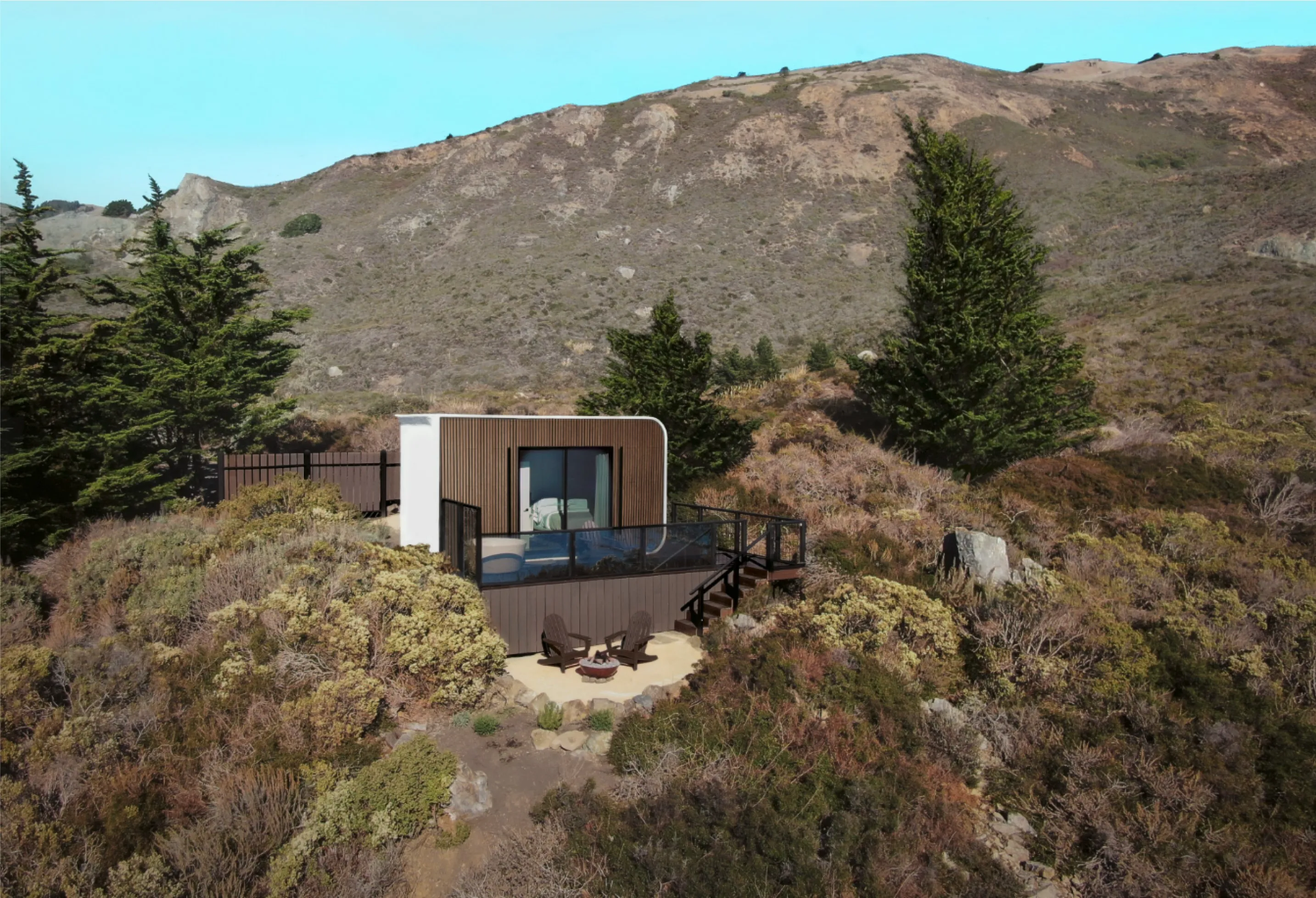
A backyard studio can start at $24,900, but the total project cost depends on more than the unit itself. Size, layout, finishes, utilities, permits, delivery, installation, and site conditions can all affect the final budget.
A compact studio may be enough for a home office, creative room, gym, or quiet retreat. A larger ADU-style unit may make more sense if the space needs a bathroom, kitchenette, sleeping area, or more privacy.
What a Backyard Studio Is and What Its Cost Is
A backyard studio is a detached structure placed on a residential property. It is usually smaller than a full accessory dwelling unit, but it can still be designed for comfort, privacy, and everyday use.
Some backyard studios are simple finished spaces without plumbing. Others include bathrooms, kitchen areas, heating and cooling, storage, and utility connections. The right setup depends on how the space will be used.
Backyard studio pricing can vary widely. A basic structure may start in the lower tens of thousands, while a more complete studio with finishes, utilities, permits, delivery, and installation can cost more.
For homeowners comparing options, it helps to separate the structure price from the full project cost. The unit itself is only one part of the budget. Site work, permitting, utility connections, foundation needs, access, delivery, and finishing details can all affect the final number.
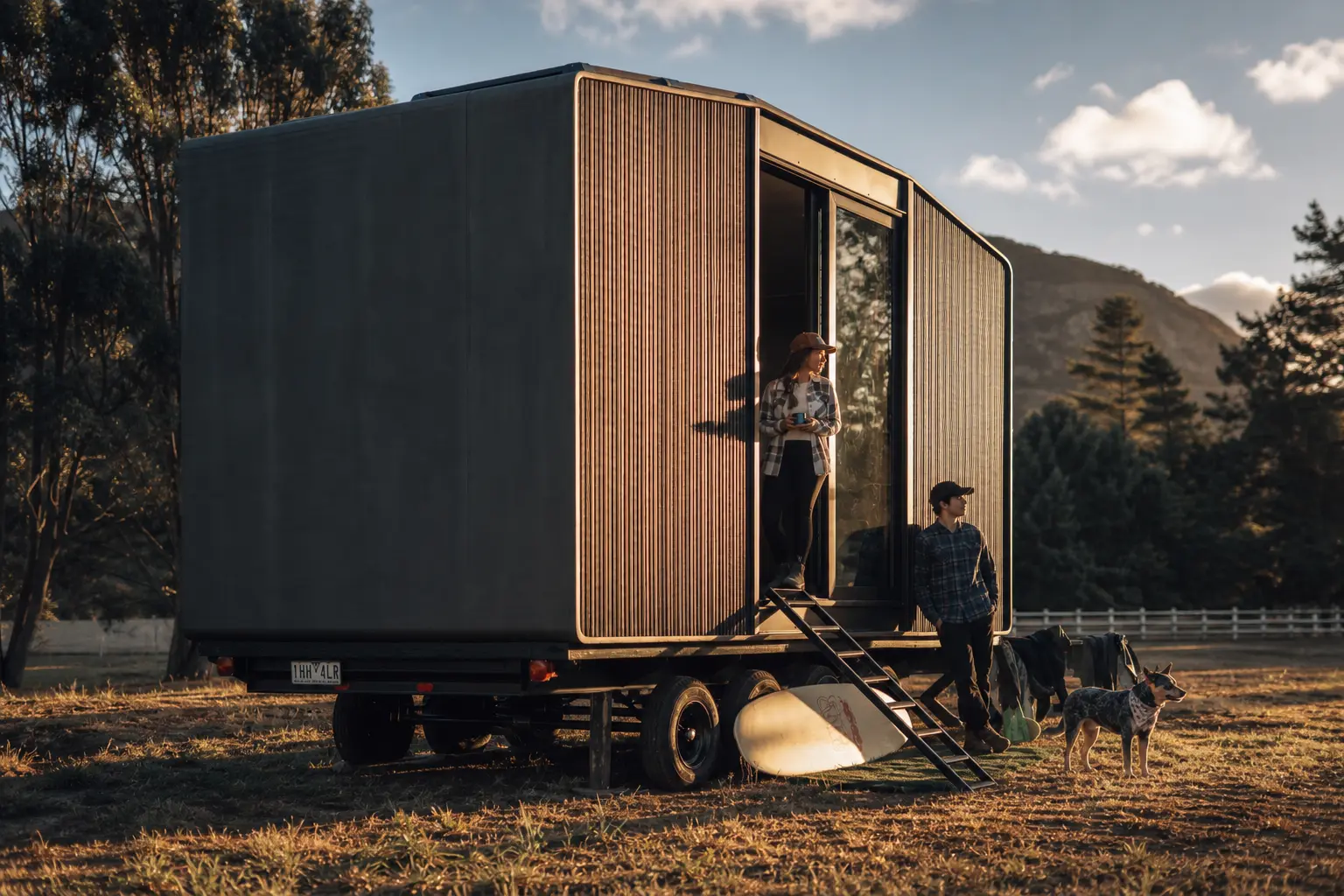
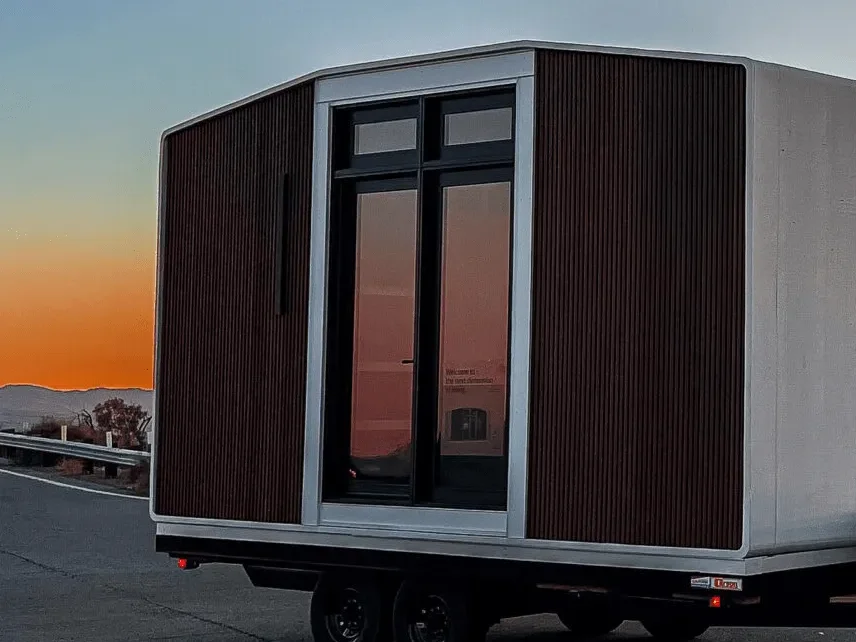
At Azure Printed Homes, our compact Studio Series models, including A/D/C-100 and N100, start at $24,900. A/D/C-120 models start at $29,900. These models are designed for people who want an efficient backyard space without the long timeline and waste often associated with traditional construction.
Detailed Backyard Studio Price by Size and Use
The price of a backyard studio usually depends on what the space needs to do. A compact studio for work or hobbies will have a different budget than a larger unit designed for guests, rental use, or independent living. Size matters, but so do features, utilities, finishes, and site preparation.
The table below gives a clearer look at common backyard studio types and Azure Printed Homes starting prices.
| Type of Backyard Studio | Models | Common Use | Azure Starting Price |
| Compact studio around 100 sq ft | A/D/C-100, N100 | Office, creative room, private retreat | From $24,900 |
| Studio around 120 sq ft | A/D/C-120 | Office, hobby space, guest-ready studio | From $29,900 |
| Small ADU-style unit around 180 sq ft | A-180 | Guest space or compact living | From $49,900 |
| Larger ADU-style unit around 360 sq ft | A-360 | More complete living space | From $89,900 |
| Full backyard living unit, 540-900 sq ft | A-540, A-720, A-900 | Rental, family housing, long-term use | From $134,900-$219,900 |
These prices help homeowners understand the starting point, but the final budget should also include site-specific costs and optional upgrades.
Key Factors That Affect Backyard Studio Cost
Several factors can change the cost of a backyard studio. Some are related to the unit itself, while others depend on the property.
Size of the Studio
Size is one of the biggest cost factors. A smaller studio may be enough for a home office, workout room, or creative space. A larger studio may be better for guests, rental use, or long-term living.
Before choosing a size, think about how the space will be used day to day. A 100 sq ft studio can work well for focused work or hobbies. A 120 sq ft studio gives a little more flexibility. Larger ADU-style units may be a better fit when the space needs a bathroom, kitchenette, sleeping area, or more storage.
Interior Features
A simple finished room will usually cost less than a studio with plumbing, kitchen features, built-in storage, upgraded finishes, or full living amenities.
Useful features may include:
- Large windows for natural light
- Heating and cooling
- Electrical outlets in practical locations
- Internet connectivity
- Durable flooring
- Interior lighting
- Built-in storage
- Bathroom access
- Kitchen or kitchenette features
The more complete the studio needs to be, the more planning the budget will require.
Utilities
Utilities can have a major effect on the final cost. A basic studio may only need electrical service. A more complete backyard studio may require water, wastewater, heating, cooling, internet, and possibly solar or battery options.
Utility planning should happen early. Distance from the main house, existing connections, trenching needs, and local requirements can all affect cost.
Site Preparation
The backyard itself matters. A flat, open, accessible site is usually easier to work with than a sloped yard, tight access point, or property with drainage issues.
Site preparation may include:
- Clearing the area
- Leveling the ground
- Improving access
- Planning drainage
- Preparing a foundation or pad
- Making space for delivery and installation
Good site planning can help avoid delays and unexpected costs.
Permits and Local Rules
Permit requirements depend on location, size, use, and whether the studio includes utilities or living features. Some small studios may have simpler requirements, while larger ADU-style units usually need more review.
Homeowners should check local zoning, setback rules, utility requirements, and building permit requirements before finalizing the project.
Backyard Studio Building Timeline
The full timeline depends on design choices, permits, site readiness, delivery access, installation needs, and utility connections. A simple backyard studio may move faster than a larger unit with plumbing, custom finishes, or more complex site work. Local permitting can also affect the schedule, especially when the studio is designed for living, rental use, or long-term guest stays.
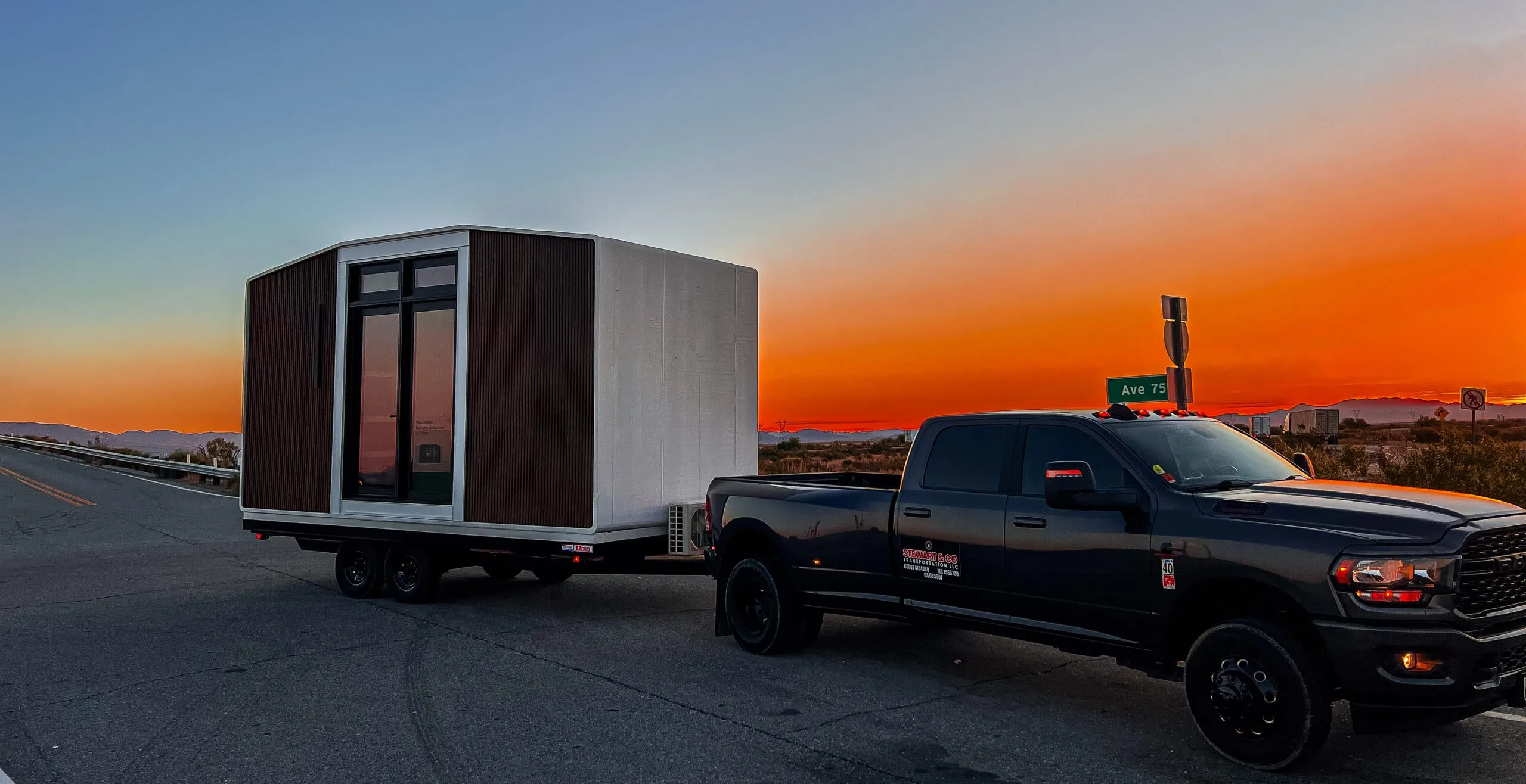
Modular construction can make the process more predictable because much of the work happens before the unit arrives on-site. At Azure Printed Homes, our process is built around a clear sequence: configure the unit, print the structure, install finishes, deliver the unit, and complete on-site installation.
Configure the Unit
The project starts with choosing and customizing the design. This step helps define the size, layout, finishes, features, and intended use of the studio. A backyard office may need a simple open layout, while a guest-ready unit may need more privacy, storage, bathroom access, or utility planning.
Print the Home
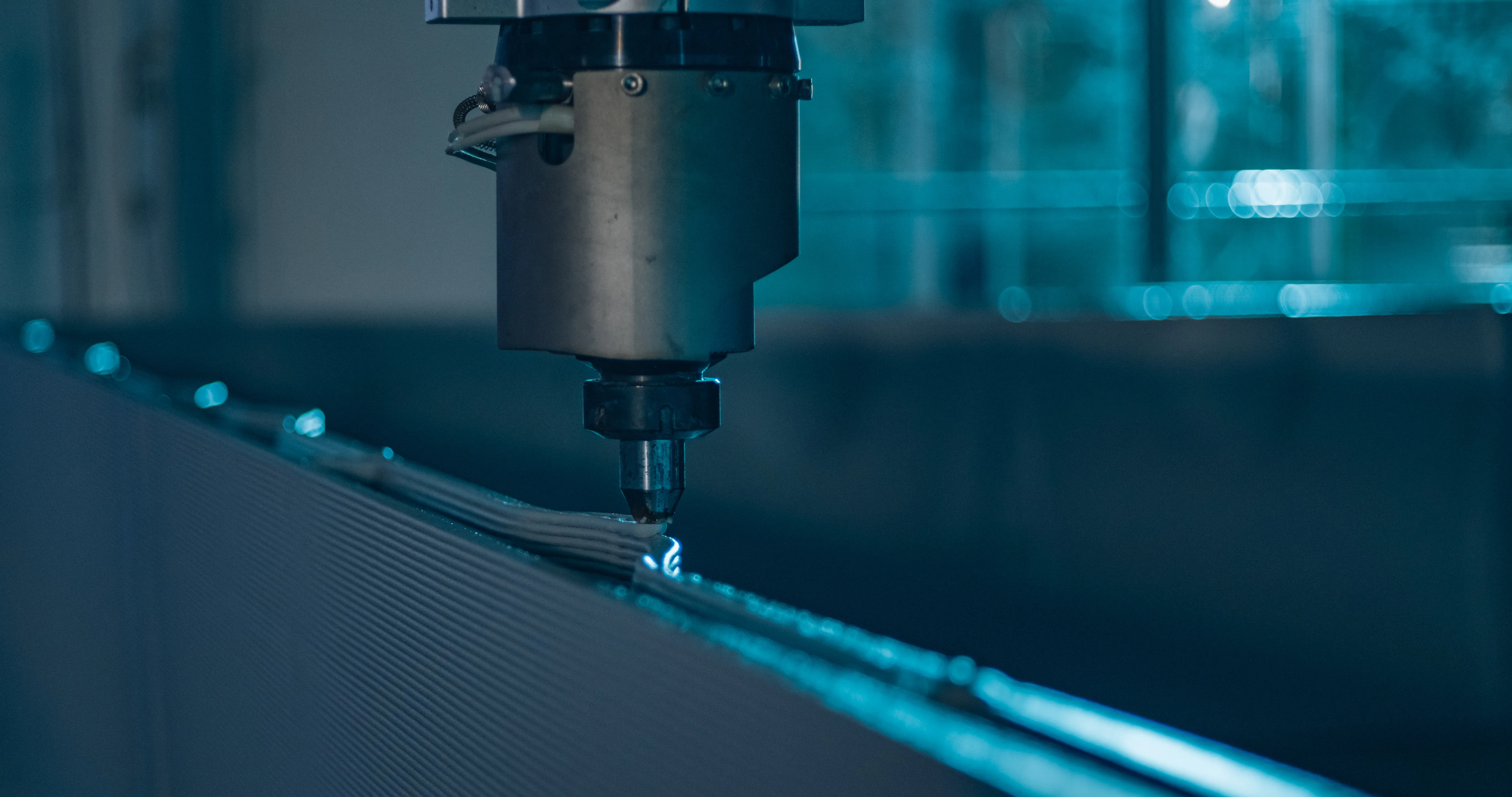
The structure can be robotically printed with recycled materials in about one day, depending on the model. This helps reduce the long on-site construction period that many homeowners expect from a traditional backyard build.
Install Finishes
After printing, finishes are installed based on the selected design. This may include electrical, plumbing, interior finishes, flooring, lighting, fixtures, and other details that make the space more comfortable and functional. The timeline can range from several days to longer, depending on the size of the unit and the level of customization.
Deliver and Install
Once the unit is complete, it is delivered to the property and installed on-site. This stage may include placing the unit, securing it, connecting necessary services, and preparing the studio for use. Site access, foundation readiness, and utility connections can all affect how quickly installation is completed.
Traditional Build vs Modular Backyard Studio
Traditional backyard studio construction can take longer because most of the work happens directly on-site. That means the project may depend on contractor availability, weather, material deliveries, inspections, and the coordination of several trades. Even a small studio can become more complicated when framing, utilities, finishes, and site work all need to happen in the backyard.
Modular construction can make the process more predictable. Instead of building everything from the ground up on-site, key parts of the unit are created in a controlled production process before delivery. At Azure Printed Homes, our process is designed around configuration, robotic printing, finishes, delivery, and installation. A unit can be printed in about one day, with finishes installed afterward depending on the model, selected features, and level of detail.
This approach can help reduce waste, improve precision, and limit the amount of disruption at the property. It also gives homeowners a clearer path from design to installation, which can make budgeting and scheduling easier. For a backyard studio, that predictability matters because the goal is usually simple: add useful space without turning the entire property into a long construction project.
How to Plan the Budget the Right Way
A smart backyard studio budget should include more than the starting price of the unit. Many homeowners focus only on the structure, then get surprised by site work, permits, delivery, and utility costs.
A better approach is to plan the full project from the beginning.
Start with the purpose of the studio. A home office has different needs than a guest suite or rental unit. Then decide which features are necessary and which are optional. From there, look at the site and identify any work needed before installation.
Budget categories may include:
- Studio model or structure
- Interior finishes
- Foundation or pad
- Site preparation
- Delivery
- Installation
- Utility connections
- Permits and inspections
- Heating and cooling
- Furniture and storage
- Landscaping or walkways
- Contingency for unexpected costs
A contingency is important. Even a well-planned project can run into small changes once site conditions, permits, or utility needs are reviewed.
Final Thoughts
So, how much does it cost to build a backyard studio? The answer depends on size, features, site conditions, utilities, permits, and the construction method.
With our Azure Printed Homes, compact Studio Series models start at $24,900, giving homeowners a clear starting point for a modern backyard studio. Larger ADU-style units are available for people who need more space and more complete living features.
A backyard studio should feel useful, efficient, and built for real life. With the right planning, it can become one of the most valuable spaces on the property.