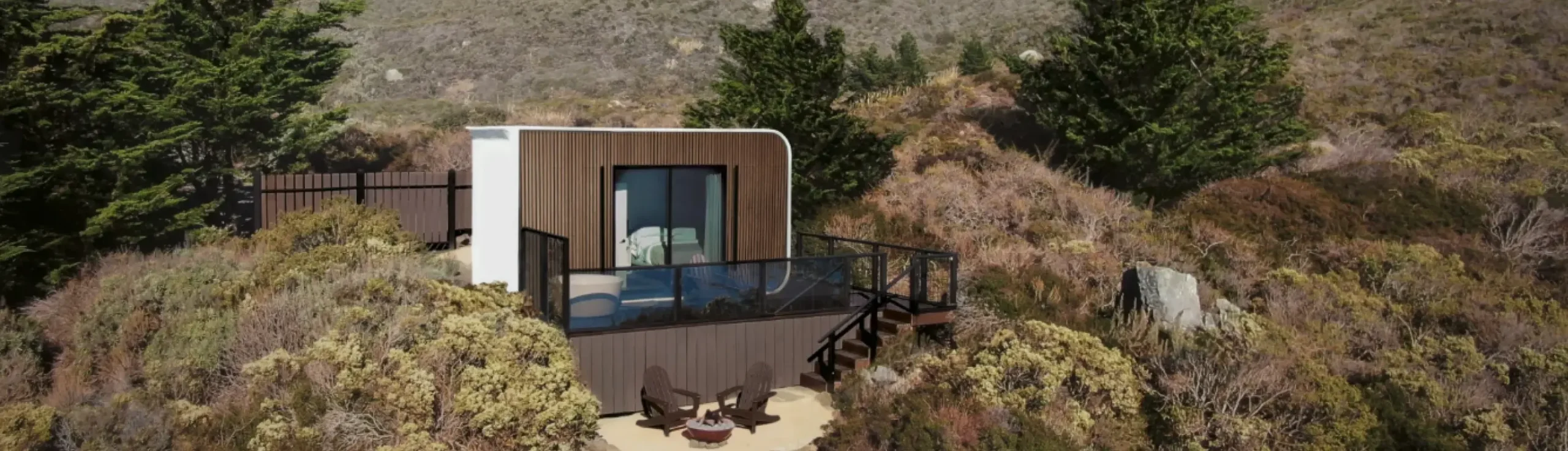
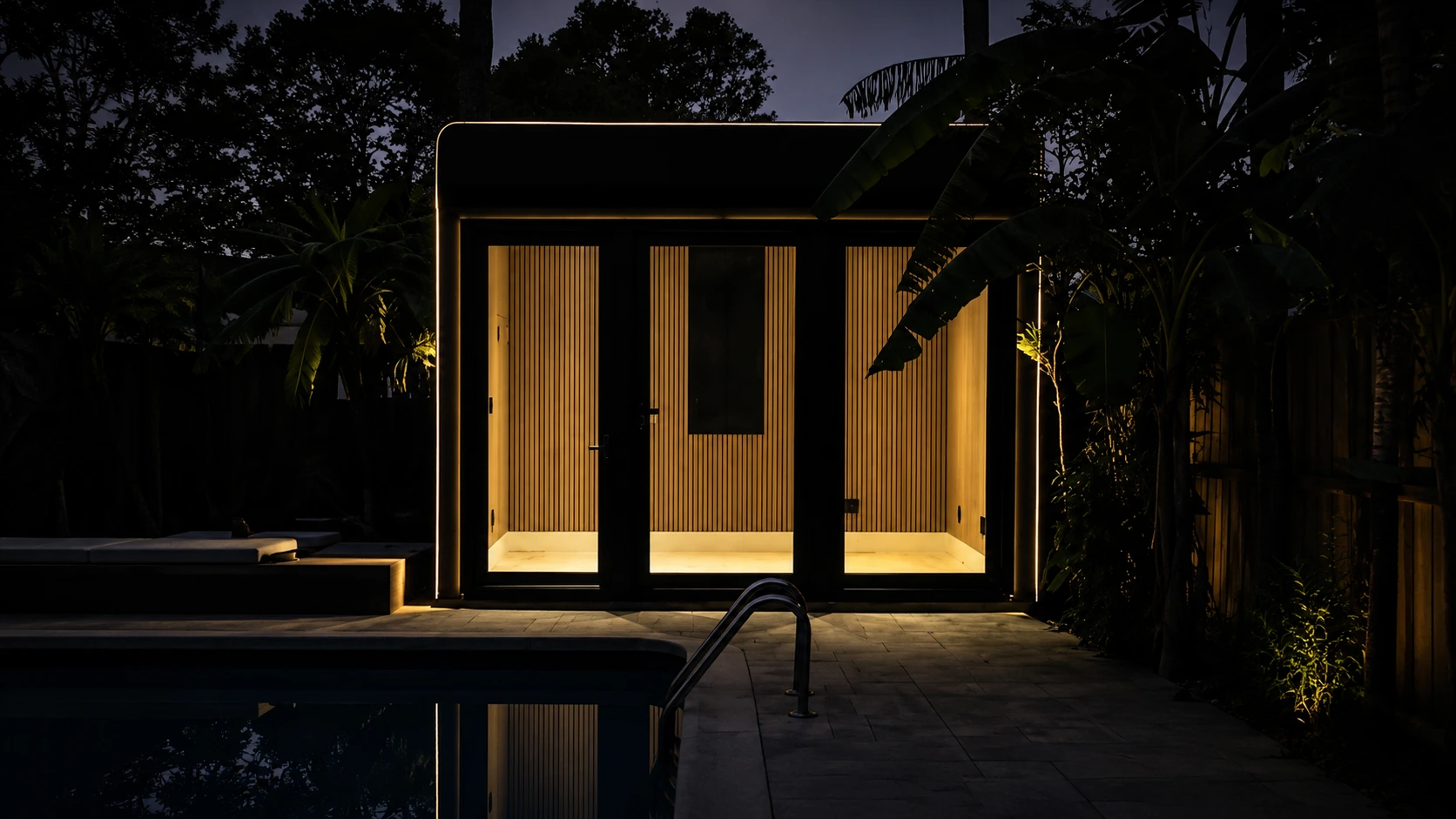
Yes, in many cases, it is possible to build a studio in your backyard. The real answer depends on your property, local zoning rules, the size of the studio, how you plan to use it, and what utilities it needs.
A backyard studio can be a smart way to add usable space without moving or building a full home addition. It can become a home office, creative room, guest space, wellness studio, rental support space, or quiet retreat. The key is planning it the right way from the start.
At Azure Printed Homes, we create future-focused modular living spaces using 3D-printed construction, customizable designs, recycled materials, and energy-efficient thinking. Our studio models are designed for people who want useful extra space with a more modern approach to building.
What a Backyard Studio Is
A backyard studio is a separate structure placed on a residential property. It is usually smaller than a full ADU and may or may not include plumbing, depending on how it will be used.
Some backyard studios are simple workspaces. Others are finished spaces with heating, cooling, lighting, internet, storage, and bathroom access. The best design depends on the purpose.
Common uses include home office, art or music studio, guest room, yoga or fitness space, pool house, reading room, small business workspace, or private retreat. A backyard studio does not need to be huge to be useful. A well-designed compact space can feel comfortable, bright, and practical.
Do You Need a Permit for a Backyard Studio?
In many places, yes, a permit may be required. Rules vary by city, county, and property type, so this should be checked early.
Permit requirements may depend on:
- Size of the structure
- Whether it has plumbing
- Whether it has electrical systems
- Whether it will be used for sleeping
- Distance from property lines
- Height of the structure
- Foundation type
- Local zoning rules
- Fire access and safety requirements
A small studio without plumbing may have simpler requirements than a larger studio with a bathroom or kitchen. However, it is always better to confirm before ordering or installing anything.
What Should You Check Before Building?
Before choosing a backyard studio, look at the property as a whole. The best studio is not just the one that looks good. It also needs to fit the site, the rules, and the way you want to use it.
Property Size and Placement
Start by deciding where the studio could go. Think about privacy, sunlight, access, trees, drainage, and the view from the main house.
A good location should feel natural on the property. It should be easy to reach but still separate enough to feel useful.
Setback Rules
Setbacks are the required distances between a structure and property lines, fences, other buildings, or streets. These rules can affect where the studio can be placed. Even a small backyard studio may need to follow setback requirements.
Utilities
A backyard studio may need electricity, heating, cooling, internet, water, or wastewater connections. A basic office may only need power and internet. A guest studio may need more. Plan utilities early because they can affect the final budget and installation timeline.
Access for Delivery and Installation
If the studio is built off-site or delivered as a modular unit, the property needs enough access for delivery and placement. Gates, driveways, overhead wires, trees, slopes, and narrow side yards can all matter.
At Azure, our process includes configuration, robotic printing, finish installation, delivery, and on-site installation. That means site access is an important part of planning.
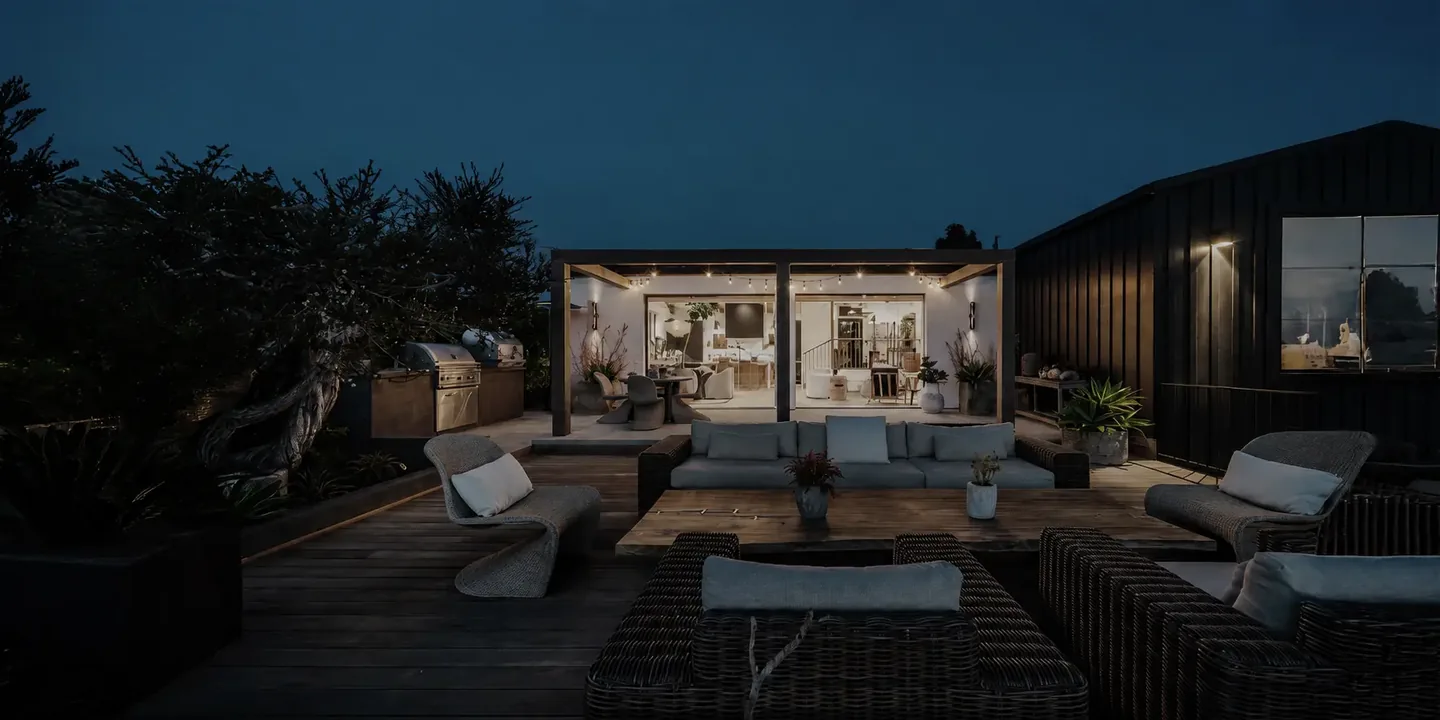
How Big Should a Backyard Studio Be?
The right size depends on the purpose.
A small studio may work well for a desk, chair, storage, and quiet work. A larger studio may be better for guests, creative equipment, fitness, or flexible use.
Here is a simple way to think about size:
| Studio Type | Best For | What to Consider |
| Compact studio | Office, hobby room, private workspace | Desk space, lighting, outlets, storage |
| Medium studio | Guest room, creative studio, wellness space | Heating, cooling, privacy, flexible layout |
| Larger backyard unit | ADU-style use, longer stays, rental support | Bathroom, kitchen area, utilities, permits |
Backyard Studio vs ADU
A backyard studio and an ADU are similar, but they are not always the same.
A backyard studio is often used as extra space. It may not include a kitchen or bathroom. An ADU is usually designed as an independent living unit with more complete residential features.
| Feature | Backyard Studio | ADU |
| Main purpose | Work, hobbies, guests, flexible use | Independent living space |
| Kitchen | Usually not required | Often included |
| Bathroom | Optional | Usually included |
| Permits | May be simpler | Often more detailed |
| Cost | Usually lower | Usually higher |
| Utilities | Depends on use | More complete utility needs |
Benefits of Backyard Studios
A backyard studio should be practical, comfortable, and built around real everyday use. It gives homeowners a way to add extra space without moving, remodeling the main house, or giving up the flexibility of their property.
The main benefits include:
- More usable space: A backyard studio can create room for work, hobbies, guests, wellness, or quiet time.
- Better separation: It gives people a dedicated space away from the main home, which can help with focus, privacy, and daily routine.
- Flexible use: A studio can serve as a home office today, then become a creative room, guest space, or retreat later.
- Improved property function: Underused backyard space can become something practical and valuable.
- Less disruption than a major renovation: A separate studio can often be planned without changing the layout of the main house.
- More privacy: Guests, remote workers, or family members can enjoy a space that feels separate but still close.
- Custom layout options: The size, interior, storage, lighting, and finishes can be planned around the way the space will actually be used.
- A better work-from-home setup: A backyard studio can make it easier to separate personal life from work life.
The result is more than an extra structure in the yard. It is a flexible space that can make everyday living easier, more organized, and more comfortable.
What Features Should a Backyard Studio Have?
A backyard studio should feel comfortable from the first day. Even a compact space needs thoughtful details.
Useful features may include:
Large Windows for Natural Light
Large windows can make a backyard studio feel brighter, more open, and more comfortable throughout the day. Natural light is especially useful for work, creative projects, reading, or relaxation.
Energy-Efficient Insulation
Good insulation helps the studio stay comfortable in different seasons. It can also support better energy performance by reducing the need for constant heating or cooling.
Heating and Cooling
A backyard studio should feel usable year-round. Heating and cooling systems help turn the space into a real everyday room, not just a fair-weather structure.
Well-Placed Electrical Outlets
Outlets should be planned around how the studio will be used. A workspace may need outlets near a desk, while a creative studio may need power for equipment, lighting, or tools.
Internet Connectivity
Reliable internet is important for remote work, video calls, streaming, online learning, and daily convenience. It should be planned early, especially if the studio sits farther from the main home.
Built-In Storage
Smart storage helps keep the studio organized without taking up too much floor space. Shelving, cabinets, wall storage, or hidden storage can make a compact studio much more useful.
Durable Flooring
Flooring should be easy to maintain and strong enough for daily use. The right material can support work, guests, pets, hobbies, or fitness activities.
Good Interior Lighting
Natural light matters, but interior lighting is just as important. A mix of overhead lighting, task lighting, and softer accent lighting can make the space more comfortable at different times of day.
Privacy From the Main House and Neighbors
Privacy helps the studio feel like a separate, intentional space. Window placement, landscaping, shades, fencing, and layout choices can all help create a more private setting.
A Flexible Layout
A backyard studio should be able to support more than one use when possible. A flexible layout can work as an office now, then shift into a guest room, hobby space, or quiet retreat later.
A studio that works as an office today may become a guest room, creative space, or quiet retreat later. Flexible design matters.
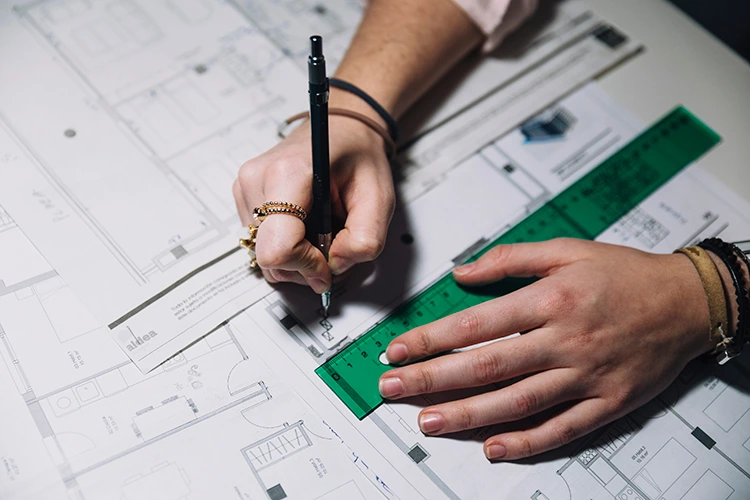
How Much Does a Backyard Studio Cost?
The cost of a backyard studio depends on size, design, finishes, delivery, site work, permits, and utility connections.
The structure is only one part of the budget. Property owners should also plan for possible costs such as:
- Permit fees
- Site preparation
- Foundation or pad work
- Electrical connection
- Internet setup
- Water or wastewater connections if needed
- Delivery access
- Installation
- Landscaping around the studio
- Furniture and interior setup
Our Studio Series models start at $24,900 for A/D/C-100 and N100 models, and A/D/C-120 models start at $29,900. Larger ADU-style models and homes on wheels are available for projects that need more space or more complete living features.
How to Plan the Budget the Right Way
A smart backyard studio budget should include more than the starting price of the unit. That helps avoid surprises later.
Start with the purpose of the space. A simple office usually needs a different budget than a guest suite with plumbing. Then look at the site. A flat, accessible backyard may be easier to prepare than a sloped or hard-to-reach property.
It also helps to separate the budget into clear categories:
| Budget Category | What It May Include |
| Studio unit | Base model, size, layout, selected finishes |
| Site preparation | Clearing, leveling, foundation, drainage |
| Utilities | Power, water, sewer, internet, HVAC needs |
| Permits | Local applications, inspections, plan review |
| Delivery and installation | Transport, access, placement, connection work |
| Interior setup | Furniture, storage, lighting, decor |
| Outdoor area | Pathways, privacy screens, seating, landscaping |
Planning this way gives a more realistic view of the full project.
Common Mistakes to Avoid
A backyard studio project can go smoothly with the right planning. Many problems happen when people rush into the design before checking the practical details.
Avoid these mistakes:
- Choosing a size before checking local rules
- Forgetting about setbacks
- Ignoring delivery access
- Underestimating utility costs
- Not planning for heating and cooling
- Picking a layout that only works for one use
- Forgetting about privacy
- Treating the starting price as the full project cost
A little planning at the beginning can make the final space much better.
Final Takeaway
In many cases, yes. A backyard studio can be a practical way to add space for work, guests, hobbies, wellness, or everyday flexibility. The most important step is checking local rules and planning the project around your actual property.
At Azure Printed Homes, we make 3D-printed modular spaces designed for a more flexible future. Our backyard studio options combine robotic construction, customizable design, recycled materials, and energy-efficient thinking to help turn unused outdoor space into something useful.
A studio does not have to be complicated. With the right plan, it can be a bright, modern, and highly practical extension of the way you live.