Sustainable housing is not just about adding solar panels or using less electricity. It is about building and living in a way that uses resources more carefully from the start.
A sustainable home should be efficient, durable, comfortable, and designed with long-term impact in mind. That includes the materials used, how much waste is created during construction, how much energy the home needs, and how well the space supports everyday life.
At Azure Printed Homes, we believe housing can be more practical, more efficient, and more responsible. Our robotically printed modular living spaces are built using recycled materials, including plastic waste, to help move housing toward a cleaner and more future-focused model.
What House Sustainability Really Means
House sustainability means building and living in a way that uses resources more thoughtfully. It looks at how a home is made, what materials are used, how much waste is created, and how much energy the home needs over time.
A sustainable home should be practical as well as efficient. It should reduce unnecessary waste, support lower energy use, and stay useful for years instead of needing constant repairs, major upgrades, or replacement.
It is not only about looking modern or eco-friendly. A truly sustainable home should work better in everyday life, with a comfortable layout, durable materials, and a design that supports the way people actually use the space.
What Makes Housing More Sustainable?
Sustainable housing is the result of many decisions working together. Materials, construction methods, size, energy use, durability, site planning, and livability all shape how responsible a home can be over time.
A home does not become sustainable because of one feature alone. It becomes more sustainable when it is built with less waste, designed for real use, and planned to perform well for years.
Smarter Materials With Less Waste
Materials have a major impact on how sustainable a home can be. Traditional construction often depends on large amounts of new raw materials, and the building process can create significant waste.
A more sustainable approach looks at what materials are used, where they come from, and how efficiently they are applied.
At Azure, our 3D-printed homes use recycled plastic waste as part of the construction process. For a 120 sq ft unit, about 100,000 plastic bottles are actually recycled into the printed material. That turns waste into useful living space instead of letting it stay in the waste stream.
This is one of the clearest ways housing can become more sustainable: by rethinking what homes are made from.
More Efficient Construction
Construction waste is a major issue in traditional buildings. Extra materials, off-cuts, packaging, mistakes, weather damage, and site changes can all add up.
Robotically printed construction helps reduce that problem because the process is more precise. Instead of relying only on manual methods, a controlled printing process can use material more efficiently and reduce unnecessary waste.
At Azure, our approach is built around precision, repeatability, and efficient production. The structure is robotically printed, then finished with electrical, plumbing, and interior elements before delivery and installation. This helps make the path from design to usable space more streamlined.
Right-Sized Homes for Real Needs
A sustainable home does not always need to be large. In many cases, a smaller space can be more efficient because it uses fewer materials, requires less energy, and encourages smarter design.
A compact home, studio, ADU, guest unit, or home on wheels can create useful space without the footprint of a large traditional build.
Smaller housing can support many needs, including:
- Backyard offices
- Guest suites
- Rental units
- ADUs
- Tiny homes
- Glamping accommodations
- Flexible living spaces
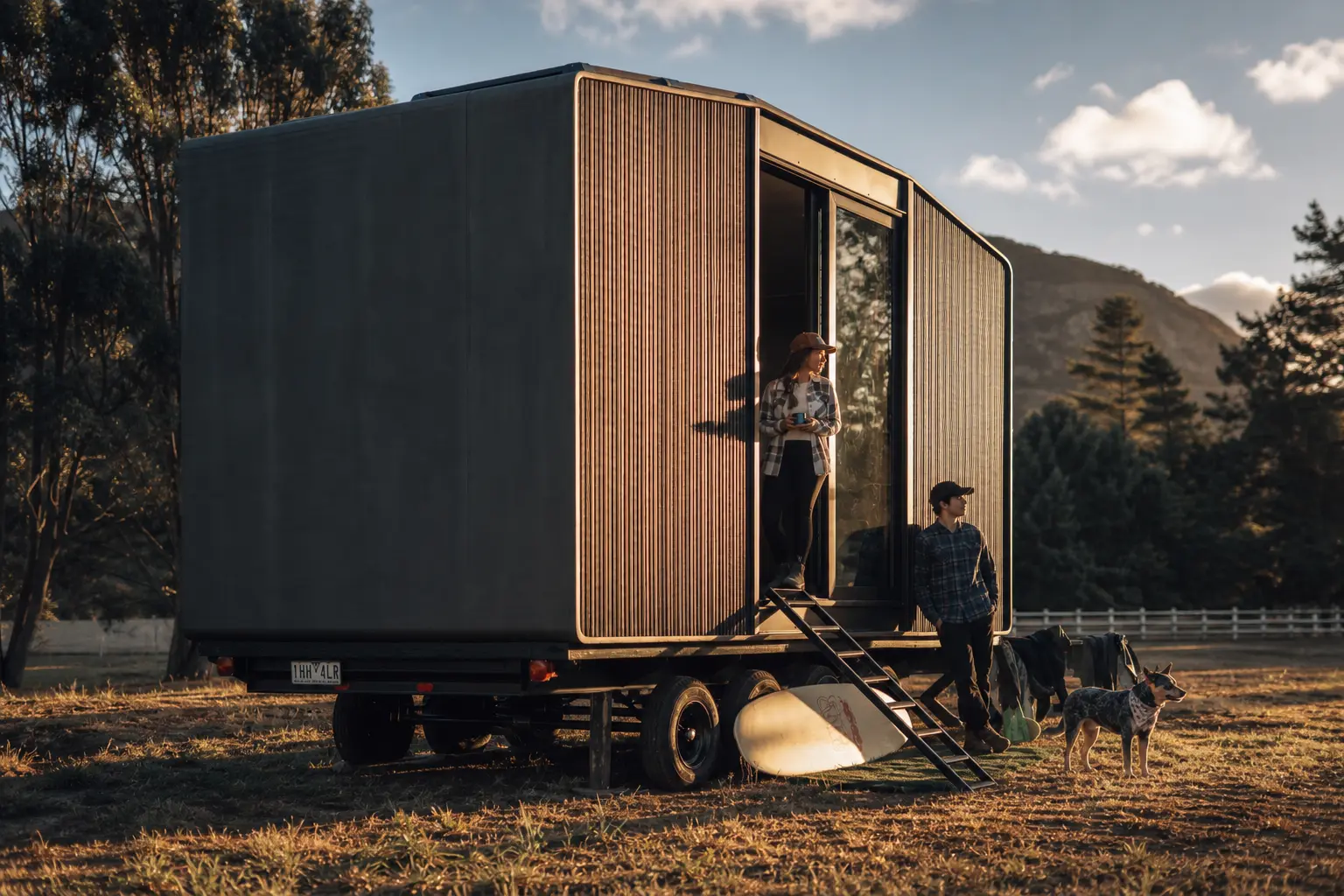
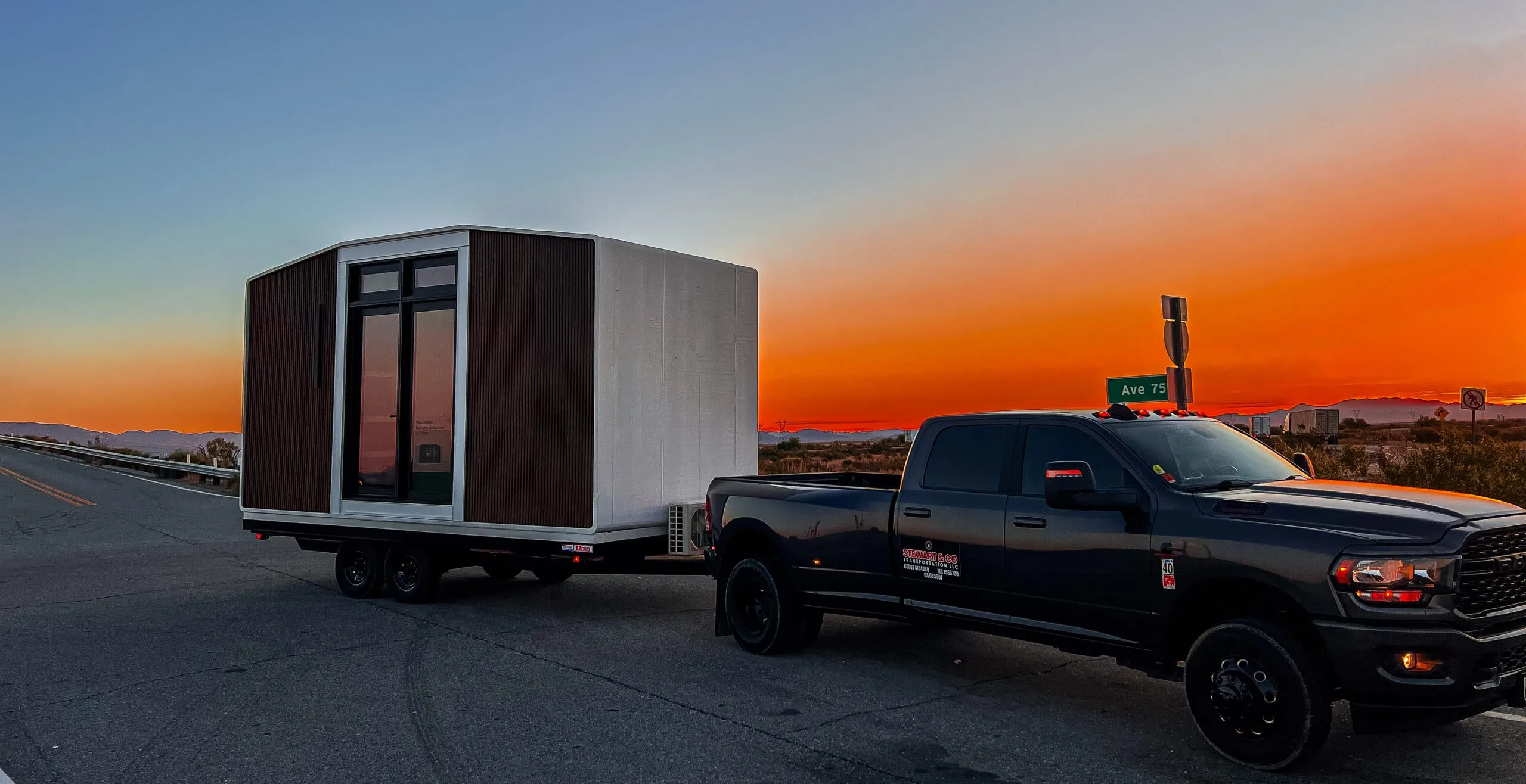
- Homes on wheels
The key is thoughtful design. A small space should not feel like a compromise. It should feel intentional, comfortable, and useful.
Everyday Energy Performance
A sustainable home should not only be efficient during construction. It should also perform well once people are using it.
Energy efficiency can affect heating, cooling, lighting, ventilation, and long-term operating costs. A well-designed home can help reduce wasted energy while keeping the interior comfortable.
This is why insulation, layout, windows, systems, and materials all matter. A home that is easier to heat and cool can be better for the environment and easier to manage over time.
At Azure, energy efficiency is part of the way we think about modular living. Our goal is to create homes that are not only fast to build, but also practical to live in.
Durability That Supports Long-Term Use
A home is not truly sustainable if it needs to be replaced too soon. Durability is an important part of responsible housing because a longer-lasting structure can reduce future waste, repairs, and material use.
Durability depends on several factors, including:
- Material quality
- Engineering
- Weather resistance
- Installation
- Site preparation
- Maintenance
- How the home is used
A sustainable home should be built for real life. It should handle daily use, changing weather, and long-term occupancy in a practical way.
Better Site Planning
Even the best-designed home can perform poorly if the site is not planned well. Sustainable housing also depends on where the structure is placed and how the property supports it.
Before starting a project, property owners should think about:
- Drainage
- Sun exposure
- Utility access
- Delivery access
- Privacy
- Foundation needs
- Local permits
- Long-term maintenance
Good planning can prevent avoidable problems later. It can also help the home work better with the land instead of fighting against it.
Smarter Use of Existing Space
Sustainable housing is not always about building new neighborhoods. Sometimes it is about using existing space more wisely.
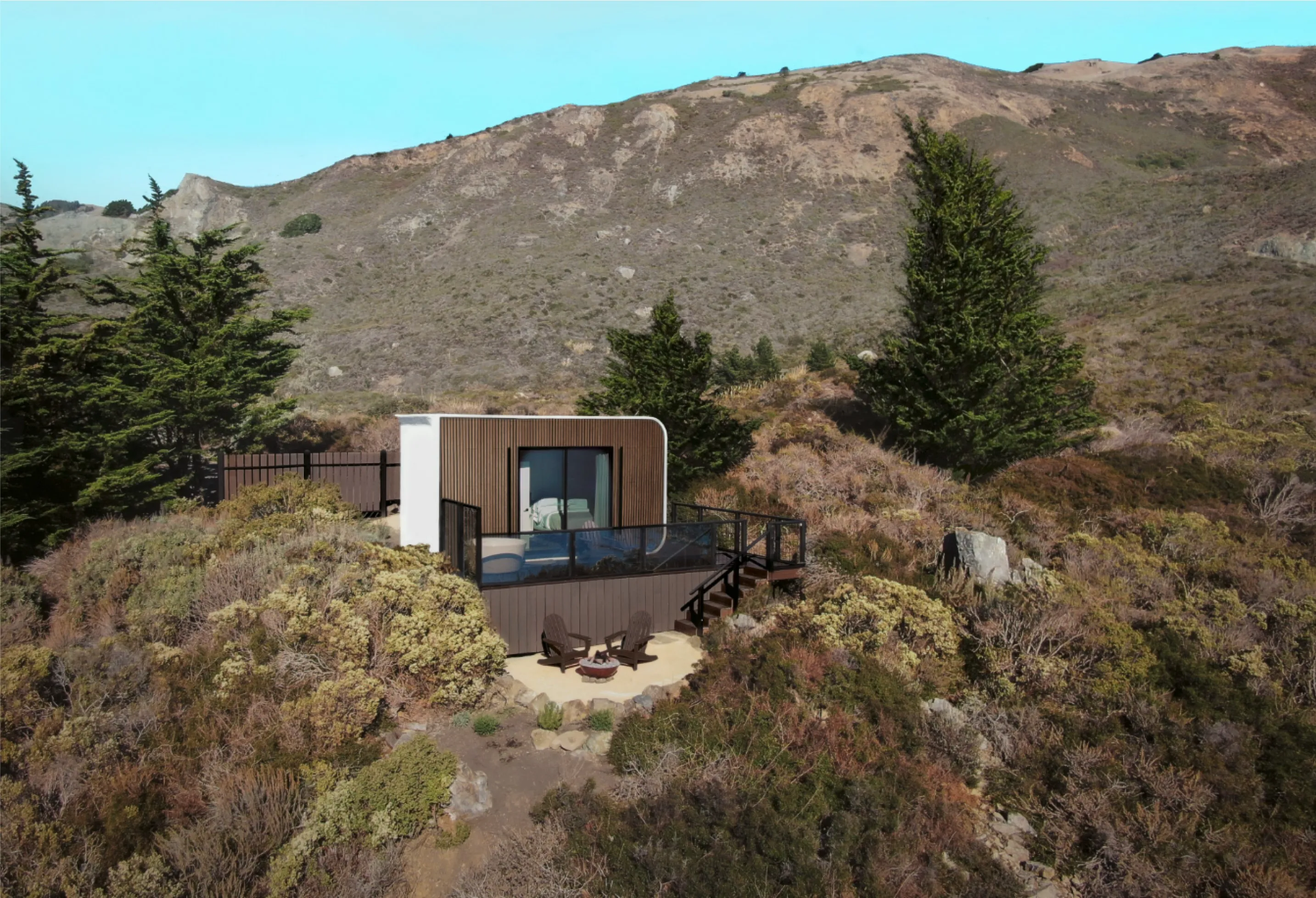
A backyard, rural property, resort site, or underused piece of land can become more useful with the right modular unit. This can support housing, work, hospitality, family needs, or rental income without always requiring a large conventional construction project.
Azure Printed Homes offers modular living spaces for different uses, including studio units, ADUs, homes on wheels, tiny homes, glamping units, and housing solutions for larger developments. This flexibility makes it easier to match the structure to the actual purpose of the project.
Comfort, Function, and Livability
Sustainability should not make a home feel cold, unfinished, or uncomfortable. A good sustainable home should support real everyday life.
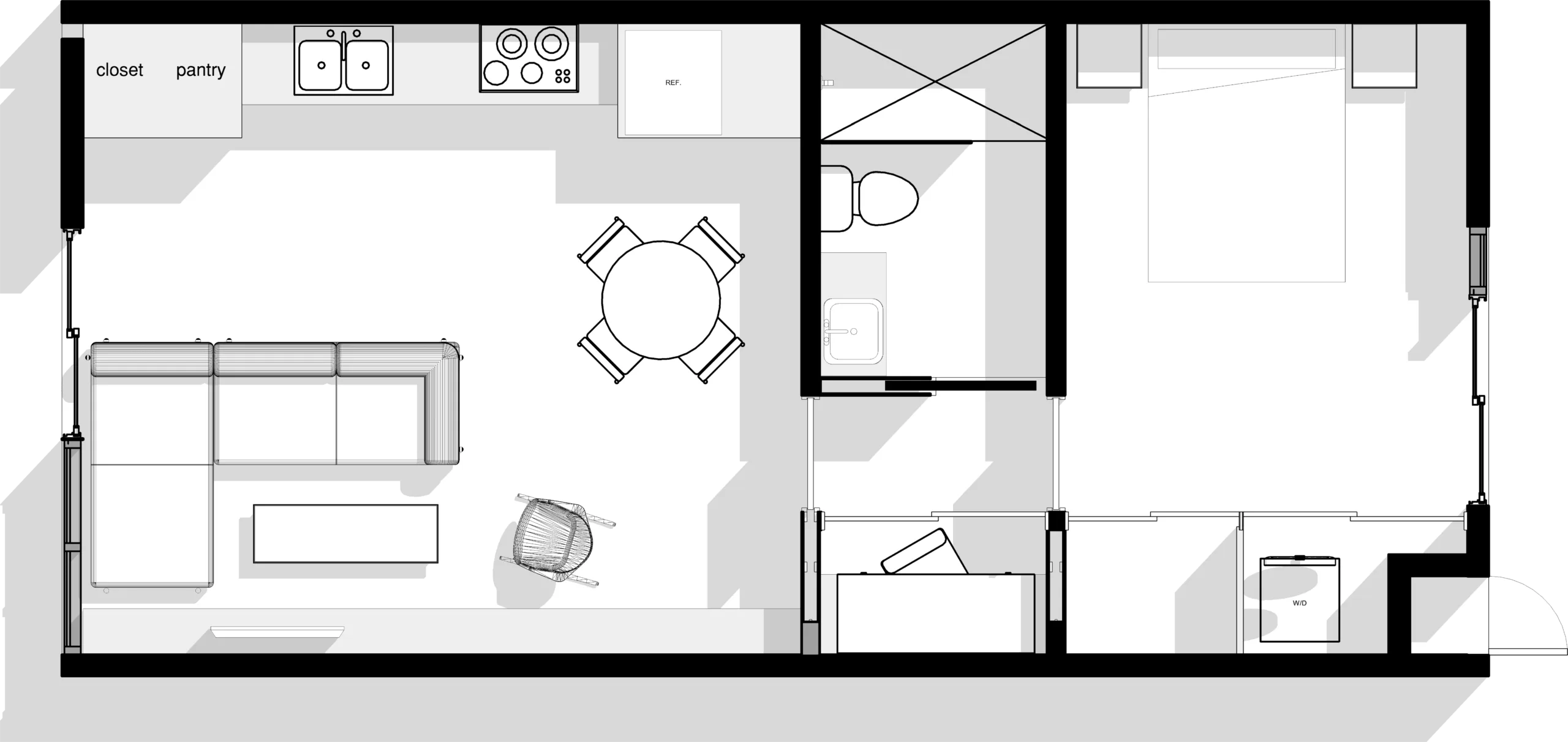
That means the layout matters. Storage matters. Natural light matters. Bathroom access, kitchen needs, heating, cooling, privacy, and finishes all matter too.
The best sustainable homes are not only efficient. They are livable.
A well-designed small home can feel open, calm, and complete when every part of the space has a purpose.
Sustainable Solutions for Different Property Types
Sustainability can look different depending on how a property is used. The most effective approach is usually the one that creates the right amount of space while making efficient use of materials, energy, and land.
Backyard Studios and Flexible Workspaces
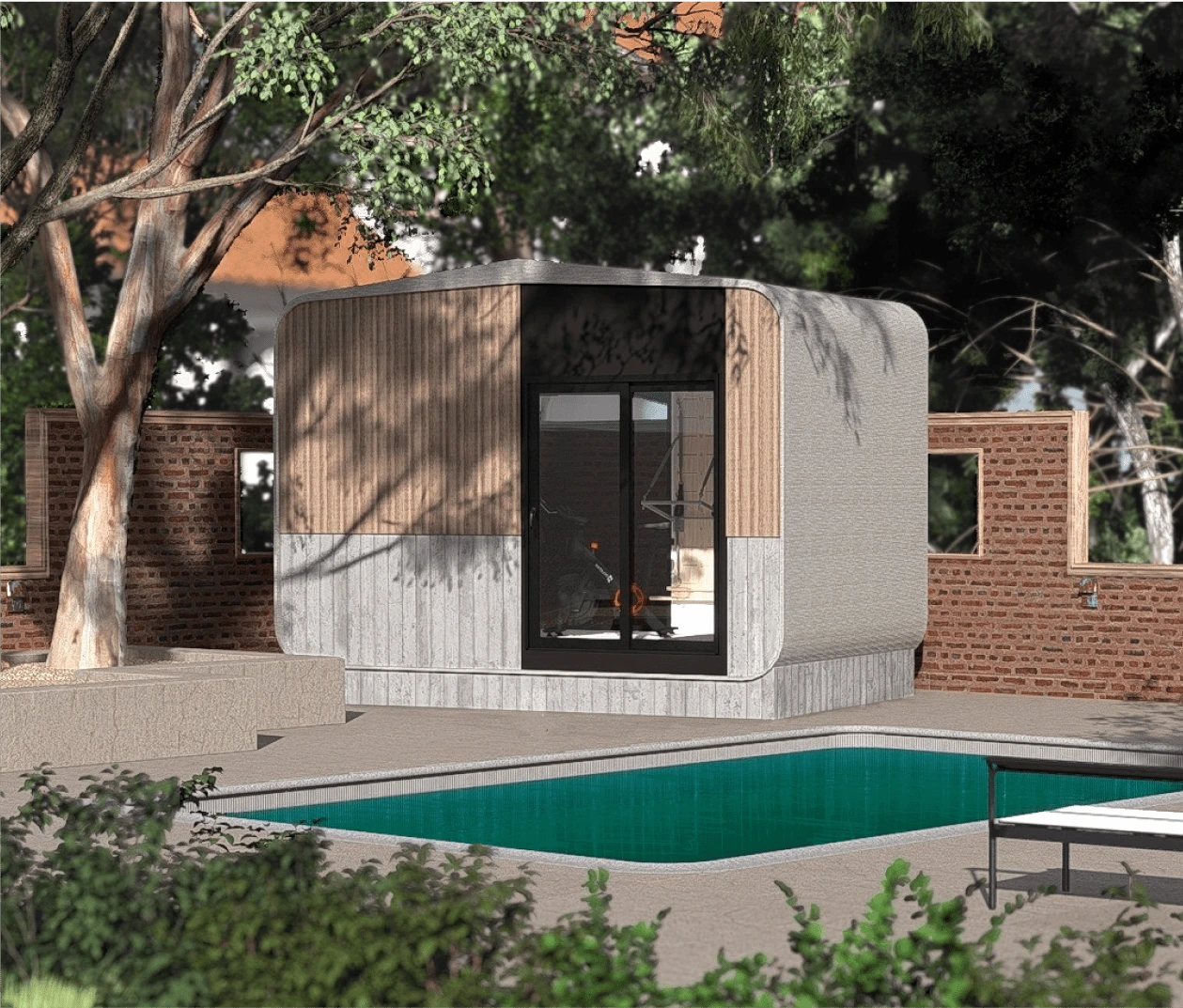
A backyard studio can add valuable space without the need for a large traditional addition. These spaces can be used as home offices, creative studios, wellness rooms, or guest accommodations while maintaining a relatively small footprint.
ADUs and Family Housing
Accessory dwelling units (ADUs) can provide housing for family members, caregivers, or tenants. By creating additional living space on an existing property, ADUs can help maximize land use while supporting changing housing needs.
Tiny Homes and Compact Living
Tiny homes are often designed around efficiency. With thoughtful layouts and purposeful use of space, they can provide comfortable living environments while requiring fewer materials and less energy than larger homes.
Vacation Rentals and Glamping Accommodations
Sustainable housing can also support hospitality projects. Vacation properties and glamping accommodations can create unique guest experiences while using less space and fewer resources than many traditional lodging options.
Primary Residences
Sustainability is just as important for full-time homes. Efficient layouts, durable materials, energy-conscious design, and long-term functionality can help create living spaces that remain comfortable and practical for years.
At Azure Printed Homes, we offer modular living spaces for a wide range of applications, including Studio Series units, Homes & ADUs, Homes on Wheels, and larger housing solutions. This flexibility allows property owners to choose a structure that matches their goals while supporting a more efficient approach to modern housing.
Why Sustainable Housing Matters More Than Ever
Sustainable housing has become a bigger focus in recent years as property owners, developers, and communities look for ways to use resources more efficiently. Rising construction costs, increasing energy expenses, and growing demand for housing have encouraged people to think more carefully about how homes are designed and built.
There is also greater interest in creating flexible living spaces that can serve multiple purposes. A property may need space for family members, guests, remote work, rental income, or hospitality use. Sustainable housing can help meet these needs while reducing unnecessary material use and improving long-term efficiency.
Rather than focusing only on larger homes and more square footage, many people are looking for smarter ways to create comfortable, functional living environments. This shift has helped drive interest in modular housing, compact living spaces, and more efficient construction methods.
Final Thoughts
Housing can be sustainable when it is designed with the full picture in mind. It is not one feature or one material. It is the combination of smarter construction, recycled materials, energy efficiency, durability, good planning, and practical design.
A sustainable home should use resources carefully, reduce waste where possible, and still feel comfortable to live in.
At Azure Printed Homes, we see sustainable housing as the next dimension of living: modern, efficient, customizable, and built with the future in mind.