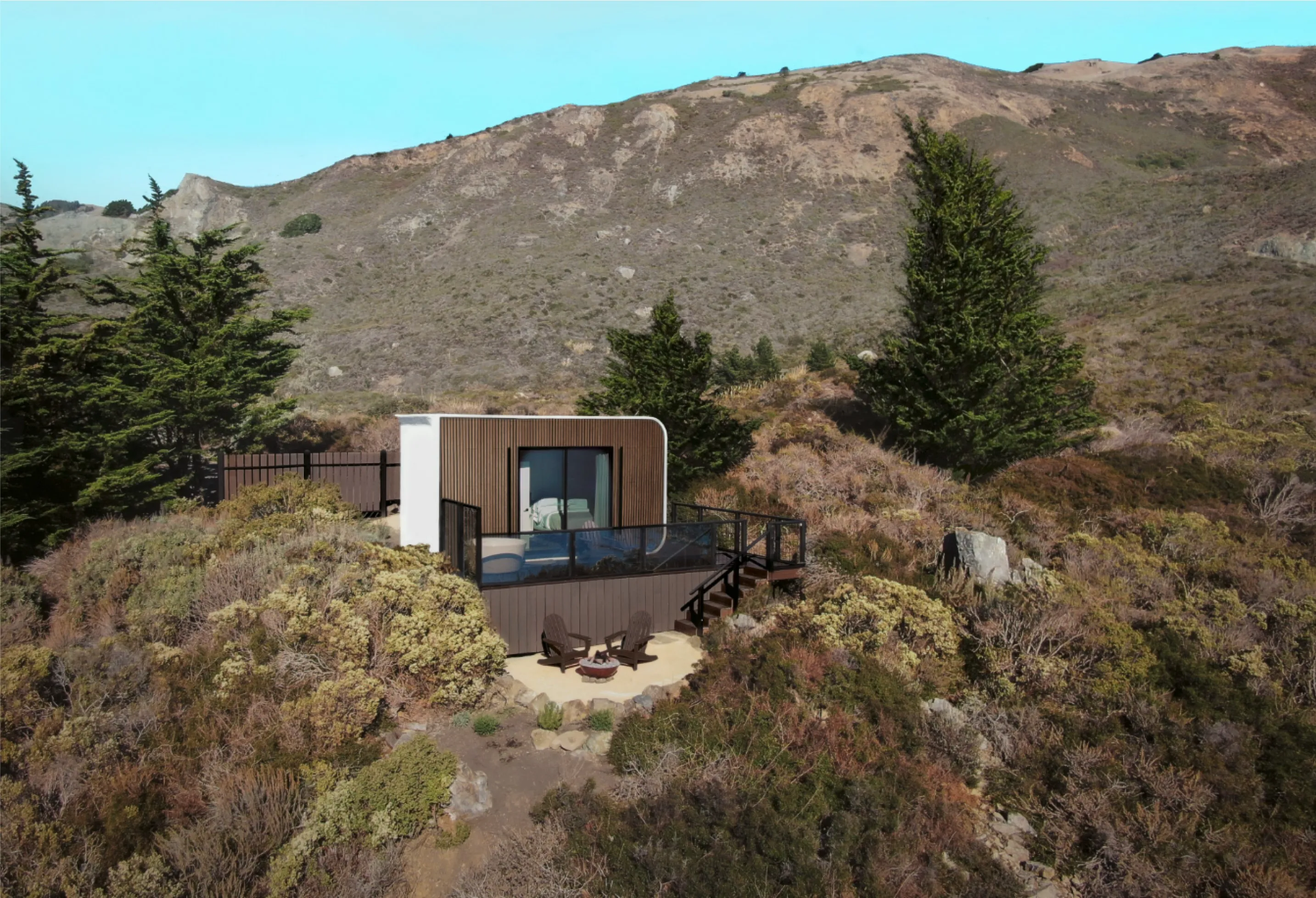
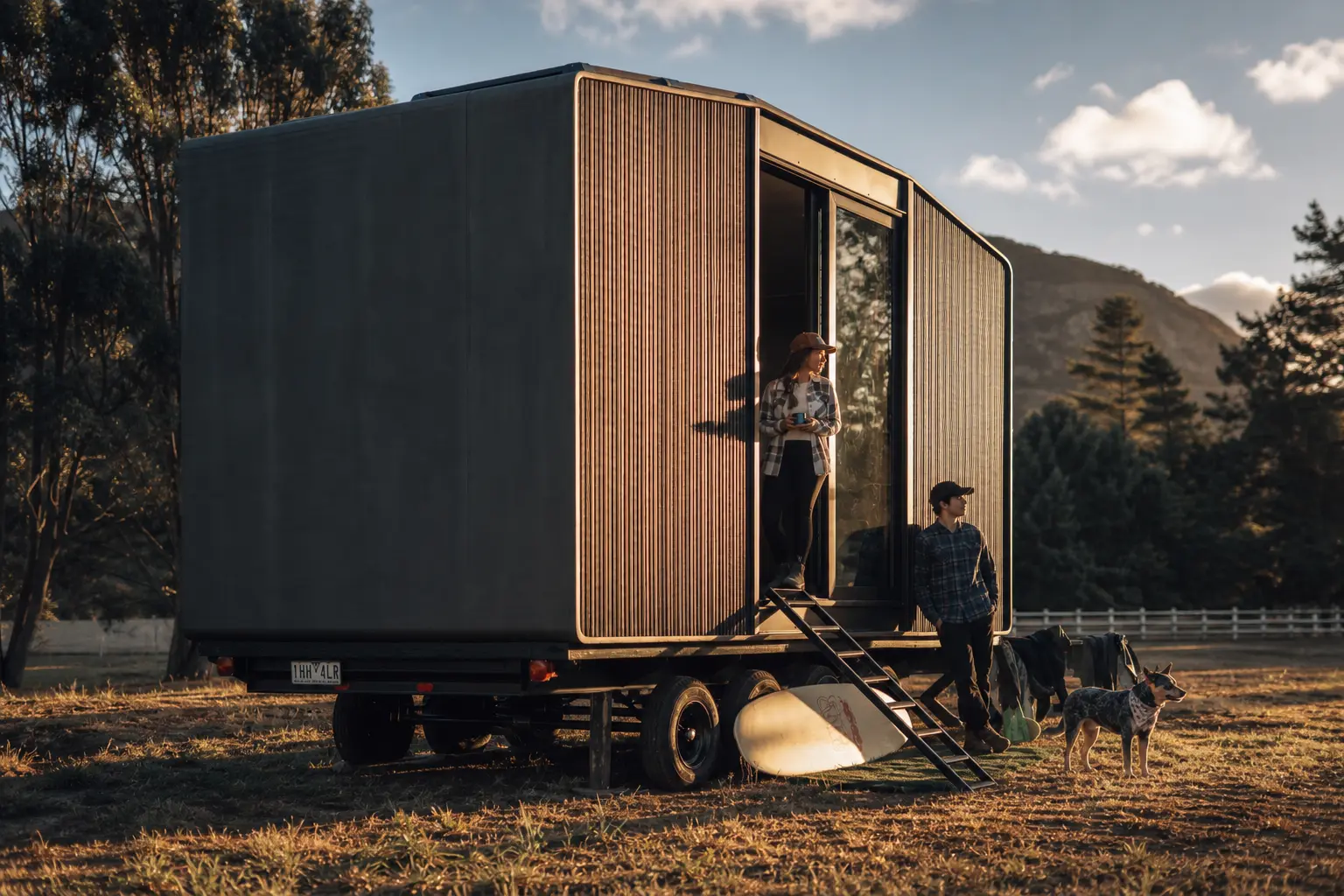
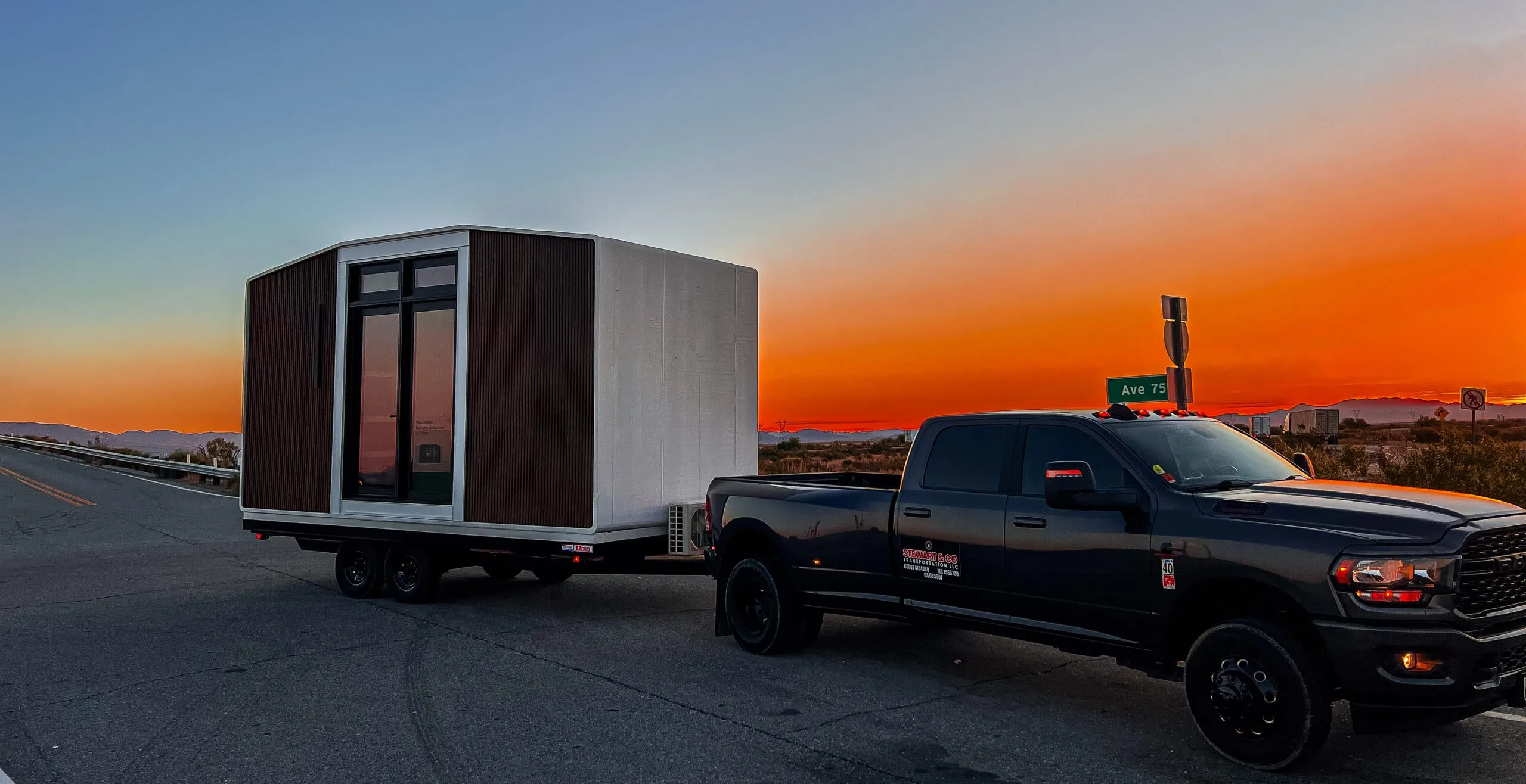
An ADU can increase property value, but not in the same way for every home. A backyard unit in a high-demand rental market may change the numbers very differently from a small guest space in a quiet residential area. The size of the ADU, the local rules, the quality of the build, the rental potential, and the condition of the main property all matter.
That is why the better question is not only “How much does an ADU increase property value?” It is also “What kind of value are we trying to create?”
For some homeowners, value means resale. For others, it means rental income, space for family, a private place to work, or the ability to stay on a property longer as needs change. At Azure Printed Homes, we work with ADUs as practical living spaces first. They need to fit the land, the budget, the local requirements, and the way people actually plan to use the space.
A well-planned ADU can make a property more useful and more appealing. But it should be planned with real numbers, not just a broad assumption that any extra structure automatically raises the sale price.
The Honest Answer: There Is No One Fixed Number
Many homeowners want a clean answer, like “an ADU adds 20% to property value.” In real life, it is not that simple.
An ADU can add value in several ways, but the final impact depends on the property and the market. A permitted ADU with a kitchen, bathroom, separate entrance, and strong rental demand may be viewed very differently from an unpermitted structure that was added without clear documentation. A larger residential-style ADU may support more long-term value than a small backyard room, but it also costs more to build and connect.
The increase in property value usually depends on:
- Local housing demand
- Whether the ADU is permitted
- The size and layout of the unit
- Whether it has a full kitchen and bathroom
- Rental rules in the city or county
- Site access and privacy
- Quality of construction
- Utility connections
- The condition of the main home
- Comparable sales in the area
So the answer is not only about the ADU itself. It is about how the ADU works with the whole property.
What Makes an ADU Valuable?
An ADU can add value in more than one way. For some homeowners, the main benefit is rental income. For others, it is having a separate place for family, guests, work, or future flexibility. A future buyer may also see that extra space as a reason to choose one property over another.
Rental Potential
Rental income is one of the biggest reasons homeowners consider an ADU. In areas with strong housing demand, a permitted ADU can make a property more attractive because it may create a separate income stream.
That income can help offset project costs for the current owner. It can also appeal to a future buyer who likes the idea of long-term rental use, family housing, or flexible living space.
Still, rental value should never be assumed. Local rules decide what is allowed. Some areas allow long-term rentals but restrict short-term stays. Others may have parking rules, owner-occupancy requirements, insurance needs, or tax considerations. A rental plan only adds real value when it works legally and practically.
Before treating an ADU as an income-producing part of the property, homeowners should check whether rental use is allowed, what type of rental is permitted, how utilities will be handled, and whether there is real demand in the area.
A spreadsheet can make almost any project look good. The property has to support the plan in real life.
Family and Everyday Flexibility
Not every ADU is built for rent. Many homeowners want a separate space for a parent, adult child, caregiver, guest, or relative who needs independence but still wants to stay close.
That kind of value is harder to measure than monthly income, but it can matter just as much. An ADU can give a family more room without requiring everyone to share the same living space. It can also help a property adapt as life changes.
A backyard ADU may support aging parents, adult children, visiting guests, caregivers, a private work area, or future downsizing plans. When a property offers more ways to live, it can appeal to a wider group of buyers later.
Permits and Legal Use
A permitted ADU is usually much stronger from a value standpoint than an informal backyard structure. Buyers, appraisers, lenders, inspectors, and local authorities all care about documentation.
A finished unit may look good, but if it was not permitted correctly, it can create problems during resale. Buyers may worry about safety, insurance, financing, or whether the structure can legally remain. In some cases, unpermitted work can reduce confidence instead of adding value.
This is why the planning path matters. A real ADU is not just a nice structure placed behind a house. It needs to fit the local approval process, utility plan, foundation requirements, drainage conditions, and site rules.
For Azure projects, the category matters too. A Studio Series unit can be useful as extra backyard space, but it is not the same as a full Homes & ADUs model. A residential ADU needs a more complete planning path, especially when it includes plumbing, water, sewer, sleeping space, and full-time living use.
Size and Layout
Size affects value, but layout affects how useful that value feels. A larger ADU is not automatically better. A smaller unit with a smart floor plan can sometimes serve the property better than a bigger unit that feels awkward or overbuilt.
The best layout is usually the one that matches the goal. A rental-focused ADU may need a kitchen, bathroom, storage, privacy, and a comfortable sleeping area. A family-focused unit may need quiet, accessibility, natural light, and a simple layout. A guest unit may need flexibility more than extra bedrooms.
This is where model choice becomes practical. Our Homes & ADUs category includes several sizes, from compact one-bedroom layouts to larger options with more sleeping space. A 360 sq ft unit can support a simple one-bedroom setup. A 540 sq ft model gives more room for daily living. The A_720 options create larger one-bedroom or two junior bedroom layouts. The 900 sq ft model offers the most space, with two bedrooms and 1.5 bathrooms.
Each model can add value, but not for the same reason. The right choice depends on the property, the budget, local rules, and how the ADU will actually be used.

Finding the Right Fit for the Space and the Plan
We do not treat every small structure as the same kind of investment. A backyard studio, a compact ADU, and a larger residential unit solve different problems.
Our Studio Series includes small 100 to 120 sq ft structures. These can be a good fit for work, creative space, hobbies, fitness, or a quiet backyard room. They can make a property more useful, but they are not the same as a full ADU with residential systems.
Our Homes & ADUs models are more relevant when the goal is housing, rental potential where allowed, or long-term family use.
Here is a simple way to look at the fit:
- 360 model: A compact one-bedroom option for homeowners who want a smaller residential-style unit
- 540 model: A one-bedroom layout with more room for daily living
- A_720.1: A larger one-bedroom option for more comfort and flexibility
- A_720.2: A two junior bedroom option for buyers who need separate sleeping areas
- 900 model: A larger two-bedroom layout with 1.5 bathrooms for stronger family or rental use cases
The right model is not always the largest one. It is the one that makes sense for the yard, the budget, the legal use, and the people who will actually use it.
Project Cost Still Has to Make Sense
An ADU may increase property value, but that does not automatically mean every ADU is a good financial move. The total project cost matters.
The model price is only part of the equation. Homeowners also need to account for the land around the unit and the work needed to make the space legal, safe, and usable.
Costs may include:
- Site preparation
- Foundation or support system
- Utility connections
- Electrical upgrades
- Water and sewer work
- Grading and drainage
- Delivery access
- Permits and local fees
- Inspections
- Landscaping
- Walkways and lighting
- Privacy features
- Interior finish choices
This is where ADU planning becomes very practical. A lower starting price can be helpful, but the real value depends on the full project cost compared with the expected benefit.
A property owner planning to rent the unit may compare the total cost with expected rental income. A family building for a parent may compare it with the cost of assisted living, moving, or remodeling the main house. A homeowner planning for resale may compare it with buyer demand in the area.
Different goals create different math.
Site Work Can Quietly Change the Numbers
The site can make an ADU project easier or more expensive. This part is not as exciting as choosing the model, but it matters a lot.
A flat, accessible yard with reasonable utility access is very different from a tight lot with drainage issues, limited delivery access, or long utility runs. Even a well-designed ADU can become more costly if the site needs extra preparation.
Yard slope, delivery access, fence or gate width, drainage, soil conditions, utility distance, existing trees, hardscape, setbacks, and privacy from the main home can all affect the final plan. Some properties only need light preparation. Others need more work before the unit can be placed, connected, and used comfortably.
A good ADU should not feel like it was squeezed into the last available corner. It should sit in a way that makes the whole property work better.
Faster Construction Can Help, But It Is Not the Whole Story
One reason homeowners are interested in 3D-printed modular ADUs is speed. A faster process can reduce disruption and make the project easier to plan.
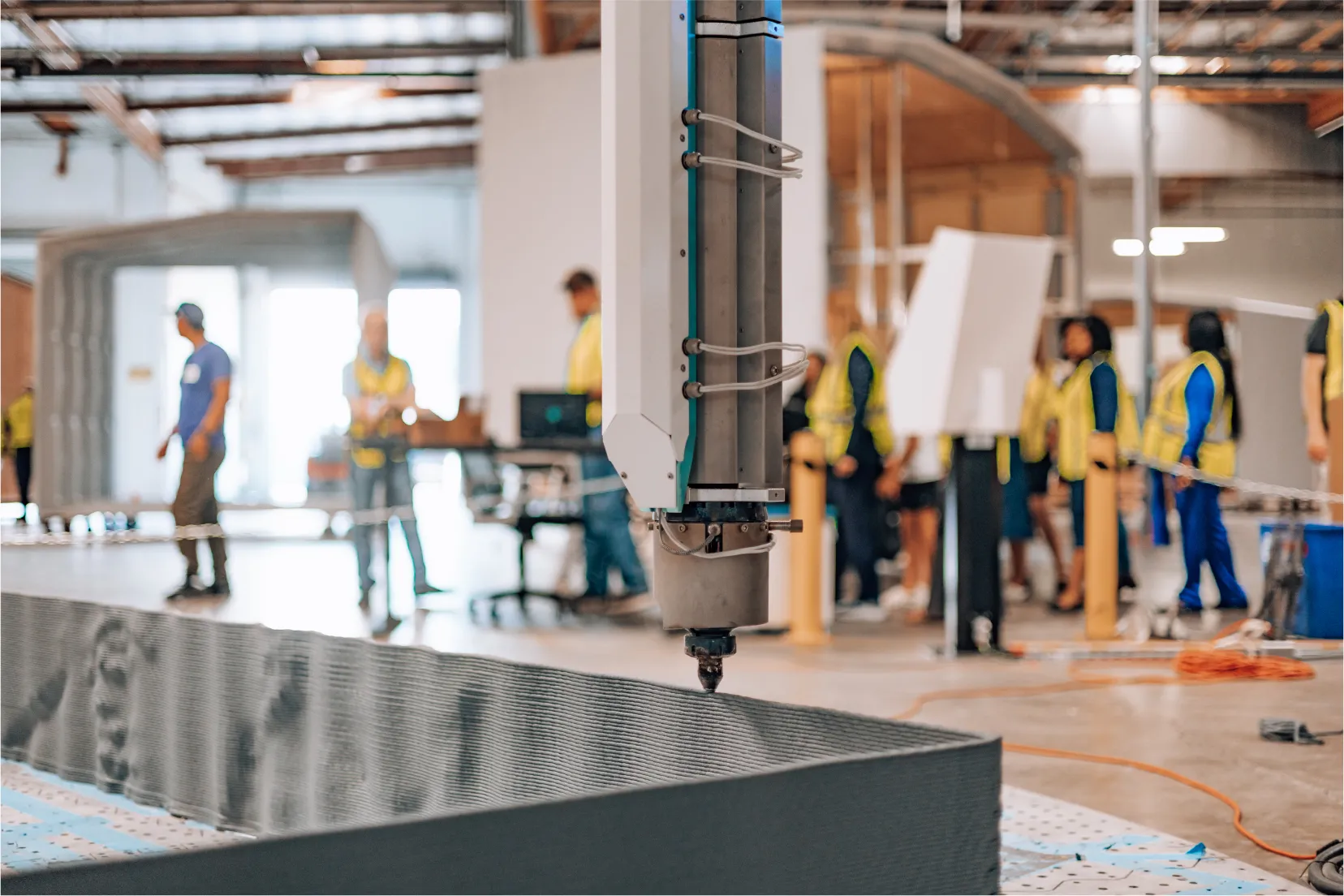
With our process, the structural shell is robotically printed with recycled materials, and much of the fabrication happens before the unit reaches the property. Finishes, plumbing, electrical work, quality checks, delivery planning, and installation coordination still matter. The benefit is that much of the work happens in a controlled environment instead of turning the backyard into a long construction zone.
That can be valuable, especially when site work and manufacturing can move forward in a more organized way. But speed alone does not create property value. The ADU still needs to be permitted, connected, placed correctly, and useful.
A fast project that is poorly planned is still a problem. A well-planned project that moves faster can be a real advantage.
Sustainability Can Support Long-Term Appeal
Sustainability may not show up as a simple dollar amount in every appraisal, but it can influence how buyers feel about a property. More homeowners are paying attention to energy efficiency, material choices, waste, and long-term durability.
Azure homes use recycled materials and are built with a focus on reducing construction waste. Our process is designed around robotic printing, factory fabrication, and more controlled production. For buyers who care about lower-waste construction and future-focused housing, that can make the ADU feel more relevant.
Still, sustainability should be part of the full value story, not a loose claim added at the end. The ADU also needs to be comfortable, practical, permitted, and well matched to the property.
A recycled-material structure that does not fit the site will not solve the homeowner’s problem. A sustainable ADU that also works as real living space has a stronger case.
How Buyers May View a Property With an ADU
A future buyer may look at an ADU from several angles. Some will care about income. Some will care about family use. Some will care about having a separate office or guest space. Others may simply like that the property has more flexibility than similar homes nearby.
A strong ADU can make a property feel more complete. It can give buyers options:
- Live in the main house and rent the ADU where allowed
- Use the ADU for family
- Create a private guest suite
- Work from a separate space
- Plan for future downsizing
- Support multi-generational living
But buyers may also ask practical questions. Was it permitted? How are utilities connected? Is there privacy? Is there parking? Is it comfortable? Is the layout useful? Does it feel like a real unit or an afterthought?
Those details shape perceived value.
Before starting an ADU project, it helps to slow down and test the idea against the property.
A Simple Value Check Before Building
A practical ADU value check should include:
- Purpose: What should the ADU do for the property?
- Legal path: Can this unit and use be approved locally?
- Budget: Does the full budget include site work, utilities, permits, and delivery?
- Model fit: Is the layout right for the intended use?
- Rental reality: If income is part of the plan, is rental use allowed and realistic?
- Resale appeal: Would future buyers understand the value quickly?
- Site fit: Can the unit be placed without making the yard feel awkward?
- Long-term use: Will the space still be useful if life changes?
These questions are not meant to make the process feel heavy. They simply keep the project honest. ADUs work best when the structure, property, and use case all line up.
So, How Much Does an ADU Increase Property Value?
An ADU can increase property value by making the home more flexible, more useful, and more attractive to future buyers. The exact amount depends on local demand, permits, size, rental potential, build quality, and total project cost.
A permitted ADU with a strong layout and clear use case is usually in a better position to add value than a loosely planned backyard structure. A unit that can support rental income where allowed may create additional financial value. A unit built for family may create lifestyle value that still improves the property’s appeal. A smaller studio may add daily usefulness, even if it is not valued the same way as a full dwelling.
For us at Azure Printed Homes, the real value conversation starts before the unit is built. What does the property need? Who will use the space? What do local rules allow? How much site work is required? Which model fits the goal without overbuilding?
An ADU can be a strong property upgrade. It can also be a poor investment if the numbers, rules, and site conditions are ignored. The difference is planning.
Conclusion
An ADU can increase property value, but the best projects are not built around a guess. They are built around a clear purpose.
A homeowner adding a compact one-bedroom ADU may be creating rental potential or guest space. A larger two-bedroom model may support family living or a stronger long-term housing use. A backyard studio may make daily life easier without becoming a full dwelling. Each option can add value, but each one does it in a different way.
The most useful ADU is the one that fits the property, follows local rules, works with the budget, and gives people a space they will actually use. That is where value becomes more than a number on paper. It becomes a better way to use the land already there.