Building an ADU in California can cost very different amounts depending on the model, the property, and the work needed before anyone can actually use the space.
The model price is the cleanest number. It is easy to compare. It gives homeowners a starting point. But it is not the same as the full cost to build an ADU. The full budget also needs to include permits, site work, utility connections, foundation or support work, delivery, installation, inspections, and the small finishing details that make the unit feel like part of the property.
At Azure Printed Homes, our ADUs models start at $89,900 for the A-360 and go up to $219,900 for the A-900. Those prices are useful for early planning, but the final number depends on the land around the unit just as much as the unit itself.
That is where ADU budgeting becomes more practical. The real question is not only, “How much is the ADU?” It is, “What does this property need so the ADU can be placed, connected, approved, and used comfortably?”
Why ADU Costs Are Different From One Property to Another
California ADU costs vary because California properties vary. A flat backyard with good access and nearby utilities is a very different project from a tight lot with slope, drainage issues, long utility runs, or limited delivery space.
Two homeowners can choose the same ADU model and still end up with different final project costs. The structure may be the same, but the site conditions are not.
Local rules also play a role. Cities and counties still review ADU projects for things like setbacks, utility connections, safety, access, drainage, and building requirements. Some properties move through that process more easily than others.
This is why a real ADU budget should start with both pieces: the model and the property.
Azure ADU Pricing by Model Size
For this topic, it makes sense to focus only on our Homes & ADUs models. These are the Azure models that fit a California ADU cost conversation because they are larger residential-style units designed for more complete living uses.
| Azure ADU Model | Square Footage | Starting Price |
| A-360 | 360 sq ft | $89,900 |
| A-540 | 540 sq ft | $134,900 |
| A-720 | 720 sq ft | $174,900 |
| A-900 | 900 sq ft | $219,900 |
These prices help homeowners understand the cost of the unit itself. A smaller model can work for a compact guest space, simple rental use where allowed, or a private living area. A larger model gives more room for family use, longer stays, or a more complete residential setup.
Still, the model price should be treated as the beginning of the budget, not the whole budget.
What the Starting Price Tells You
The starting price helps narrow the conversation. It gives a sense of what size range may fit the budget and what type of layout may be realistic.
A 360 sq ft ADU is usually a different kind of project than a 900 sq ft ADU. It takes up less space, may be easier to place on some lots, and starts at a lower price. A 900 sq ft ADU gives more room, but it also needs more careful planning around the site, utilities, delivery, and local approval.
The right model is not always the largest one. It is also not always the cheapest one. It is the one that fits the use, the yard, and the budget without forcing the project into a shape that does not really work.
What the Starting Price Does Not Cover
The ADU has to sit on a real property, connect to real utilities, and pass through the local process. That is where additional costs come in.
The final project may include permit fees, foundation work, utility hookups, trenching, delivery planning, installation, inspections, grading, drainage work, and exterior improvements around the unit.
Some of these costs are simple. Others depend heavily on the site. For example, connecting utilities can be easier when water, sewer, and electrical access are nearby. It can become more expensive when lines need to run a long distance, cross hardscape, or require upgrades before connection.
This does not mean the project has to become complicated. It just means the budget should include the work around the ADU, not only the ADU itself.
Permits and Local Review
A permitted ADU in California still needs local review. The city or county may look at the site plan, setbacks, foundation details, utility connections, safety requirements, and inspections.
This part is not just paperwork. It shapes the budget and timeline.
Building and Plan Review
Most ADU projects need building permit review. The local authority may ask for plans, site details, structural information, utility plans, and other documentation before work can move forward.
Utility and Trade Permits
Electrical, plumbing, mechanical, and sewer-related work may need separate review or permits. This depends on the property and local requirements.
Final Inspection
Before the ADU can be used, inspections may be required to confirm that the work was completed properly. This is one reason it helps to plan the project as housing from the beginning, not as a backyard add-on that can be figured out later.
Site Work Can Change the Budget
Site work is one of the biggest reasons ADU pricing changes from one project to another.
A backyard may look open, but the details matter. Slope, drainage, trees, fences, walls, soil conditions, hardscape, and access can all affect what needs to happen before the unit arrives.
Access to the Yard
Delivery access should be checked early. Narrow side yards, overhead wires, tight streets, fences, trees, or nearby structures can all affect how the ADU is placed.
Drainage and Grading
Water needs to move away from the unit, not collect around it. If the yard has drainage issues or uneven grade, the site may need extra preparation.
Utility Distance
The farther the ADU sits from electrical, water, and sewer connection points, the more planning is usually needed. Long utility runs can add cost, especially if trenching or upgrades are required.
This is why the site should be reviewed before treating any estimate as final.
Utilities Are a Major Part of the Cost
A full ADU usually needs electrical, water, sewer, heating, cooling, and internet planning. The cost depends on what already exists on the property and where the ADU will sit.
If the existing electrical panel has enough capacity, the project may be simpler. If not, an upgrade may be needed. If the sewer line is close and accessible, connection may be more direct. If it is far away or blocked by hardscape, the work can grow.
This part of the project is easy to underestimate because utilities are not always visible. But they have a big effect on the final number.
For us, utility planning is part of making the ADU feel usable, not just installed. A unit with a kitchen, bathroom, and regular daily use needs to be connected properly from the start.
Foundation, Delivery, and Installation
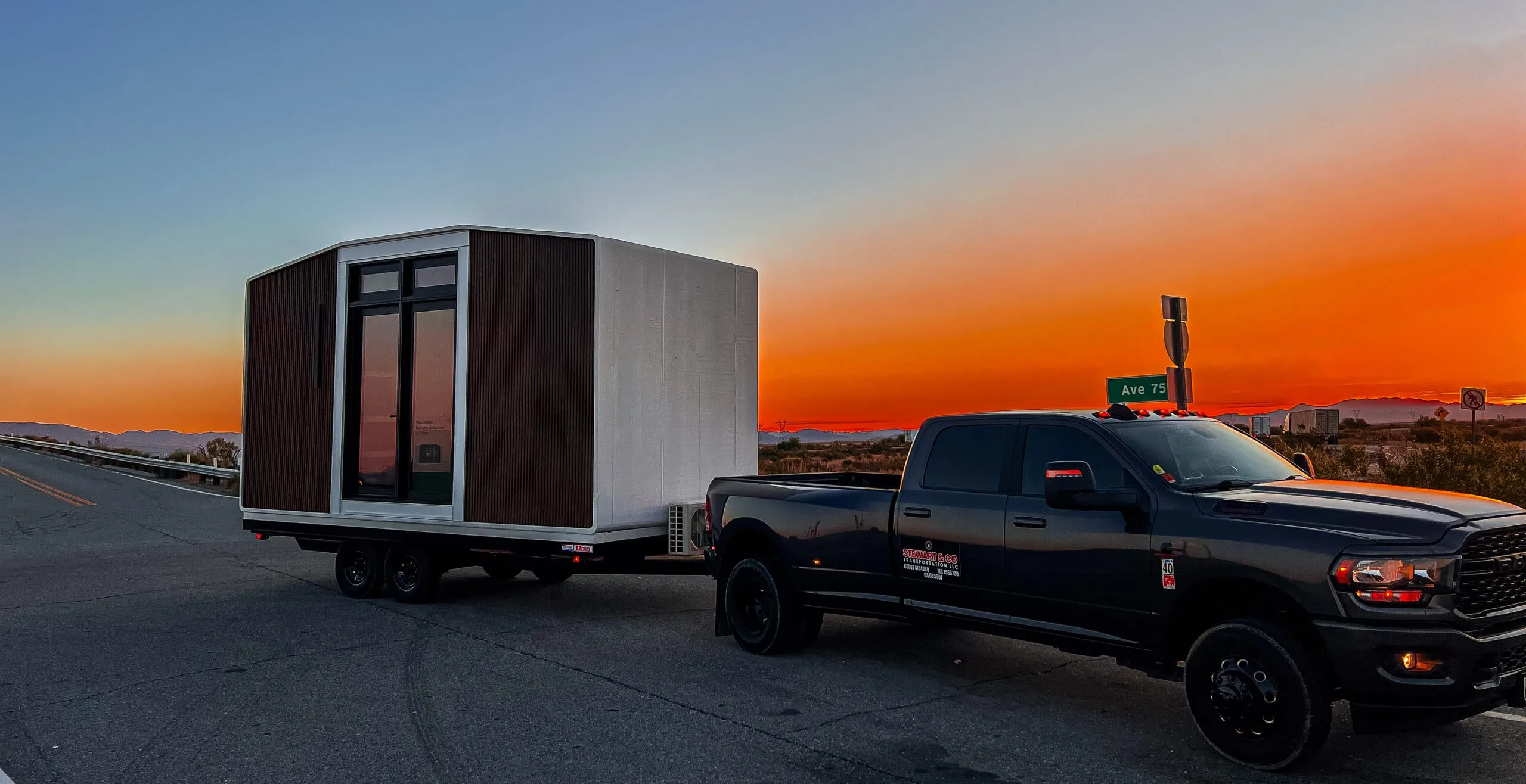
An ADU needs a proper foundation or support system. It also needs to be delivered, placed, anchored, connected, and inspected.
Because Azure units are manufactured off-site, the backyard does not become the main construction site in the same way it would with a fully site-built structure. The unit is printed and fabricated before delivery, then installed on the prepared site.
That can make the process more organized, but the site still needs to be ready. The foundation or support system has to be in place. The delivery path has to work. Utility connection points need to be prepared. Local inspections may still apply.
A smooth installation usually comes from careful planning before the unit arrives.
Choosing the Right ADU Size
Size affects the price, but it also affects how the space will live.
A-360
The A-360 is the most compact ADU option in this group. It can work for homeowners who need a smaller living space, a guest setup, or rental potential where local rules allow it. It may also be easier to fit on tighter lots.
A-540
The A-540 gives more room while still staying relatively compact. It can be a practical middle point for one-bedroom living, family use, or a more comfortable guest space.
A-720
The A-720 gives more flexibility. It may work better when the ADU is meant for longer stays, more regular use, or a layout that needs more separation between living, sleeping, and kitchen areas.
A-900
The A-900 is the largest model in this group. It gives the most space, but it also needs the most careful review around lot fit, utilities, budget, delivery, and local requirements.
The best choice depends on the use. A family member living there long-term may need a different layout than an occasional guest. A rental use may need more durability and privacy. A compact backyard unit may need to balance comfort with lot limits.
Rental Use Can Change the Budget
Many homeowners look at ADUs because of rental potential. That can be part of the value, but it should be checked early.
Local rules decide whether the ADU can be rented and how it can be rented. Insurance, taxes, utilities, parking, privacy, and maintenance also affect the real numbers.
A rental-focused ADU may need more attention to durable finishes, separate access, outdoor lighting, privacy from the main home, storage, heating and cooling, and internet setup. These are not always huge items on their own, but they affect how well the ADU works over time.
Family Use Has Different Priorities
Not every ADU is built for income. Some are built for parents, adult children, guests, or caregivers.
For family use, the budget may focus more on comfort and access. A safe path from the main house, good lighting, privacy, a practical bathroom, storage, and easy daily maintenance may matter more than features designed for rental turnover.
This kind of ADU may not create monthly income, but it can solve a real housing need. That value is personal, and it is often the reason homeowners start looking at ADUs in the first place.
A More Realistic Way to Budget
A useful ADU budget should include the model and the work needed to make the model function on the property.
Before choosing a final size, homeowners should check:
- How the ADU will be used
- Whether the lot can support the size
- Where utilities will connect
- What permits and inspections may apply
- How the unit will be delivered and installed
- What exterior details are needed after placement
This keeps the budget grounded. It also helps avoid choosing a model that looks affordable at first but becomes difficult once the property details are reviewed.
Common Cost Mistakes
The most common mistake is treating the model price as the full project price. It is not. It is the starting point.
Another common mistake is waiting too long to look at utilities. Water, sewer, and electrical connections can change the budget in a serious way. Delivery access is another detail people often leave until later, even though it can affect placement and equipment needs.
It is also easy to forget the area around the ADU. Walkways, exterior lighting, privacy, landscaping, drainage, trash access, window coverings, and internet setup all shape how the space feels once it is in use.
A good ADU should not feel like it was dropped into the yard with no thought around it. The outside space is part of the project too.
So, How Much Should You Expect?
For Azure Homes & ADUs, the current starting model prices range from $89,900 to $219,900.
That range covers the ADU model itself. The full cost to build an ADU in California depends on the site, permits, utilities, foundation, delivery, installation, inspections, and finishing work around the unit.
A simple property with easy access and nearby utilities may keep the project more predictable. A more complex site can add cost, even when the model price stays the same.
The most useful number is not the lowest number. It is the number that reflects the actual property.
Conclusion
The cost to build an ADU in California starts with the model, but the real budget includes much more. The land, local rules, utilities, foundation, delivery path, and final details all matter.
For Azure Homes & ADUs, current starting prices range from $89,900 for the A-360 to $219,900 for the A-900. Those prices give homeowners a clear starting point, but they should be paired with a site-specific review before making decisions.
An ADU works best when the unit, property, budget, and intended use all make sense together. That is the difference between buying a structure and planning a space that actually fits into daily life.