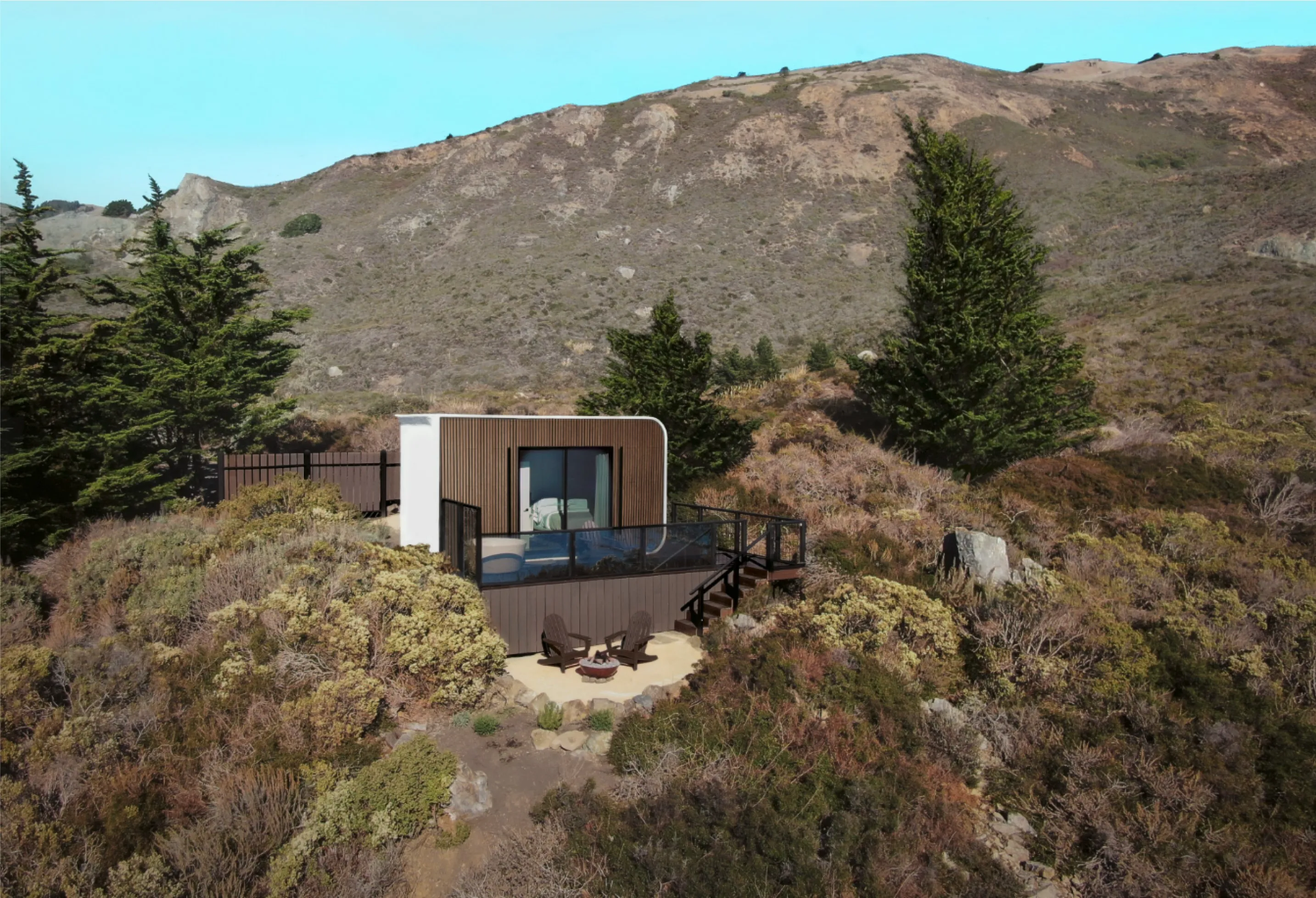
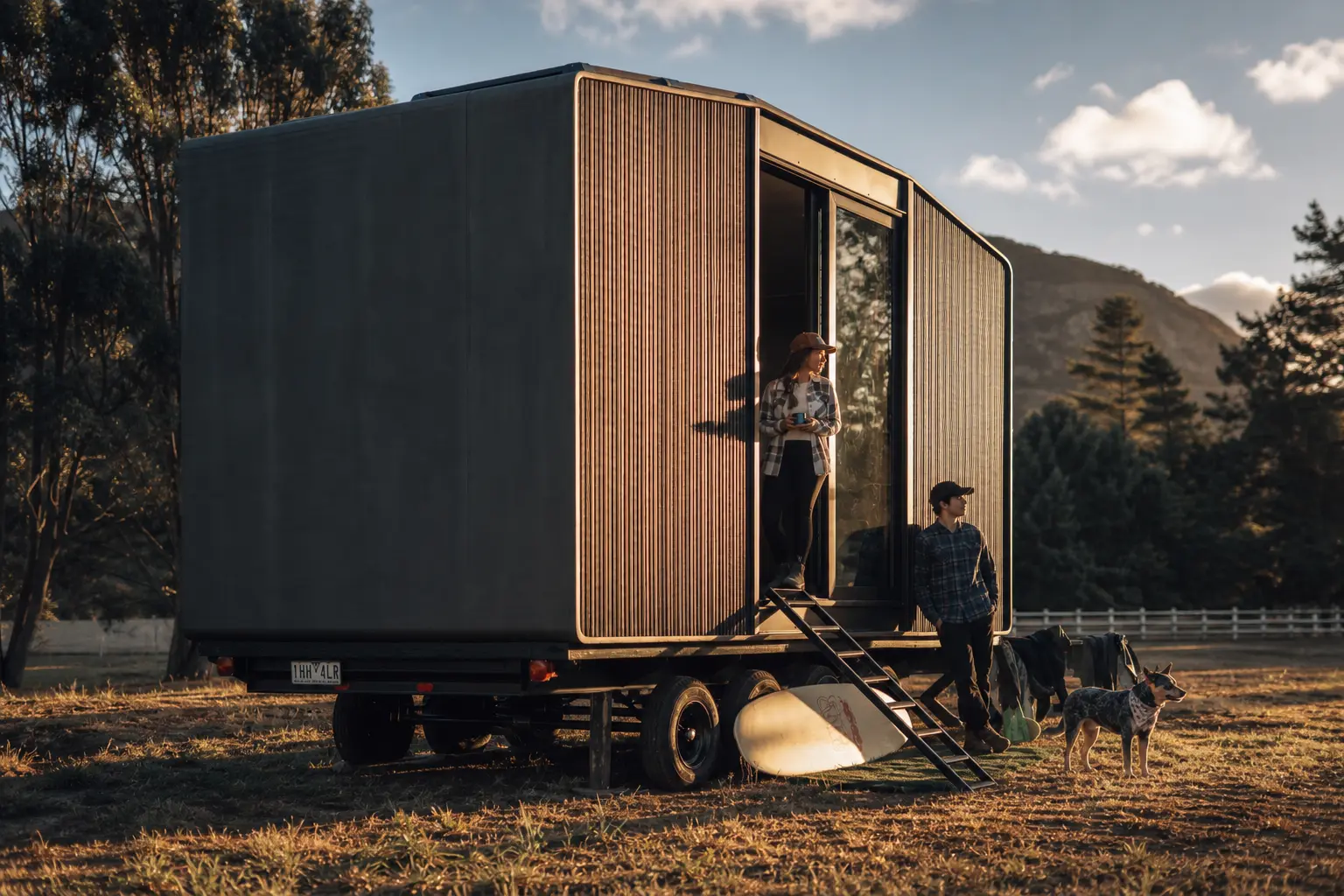
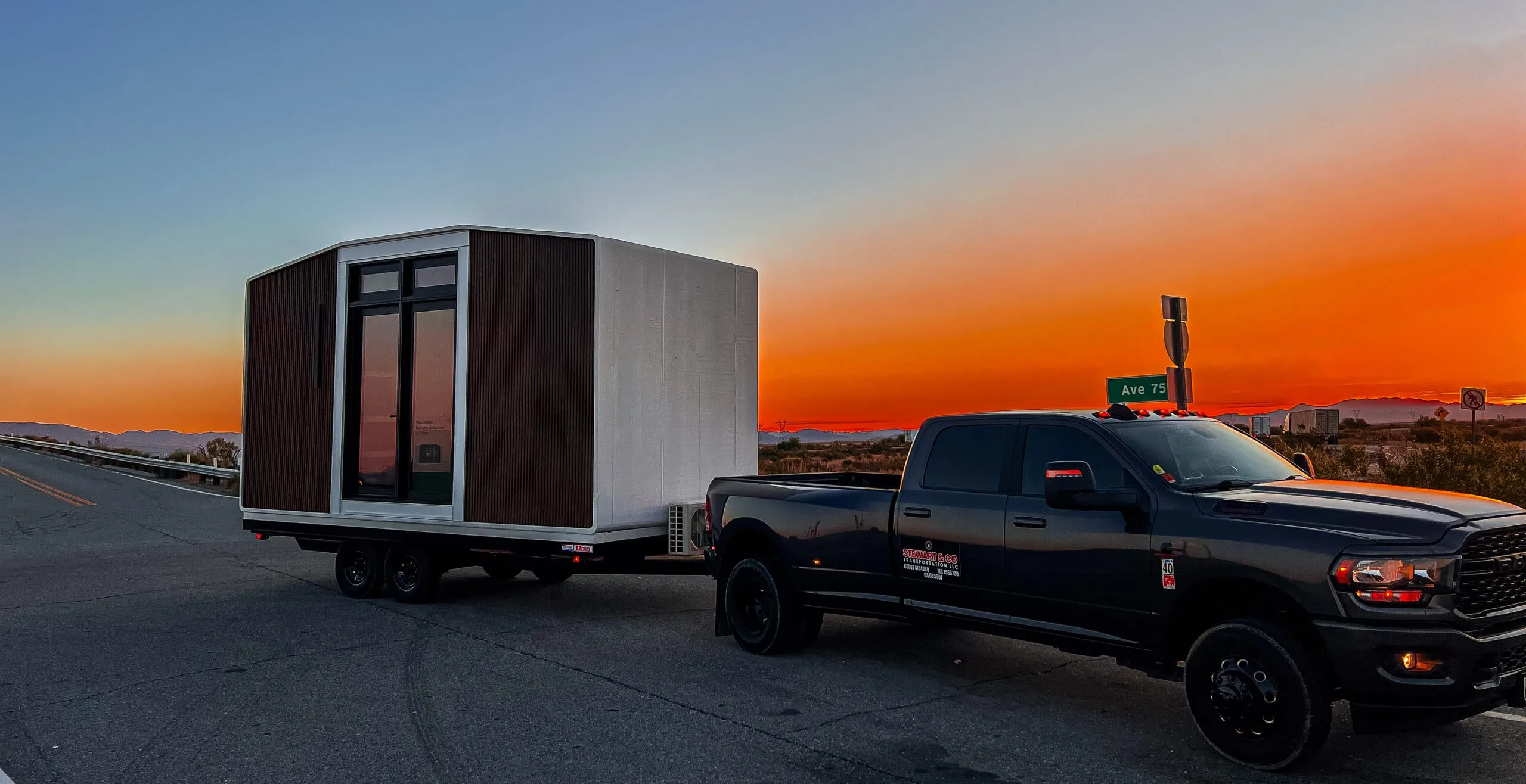
The honest answer is that the lifespan of a 3D printed home depends on how it is designed, what materials are used, how it is installed, where it is placed, and how well it is maintained. A well-built 3D printed home can be designed for long-term use, but not all 3D printed homes are made the same way.
At Azure Printed Homes, we create future-focused modular living spaces using robotic 3D printing and recycled materials. Our goal is not just to make homes faster. It is to create practical, durable, energy-efficient spaces that can support modern living in a smarter way.
Expected Lifespan of a 3D Printed Home
A well-built 3D printed home can be designed to last 30-50 years or more, similar to many modern building structures. For concrete-based 3D printed homes, the potential lifespan may be longer when the mix, reinforcement, curing, weather protection, and maintenance are handled properly.
That said, the printed structure is only one part of the home. Roofs, HVAC, plumbing, windows, doors, finishes, and seals may need repair or replacement sooner. For example, many HVAC systems last around 15 to 20 years, water heaters often last 10 to 15 years, and roofs may last 20 to 50 years depending on material and maintenance.
So the most accurate answer is this: a properly built 3D printed home can be a multi-decade structure, often planned around a 50+ year lifespan, with the possibility of 100 years or even more for certain structural systems if they are specifically engineered, installed, and maintained for that level of service life.
How 3D Printed Homes Compare With Traditional Homes
Traditional homes can last for many decades when they are built well and maintained properly. The same general idea applies to 3D printed homes.
The difference is in the process. 3D printed construction can reduce some manual steps, improve consistency, and use materials more efficiently. It can also support faster production timelines and more controlled manufacturing conditions.
That does not mean every 3D printed home automatically lasts longer than every traditional home. Lifespan depends on the total building system. A poorly designed 3D printed home will not outperform a well-built traditional home. But a well-designed 3D printed home can be a strong long-term housing option when the materials, engineering, and installation are handled correctly.
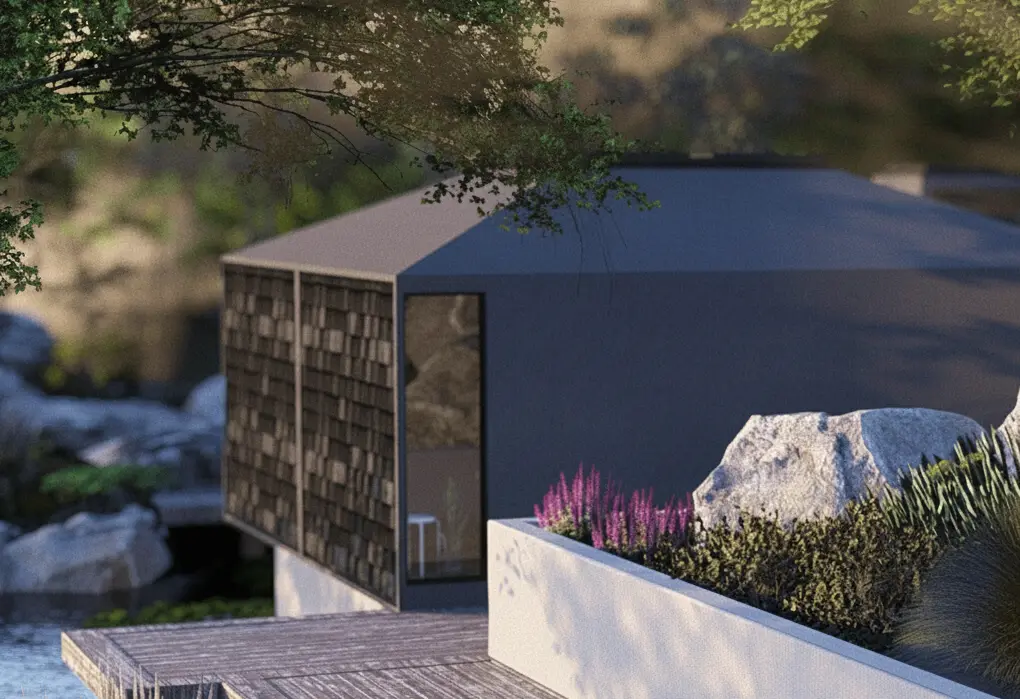
What Affects a 3D Printed Home Lifespan
A well-built 3D printed home can be designed for long-term use. In practical terms, buyers should think in decades rather than a few short years, but the exact lifespan depends on the full building system, not just the printing method.
Materials and Engineering
A 3D printed home is only as strong as the materials and engineering behind it. The printing technology matters, but so do the material formula, structural design, insulation, finishes, windows, doors, and roof system.
At Azure, we use recycled plastic in our 3D printing process, turning plastic waste into modular living spaces. For a 120 sq ft unit, about 100,000 plastic bottles are actually recycled into the structure. This supports our goal of building useful, efficient spaces with less waste.
Durability also depends on how materials perform against:
- Moisture and humidity
- Heat and UV exposure
- Pests
- Movement during delivery or use
- Everyday wear
Climate and Site Conditions
Location plays a major role in how long any home lasts. A home in a dry climate faces different conditions than one near the coast, in a snowy area, or in a region with heavy rain.
Important factors include sun exposure, humidity, rainfall, snow load, wind, salt air, heat, and temperature swings. A long-lasting 3D printed home should be matched to the site with proper insulation, drainage, ventilation, water resistance, and setup planning.
Installation and Setup
A well-made unit still needs proper installation. Delivery access, leveling, foundation work, chassis support, utility connections, drainage, and final setup all affect long-term performance.
For permanent units, the foundation or support system should match the structure, property, and local requirements. For homes on wheels, the chassis and setup conditions matter. Good installation helps protect the home from movement, moisture issues, uneven wear, and utility problems.
Use Case and Daily Wear
Not every 3D printed home is used the same way. A backyard studio may age differently than a full-time ADU. A home on wheels may experience different wear than a permanent unit. A glamping unit or short-term rental may need more frequent inspections than a private office pod.
The better the home fits its purpose, the better it can perform over time.
Maintenance Over Time
3D printed homes are not maintenance-free. Like any home, they need regular care to stay in good condition.
Owners should regularly:
- Check seals around windows and doors
- Inspect exterior surfaces
- Keep drainage clear
- Maintain HVAC, plumbing, and electrical systems
- Watch for moisture buildup
- Repair small issues early
Regular maintenance is one of the simplest ways to extend the life of a 3D printed home.
Azure Living Spaces for Different Needs
At Azure Printed Homes, we create different modular living spaces for different needs. Lifespan expectations should always be connected to how the space will be used.
Studio Series
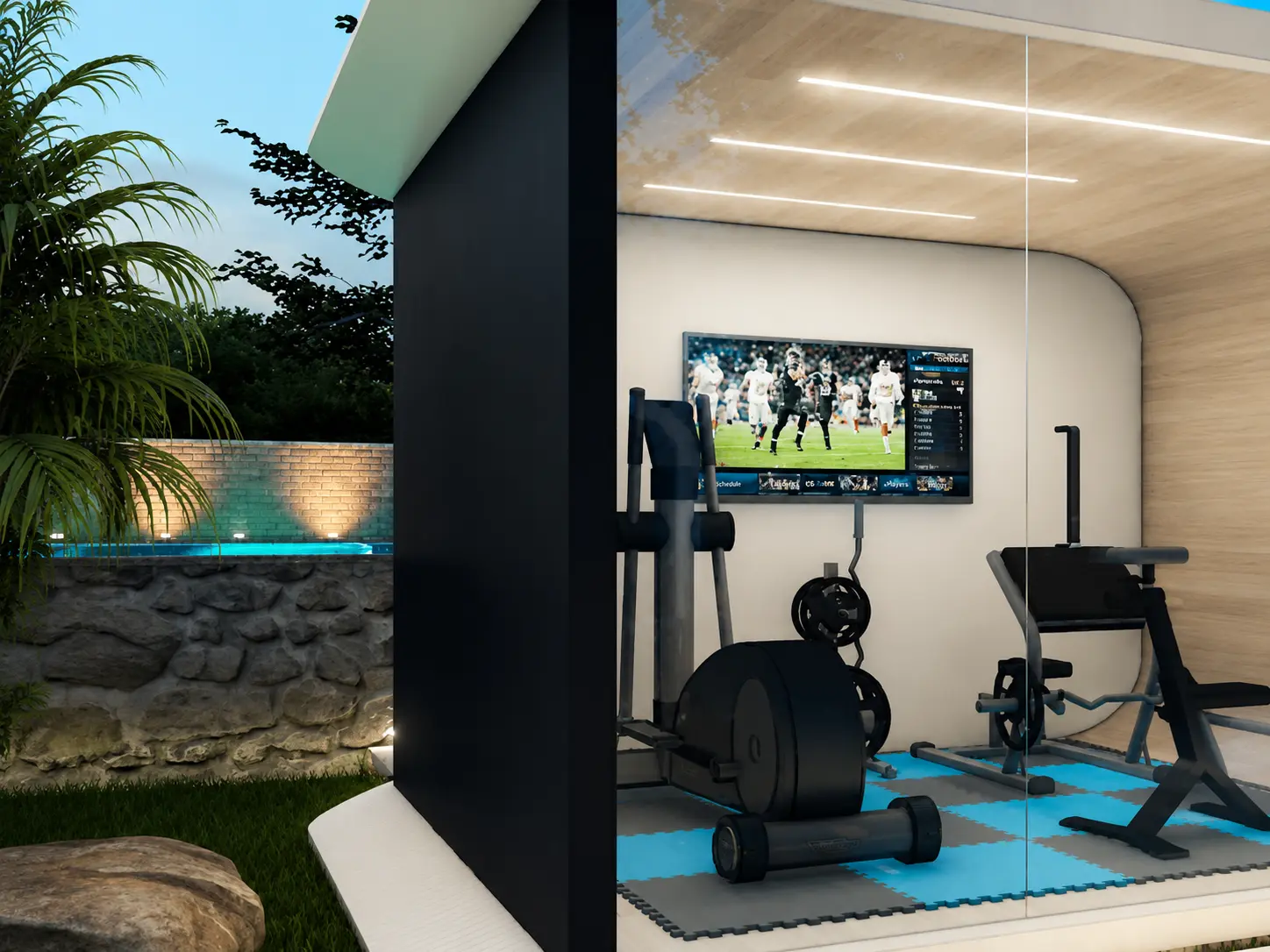
Our Studio Series includes compact units such as the A/D/C-100, A/D/C-120, and N100. These spaces can work well as backyard offices, creative rooms, wellness spaces, guest areas, or flexible personal-use spaces.
Homes & ADUs
Our Homes & ADUs are designed for buyers who need more complete living spaces. These models may support guest housing, rental use, family housing, or compact full-time living where local rules allow.
Homes on Wheels
Our X Series homes on wheels are designed for flexible living and mobility. These chassis-based units can be useful for buyers who want a compact space that is not tied to the same kind of permanent setup as a traditional home.
Signs of a Durable 3D Printed Home
A buyer should look for more than a bold design or a fast build time. Durability comes from practical details.
A stronger 3D printed home should have:
- A clear structural system
- Materials designed for long-term performance
- Proper insulation
- Water-resistant planning
- Quality windows and doors
- Good ventilation
- Thoughtful utility integration
- A site plan that supports drainage and access
- A realistic maintenance plan
- Compliance with local requirements
It is also important to choose the right type of unit for the intended use. A simple office pod does not need the same features as a full-time residence. A rental ADU needs a different level of function than a weekend studio. The better the home matches the use case, the better it can perform over time.
Common Mistakes That Can Shorten a Home’s Life
A 3D printed home can last longer when buyers avoid preventable mistakes. Many problems come from rushing the planning stage or focusing only on the model price.
Common mistakes include:
- Choosing the wrong size for the use case
- Ignoring local permitting rules
- Underestimating site work
- Placing the unit on a poorly prepared site
- Not planning drainage
- Skipping maintenance
- Choosing finishes that do not match the climate
- Forgetting about utility access
- Treating a mobile unit like a permanent home without checking local rules
A smart project starts before the unit is delivered. The property, access route, permits, utilities, foundation or chassis needs, and long-term use should all be considered early.
How to Maximize the Lifespan of a 3D Printed Home
Even a durable home can have a shorter lifespan if the project is poorly planned. The good news is that many longevity factors are within the owner’s control. Choosing the right unit, preparing the site correctly, and keeping up with maintenance can all help a 3D printed home perform better over time.
Start With the Right Use Case
Choose a home that matches how the space will actually be used. A backyard office, guest suite, rental unit, ADU, and home on wheels all have different requirements. A space used every day as a residence will need different planning than a studio used a few times a week.
This matters because layout, plumbing, storage, privacy, utility needs, and daily wear all affect long-term performance. The closer the design matches the intended use, the better the home is likely to function over time.
At Azure, we create different modular living spaces for different needs, from Studio Series units to Homes & ADUs and Homes on Wheels. That makes it easier to choose a structure based on real use, not just square footage.
Prepare the Site Properly
A strong structure can still encounter problems if it is placed on a poorly prepared site. Drainage, utility access, grading, foundation requirements, delivery access, and local approvals should all be considered before installation.
Water management is especially important. If water collects around the unit or the site is not properly leveled, the home may face avoidable wear over time. Good site planning helps protect the structure, finishes, utility connections, and overall comfort of the space.
For permanent units, the foundation or support system should match the property and local requirements. For homes on wheels, chassis support, placement, and access are key parts of the setup.
Stay Ahead of Maintenance
Small issues are usually easier and less expensive to fix than larger ones. Regular inspections, cleaning, moisture management, and routine servicing can help extend the life of the home and protect its value.
Owners should check seals around windows and doors, inspect exterior surfaces, keep drainage clear, maintain HVAC systems, and watch for signs of moisture or wear. High-use spaces, such as rentals or glamping units, may need more frequent checks than a private backyard office.
A 3D printed home is designed to make construction smarter, but it still benefits from regular care. The more consistently the home is maintained, the better chance it has to stay comfortable, useful, and reliable for years.
Final Thoughts
So, how long do 3D printed homes last? The best answer is that they can be designed for long-term use, but their lifespan depends on the full project: materials, engineering, installation, climate, site planning, and maintenance.
3D printing is not just a new look for housing. It is a different way to think about how homes are made. With robotic printing, recycled materials, modular production, and efficient design, 3D printed homes can offer a practical path toward more flexible and sustainable living.
At Azure Printed Homes, we build modular spaces for the next dimension of living. Whether someone is looking for a backyard studio, ADU, tiny home, home on wheels, glamping unit, or development solution, we focus on creating spaces that are efficient, useful, and ready for the future.