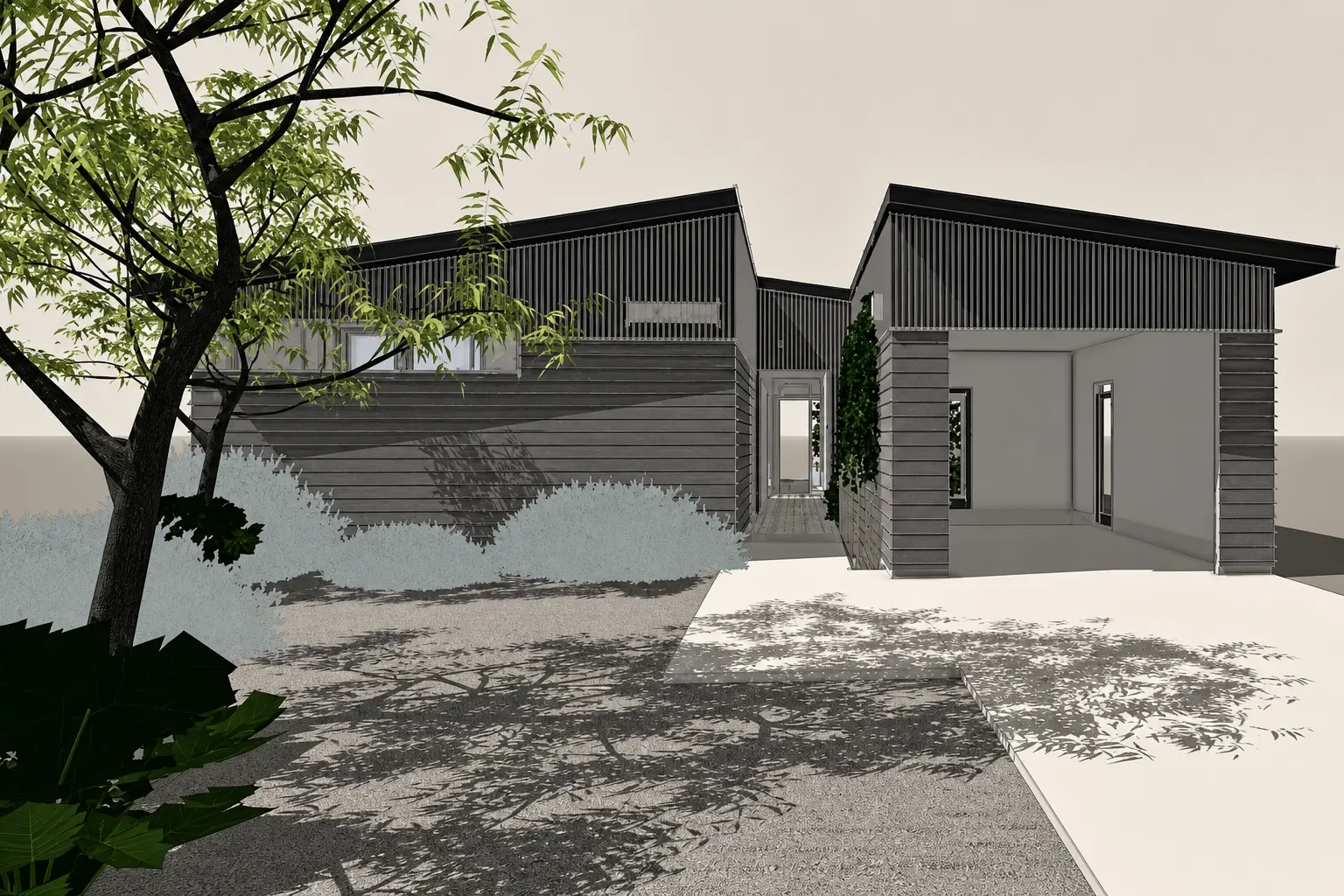
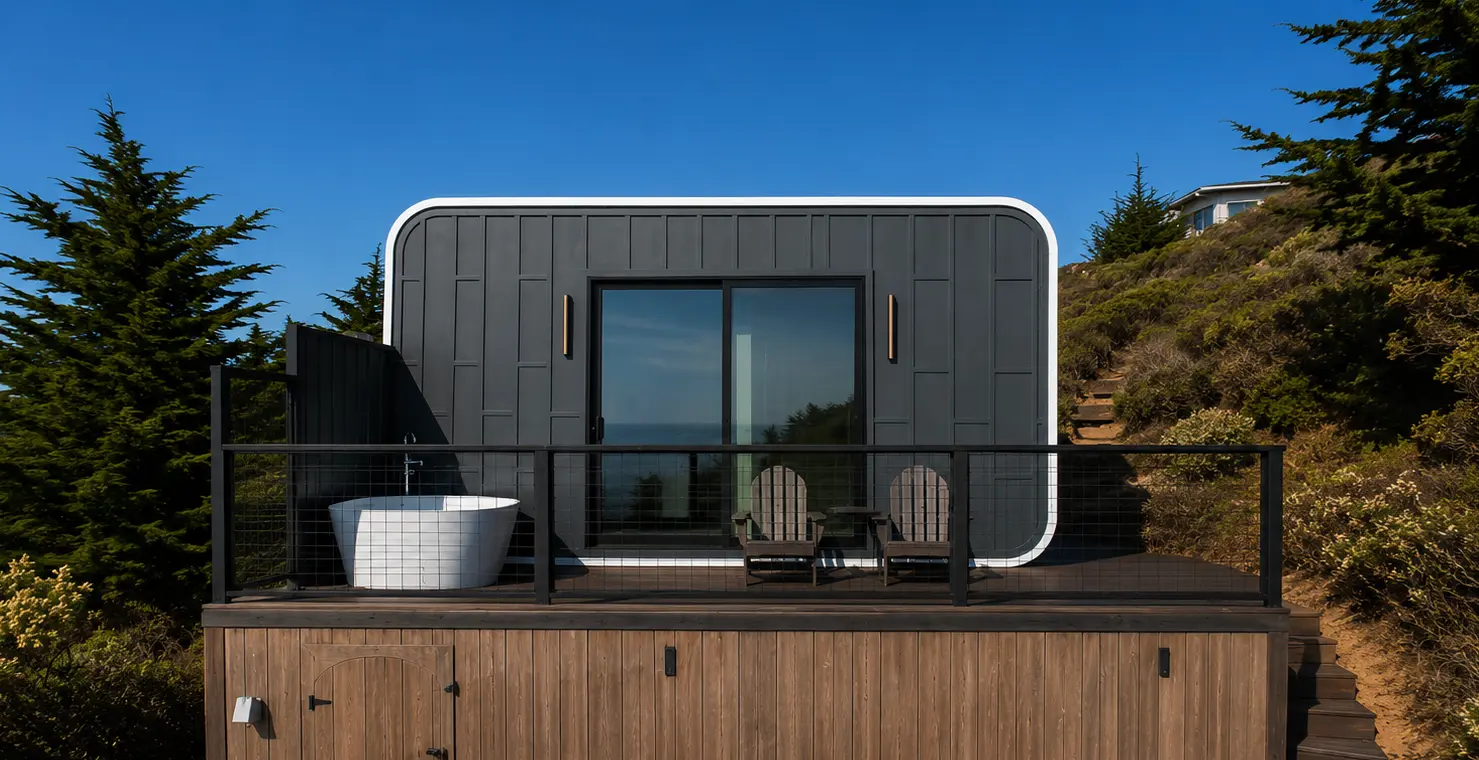
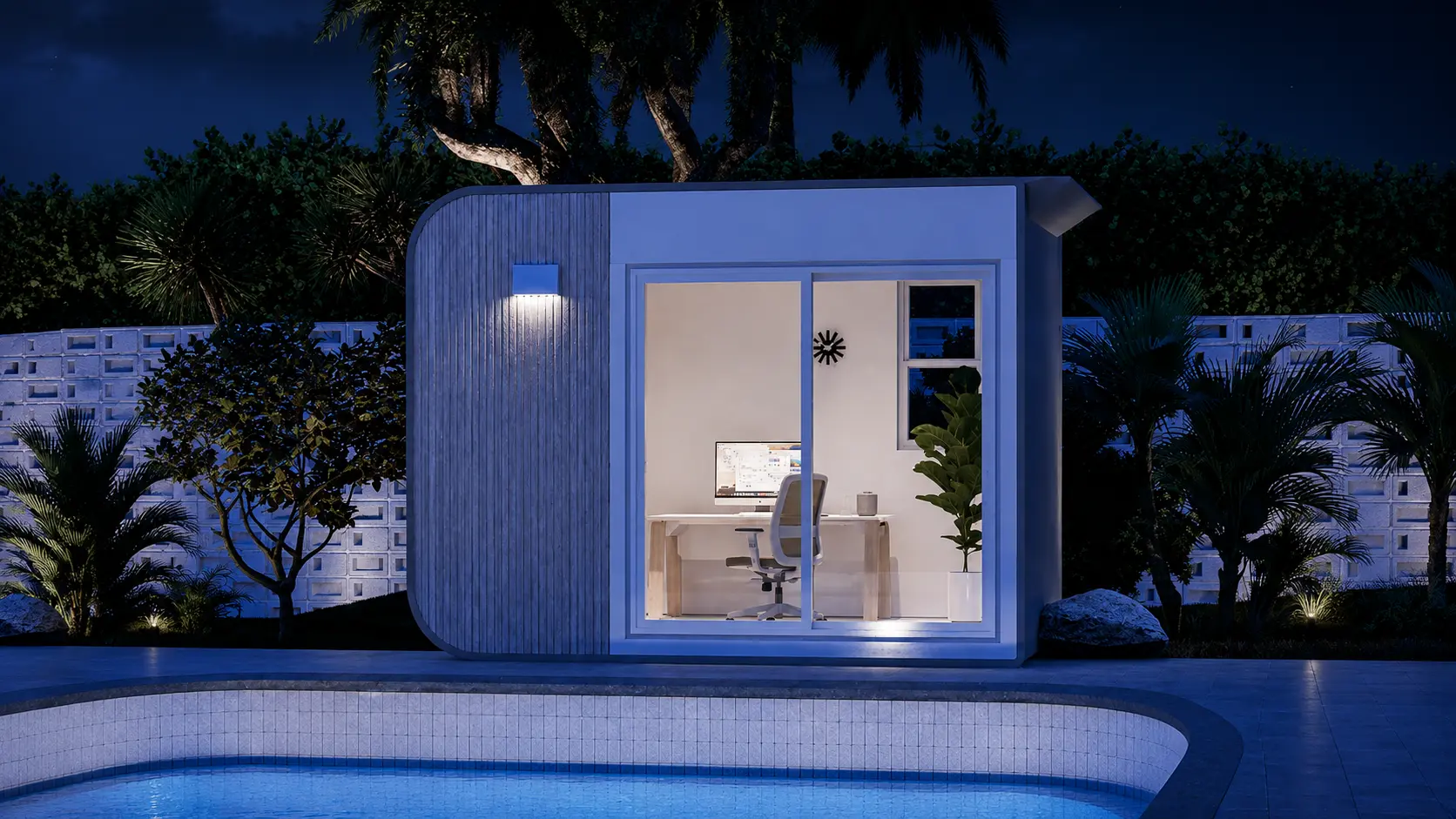
3D printed homes are changing the way people think about building. Instead of relying only on traditional framing, long construction timelines, and large job sites, this method uses digital design, robotic printing, and factory-based production to create modular living spaces with more control and less waste.
The idea sounds futuristic, but the process is surprisingly practical. A 3D printed home starts as a digital model, then moves through printing, finishing, delivery, and installation. Depending on the home type, it may become a backyard studio, ADU, guest space, glamping unit, home on wheels, or compact living space.
At Azure Printed Homes, we create robotically printed modular living spaces using recycled materials, including plastic waste. Our goal is to make housing smarter, more efficient, and more future-focused without making the process feel complicated for buyers.
What Is a 3D Printed Home?
A 3D printed home is a living space made with the help of automated printing technology. Instead of building every part of the structure by hand on-site, a robotic printing system creates key parts of the unit layer by layer.
The exact process depends on the building system. Some 3D printed homes are made with concrete-based materials. Others use polymer-based or composite materials. At Azure Printed Homes, we use robotic 3D-printing technology and recycled plastic materials to create modular units designed for modern living.
These homes are not just printed shells. A finished unit can include insulation, windows, doors, electrical systems, plumbing, interior finishes, appliances, HVAC options, and other features depending on the model and project needs.
How the 3D Printed Home Process Works
The process usually follows a clear path: design, print, finish, deliver, and install. Each step matters because a 3D printed home still needs to function like a real space, not just look interesting from the outside.
1. The Home Starts With a Digital Design
Every 3D printed home begins with a plan. The design is created digitally so the printing system knows exactly what to produce.
This is one of the biggest advantages of 3D printed construction. Digital planning allows for more control over shape, layout, openings, systems, and finishes before production begins. It also helps reduce guesswork.
For buyers, this stage is where the project starts to take shape. The layout, size, use case, and features should match the purpose of the space. A backyard office does not need the same design as a full ADU. A glamping unit may need different finishes than a long-term rental. A home on wheels has different requirements than a fixed modular home.
At Azure, buyers can choose from different product categories, including Studio Series units, Homes on Wheels, and Homes & ADUs. These options make it easier to start with a model that already fits the intended use, then customize details where needed.
2. The Robotic Printer Builds the Main Structure
Once the design is ready, the robotic printing process begins. The printer follows the digital model and creates the structure in layers.
This is where 3D printed construction is different from traditional building. Instead of cutting and assembling many separate materials by hand, the printer forms the structure with a high level of precision. The result is a controlled production process that can reduce material waste and support faster fabrication.
At Azure Printed Homes, our homes are robotically printed with recycled materials. For a 120 sq ft unit, about 100,000 plastic bottles are actually recycled into the building material. That gives plastic waste a new purpose while supporting a more sustainable way to build compact living spaces.
3. Openings, Systems, and Details Are Planned Into the Build
A home is more than walls. It needs openings for doors and windows, space for mechanical systems, and proper planning for utilities.
During the design and production process, these details are considered before the unit is completed. That may include planning for:
- Windows and doors
- Electrical systems
- Plumbing
- Interior walls or built-in features
- Heating and cooling
- Kitchen and bathroom areas
- Lighting
- Storage
- Utility connections
This planning helps the finished home feel practical and ready for real use. It also makes the process cleaner because many choices are handled before the unit reaches the site.
4. Finishes Are Installed After Printing
After the structure is printed, the unit moves into the finishing stage. This is where the space becomes more complete and livable.
Finishes can include flooring, wall surfaces, cabinets, fixtures, lighting, appliances, bathroom features, kitchen elements, and other interior details. Depending on the model and project, this stage may also include electrical, plumbing, and HVAC work.
This is an important part of understanding how 3D printed homes work. The printer creates the main structure, but the home still goes through a real fabrication and finishing process. That is what turns a printed form into a usable living space.
We fabricate each unit based on the selected design and finish package. The goal is to create a space that feels modern, functional, and ready for its intended purpose.
Here is a combined section with clearer subheadings:
What to Know About 3D Printed Home Production, Materials, and Features
Understanding how 3D printed homes work goes beyond the printing stage itself. Buyers also need to know where the home is built, how it is delivered, what materials are used, how long the process may take, and what features can affect comfort, efficiency, and customization.
Factory-Built or Site-Printed Construction
Some 3D printed homes are printed directly on a property. Others are printed and finished in a factory, then delivered to the site.
We at Azure Printed Homes focus on modular living spaces. That means many parts of the process happen in a controlled production environment before the unit is delivered. This approach can help reduce on-site disruption and make the construction timeline easier to manage.
Factory-based production also supports better quality control. Weather delays, site access problems, and scattered construction schedules can make traditional building more complicated. With modular 3D printed construction, much of the work happens before the home arrives.
Delivery, Placement, and Final Installation
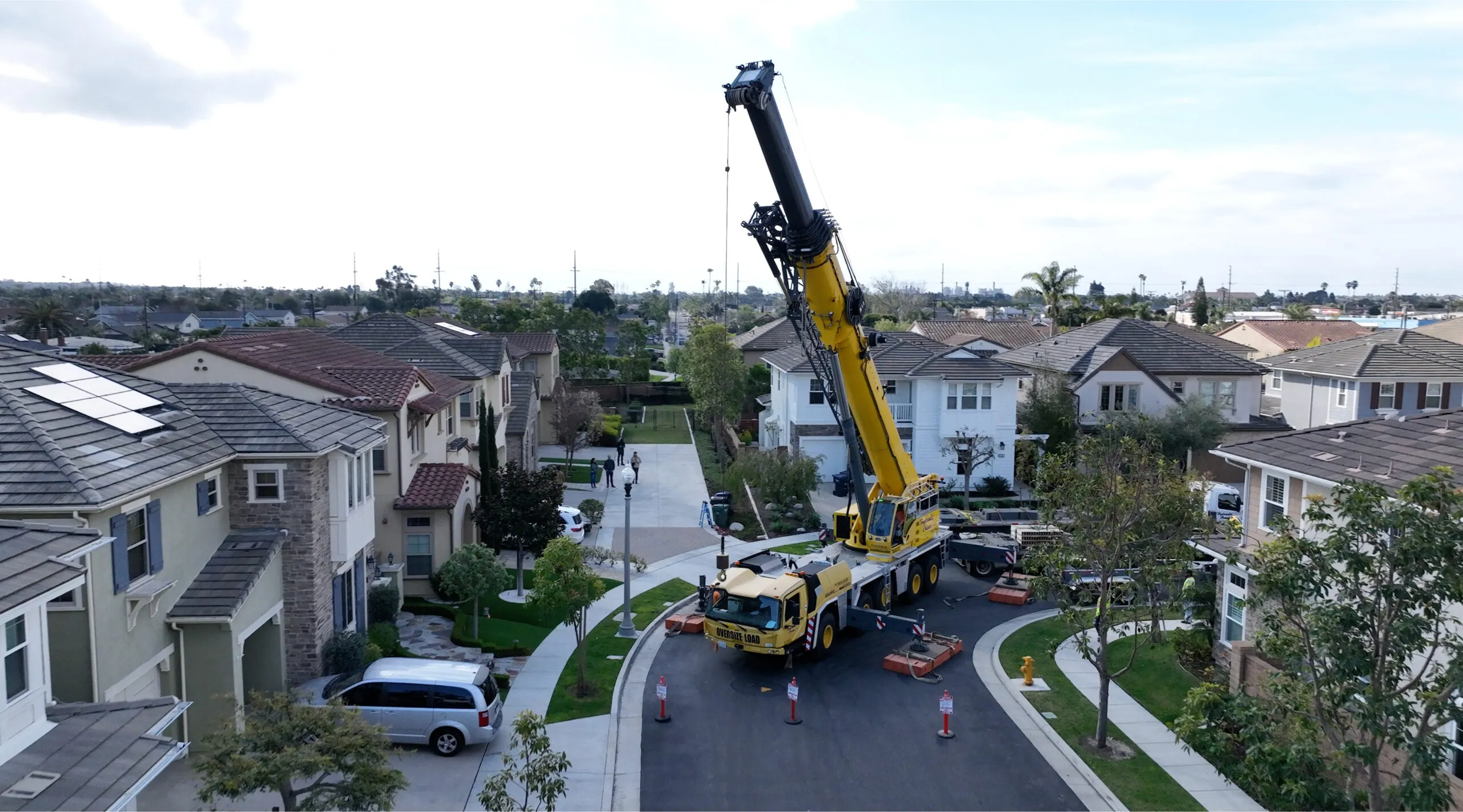
Once the unit is complete, it is transported to the property. Delivery timing depends on the unit, location, access, and site conditions.
Installation is the final step. The home is placed on the prepared site and connected to the necessary services. Depending on the project, this may include water, sewer or septic, electricity, foundation connections, and other utility work.
Site preparation is still important. A 3D printed home may be faster to produce, but the property still needs to be ready. Buyers should think about grading, drainage, access roads, foundation needs, utility connections, permits, and local requirements before the unit arrives.
Recycled Materials and Structural Performance
The materials depend on the company and printing method. Some 3D printed homes use concrete mixes. Others use polymer or composite materials.
At Azure Printed Homes, we use recycled plastic waste as part of our robotic 3D-printing process. This helps turn discarded plastic into durable modular living spaces.
This material approach supports several important goals:
- Gives plastic waste a new use
- Helps reduce construction waste
- Supports efficient production
- Allows for modern modular designs
- Creates a strong base for compact living spaces
The material is only one part of the finished home. Insulation, finishes, windows, doors, systems, and site installation all affect comfort and performance.
Printing Timeline and Full Project Timing
The printing stage can be much faster than many people expect. At Azure Printed Homes, a unit can be robotically printed in as little as about one day, depending on the model and project.
However, printing is not the full timeline. Buyers should also consider design, customization, finish installation, delivery, installation, site work, permits, and utilities.
A simple way to understand the process is this:
- Configure the unit
- Print the home
- Install finishes
- Deliver the unit
- Install it on-site
The benefit is not only speed. It is also the ability to move through the process with a clearer structure, less guesswork, and more predictable steps.
Energy Efficiency and Everyday Comfort
3D printed homes can be designed with energy efficiency in mind, but performance depends on the full build. The printed structure, insulation, windows, doors, HVAC system, appliances, and climate all matter.
A well-designed unit should reduce wasted space and support efficient heating and cooling. Compact homes can also use less energy because there is less square footage to condition.
At Azure Printed Homes, energy efficiency is part of the way we think about future-focused modular living. Our units can include insulation, HVAC options, and other features that help support comfort and everyday use.
Custom Designs for Different Uses
Many 3D printed homes can be customized. The level of customization depends on the model, size, design system, and project requirements.
Customization may include layout choices, finishes, fixtures, interior features, exterior details, and systems. Some buyers may need a simple studio. Others may need a complete ADU with a kitchen and bathroom. A hospitality project may need a design that feels different from a backyard guest unit.
At Azure, we offer customizable designs so buyers can shape the space around their needs. The goal is to make the process flexible without making it overwhelming.
What Types of 3D Printed Homes Are Available?
3D printed homes can support many different uses. They are especially useful when buyers want compact, efficient, and flexible spaces.
Studio Spaces
Studio units can work well for backyard offices, guest rooms, creative spaces, wellness rooms, hobby areas, or small personal retreats.
Our Studio Series includes compact models designed for flexible use. These units are useful when someone needs extra space without building a full-size home.
ADUs and Small Homes
Accessory dwelling units, or ADUs, are one of the most common uses for modular 3D printed homes. They can support guest housing, rental income, multigenerational living, or independent space on an existing property where local rules allow it.
Our Homes & ADUs are designed for buyers who need more complete living spaces with options for kitchens, bathrooms, bedrooms, and everyday comfort.
Homes on Wheels
Homes on wheels are designed for buyers who want a compact living option with more mobility and flexibility.
Our X Series includes homes on wheels in different sizes, including models designed with kitchens, bathrooms, sleeping areas, and efficient layouts. These units can be useful for people comparing tiny homes, mobile living spaces, hospitality units, or flexible property use.
Glamping and Hospitality Units
3D printed modular units can also work well for glamping sites, retreats, and hospitality projects. Their compact footprint, modern appearance, and factory-built process make them appealing for property owners who want to create guest-ready spaces.
At Azure, we build units that can support glamping, vacation stays, and other hospitality uses while keeping sustainability and durability in mind.
Why Do People Choose 3D Printed Homes?
Many buyers are interested in 3D printed homes because they want something faster, smarter, and more sustainable than traditional construction.
Common reasons include:
- Shorter production timelines
- Reduced material waste
- Modern design options
- Use of recycled materials
- Flexible layouts
- Compact living possibilities
- Factory-built quality control
- Lower site disruption
- Potential use for rentals, ADUs, studios, and hospitality
The strongest reason often depends on the buyer. Some people care most about sustainability. Others want a faster way to add space. Some are looking for a rental unit or guest house. Others want a unique glamping or tiny home option.
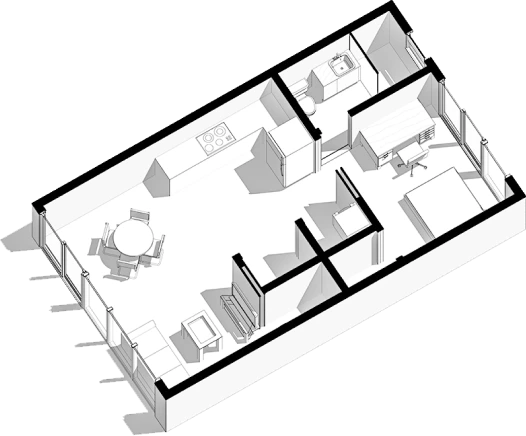
What Should Buyers Plan Before Ordering a 3D Printed Home?
A 3D printed home still needs smart planning. The technology may be advanced, but the basics of a successful project still matter.
Before moving forward, buyers should think about:
- How the space will be used
- Whether it needs a kitchen or bathroom
- How many people will use it
- Whether it will be used full-time, part-time, or for short stays
- Where it will be placed
- What local rules and permits apply
- Whether the site has good access
- What foundation or support system is needed
- How utilities will connect
- What delivery route is available
- What finishes and features are most important
Planning these details early helps prevent delays and unexpected costs later.
The Future of 3D Printed Homes
3D printed homes are still new to many buyers, but they are quickly becoming a real option for people who need flexible, compact, and sustainable housing solutions.
The demand makes sense. Housing needs are changing. People want backyard studios, guest spaces, ADUs, tiny homes, glamping units, and rental opportunities. They want spaces that are easier to plan and faster to create. They also want materials and methods that feel more responsible.
At Azure Printed Homes, we are building for that future. We create robotically printed modular living spaces using recycled materials, with product options for studios, homes on wheels, ADUs, tiny homes, glamping, and development projects.
Final Thoughts
So, how do 3D printed homes work? They start with a digital design, move through robotic printing, receive finishes and systems, then get delivered and installed on-site. The process combines advanced technology with practical housing needs.
A 3D printed home is not just a printed object. It is a complete living space that requires thoughtful design, quality materials, finishing, delivery, installation, and site preparation.
For buyers looking for a smarter way to add space, create rental opportunities, build guest housing, or explore compact living, 3D printed homes offer a fresh path forward. They are modern, efficient, customizable, and built for the next dimension of living.