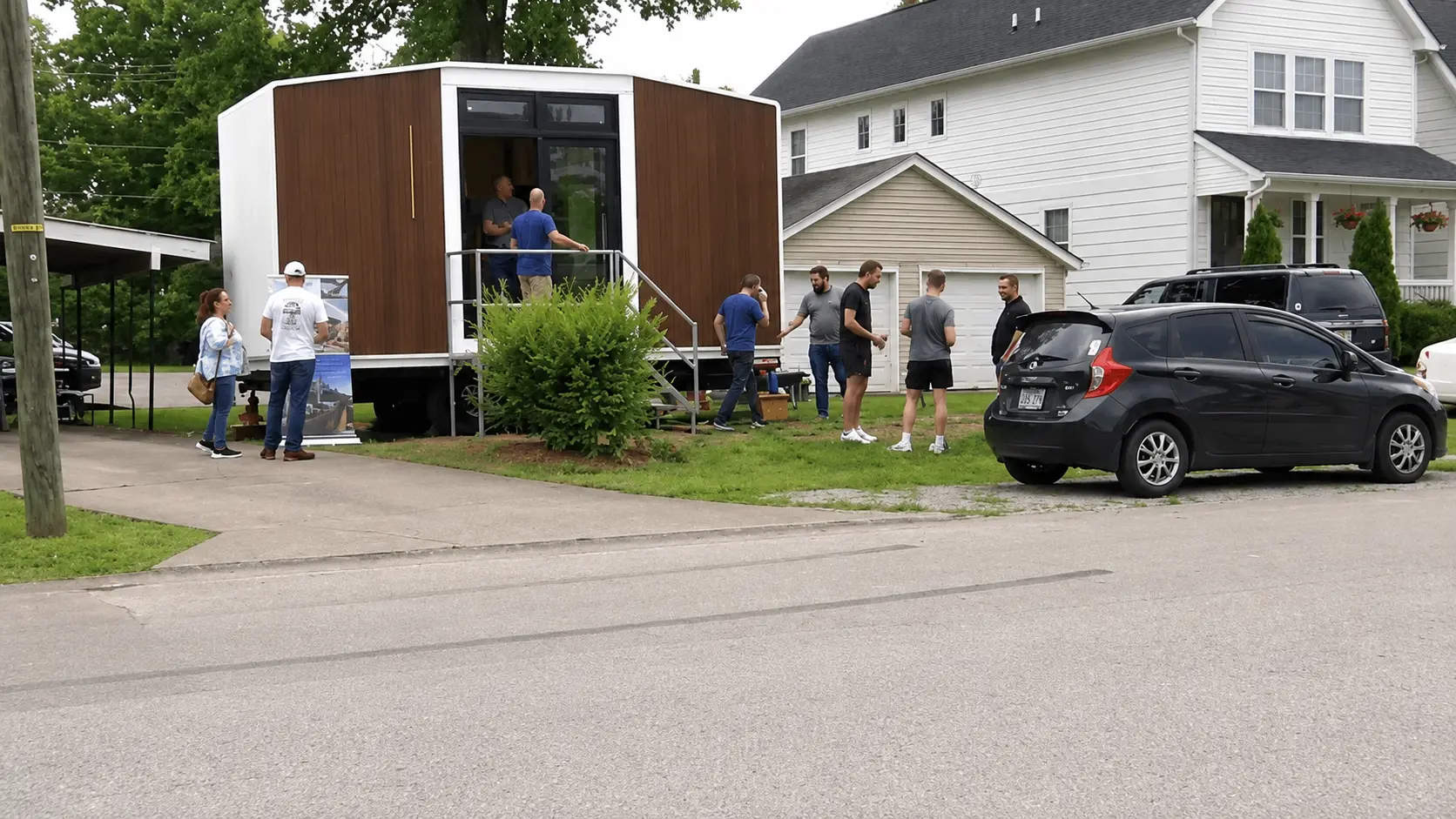
Yes, modular homes can qualify for FHA loans, but approval depends on how the home is built, installed, classified, and used. FHA financing is not based only on the word “modular.” Lenders also look at the property type, foundation, code compliance, appraisal, borrower eligibility, and whether the home will be used as a primary residence.
This is where buyers often get confused. A modular home, manufactured home, tiny home, ADU, and home on wheels may all be factory-built, but they are not always treated the same way for financing. The structure’s classification can affect which loan options may be available and what documentation is required.
At Azure Printed Homes, we build factory-built living spaces, including modular homes, ADUs, studios, homes on wheels, office pods, glamping units, and compact residential units using 3D printing technology and recycled plastic materials. Because financing and permitting depend heavily on location and project type, we encourage buyers to understand the full path before choosing a model.
How FHA Loans Work for Modular Homes
FHA loans are government-insured mortgages issued by approved lenders. They are often used by buyers who want a lower down payment option or more flexible credit requirements than some conventional loans. FHA does not directly lend money to buyers. Instead, the lender reviews the borrower, the property, and the project to decide whether the loan can move forward.
For a modular home to qualify, it usually needs to meet the same general expectations as other FHA-financed homes. The home must be suitable as housing, meet applicable building and safety standards, and be placed in a way that supports long-term residential use. The lender will also review the appraisal, title, land ownership, utilities, and local approvals.
In many cases, a permanently installed modular home on owned land is easier to evaluate for traditional FHA mortgage financing than a movable unit or a structure intended for temporary use.
Modular Homes vs. Manufactured Homes in FHA Financing
The difference between modular and manufactured homes matters because lenders may review them under different rules. Although both are factory-built, they are not always classified the same way.
Key differences include:
- Building standards: Modular homes are usually built in sections in a factory and installed according to local or state building codes. Manufactured homes are built under the federal HUD Code.
- Installation: Modular homes are often placed on a permanent foundation. Manufactured homes are commonly built on a chassis, although they may also be installed more permanently depending on the project.
- FHA review: Manufactured homes have specific FHA financing paths, including loans for the home, the lot, or both. Modular homes are often reviewed more like site-built homes when they are permanently installed and meet local code requirements.
- Property classification: A lender will look at how the home is legally classified, not only how it is described in marketing materials.
This distinction is important because buyers should not assume that every factory-built home follows the same FHA process. The exact home type, foundation, permits, and legal classification can all affect financing.
What Affects FHA Eligibility for Modular Homes
Modular homes may qualify for FHA financing in some cases, but eligibility depends on the full project, not only the home itself. Lenders usually review how the structure is installed, how it is classified, whether it meets local rules, and whether the property can meet FHA appraisal and safety requirements.
When a Modular Home Is More Likely to Qualify
A modular home is more likely to be considered for FHA financing when it is designed as a permanent residence. This usually means the home is installed on an approved permanent foundation, connected to utilities, permitted correctly, and classified as real property.
The property also needs to meet FHA appraisal and safety requirements. This can include access, utilities, structural condition, site suitability, and compliance with local rules. If land, foundation, delivery, installation, and utility work are still incomplete, the lender may need additional documentation before approving the loan.
For buyers, the main question is not only “Does the home qualify?” but also “Does the full project qualify?” The home, land, installation, permits, and final use all matter.
When FHA Financing May Be More Difficult
FHA financing may be more difficult if the home is not installed permanently, is not classified as real property, or is intended for short-term, recreational, or movable use. Homes on wheels, backyard studios, office pods, and some compact units may not fit the same financing path as a full-time permanent residence.
ADUs can also be more complex. An accessory dwelling unit may add value to a property, but financing depends on how the property is structured, how the ADU is permitted, and whether the loan is for a new purchase, refinance, renovation, or construction-related project.
At Azure Printed Homes, our product range includes several types of spaces, so the financing conversation may differ by model. A full-size ADU or residential modular home may be reviewed differently than a studio, office pod, glamping unit, or X Series home on wheels.
What FHA Lenders Usually Review
FHA-approved lenders usually look at both borrower qualifications and property qualifications. A buyer may need to provide income, credit, debt, employment, and down payment information. The property side may include plans, permits, appraisal documents, land records, foundation details, and installation information.
Common review points include:
- Whether the home will be a primary residence
- Whether the home is permanently installed
- Whether the land is owned or properly documented
- Whether the property meets local code and zoning rules
- Whether utilities are available and approved
- Whether the home can pass FHA appraisal standards
- Whether the structure is classified as real property
- Whether all required permits and inspections can be completed
The lender may also ask whether the home is already built, under construction, or part of a planned installation. These details can affect the type of loan available.
FHA Financing for ADUs and Homes on Wheels
FHA financing can become more specific when the project is not a standard permanent modular home. ADUs and homes on wheels may both be factory-built, but lenders may review them differently because of how they are used, installed, permitted, and classified.
How FHA Loans May Apply to ADU Projects
FHA financing may be possible in some ADU-related situations, but it depends on the loan type and property structure. A buyer purchasing a property with an existing permitted ADU may have a different process than a homeowner trying to add a new ADU to a property.
For a new ADU project, buyers may need to explore renovation loans, construction-related financing, local housing programs, or other lending options. FHA rules can be specific, so the best first step is speaking with an FHA-approved lender before making design or site decisions.
Our ADUs and modular living spaces are designed for different property needs, including guest housing, rental flexibility where allowed, family use, and additional living space. Because ADU rules vary by city and county, local permitting should be reviewed early.
Why Homes on Wheels Follow a Different Financing Path
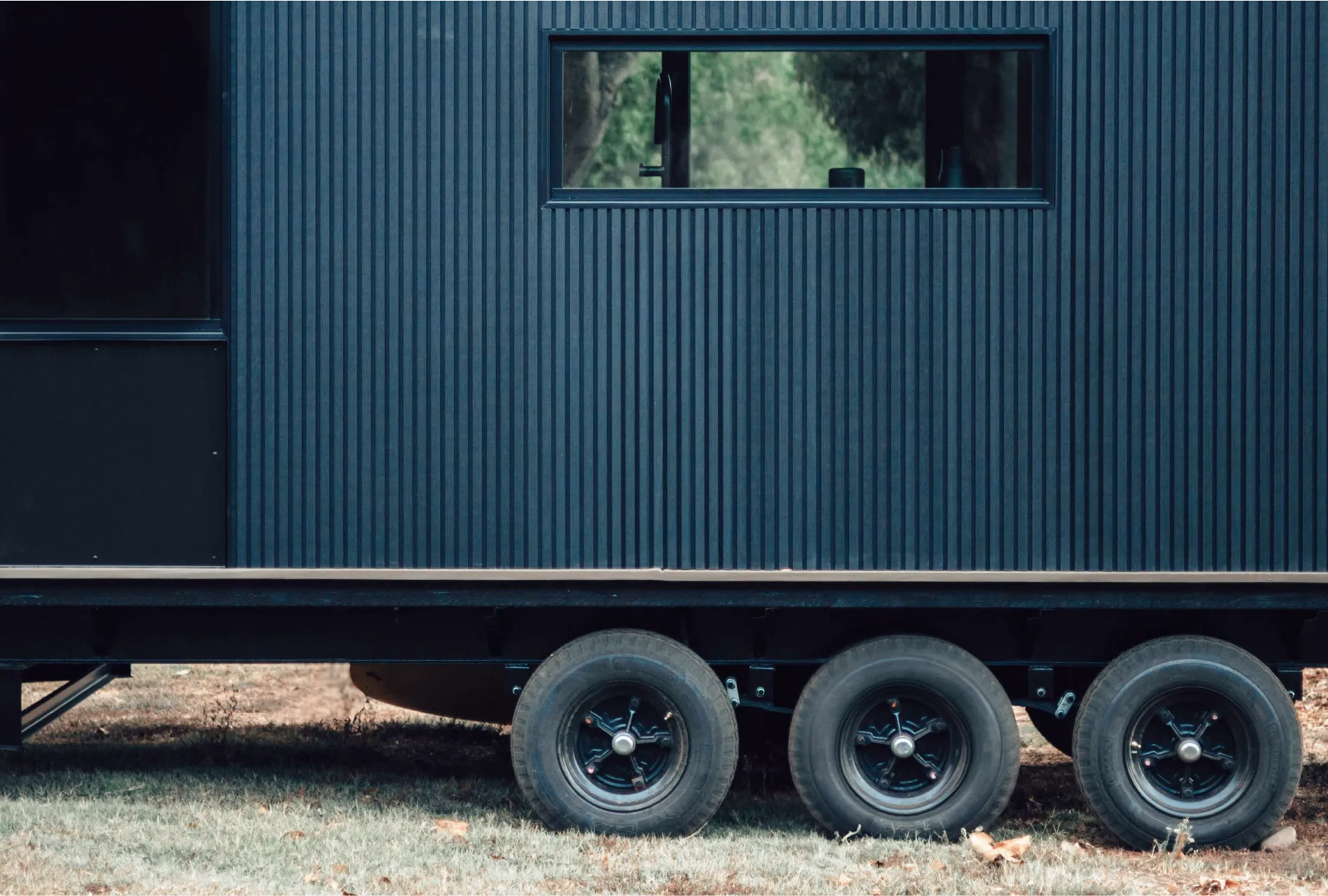
Homes on wheels are generally more complicated for FHA mortgage financing. Even when they are factory-built and suitable for living, their mobility and chassis-based design may affect how lenders classify them. A home on wheels may be treated differently from a permanent modular home installed on a foundation.
Our X Series homes on wheels are designed for flexible living and mobility, with models such as X180, X270, and X360. These units may be useful for buyers who want a compact mobile living option, but buyers should not assume they will follow the same FHA path as a permanent residence.
For this type of project, it is especially important to ask a lender how the unit would be classified and whether any FHA, personal loan, RV-style, chattel, or alternative financing option may apply.
Azure Printed Homes Models and Financing Considerations
We at Azure Printed Homes offer several product categories, and each one may fit a different type of project. Studio models such as A/D/C-100, A/D/C-120, and N100 are compact units often used for backyard space, work, guests, or flexible use. Homes and ADUs include larger models such as A-180, A-360, A-540, A-720, and A-900. The X Series includes homes on wheels, including X180, X270, and X360.
Pricing begins at $24,900 for A/D/C-100 and N100 models, while A/D/C-120 models are priced at $29,900. Larger A Series models range from A-180 at $49,900 to A-900 at $219,900. X Series homes on wheels are priced at $69,900 for X180, $84,900 for X270, and $109,900 for X360.
These prices help buyers understand the starting point for the structure itself, but financing decisions usually involve more than the model price. Site work, foundation, delivery, installation, utilities, permits, upgrades, and local requirements can all affect the total project cost.
Questions To Ask Before Applying for an FHA Loan
Before applying for FHA financing, buyers should gather project details and ask direct questions. This can prevent delays and make the lender conversation more productive.
Helpful questions include:
- Is the home classified as modular, manufactured, mobile, or another structure type?
- Will it be installed on a permanent foundation?
- Will it be used as a primary residence?
- Is the land already owned?
- Are local zoning rules supportive of this use?
- What permits and inspections are required?
- Can the home meet FHA appraisal requirements?
- Are utilities available at the site?
- Is this a home purchase, new construction, refinance, or ADU project?
- What documents will the lender need before approval?
The answers may determine whether FHA is the right path or whether another financing option is more suitable.
Why Local Rules Matter
Even if a modular home can qualify for FHA financing in general, the project still has to work locally. Cities and counties may have different rules for ADUs, tiny homes, permanent modular homes, accessory structures, and homes on wheels.
A property with clear access, supportive zoning, available utilities, and a straightforward foundation plan is usually easier to finance and permit. A steep lot, restricted site, unclear zoning status, or difficult delivery route can create extra steps.
This is why planning should start before the home is ordered. A modular home project is not only a product purchase. It is a property project that involves the home, the land, the lender, the local building department, and the installation process.
Final Thoughts
Modular homes can qualify for FHA loans, especially when they are permanent residences built to applicable codes, installed on approved foundations, connected to utilities, and classified as real property. However, not every factory-built structure will qualify in the same way.
Manufactured homes, modular homes, ADUs, tiny homes, studios, and homes on wheels may each follow different financing paths. The safest approach is to confirm the home classification, local rules, foundation requirements, and lender expectations before making a final decision.
At Azure Printed Homes, we build modern factory-built spaces for many uses, from compact studios and ADUs to larger modular homes and homes on wheels. For buyers considering FHA financing, the best next step is to match the right model with the right property, lender, and local approval process.