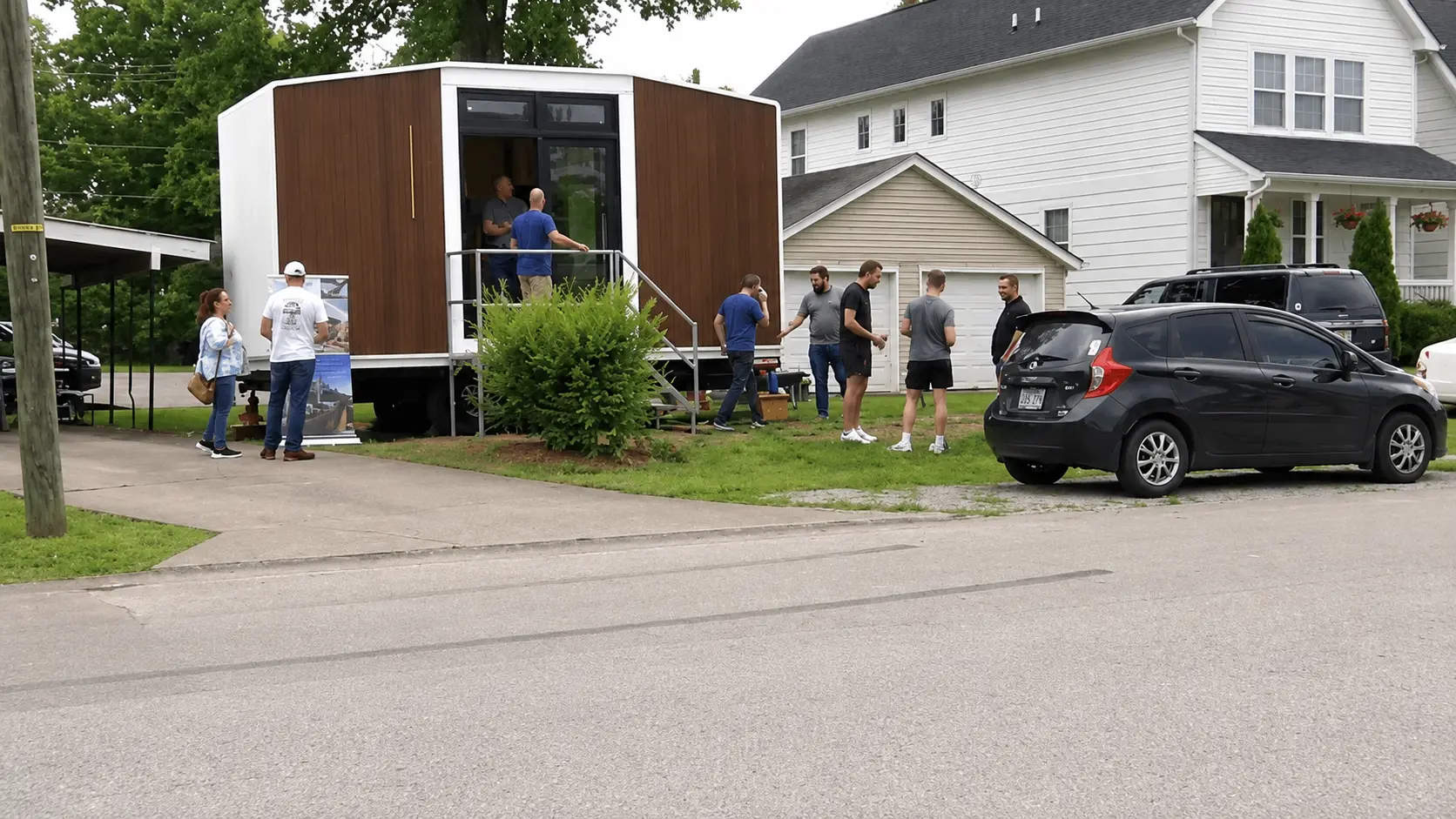
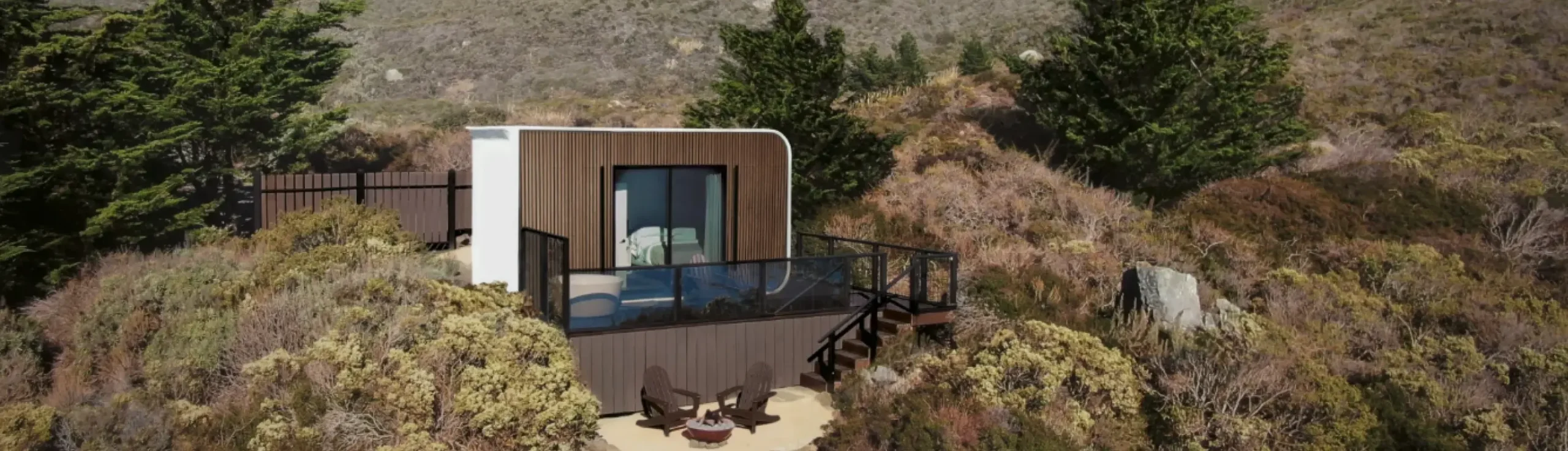
At first glance, a park model home may look like a tiny house or a small modular home. It may include a bedroom, bathroom, kitchen, living area, storage, appliances, and outdoor features such as a porch or deck. The difference is usually in how the structure is classified, where it can be placed, and how it is intended to be used.
For buyers, that classification matters. It can affect permits, zoning, financing, taxes, utilities, insurance, and whether the home can be used full time. Before choosing a park model home, it helps to understand what it is, what it is not, and how it compares with other compact housing options.
What a Park Model Home Is
A park model home is a small, transportable living unit built for seasonal, recreational, or temporary use. In many cases, it is considered a type of park model recreational vehicle rather than a traditional house. It is usually built on a chassis, transported to a site, and connected to utilities after placement.
Most park model homes are designed to feel more residential than a travel trailer. They often have taller ceilings, larger windows, full-size or near-full-size appliances, better interior finishes, and a layout that feels closer to a small cottage.
The key point is that park model homes are not automatically the same as permanent homes. Their legal use depends on local rules. Some areas allow them in RV parks or vacation communities. Others may allow them on private land with restrictions. Some places may not allow them as full-time residences at all.
Typical Park Model Home Sizes and Layouts
Park model homes are usually compact. In the United States, they are commonly limited to about 400 square feet of floor area when set up, depending on the standard and local interpretation. Some models may also include lofts, porches, decks, or outdoor areas that make the space feel larger.
A typical park model layout may include:
- Living area: A small sitting space for relaxing, watching TV, or hosting guests.
- Kitchen: A compact kitchen with cabinets, sink, refrigerator, cooktop, and storage.
- Bedroom: One main sleeping area, sometimes with built-in storage.
- Bathroom: A private bathroom with a shower, toilet, and vanity.
- Loft: Some designs include loft space for sleeping or storage, where allowed.
- Outdoor area: Many buyers add a porch, steps, deck, or patio after installation.
The smaller size is part of the appeal. It can reduce material use, simplify maintenance, and make the home easier to place than a larger residential structure.
Park Model Homes vs Tiny Homes
Park model homes and tiny homes are often confused because both are small, efficient, and factory-built in many cases. The difference usually comes down to classification and intended use.
A park model home is often treated as a recreational vehicle. It is commonly used for seasonal stays, vacation housing, campground living, or short-term rental settings where permitted.
A tiny home can mean several different things. Some tiny homes are built on wheels. Others are built on foundations. Some follow residential building codes, while others follow RV-style standards. Because the term “tiny home” is broad, buyers need to look beyond the name and ask how the unit is built, certified, titled, and approved for use.
At Azure Printed Homes, we create compact living spaces for different needs, including tiny homes, homes on wheels, studios, ADUs, glamping units, and modular residential spaces. That range matters because not every small home solves the same problem. Some buyers need mobility. Others need a backyard studio. Some need guest housing or rental space where local rules allow it.
Park Model Homes vs ADUs
An ADU, or accessory dwelling unit, is usually a secondary residential unit placed on a property with a main home. ADUs are often used for family housing, guest space, rental income, or flexible backyard living.
A park model home is different because it is usually designed for temporary or seasonal use, not always as a permanent residential dwelling. An ADU may need to meet local residential codes, zoning rules, foundation requirements, utility standards, and permitting conditions.
This is one of the biggest mistakes buyers make. A small home is not automatically an ADU. A park model home is not automatically allowed in a backyard. A home on wheels is not automatically approved as permanent housing. The structure’s classification matters as much as the floor plan.
Common Park Model Homes Use Cases
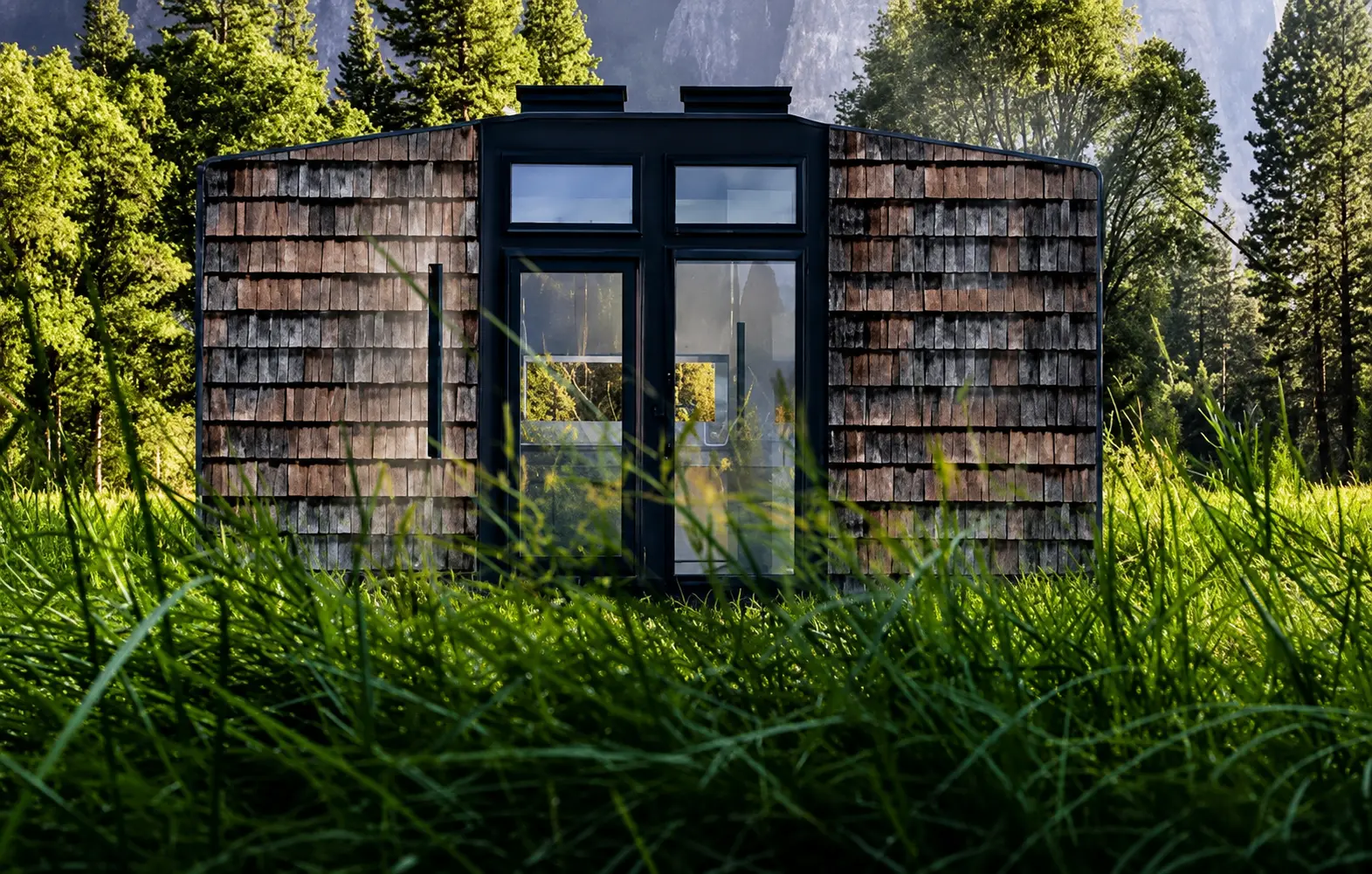
Park model homes are often used in places where compact, comfortable, and repeatable housing makes sense.
RV Parks and Seasonal Communities
Many park model homes are placed in RV parks, vacation parks, and seasonal communities. They give owners a more stable and home-like space than a towable RV while still fitting into a recreational setting.
Campgrounds and Glamping Sites
Park model homes can work well for hospitality settings where guests want comfort without a large building footprint. A well-designed small unit can provide sleeping space, a bathroom, climate control, and a more private stay.
We at Azure build glamping units and compact modular spaces for projects that need efficient guest accommodations. We focus on factory-built structures that can support faster deployment, consistent production, and practical layouts for short stays or flexible use.
Private Land
Some buyers want to place a park model home on private land. This may be possible in some areas, but it depends on zoning, land use rules, utility access, septic or sewer requirements, and whether the structure is allowed for the intended use.
Before purchasing, buyers should contact the local building department or planning office. The right question is not only “Can I buy this unit?” The better question is “Can I legally place and use this unit on this specific property?”
Resort and Rental Properties
Park model homes can also be used in resort-style developments, cabin communities, and rental properties where local rules allow short-term or seasonal occupancy. The compact size can make them appealing for projects that need multiple units with a consistent look and layout.
Main Benefits of Park Model Homes
Park model homes are popular because they offer a balance between comfort and simplicity.
Smaller Footprint
A park model home uses less space than a traditional house. This can be useful for vacation properties, small lots, campgrounds, and communities designed around compact living. The smaller size can also make cleaning, furnishing, and everyday maintenance more manageable. For many buyers, the appeal is having a complete living space without taking on the scale of a full-size home.
More Comfort Than a Standard RV
Many park model homes feel closer to a small cottage than a travel trailer. They may have better insulation, larger windows, residential-style finishes, and a more open layout. This can make longer stays feel more comfortable, especially for people who want a place that feels settled rather than temporary. The result is still compact, but often more home-like in daily use.
Factory-Built Process
Because the structure is built in a factory, much of the construction happens in a controlled environment. This can reduce weather delays and make the process more predictable.
At Azure, we use robotic 3D printing and recycled plastic materials to create future-focused modular living spaces. A 120 sq ft unit can use the equivalent of about 100,000 recycled plastic bottles. The goal is simple: build smarter spaces with less waste and a more efficient production process.
Flexible Use
Park model homes can support many uses, including vacation stays, guest housing, campground lodging, seasonal living, and rental accommodations where permitted. Their compact size makes them easier to fit into smaller sites, while the finished interior can still provide the basic comfort people expect from a living space. This flexibility is one reason they are often considered for parks, resorts, glamping projects, and private properties with the right approvals.
What to Check Before Buying a Park Model Home
A park model home can be a smart choice, but only when the site and rules fit the project.
Before buying, check:
- Zoning: Is this type of structure allowed on the property?
- Occupancy: Can it be used seasonally, temporarily, or full time?
- Utilities: Are water, sewer or septic, electrical, and internet available?
- Site access: Can the unit be delivered safely?
- Foundation or setup: What support system, tie-downs, or anchoring is required?
- Permits: What approvals are needed before placement?
- Insurance: How will the unit be insured?
- Financing: Is financing available for this structure type?
- Rental rules: Can it be rented out if that is part of the plan?
These questions are not small details. They can decide whether the project moves smoothly or gets delayed.
Are Park Model Homes Good for Full-Time Living?
Some people do live in park model homes for long periods, but buyers should be careful with this question. In many places, park model homes are intended for seasonal or recreational use. Full-time living may not be allowed unless local rules specifically permit it.
The home itself may feel comfortable enough for everyday living. The issue is often legal classification, zoning, and utility approval. A buyer who wants a full-time residence may need a different structure, such as a permitted ADU, modular home, or other code-compliant residential unit.
This is why it is helpful to compare options before choosing a model. A park model home may be right for seasonal use. A modular ADU may be better for a backyard dwelling. A home on wheels may be better for mobility. A studio may be enough for work, guests, hobbies, or extra space.
Compact Living Options from Azure Printed Homes
We at Azure Printed Homes create several types of compact and modular living spaces that may be useful for buyers comparing park model homes with other small housing options. Different projects call for different solutions, whether the goal is a backyard studio, a mobile living space, a guest unit, or a larger residential structure.
| Series | Models | Starting Price | Typical Uses |
| Studio Series | A/D/C-100, A/D/C-120, N100 | From $24,900 | Backyard studios, home offices, creative spaces, wellness rooms, guest areas, and flexible personal use |
| Homes on Wheels (X Series) | X180, X270, X360 | From $69,900 | Mobile living, travel-oriented use, seasonal stays, and flexible placement options |
| Homes & ADUs | A-180, A-360, A-540, A-720, A-900 | From $49,900 | Residential living, guest housing, ADUs, rental opportunities where permitted, and larger family spaces |
The Studio Series focuses on compact spaces for work, hobbies, guests, and everyday flexibility. The X Series is designed for buyers who want a chassis-based unit that can support mobility and compact living. For those who need more square footage, the Homes & ADUs collection provides larger layouts that can serve as primary living spaces, guest accommodations, or accessory dwelling units where local regulations allow.
Every project still depends on the site, permits, utilities, delivery access, and local requirements. The best model is not only the one that looks right. It is the one that fits the property, intended use, and long-term goals of the owner.
Final Thoughts
Park model homes sit in an interesting space between RVs, tiny homes, and small modular houses. They offer comfort, compact design, and flexibility, but they also come with rules that buyers need to understand before making a decision.
The most important step is matching the structure to the use. A seasonal getaway, campground rental, backyard studio, ADU, home on wheels, and full-time residence can all require different approvals and different types of units.
At Azure Printed Homes, we build compact spaces for a new way of living. Some people need a small studio. Some need a home on wheels. Others need an ADU or a larger modular home. The goal is to make the process clearer, more efficient, and more practical from the first idea to installation.