Modular homes may feel like a modern idea, but the basic concept is much older than most people think. Long before today’s factory-built ADUs, tiny homes, backyard studios, and homes on wheels, people were already looking for faster ways to build shelter by preparing parts of a home before they reached the final site.
The first known examples of prefabricated housing go back to the 1600s. These early structures were not “modular homes” in the way we use the term today, but they followed the same practical idea: build major parts in one place, transport them, and assemble them somewhere else.
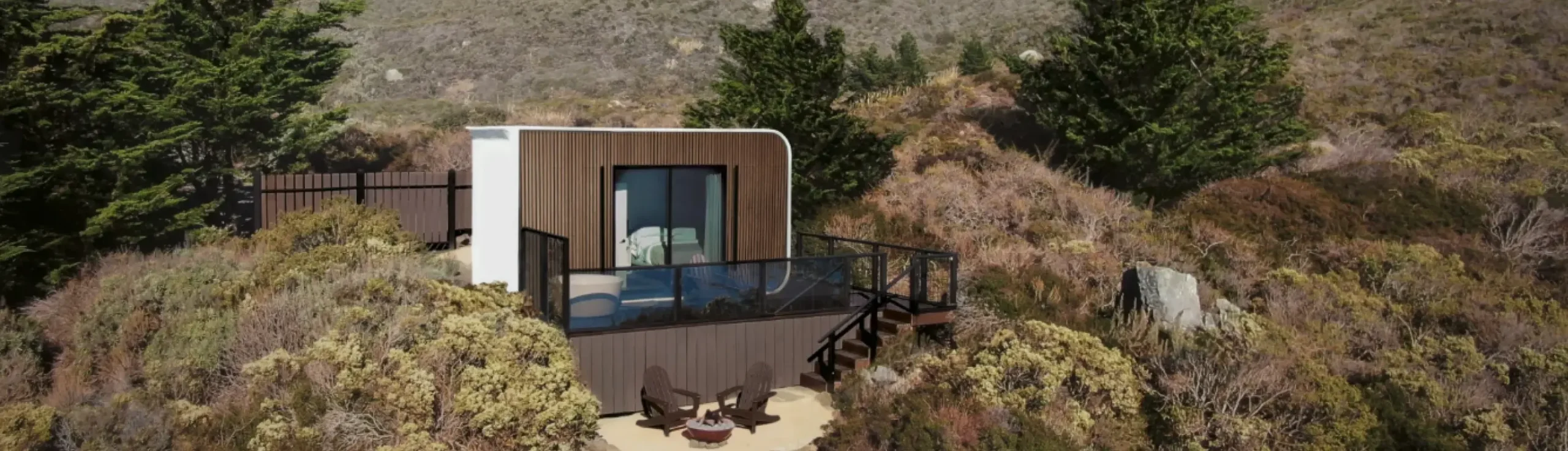
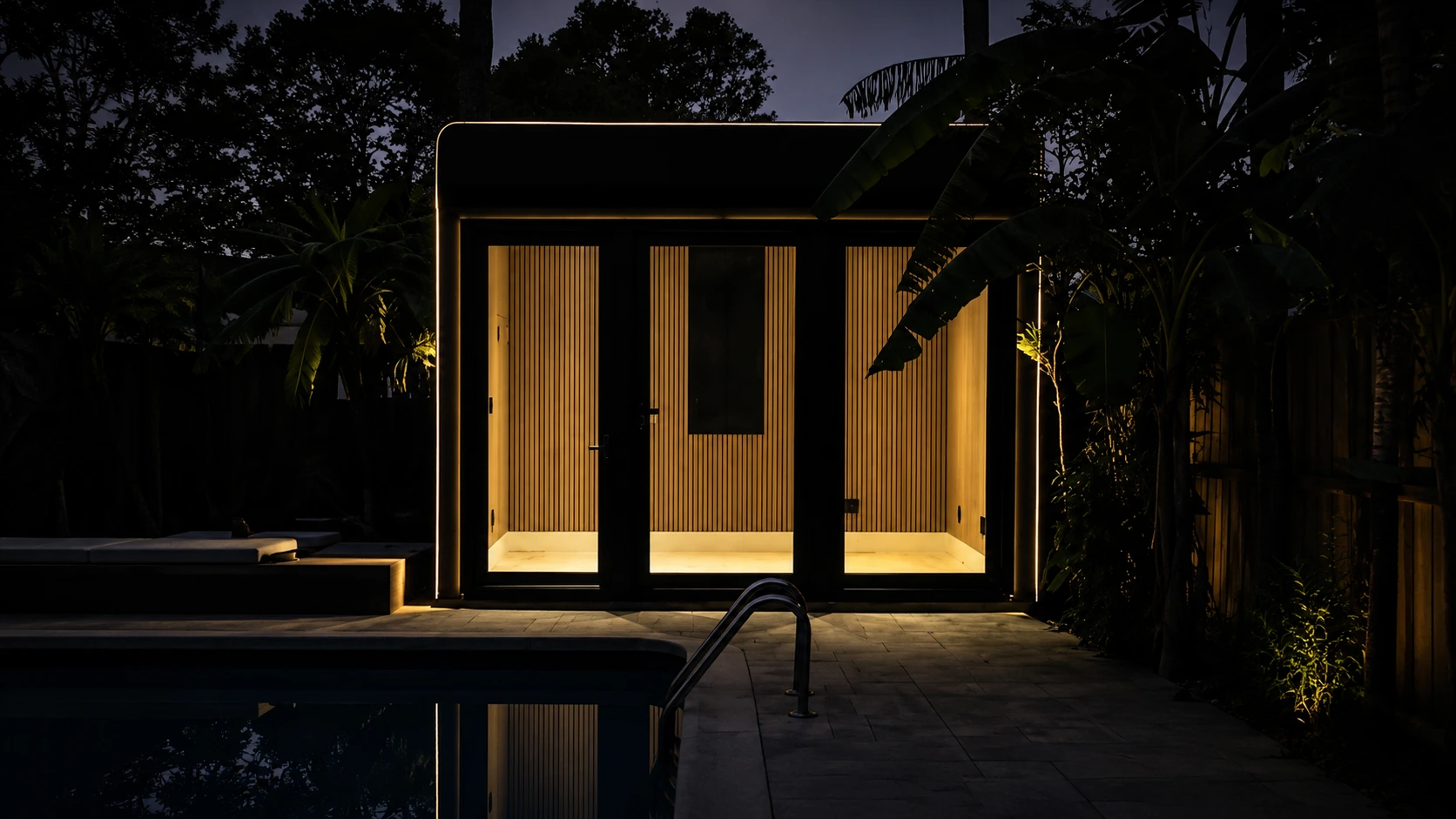
Today, modular housing has become much more advanced. At Azure Printed Homes, we use robotic 3D printing, recycled plastic material, and factory-controlled production to create modern modular units with less waste and faster build times than many traditional construction methods.
History of Modular Homes: From the Beginning to Today
Modular housing did not appear all at once. It developed slowly as people found better ways to prepare building parts, move them, and assemble homes where they were needed. The stages below show how the idea moved from simple prefabricated structures to the more complete factory-built homes people recognize today.
Early Prefabricated Homes in the 1600s
The earliest known prefabricated homes were built in the 17th century. One commonly cited example dates back to 1624, when a disassembled house was shipped from England to Cape Ann, Massachusetts. The purpose was practical: settlers needed shelter, and prepared building parts helped them avoid starting completely from scratch.
That early house was not a modern modular home with finished systems, insulation, plumbing, and design options. Still, the basic idea was already there:
- Parts were prepared before arriving at the site
- The structure was transported to another location
- Assembly happened where the home was needed
- The goal was to save time and create usable shelter faster
In that sense, modular housing began as a direct answer to a basic problem: people needed homes faster than traditional building methods could always provide.
Prefabricated Building in the 1800s
The 1800s brought more organized forms of prefabricated construction. As transportation improved and industrial manufacturing expanded, builders could produce more standardized parts and move them over longer distances.
One major milestone was the Crystal Palace in London, built in 1851. It was not a home, but it showed how powerful prefabricated construction could be. The building used manufactured parts that could be assembled quickly on-site, proving that construction did not always need to happen piece by piece in the traditional way.
This period helped shape the future of modular building because it showed that standardized parts could speed up construction, factory-made components could support large structures, and design and assembly could happen in separate stages.
Those ideas still matter in modular housing today.
Modern Modular Homes in the 20th Century
Modern modular homes became more recognizable in the 20th century. Factory-built housing became especially useful when demand for homes increased quickly, including during periods of population growth, urban expansion, and post-war housing shortages.
By this point, modular and prefabricated homes were no longer only emergency solutions. They became a way to build housing more predictably, with more control over materials, labor, timelines, and costs.
Factory-Built Housing Today
Factory-built homes solved several problems that traditional construction often faced:
- Weather delays: Much of the work could happen indoors
- Material control: Builders could reduce waste and manage supplies more carefully
- Speed: Site work and home production could happen at the same time
- Repeatability: Designs could be improved and reproduced more efficiently
- Labor efficiency: Teams could work in a controlled production environment
These benefits are still part of the modular housing conversation today. Modern modular homes can now include finished interiors, bathrooms, kitchens, bedrooms, heating and cooling, large windows, and flexible layouts. The idea started centuries ago, but today it is supported by better materials, better manufacturing, and more advanced design.
The Difference Between Early Prefab Homes and Modern Modular Homes
Early prefabricated homes were usually simple structures. They were built to move, assemble, and shelter people as efficiently as possible. Modern modular homes are much more complete.
A modern modular home can include finished interiors, bathrooms, kitchens, HVAC, electrical systems, large windows, insulation, and design options that make it feel similar to a site-built home. The difference is not always visible from the outside. The bigger difference is how the home is made.
Modern modular homes can include:
- Finished living space
- Full bathrooms
- Kitchenettes or full kitchens
- Bedrooms
- Heating and cooling
- Solar and battery options
- Large windows
- Interior finishes
- Custom layouts
- Permanent or movable configurations
At Azure Printed Homes, our modular units are designed for real-life use, not just as basic shells. Depending on the model, they can serve as backyard studios, tiny homes, ADUs, homes on wheels, glamping units, office pods, or larger residential spaces.
How Modular Homes Are Built Today
Modern modular homes are usually built in sections or units inside a factory. After that, they are transported to the site and installed. This process can reduce the amount of work that needs to happen outdoors and can make construction more predictable.
At Azure Printed Homes, we take this idea further with 3D printing technology. We manufacture structural shells using robotic printing and recycled plastic material. Our process is designed to reduce construction waste while making modular production faster and more scalable.
A common modular process can include the following stages.
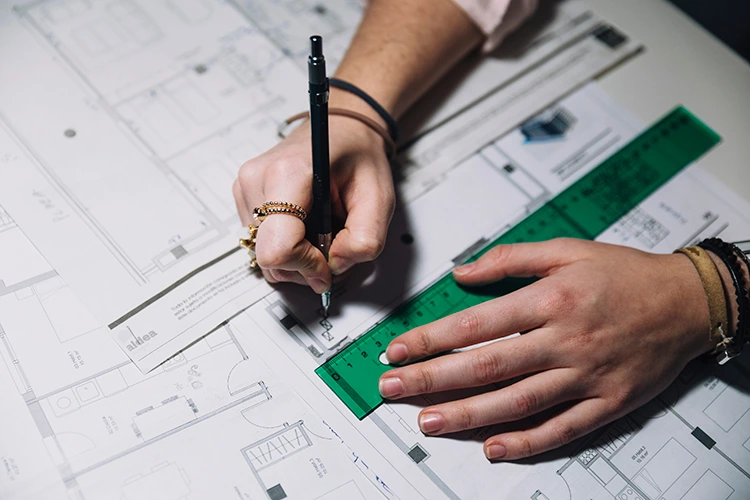
Design and Configuration
The process usually starts with choosing the model, size, layout, and purpose of the space. This stage helps define whether the unit will be used as a backyard studio, ADU, tiny home, guest space, office, or another type of modular structure. It may also include decisions about windows, doors, finishes, bathrooms, kitchen areas, HVAC, solar options, and other features. Clear planning at this stage makes the rest of the project easier to organize.
Factory Production
After the design is set, the main structure is produced in a factory environment. This allows much of the work to happen in a controlled setting instead of being fully exposed to weather, site delays, or scattered job-site conditions. Factory production can also make it easier to manage materials, reduce waste, and keep each stage more consistent. For modern modular homes, this is one of the biggest differences from traditional on-site construction.
Interior Finishing
Once the structure is built, the interior work can begin. This may include flooring, wall finishes, lighting, electrical systems, plumbing fixtures, bathroom elements, kitchen areas, cabinetry, and built-in equipment. Some modular units are delivered with a more complete interior, while others may require additional finishing after delivery. The exact scope depends on the model, intended use, and selected options.
Delivery
When the unit is ready, it is prepared for transport to the final property. Delivery planning usually considers the size of the unit, road access, site conditions, local requirements, and the equipment needed to move the structure safely. This stage is important because modular homes are built off-site and must be moved without damaging the structure or finishes. Good planning helps make installation smoother once the unit arrives.
Site Installation
After delivery, the modular unit is placed on the prepared site, foundation, pad, or support system. Site preparation may include grading, utility planning, foundation work, access clearance, and any required local inspections. The installation process depends on the size and type of unit, as a small studio may be simpler to place than a larger ADU or home. Once positioned, the structure begins to function as part of the property.
Utility Connections and Final Setup
The final stage usually includes connecting the unit to utilities such as electricity, water, sewer, or other systems, depending on the model and use. Installers may also check mechanical systems, complete final adjustments, and make sure the space is ready for occupancy or everyday use. Some projects may need inspections or approvals before the unit can be used. Once this step is complete, the modular home or structure is ready to serve its intended purpose.
This process can be especially helpful for people who want a backyard unit, small home, rental unit, guest space, or flexible living structure without going through a fully traditional build from the ground up.
Why Modular Homes Became Popular
Modular homes became popular because they answered problems that have existed for centuries. People want housing that can be built faster, with less uncertainty, fewer delays, and better control over cost.
That does not mean every modular home is the same. A compact studio is very different from a full ADU. A home on wheels is different from a permanent backyard unit. But they all share the same basic idea: part of the construction happens away from the final site, then the unit or components are delivered and installed.
Main reasons people consider modular homes:
- Faster construction compared with many traditional builds
- More controlled factory production
- Less job-site disruption
- Flexible sizes and uses
- Potentially lower waste
- Easier planning for small spaces
- Options for backyards, rentals, guests, or workspaces
For many homeowners, the appeal is not just speed. It is the ability to choose a clear model, understand the footprint, and plan how the space will be used before construction begins.
Azure Printed Homes and the Next Stage of Modular Housing
Modular homes have come a long way from shipped timber parts and early prefabricated structures. Today, the category includes advanced manufacturing, cleaner material use, and more flexible housing types.
At Azure Printed Homes, we build modular spaces using 3D printing technology and recycled plastic. More than 60% of our print material comes from recycled plastic, and our printing process is designed to reduce waste compared with many conventional building methods.
Our product range includes compact models and larger units, such as:
Studios and Small Units
Our studio models are designed for backyard offices, creative spaces, guest rooms, and flexible personal use. Pricing for the A/D/C-100 and N100 models starts at $24,900, while A/D/C-120 models start at $29,900.
ADUs and Residential Models
Our larger ADU and home models are designed for people who need more complete living space. The A-180 starts at $49,900, followed by the A-360 at $89,900, A-540 at $134,900, A-720 at $174,900, and A-900 at $219,900.
Homes on Wheels
Our X Series is made for people who want a movable living space. X180 pricing starts at $69,900, X270 at $84,900, and X360 at $109,900.
These models show how broad modular housing has become. It is no longer only about emergency shelter or simple prefabricated parts. It can now support personal workspaces, rental units, tiny homes, backyard homes, mobile homes, and more permanent housing needs.
How a Centuries-Old Idea Became Modern Housing
So, when were modular homes first built? The earliest known prefabricated home examples date back to the 1600s, with one major example from 1624. The broader idea developed through the 1800s and became much more recognizable as modern factory-built housing in the 20th century.
What has changed is the technology. Early modular housing was about moving prepared parts from one place to another. Modern modular housing is about design, manufacturing, sustainability, speed, and livability.
At Azure Printed Homes, we see modular construction as part of a longer history, but also as a new opportunity. By combining 3D printing, recycled material, and factory-built production, we are helping create homes and living spaces that are faster to produce, easier to plan, and designed for how people use space today.
Conclusion
Modular homes were not invented recently. Their roots go back hundreds of years, beginning with early prefabricated structures that were shipped and assembled where shelter was needed. Over time, the idea grew from simple transported parts into a full construction method.
Today, modular homes can look modern, comfortable, compact, spacious, permanent, or mobile. They can be used as ADUs, studios, tiny homes, guest spaces, office pods, and full living units.
The core idea has stayed the same: build smarter, move faster, and make housing more practical. The tools have changed, and that is where modern modular construction stands out.