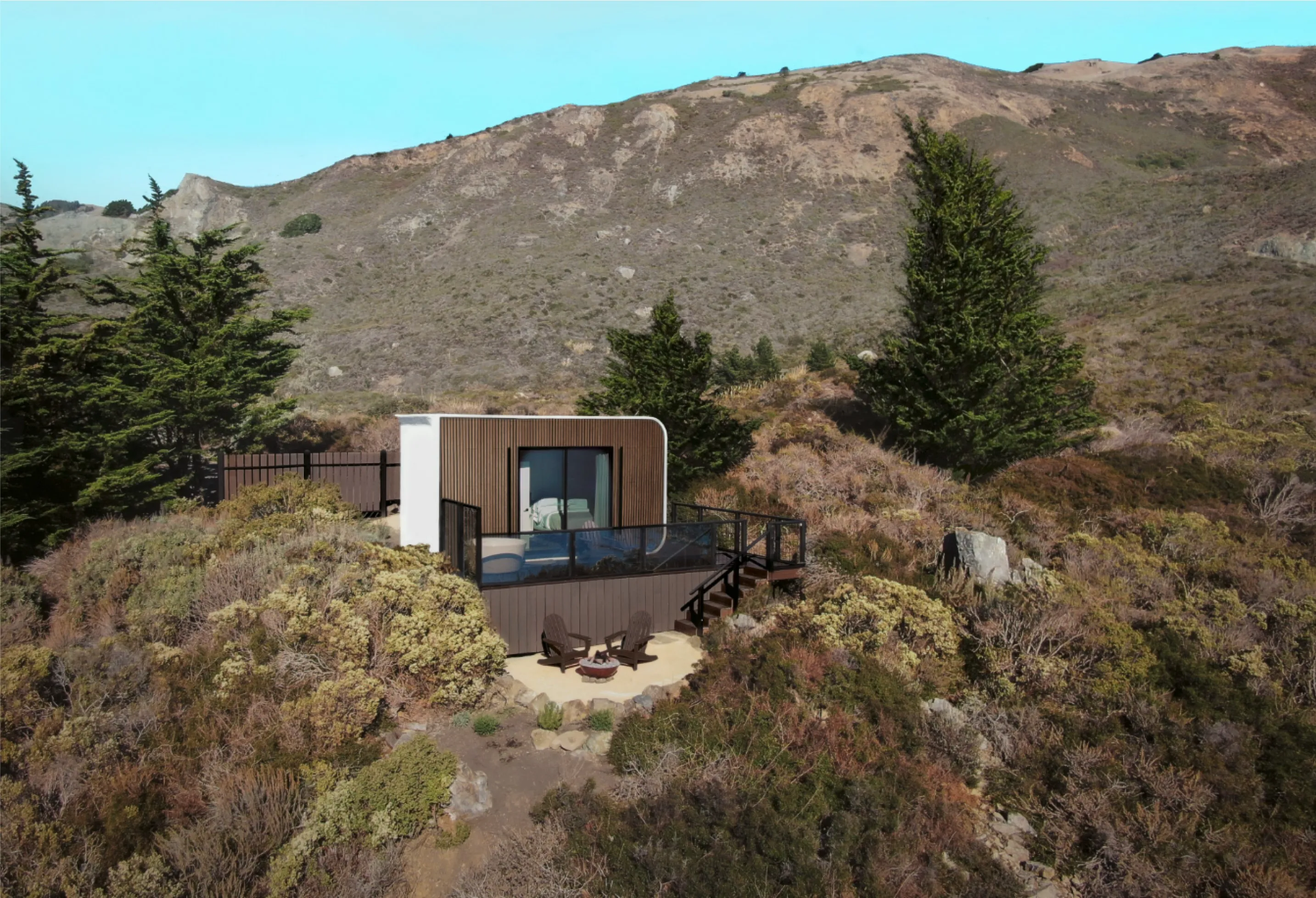
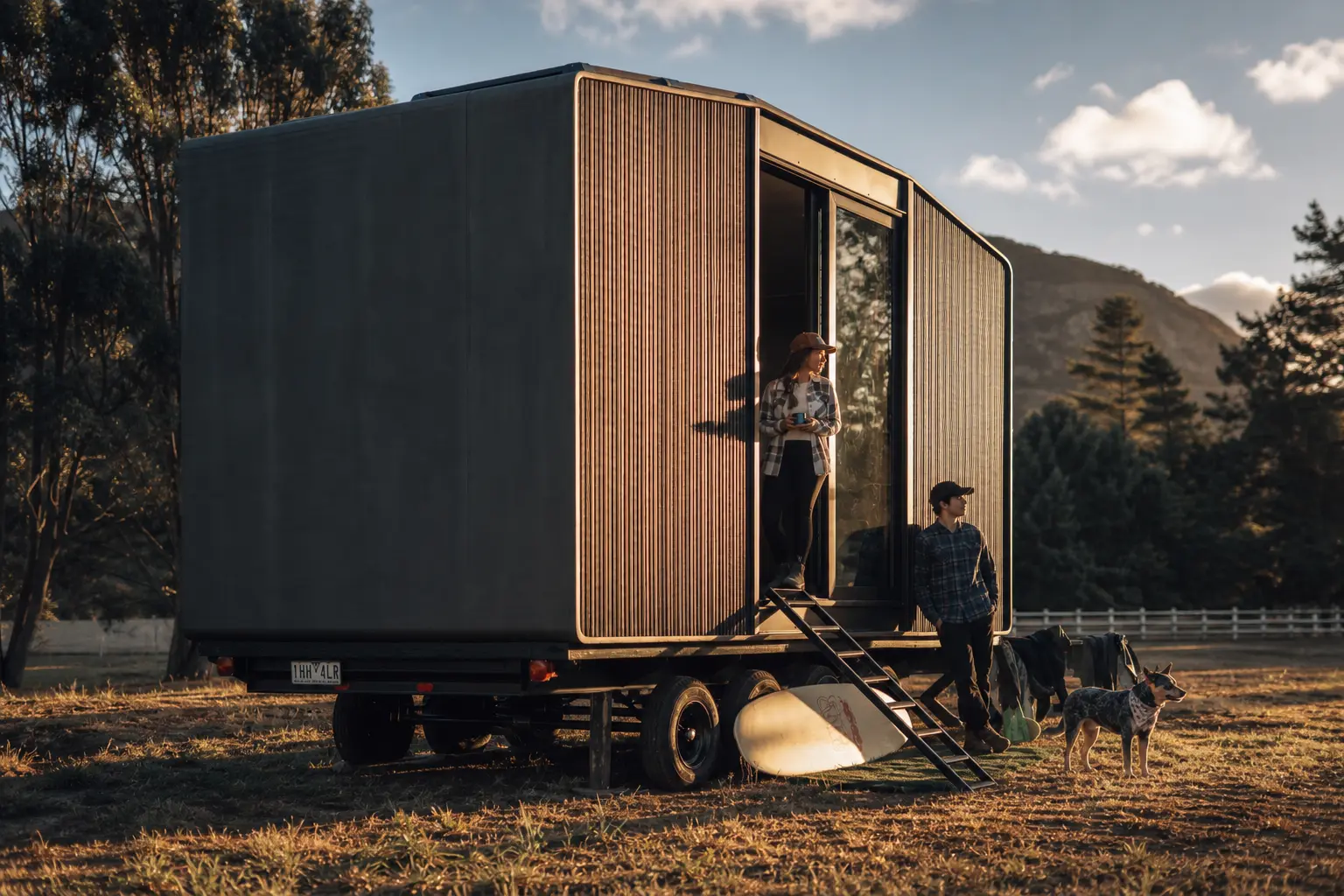
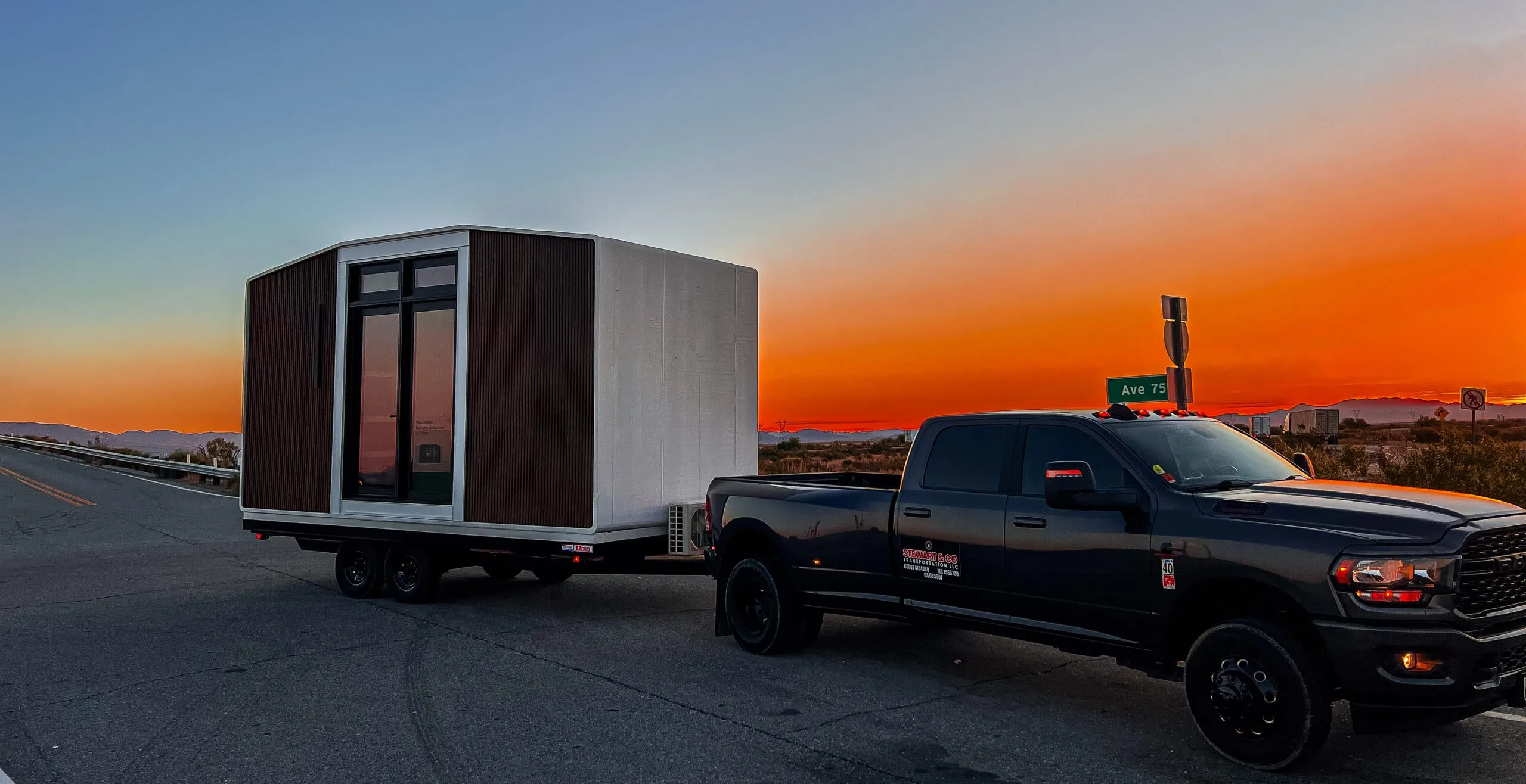
Modular homes can look simple, modern, traditional, compact, spacious, or almost exactly like site-built homes. The outside appearance depends on the model, materials, roofline, exterior finish, windows, foundation type, and whether the home is designed as a permanent residence, backyard ADU, studio, or mobile unit.
Many people still picture modular homes as plain boxes. That idea is outdated. Today, modular construction can support clean architectural shapes, open interiors, large windows, private bedrooms, full bathrooms, kitchens, and finished living spaces. The main difference is not always what the home looks like. It is how the home is made.
At Azure Printed Homes, we build modular homes and units using 3D printing technology and recycled plastic material. Our homes are designed to be factory-built, finished, delivered, and installed with less waste and a faster construction process than many traditional building methods.
What Makes a Home Modular?
A modular home is built in sections or units away from the final site, usually in a controlled factory environment. After construction, the unit is transported to the property and installed. Some modular homes are placed on foundations, while others are designed as homes on wheels.
This process affects how the home is built, but it does not mean the home has to look temporary or unfinished. A modular home can include finished floors, walls, cabinets, fixtures, appliances, bathrooms, and exterior details before it arrives.
The final look depends on the purpose of the home. A backyard office will look different from a two-bedroom ADU. A compact glamping unit will look different from a full-time residence.
Exterior Style and First Impressions
From the outside, modular homes often have clean, efficient shapes. Many modern models use simple lines because they are easier to transport, install, and adapt to different sites. That does not mean they have to look boring.
Common exterior features can include:
- Large windows for natural light
- Smooth or textured exterior walls
- Flat, shed, or simple roof forms
- Compact entry areas
- Sliding glass doors
- Modern trim and exterior panels
- Deck-ready layouts
- Utility connections placed for easier installation
Some modular homes look like small cabins. Others look like modern backyard studios. Larger modular ADUs may look similar to a small single-family home, with bedrooms, a bathroom, a kitchen, and a living area.
Azure units have a distinct printed shell, which gives them a modern appearance and separates them from standard wood-frame modular buildings. Because we use 3D printing, the form can feel more sculptural while still being practical for housing.
Interior Layouts and Everyday Use
Inside, modular homes can feel surprisingly complete. Even smaller models may include finished walls, flooring, lighting, climate control options, and built-in storage. Larger models can include the same basic rooms people expect in a regular home.
A modular home interior may include:
- Living area
- Kitchen or kitchenette
- Full bathroom
- Bedroom or sleeping area
- Washer and dryer space
- Storage
- Mechanical and utility areas
- Built-in lighting
- Heating and cooling options
The interior style can be minimal, warm, modern, or practical depending on the finish package. In smaller homes, layout matters more than decoration. Every wall, cabinet, door, and window has to earn its place.
Our compact units are designed with usable space in mind. For example, Azure’s smaller studio and tiny home models can work as backyard offices, guest spaces, creative studios, short-term rental units, or extra living areas. Larger models, including ADU-style homes, are designed for more complete residential use.
Modular Homes by Type
Not every modular home is meant to serve the same purpose. A small studio, a tiny home, an ADU, and a home on wheels can all fall under the modular category, but they look and function differently.
Tiny Homes
Some modular homes look like tiny homes, especially when they are designed for compact living. A small modular unit may have one main room, a bathroom, and a kitchenette. These homes usually focus on efficiency rather than extra space.
Our tiny homes start from compact footprints and can include options such as a bathroom, kitchenette, HVAC, solar panels, and batteries depending on the model and configuration. These units are built for people who want a smaller structure without starting from a traditional construction project.
Tiny modular homes often work well as backyard offices, guest rooms, rental units, glamping cabins, studio spaces, extra living space, or compact independent housing.
ADUs and Larger Modular Homes
Many modular homes can look like regular houses. Larger modular homes may have bedrooms, bathrooms, kitchens, living rooms, and standard residential finishes. Once installed, connected to utilities, and landscaped, the difference may not be obvious from the outside.
A modular ADU, or accessory dwelling unit, usually looks like a smaller home placed behind or beside a main house. It may include a living area, kitchen, bathroom, and one or more bedrooms. Some ADUs are simple studio layouts, while others feel closer to a small apartment or cottage.
Our ADU models include compact and larger options:
- A-180 starts at $49,900
- A-360 starts at $89,900
- A-540 starts at $134,900
- A-720 starts at $174,900
- A-900 starts at $219,900
Studio-size models such as A/D/C-100 and A/D/C-120 are priced from $24,900 and $29,900, depending on the model.
Homes on Wheels
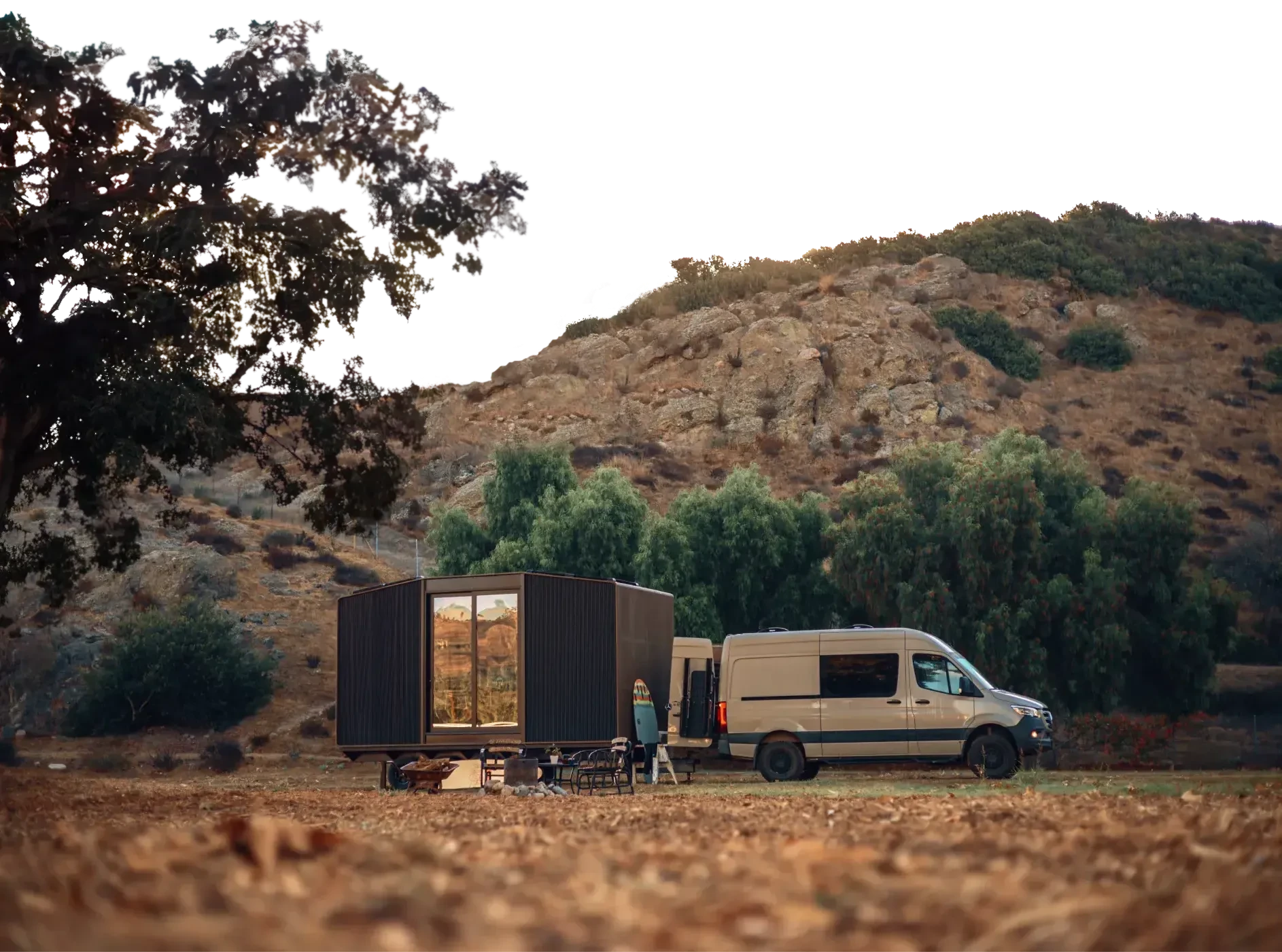
Homes on wheels have a different look because they are designed for mobility. They are usually narrower than permanent modular homes, with layouts shaped by transport requirements. From the outside, they may look like modern mobile cabins or compact long-form homes.
Inside, homes on wheels often include the essentials in a tighter layout. That can mean a kitchen, bathroom, sleeping space, and built-in storage arranged along a narrow floor plan.
Our X Series includes homes on wheels such as X180, X270, and X360. Pricing starts at $69,900 for X180, $84,900 for X270, and $109,900 for X360. These models are designed for people who want a movable living unit rather than a permanent ADU.
Design, Finishes, and the Final Look
Modern modular homes often have a clean, contemporary look because the building method works well with simple forms, efficient layouts, and open interiors. Straight lines, large openings, and practical floor plans make the home easier to produce, deliver, and install without making the design feel unfinished.
Still, modular does not mean one standard appearance. A studio, tiny home, ADU, and home on wheels can each have its own shape, interior flow, and level of finish. The right design depends on how the space will be used.
Shape and Layout
The overall shape of a modular home usually comes from practical choices. A simpler footprint can make transportation, installation, and interior planning easier. Inside, the layout is often designed to reduce wasted corners and keep the main living areas open.
Customization and Finish Options
Most modular homes allow some level of customization, though the options depend on the model, local code requirements, site conditions, and intended use. Common choices may include layout adjustments, appliances, bathroom features, doors, windows, exterior colors, energy features, and off-grid upgrades.
At Azure Printed Homes, we offer different product types and model options, so the available features depend on the unit. Some of our homes can include bathrooms, kitchenettes, HVAC, solar panels, and battery systems. We keep the focus on practical choices that make the structure useful without adding unnecessary complexity.
Long-Term Appearance
A modular home should not look temporary by default. Like any type of housing, its long-term appearance depends on proportions, materials, installation quality, exterior detailing, and how well the layout fits the property.
This is especially important for ADUs and backyard units, which often sit close to an existing home. A compact modular home can look intentional and permanent when the windows, entry, exterior finish, and site placement are planned carefully.
What to Look for in a Modular Home Design
When comparing modular homes, look beyond the outside image. The layout, delivery method, installation needs, and long-term use matter just as much.
Useful things to check include:
- Square footage
- Bedroom and bathroom count
- Kitchen or kitchenette layout
- Utility requirements
- Foundation or wheel-based design
- Permitting needs
- Delivery access
- Climate control options
- Storage
- Warranty
- Total installed cost
A modular home should match how it will be used. A studio for work does not need the same layout as a full ADU. A home on wheels has different requirements than a backyard guest unit.
Matching the Home to the Property
A modular home should look like it belongs on the site, not like it was placed there as an afterthought. The same model can feel different depending on where it sits, how the entry is positioned, and what surrounds it.
For backyard ADUs and studios, placement matters because the unit usually shares space with an existing home. Windows, doors, walkways, privacy, and outdoor areas all affect how finished the project feels. A compact unit can look much more permanent when the site plan is simple and intentional.
It also helps to think about how the home will be seen every day. A backyard studio may need a clear path from the main house. A guest unit may need more privacy near the entrance. A rental ADU may need outdoor space that feels separate without cutting off the rest of the property.
For homes on wheels, the setting matters in a different way. These units are designed for movement, so the look is shaped by mobility, access, and practical use. Even then, details like steps, outdoor seating, lighting, shade, and utility placement can make the home feel more comfortable and complete.
Final Thoughts
Modular homes can look like modern studios, compact tiny homes, backyard ADUs, homes on wheels, or full small residences. The look depends on the model, size, finish, and purpose. Some are simple and minimal. Others are complete homes with bedrooms, kitchens, bathrooms, and living areas.
At Azure Printed Homes, we focus on 3D-printed modular units made with recycled plastic material. Our products include studio units, tiny homes, ADUs, homes, and homes on wheels, with designs built for faster production, lower waste, and flexible use.
For anyone asking what modular homes look like, the best answer is this: they look like the life they are designed to support. A quiet backyard office, a guest suite, a rental ADU, a glamping cabin, or a compact full-time home can all be modular. The form is flexible. The important part is choosing the right model for the site, budget, and everyday use.