A 4 bedroom modular home can cost anywhere from under $200,000 to well over $500,000 depending on its size, layout, location, materials, finishes, transportation requirements, and site preparation needs. While modular construction often reduces build times and improves efficiency, there is no single price that applies to every project.
A simple single-story family home will have different costs than a larger custom design with multiple bedrooms, bathrooms, upgraded kitchens, premium finishes, and extensive site work. Understanding where the costs come from makes it easier to set a realistic budget and compare modular options with more confidence.
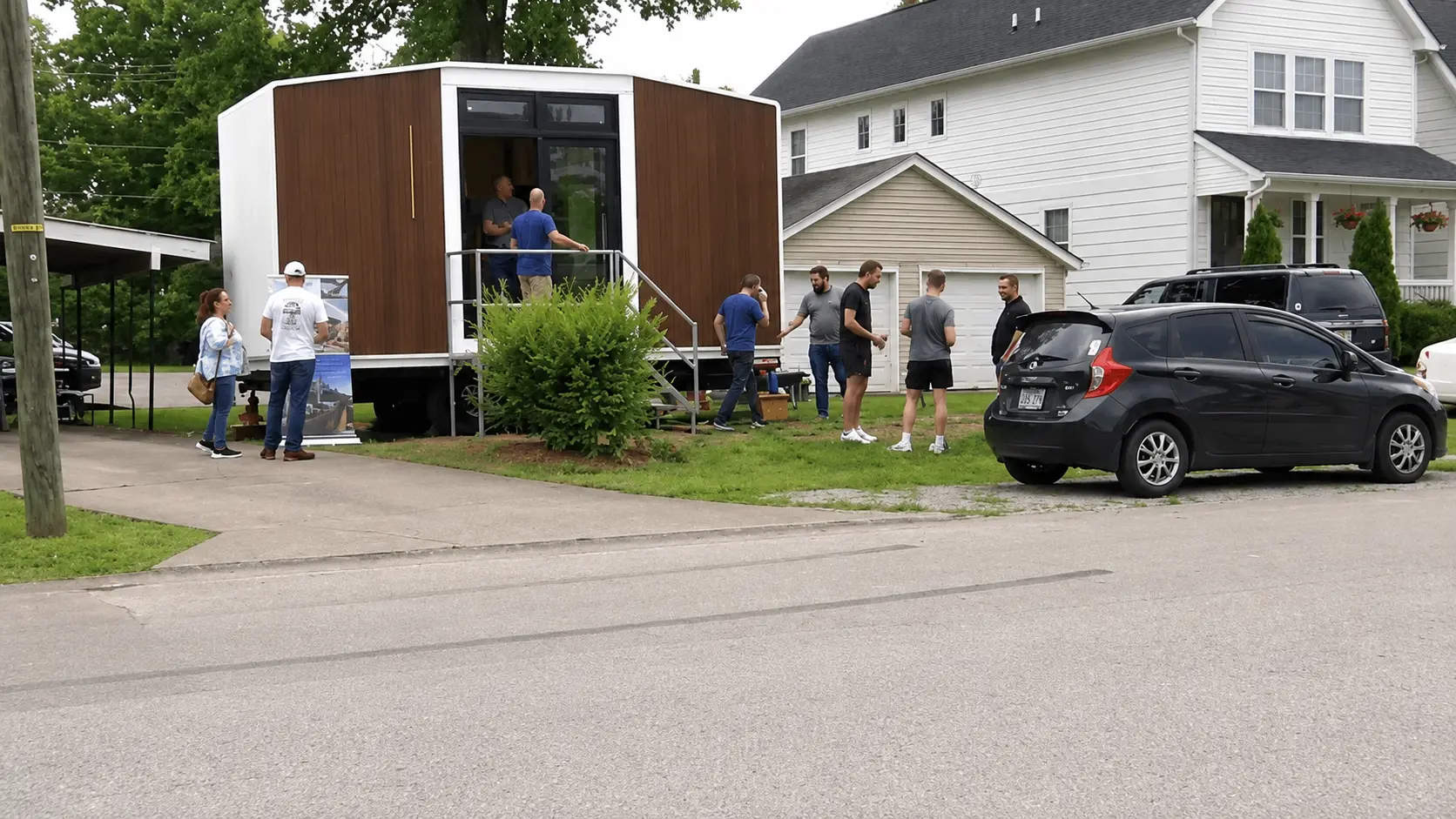
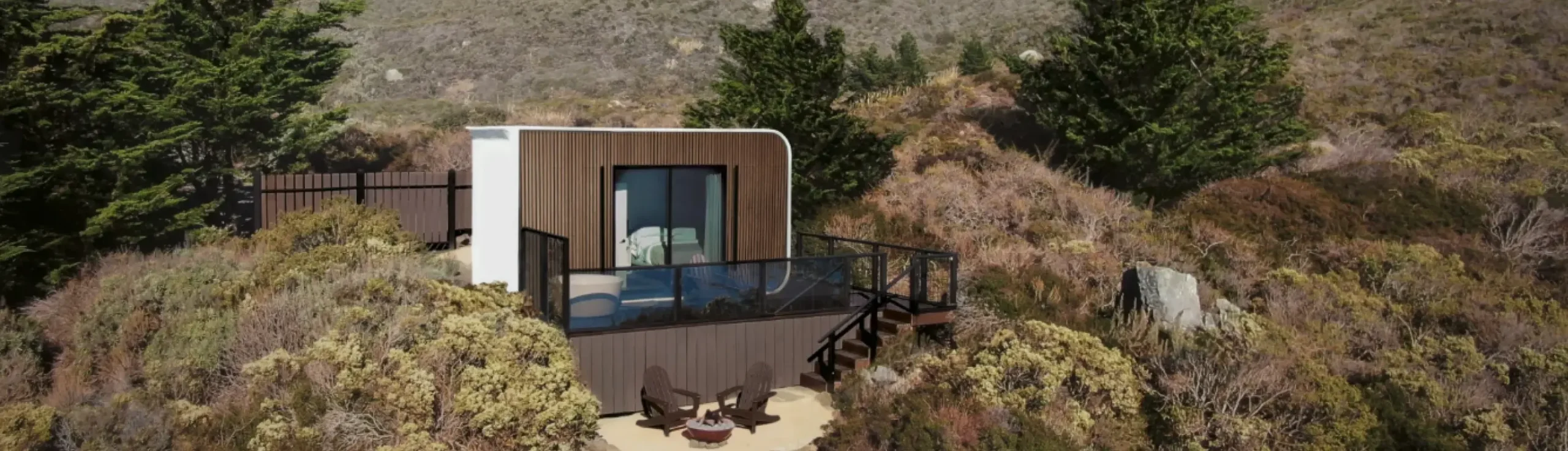
At Azure Printed Homes, we build modular houses and spaces in different configurations using 3D printing technology and recycled plastic materials. Our lineup includes studios, ADUs, compact homes, tiny homes, homes on wheels, office pods, glamping units, and housing solutions for different residential and project needs.
Typical 4 Bedroom Modular Home Price Range
Most 4 bedroom modular homes fall somewhere between $200,000 and $500,000+, although some projects can cost less or significantly more depending on the design and location.
At the lower end of the range, buyers may find simpler floor plans with standard finishes and fewer custom features. Mid-range projects often include multiple bathrooms, larger kitchens, upgraded materials, and more spacious living areas. High-end modular homes can exceed $500,000 when they include custom layouts, premium finishes, extensive site work, or challenging installation requirements.
It’s also important to understand that the advertised home price is not always the final project cost. A modular home budget typically includes several components beyond the structure itself.
What Is Included in the Total Cost?
The final cost of a 4 bedroom modular home may include:
- Design and planning
- Factory construction
- Interior finishes
- Transportation to the site
- Foundation work
- Installation and setup
- Utility connections
- Permits and inspections
- Landscaping and site preparation
At Azure Printed Homes, we follow a factory-built approach that combines advanced manufacturing, automation, and 3D printing technology to create modular living spaces in a variety of configurations. While every project has unique requirements, modular construction can help simplify the building process by completing much of the work before the structure arrives on site.
Key Cost Drivers for 4 Bedroom Modular Homes
Several factors influence the final price of a modular home.
Home Size
Four-bedroom homes vary significantly in square footage. Some are designed as efficient family homes with compact layouts, while others include large living spaces, multiple bathrooms, home offices, and additional storage.
In general, larger homes require more materials, more factory production time, larger transportation loads, and more installation work, all of which increase overall costs.
Floor Plan Complexity
Simple rectangular layouts are usually less expensive to manufacture and install than designs with multiple sections, complex rooflines, large covered patios, or custom architectural features.
A home with four bedrooms can be designed in many different ways. Open-concept layouts, additional bathrooms, larger kitchens, and separate living areas may increase the total project cost.
Interior Finishes
The level of interior finish can have a substantial impact on price.
Factors that often affect the budget include:
- Kitchen cabinetry and countertops
- Flooring materials
- Bathroom fixtures
- Appliances
- Lighting packages
- Built-in storage solutions
- Smart home technology
- Energy-efficiency upgrades
Higher-end selections can significantly increase the total cost compared to standard finishes.
Site Preparation
The home itself is only part of the overall project.
Before installation, the property may require:
- Land clearing
- Grading
- Foundation work
- Utility connections
- Driveways
- Permits
- Drainage improvements
Site-related expenses vary widely depending on local conditions and regulations.
Transportation and Installation
Because modular homes are built off-site and delivered to the property, transportation is another important budget consideration.
Distance from the manufacturing facility, module size, route requirements, permits, and crane usage can all affect delivery costs. Installation expenses depend on the complexity of the project and the conditions at the building site.
Many buyers focus primarily on the home price and underestimate transportation and setup costs. Evaluating the complete project budget provides a more accurate picture of the final investment.
Long-Term Value and Flexible Space Planning
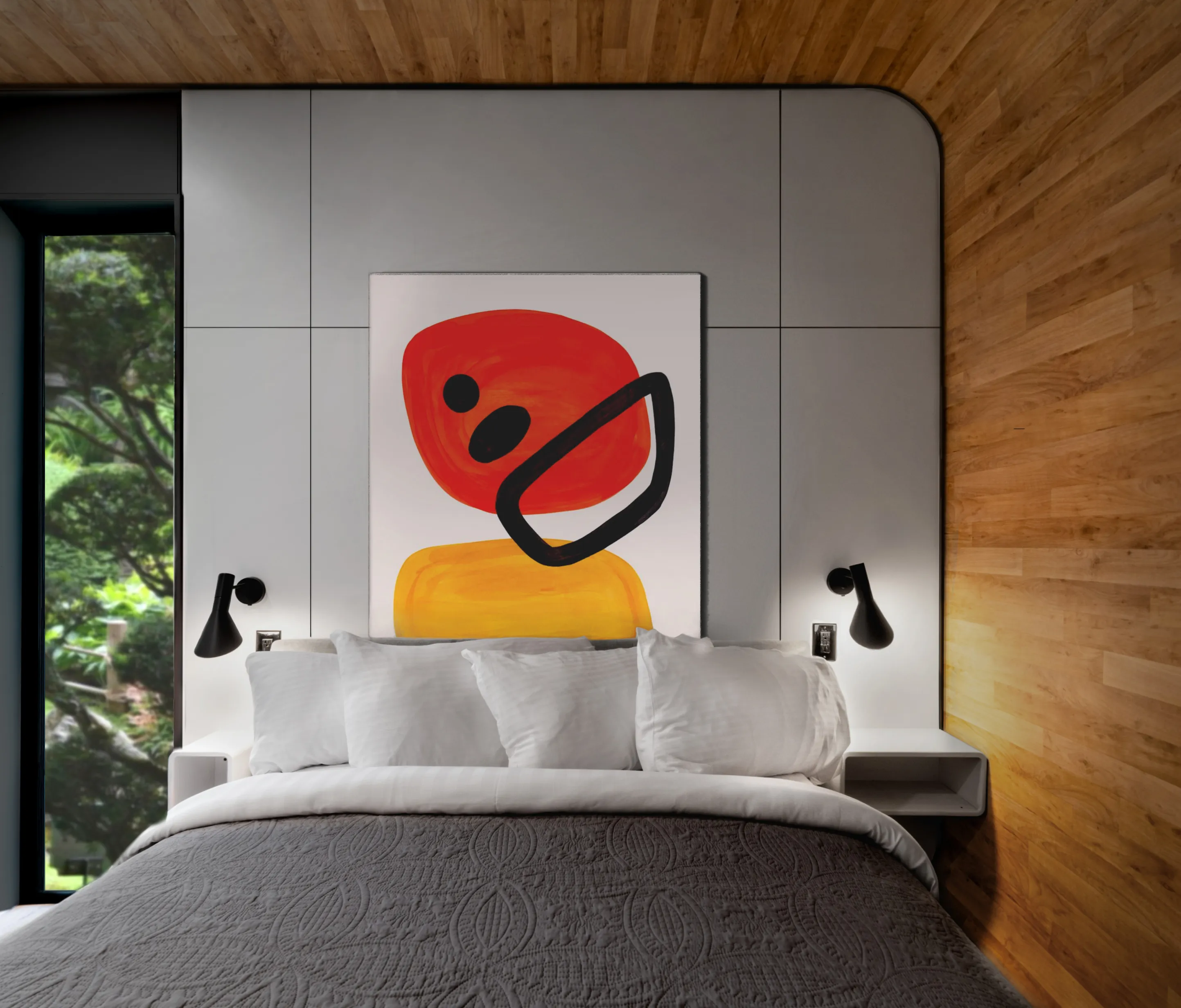
A 4 bedroom modular home is not only about bedroom count. For many buyers, the value comes from having extra space that can change over time. One room may start as a nursery, later become a study area, and eventually work as a guest room or office.
Why Extra Rooms Matter
Additional bedrooms can support family growth, remote work, visiting relatives, hobbies, or multi-generational living. This flexibility can make a larger modular home more practical for people who do not want to move every time their household needs change.
How Modular Construction Supports Planning
Modular construction can also make the planning process more predictable. Since much of the work happens in a controlled factory setting, the project is less exposed to weather delays and jobsite disruption. Timelines, material use, and production steps can be easier to manage than with a fully site-built process.
Azure Price Ranges and Modular Options
At Azure Printed Homes, we build modular spaces in different configurations, from compact studios and ADUs to homes on wheels and larger home models. Our prices range from $24,900 to $219,900, depending on the model and configuration.
Here is the breakdown:
| Model | Starting Price | Size | Best-Fit Use |
| A/D/C-100 | From $24,900 | 100 sq. ft. | Small studio, backyard workspace, private room, or flexible enclosed space |
| A/D/C-120 | From $29,900 | 120 sq. ft. | Compact modular structure with more usable interior room |
| N100 | From $24,900 | 100 sq. ft. | Simple compact unit where enclosed space is the main priority |
| A-180 | From $49,900 | 180 sq. ft. | Studio-style setup or added living space on a property |
| A-360 | From $89,900 | 360 sq. ft. | Compact home or ADU-style layout |
| A-540 | From $134,900 | 540 sq. ft. | Modular home option with more interior space and a residential layout |
| A-720 | From $174,900 | 720 sq. ft. | Larger ADU or compact residence with more separation between living areas |
| A-900 | From $219,900 | 900 sq. ft. | Larger fixed modular home option for buyers comparing bigger living layouts |
For someone comparing 4 bedroom modular home costs, these prices give useful context for how modular housing changes by size and purpose. Some buyers need a full larger home, while others may use a separate modular unit for guest space, rental use, work, or additional living area on the property.
Comparing a 4 Bedroom Modular Home to Traditional Construction
When evaluating housing options, it helps to compare the entire project rather than focusing only on the advertised home price.
Key considerations include:
- Construction timeline
- Material efficiency
- Labor requirements
- Site disruption
- Energy performance
- Maintenance expectations
- Long-term flexibility
A modular home may not always be the lowest-cost option in every situation, but many buyers value the speed, consistency, and controlled manufacturing process that modular construction offers.
Planning Your Budget
The best way to estimate the cost of a 4 bedroom modular home is to look at the full project, not only the base price of the house. Home size, design choices, site conditions, permits, transportation, installation, utility connections, and finish selections all contribute to the final number.
It also helps to separate the budget into categories. One part covers the modular structure itself. Another part covers land-related work, such as grading, foundation, driveway access, septic or sewer connections, water, electrical service, and any required inspections. Depending on the property, these site costs can be minor or they can become a major part of the total budget.
Buyers should also leave room for changes during planning. A different layout, upgraded materials, added storage, larger windows, or extra outdoor features can affect the final cost. Creating a detailed budget early helps avoid surprises and gives a clearer view of what is realistic before the project moves forward.
Whether the goal is a compact family residence or a larger custom home, modular construction offers many ways to plan around space, timeline, and long-term use. The more complete the budget is from the beginning, the easier it becomes to compare options and choose a modular home configuration that fits both the property and the buyer’s needs.
Conclusion
There is no universal price for a 4 bedroom modular home. Costs can vary significantly based on square footage, customization, location, site work, and finishing selections. While some projects may start in the lower hundreds of thousands of dollars, larger or highly customized homes can cost substantially more.
Modular construction gives buyers flexibility in design and often provides a more streamlined building process than traditional methods. At Azure Printed Homes, we build modular spaces in different configurations, from compact studios and ADUs to larger home models, using 3D printing technology and recycled plastic materials. For buyers comparing modular home costs, our product range helps show how pricing can change by size, layout, and intended use.
By understanding the factors that influence pricing, homeowners can make informed decisions and develop a realistic budget for their future home.