Tiny homes can be a good investment, but not automatically. The word “investment” can mean different things depending on the buyer. For one person, it might mean rental income. For another, it might mean adding usable space without moving. For a family, it might mean creating a separate place for a parent, adult child, guest, or caregiver. For a landowner, it might mean making better use of a property that already has room.
The important part is that a tiny home only becomes a good investment when the project is planned around real numbers and real site conditions. A low starting price is helpful, but it is not the whole story. Land, utilities, local rules, delivery, site preparation, maintenance, and the final use all matter.
This is exactly why we separate our work into different small-space formats at Azure Printed Homes. We build 3D-printed prefab studios, homes on wheels, and Homes & ADUs because a backyard office and a rental-ready residential unit are not the same investment decision.
What “Good Investment” Really Means Here
A tiny home does not have to appreciate like a traditional house to be worthwhile. Sometimes the return is financial. Sometimes it is practical. Sometimes it is a mix of both.
A tiny home may create value through:
- Rental income where local rules allow it
- Extra space without buying a larger property
- A dedicated work area outside the main house
- Guest or family housing
- Better use of land that already exists
- Faster deployment compared with a long on-site build
- A more flexible housing option for changing needs
The stronger projects usually begin with a clear use case. The weaker ones often start with a vague idea like “tiny homes are cheap” or “we can rent it out somehow.” That kind of thinking can get expensive quickly.
Starting Costs Matter, But They Are Not the Full Budget
Price is usually the first thing people check, and that makes sense. If the numbers do not work at the beginning, the rest of the project may not matter.
Our smallest tiny home formats start from $19,900, with sizes beginning around 100 sq ft. If the project needs more space or residential features, the starting price moves up from there. Current planning ranges across our main categories look like this:
| Type of Space | Starting Price Range | Typical Use |
| Small prefab tiny home formats | From $19,900 | Compact spaces starting around 100 sq ft |
| Studio Series | About $24,900-$29,900 | Backyard offices, creative rooms, hobby spaces, flexible extra room |
| X Series Homes on Wheels | About $69,900-$109,900 | Chassis-based tiny homes with kitchen, bathroom, and sleeping layouts |
| Homes & ADUs | About $89,900-$219,900 | Larger residential-style units for family use, guests, or rental potential where allowed |
Our Studio Series includes the N_100 at 100 sq ft, plus the D_120 and A_120 at 120 sq ft, with current product cards showing starting prices around $24,900-$29,900. Our X Series starts around $69,900 for the X_180 and goes up to around $109,900 for the X_360. Our Homes & ADUs category includes larger 360 to 900 sq ft models, with current starting prices from about $89,900 to $219,900.
Those numbers help with early planning, but they should not be treated as the final investment total. Delivery, site work, foundation needs, utility connections, permits, taxes, HVAC, solar, batteries, and other options can all change the final cost.
Where Tiny Homes Can Create Value
The best tiny home investment is not always the one with the highest possible return. It is the one where the cost, use case, and site all make sense together.
Rental Income Where Allowed
Rental income is the first thing many people think about. A tiny home can support short-term stays, long-term rental use, park-style communities, or guest housing in some locations. But the phrase “where allowed” matters a lot.
Local rules decide whether a unit can be rented, how it can be used, and what permits or inspections may be needed. A tiny home that looks profitable in a spreadsheet may not work if the property cannot legally support that use.
For rental thinking, larger units with bathrooms, kitchens, and utility connections usually create a stronger use case than a simple studio. But they also cost more and need more site planning.
Extra Space Without Moving
A tiny home can also be a good investment when it helps avoid a bigger expense. Moving to a larger home, renovating the main house, or adding a traditional extension can be costly and disruptive.
A backyard studio can be valuable even if it does not generate income. It can create a quiet office, creative room, guest-style space, wellness area, or separate retreat. That kind of value is harder to measure than rent, but it can still matter every day.
Our Studio Series is built for this kind of use. These units are compact and focused, which keeps the project simpler than a full residential unit.
Better Use of Land
Land often has hidden potential. A property may have space that is not doing much, especially in a backyard, park, glamping setting, or small-home development.
A tiny home can turn that unused space into something functional. The key is not packing in as many units as possible. It is creating a layout that works for access, utilities, comfort, privacy, and local rules.
For larger projects, this is where repeatable prefab units can help. The site still needs planning, but the structures themselves do not have to be built from scratch one by one on the property.
Faster Path to Use
Time affects investment value more than people sometimes realize. A project that takes too long can create holding costs, delays, and frustration.
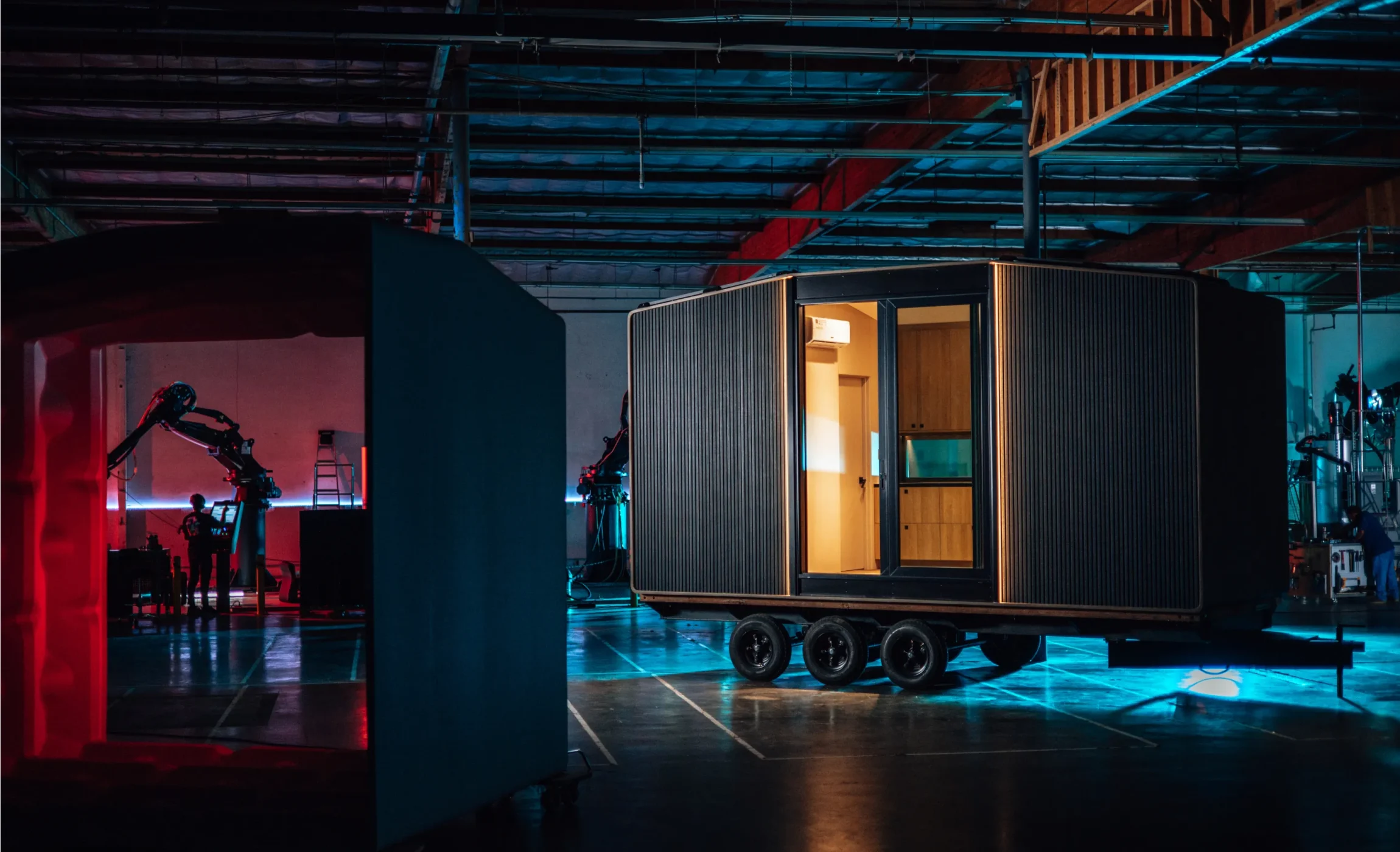
We manufacture our units in Los Angeles, CA. Backyard studios can usually be delivered within 30-60 days depending on location, while ADUs and homes usually take around 90-120 days. More than 60% of our print material comes from recycled plastic, which supports our approach to durable prefab spaces with less waste.
Faster delivery does not automatically make a project profitable. But when the site is ready and the use case is clear, a shorter path from idea to usable space can make the investment easier to plan.
Matching the Unit to the Investment Goal
Different tiny homes create value in different ways. This is where buyers should slow down a bit.
Studio Series: Practical Space First
A Studio Series unit is usually not about full-time living. It is about adding a useful separate room. That makes it a better match for homeowners who need space for work, hobbies, guests, or privacy without creating a full second home.
This can be a good investment when the main goal is avoiding a larger renovation or making the property more functional. It may be less suitable when the buyer expects rental income, a bathroom, a kitchen, or full residential use.
X Series Homes on Wheels: Flexibility With More Planning
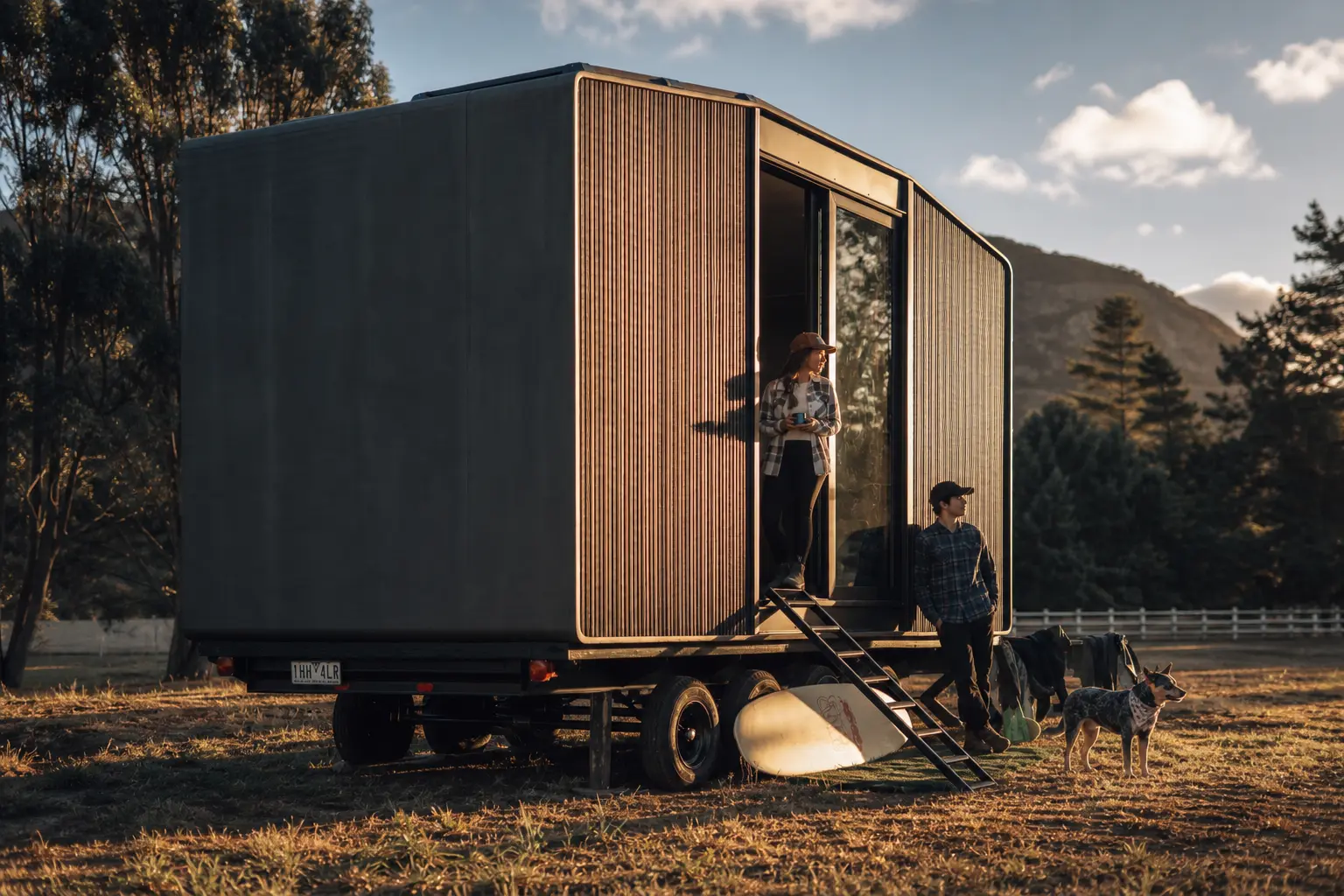
Homes on wheels can be appealing because they offer more flexibility. Our X Series includes chassis-based models from 180 to 360 sq ft, with kitchen and bathroom layouts and sleeping options depending on the model.
This type of investment can make sense for park-style placement, flexible living, or rental use where local rules allow it. The important part is placement. A home on wheels can be well built and still become a poor investment if there is no legal or practical place to use it.
Homes & ADUs: Stronger Residential Potential
Homes & ADUs are usually the strongest category when the goal is long-term residential use, family housing, or rental potential where allowed. They cost more, but they also do more.
This category includes larger layouts from 360 to 900 sq ft. These units need more planning around permits, utilities, foundation, drainage, access, and inspections. For buyers who want a more permanent small-home investment, that extra planning is part of the project, not an optional detail.
What Can Hurt the Investment
Tiny homes can be a poor investment when buyers only look at the unit and ignore the property around it.
The biggest risk areas are usually:
- Local rules that do not allow the intended use
- A site that is difficult or expensive to prepare
- Utility connections that cost more than expected
- A model that is too small for the real use case
- Parking, drainage, access, or foundation issues
- Rental assumptions that are not backed by local demand
- A budget based only on the starting price
- Over-customization that makes resale harder later
A tiny home is still a real structure. Smaller size can make some things easier, but it does not remove the need for planning.
Utilities, Permits, And Site Work Change the Math
This is where many investment plans become more realistic.
A small studio may only need electrical service. A larger unit with a kitchen and bathroom needs more. We design units larger than 120 sq ft with electricity, water, and sewer connections. Units under 120 sq ft are wired for electrical only. Plumbing and electrical work is completed inside the unit before delivery, with exterior connections prepared for site hookup.
That difference affects cost, timeline, and use. A lower-cost studio may be perfect for workspace, but it should not be forced into a role that needs plumbing and residential systems. A larger ADU-style unit may cost more, but it can support a stronger housing or rental use case where allowed.
Permits also matter. Units over 120 sq ft generally require a building permit with the local authority, and the property owner still needs to account for foundation, grading, drainage, and utility permits on the site.
A Simple Investment Check Before Buying
Before calling a tiny home a good investment, it helps to test the idea from a few angles.
Ask these questions early:
- Use case: Will this be a workspace, guest space, rental unit, home on wheels, or ADU?
- Legal fit: Does the property allow that type of unit and use?
- Total budget: Have delivery, site work, utilities, permits, and options been included?
- Demand: Is there a real need for this space, either personally or in the rental market?
- Timeline: Does the delivery and site preparation schedule support the goal?
- Exit plan: If plans change, can the unit be reused, resold, moved, or adapted?
The more clearly those questions are answered, the easier it is to judge whether the investment makes sense.
When Tiny Homes Are Usually Worth Considering
A tiny home is more likely to be a strong investment when the buyer already has a specific use in mind and the site can support it.
It may be worth considering when:
- The property has usable space and local rules support the project
- The buyer needs extra room but does not want a full renovation
- A rental use is allowed and there is realistic demand
- Family housing or guest space would solve a real problem
- The unit type matches the utility needs
- Site preparation is manageable
- The budget includes more than the model price
This is where tiny homes can do their best work. They are not magic, but they can be very practical when the project is grounded.
When to Be More Careful
A tiny home may not be a good investment when the plan depends on too many assumptions.
Be more careful if the property rules are unclear, the site is hard to access, utility costs are unknown, rental use has not been verified, or the buyer is choosing the smallest model even though the use case needs more space.
It is also worth being careful when the investment plan depends only on resale appreciation. Tiny homes can hold value, lose value, or add value to a larger property depending on the unit type, land, condition, permits, and local demand. A better plan looks at practical use first, then financial upside second.
Conclusion
Tiny homes can be a good investment when the space has a clear purpose, the property can support it, and the numbers are based on the full project rather than the starting price alone.
A backyard studio may pay off through daily usefulness. A home on wheels may create value through flexibility where placement is allowed. A larger ADU-style unit may offer stronger residential or rental potential, but it also needs more planning and a larger budget.
For us, the strongest tiny home projects are the ones where the structure, site, utilities, and use case all line up. The best investment is not simply the cheapest unit. It is the one that works on the land, follows local rules, and keeps making sense after the excitement of buying it has passed.