Tiny homes do not come with one simple expiration date. A well-built tiny home can be a long-term structure, but its real lifespan depends on the same practical things that affect any home: materials, weather exposure, foundation, moisture control, utility work, maintenance, and how the space is used.
A tiny home that sits on a poorly prepared site can age faster than it should. A compact unit that is placed correctly, protected from water problems, and maintained over time has a much better chance of staying comfortable and useful for years.
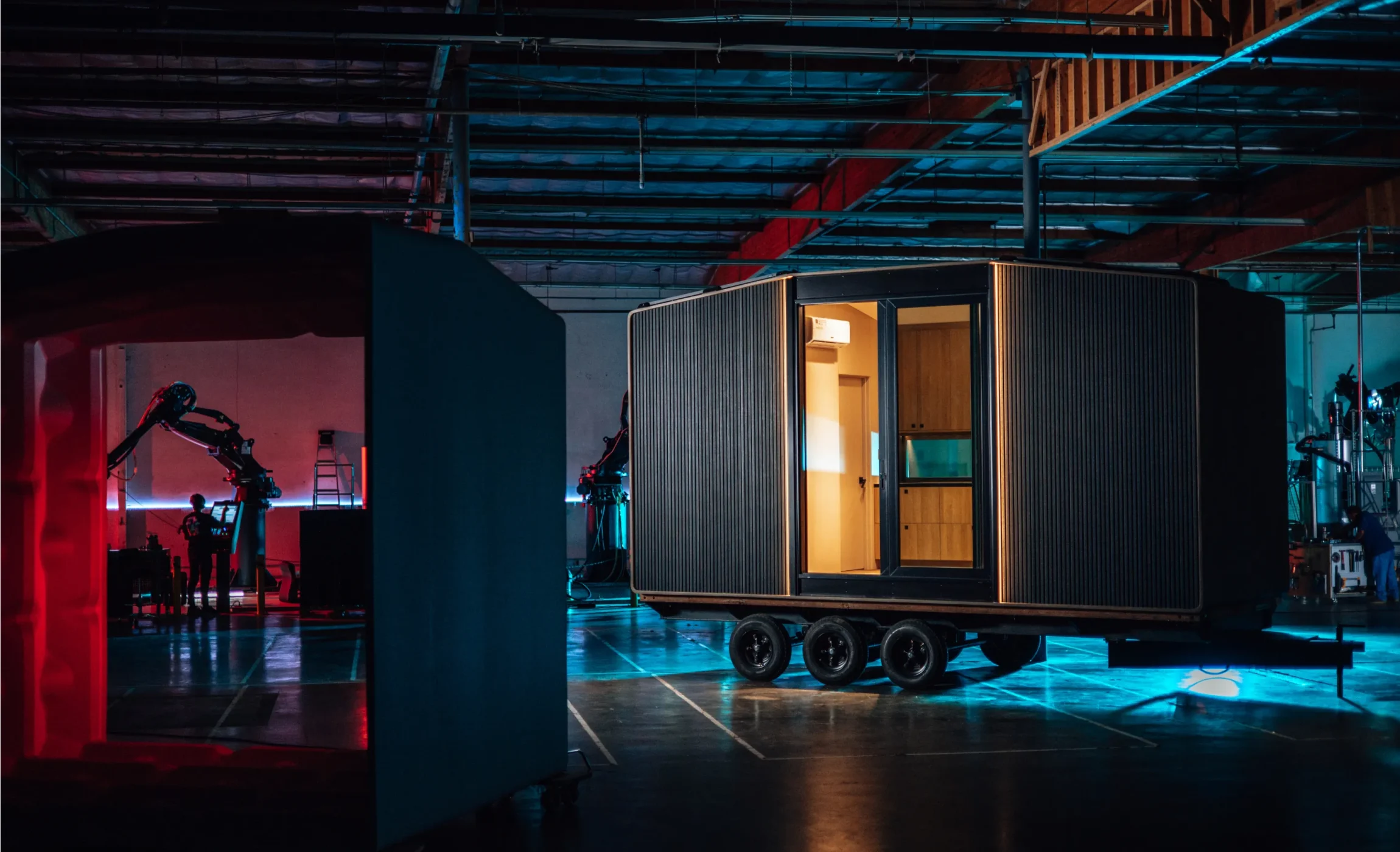
For us at Azure Printed Homes, durability starts before the unit ever reaches the property. We build 3D-printed prefab spaces, including Studio Series backyard units, Homes on Wheels, and Homes & ADUs, and our units are manufactured in Los Angeles, CA. More than 60% of our print material comes from recycled plastic, and our structures are designed for long-term wear, extreme temperatures, seismic activity, water resistance, insulation, and pest resistance.
Lifespan Depends on More Than Size
It is easy to assume that a smaller home should be simpler to maintain. Sometimes that is true. A small studio has less surface area, fewer rooms, and fewer systems than a larger residential unit. But size is only one part of the story.
A 100 sq ft backyard studio and a 360 sq ft home on wheels will age differently because they are used differently. One may function mostly as a workroom or quiet retreat. The other may include a kitchen, bathroom, sleeping space, and more daily wear. A 900 sq ft ADU-style unit brings even more residential use, more utility connections, and more site requirements.
So when people ask how long tiny homes last, the better question is: what kind of tiny home is it, where is it going, and how will it be maintained?
Warranty Is Not the Same as Lifespan
A warranty gives buyers a defined protection period, but it does not mean the structure stops being useful after that period ends. It is more like a formal promise around defects and reasonable service under normal residential use.
We provide a 10-year warranty to the original purchaser for Backyard Studios and ADUs against defects in material and workmanship, with repair or replacement of components that do not provide reasonable service under normal residential use during that period.
That matters, but it should be understood correctly. A 10-year warranty is not the full expected life of a tiny home. Long-term performance still depends on site conditions, upkeep, weather exposure, and whether the unit is used in a way that matches its design.
What Makes a Tiny Home Last Longer
A tiny home holds up better when the structure, site, and maintenance plan all work together. The unit itself matters, but the land around it matters just as much.
The biggest durability factors are usually:
- Good materials and a strong exterior shell
- Proper foundation or support
- Water drainage away from the structure
- Correct utility connections
- Regular exterior checks
- HVAC care
- Sensible use for the size and layout
- Local conditions such as wind, snow, heat, and moisture
A tiny home does not need to be complicated to last, but it does need to be respected as a real structure. The smaller footprint does not remove the need for good placement and basic care.
Materials, Weather, And Exterior Protection
The exterior is the first line of defense. It deals with sun, rain, wind, temperature changes, dust, and general outdoor exposure. Over time, even durable materials need some attention.
Our printed shell is coated with an external UV protection layer. We recommend recoating that layer every 15 years to protect the shell, and the coating carries a 15-year UV and color warranty.
That is a useful maintenance marker. It gives owners something concrete to plan around instead of waiting until the exterior looks tired. A tiny home that receives regular exterior care will usually have a better long-term outlook than one that is ignored for years.
Site Prep Can Add Years or Take Them Away
A strong tiny home still needs a good place to sit. Poor drainage, soft soil, shifting support, or trapped water underneath the unit can create problems that have nothing to do with the factory build.
For our units, a slab is not always necessary, but a perimeter concrete or CMU foundation is advisable. We also advise that each unit be bolted down to a foundation with hold-down bolts, similar to traditional structures. Standard foundation details can work for a flat lot with good, compacted soil, while more specific foundation designs may be needed for sites that do not meet those conditions.
This is not the most exciting part of buying a tiny home, but it is one of the most important. A properly supported unit has a better chance of staying level, sealed, and comfortable over time.
Moisture Is One of the Biggest Enemies
Water is usually one of the main things that shortens the life of any small structure. It can come from poor drainage, bad grading, roof runoff, plumbing issues, condensation, or water collecting under the unit.
This is especially important for homes on wheels and park model-style setups. The site should be graded and sloped for storm drainage runoff, the area beneath the unit should be graded to prevent water accumulation, and soil conditions matter. Pier footings need firm undisturbed soil or soil compacted to the proper density.
In plain terms, a tiny home should not be placed where water wants to sit. Good drainage is not a small detail. It is part of the home’s long-term health.
Utilities Also Affect Longevity
The more residential the unit becomes, the more utilities matter. A studio with electrical service only is different from a unit with plumbing, water, sewer, kitchen, bathroom, HVAC, and daily use.
We design units larger than 120 sq ft with electricity, water, and sewer connections. Units under 120 sq ft are wired for electrical only. Plumbing and electrical work is completed inside the unit before delivery, with exterior connections prepared for site hookup.
Good utility work protects the home. Poor hookups can create avoidable problems later, especially around moisture, electrical reliability, and service access. For larger ADU-style units, utility planning should be treated as part of the durability plan, not just a final installation step.
How Different Tiny Home Types Age
Not every tiny home lives the same kind of life. That is why lifespan should be considered by product type, not just square footage.
Studio Series
Our Studio Series units are compact 100-120 sq ft backyard spaces. The N_100 is 100 sq ft, while the D_120 and A_120 are 120 sq ft models. These spaces are usually used as offices, creative rooms, hobby rooms, guest-style spaces, or flexible extra rooms.
Because they are smaller and simpler, they usually have fewer residential systems to maintain. That can make upkeep more straightforward. Still, they need proper placement, electrical planning, exterior care, and drainage like any other structure.
Homes on Wheels
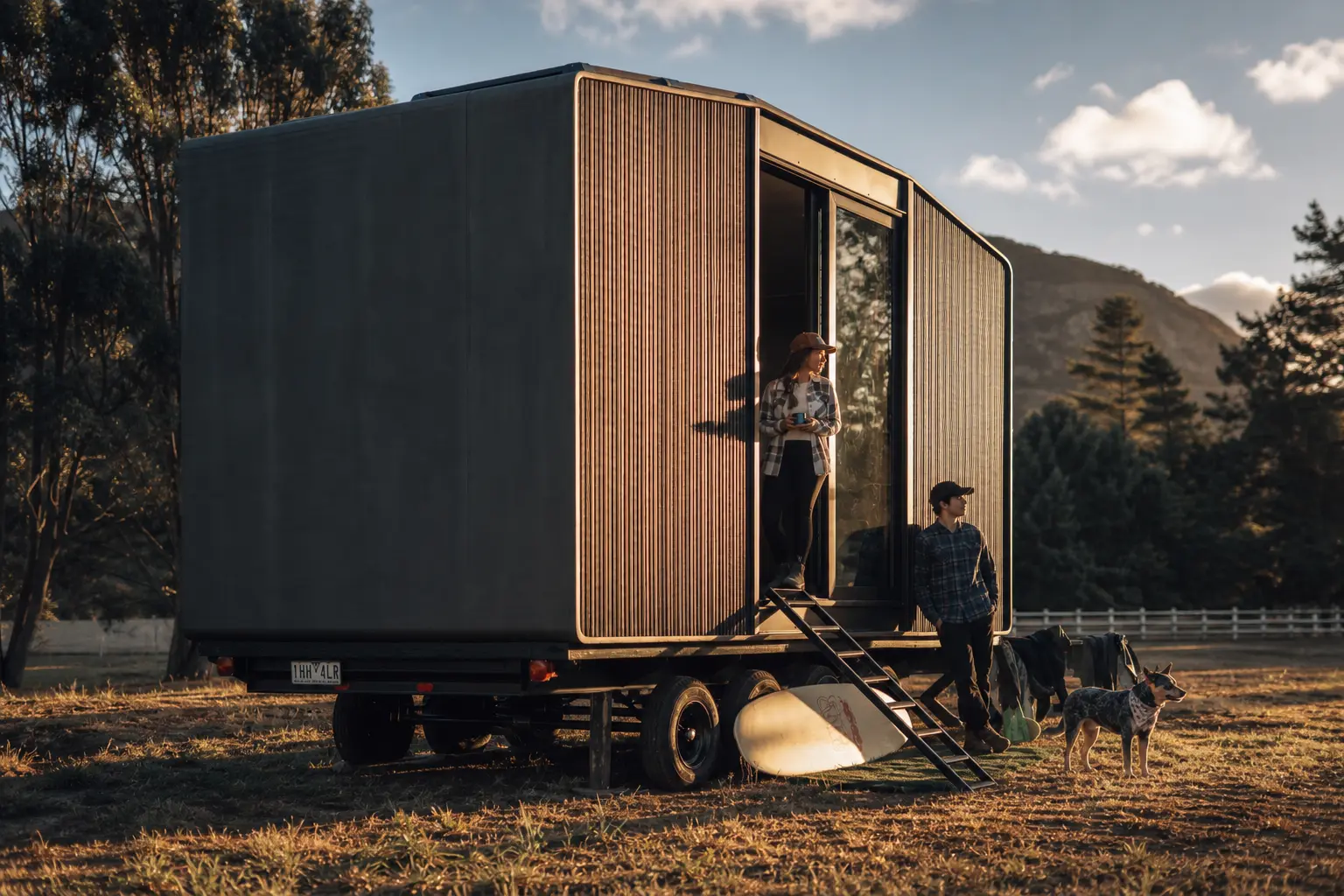
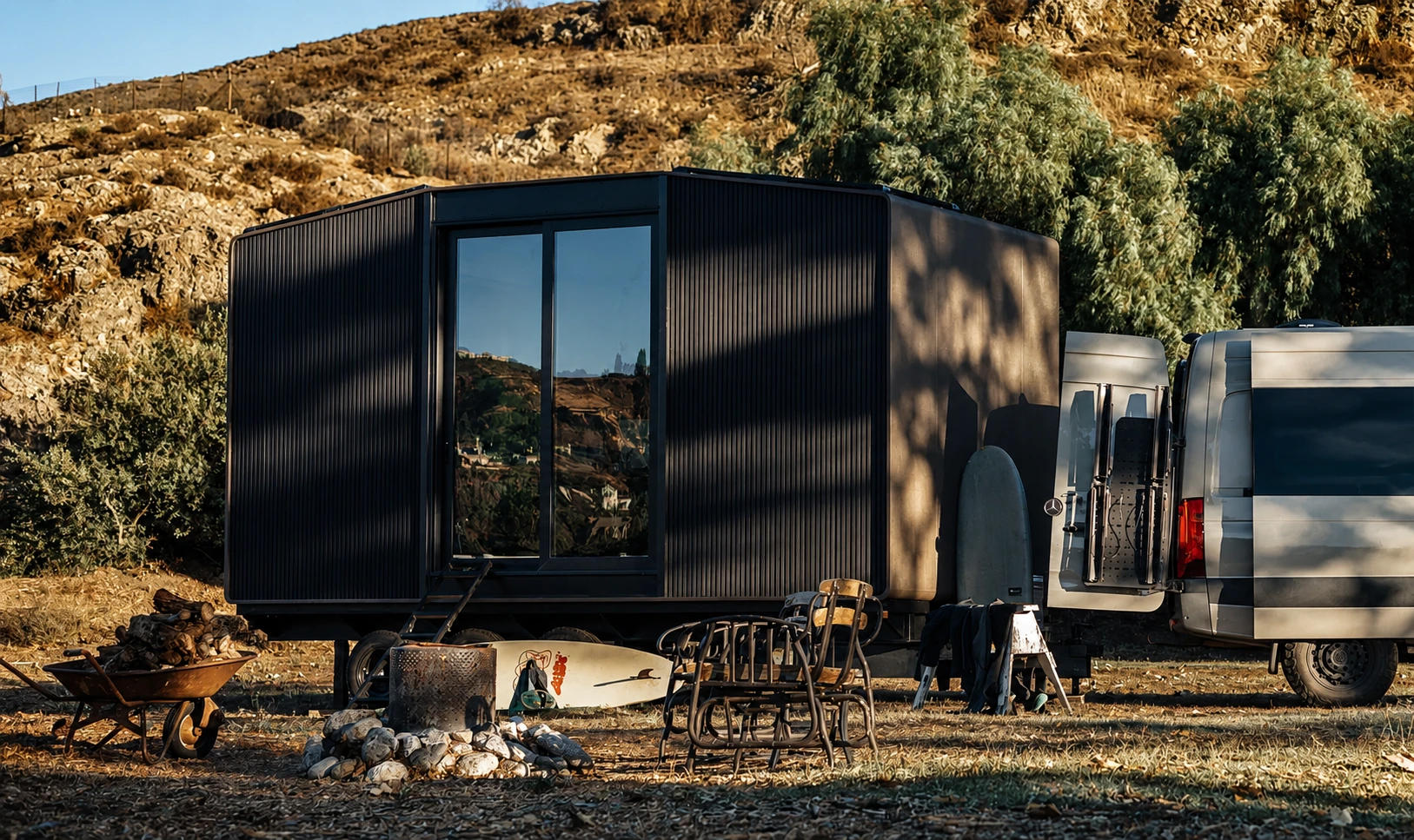
Homes on Wheels work harder in a different way. They are chassis-based, and our X Series ranges from 180 to 360 sq ft. These units can include kitchen and bathroom layouts, and larger models add dedicated bedroom space.
Because they are more complete living spaces, they need more attention to utilities, site setup, and movement. Moving a unit can be useful, but each placement should still be planned carefully. The ground, drainage, support, access, and allowed use all affect how well the unit performs over time.
Homes & ADUs
Homes & ADUs are larger and more residential. Our current ADU and small-home layouts range from 360 sq ft up to 900 sq ft, and these projects usually involve more site planning, permits, utilities, and foundation work.
These units may offer the strongest long-term use case when the goal is family housing, guest space, rental potential where allowed, or a more permanent backyard living setup. But because they are more like compact homes, they should also be maintained like homes. That means paying attention to HVAC, plumbing, exterior coating, drainage, and site conditions.
A Simple Maintenance Rhythm
Tiny home maintenance does not have to feel overwhelming. It works best when owners treat it as a routine rather than a repair emergency.
A practical rhythm looks something like this:
- After installation: Check that drainage, foundation support, utility hookups, and access around the unit are working as planned.
- Seasonally: Look at exterior surfaces, doors, windows, seals, runoff paths, and any signs of standing water.
- Yearly: Review HVAC performance, plumbing areas where applicable, electrical access points, and exterior condition.
- Around 15 years: Plan to recoat the external UV protection layer to help protect the printed shell.
The exact schedule can vary by climate and use. A unit in a dry, mild area may age differently from one in a snowy, windy, coastal, or high-heat location.
What Can Shorten a Tiny Home’s Life
Most tiny home problems do not come from the size of the home. They come from poor planning, harsh conditions, or skipped maintenance.
A tiny home may wear faster when:
- The site does not drain properly
- The unit is not supported correctly
- Local weather conditions are ignored
- Plumbing or electrical hookups are poorly done
- Exterior coating maintenance is skipped
- The unit is used beyond what the layout supports
- Repairs are delayed until small issues become larger ones
This is why a cheap or rushed setup can become expensive later. A durable tiny home still needs a durable plan around it.
Durability Is Also About Daily Use
A tiny home used once in a while as a backyard office will age differently from one used every day as a living space. More people, more cooking, more bathing, more heating and cooling, and more foot traffic all increase wear.
That does not make tiny homes fragile. It just means the use case should match the model. A small studio should not be expected to do the job of a full ADU. A home on wheels should be placed where it can be supported properly. A larger ADU-style unit should be planned with residential use in mind.
When the unit matches the use, maintenance becomes more predictable.
Final Thoughts on Tiny Home Lifespan
Tiny homes can last a long time when they are built well, placed properly, and maintained with some common sense. The structure matters, but so do the foundation, drainage, utility work, weather exposure, and upkeep.
For our 3D-printed prefab units, long-term performance is part of the design conversation from the start. We use a recycled plastic-based print material, designed for long-term wear and weather exposure, provide a 10-year warranty for Backyard Studios and ADUs, and recommend exterior UV recoating every 15 years.
The best way to think about lifespan is not to ask for one fixed number. Ask whether the tiny home is built for the right use, installed on the right site, and cared for over time. That is what gives a small structure the best chance to stay useful, comfortable, and worth keeping.