Student housing is not limited to traditional dormitories. Today, students can choose from on-campus residences, private apartments, shared houses, purpose-built student accommodation, and other housing arrangements depending on their needs, budget, and location.
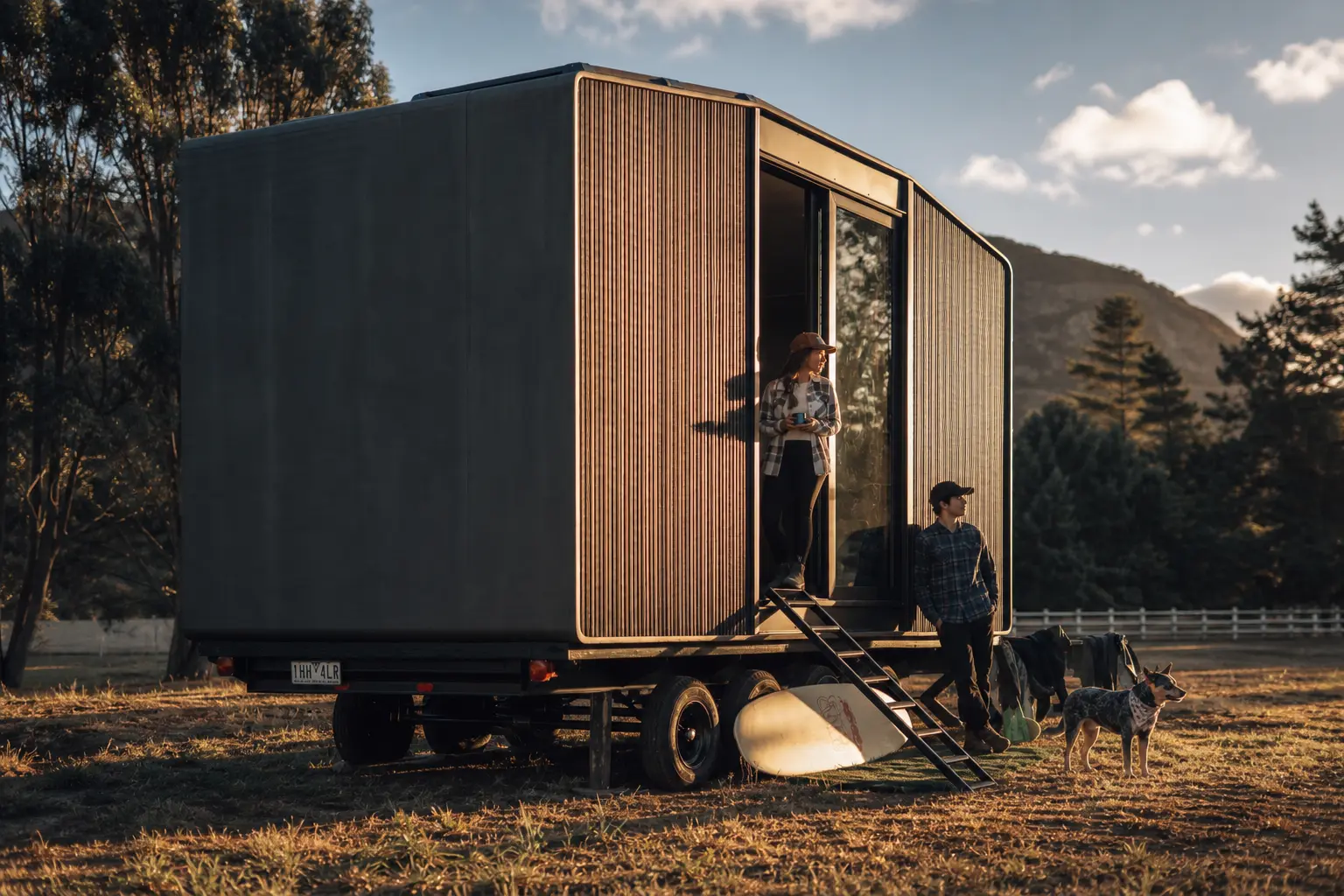
As demand for student accommodation continues to grow in many cities, universities, developers, and communities are also looking for faster ways to expand housing capacity. At Azure Printed Homes, we build modular living spaces that can support projects ranging from individual studios and ADUs to larger multifamily developments, giving organizations more flexibility when planning new student housing. Factory-based construction and customizable layouts make it possible to create spaces designed for different living arrangements without following a one-size-fits-all approach.
This guide explains what student housing is, how it works, the different housing options available, and what students and housing providers should consider before choosing a solution.
What Student Housing Means in Plain English
Student housing refers to residential accommodation intended primarily for people enrolled in colleges, universities, or other educational institutions. Some housing is owned and managed by the school itself, while other options are privately operated or rented through individual landlords.
Although every property is different, student housing is generally designed to support everyday student life by providing convenient access to campus, study space, and residential amenities.
Housing arrangements vary widely depending on:
- Whether the property is on or off campus
- Length of stay
- Budget
- Privacy preferences
- Number of roommates
- Available services and amenities
Some students stay in the same accommodation throughout their studies, while others move between different housing options as their needs change.
How Student Housing Works
The process of finding student housing depends on the type of accommodation being considered. Students living on campus typically apply through their university’s housing office. Schools may ask about roommate preferences, lifestyle habits, or housing priorities before assigning rooms.
Private student housing usually follows a more traditional rental process. Applicants may be asked to provide:
- Identification
- Proof of enrollment
- Income information
- A guarantor or co-signer if required
- Rental application forms
After approval, tenants usually sign a lease outlining rent, payment schedules, occupancy rules, and property policies. Some housing providers also establish community guidelines covering quiet hours, guest policies, and shared-space expectations.
Common Types of Student Housing
Students have several housing choices, each offering different levels of independence, responsibility, and flexibility.
On-Campus Housing
On-campus housing is owned or managed by a college or university and is usually located within or close to campus grounds. Many first-year students choose this option because it provides convenient access to classes, libraries, dining facilities, and student services. Universities often include utilities and certain amenities in the housing cost, while lease periods may follow the academic calendar.
Depending on the institution, students may live in traditional residence halls, shared dormitories, or apartment-style buildings.
Off-Campus Housing
Off-campus housing includes apartments, houses, and shared rentals located outside university property. These options usually provide greater independence and more choices regarding location, roommates, and living arrangements. Students are generally responsible for managing rent payments, utilities, internet service, and household responsibilities.
Lease terms vary by property, with some landlords offering shorter rental periods while others require longer commitments.
Student Apartments
Student apartments combine some of the independence of private rentals with features designed for students. These properties may include:
- Furnished units
- Shared common areas
- Study lounges
- Laundry facilities
- Community events
- Flexible lease options in some cases
Some student apartments are located near campus, while others are part of larger residential neighborhoods.
Shared Housing
Many students reduce housing costs by renting a home or apartment with roommates. Sharing housing can lower monthly expenses while providing additional living space. However, it also requires cooperation when dividing rent, utilities, cleaning responsibilities, and household rules.
Cooperative Housing
Cooperative housing allows residents to participate in managing the property together. Students may share responsibilities such as cleaning, maintenance, or organizing community activities. While every cooperative operates differently, these arrangements often emphasize collaboration and shared decision-making.
Modular Construction in Student Housing Projects
As colleges and universities grow, nearby housing does not always keep pace. Students may have fewer suitable options, while campuses, local governments, developers, and private organizations face pressure to create more accommodation within limited timeframes and budgets.
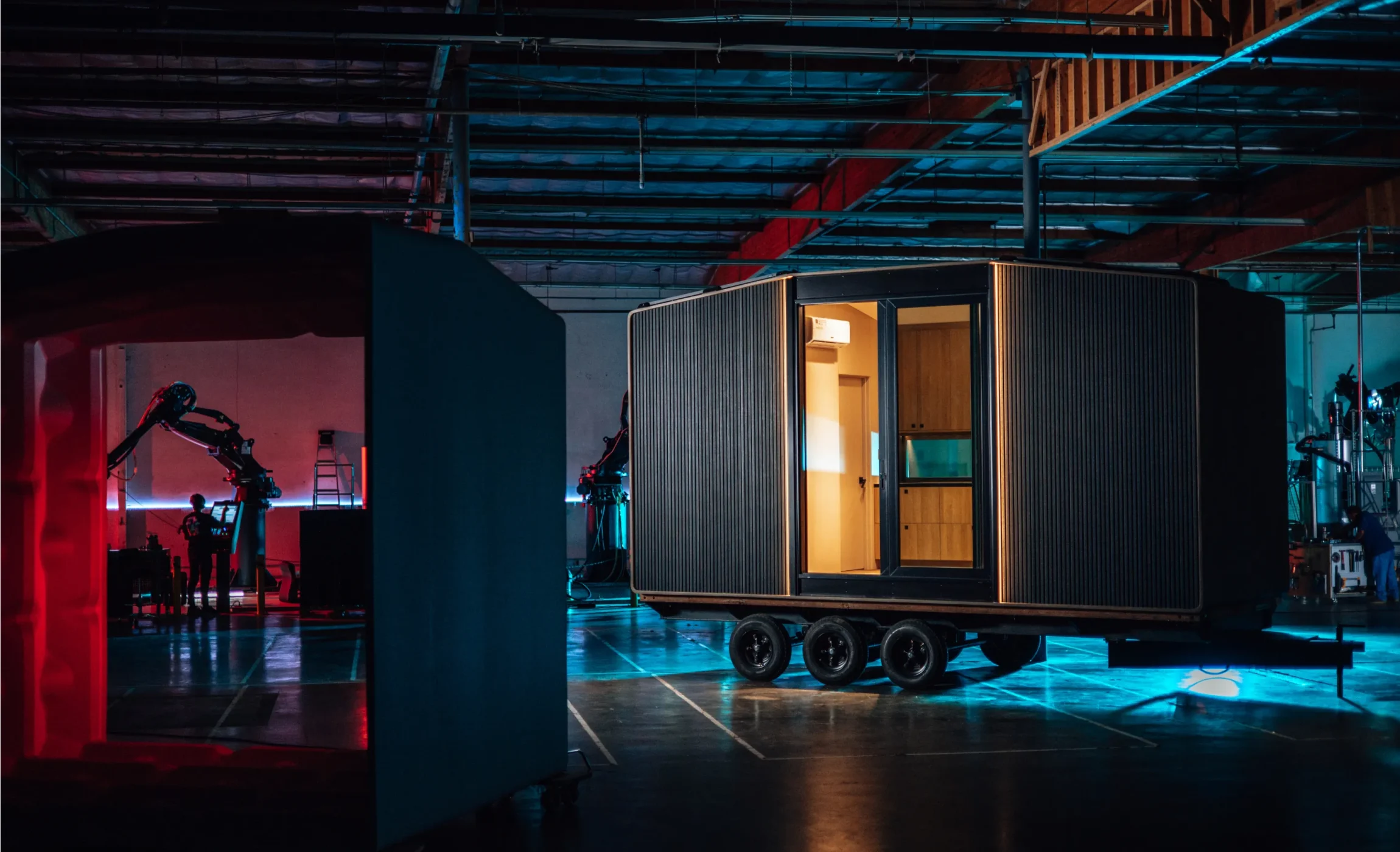
This is where modular construction can become part of a broader housing strategy. Instead of completing every stage on site, much of the building work takes place in a controlled factory environment. Site preparation can continue at the same time, which helps reduce delays and makes the overall schedule easier to manage.
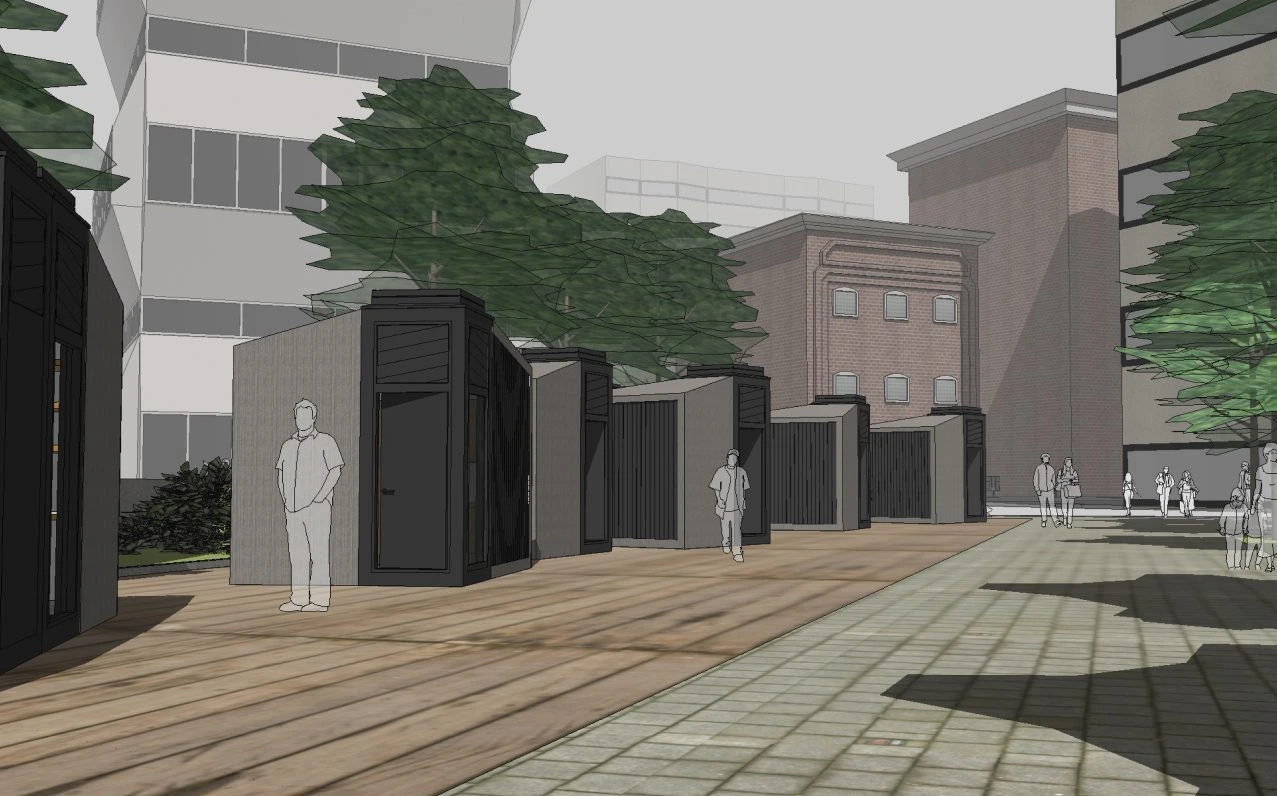
That approach can support more than one type of project. A university may need additional residences, a developer may be planning a student community, a business may require housing near a training center, or a government program may be looking for a faster way to expand local housing capacity.
We manufacture studios, homes, ADUs, and larger residential projects while site work moves forward separately. Electrical, plumbing, mechanical systems, and interior finishes can be completed in the factory before delivery, so less work remains once the units reach the property.
For student housing projects, this creates more flexibility. Smaller units may suit individual accommodation, while larger layouts and custom developments can support shared living, campus expansion, or multi-unit communities. The result is a construction process that can respond to different project goals without treating every housing need in exactly the same way.
Common Modular Buildings for Student Accommodation
Student housing projects vary significantly depending on the number of residents, available land, and long-term goals. Rather than relying on a single building type, different modular solutions can serve different purposes.
Compact Student Studios
Smaller independent units can work well for graduate students, visiting researchers, faculty housing, or individual student accommodation where privacy is important.
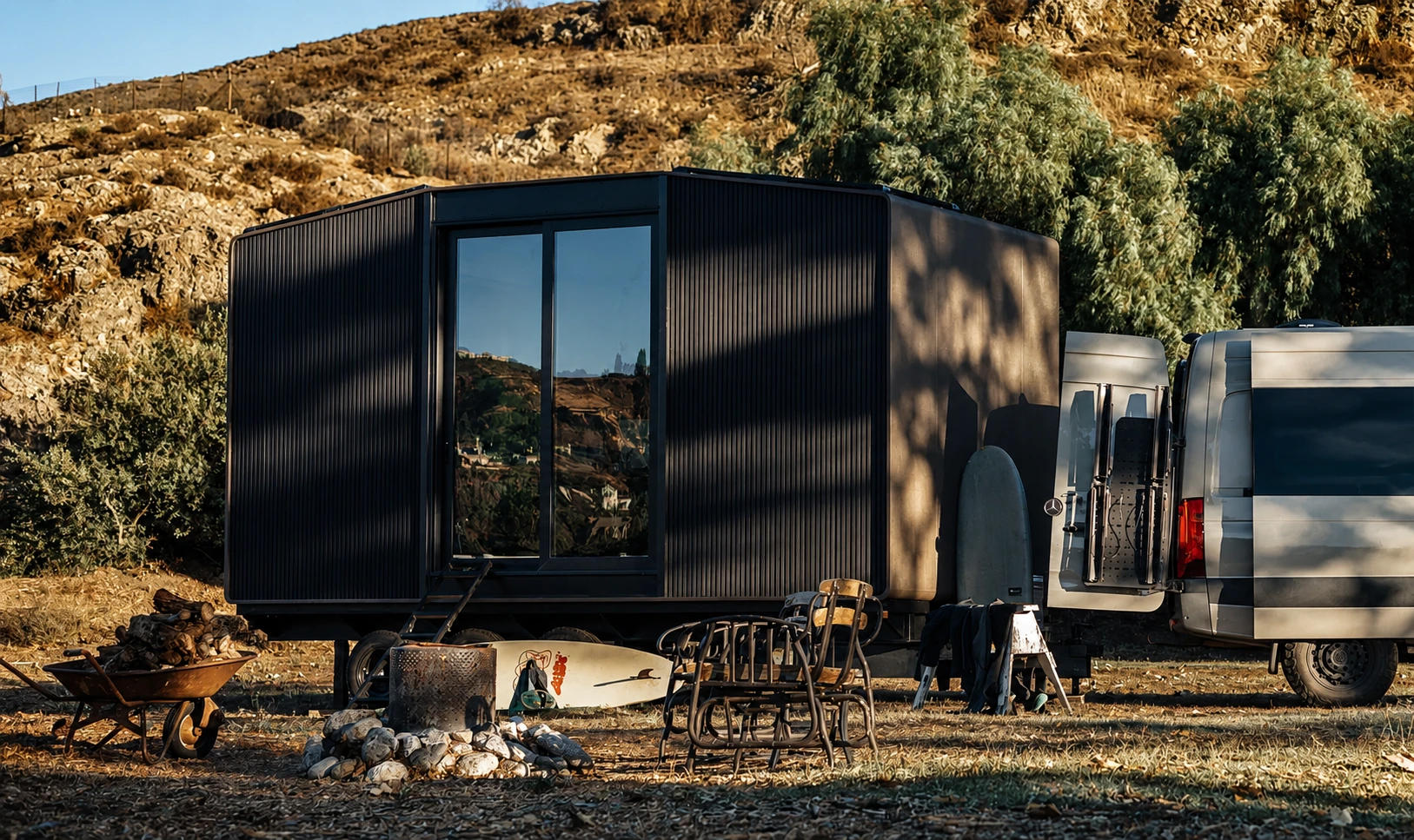
Our studios include several compact models beginning with the 100-square-foot N-100 and extending through larger studio layouts. These spaces can be customized with different finishes and optional upgrades while maintaining the efficiency of factory production.
Depending on local regulations and project requirements, compact studios may also support campus expansion or auxiliary housing developments.
Homes and ADUs
Larger modular homes provide additional living space for students who prefer more traditional residential layouts or shared accommodation. Our homes and ADUs range from the 360 model with one bedroom and one bathroom to the 900 model featuring two bedrooms, one and a half bathrooms, and a full kitchen. The 720 model is available in either a one-bedroom layout or a two-bedroom configuration, giving developers additional flexibility when planning different housing mixes.
These units can support student residences, faculty housing, or university-owned rental communities.
Custom Housing Projects
Some educational institutions require housing that cannot be addressed through standard floor plans alone. Large campuses may need multi-unit developments, specialized layouts, or projects designed for unique site conditions.
We also work on custom modular projects, allowing our architecture, design, and modularization teams to develop solutions for more complex residential developments. Depending on project requirements, layouts, finishes, dimensions, and building features can be tailored while still benefiting from factory-based construction.
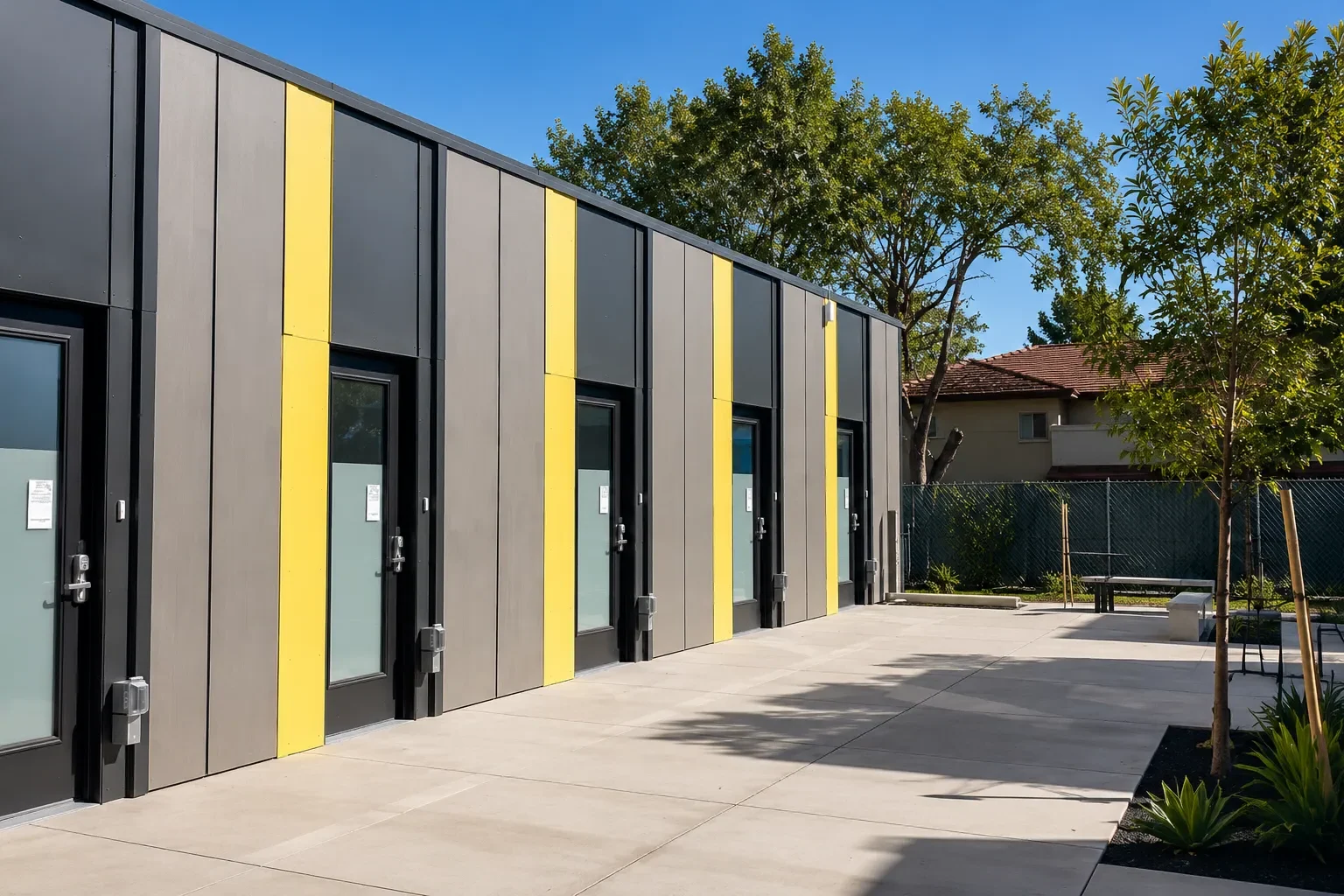
Benefits of Modular Buildings for Student Housing Projects
Modular construction offers several practical advantages for student housing projects. Because much of the work takes place in a factory before the building reaches the site, developers, educational institutions, and public organizations can better coordinate construction schedules, improve quality control, and reduce the amount of on-site work. This approach can be especially valuable when new housing needs to be completed within a limited timeframe or when projects must be delivered in phases.
While the exact benefits depend on the project, modular housing is often chosen because it combines efficient construction with flexible design options that can support different student living arrangements.
We designed our modular building process to support projects of different sizes, from individual student residences to larger housing developments. Some of the advantages our approach offers include:
- A range of housing options: We build compact studios, ADUs, and custom residential projects, allowing different housing types to be used within the same development.
- Factory-completed interiors: Electrical, plumbing, mechanical systems, insulation, and standard interior finishes are completed before delivery, helping reduce the amount of work required after the units arrive on site.
- Customizable layouts and finishes: Depending on the model, layouts, interior finishes, windows, HVAC systems, solar panels, battery storage, and other features can be configured to match project requirements.
- Efficient project coordination: Because manufacturing takes place while site preparation is underway, multiple stages of the project can move forward simultaneously instead of waiting for one another.
- Sustainable construction materials: More than 60% of the material used in our printed structures comes from recycled plastic, giving new purpose to waste materials while supporting our manufacturing process.
- Solutions for projects beyond a single building: In addition to individual homes and studios, we support developers, government agencies, nonprofits, and community organizations planning larger residential and multifamily projects.
This flexibility allows modular construction to support a wide variety of student housing strategies, whether the goal is adding a few independent units near campus or planning a larger residential community that can grow alongside future enrollment.
What to Look for When Choosing Student Housing
Every student has different priorities, but the same basic questions tend to come up whether the accommodation is a traditional apartment, a residence hall, or part of a modular housing development. The building method may affect the layout, finishes, energy performance, and available amenities, but students still need to consider how well the housing supports daily life.
Location
Living close to campus can reduce commuting time and transportation costs. Students should also look at access to grocery stores, public transportation, healthcare, and other everyday services.
For modular student housing projects, location is also important during the planning stage. Compact units and repeatable layouts may help developers use available land more efficiently, but the site still needs suitable access, utility connections, and space for installation.
Total Cost
Monthly rent is only one part of the housing budget. Students may also need to pay for:
- Utilities
- Internet
- Parking
- Transportation
- Security deposits
- Furniture
- Renter’s insurance
Looking at the full monthly cost makes it easier to compare different options. A slightly higher rent may still be reasonable when utilities, furnishings, or internet are included.
Factory-built housing can help project owners plan construction costs more clearly because much of the work is completed in a controlled environment. That does not automatically make every modular unit cheaper to rent, but more predictable development costs may help universities, developers, government programs, and nonprofit organizations plan housing projects with fewer construction variables.
Lease Terms
Some students need housing only during the academic year, while others remain in the area during summer breaks or complete multi-year programs.
Before signing, students should confirm:
- The length of the lease
- Renewal conditions
- Move-in and move-out dates
- Early termination rules
- Subletting policies
Modular construction can support different operating models, from small groups of independent units to larger residential communities. The lease structure, however, still requires attention.
Privacy and Layout
Students should think carefully about how much personal space they need. Available options may include shared bedrooms, private bedrooms within a shared unit, compact studios, or self-contained apartments.
Layout flexibility is one reason modular construction can work for student accommodation. Smaller units may suit students who value privacy, while larger floor plans can support shared kitchens, bathrooms, and living areas. We offer compact studios, homes and ADUs, and custom residential projects that can be configured for different space requirements.
Amenities and Everyday Comfort
Amenities can make student housing more convenient, but they can also increase the monthly cost. Common features include:
- Laundry facilities
- Internet access
- Study areas
- Parking
- Furnished interiors
- Outdoor common spaces
- Fitness or recreation areas
Students should focus on the amenities they will actually use. Reliable heating and cooling, good insulation, natural light, storage, and a practical study area may be more valuable than features that look appealing but add little to daily life.
In modular housing, many interior systems and finishes can be completed before delivery. We install standard electrical, plumbing, mechanical systems, insulation, and interior finishes in the factory for applicable residential models, which reduces the amount of finishing work needed after the units arrive on site.
Conclusion
Student housing works best when it is planned around real daily needs rather than treated as a single standard format. Some students need a quiet private space, while others prefer shared living, stronger community connections, or easier access to campus. Cost, transport, lease flexibility, and the overall quality of the environment all shape that decision.
For the organizations creating new accommodation, the question is broader. They need to consider how quickly housing can be delivered, how well the site can be used, and whether the buildings can adapt as demand changes. Modular construction gives them another way to approach those challenges without relying only on conventional development models.
We see student housing as one of many areas where flexible residential design can make a difference. Our role is to help turn project requirements into practical building solutions, whether that means compact units, shared residential layouts, or a larger custom development planned around the needs of a specific community.
In the end, successful student housing is not defined by the construction method alone. It is defined by whether the space feels safe, functional, comfortable, and suitable for the people who live there.