Buying a home with a VA loan can make homeownership more accessible for eligible veterans, active-duty service members, and certain surviving spouses. But when the conversation turns to factory-built housing, many buyers quickly discover that not every type of home is treated the same.
The terms mobile home and modular home are often used interchangeably, even though they refer to different construction methods and different financing rules. Those differences matter because they can affect loan eligibility, repayment terms, appraisal requirements, and even the number of lenders willing to finance the purchase.
Understanding how VA loans apply to modular and mobile homes helps buyers make informed decisions before choosing a property. It can prevent surprises later in the buying process and make it easier to select a home that fits both personal needs and financing goals.
Understanding the Different Types of Factory-Built Homes
Although modular and mobile homes are all built in factories, they follow different building standards and installation methods.
What Is a Mobile Home?
The term mobile home is technically outdated, but many people still use it when talking about factory-built housing. In a strict sense, a mobile home refers to a factory-built home constructed before June 15, 1976. Homes built after that date are usually called manufactured homes because they must meet federal HUD Code standards.
Still, because “mobile home” remains the more familiar phrase for many buyers, it often appears in loan guides, search terms, and everyday conversations. These homes are built in a factory on a permanent steel chassis and transported to the site largely complete. Depending on how the home is installed and titled, it may be treated as personal property or converted into real property after being placed on a permanent foundation.
What Is a Modular Home?
A modular home is built in factory-produced sections that are transported to the building site and assembled on a permanent foundation. Unlike mobile homes, modular homes follow the same state and local building codes as traditional site-built houses.
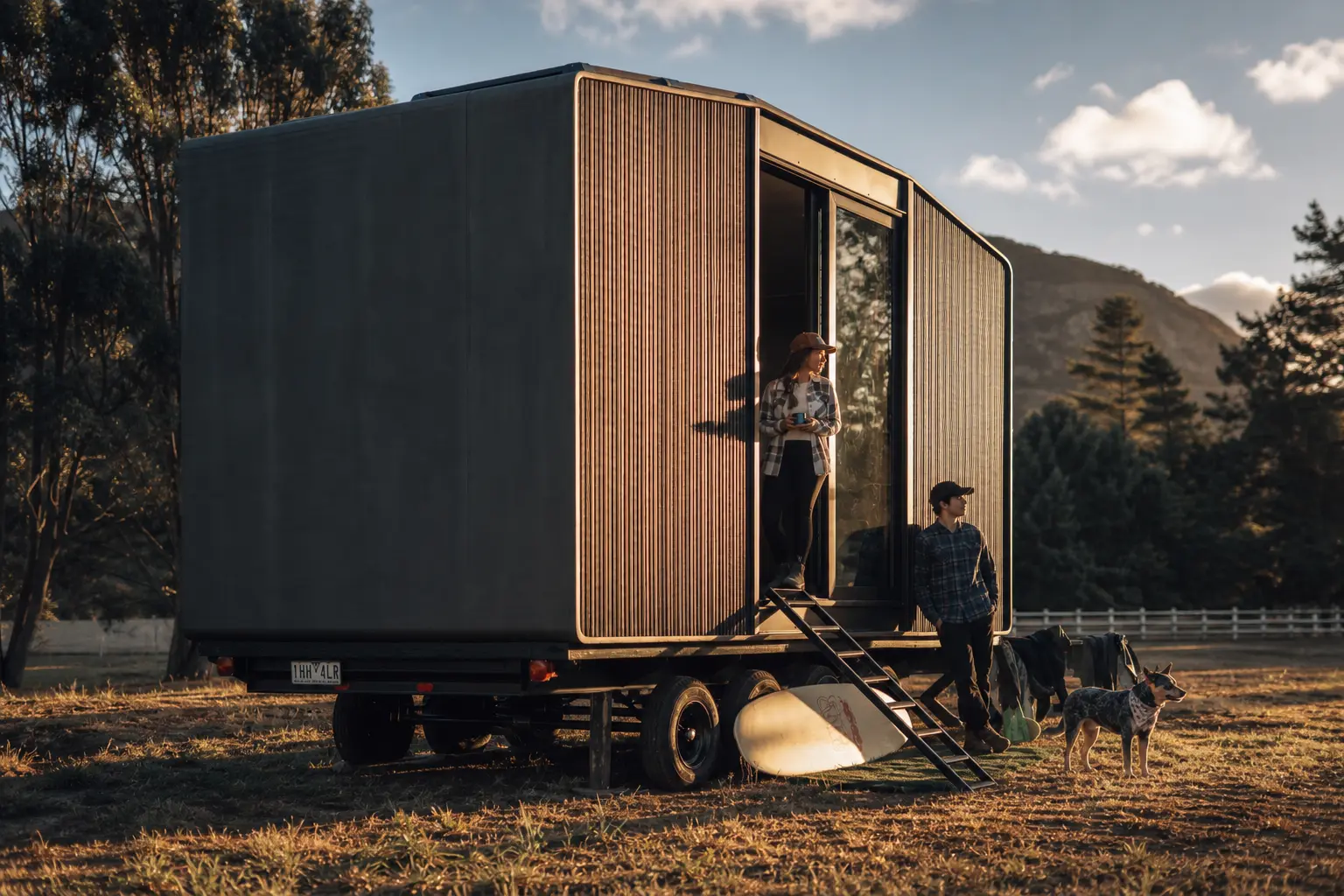
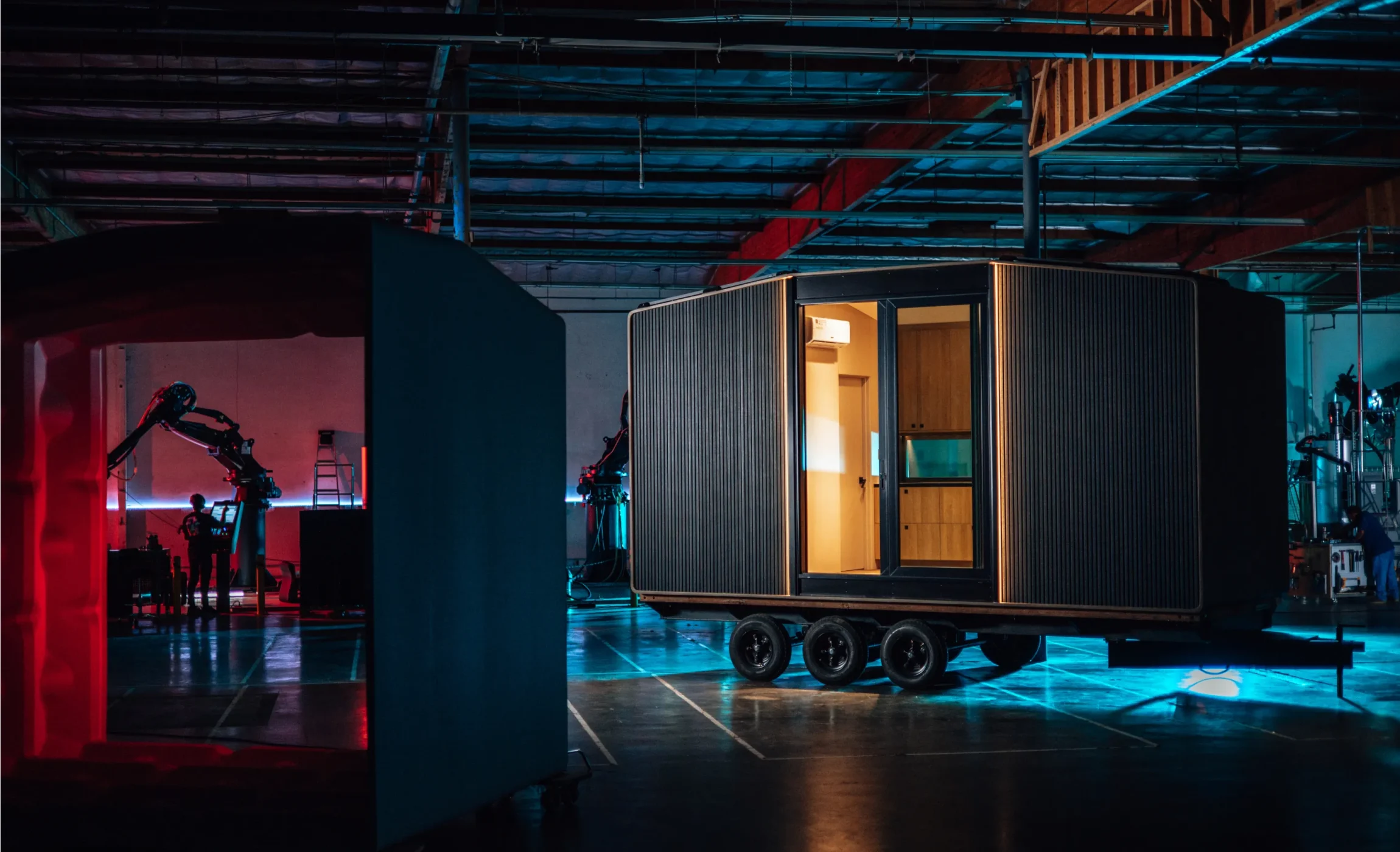
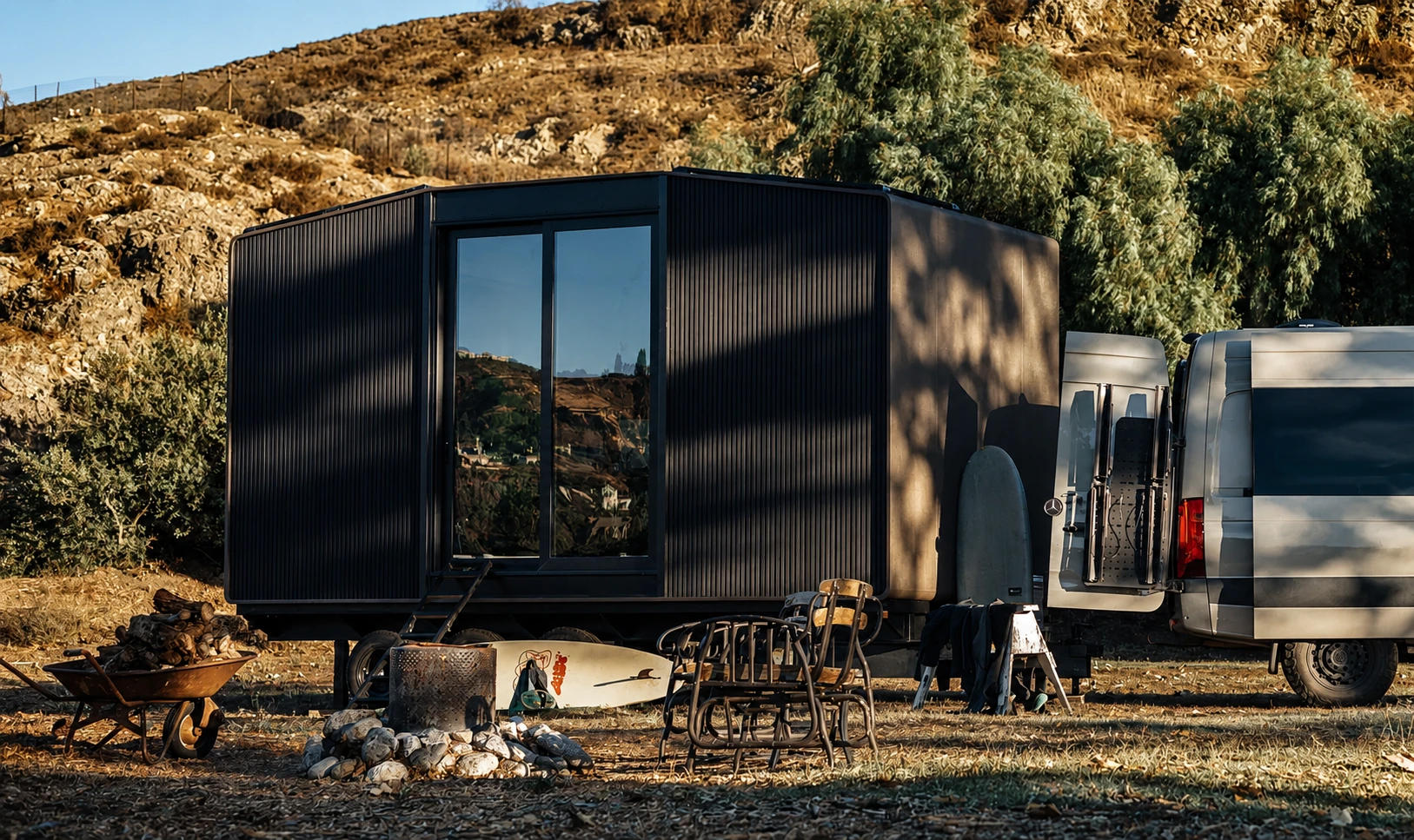
That distinction plays an important role when financing enters the picture. At Azure Printed Homes, we build modular living spaces that combine robotic manufacturing, customizable designs, and energy-efficient construction. Instead of simply moving production into a factory, we use automation and advanced manufacturing to create homes, ADUs, and backyard studios with greater precision while reducing construction waste and shortening overall project timelines.
How VA Loans Work for Factory-Built Homes
VA loans are guaranteed by the U.S. Department of Veterans Affairs but issued by private lenders. The guarantee helps reduce lender risk, allowing qualified borrowers to purchase homes with competitive financing terms. However, eligibility depends not only on the borrower but also on the property itself.
The VA wants to ensure financed homes are safe, durable, and intended as permanent residences. Because different factory-built homes are constructed under different standards, loan requirements vary accordingly.
VA Loans for Manufactured Homes
VA loans can be used for manufactured homes built on or after June 15, 1976, but additional requirements apply compared to conventional single-family or modular homes. Homes built before that date, sometimes still called ‘mobile homes,’ are not eligible for VA financing under any circumstances.
Generally, the home must:
- Be permanently attached to a foundation
- Be classified as real property rather than personal property
- Meet VA Minimum Property Requirements (MPRs)
- Comply with HUD Code construction standards, as well as applicable local zoning, installation, permitting, and site requirements
- Pass a VA appraisal before closing
If the manufactured home has not yet been installed, buyers typically need to provide information showing how the home will be permanently placed on the property.
In many cases, veterans may finance the manufactured home alone if they already own suitable land, both the home and the land together, or refinance an existing eligible manufactured home.
VA Loans for Modular Homes
Modular homes are generally viewed differently than manufactured housing because they are built to the same residential building codes as comparable site-built homes.
Once installed on a permanent foundation, modular homes are typically treated as conventional real estate rather than personal property. That often makes financing more straightforward.
Lenders may view modular homes similarly to traditional houses because they meet local building codes, receive standard inspections, and become part of the real property. For buyers using VA financing, this can simplify both underwriting and long-term ownership.
Comparing VA Loans for Modular vs. Manufactured Homes
The main difference comes down to how the home is built, classified, and installed. VA loans focus heavily on whether the property is safe, permanent, and legally treated as real estate. That can make modular homes and manufactured homes look very different during financing.
| Feature | Modular Home | Manufactured Home |
| Built to | State and local building codes | HUD Code |
| Construction | Factory-built sections | Factory-built on permanent chassis |
| Foundation | Permanent foundation | Permanent foundation required for VA financing |
| Property Classification | Real property | Must become real property for VA financing |
| Financing Availability | Generally broader | Often more limited |
| Typical Loan Terms | Similar to conventional homes | Shorter maximum VA terms |
| Lender Participation | Generally higher | Often more limited |
Why Manufactured Home Financing Can Be More Challenging
Many buyers assume a VA loan works the same way regardless of the type of home they choose. In reality, manufactured housing often presents additional challenges.
Historically, lenders have viewed manufactured homes as carrying greater lending risk. Some homes depreciate over time instead of appreciating like traditional real estate, and lender participation in this segment remains relatively limited.
As a result, buyers may encounter:
- Fewer participating lenders
- Stricter underwriting
- Additional documentation
- Longer approval timelines
- Fewer financing options overall
That does not mean financing is impossible. It simply means buyers should begin conversations with lenders early in the process.
VA Loan Terms for Manufactured Homes
One of the biggest differences involves repayment periods. Traditional VA mortgages commonly extend up to 30 years. Manufactured homes typically have shorter maximum loan terms.
Current maximum terms generally include:
| Property Type | Maximum Loan Term |
| Single-wide manufactured home | 20 years and 32 days |
| Double-wide manufactured home | 23 years and 32 days |
| Double-wide with land | 25 years and 32 days |
These shorter repayment periods can affect monthly payments and overall affordability.
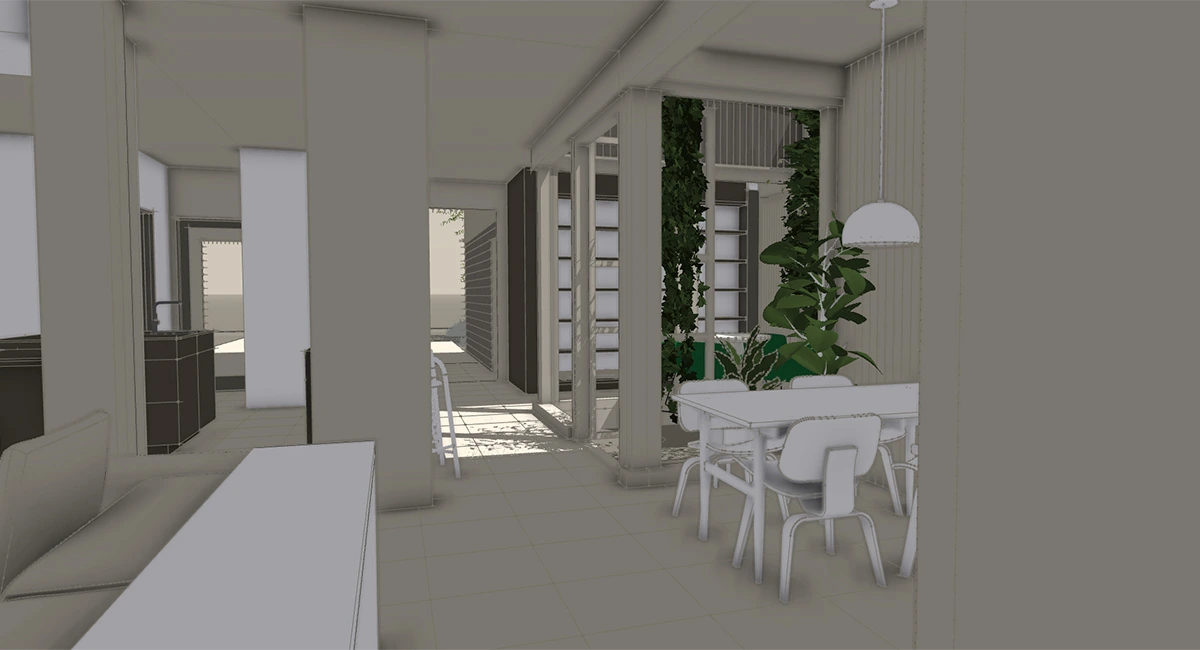
Why Modular Homes Can Work Better for VA Loans
Many buyers compare modular and manufactured homes because they want something more permanent, but they still want a building process that feels manageable. Modular construction does not remove planning, permits, or site work, but it can make the overall path feel less scattered.
Faster Project Timelines
One reason modular homes stand out is that the home and the site can move forward at the same time. While the property is being prepared, the home can be built in a controlled factory setting.
That is where we focus a lot of our process. By using robotic manufacturing, we can complete much of the structure before the unit arrives on-site. The buyer still needs to plan for foundation work, utility connections, inspections, and local approvals, but less of the actual build is left exposed to weather or jobsite delays.
For many people, that difference matters. It can make the project easier to understand, easier to schedule, and less dependent on perfect site conditions.
Consistent Quality
Traditional jobsite construction can be affected by weather, moisture, delivery timing, and changing site conditions. Modular homes reduce some of that uncertainty because much of the work happens indoors.
We use that controlled environment to build with greater consistency, including insulated assemblies, recycled materials, and factory-installed systems where the model allows. After delivery, the final on-site work is more focused: placement, connection, inspection, and finishing details.
That does not mean every modular home is the same. It means the process gives buyers a more predictable starting point before the home reaches the property.
Flexible Living Options
Modular construction has moved far beyond one-size-fits-all housing. A buyer might be looking for:
- A backyard studio
- An ADU for family
- A rental unit
- A guest space
- A compact primary home
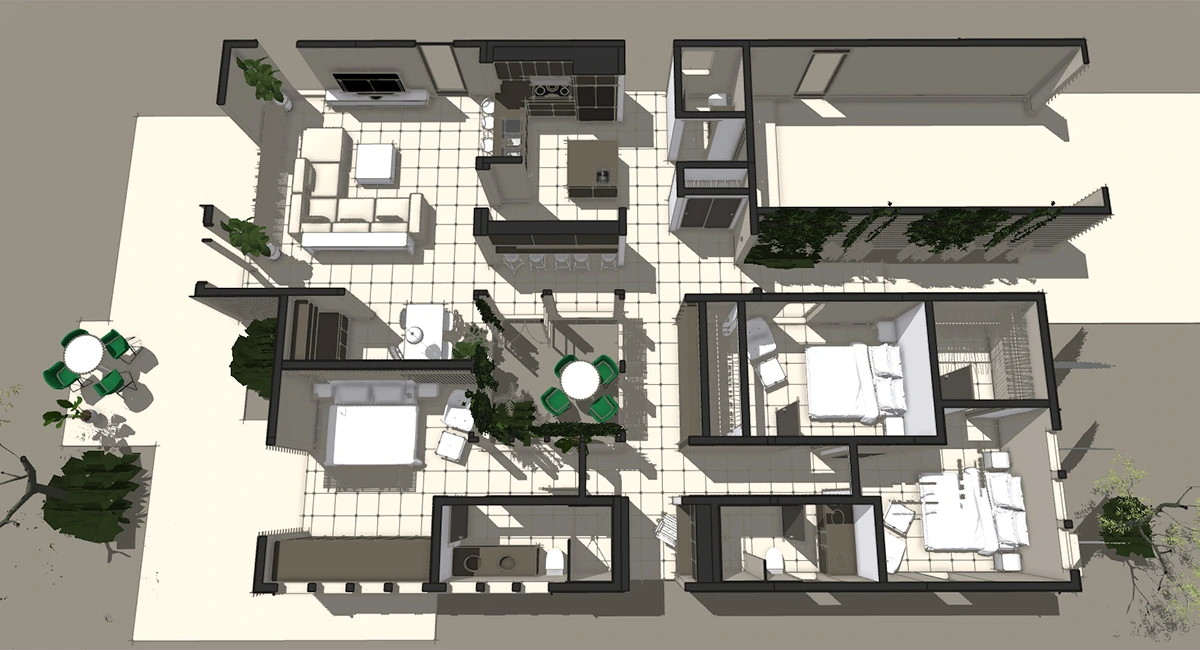
We design around those different uses rather than treating every project like the same box with a different label. Some buyers need a small private workspace. Others need a full kitchen, a bedroom, or a layout that works better for long-term living.
That flexibility is one of the reasons modular homes are often compared with manufactured homes. Both can offer a factory-built path, but modular construction gives buyers more room to think about permanence, placement, design, and how the space will actually be used.
Choosing the Right Option for VA Financing
The better choice depends on what the buyer wants to finance, how the home will be installed, and how the property will be classified after installation. With VA loans, those details matter just as much as the price of the home.
We build modular homes for buyers who want the efficiency of factory production without giving up the feel of a permanent residence. That is an important difference in this conversation, because modular homes are usually closer to traditional housing in the way they are built, inspected, installed, and financed.
| Buyer Priority | Manufactured Home | Modular Home |
| Lower upfront purchase price | May be appealing | Can cost more upfront, depending on size and finishes |
| VA financing simplicity | Often more complicated | Usually more straightforward |
| Property classification | Must become real property | Typically treated as real property after installation |
| Long-term permanence | Depends on foundation, title, and local rules | Designed for permanent placement |
| Customization | Often more limited | More flexible layouts and finishes |
| Construction predictability | Factory-built, but financing can be harder | Factory-built with residential-code alignment |
When a Manufactured Home May Make Sense
A manufactured home may work for buyers who are focused on affordability and already understand the extra steps involved. The home generally needs to be permanently installed, taxed as real property, and approved through the VA appraisal process.
The challenge is not only whether the home can qualify. It is whether the buyer can find a lender willing to finance it under VA terms. That part can take more time and may limit the buyer’s options.
When a Modular Home May Suit Better
A modular home may be a better match for buyers who want factory-built efficiency but still want the home to function more like conventional real estate. Since modular homes are built to state and local building codes, they often fit more naturally into the VA lending process.
This is where modular construction can feel practical rather than experimental. With our homes, much of the work happens in a controlled production environment, while the final home is designed for real everyday use: living, hosting family, creating rental space, or adding an ADU to an existing property.
Questions Veterans Should Ask Before Buying
Every property is different, so asking the right questions early can save time later.
Important questions include:
- Will this home qualify as real property?
- Is it permanently installed or planned for permanent installation?
- Does it meet applicable building codes?
- Has the property already passed necessary inspections?
- Are local zoning requirements satisfied?
- Does the lender regularly finance factory-built housing?
- Are there additional appraisal requirements?
- How long will permitting and installation take?
Answering these questions before signing a purchase agreement can help avoid financing delays.
Final Thoughts
VA loans can make homeownership more accessible, but the type of home matters. Manufactured homes often come with extra financing requirements, shorter loan terms, and fewer participating lenders. Modular homes are usually closer to site-built houses in the way they are built, installed, and treated as real property.
That is why we focus on modular living spaces designed for permanence, efficiency, and everyday use. For veterans comparing factory-built options, it helps to look beyond the label and ask how the home is built, where it will be placed, how it will be classified, and whether the financing path makes sense.
A clearer understanding of those details can make the buying process feel less uncertain and help buyers choose a home that supports both immediate needs and long-term plans.