If you’ve been researching factory-built housing, you’ve probably come across both sectional homes and modular homes. At first glance, they may seem like two completely different types of homes. In reality, the distinction is often much smaller than many buyers expect.
The confusion comes from the fact that terminology isn’t always used consistently. In some regions and by some builders, a sectional home simply refers to a modular home that is delivered in two or more large sections and assembled on a permanent foundation. In other cases, “modular” is used as the broader term that includes sectional designs.
Understanding how these homes are built, transported, and installed can make it much easier to compare options. Rather than focusing on the name alone, buyers should consider factors such as construction quality, customization, project timeline, materials, and how well a home fits the property.
Exploring Factory-Built Homes
Factory-built housing has become increasingly popular because it moves much of the construction process indoors. Instead of completing every stage on a jobsite, major structural components are manufactured in a controlled facility before being delivered for installation.
This approach offers several practical advantages. Since construction takes place indoors, weather delays have less impact on production. Materials can be stored more effectively, quality control can be monitored throughout the process, and multiple phases of construction can happen simultaneously.
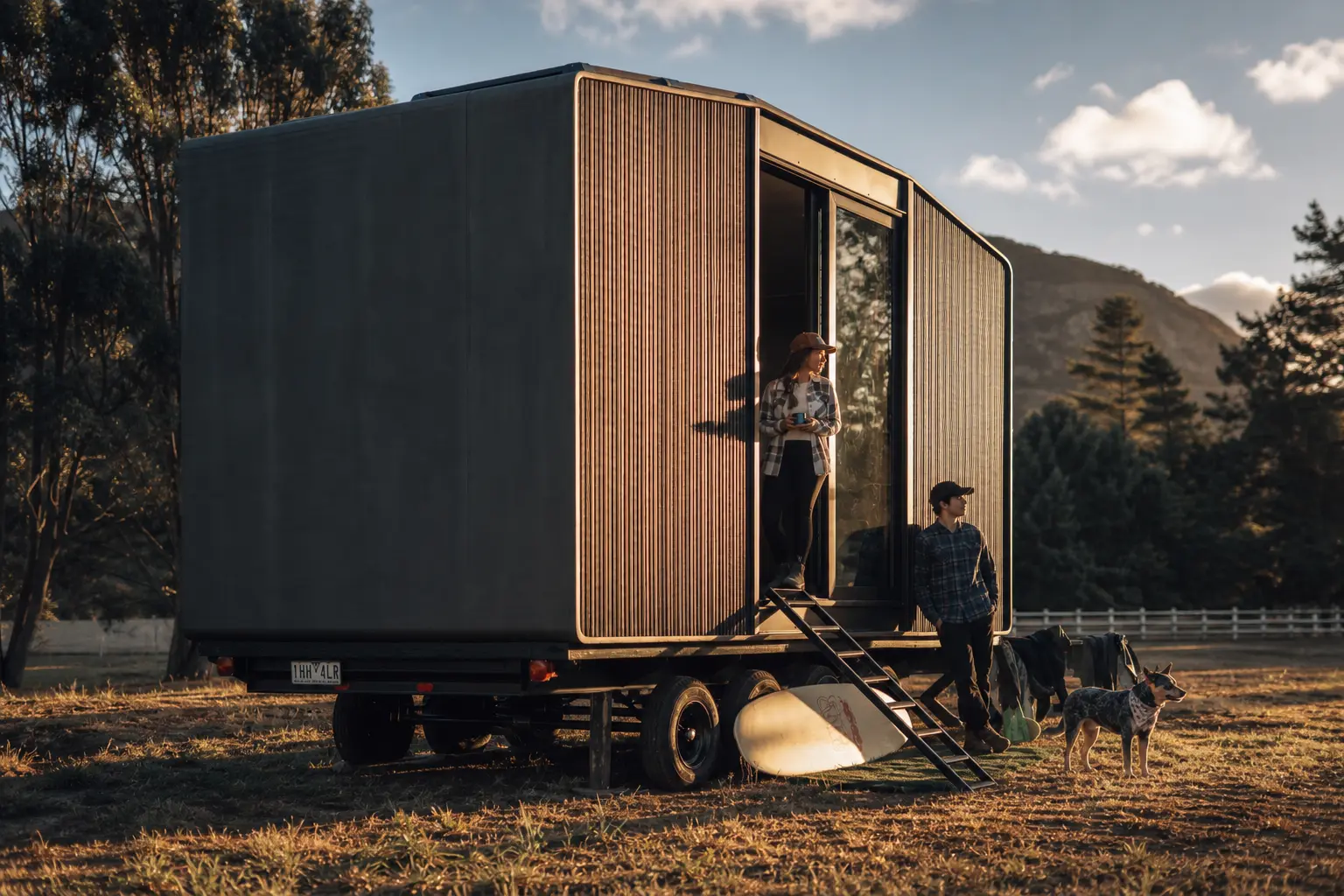
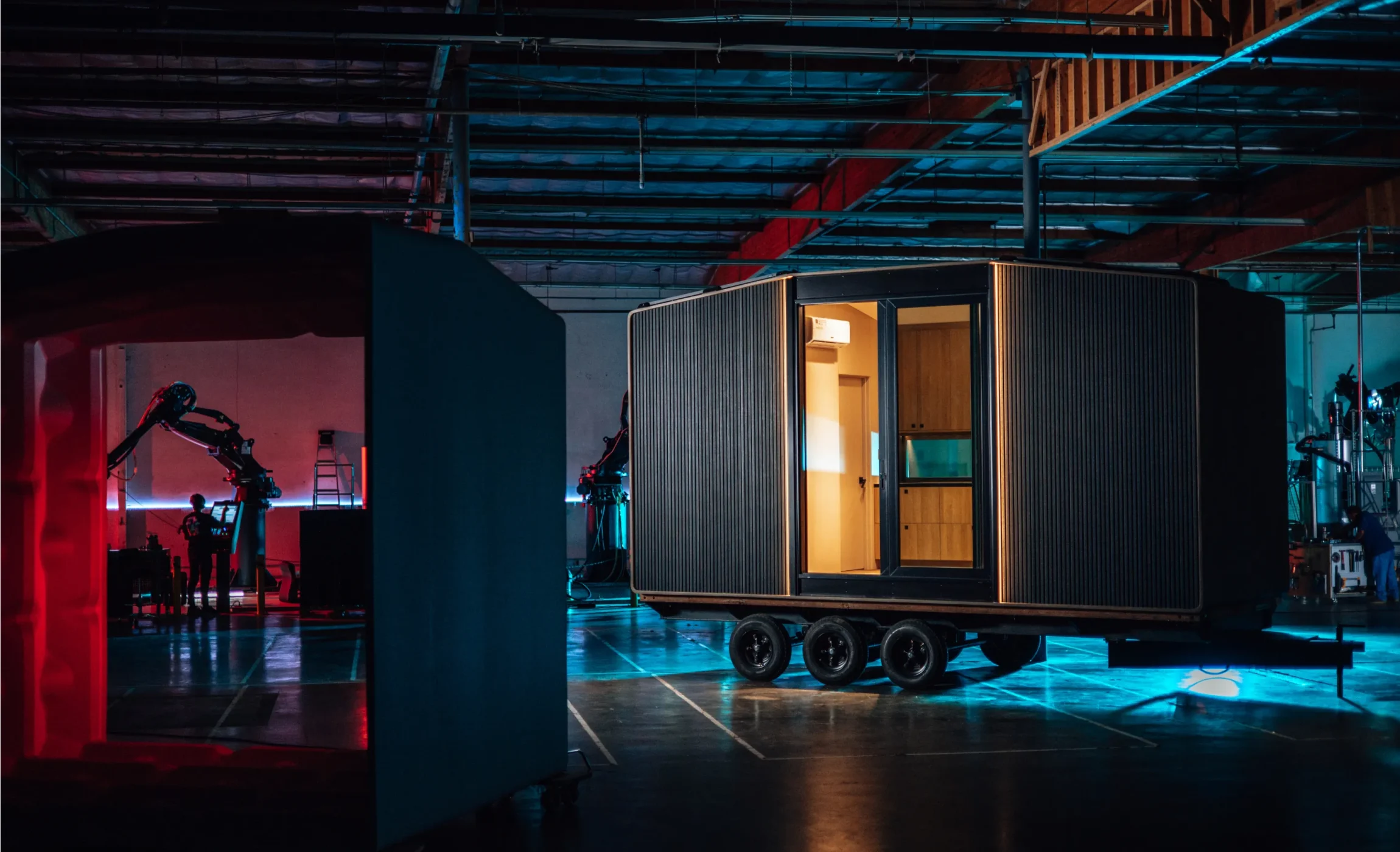
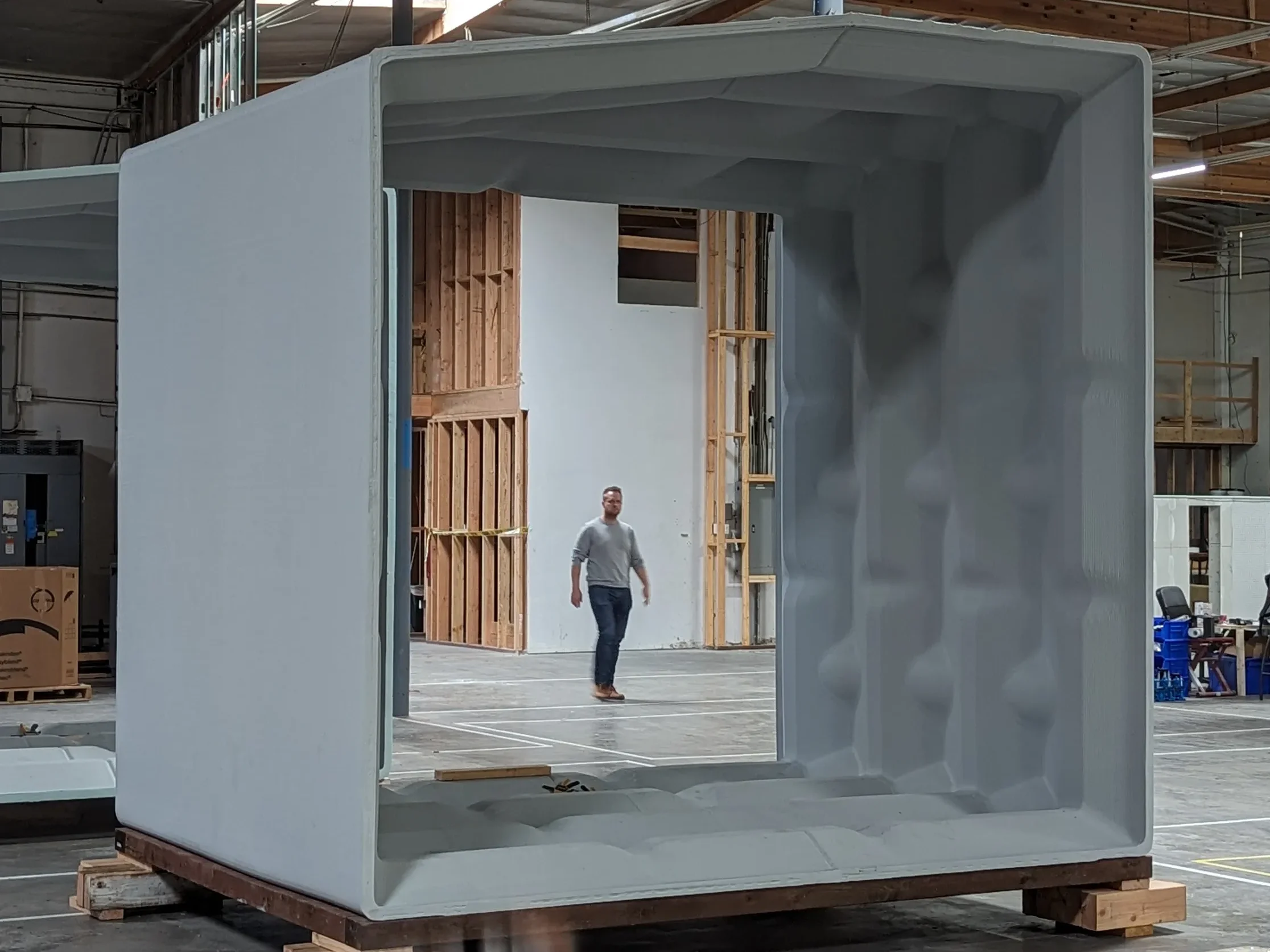
At Azure Printed Homes, we manufacture our homes in a controlled factory environment, completing much of the structural work, electrical systems, plumbing, and interior finishes before delivery. By moving more of the construction process into the factory, we create a more predictable production schedule while reducing the amount of work required on-site.
Factory-built construction does not eliminate site preparation. Foundations, utility connections, permitting, grading, and final installation still take place at the property. However, completing much of the work before delivery can significantly simplify the overall project.
What Is a Sectional Home?
A sectional home is a factory-built home made in multiple large sections. Each section is transported to the property separately, then joined on-site to form one complete residence.
In most cases, sectional homes are:
- Built in two or more factory-made sections
- Delivered to the site for final assembly
- Placed on a permanent foundation
- Built for long-term residential use
- Constructed to meet applicable residential building codes
- Finished substantially in the factory before delivery
The exact number of sections depends on the size and layout of the home. A smaller design may arrive in two sections, while a larger home may require several factory-built components.
Because much of the work is completed before transportation, sectional homes may arrive with framing, roofing, insulation, windows, doors, cabinetry, flooring, and interior finishes already in place. Once delivered, the remaining work usually includes joining the sections, connecting utilities, and completing site-specific details.
For many buyers, the main benefit is simple: much of the home is already built before it reaches the property.
What Is a Modular Home?
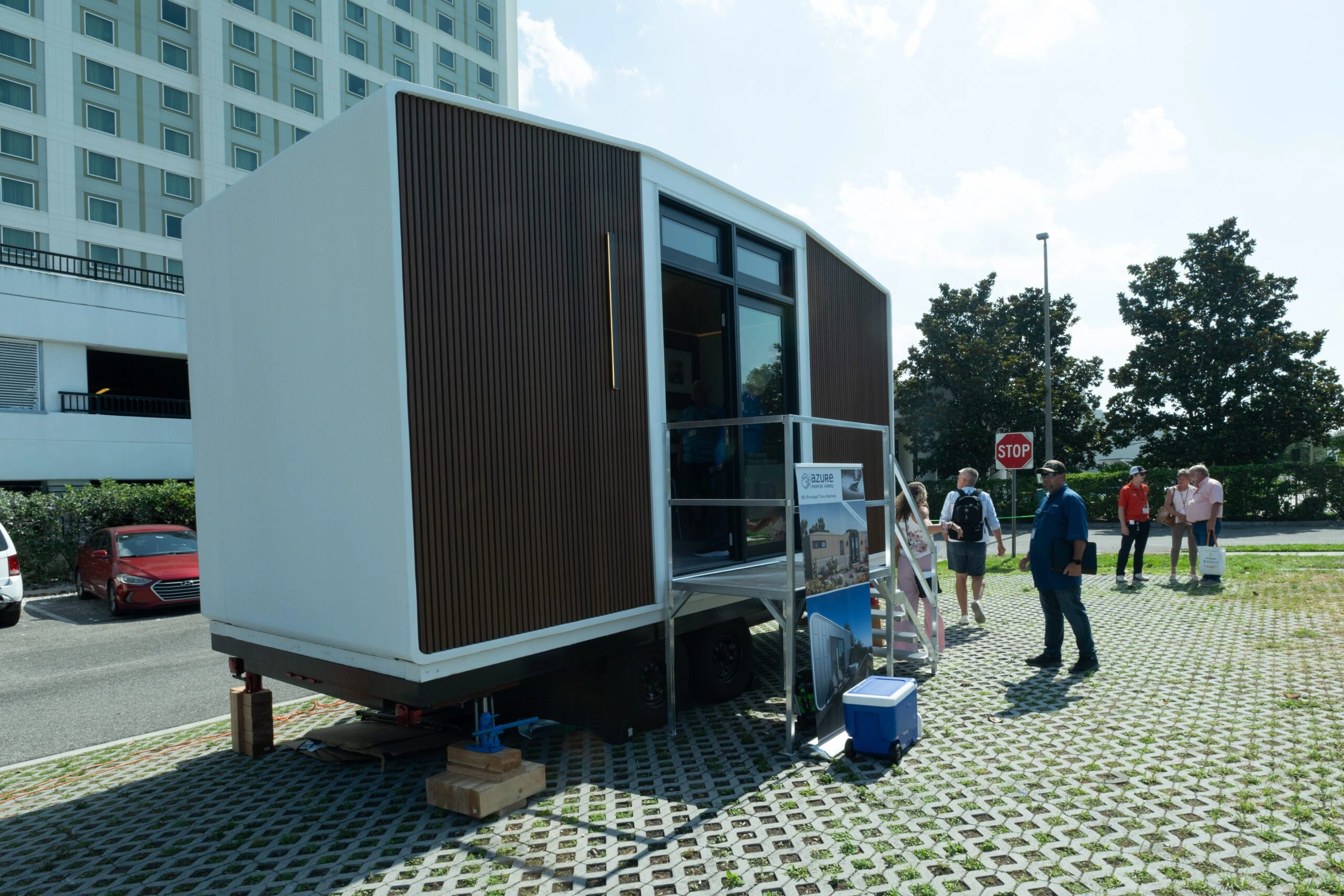
A modular home is a home built in one or more factory-produced modules that are transported to the installation site and assembled on a permanent foundation.
The word modular refers to the construction method rather than the final appearance of the home. Modules can be combined in different ways to create a wide variety of layouts, from compact residences to larger family homes and accessory dwelling units (ADUs).
In many cases, sectional homes are simply one type of modular home. The terms are frequently used interchangeably because both rely on factory manufacturing, transportation, and on-site assembly.
At Azure, we use modular construction across our homes, ADUs, and studio spaces. Manufacturing major portions of each unit before delivery allows us to shorten on-site installation while maintaining consistent production standards throughout the building process.
One advantage of modular construction is flexibility. Buyers are not necessarily limited to a handful of standard floor plans. Depending on the project, layouts, finishes, dimensions, and certain architectural features can often be adjusted to better match the property and the homeowner’s goals.
Sectional vs Modular Homes: Key Differences
Although the two terms are closely related, there are a few distinctions worth understanding.
| Feature | Sectional Home | Modular Home |
| Definition | Usually refers to a home built in multiple factory sections | Broad term for homes built using factory-made modules |
| Construction | Multiple large sections | One or more factory-built modules |
| Foundation | Permanent | Permanent |
| Building codes | State and local residential codes | State and local residential codes |
| Customization | Varies by builder | Often offers broad customization options |
| Transportation | Delivered in separate sections | Delivered as one or more modules |
| Installation | Sections joined on-site | Modules assembled on-site |
| Typical use | Permanent residence | Homes, ADUs, studios, and other residential projects |
In practice, buyers often discover there is significant overlap between these categories. Many homes described as sectional are simply modular homes built using multiple factory sections.
Similarities Between Sectional and Modular Homes
While buyers often focus on the differences, sectional and modular homes actually share many of the same advantages.
Factory Quality Control
Both construction methods rely on factory manufacturing rather than building everything outdoors. This allows construction teams to work in a more controlled environment where weather has less influence on schedules and materials remain protected throughout much of the production process.
At Azure Printed Homes, completing major construction phases inside our manufacturing facility helps us maintain consistent quality throughout the production process before each unit is delivered.
Faster Project Timelines
Factory construction allows site preparation and home manufacturing to happen at the same time instead of one after another.
While every project depends on permitting, site work, utility connections, and local conditions, this overlapping workflow can help reduce the overall construction timeline compared to building entirely on-site.
Reduced Weather Exposure
Traditional construction projects can experience delays caused by heavy rain, snow, or other weather conditions. Because sectional and modular homes spend much of their construction time inside a factory, weather has less opportunity to interrupt the manufacturing process.
Permanent Residential Construction
Both sectional and modular homes are designed as permanent buildings installed on permanent foundations. Once completed, they function like other residential homes and are intended for long-term occupancy.
Housing Solutions for Different Projects
Since sectional homes are often considered a type of modular home, the better question is usually whether a particular modular system matches the project’s requirements.
| Project Goal | Sectional Home | Modular Home |
| Primary residence | Excellent | Excellent |
| ADU | Good | Excellent |
| Backyard studio | Limited | Excellent |
| Rental property | Excellent | Excellent |
| Vacation property | Excellent | Excellent |
| High level of customization | Good | Excellent |
| Flexible floor plans | Good | Excellent |
Matching Modular Options to Project Goals
The table shows that modular construction is especially useful when the project needs flexibility. That is why it often works well for backyard studios, ADUs, and larger residential spaces.
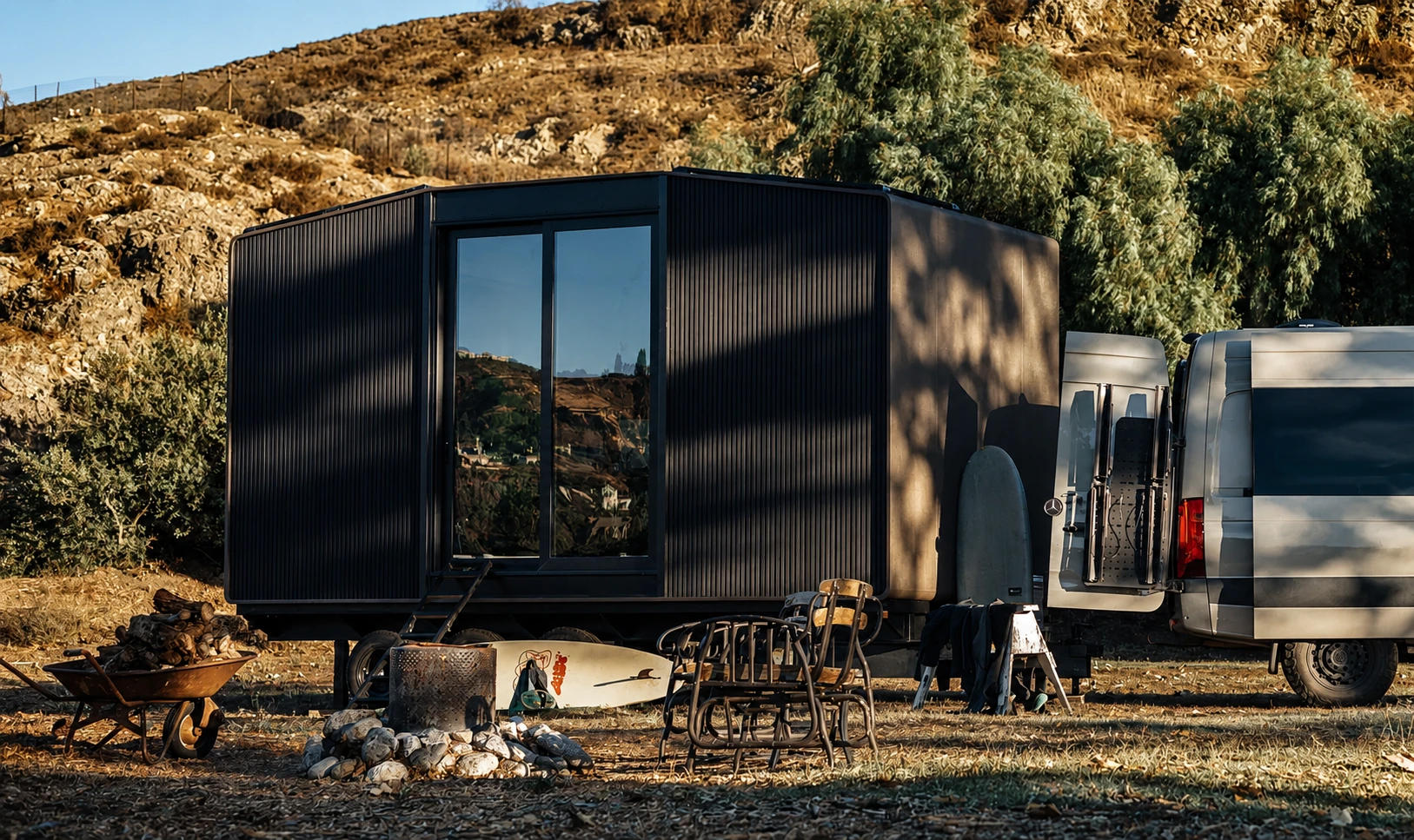
A studio is usually the better fit when the buyer needs extra usable space without adding a complete residence. It can serve as a backyard office, creative room, hobby space, or quiet retreat. We offer Studio Series models for buyers who want a compact factory-built structure with customizable design, recycled materials, and energy-efficient construction.
A home or ADU is a better fit when the project needs a complete living space. These units may support everyday living, guest housing, family use, or rental potential, depending on local rules and property conditions. We offer Homes & ADUs with customizable layouts, factory-built efficiency, recycled materials, and a more streamlined path from design to delivery.
Factors That Matter More Than the Name
Whether a home is described as sectional or modular is only one part of the decision. Several other considerations often have a much greater impact on the success of a project.
Site Conditions
Access to the property plays an important role in factory-built construction. Delivery routes, lot size, terrain, and available space for cranes or installation equipment should all be evaluated early in the planning process.
Local Regulations
Every city and county has its own zoning rules, permitting requirements, and development standards. Understanding what is allowed on the property before selecting a floor plan can prevent unnecessary delays later in the process.
Materials
The structural system can influence durability, maintenance, and where a particular design is most appropriate. We manufacture using both recycled polymer technology and light gauge steel. More than 60% of our printed material comes from recycled plastic, making it well suited for backyard studios.
For larger homes and ADUs, as well as projects in high fire hazard severity zones, light gauge steel is often the preferred solution because it offers the same manufacturing approach while meeting different project requirements.
Customization
Every property is different, and buyers often need more than a standard floor plan. We work with buyers to adjust layouts, modify dimensions where appropriate, select finishes, and tailor designs to better fit the property. Depending on the project, larger homes may even accommodate changes such as adding or removing bedrooms or bathrooms.
Thinking beyond the floor plan from the beginning often leads to a smoother building experience.
Common Misconceptions About Sectional and Modular Homes
Several myths continue to create confusion for buyers.
“Sectional and Modular Homes Are Completely Different”
Not necessarily. In many parts of the housing industry, sectional homes are simply modular homes built in multiple sections. The terminology often depends more on regional preferences than on major construction differences.
“Factory-Built Homes Cannot Be Customized”
Modern modular construction offers far more flexibility than many people expect. Layouts, finishes, materials, dimensions, and architectural details can often be adapted to suit both the homeowner and the building site.
“Factory Construction Means Lower Quality”
Quality depends on design, engineering, manufacturing standards, and installation rather than where the home is built. Factory manufacturing allows builders to complete much of the construction in a controlled environment where production processes can remain consistent from one project to the next.
“They All Look the Same”
Today’s modular homes include a wide range of architectural styles and floor plans. From compact studios to spacious family homes and ADUs, factory-built housing can accommodate many different design preferences while maintaining the efficiencies of modular construction.
Final Thoughts
For most buyers, the difference between sectional and modular homes is much smaller than it first appears. In many cases, a sectional home is simply one form of modular construction, with the home delivered in multiple factory-built sections before being assembled on a permanent foundation.
Rather than focusing on terminology, it is more valuable to compare the construction process, customization opportunities, materials, project timeline, and how well a particular solution fits the property.
At Azure Printed Homes, we combine modular construction with robotic manufacturing, advanced materials, and customizable designs to create homes, ADUs, and studio spaces that simplify the building process without sacrificing flexibility. By completing much of the construction in our factory before delivery, we help make projects more predictable from planning through installation while giving buyers more confidence in the final result.