Student housing has become one of the most attractive real estate investments for people looking to generate long-term rental income. Every academic year brings a new group of students searching for housing, creating consistent demand in many college towns and cities. While some investors purchase existing rental properties, others choose to develop new housing that better matches today’s student expectations.
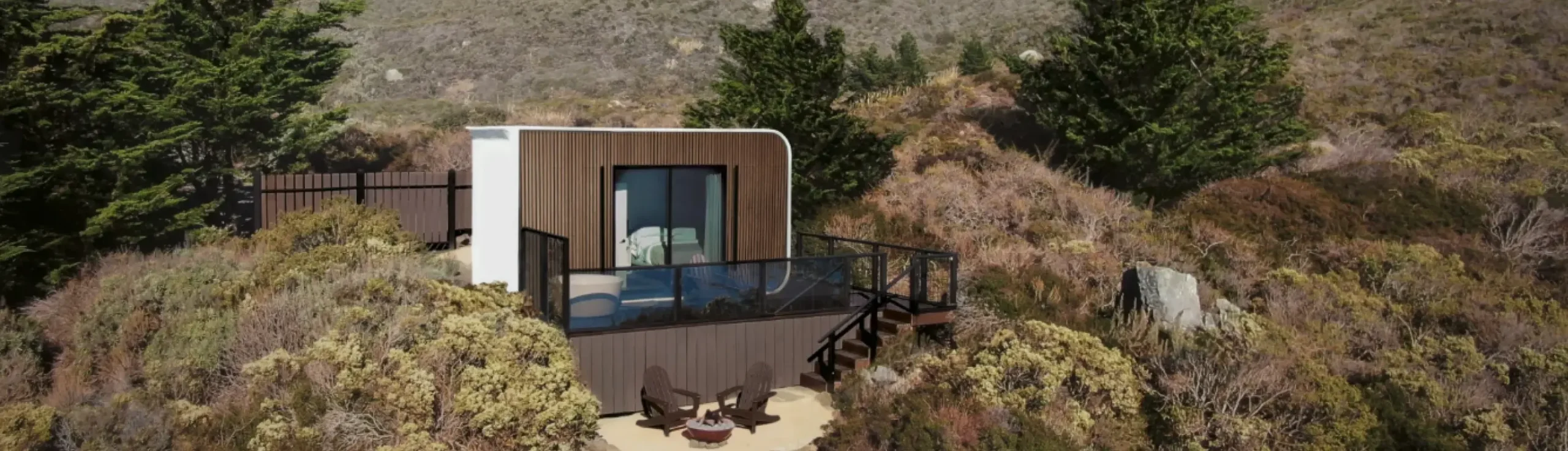
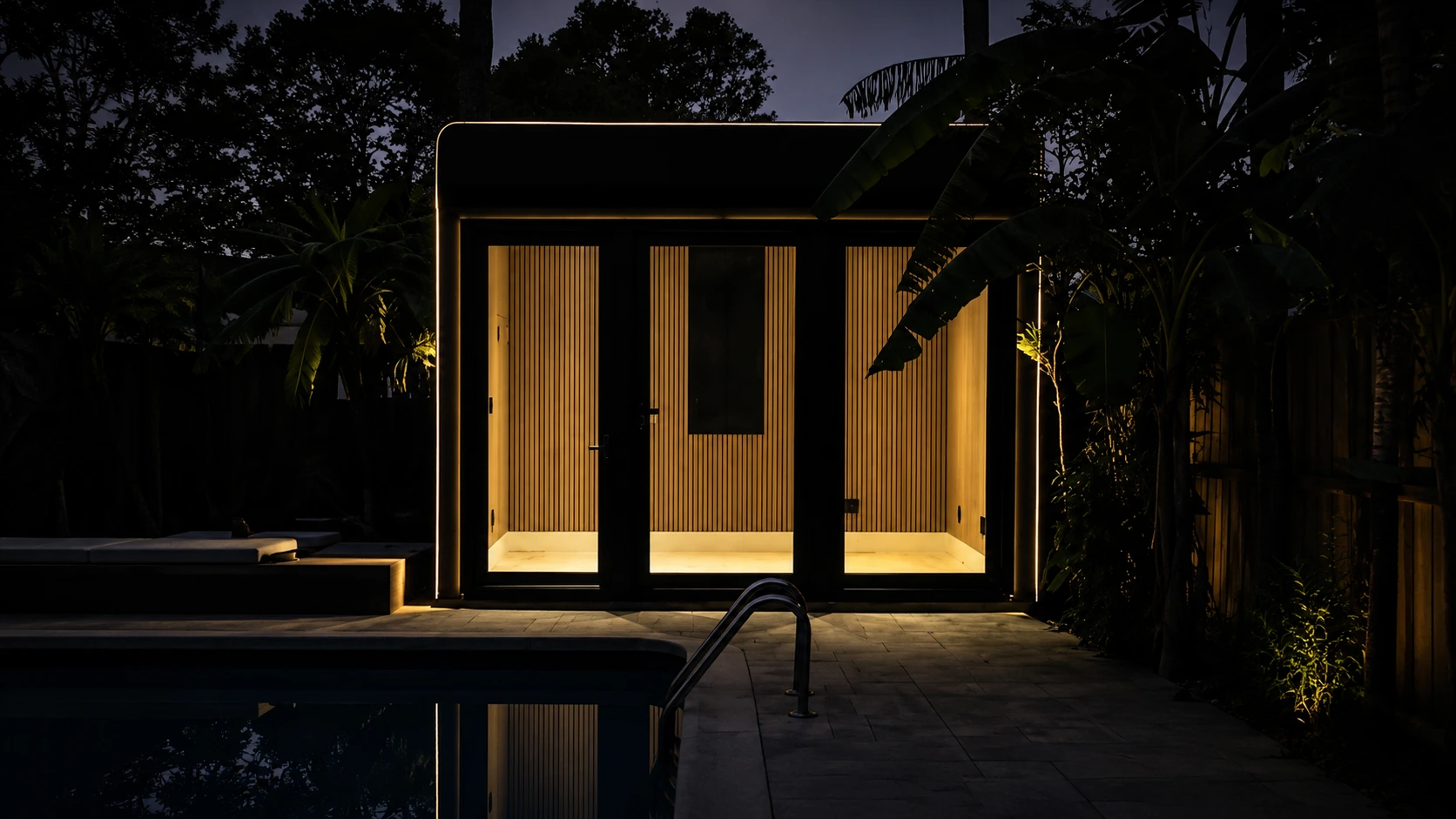
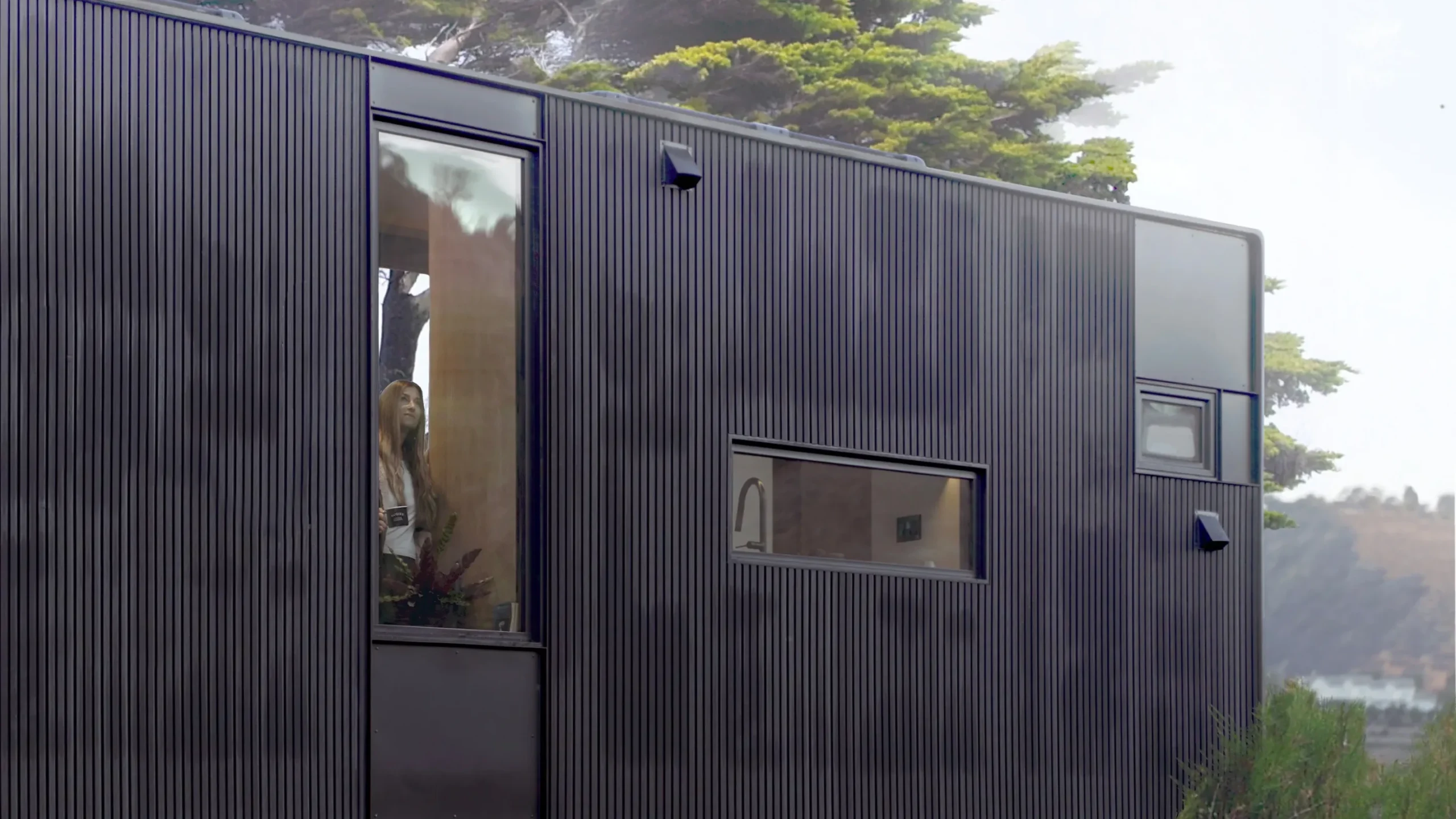
At Azure Printed Homes, we build future-focused modular living spaces and work with property owners, developers, and investors looking for practical ways to expand housing supply. Our robotically printed homes and ADUs are designed to simplify construction while utilizing recycled materials and customizable layouts, giving investors another option when planning student housing projects.
This guide explains each step so investors can make informed decisions before committing to a project.
What a Student Housing Investment Actually Is
Student housing investment involves purchasing, developing, or improving residential properties that are rented primarily to college or university students.
The property may be an existing home rented by the room, a small multifamily building, an accessory dwelling unit (ADU), or a newly constructed rental designed specifically for student living. Unlike traditional rentals that house a single family, student housing often accommodates several unrelated tenants sharing common spaces such as kitchens, living rooms, and bathrooms.
This approach can create multiple income streams from one property while helping reduce the financial impact if one tenant moves out before others.
Not every investor wants to renovate an older house with outdated systems, limited capacity, or a layout that was never designed for student living. Building new housing gives developers more control over unit count, shared areas, privacy, and long-term operating needs. We support both individual homes and ADUs and larger multifamily projects. This gives buyers the flexibility to choose a compact one- or two-bedroom unit, add several independent residences to a suitable site, or plan a repeatable multifamily layout around local demand, zoning, and the intended student market.
Student housing should not be viewed as a short-term trend. Universities continue to attract domestic and international students every year, creating an ongoing need for well-designed off-campus accommodation in many markets.
Student Housing Options Investors Can Consider
There is no single type of student housing investment. The right option depends on the available land, local demand, budget, zoning regulations, and long-term investment goals.
Existing Single-Family Homes
Many investors begin by purchasing an existing house near a college or university. These properties are often rented by the room, allowing several students to share common spaces such as the kitchen, living room, and bathrooms.
This strategy usually requires the lowest upfront investment if the home is already in good condition, although older properties may require renovations or upgrades before they are ready for tenants.
Multifamily Properties
Duplexes, triplexes, fourplexes, townhomes, and apartment developments allow investors to create several rental units within one project. This can spread income across multiple households and reduce the effect of a single vacancy. Multifamily housing may also work well near larger universities where demand extends beyond undergraduate students to graduate students, couples, faculty, and university employees.
We work with developers on multifamily apartments and attached residential projects. Our off-site construction approach is designed for repeatable residential layouts, while still allowing projects to respond to the site and intended density. Components are fabricated away from the property and shipped for efficient assembly by the project’s general contractor, helping reduce on-site complexity.
For student housing, this could mean developing several independent units rather than placing many unrelated tenants in one large house. The right format depends on zoning, lot size, parking requirements, target rent, and the type of students the project is intended to serve.
Accessory Dwelling Units (ADUs)
In communities where local regulations allow them, ADUs can increase rental capacity without purchasing another property. For investors who already own residential land, adding an ADU may create an additional income stream while making better use of the existing lot.
As we design a wide range of home solutions, we offer several layouts that can support this type of investment. Our 360 sq ft and 540 sq ft models provide one-bedroom floor plans, while the 720 and 900 sq ft homes offer larger living spaces with additional bedrooms for projects that require greater capacity. Because buyers can customize layouts and finishes during the planning stage, each unit can be adapted to the goals of the development.
How to Invest in Student Housing Step by Step
Investing successfully starts long before the first tenant signs a lease. Each decision affects future rental income, operating costs, and long-term returns.
Step 1: Research the Local Market
Every successful investment begins with understanding local demand. Rather than focusing only on the university itself, investors should examine the broader community. Questions worth asking include:
- Is student enrollment growing?
- Does the university have enough on-campus housing?
- Are graduate and international student populations increasing?
- Are there nearby hospitals, research centers, or major employers?
- What are current rental vacancy rates?
The answers help determine whether demand is likely to remain strong over the coming years. Walking or driving through neighborhoods near campus can also reveal which areas students already prefer and where future development may be possible.
Step 2: Understand Local Regulations
Student housing often comes with additional rules that do not apply to traditional rentals. Before purchasing land or property, investors should verify local requirements for:
- Zoning
- Occupancy limits
- Rental licenses
- Building permits
- Parking requirements
- Utility connections
- ADU regulations
These rules vary between cities and counties, making early research essential. For investors considering new construction, understanding local approval requirements can prevent delays later in the project.
Step 3: Choose the Right Investment Strategy
There is no single approach to student housing. Some investors purchase existing homes and renovate them for shared living. Others convert larger houses into room-by-room rentals. Some focus on adding an ADU to an existing property, while others develop entirely new rental homes.
Choosing the right strategy depends on budget, available land, construction timelines, and local regulations. For investors planning new development, modular construction offers another path. We begin every project with client and site assessments before developing architectural, structural, mechanical, electrical, plumbing, and energy plans.
Once approvals are in place, structural components are manufactured in our factory while site preparation takes place simultaneously. After electrical, plumbing, and interior finishes are completed, the home is delivered, installed, and connected to utilities.
Coordinating much of the construction before delivery can help streamline the overall building process.
Step 4: Design for Student Living
A successful student rental is designed around everyday living rather than simply maximizing bedroom count. Students generally value practical layouts that include:
- Comfortable bedrooms
- Functional kitchens
- Shared living spaces
- Reliable internet access
- Good natural lighting
- Laundry facilities
- Durable flooring
- Adequate storage
Bathroom placement also deserves careful planning, especially in larger shared homes. Our buyers can customize layouts, finishes, and several design elements to better match the intended use of the property. Whether the goal is creating independent student housing or expanding an existing rental with an additional dwelling, flexibility during the planning stage often leads to better long-term results.
Step 5: Build a Realistic Financial Plan
A profitable investment depends on accurate budgeting. Many first-time investors focus only on construction or purchase costs while overlooking other expenses that affect total project cost.
A complete financial plan should account for land acquisition, property purchase, construction, site preparation, foundations, utility connections, permit fees, delivery, furnishings, insurance, property taxes, and more. Investors should also estimate expected rental income, operating expenses, and long-term cash flow before moving forward.
Step 6: Find and Manage Tenants
Owning student housing involves more active management than many traditional rentals. Successful landlords typically establish clear lease agreements, collect security deposits, perform regular inspections, and communicate expectations before tenants move in.
Routine maintenance is equally important. Addressing small repairs early helps prevent larger and more expensive problems later. Many landlords also create written house rules covering shared spaces, maintenance requests, parking, guests, and quiet hours to reduce misunderstandings between roommates.
Proper management helps protect both the investment and the tenant experience.
Benefits of Investing in Student Housing
Student housing has earned a place in many real estate portfolios because it can provide reliable demand, multiple income opportunities, and long-term growth. Like any investment, results depend on choosing the right location and managing the property well, but the fundamentals continue to attract both experienced and first-time investors.
Reliable Demand Year After Year
Student housing benefits from recurring demand. Each academic year brings new students, while returning students often continue renting until graduation. In areas with limited campus housing, nearby private rentals can remain especially attractive.
Multiple Income Streams
Renting by the bedroom can create several income sources from one property. When one room becomes vacant, rent from the remaining tenants can help reduce the financial impact. This approach may increase revenue, although it usually requires more active management.
Flexibility for Different Investment Strategies
Investors can renovate existing homes, add smaller residential units, or develop purpose-built student housing. This flexibility allows each project to reflect the available land, local demand, zoning rules, and target tenant group.
Long-Term Property Value
University areas often benefit from employment, research facilities, healthcare services, retail activity, and public investment. These factors can support the wider housing market over time, although property appreciation is never guaranteed.
More Predictable Project Planning
Construction schedules affect how quickly a property can begin producing income. Off-site construction can reduce some delays linked to weather, labor availability, and on-site coordination, giving developers a clearer path from planning to installation.
Reasons to Consider Modern Construction for Student Housing
Many developers are choosing modern construction methods instead of renovating older properties. New construction makes it easier to design housing around today’s student needs, improve project planning, and create consistent living spaces from the start.
As we develop future-focused modular living spaces, we help developers simplify the construction process while creating housing that fits their investment goals. Some of the advantages of working with us include:
- Customizable layouts: We offer homes in multiple sizes and can customize layouts to suit the available land, target tenants, and rental strategy.
- A streamlined construction process: We guide projects through client and site assessments, planning, approvals, factory production, delivery, and installation, helping keep every stage organized.
- Off-site production: We complete much of the structural work, as well as electrical, plumbing, mechanical systems, and interior finishes, before the home arrives on site, reducing the amount of construction required after delivery.
- Faster project delivery: By completing much of the work in our production facility while site preparation takes place, we help shorten the overall path from planning to occupancy.
- Energy-efficient homes: Our homes include insulated wall systems and double-pane windows that support comfort and energy efficiency.
- Sustainability: We use robotically printed construction utilizing recycled materials, including plastic waste, providing an alternative approach for environmentally conscious developments.
These features can help developers create student housing that is designed for modern living while providing a more predictable construction process from planning through installation.

Challenges to Keep in Mind
Student housing can be rewarding, but it is not completely hands-off. Understanding the challenges before investing helps owners prepare realistic budgets and management plans.
Higher Tenant Turnover
Students eventually graduate, transfer schools, or relocate for internships and employment. This naturally creates more frequent tenant turnover than many traditional rentals. Preparing for regular marketing, lease renewals, and move-in inspections should be part of every investor’s operating plan.
More Active Property Management
A property with several unrelated tenants often requires more communication than a single-family rental. Maintenance requests, shared living arrangements, and coordinating move-in dates all require organization. Some investors manage these responsibilities themselves, while others hire professional property managers to handle day-to-day operations.
Seasonal Leasing Patterns
Rental demand usually follows the academic calendar. Many leases begin shortly before the fall semester and end during the summer months. Investors who understand local leasing cycles can plan advertising, maintenance, and renovations during quieter periods to reduce vacancies.
Property Wear and Maintenance
Student housing typically experiences more daily use than owner-occupied homes. Choosing durable flooring, quality fixtures, and easy-to-maintain finishes can help reduce repair costs over the life of the property. Regular inspections also make it easier to identify small maintenance issues before they become larger and more expensive.
Upfront Development Costs
Building a new student rental requires careful financial planning. Beyond the construction itself, investors should budget for land, site preparation, foundations, utility connections, permits, landscaping, furnishings, insurance, and ongoing maintenance. Understanding these costs early allows investors to evaluate whether a project meets their financial goals before construction begins.
Is Student Housing the Right Investment for You?
Student housing is not the right fit for every investor. Some people prefer lower-maintenance rental properties with longer tenant stays, while others are comfortable managing multiple leases and taking a more active role in property operations.
Before investing, it helps to ask a few important questions.
- Is there consistent student demand in the chosen market?
- Does the university have enough housing for its enrollment?
- Are local regulations favorable for student rentals?
- Is the property suitable for shared living?
- Can the expected rental income support development and operating costs?
- Is active property management something the investor is prepared to handle?
Investors considering new construction should also think about how the property will serve future demand. Flexible layouts, durable materials, and efficient construction methods can help a rental remain competitive for many years.
As we develop future-focused modular living spaces, we work with buyers who want to create new housing rather than relying only on existing inventory. From the initial site assessment through design, factory construction, delivery, and installation, our goal is to simplify the development process while giving buyers the flexibility to customize a home that supports their investment plans.
Conclusion
Student housing continues to offer opportunities for investors who are willing to plan carefully and understand the needs of their local market. Strong demand near universities, the potential for room-by-room rental income, and long-term appreciation make it an attractive option for many real estate portfolios.
Success, however, depends on much more than choosing a property near a campus. Careful market research, realistic financial planning, compliance with local regulations, thoughtful design, and effective property management all contribute to long-term results.
For investors planning to develop new student housing, modern construction methods provide additional flexibility. We combine robotically printed construction, recycled materials, customizable designs, and a streamlined manufacturing process to help bring new homes from planning to installation efficiently. Whether expanding an existing rental property or building a new student housing project from the ground up, choosing the right development strategy is just as important as choosing the right location.