3D printed homes are no longer just an idea for the future. They are becoming a practical option for people who want to add housing, create rental income, build a guest space, open a glamping site, or invest in smaller, more flexible living units.
For investors, the opportunity is not only about buying something new. It is about understanding where 3D printed homes make financial sense, what type of property they fit, and how to plan the project from the beginning.
At Azure Printed Homes, we create robotically printed modular living spaces using recycled materials. Our homes are designed for modern buyers who want efficient construction, flexible use, and a more sustainable way to build.
What Does It Mean to Invest in 3D Printed Homes?
Investing in 3D printed homes can mean several things. Some buyers want one unit for personal use. Others want to create income through rentals, vacation stays, glamping sites, or additional housing on an existing property.
A 3D printed home investment may include:
- A backyard studio or guest unit
- An ADU for family use or rental income
- A tiny home for compact living
- A home on wheels for flexible placement
- A glamping unit for short-term stays
- Multiple units for a small development
The right investment depends on the land, local rules, budget, and intended use. A unit that works well as a weekend rental may not be the same unit needed for full-time living.
A Step-by-Step Guide to Investing in 3D Printed Homes
Investing in a 3D printed home involves much more than choosing a model and placing an order. The most successful projects begin with a clear plan that considers the intended use, property requirements, budget, regulations, and long-term financial goals. By following a structured approach, buyers can avoid common mistakes and make more informed investment decisions.
1. Start With the Use Case
Before comparing models or prices, start with the purpose of the home. This is where many investors make the wrong move. They look at size first, when they should be looking at function.
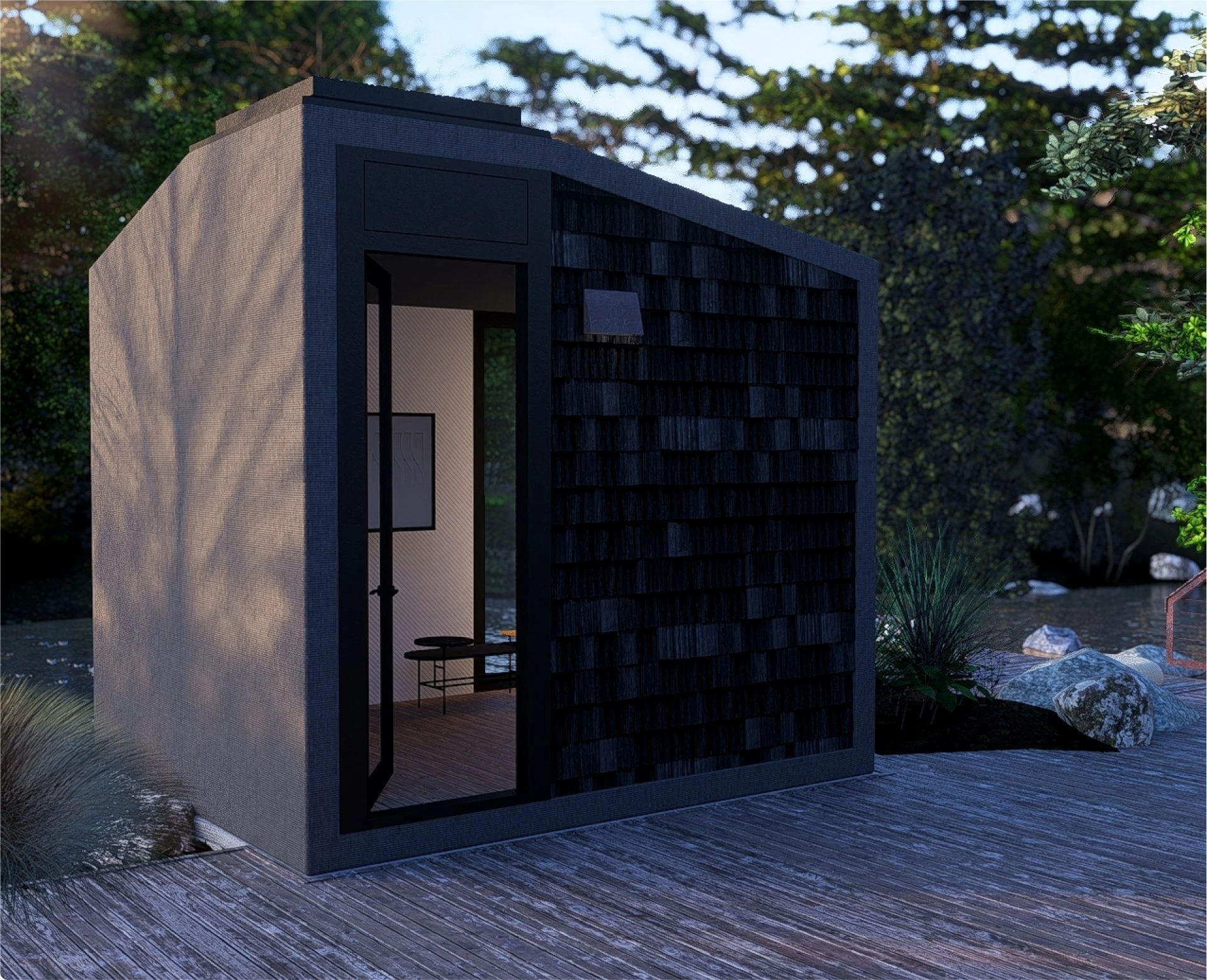
A studio may be enough for a workspace, creative room, wellness space, or guest area. A full ADU may need a kitchen, bathroom, bedroom, storage, utilities, and more privacy. A glamping unit may need a different layout than a long-term rental.
At Azure, we design different modular spaces for different uses, including studios, ADUs, homes on wheels, tiny homes, and glamping units. That gives buyers more flexibility when matching the unit to the property and business plan.
2. Understand the Main Investment Paths
Once the purpose is clear, the next step is choosing the investment path that fits the property and financial goal. A 3D printed home can support several different strategies, but each one comes with its own layout needs, approval process, operating costs, and revenue potential.
Backyard ADU Investment
An ADU can be a strong option for homeowners who want to add usable space to a property. It may be used for family, guests, rental income, or long-term flexibility.
The main advantage is that the land is often already owned. That can reduce one of the biggest barriers to real estate investment. Still, investors need to check zoning, permits, setbacks, utility access, and local ADU rules before moving forward.
Short-Term Rental Investment
3D printed homes can also work for short-term rentals when the location supports guest demand. Vacation areas, rural retreats, event destinations, and scenic properties may all create opportunities.
For this type of investment, comfort matters. Guests usually care about privacy, climate control, sleeping space, a bathroom, and a design that feels different from a standard rental. A well-planned compact unit can create a memorable stay without needing a large footprint.
Glamping Investment
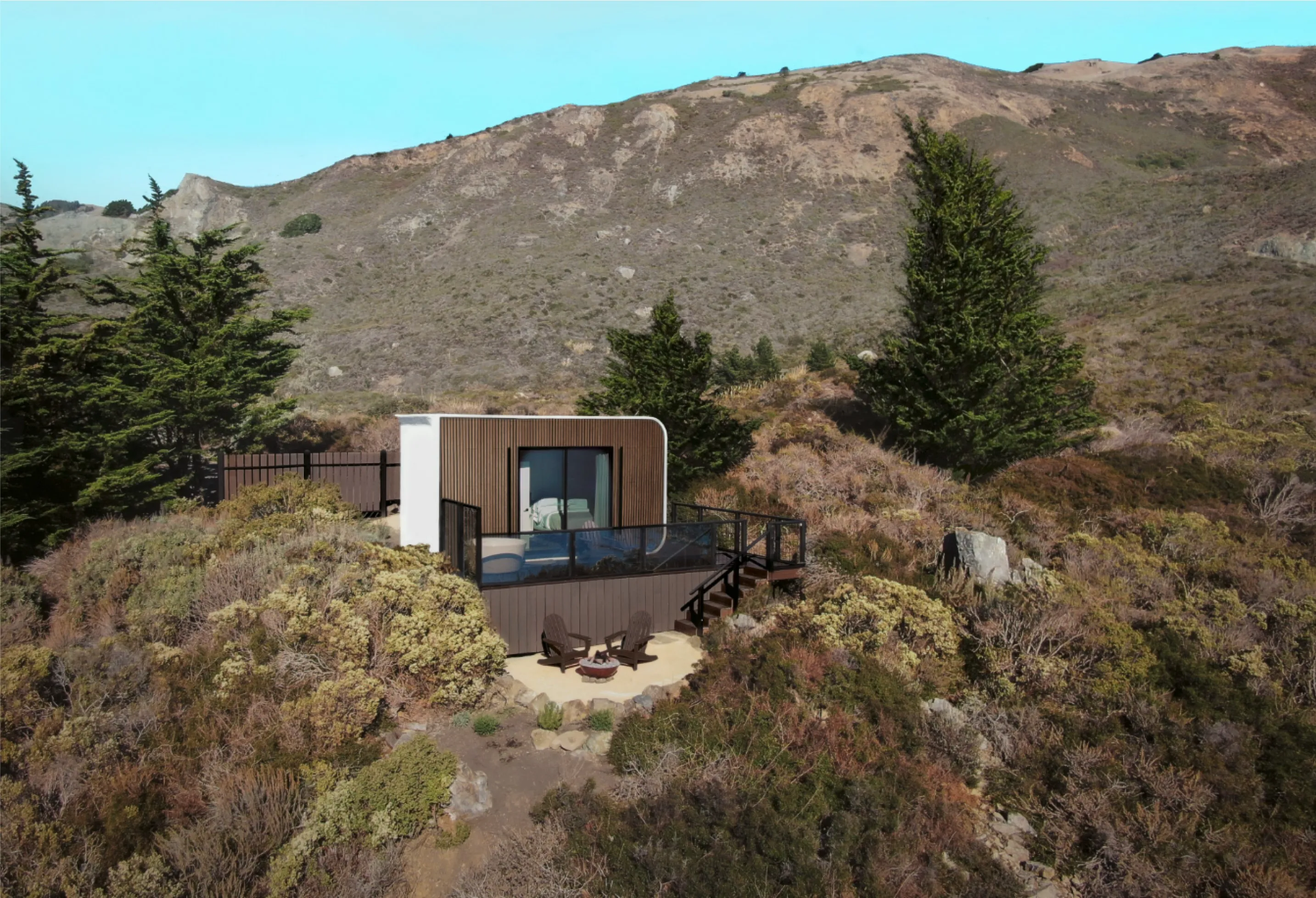
Glamping is one of the most natural fits for 3D printed homes. Operators often need units that are durable, attractive, efficient to install, and easier to maintain than traditional structures.
Our glamping units are designed for modern outdoor hospitality. They can support comfortable guest stays while using recycled materials and efficient production methods. For landowners, this can be a practical way to turn unused land into a more valuable experience-based property.
Tiny Home and Compact Living Investment
Tiny homes appeal to buyers who want lower-cost living, simpler spaces, or flexible housing options. They can also work well in small communities, retreat properties, and rental settings where local regulations allow them.
The key is to avoid treating every tiny home as the same. Some are best for weekend use. Others need more complete layouts for longer stays. Storage, utilities, bathroom design, and heating or cooling should all be planned before purchase.
Homes on Wheels
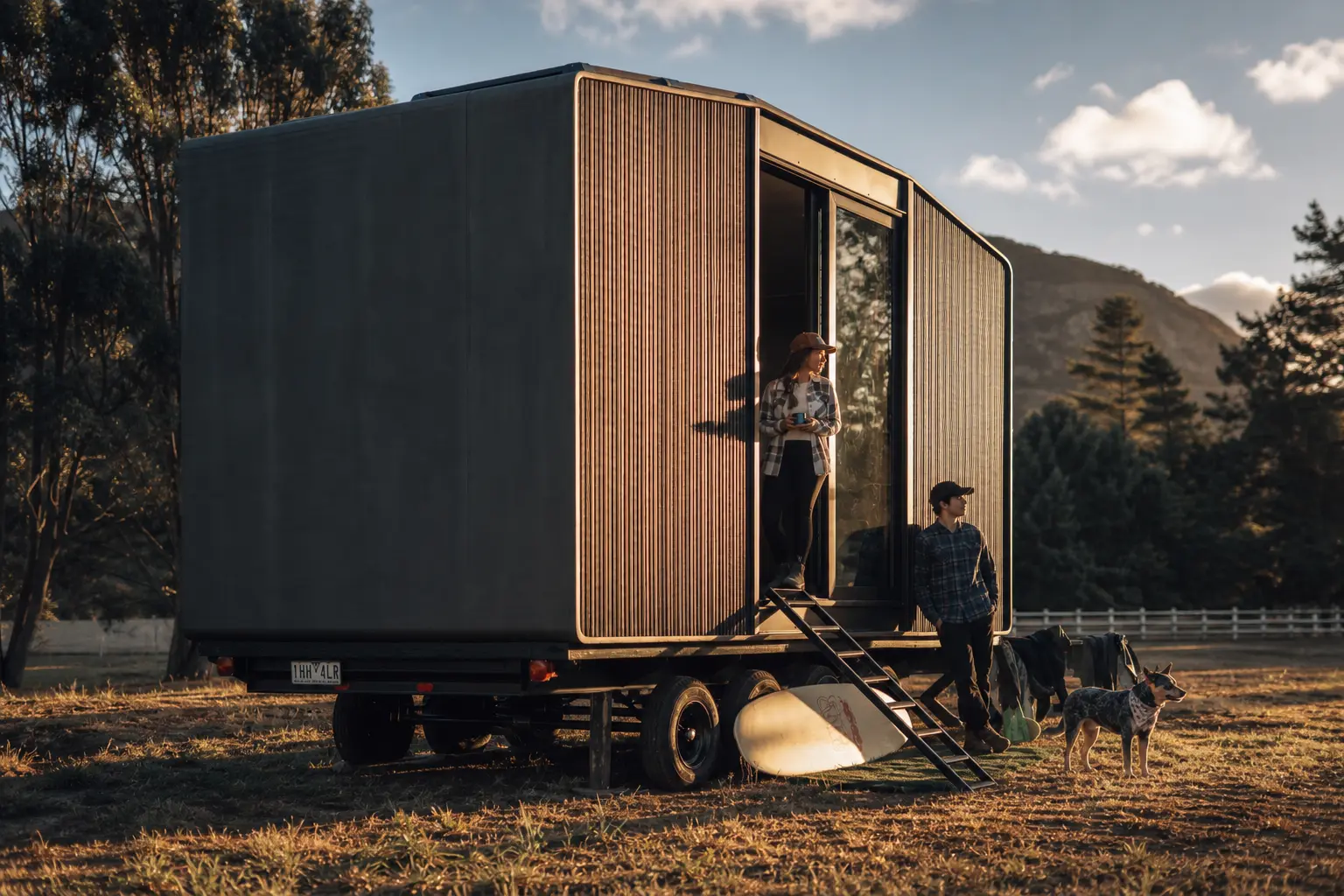
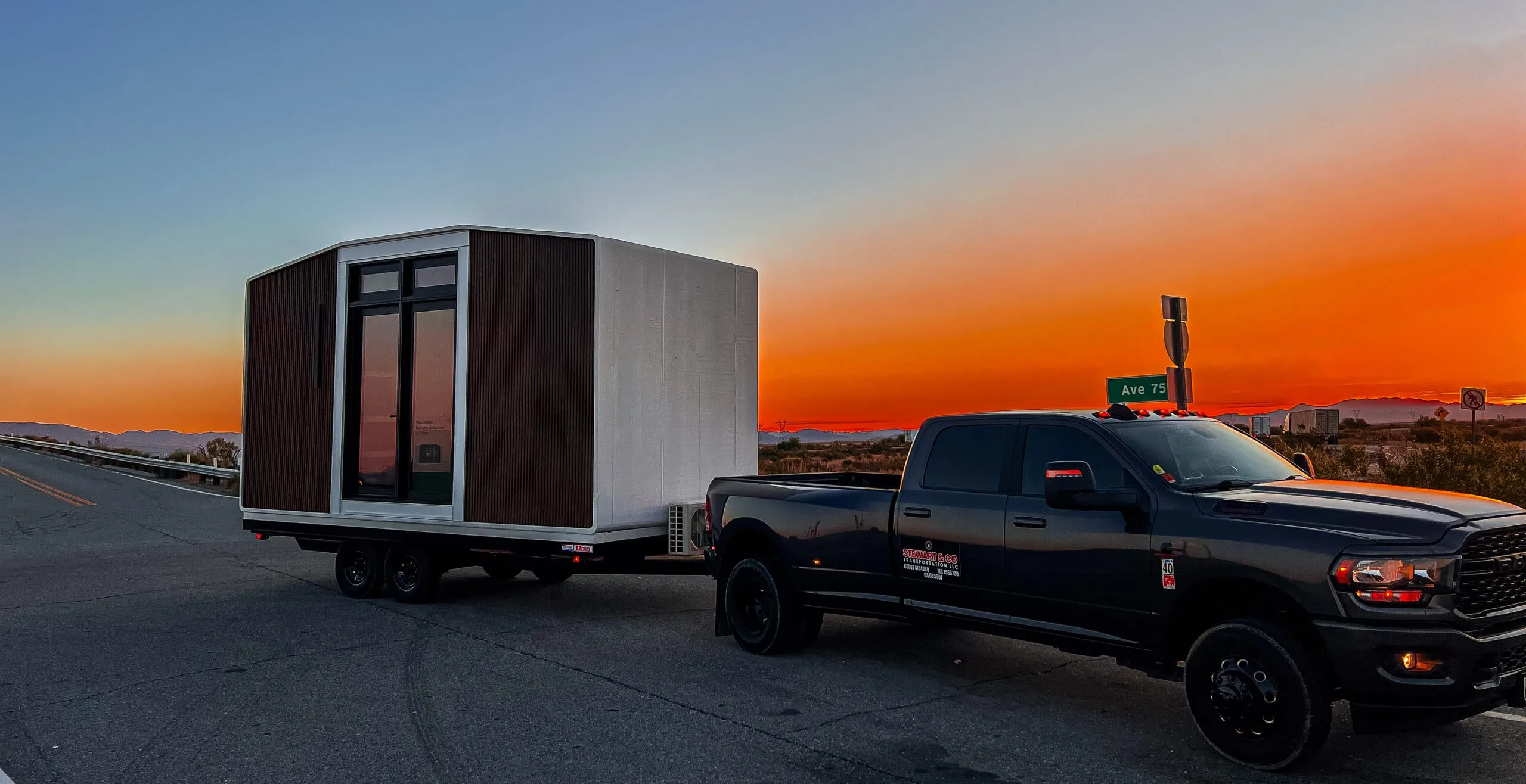
Homes on wheels can be useful for buyers who want more flexibility than a fixed structure. They may work for personal use, guest stays, travel-friendly living, or properties where a chassis-based option makes more sense.
Our X Series includes X180 starting at $69,900, X270 starting at $84,900, and X360 starting at $109,900. These homes are designed for compact living with mobility in mind.
3. Compare the Full Cost, Not Just the Unit Price
The model price is only part of the investment. A smart investor looks at the complete project cost before making a decision.
Costs may include:
- Unit price
- Delivery
- Site preparation
- Foundation or placement requirements
- Utility connections
- Permits and approvals
- Interior options
- Solar panels or batteries if needed
- Insurance
- Maintenance
- Property management
At Azure, our pricing gives buyers a clearer starting point. Studio models such as A/D/C-100 and N100 start at $24,900, while A/D/C-120 starts at $29,900. Larger ADU and home model prices start at $49,900 for A-180, $89,900 for A-360, $134,900 for A-540, $174,900 for A-720, and $219,900 for A-900.
4. Study the Property Before Buying
The land can make or break the investment. A good unit placed on the wrong property can become expensive, delayed, or difficult to use.
Before investing, review:
- Whether the structure is allowed
- Access for delivery
- Grading and drainage
- Utility availability
- Fire, wind, snow, or seismic requirements
- Parking needs
- Short-term rental rules
- Required permits
- Distance from roads, neighbors, and property lines
A flat, accessible property with nearby utilities is usually easier to develop. A remote, steep, restricted, or unclear site may still work, but it needs more planning.
5. Think About Durability and Maintenance
A 3D printed home investment should be built for real use, not just for a great photo. Durability affects long-term value, maintenance costs, guest experience, and resale potential.
At Azure, our units are designed with practical performance in mind. We use recycled materials and robotically printed construction to create modular spaces that are durable, efficient, and built for modern living. Our homes are also designed with features such as insulation, water resistance, pest resistance, and energy efficiency.
For investors, this matters because lower maintenance and stronger performance can support better long-term returns.
6. Plan for Revenue and Payback
A 3D printed home can be exciting, but the numbers still need to work. Investors should estimate both income and expenses before purchasing.
For a rental or glamping unit, think about nightly rates, occupancy, cleaning, utilities, maintenance, platform fees, taxes, insurance, and management. For an ADU, look at monthly rent, local demand, long-term tenant needs, and operating costs.
A simple investment worksheet can help:
- Expected purchase and setup cost
- Expected monthly or yearly income
- Operating expenses
- Financing cost if applicable
- Maintenance reserve
- Estimated payback period
- Long-term property value impact
The goal is not to guess perfectly. The goal is to avoid surprises.
7. Choose a Model That Matches the Business Plan
A smaller unit may cost less upfront, but it may not always produce the best return. A larger unit may attract longer stays or higher rates, but it also requires more space, more planning, and a bigger budget.
A studio can be a strong fit for a backyard office, guest room, creative space, or simple rental use. A larger ADU may work better for full-time living or long-term rental income. A home on wheels may fit buyers who want mobility. A glamping unit may be ideal for hospitality-focused land.
At Azure, we build across several categories so buyers can choose the type of space that fits their project instead of forcing one model to do everything.
8. Consider Financing Early
Some buyers pay cash. Others explore financing, renovation loans, construction-related options, or local programs. Financing depends on the project, location, property type, and lender requirements.
It is smart to speak with lenders before making final decisions. The classification of the unit can affect what financing options are available. A backyard ADU, a home on wheels, a studio, and a rental unit may all be treated differently.
At Azure, we also help buyers get started by offering a loan pre-qualification path for projects that need financing support.
9. Watch the Local Rules
Regulations are one of the most important parts of investing in 3D printed homes. A unit may be well-designed, but it still needs to be allowed on the property.
Rules can vary by city, county, zoning district, HOA, utility provider, and intended use. Short-term rental rules can also change from one area to another.
Before investing, confirm:
- Zoning approval
- ADU rules
- Building permit requirements
- Utility rules
- Occupancy requirements
- Rental restrictions
- Fire and safety requirements
- Foundation or chassis classification
A good investment starts with a legal path to use the unit.
10. Build for the Long Term
The best 3D printed home investments are not only about speed. They are about useful design, durable materials, and a clear plan for how the unit will perform over time.
Avoid choosing a model only because it is the cheapest. Think about who will use it, how often it will be occupied, what level of comfort is expected, and how easy it will be to maintain.
A simple, durable, well-planned unit often performs better than a trendy one that looks good at first but does not fit the property or user.
Is Investing in 3D Printed Homes a Good Idea?
It can be, especially for buyers who want flexible housing, faster production, sustainable materials, and smaller-scale real estate opportunities. 3D printed homes may work well for ADUs, guest spaces, glamping units, compact rentals, tiny home communities, and homes on wheels.
But like any investment, success depends on planning. The property must be suitable. The numbers must make sense. The unit must match the use case. Local rules must be clear.
At Azure Printed Homes, we create future-focused modular living spaces for people who want a smarter way to build. Whether the goal is a studio, ADU, tiny home, glamping unit, or home on wheels, our approach combines robotic 3D printing, recycled materials, customization, and efficient construction.
Conclusion
Investing in 3D printed homes starts with a simple question: what should the unit do?
Once the use case is clear, buyers can compare models, study the property, estimate the full cost, check local rules, and decide whether the investment has real long-term value.
3D printed homes are not right for every property, but they can be a powerful option in the right setting. For investors who want modern design, flexible use, and a more sustainable building method, they open the door to a new kind of real estate opportunity.