When someone needs emergency housing, the first priority is simple: safety. Not a perfect plan. Not a long list of forms. Just a real place to stay and a next step that makes sense.
Emergency housing can look different depending on what happened. It may be a shelter bed for tonight, a hotel voucher after a fire, temporary housing after a disaster, or a more stable unit while a family rebuilds. The right path depends on the situation, the location, and how quickly housing needs to be ready.
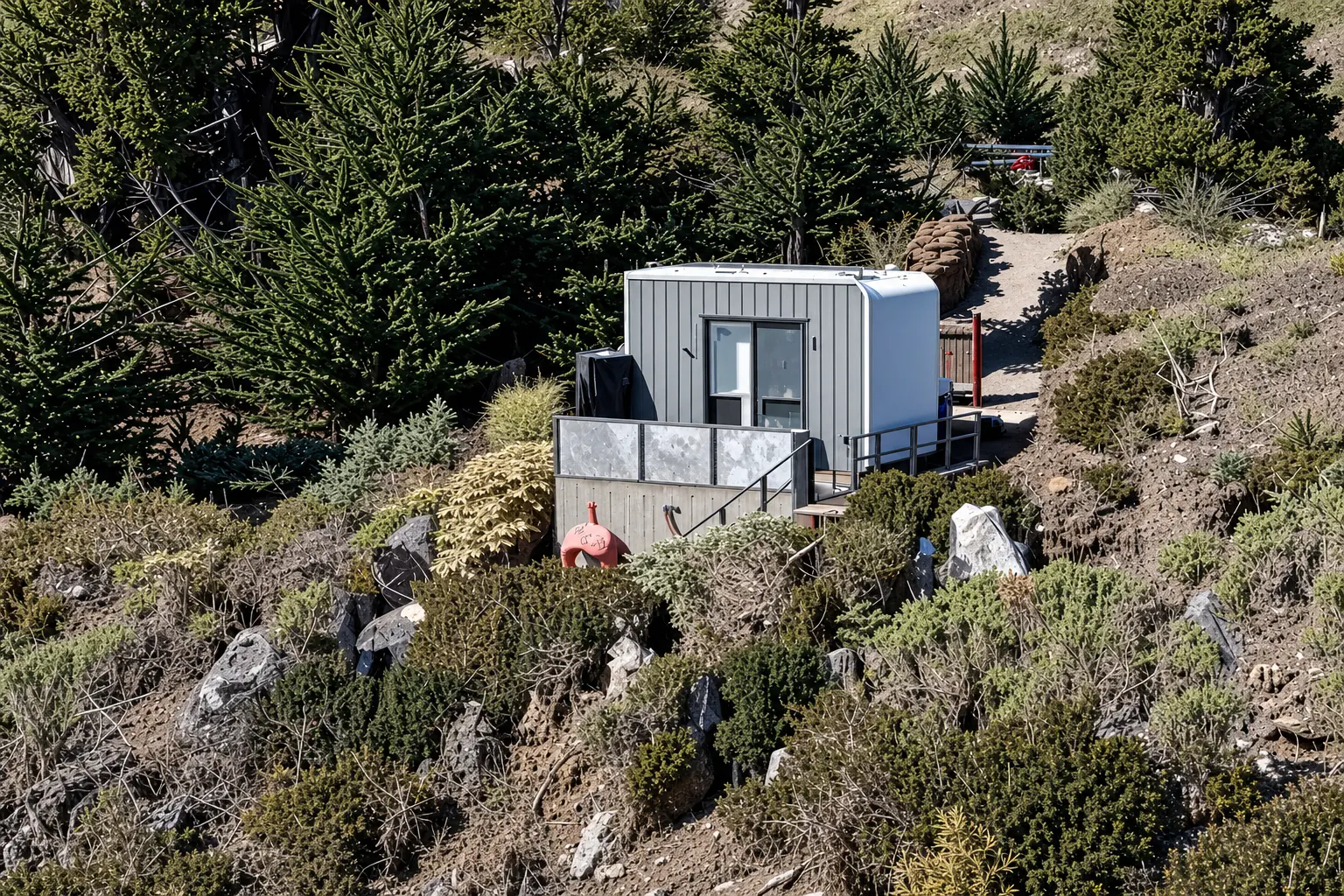
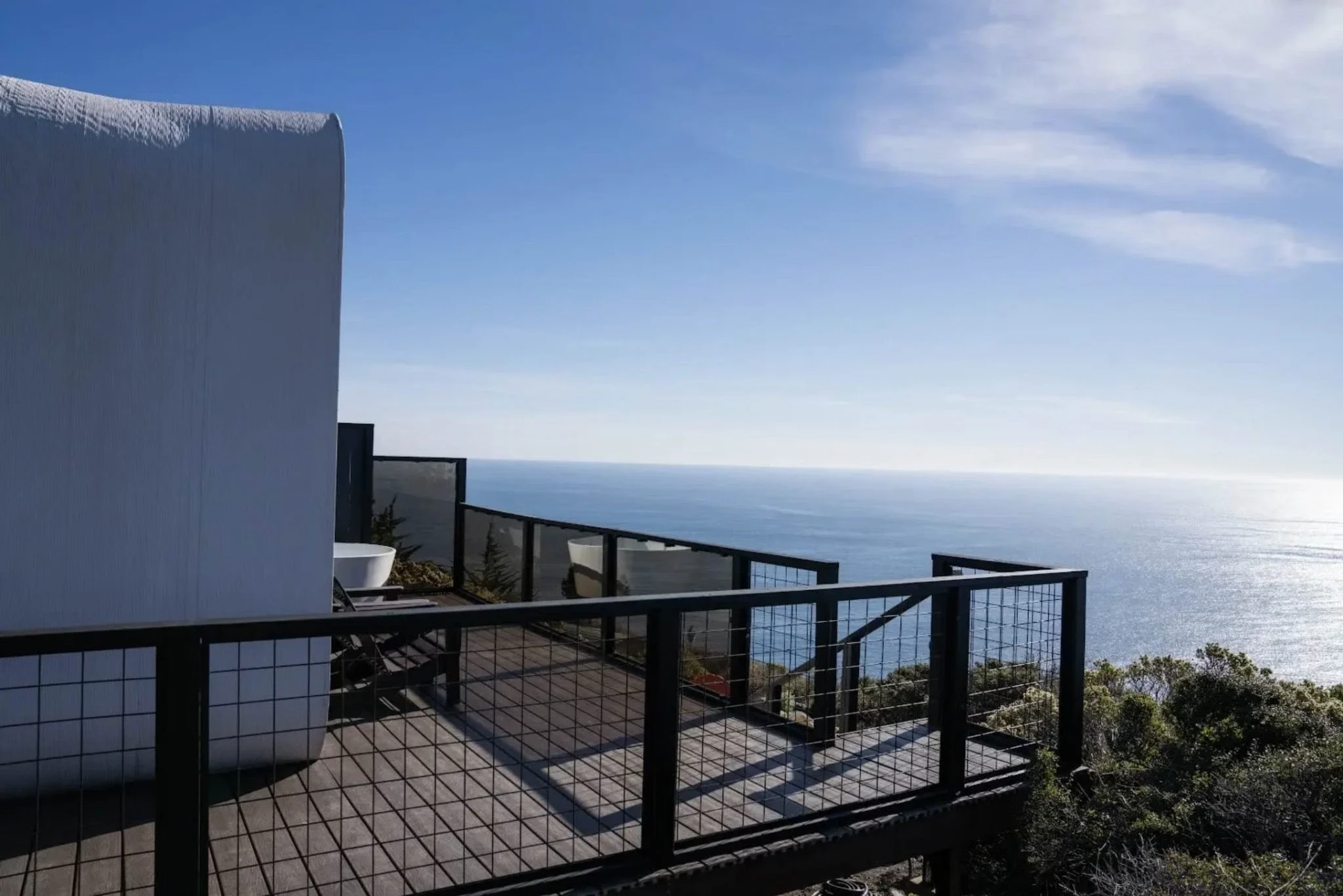
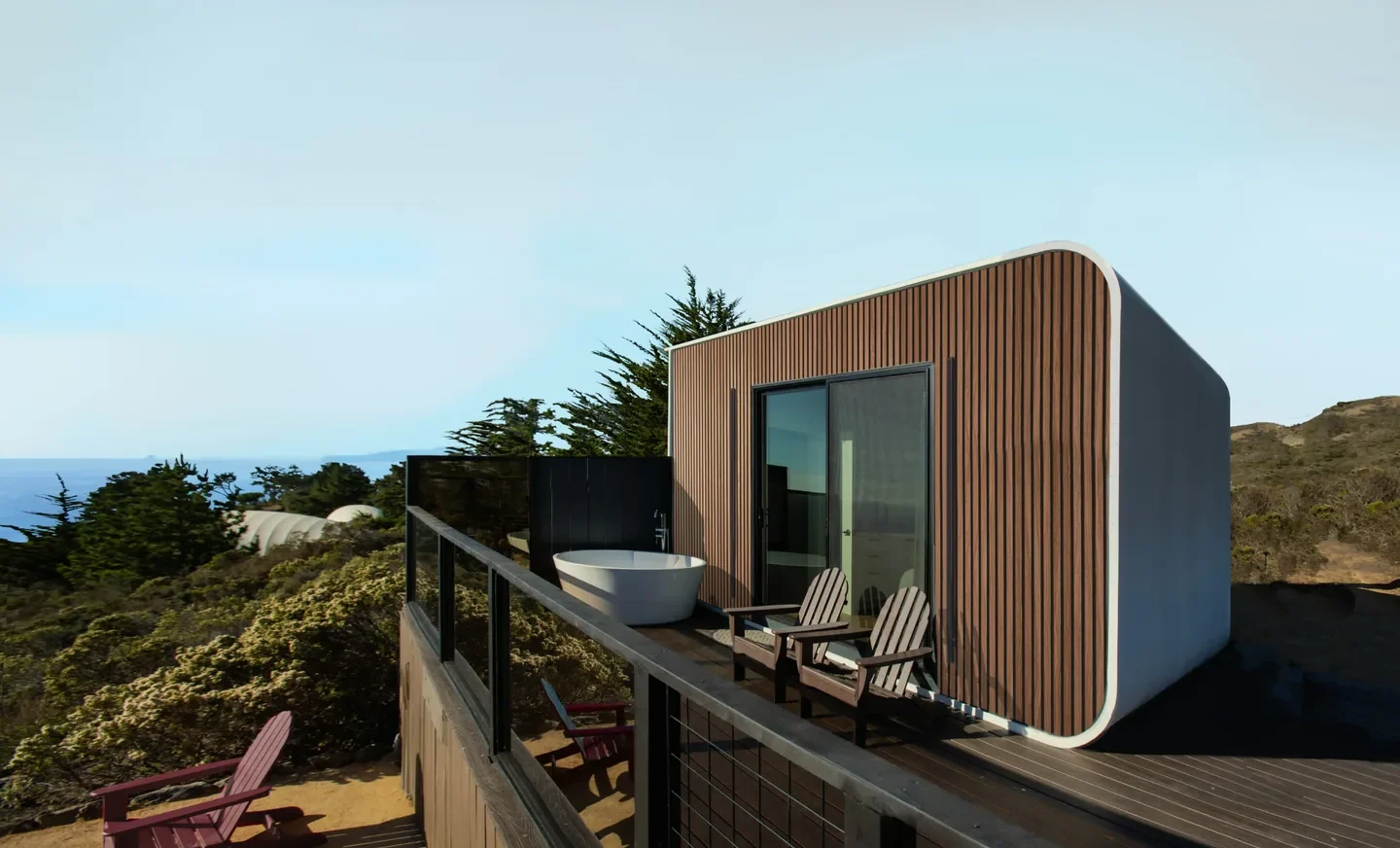
At Azure Printed Homes, we manufacture modular housing units that can be delivered and installed on site. Our homes are built with robotic 3D-printing, recycled materials, and factory-controlled fabrication. They can include finished interiors, electrical, plumbing, bathrooms, kitchens, and sleeping areas, depending on the model.
These units do not replace shelters, housing programs, or emergency services. They give communities, property owners, and project teams another way to create usable housing faster when people need a safe place to stay.
Start With the Most Immediate Need
If someone has nowhere safe to stay tonight, the first step is to contact local emergency support. This may include a shelter intake line, city or county housing office, emergency management department, disaster recovery center, or nonprofit housing organization.
The first call does not need to sound polished. It just needs to be clear. Explain what happened, where the person is now, how many people need housing, and whether there are children, older adults, pets, medical needs, or accessibility needs involved.
What to Say When You Call
A simple explanation is usually enough to start.
Helpful details include:
- Where you are right now
- Why you cannot stay where you were
- How many people need housing
- Whether anyone has health, safety, or mobility needs
- Whether the housing loss is connected to a fire, flood, eviction, unsafe home, or disaster
- Whether you need help tonight or within the next few days
The goal is to help the person on the other side understand the urgency quickly.
Understand What Kind of Emergency Housing You Need
Emergency housing is not one single category. This is where the process can get confusing. Different programs handle different needs, and some options are only available in specific situations.
Shelter for Tonight
Immediate shelter is usually for the next night or next few nights. This can include emergency shelters, hotel or motel vouchers, temporary safe housing, or short-term placement through a local agency.
This is often the right first step when there is no safe place to sleep right now.
Temporary Housing
Temporary housing covers a longer gap. It may be used after a disaster, during repairs, while waiting for benefits, or while a family looks for a more permanent option.
This type of housing may last weeks or months, depending on the program and the situation.
Community-Scale Emergency Housing
Some emergencies affect more than one household. Wildfires, floods, storms, infrastructure failures, and housing shortages can leave entire communities without enough usable space.
This is where faster building becomes important. A city, county, nonprofit, developer, or property owner may need actual units that can be deployed more predictably than a traditional on-site build.
Gather the Documents You Can
Emergency housing programs often ask for documents, but not everyone has everything ready. That is normal. People lose papers during emergencies. Phones break. Records get left behind.
Still, it helps to gather what you can.
Common Documents That May Help
You may be asked for:
- Photo ID
- Proof of address
- Eviction notice, disaster notice, or written explanation of what happened
- Pay stubs, benefits letters, or proof of income
- Birth certificates or school records for children
- Medical or disability information if it affects housing needs
- Insurance claim details if housing loss is disaster-related
- Contact information for a landlord, caseworker, employer, or agency
If something is missing, say that clearly. Ask what can be used instead. Many programs have ways to work around missing documents, especially in urgent cases.
Contact the Right Local Resources
Emergency housing is usually handled locally. That means the best contact may be different from one city or county to another.
A good place to start is the local housing department or emergency management office. If the situation involves a disaster, a disaster recovery center may be more useful. If the issue is eviction, unsafe housing, or income loss, a local nonprofit or legal aid group may know the next step.
Useful contacts can include:
- City or county housing department
- Local shelter intake line
- Emergency management office
- Disaster recovery center
- Community action agency
- School district homeless liaison
- Veteran support organization
- Legal aid group
- Nonprofit housing provider
- Faith-based shelter or outreach program
It is common to be referred from one place to another. Keep notes. Write down who you spoke with, the date, the phone number, and what they told you to do next. It may feel small, but it can save time later.
Why Emergency Housing Can Take Longer Than Expected
Emergency housing sounds like it should move fast. Sometimes it does. Other times, the process slows down because there are not enough units, funding is limited, permits are needed, or the right site is not ready.
That is one reason building methods matter. A faster unit is not the whole solution, but it can remove one major bottleneck when the need is real housing space.
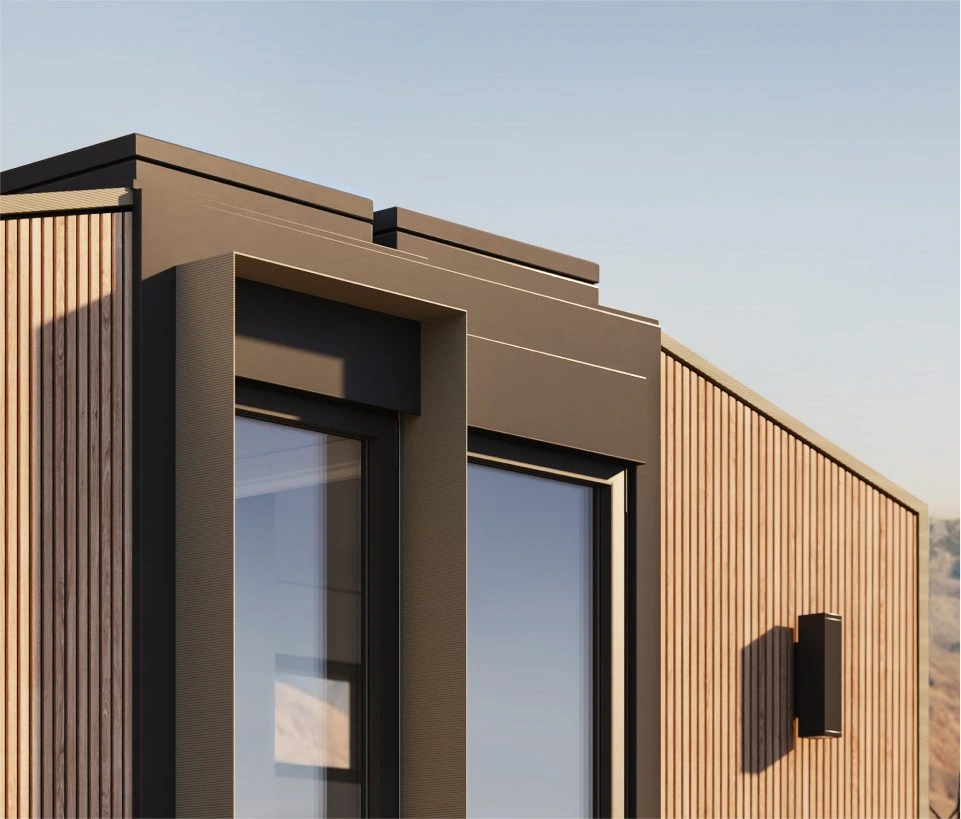
Traditional construction can be hard to manage during an urgent housing response. There may be labor shortages, weather delays, long material schedules, and complicated site coordination. Factory-built modular construction can make more of the process predictable because much of the work happens off-site.
Where Faster Modular Building Fits
At Azure Printed Homes, our homes are robotically printed using recycled materials, then finished in a controlled factory environment before delivery and installation.
That kind of process can help emergency housing projects because communities are not starting every unit from scratch on-site.
Why the Building Method Matters
In emergency housing, speed is important, but speed alone is not enough. The space still has to be useful, safe, durable, and appropriate for the people who will live there.
Faster modular building can help by:
- Reducing long on-site construction timelines
- Making unit production more predictable
- Lowering construction waste
- Supporting repeatable housing layouts
- Allowing site work and unit fabrication to happen in parallel
- Helping communities plan around clearer delivery steps
This is not about rushing people into poor-quality spaces. It is about getting better housing options ready sooner.
Matching the Housing Type to the Emergency
Not every emergency housing need calls for the same unit. A single person needing temporary shelter has a different need than a family displaced by a fire. A city planning interim housing has a different need than a homeowner trying to add a unit for a relative.
Smaller Support Spaces
Small studio-style units can help when the need is flexible extra space. They may work for support functions, staff spaces, recovery-related services, or simple private rooms depending on the site and local rules.
Our Studio Series is designed for compact, versatile use. These spaces are not the same as full homes, but they can be useful when a project needs smaller structures quickly.
Homes on Wheels
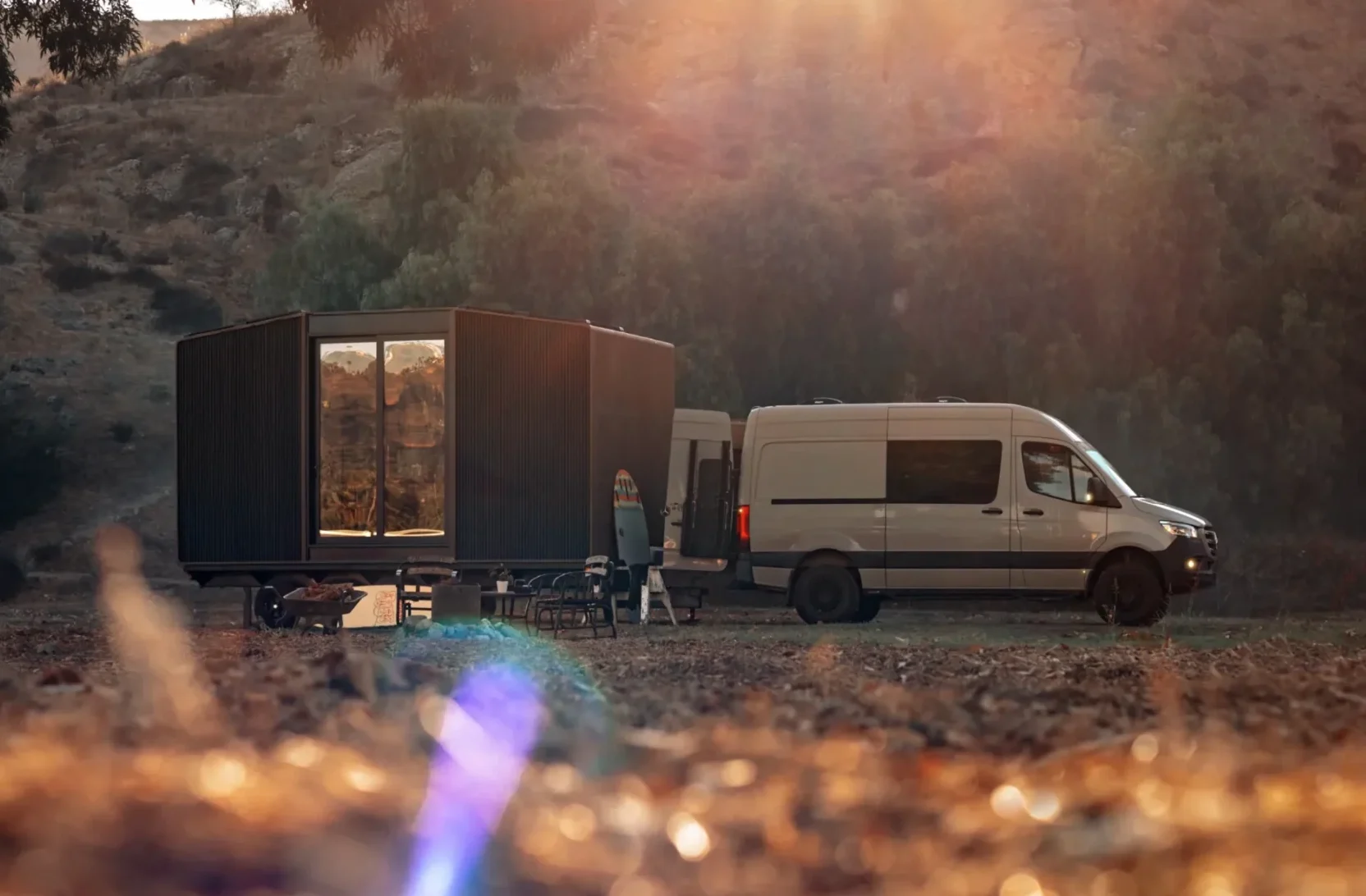
Homes on wheels can support mobility and flexible placement where local rules allow it. Our X Series models are chassis-based and designed for comfort in compact layouts, with options that include kitchens, bathrooms, and sleeping space.
These units can be a fit for certain emergency or temporary housing settings, but placement rules matter. A movable unit still needs a legal and practical place to sit.
Homes and ADUs
For more stable housing needs, larger Homes & ADUs may be the better fit. These units are designed for fuller residential use, with layouts that can support families, guests, caregivers, or longer-term living situations.
They usually require more planning around permits, utilities, site access, foundations, drainage, and local approvals. That planning takes work, but it also creates a more complete housing solution.
Do Not Skip the Site Details
Even fast-built housing needs a prepared site. This is where many emergency housing plans get delayed.
A unit may be ready, but the land still has to work. Access, grading, drainage, utilities, fire safety, setbacks, and local approval all matter.
Before choosing a housing option, ask:
- Where will the unit be placed?
- Is the land legally allowed to support that use?
- Can delivery vehicles access the site?
- Is the ground properly graded?
- Are water, sewer, and electrical connections available?
- Is a foundation required?
- Are local permits or inspections needed?
- Are there fire, flood, or climate risks to consider?
These questions may not feel urgent at first, but they can decide whether a project moves quickly or gets stuck.
A Simple Checklist for Getting Emergency Housing
When the situation feels overwhelming, a short checklist can help.
Start here:
- Make sure everyone is safe tonight
- Call local emergency housing or shelter intake
- Explain the situation clearly
- Gather the documents you can
- Ask what options are available now
- Write down every contact and next step
- Ask about short-term and longer-term housing separately
- Check whether disaster, family, veteran, school, or disability programs apply
- If land or a property is involved, ask about modular or temporary unit options
- Confirm site, utility, and permit needs before assuming a unit can be placed
Emergency housing is rarely a straight line. But the process becomes easier when the immediate need, the housing type, and the next contact are clear.
The Bottom Line
Getting emergency housing starts with safety. First, find the fastest available support for tonight. Then work toward the next step, whether that is temporary placement, rental help, disaster recovery housing, or a more stable unit.
Emergency housing is a construction challenge as well as a housing challenge. Communities need housing units that can be manufactured quickly, delivered on a clear schedule, and installed with less on-site disruption. Robotically 3D-printed modular homes are not the only solution, but they can help when safe housing is needed fast.
Emergency housing should not feel impossible to understand. Start with the urgent need. Contact the right local resources. Prepare what you can. Then look at the housing options that actually fit the situation, the site, and the people who need a safe place to be.