When someone needs emergency housing in California, the first step is not a perfect plan. It is finding a safe place quickly.
If you need help right now, start by calling 211 or contacting your local housing access center. They can point you toward emergency shelter, temporary housing, rental help, or other local programs. The exact path depends on your county, your situation, and what is available nearby.
But the bigger question is harder: what happens when there are not enough safe places to go?
At Azure Printed Homes, we build future-focused modular living spaces using robotic 3D printing, recycled materials, and off-site fabrication. Our homes, ADUs, studios, and professional building systems are made to help communities create housing faster, with less waste and less on-site disruption.
Emergency housing should not feel like an afterthought. It should be practical, durable, and ready to support real people through difficult moments. Faster building does not solve every housing challenge on its own, but when families, cities, and recovery teams are waiting on real walls, real doors, and a place to breathe, speed matters.
What to Do First If You Need Emergency Housing
If you are in immediate danger, call 911. Safety comes before paperwork, programs, or applications.
If you need housing help urgently but it is not a police, fire, or medical emergency, call 211. In California, 211 can help connect people with local shelter options, housing programs, food, disaster assistance, and other basic services. It is often the fastest starting point because emergency housing is handled locally.
You can also contact your county social services office, local housing department, homeless services agency, or coordinated entry access point. Many counties use coordinated entry to assess needs and connect people with shelter, rapid re-housing, prevention support, or longer-term housing options.
When you call, be clear and practical. Say what is happening right now.
For example:
- “I have nowhere safe to sleep tonight”
- “My family is sleeping in a car”
- “I have an eviction notice”
- “We were displaced by a fire”
- “I need a shelter that can take children”
- “I need help because of a medical condition or disability”
Those details matter. They can affect which program fits and how urgent the referral is.

Common Emergency Housing Options
Emergency housing is not one single thing. In California, it may include several types of help, such as:
- Emergency shelter
- Motel or hotel vouchers
- Temporary disaster housing
- Rapid re-housing
- Transitional housing
- Domestic violence safe housing
- Youth shelter
- Veteran housing assistance
- Homelessness prevention
- Family assistance through county programs
If you still have housing but may lose it soon, ask about prevention help. That may include rental assistance, legal aid referrals, mediation, or support with arrears. If you are already without housing, ask about shelter, coordinated entry, and rapid re-housing.
If you have children and may qualify for CalWORKs, ask your county social services office about CalWORKs Homeless Assistance. For some eligible families, it may help with temporary shelter costs or housing-related expenses.
The system can feel hard to navigate, especially when you are already stressed. Keep notes if you can. Write down who you spoke with, the date, phone numbers, referral details, and what they told you to do next.
Why Emergency Housing Is So Hard to Find
The honest answer is that California does not have enough emergency, interim, and affordable housing for the level of need. That is not a personal failure. It is a supply problem, a cost problem, a land problem, a speed problem, and often a local planning problem all at once.
Shelters fill up. Motel vouchers run out. New affordable housing takes years. Disaster recovery can move slowly. Cities may have funding or land but still face long timelines, permitting steps, utility work, and construction delays.
That is why emergency housing cannot only be about referrals. Referrals matter, but they only work when there is somewhere to send people.
A person can call the right number, complete the right intake, and still be told there is no space. That is the hard part. And it is exactly why emergency building has to be part of the conversation.
The Real Need Is Usable Space
Emergency housing has to exist physically. It needs walls, doors, bathrooms, electricity, heating, cooling, access, safety planning, and a site that can actually support people.
For communities, this means planning beyond the crisis moment. A good emergency housing response needs:
- Land that can support housing
- Units that can be delivered or assembled faster
- Utility plans for power, water, and sewer
- Safe access for residents, staff, and emergency services
- Durable structures that can handle real use
- A clear operating plan after people move in
- A path from emergency housing to longer-term stability
This is not just a construction issue. It is a dignity issue. Temporary housing should not feel disposable just because people need it quickly.
How Emergency Building Can Help California Respond Faster
Emergency building is not about skipping rules or cutting corners. It is about making the building process smarter before the pressure hits its highest point.
Traditional construction can be slow, expensive, and messy on-site. There are labor schedules, weather delays, material waste, inspections, trade coordination, and all the little things that can drag a project out. In an emergency housing context, every delay has a human cost.
Our approach at Azure Printed Homes is different. We use robotic 3D printing, recycled materials, modular design, and controlled factory fabrication. That lets more of the work happen off-site, where the process is more predictable and less exposed to the usual job-site slowdowns.
We can print the structural shell of a home in about one day. Finishes, electrical, plumbing, and interiors are added after that. Then the unit is delivered and installed on-site. The full project still needs proper planning, permits, utilities, and site work, but the construction path becomes easier to control.
That is important for emergency housing because speed only helps when it is organized.
Matching the Unit to the Emergency
Not every emergency housing project needs the same kind of structure. A family displaced by wildfire, a person leaving a shelter, a county building interim housing, and a nonprofit adding support space all have different needs.
This is where unit type matters.
Compact Support Spaces
Our Studio Series can support compact, flexible spaces. These may work for staff rooms, private support spaces, intake areas, wellness rooms, or small temporary-use structures where allowed. They are not the answer to every housing need, but they can help a site become more functional quickly.
Mobile Housing for Shifting Needs
Our X Series Homes on Wheels are built for mobility and comfort. In certain emergency or interim housing plans, a chassis-based model can offer flexibility. Placement rules still matter, and local approval should always come first. But mobility can be useful when housing needs may shift over time.
Larger Spaces for Longer Stays
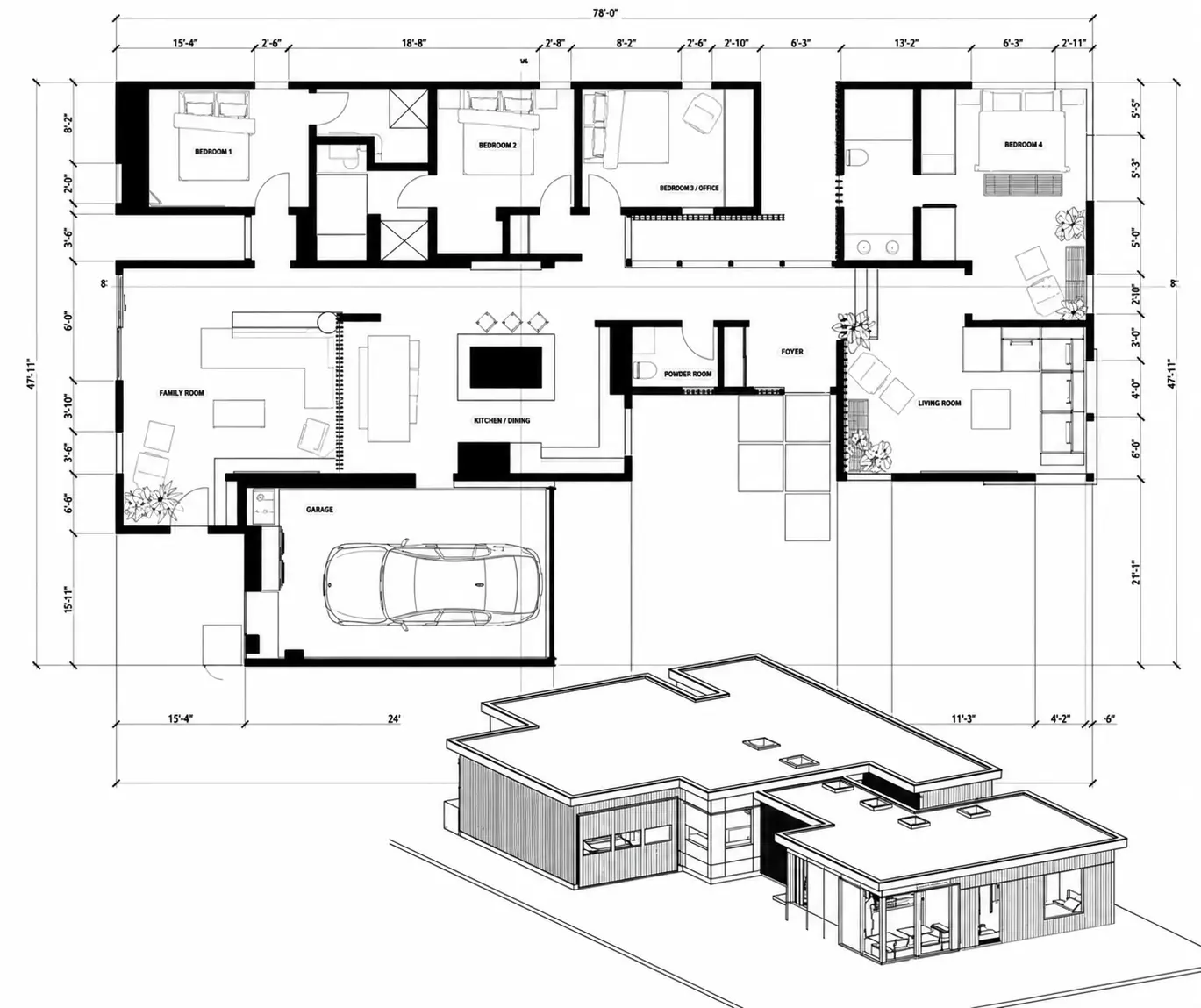
Our Homes & ADUs provide larger residential-style layouts. These are better suited for projects that need more complete living space, such as family housing, displaced resident support, longer stays, or community housing where allowed. They require more planning around utilities, access, foundation, drainage, and permits, but they also offer a stronger sense of home.
Building Systems for Larger Projects
For larger projects, our professional building systems can support developers, architects, general contractors, and public partners. These systems combine light-gauge steel, high-performance envelopes, 3D-printed facades, and off-site fabrication to help reduce timelines, costs, and on-site complexity.
The goal is not to force one model into every situation. The goal is to choose the right housing format for the need, the site, and the people who will use it.
What Communities Should Plan Before Building
A good emergency housing project starts before the model is selected. The site, use, and operating plan need to be clear.
Before building, communities should ask:
- Who will live there?
- Is the goal emergency shelter, interim housing, transitional housing, or longer-term housing?
- How many people need to be served?
- Will units need private bathrooms, kitchens, laundry, or shared facilities?
- What utilities are already available on the site?
- Can the site support delivery, drainage, accessibility, and fire access?
- Who will manage the housing after installation?
- Can the plan be repeated on other sites if it works?
This kind of planning may not sound exciting, but it saves time later. A fast-built unit still needs a prepared site. A strong model still needs the right approvals. A housing project still needs people to operate it after move-in.
Faster Should Still Feel Human
Emergency housing should be built quickly, but it should never feel careless.
People need privacy. They need temperature control. They need clean bathrooms. They need safety. They need enough space to sleep, think, recover, and plan the next step. That is true after an eviction. It is true after a wildfire. It is true after a flood. It is true for a family that has been living in a car.
Emergency building should be practical, durable, and respectful. Faster construction matters, but only if the result still works for real life.
Build smarter. Deliver faster. Keep the human part at the center.
Conclusion
If you need emergency housing in California right now, start with 211, your county social services office, or your local housing access point. Ask about shelter, motel vouchers, rapid re-housing, homelessness prevention, family assistance, or disaster housing if that fits your situation.
That is the immediate step.
But the larger answer is building more places for people to go. California needs emergency housing that can move faster than traditional construction, while still being safe, useful, and built with dignity.
At Azure Printed Homes, we help create housing options that are more predictable, more efficient, and better suited for urgent real-world needs.
Emergency housing is about speed, yes.
But more than that, it is about making sure people have a door to open when they need one most.