Emergency housing should not feel complicated, but it often does. When someone needs a safe place to live, they are usually dealing with more than paperwork. They may be leaving an unsafe situation, sleeping in a car, staying in a shelter, moving between couches, or trying to keep their family together after losing housing.
An Emergency Housing Voucher can help, but the process is not always as simple as filling out one online form.
In most areas, Emergency Housing Vouchers are connected to local housing systems. That may include a Public Housing Agency, a Continuum of Care, a Coordinated Entry program, a local nonprofit, or a victim service provider. The right first step depends on where you live and what type of help is still available there.
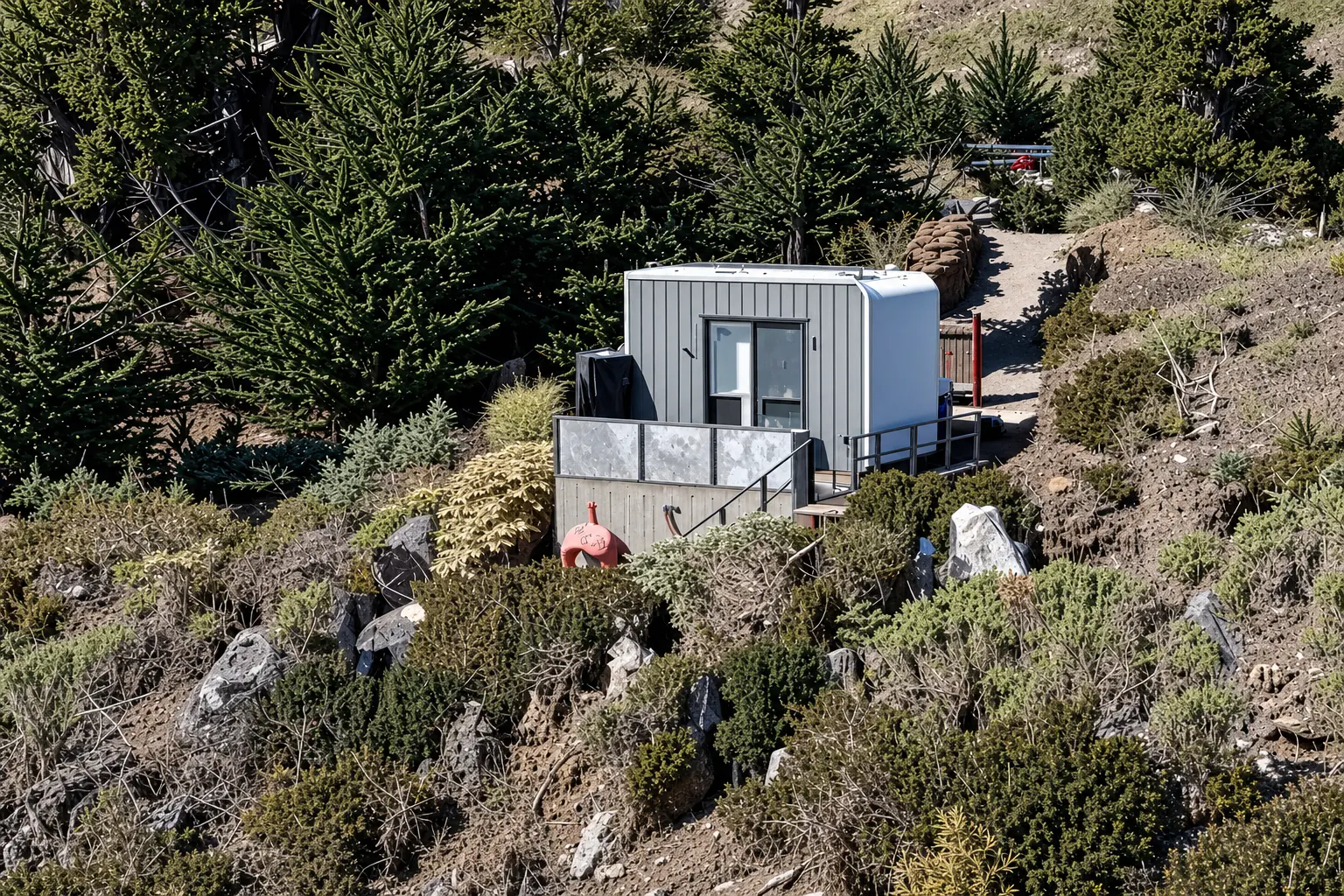
At Azure Printed Homes, we manufacture modular housing units for sites that need usable space quickly. We do not provide housing assistance or decide eligibility. Our role is to build units that can be delivered, installed, and connected on site.
When communities have people ready for housing, they also need places for them to live. Faster modular construction can help add those units with a clearer timeline.
A voucher can help cover rent, but it cannot solve the shortage on its own. Cities, housing partners, developers, and communities still need safe, durable spaces that can be delivered without years of delay. That is where faster, more predictable building can help close the gap.
What Is an Emergency Housing Voucher?
An Emergency Housing Voucher, often called an EHV, is a form of rental assistance for people and families in serious housing situations. It can help eligible households pay rent in approved housing.
The program was designed for people who are:
- Experiencing homelessness
- At risk of homelessness
- Fleeing domestic violence, dating violence, sexual assault, stalking, or human trafficking
- Recently homeless and at risk of becoming unhoused again
- Referred through an approved local housing or service partner
A voucher is not the same as being handed a home right away. It usually means a household may receive rental help after eligibility is reviewed, documents are checked, and a suitable housing unit is found.
That last part matters. The housing still has to meet program rules, rent limits, inspections, and local requirements. A voucher helps with payment, but it does not automatically create more homes.

Start With the Local Housing System
For many people, the first question is, “Where do I apply?” The answer is usually local.
Emergency Housing Vouchers are often handled through referral systems. That means you may need to start with a local homeless services provider or Coordinated Entry program before the Public Housing Agency can process anything.
A practical first step is to call 211, if it is available in your area. Ask for emergency housing help and say clearly that you want to know whether Emergency Housing Voucher referrals are open.
You can also contact your local Public Housing Agency and ask:
- Are Emergency Housing Voucher referrals still available here?
- Which agencies can refer people?
- Is there a Coordinated Entry access point?
- Are regular Housing Choice Voucher waiting lists open?
- Are public housing or project-based voucher lists open?
- What other emergency rental help is available?
Do not stop after one call if the answer is no. Housing programs open and close at different times. One list may be closed while another option is still active.
What Coordinated Entry Means
Coordinated Entry is the local system many communities use to assess housing needs and connect people with available programs. The name may vary. Some places call it Coordinated Access, Homeless Response Intake, Housing Assessment, or something similar.
During intake, you may be asked about your current housing situation, income, household members, safety concerns, health needs, and how long you have been without stable housing.
This does not always lead directly to a voucher. But it can place you into the local system that housing providers use for referrals.
Try to keep notes after every call or appointment. Write down:
- The agency name
- The person you spoke with
- The date
- Any next steps
- Any documents requested
- When you should follow up
It sounds small, but it helps. Housing systems can be busy, and keeping your own record makes it easier to stay organized.
Documents to Prepare
You may not have every document right now. That is common in emergency housing situations. Still, gathering what you can will help if a referral moves forward.
Useful documents may include:
- Photo ID for adults
- Social Security numbers or cards, if required
- Birth certificates or school records for children
- Proof of income, such as pay stubs or benefits letters
- Eviction notices or lease termination letters
- Shelter letters or caseworker statements
- Proof of homelessness or housing instability
- Safe contact information
- Disability or medical documentation, if it supports an accommodation request
If you are missing documents, say so. Do not avoid the process because your folder is not perfect. Many housing agencies and service providers understand that people in emergency situations may not have everything with them.
If Safety Is Part of the Situation
If you are fleeing violence, stalking, trafficking, or another unsafe situation, ask for a victim service provider. These organizations may be able to help with safer referrals, confidential communication, emergency shelter, and housing support.
You do not have to share every detail with every office. Share enough to be connected to the right help. If phone calls, mail, or email are not safe, tell the agency that and ask how they can contact you safely.
What Happens After a Referral?
If you are referred for an Emergency Housing Voucher, the Public Housing Agency usually reviews your eligibility. This may include income, household information, identity documents, and other program requirements.
If approved, you may receive a voucher and begin looking for a rental unit that fits program rules.
That usually means:
- Finding a landlord or housing provider
- Submitting the unit for approval
- Making sure the rent fits program limits
- Waiting for inspection
- Signing a lease after approval
- Staying in touch with the housing agency and caseworker
Ask about help with deposits, utilities, moving costs, and landlord paperwork. Some local programs offer extra support, but it depends on the area.
Do Not Wait on One Program Only
Emergency Housing Vouchers are limited. In some areas, new referrals may not be available. That does not mean there is no help. It means you should keep asking about other housing options while you wait.
Ask About Regular Housing Choice Vouchers
A regular Housing Choice Voucher may still be worth checking, even if the emergency voucher path is closed. The waiting list may be long, and in some places it may not be open all the time, but it is still one of the main rental assistance programs people use for long-term housing support.
Your local Public Housing Agency can tell you whether the list is open, whether there are local preferences, and what documents you need to apply.
Check Public Housing and Project-Based Options
Public housing and project-based voucher properties can be separate from the regular voucher process. That means one program may be closed while another property or waiting list is still accepting applications.
This is why it helps to ask very specific questions. Instead of only asking, “Can I get a voucher?” ask whether any public housing, project-based housing, or affordable housing properties are taking applications now.
Look Into Shorter-Term Housing Support
Emergency rental assistance, rapid rehousing, homelessness prevention, and transitional housing may help while you wait for a longer-term option. These programs work differently from vouchers, but they can still help cover urgent needs such as rent, deposits, temporary housing, or support during a move.
Availability changes by city and county, so the best place to start is usually 211, Coordinated Entry, or a local housing nonprofit.
Ask About Specialized Housing Programs
Some programs are built for specific groups, including veterans, youth, families, people with disabilities, or people leaving unsafe situations. Permanent supportive housing may also be available for people who need both housing and ongoing services.
These programs may have their own referral process, so it is worth asking whether your situation fits any specialized housing support.
Keep More Than One Door Open
This part is not fun. It can feel like calling the same system from five different doors. But in housing, those doors can lead to different programs.
Emergency Housing Vouchers may be one path, but they should not be the only path you try. The more options you check, the better chance you have of finding help that actually fits your situation.
Why Vouchers Need More Housing Behind Them
A voucher can help someone afford rent. But it cannot solve the supply problem by itself.
That is one of the biggest challenges in emergency housing. A city may have people ready to move. A nonprofit may have caseworkers ready. A Public Housing Agency may have rental assistance. But if there are not enough safe, available homes, the process slows down.
This is where building matters.
Emergency housing needs more than funding. It needs land, utilities, permits, delivery planning, durable structures, and a realistic timeline. It also needs homes that can be repeated without starting from zero every time.
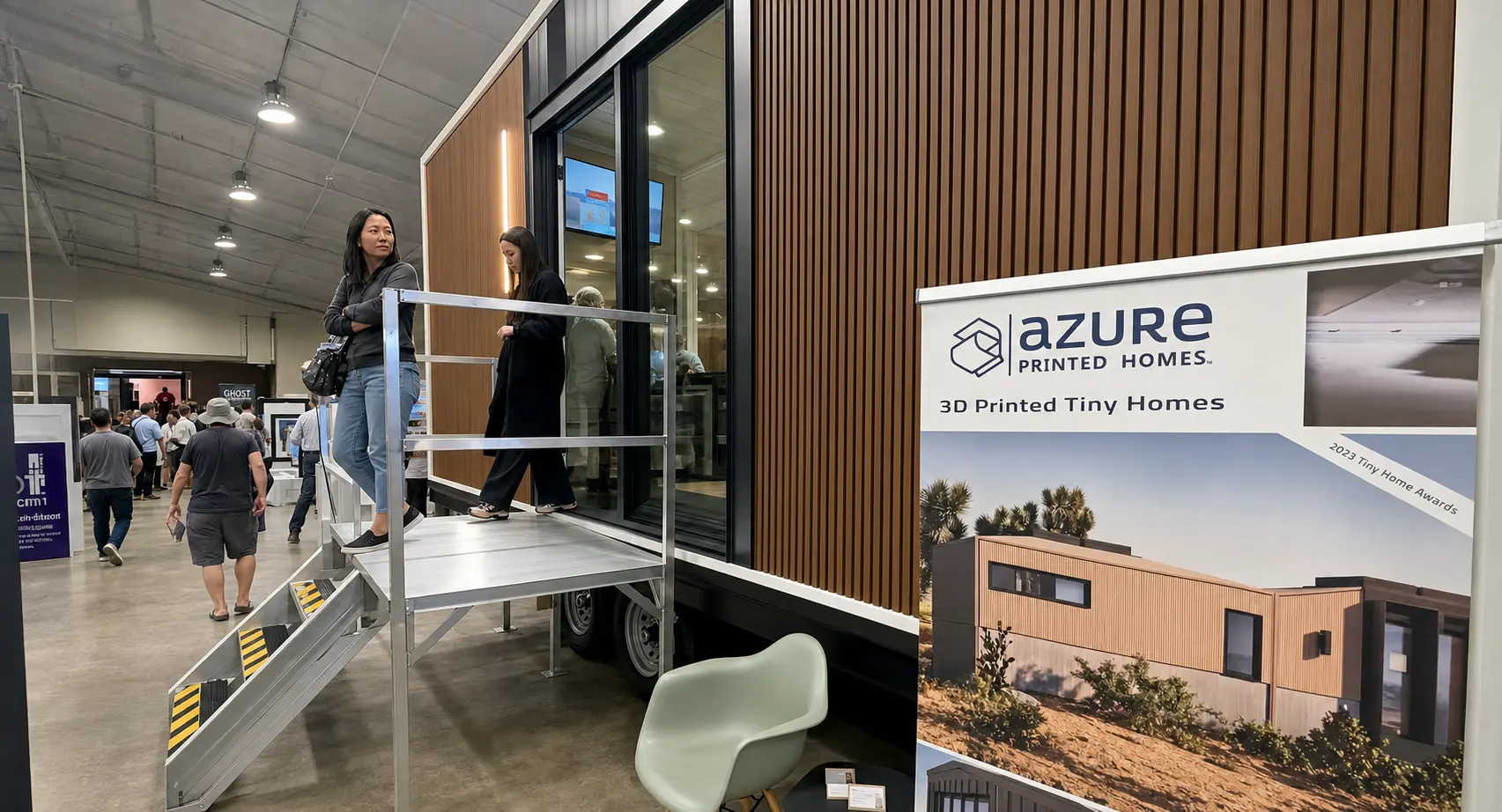
Our robotically printed homes, ADUs, studios, and professional building systems are designed to make housing more predictable. We use recycled materials, controlled factory fabrication, and a process that can reduce waste and shorten build timelines compared with conventional construction.
That does not replace the voucher process. It supports the bigger housing response around it.
How Faster Building Can Support Emergency Housing
Emergency building is not about throwing up temporary structures and hoping they work. People need housing that feels safe, steady, and livable. Communities need projects that can pass review, connect to utilities, and hold up over time.
Faster building works best when the structure and the site are planned together.
That includes:
- Choosing the right unit type
- Confirming local approvals
- Planning water, sewer, power, and drainage
- Preparing foundations or placement areas
- Making sure emergency access works
- Coordinating delivery and installation
- Planning long-term maintenance and management
At Azure Printed Homes, our approach is built around factory-controlled production. That means more of the work happens before the unit reaches the site. It can reduce on-site mess, shorten the active construction window, and make delivery more predictable.
For emergency housing partners, that matters. Faster occupancy can reduce the time people spend in shelters, cars, unsafe settings, or unstable temporary arrangements.
Matching Emergency Housing Needs With the Right Model
Emergency housing is not one-size-fits-all. A single adult may need a compact, private space. A family may need a more complete home with bedrooms, a kitchen, and a bathroom. A city may need repeatable units for a larger site. A property owner may need an ADU for a family member, caregiver, or long-term rental where local rules allow.
The right fit depends on the people, the land, the timeline, the utilities, and how the space will be used over time.
Studio Series for Flexible Support Spaces
Our Studio Series includes compact backyard structures that can support flexible space needs. These are not full residential homes, but they can be useful in broader site planning where local rules allow.
For emergency housing programs, this type of space may support work areas, intake offices, private meeting rooms, wellness spaces, storage, or other on-site needs that help a housing site function better.
X Series for Compact Living and Mobility
Our X Series homes on wheels are chassis-based models designed for compact living and mobility. They can make sense in certain communities, parks, planned sites, or temporary housing settings.
Placement still depends on local rules, site conditions, access, utilities, and permitted use. A home on wheels can bring flexibility, but it still needs a clear legal and practical place to land.
Homes & ADUs for More Complete Living Needs
Our Homes & ADUs are larger residential-style units with more complete layouts. These models can include kitchens, bathrooms, bedrooms, and the everyday comforts that help a space feel more like home.
They can support family housing, guest housing, caregiver housing, long-term rental potential where allowed, or added living space on properties that can support an ADU-style unit.
Professional Building Systems for Larger Housing Response
For larger emergency housing work, our professional building systems are designed for developers, architects, general contractors, public agencies, and nonprofit housing partners.
These systems can support multifamily housing, infill projects, missing middle housing, wildfire rebuilds, mountain communities, and interim housing. They are built for repeatability, faster delivery, and more predictable construction from design through installation.
The Right Model Starts With the Real Need
The goal is not to force one model into every situation. Emergency housing works best when the structure matches the people, the site, the budget, and the timeline.
Sometimes that means a compact support space. Sometimes it means a full ADU. Sometimes it means a larger building system that can help a community create many homes at once. The better the match, the easier it is to move from urgent need to a real place people can live.
Building Questions Communities Should Ask Early
For cities, nonprofits, housing authorities, developers, and landowners, emergency housing should start with clear questions.
Before choosing a unit or building system, ask:
- Who will live here?
- Is this interim housing, permanent housing, supportive housing, or ADUs?
- Who owns or controls the land?
- What local approvals are needed?
- Are utilities already available?
- How will water, sewer, power, and drainage work?
- How quickly can the site be prepared?
- Who will manage the housing after installation?
- What services will residents need nearby?
- Can the project scale if more units are needed?
- Will the structures be durable enough for long-term use?
A fast project still needs a grounded plan. The best emergency housing is built quickly, but not carelessly.
What to Do Today if You Need a Voucher
If you need help now, start with the local housing system and keep moving.
A simple order looks like this:
- Call 211 and ask for emergency housing help
- Ask how to access Coordinated Entry
- Contact your local Public Housing Agency
- Ask whether Emergency Housing Voucher referrals are still open
- Ask which agencies can refer you
- Contact a victim service provider if safety is part of the situation
- Gather the documents you have
- Apply for other housing programs too
- Keep your phone, email, or safe contact updated
- Follow up and keep notes
Do not pay anyone who promises a guaranteed voucher. Real housing help may involve forms and appointments, but no one should be selling you secret access to a government voucher.
Final Thoughts
Applying for an Emergency Housing Voucher is usually not a straight online application. It often starts with local referrals through Coordinated Entry, a housing service provider, a victim service provider, or a Public Housing Agency.
For people who need housing, the best first move is to contact local help, ask clear questions, prepare documents, and apply for other housing programs at the same time.
For communities, the bigger issue is supply. Vouchers help people pay for housing, but safe homes still have to be built. Emergency housing needs faster, smarter, more predictable construction.
At Azure Printed Homes, we build robotically printed homes, ADUs, studios, and scalable building systems for communities that need usable housing space. These systems do not solve every housing problem on their own. They help shorten the path between urgent need and real places where people can live.