Finding affordable housing can be challenging, but understanding available options can make the search easier. This guide explains what affordable housing means, how to approach the search, and which solutions can help individuals, communities, and organizations find housing that fits their needs.
From budgeting and housing programs to alternative housing options, different approaches can help address affordability challenges. The article also explores how new housing solutions, including modular homes, can support efforts to expand available living spaces.
What Is Affordable Housing and How Can People Find It?
Finding affordable housing usually starts with understanding what type of home fits a person’s financial situation, lifestyle, and long-term needs. The process often includes reviewing a realistic budget, researching available housing programs, comparing locations, and considering different housing options.
Affordable housing generally refers to housing where costs remain manageable compared with household income. A commonly used guideline is that housing expenses should not exceed around 30% of gross income. However, affordability depends on many factors, including local housing prices, available housing supply, income levels, financing options, and the overall cost of living in a specific area.
For individuals and families, finding affordable housing may involve looking at rental options, assistance programs, shared housing, or alternative living arrangements. For communities, developers, and organizations, the challenge often involves creating more housing opportunities and finding efficient ways to increase available residential space.
As housing demand continues to grow, exploring a variety of options can help more people find solutions that match their needs and circumstances.
Steps to Finding the Right Affordable Housing Option
Finding affordable housing usually requires more than looking at the lowest available price. The right option depends on financial circumstances, lifestyle needs, location, and long-term goals. By understanding costs, exploring different housing types, and comparing available solutions, individuals, communities, and organizations can make more informed decisions.
1. Create a Realistic Housing Budget
The first step in finding affordable housing is understanding what fits within a realistic financial range. A clear budget helps compare different options and avoid unexpected costs throughout the housing process.
A housing budget should include more than rent or a mortgage payment. Important factors to consider include:
- Monthly income
- Current expenses
- Savings
- Utility costs
- Insurance
- Maintenance needs
- Transportation costs
Understanding these factors makes it easier to identify housing options that remain practical over time. For organizations and developers, budgeting also requires evaluating the complete cost of creating housing, including land, construction methods, permits, infrastructure, and ongoing maintenance.
2. Consider the Full Cost of Housing
A lower upfront cost does not always mean a housing option will be more affordable in the long term. Durability, maintenance requirements, energy efficiency, and how well a home meets future needs all influence overall value.
When evaluating housing options, it is also important to consider additional factors beyond the purchase or rental cost, including utilities, maintenance, installation requirements, and local regulations. Looking at the full picture helps individuals and organizations choose solutions that remain practical over time.
3. Explore Different Affordable Housing Options
Affordable housing can take different forms depending on a person’s circumstances and goals. Some may benefit from rental options or assistance programs, while others may need additional housing solutions that provide more flexibility.
Common options include:
- Rental housing
- Shared living arrangements
- Government-supported housing programs
- Accessory dwelling units (ADUs)
- Compact homes
- Modular homes
- Backyard living spaces
- Custom housing projects
Renting is often considered a more accessible option because it usually requires less upfront investment compared with purchasing a home. Shared housing can also help reduce costs by allowing residents to divide rent, utilities, and other household expenses. However, rental availability and pricing vary depending on location and demand.
Housing assistance programs can provide additional support for eligible households through rental assistance, subsidized housing, and community resources. For communities facing limited housing availability, expanding the overall supply of homes is also an important part of creating more choices.
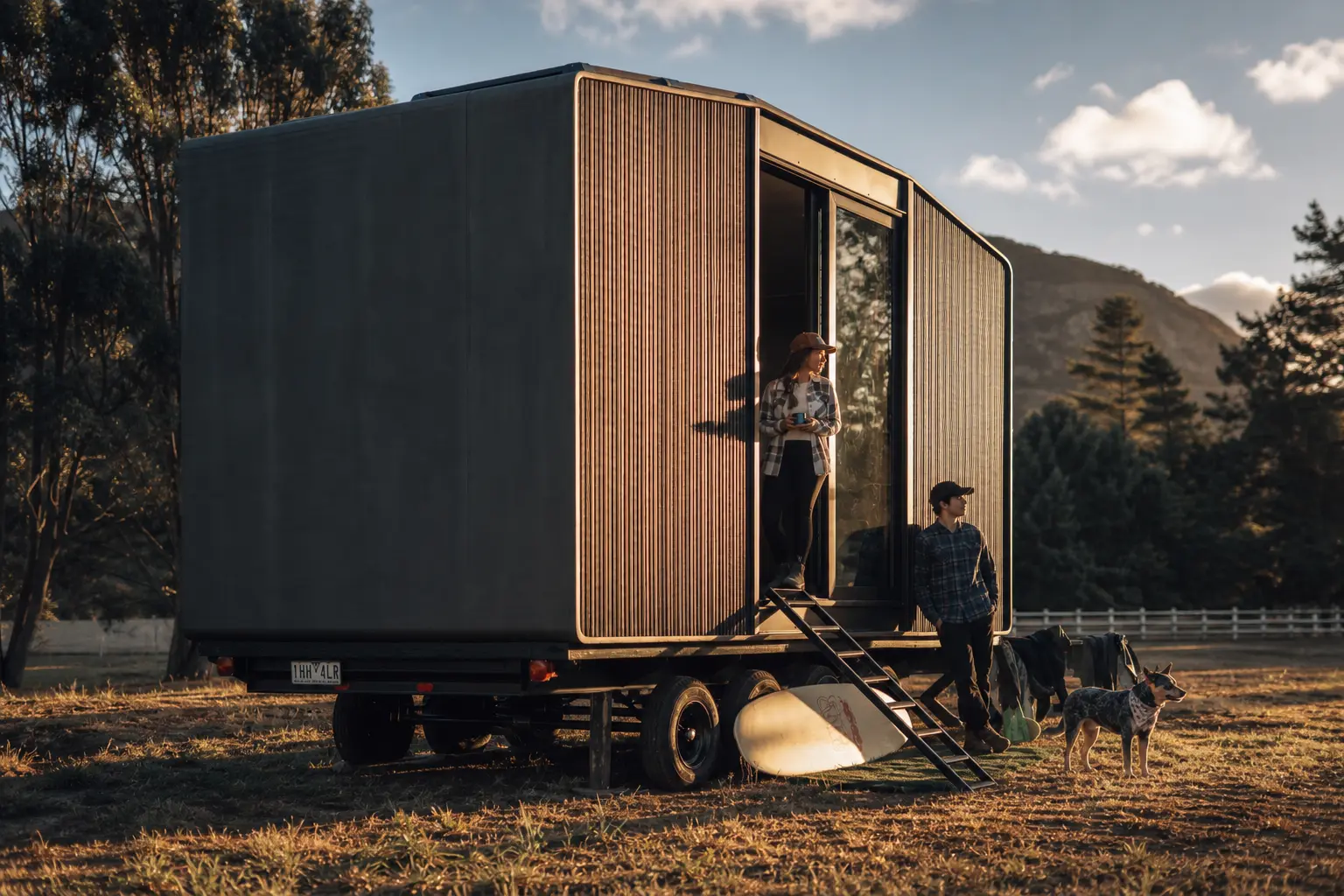
Alternative housing solutions can help homeowners, developers, and organizations create additional residential capacity without relying only on traditional construction methods. At Azure Printed Homes, we develop modular solutions including homes, ADUs, studio units, and custom designs. We create spaces that can support different applications, whether the goal is adding an additional living unit, developing residential spaces, or creating a customized housing project.
How Modular Homes Support Affordable Housing
As communities continue to search for ways to increase housing availability, modular homes are becoming one of the options considered for creating additional residential spaces. By combining factory-based construction, flexible designs, and efficient production methods, modular housing can support different types of projects, from individual homes to larger housing developments.
Expanding the Supply of Available Housing
One of the biggest challenges in affordable housing is the limited supply of available homes. When demand increases faster than new housing can be built, communities often need additional approaches to expand residential options.
Modular homes can support housing development by providing another way to create living spaces through a more structured construction process. Because many components are produced in a factory environment, modular construction can help simplify production and provide repeatable solutions for different projects.
Modular housing can be used for various applications, including:
- Affordable housing initiatives
- Workforce housing
- Additional residential units
- Community housing projects
- Developer-led housing developments
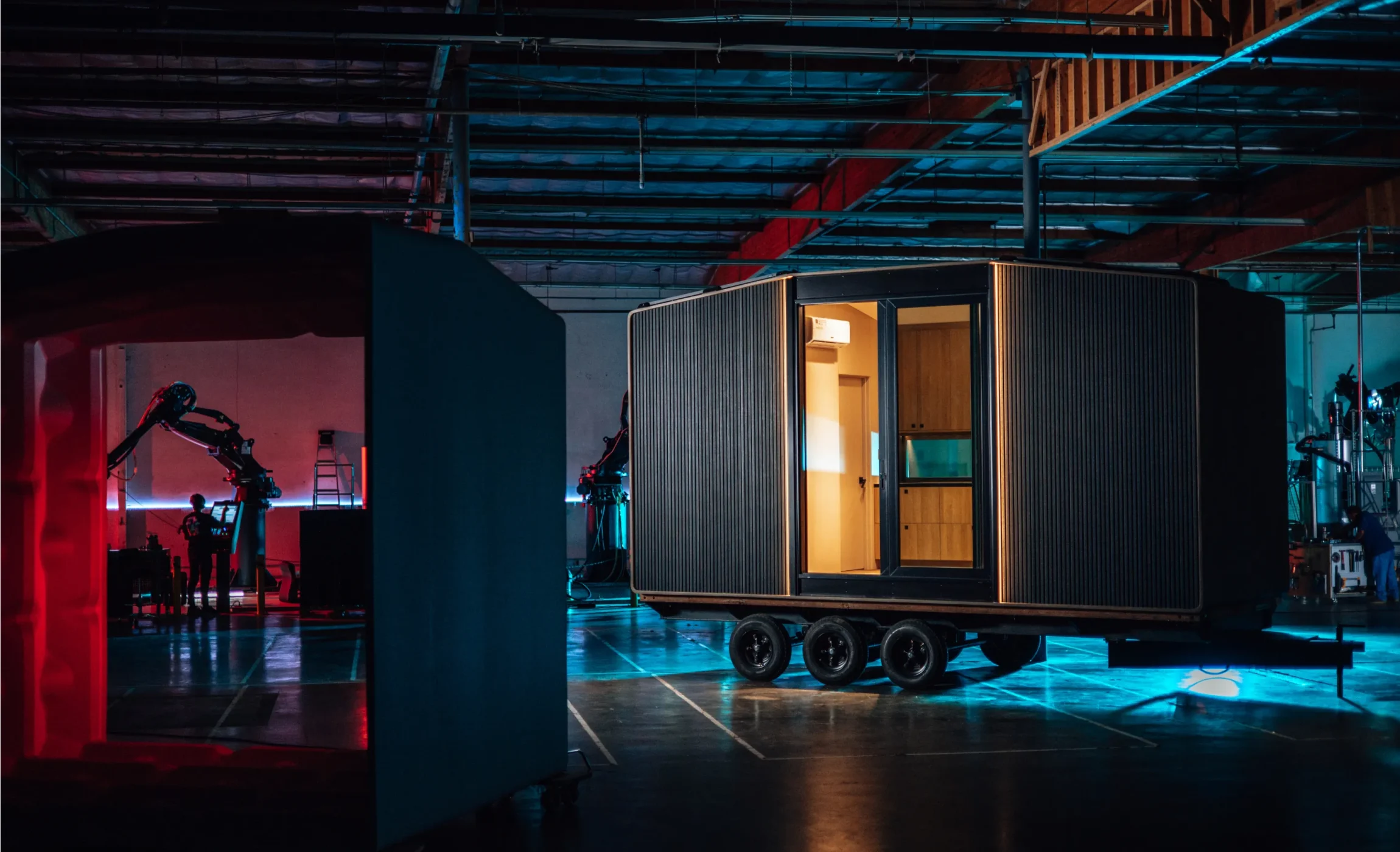
At Azure Printed Homes, we use robotic 3D printing and modular construction methods to create housing solutions designed around different project goals. Our approach allows us to develop customizable living spaces while using a manufacturing process that supports efficient production.
Creating Different Types of Housing for Different Needs
Affordable housing requires flexibility because communities and residents have different needs. A small additional unit may work for one situation, while another project may require larger residential spaces.
Compact Housing Options
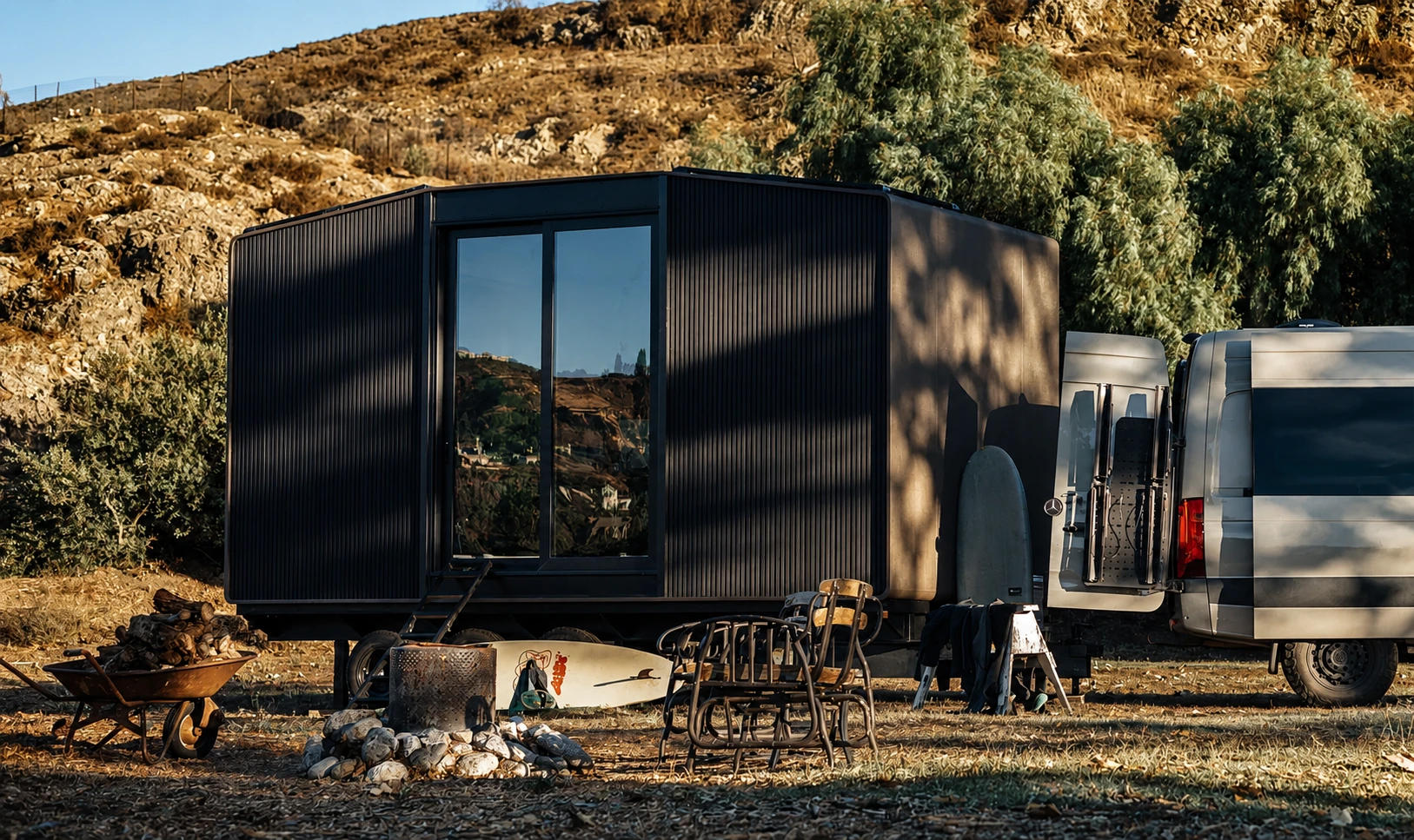
Smaller modular units can provide practical housing options when space, land availability, or project size are limited. They can be used for additional living spaces, backyard units, studios, or compact residential projects where efficient use of space is important.
We create studio units designed for different applications, from smaller standalone spaces to flexible additions for existing properties. Our compact models, including N-100, A-120, D-120, and D-180, are designed to provide functional spaces while maintaining the benefits of factory-based construction and customizable options.
Homes and ADUs
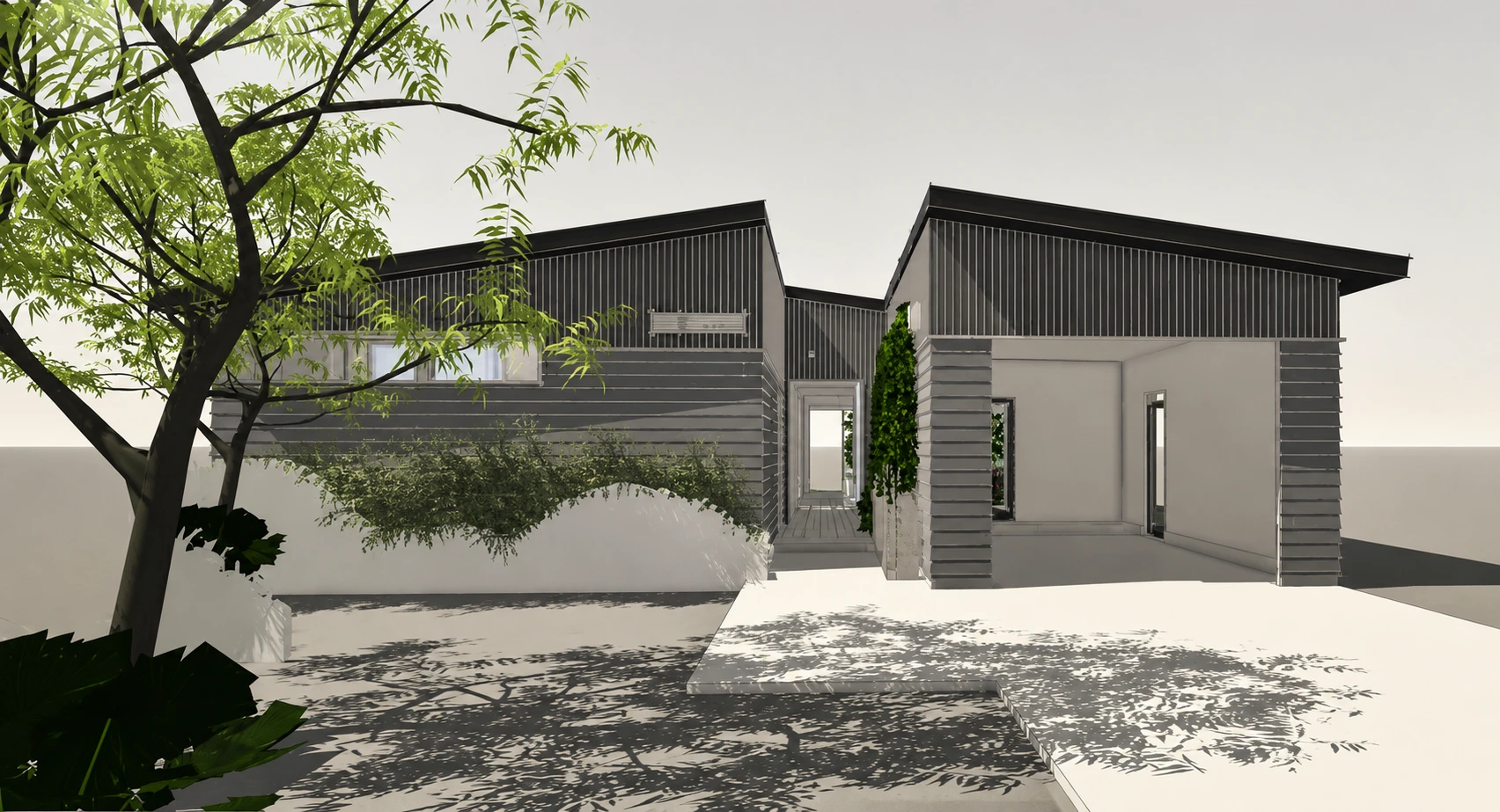
For projects that require more traditional residential layouts, modular homes and ADUs can help increase housing capacity while providing comfortable living spaces. These solutions can support additional family housing, rental units, guest accommodations, or larger residential projects.
We offer homes and ADUs in different sizes and configurations, including our 360, 540, 720, and 900 models. These options range from smaller one-bedroom layouts to larger homes with additional bedrooms and expanded living areas. Each project can be adapted with different layouts, finishes, and features to better match specific housing goals and site requirements.
Custom Modular Housing Projects
Some housing projects require more flexibility than standard models can provide. Unique properties, specific community needs, or larger development goals may require adjustments to the size, layout, or overall design.
We work on custom modular projects that allow changes to dimensions, layouts, finishes, and features. This flexibility helps create housing solutions designed around specific requirements, whether the goal is adding individual living spaces or developing larger modular housing projects.
Benefits of Modular Housing for Affordable Housing Projects
Modular housing offers several advantages that can help address common challenges in affordable housing development. From improving construction efficiency to providing more flexible design options, modular approaches can help homeowners, developers, and organizations create housing solutions that better match specific needs and project goals.
Faster Construction Timelines
One benefit of modular construction is that much of the building process takes place in a controlled factory environment. This can reduce some challenges associated with traditional onsite construction, such as weather-related delays and coordinating multiple construction stages at the same location.
We use robotic 3D printing technology as part of our manufacturing process. We print the home structure, complete electrical, mechanical, plumbing systems, and interior finishes before delivery. Depending on the project type and location, our studio units may be delivered within 30-60 days, while homes and ADUs may be completed within approximately 90-120 days.
For housing programs and developers, more organized construction timelines can help support projects that need additional housing capacity.
More Efficient Construction Processes
Factory-based production allows different stages of construction to happen in a controlled environment. This approach can improve coordination between design, manufacturing, and installation.
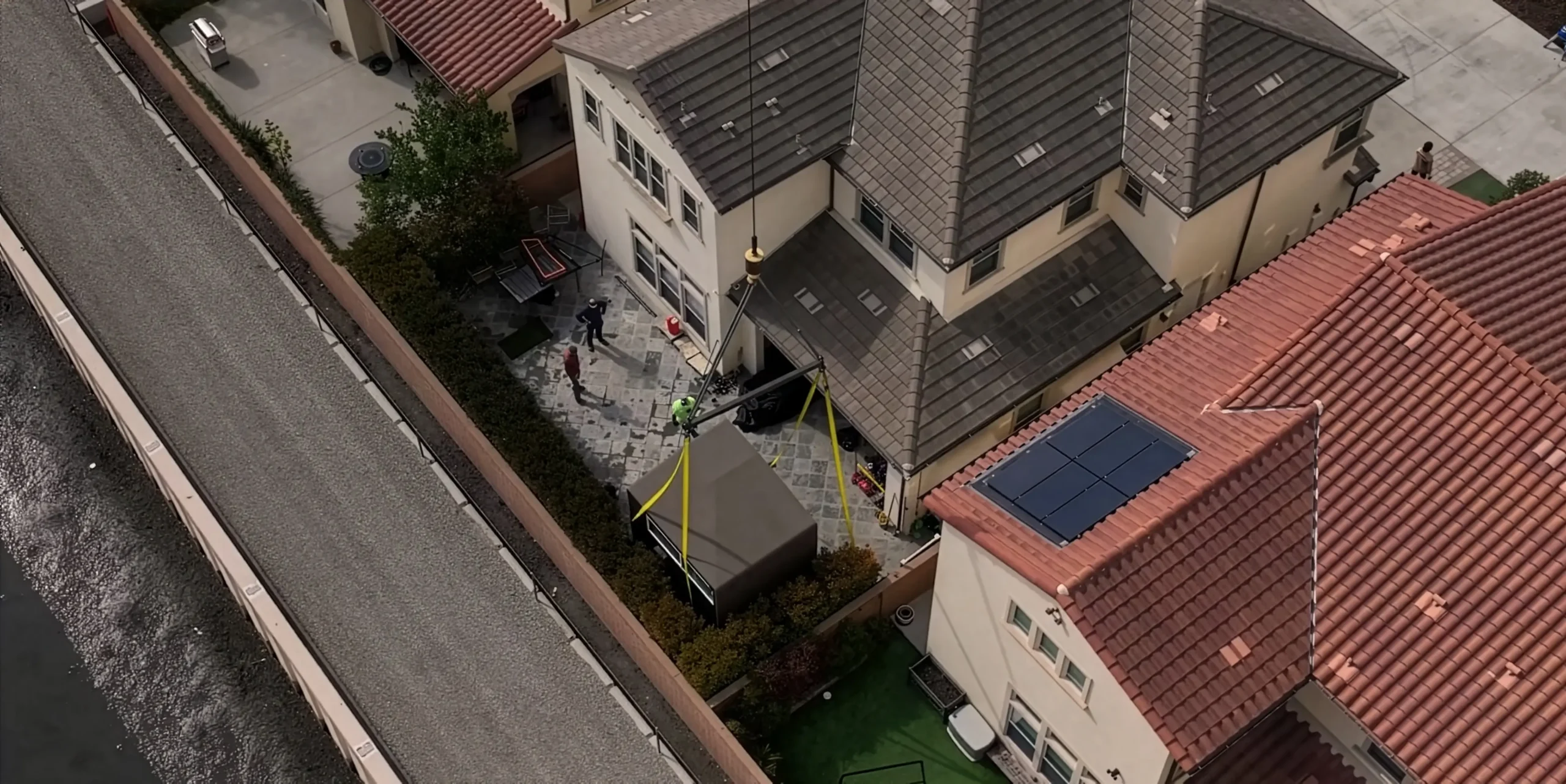
While every modular project still requires planning for permits, site preparation, utilities, and installation, the factory process can reduce the amount of construction work required at the final location. For example, we complete major systems and finishes before delivery. Once the unit arrives, our team coordinates installation and connection to required site services based on project requirements.
Design Flexibility and Customization
A common misconception is that modular homes have limited design options. Modern modular construction can provide flexibility through customizable layouts, materials, finishes, and features.
Different projects may require different solutions depending on residents, location, and future use. We customize our modular spaces by adjusting dimensions, layouts, finishes, and features. Our process allows projects to move beyond one standard design and create housing solutions based on specific needs.
Sustainable Materials and Resource Efficiency
Sustainable construction methods can help reduce material waste and improve resource efficiency. Modern modular housing approaches often focus on using materials and production processes more thoughtfully.
At Azure Printed Homes, more than 60% of our print material comes from recycled plastic. Approximately 100,000 plastic bottles are recycled to create 120 square feet of printed home material.
For projects where recycled plastic is not suitable, including certain high fire hazard severity zones, we offer light gauge steel construction options. These material choices allow projects to consider different environmental and location requirements.
Flexible Applications for Different Organizations
Affordable housing projects involve many different stakeholders, including government programs, developers, businesses, and community organizations. Each group may have different goals, timelines, and housing requirements.
Modular housing can support different applications because units can be designed for various purposes. A project may focus on additional housing units, residential developments, community needs, or specialized living spaces. We work with different project requirements to create modular spaces that support a range of housing applications.
Factors to Consider Before Choosing a Housing Solution
Choosing an affordable housing solution requires looking beyond the type of home itself. The right option depends on the property, project goals, available resources, and how the space will be used over time. Careful planning can help individuals, developers, and organizations select a solution that fits both current needs and future requirements.
| Factor | What to Consider |
| Land, Permits, and Local Requirements | Every housing project has different site conditions and regulations. Important considerations include zoning requirements, permits, site preparation, utility connections, and infrastructure needs. Understanding these factors early can help reduce delays and unexpected costs during development. |
| Project Goals and Scale | The best housing solution depends on the purpose of the project. A homeowner adding an ADU may need a different approach than a developer creating multiple residential units or a community organization expanding housing availability. The size, intended use, and number of units should guide the decision. |
| Long-Term Use and Adaptability | Housing needs can change over time, so flexibility is an important consideration. Designs that can adapt to changing family needs, community requirements, or future uses can provide more long-term value. |
For modular housing projects, these considerations are especially important because factors such as location, installation requirements, and intended use influence the final design and construction approach. Careful planning helps ensure the selected housing solution aligns with both immediate goals and future needs.
Final Thoughts
Finding affordable housing often requires looking beyond traditional options and considering different approaches that match financial and community needs.
For individuals, this may mean creating a realistic budget, researching available programs, and exploring different housing types. For organizations and communities, it may mean finding construction methods that help increase housing supply.
Modular construction represents one approach that can help expand housing availability through efficient production, customizable designs, and modern technologies. At Azure Printed Homes, we continue developing modular living spaces that combine robotic 3D printing, recycled materials, and adaptable designs. We focus on creating housing solutions that can support changing needs and provide another option for communities, organizations, and developers.